
Click on image to view the full photo gallery
DeSoto Firedome II Station Wagon 4.8 V8 (185 Hp)
Overall Rating
DeSoto Firedome:
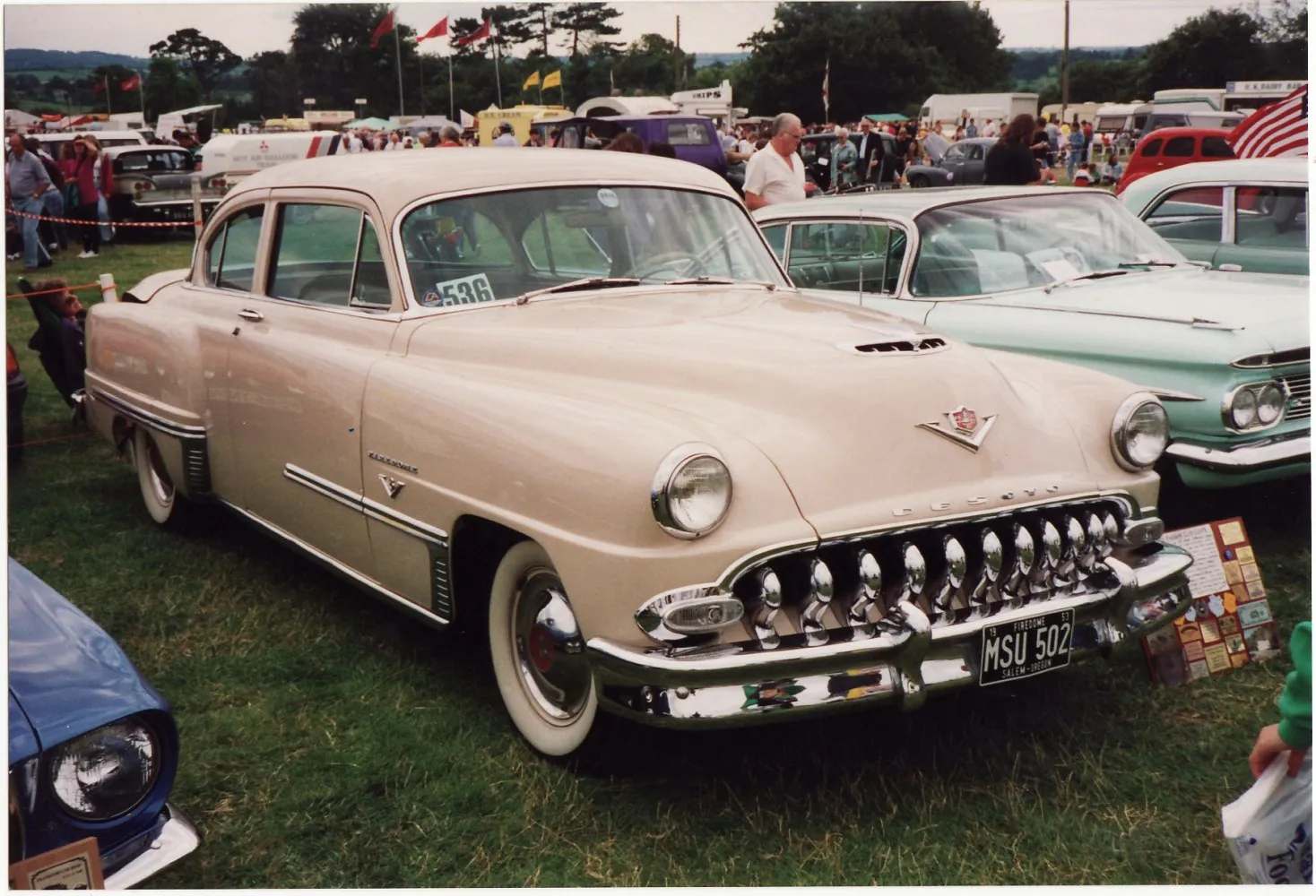
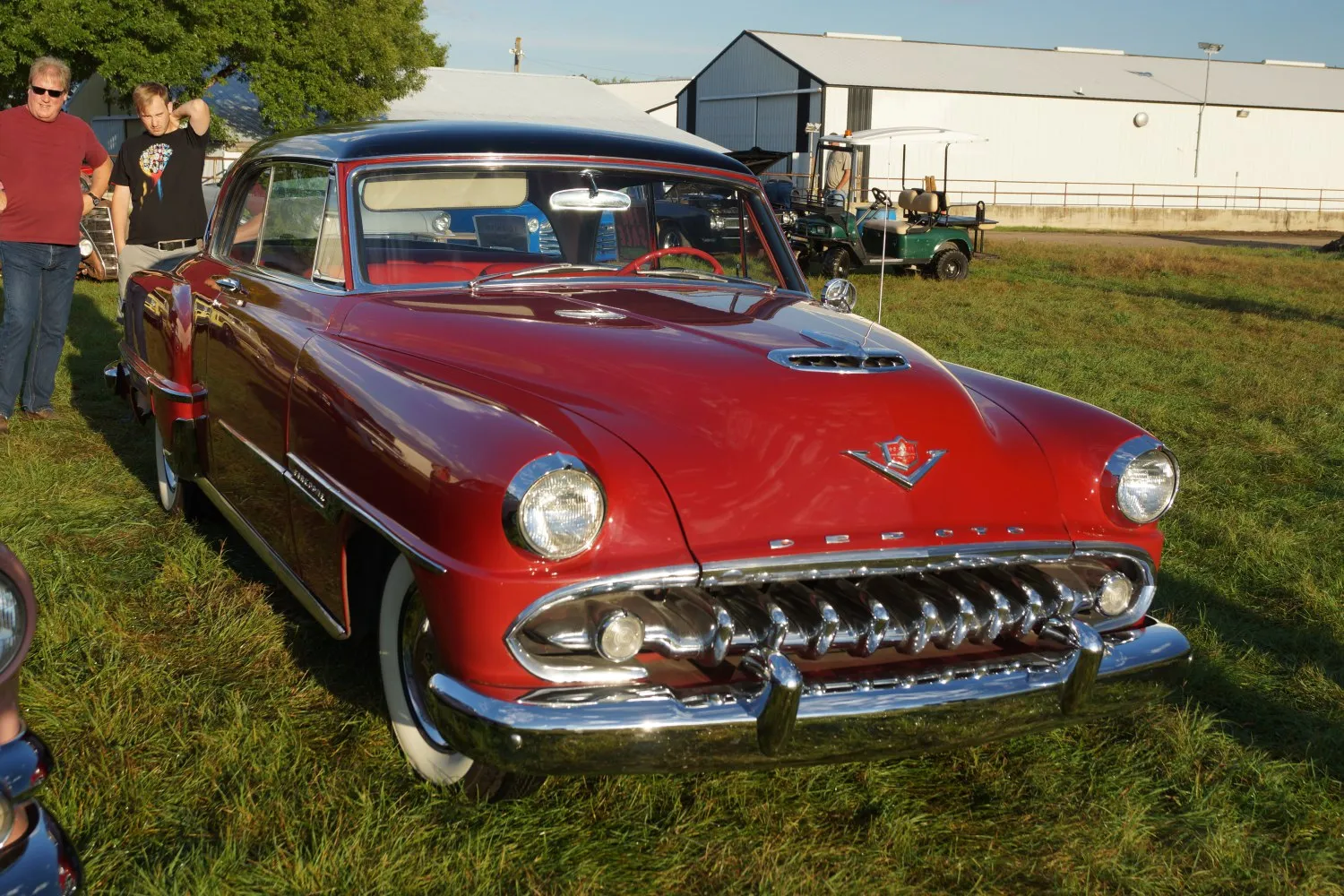
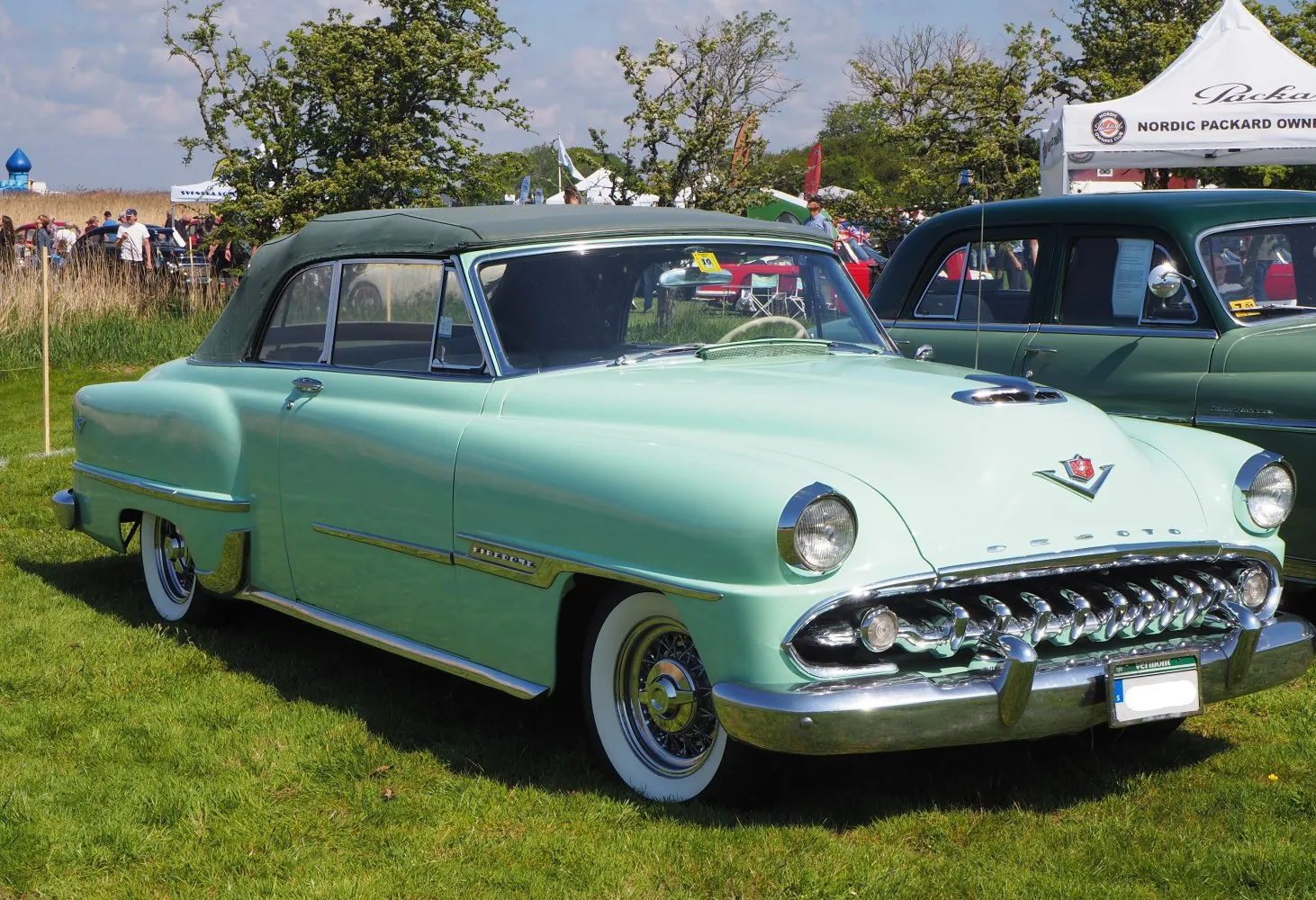
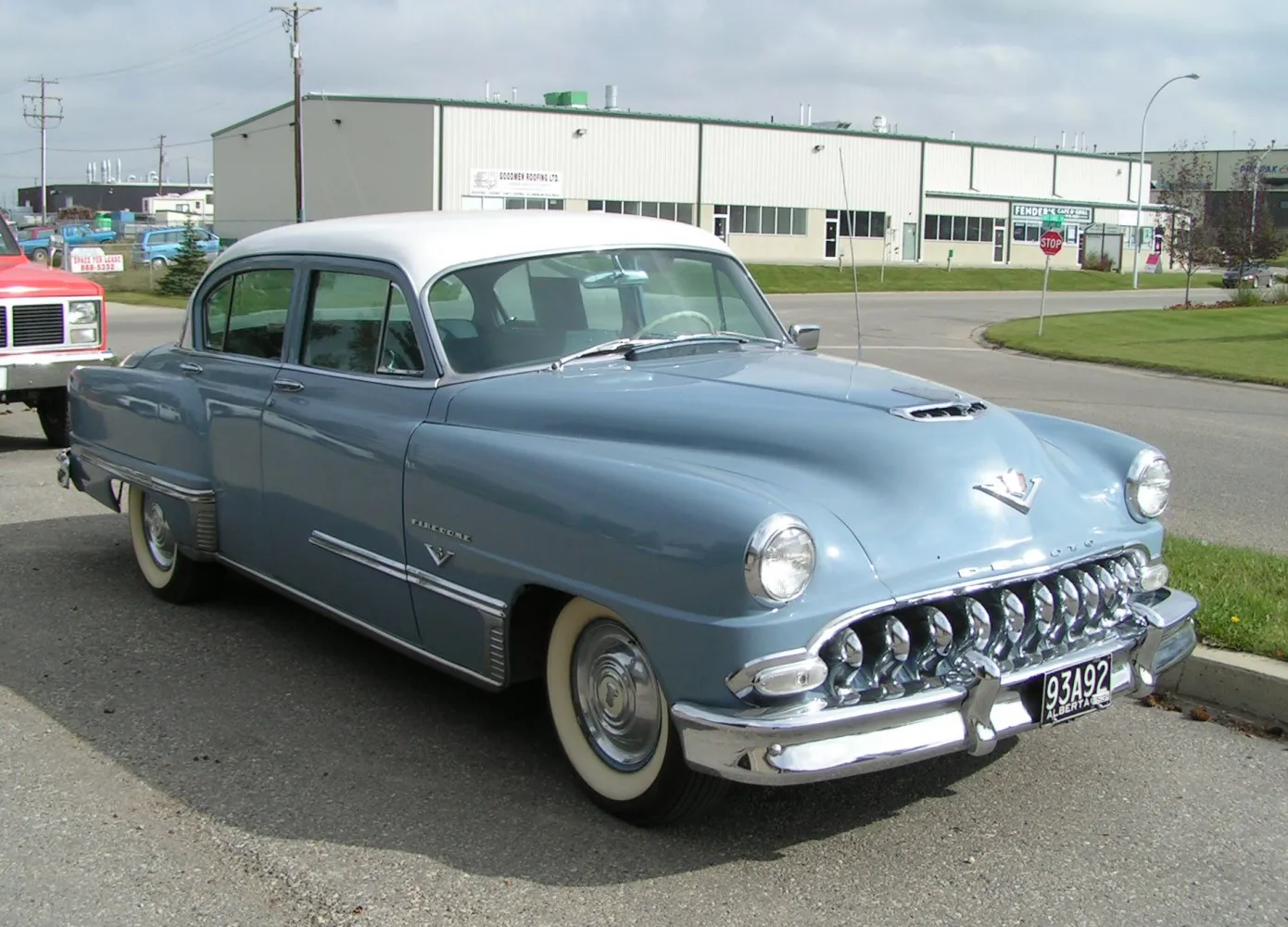
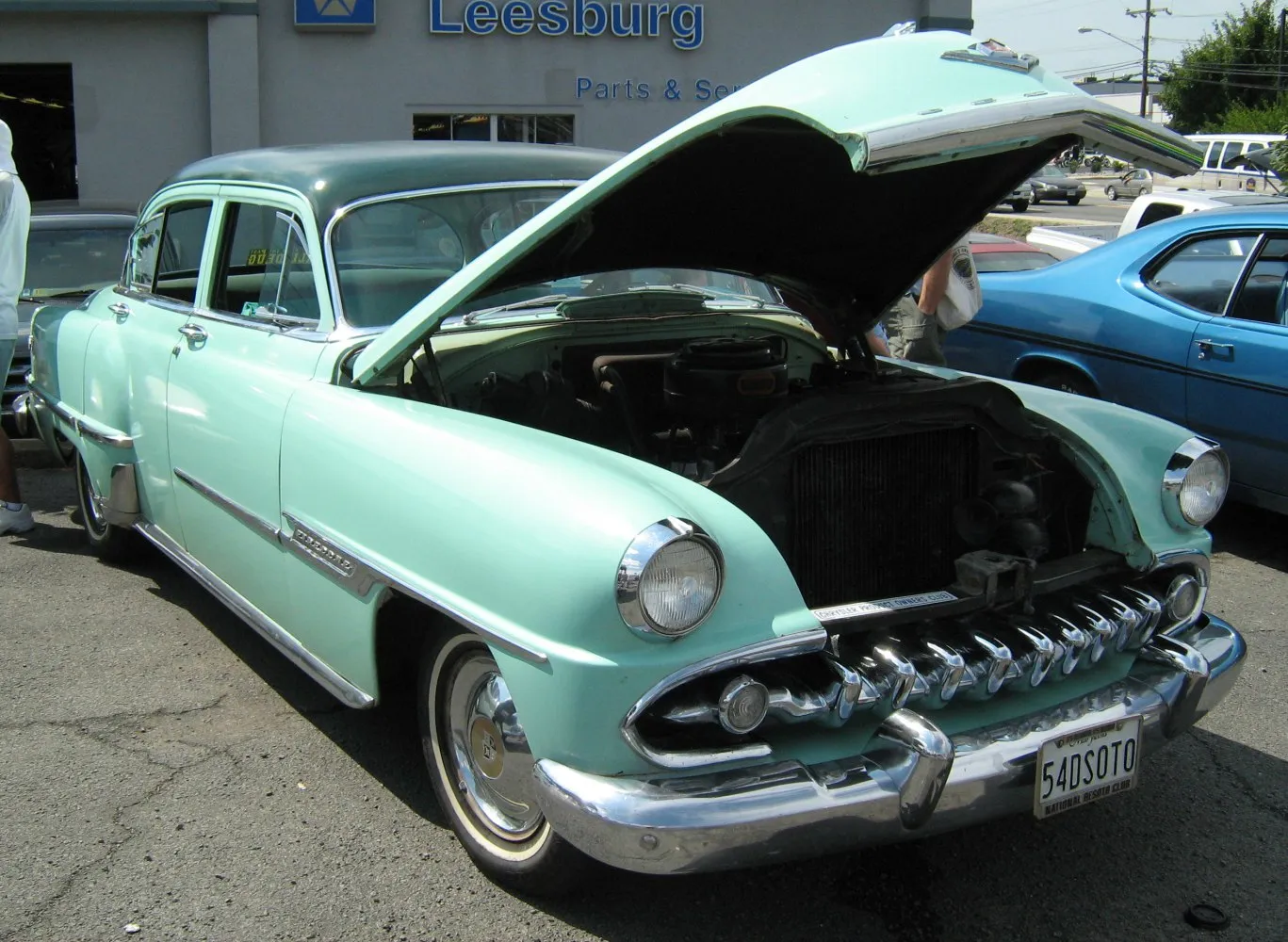
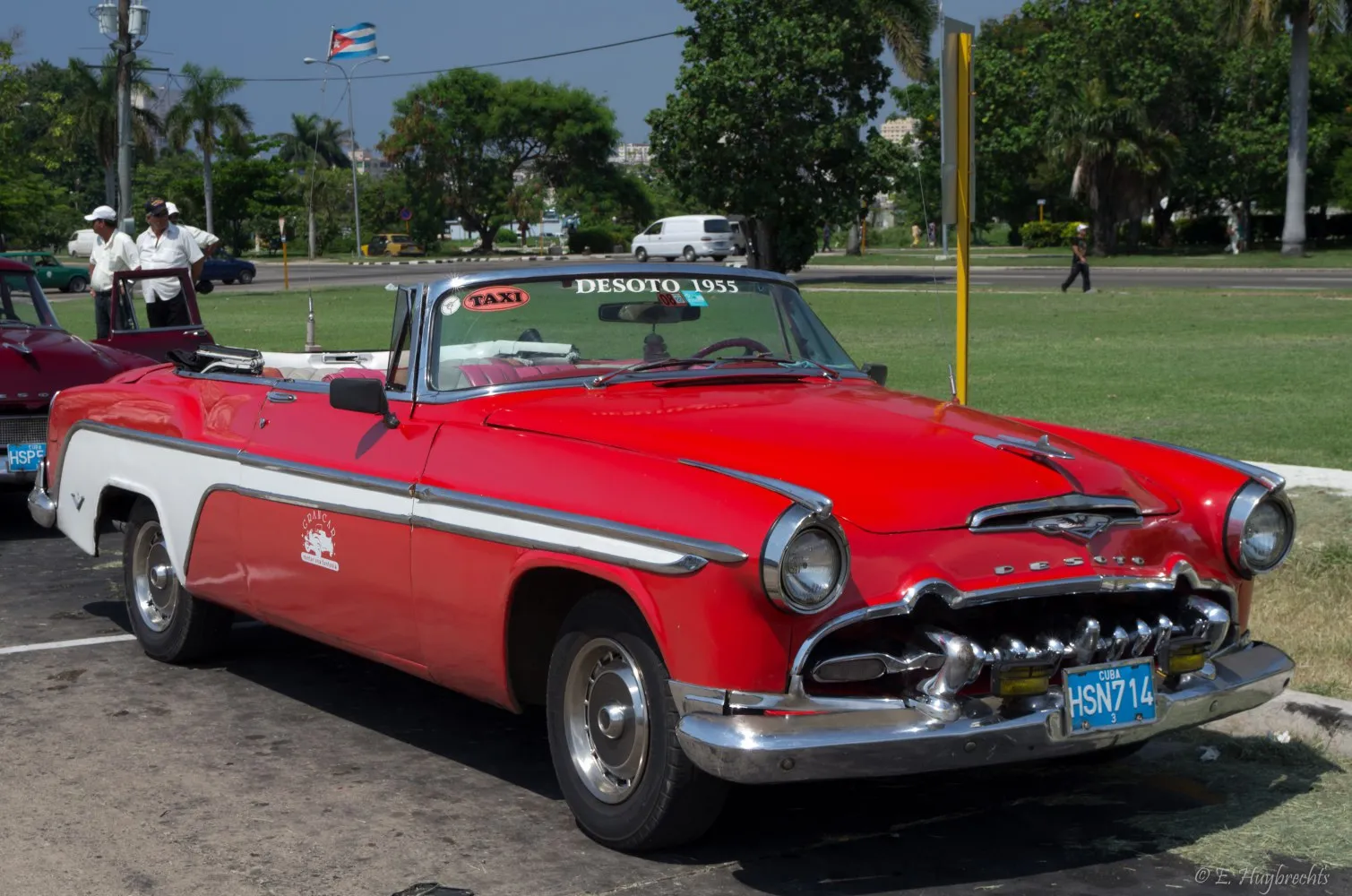
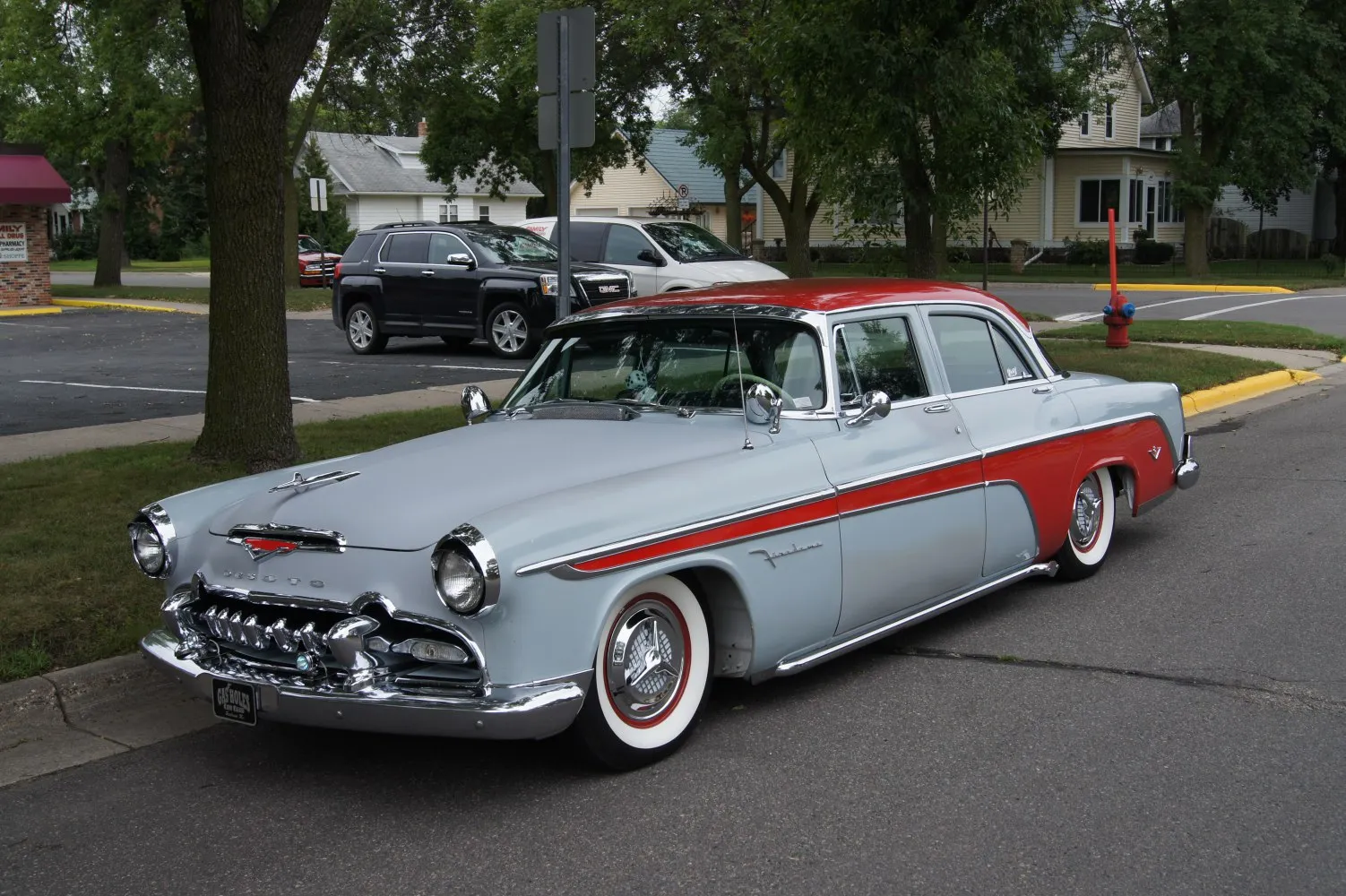
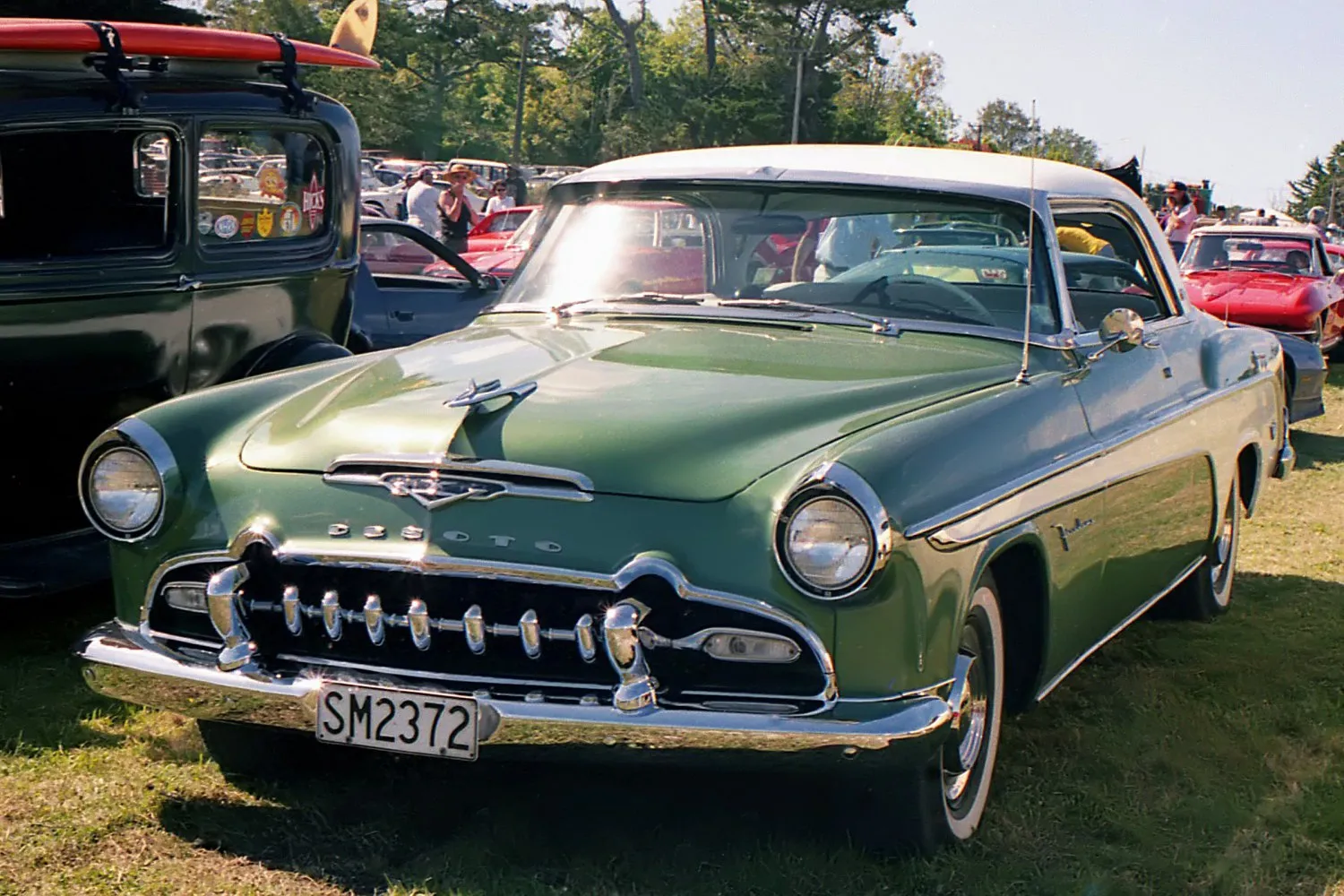
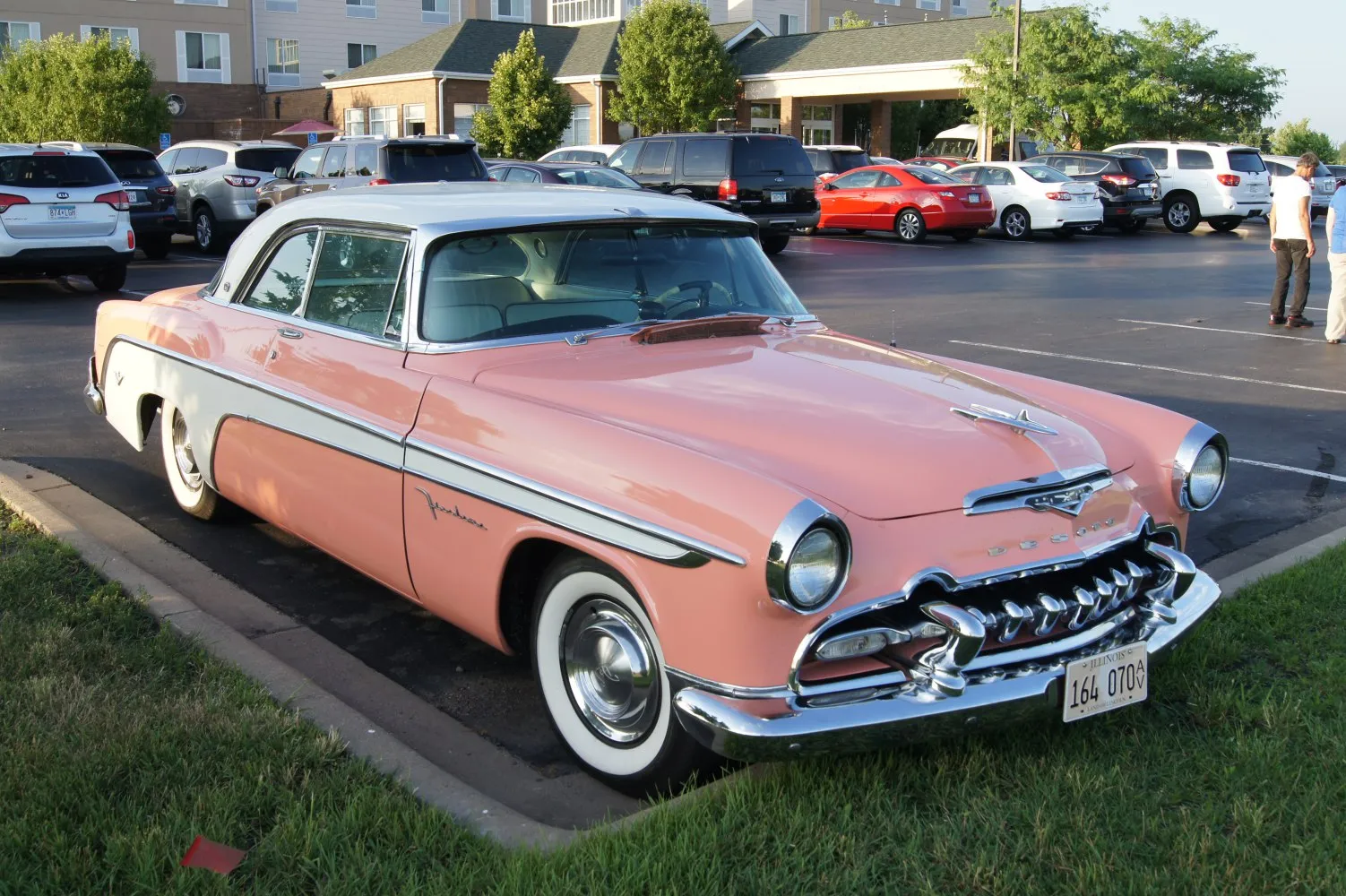
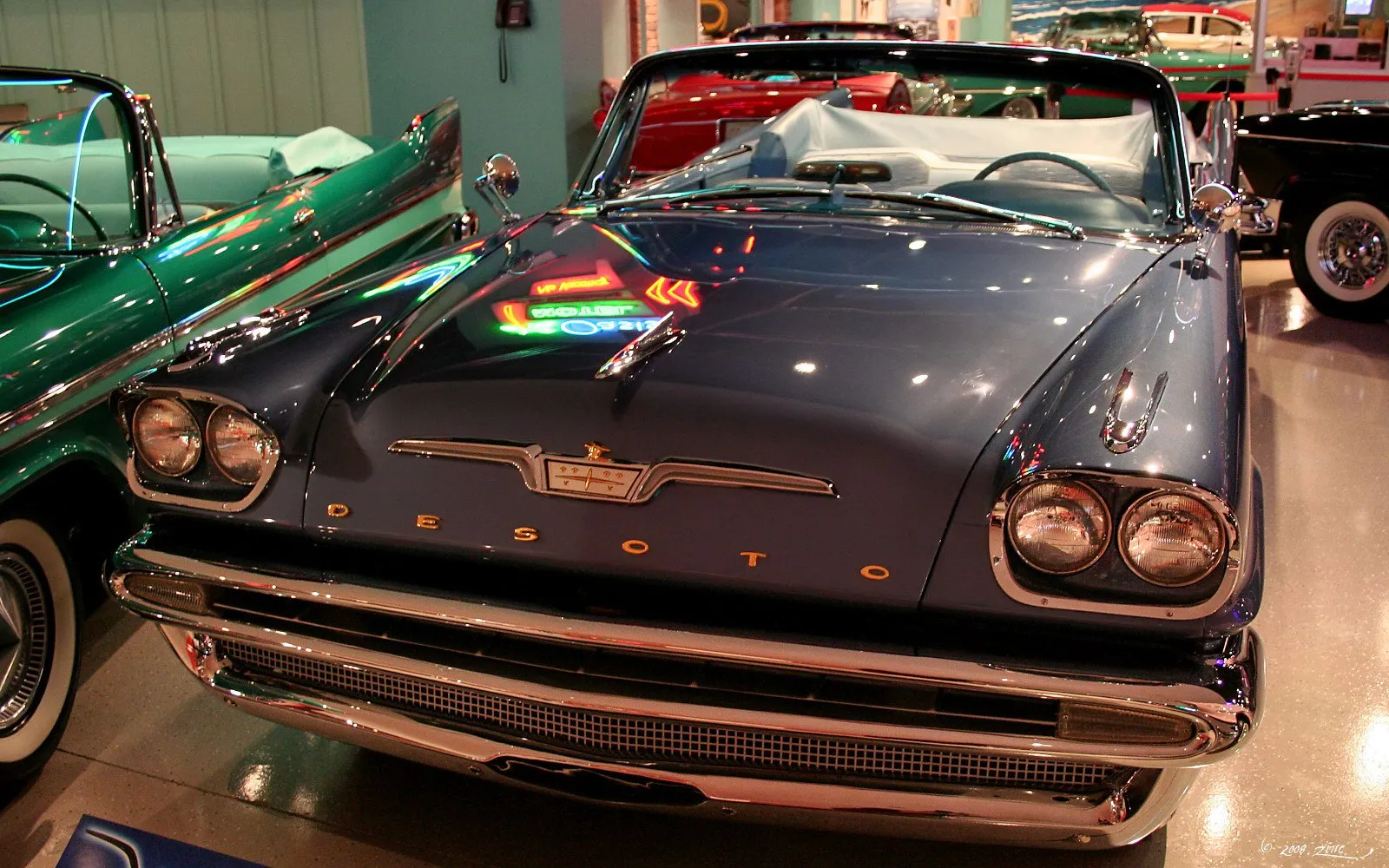
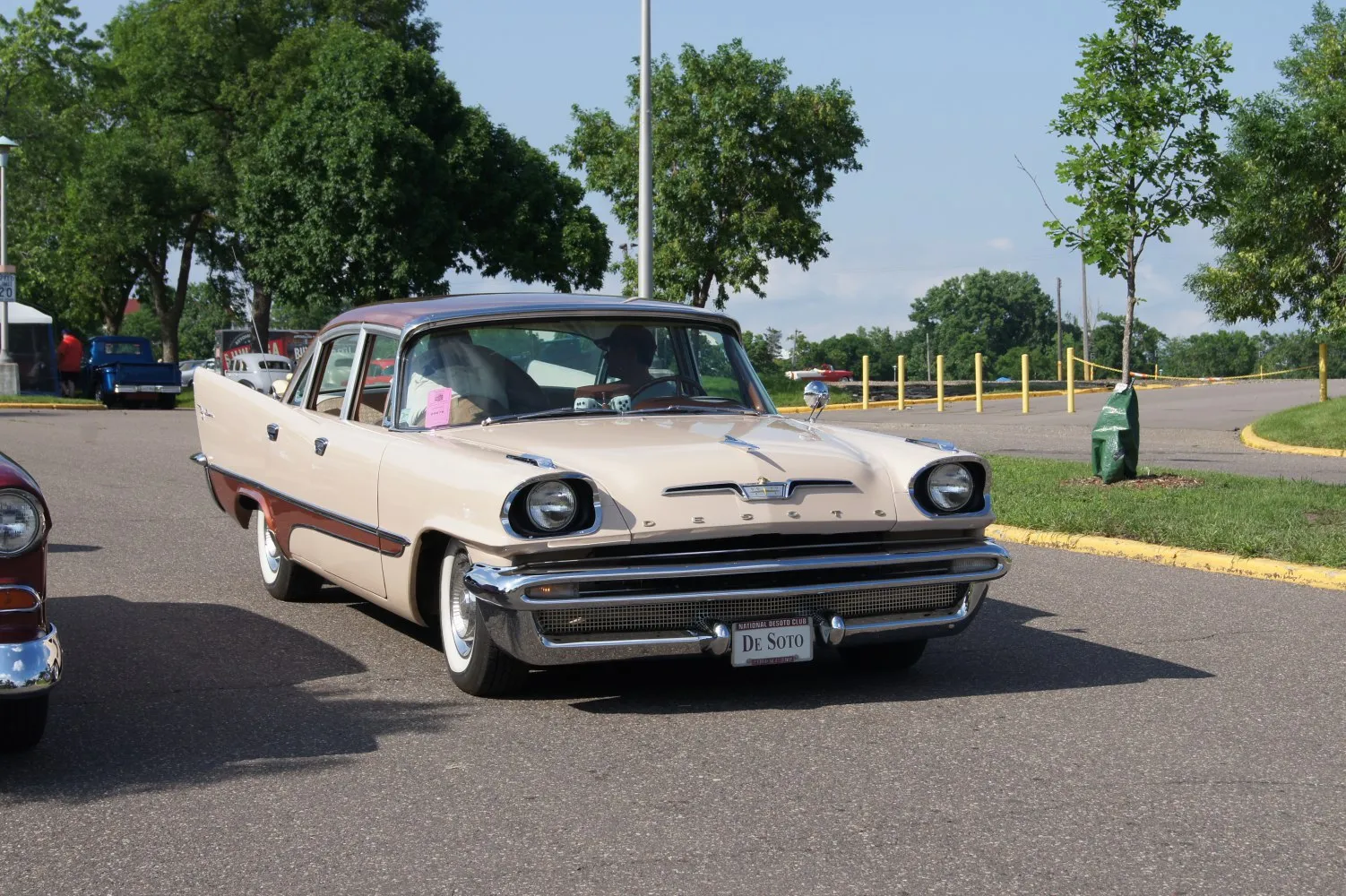
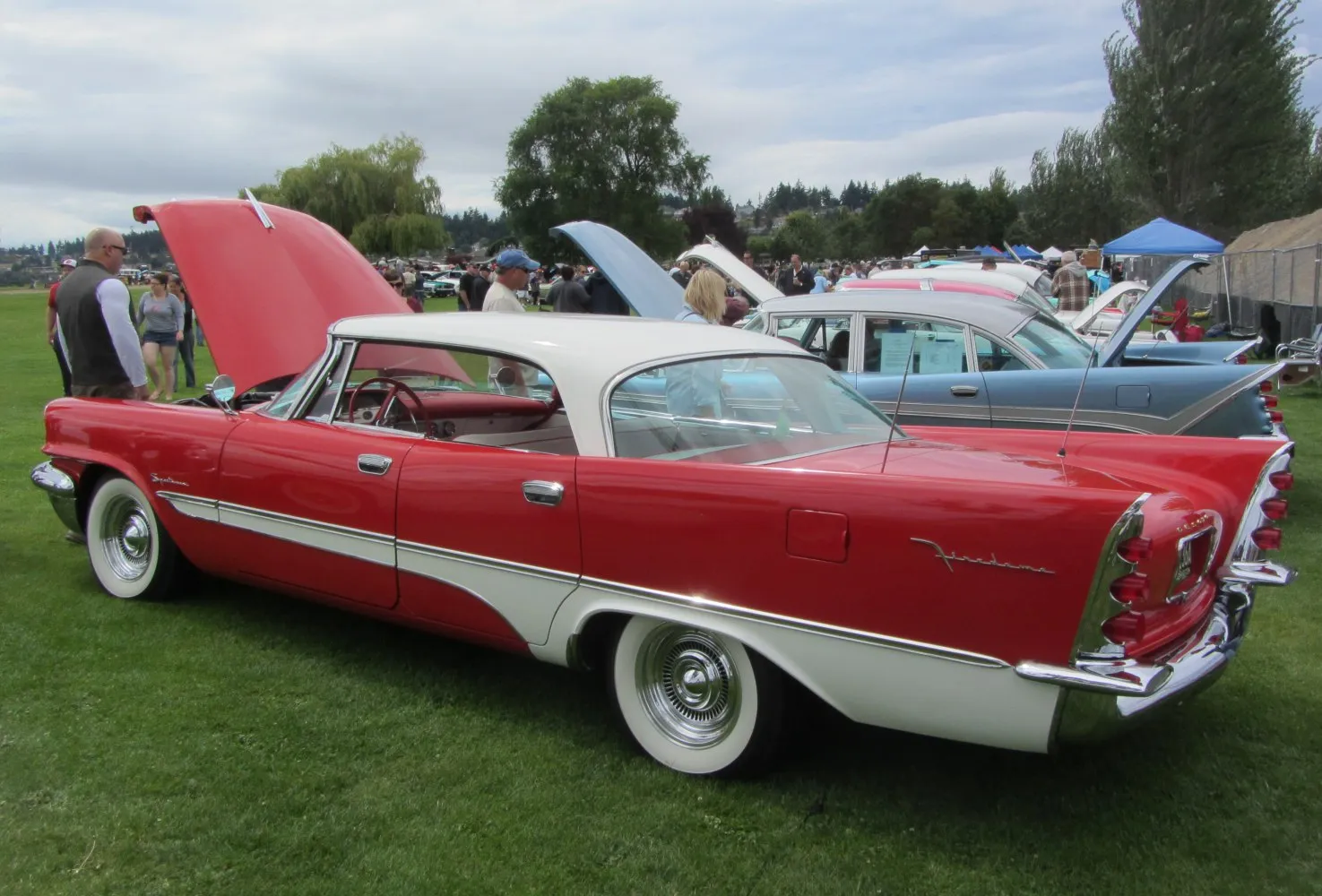
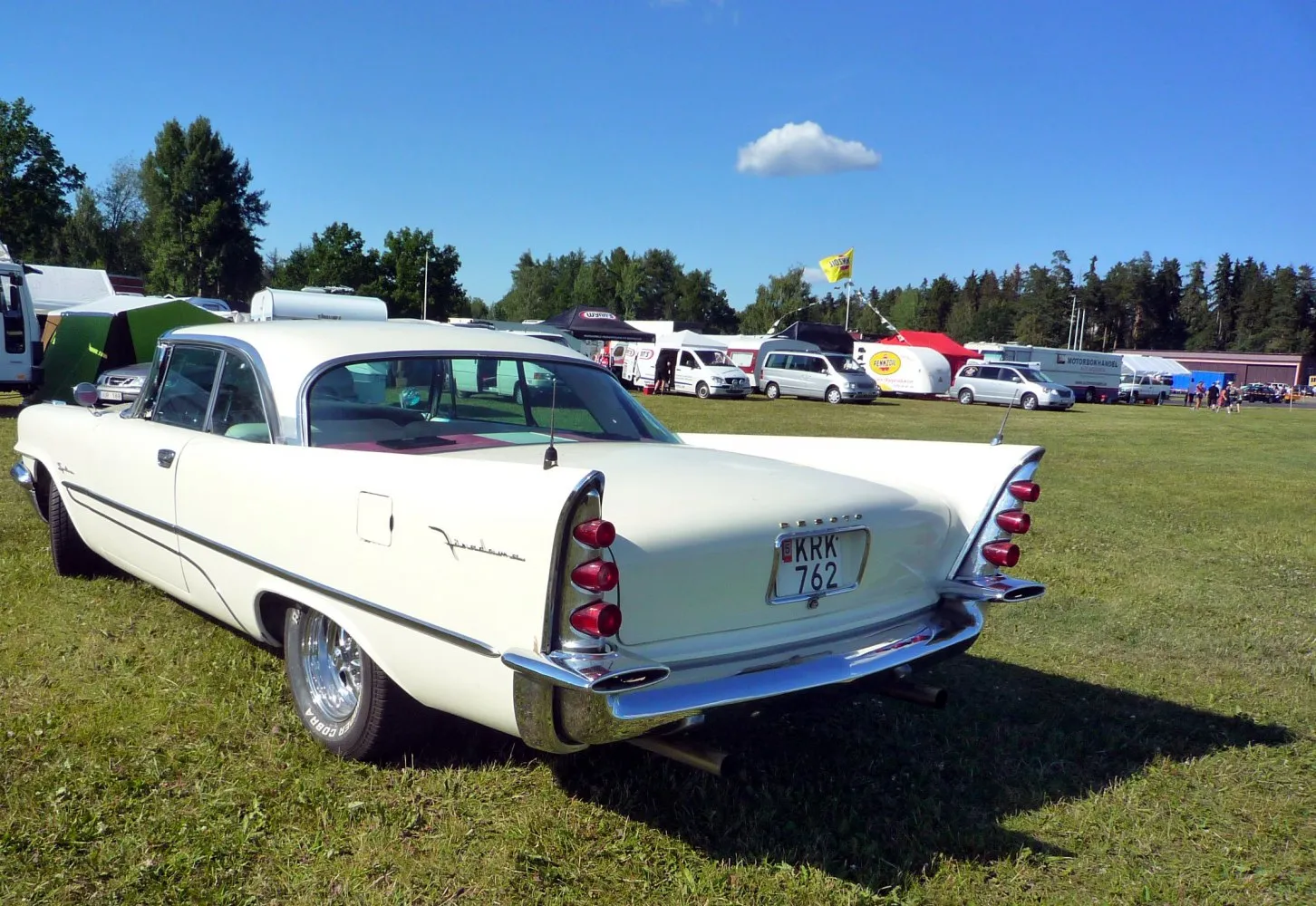
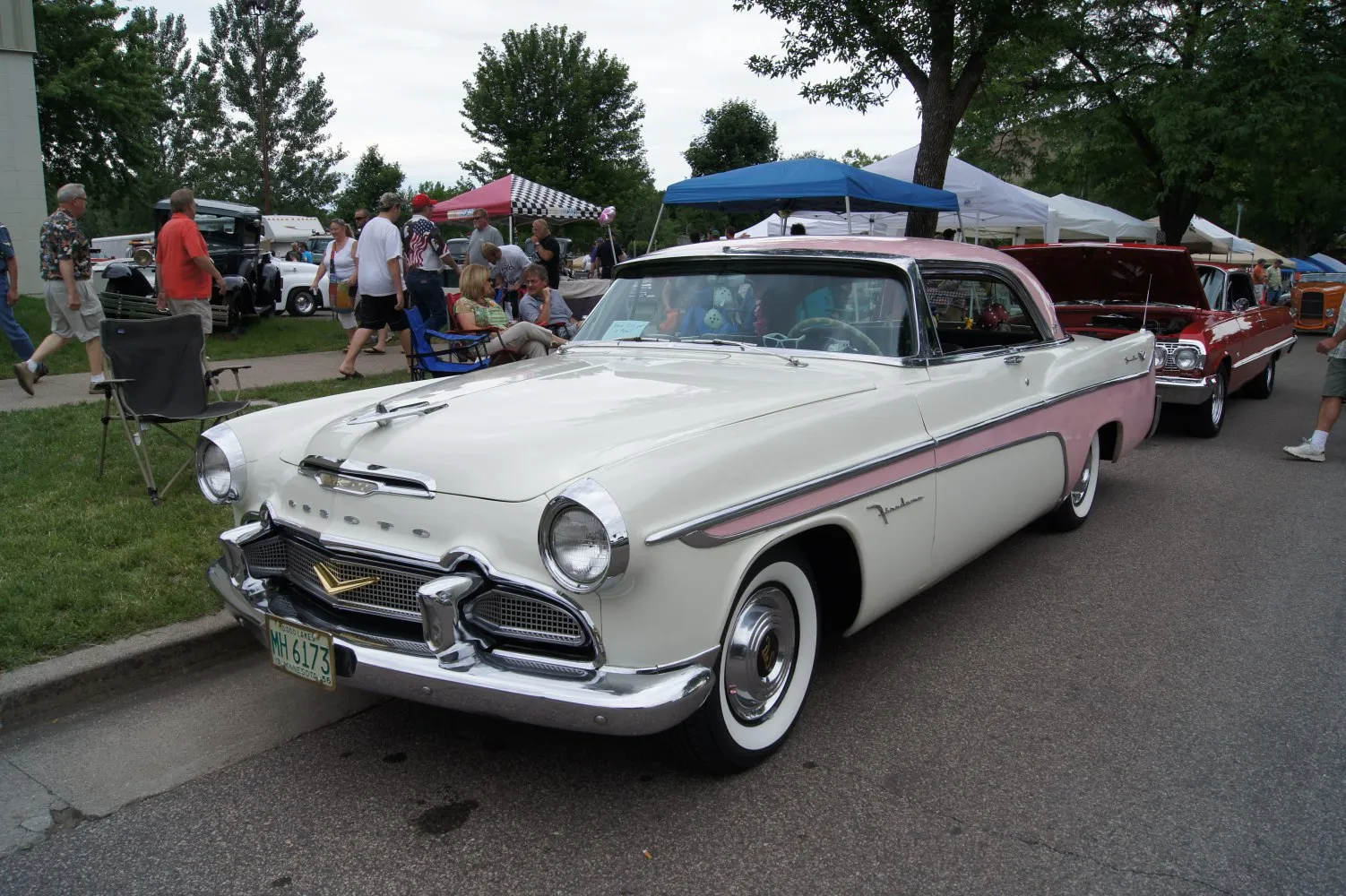
The DeSoto Firedome was a full-size automobile produced between 1952 and 1959 by the DeSoto division of the Chrysler Corporation. Introduced as DeSoto's premium line of vehicles for the 1952 model year, it retained that position until demoted to the least expensive model for 1955. It was reclassified to become a mid-range vehicle for 1957 and was discontinued for the 1960 model year.
The 1953 Firedome was introduced just prior to DeSoto's 25th Anniversary in 1953, and arrived as the new top series, displacing the Custom nameplate which was retired at the end of the 1952 model year. The entire De Soto model lineup was restyled and Firedome prices started at US$2,740. During the 1953 model year, approximately 64,211 examples were produced....(Read more on Wikipedia)
II Station Wagon Overview:
DeSoto Firedome (II Station Wagon). With 332 Nm of torque, it offers ample pulling power. Rear‑wheel drive offers dynamic handling and sporty feedback. A car with an extended rear cargo area, combining passenger comfort with increased storage. With seating for 6, it’s perfect for larger families.
4.8 V8 (185 Hp) Verdict:

Performance Verdict
This 4.8L V8 delivered strong, smooth power for its time, making the Firedome a capable cruiser and family transporter. Acceleration was respectable for a large station wagon.
Fuel Economy
As expected for a large 1950s V8, fuel economy was not a priority and would be considered poor by modern standards, likely single-digit MPG.
 Community Verdict
This rating is based on comments found on Reddit, scanned using artificial intelligence, and may not accurately reflect reality.
3.8 / 5
Based on AI analysis of 8 discussions
Read What Owners Say
Pros and Cons:
Pros:
- • Powerful 4.8L V8 engine for its era
- • Spacious and comfortable interior for six occupants
- • Distinctive and stylish 1950s American design
- • Smooth ride quality, ideal for cruising
- • Practical station wagon utility
Cons:
- • Very poor fuel economy by modern standards
- • Basic safety features compared to contemporary vehicles
- • Handling and braking are rudimentary
- • Requires more frequent maintenance than modern cars
- • Large exterior dimensions can make maneuvering challenging
Specifications:
Specifications are compared to those of the previous generation(Convertible Coupe (facelift 1954): 1953 - 1954).
| General: | |
|---|---|
| Brand: | DeSoto |
| Model: | Firedome |
| Generation: | II Station Wagon |
| Modification (Engine): | 4.8 V8 (185 Hp) |
| Start of production: | 1954 |
| End of production: | 1955 |
| Powertrain Architecture: | Internal Combustion engine |
| Body type: | Station wagon (estate) |
| Seats: | 6 |
| Doors: | 5 |
| Engine: | |
|---|---|
| Power: | 185 Hp @ 4400 rpm. Same horsepower |
| Power per litre: | 38.8 Hp/l [104mm more] |
| Torque: | 332 Nm @ 2800 rpm. |
| Engine Model/Code: | S21-1001 More details about the engine S21-1001 |
| Engine displacement: | 4769 |
| Number of cylinders: | 8 |
| Engine configuration: | V-engine |
| Number of valves per cylinder: | 2 |
| Fuel injection system: | Carburettor |
| Engine aspiration: | Naturally aspirated engine |
| Valvetrain: | OHV |
| Engine oil capacity: | 4.7 l |
| Coolant: | 21.8 l |
| Cylinder Bore: | 94.49 mm mm |
| Piston Stroke: | 84.931 mm mm |
| Compression ratio: | 7.5:1 |
| Performance: | |
|---|---|
| Fuel Type: | Petrol (Gasoline) |
| Space: | |
|---|---|
| Fuel tank capacity: | 70 l |
| Size: | |
|---|---|
| Ramp-over (brakeover) angle: | 11° |
| Length: | 5552 mm mm [104mm more] |
| Width: | 1989 mm mm [20mm more] |
| Height: | 1539 mm mm [93mm less] |
| Wheelbase: | 3200 mm mm [12mm more] |
| Front track: | 1529 mm |
| Rear (Back) track: | 1514 mm |
| Ride height (ground clearance): | 160 mm |
| Minimum turning circle (turning diameter): | 13.4 m [above average] |
| Approach angle: | 21° |
| Departure angle: | 12° |
| Powertrain: | |
|---|---|
| Drivetrain Architecture | The Internal combustion engine (ICE) drives the rear wheels of the vehicle. |
| Drive wheel | Rear wheel drive |
| Number of gears | 3 |
| Transmission type | Manual |
| Front brakes | Drum, 305 mm [bad for performance and cooling.] |
| Rear brakes | Drum, 305 mm [bad for performance and cooling.] |
| Steering type | Worm-reduction unit |
| Power steering | Hydraulic Steering |
| Front suspension | Independent coil spring |
| Rear suspension | Leaf spring |























The hidden gems or the annoying flaws? Expose the truth about the DeSoto Firedome!