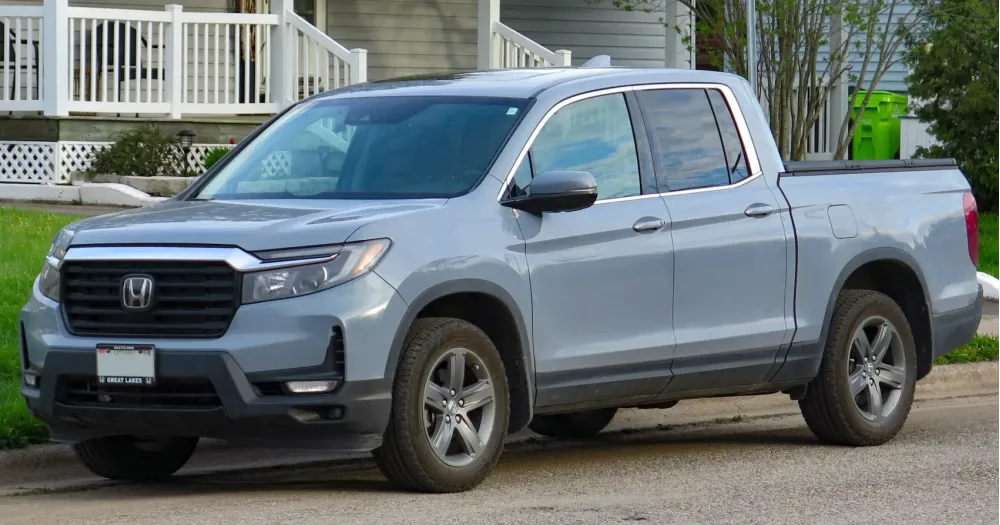
Click on image to view the full photo gallery
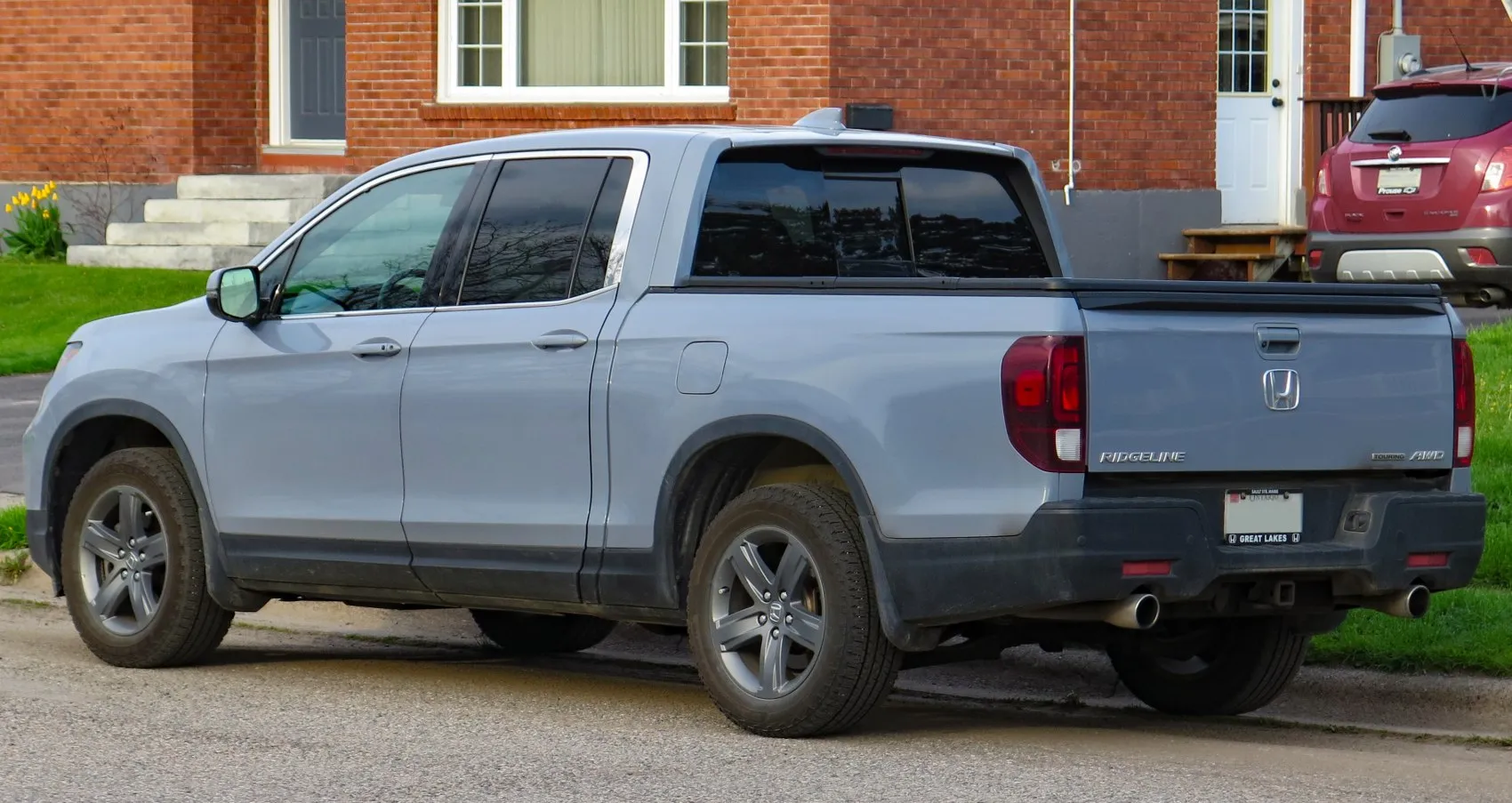
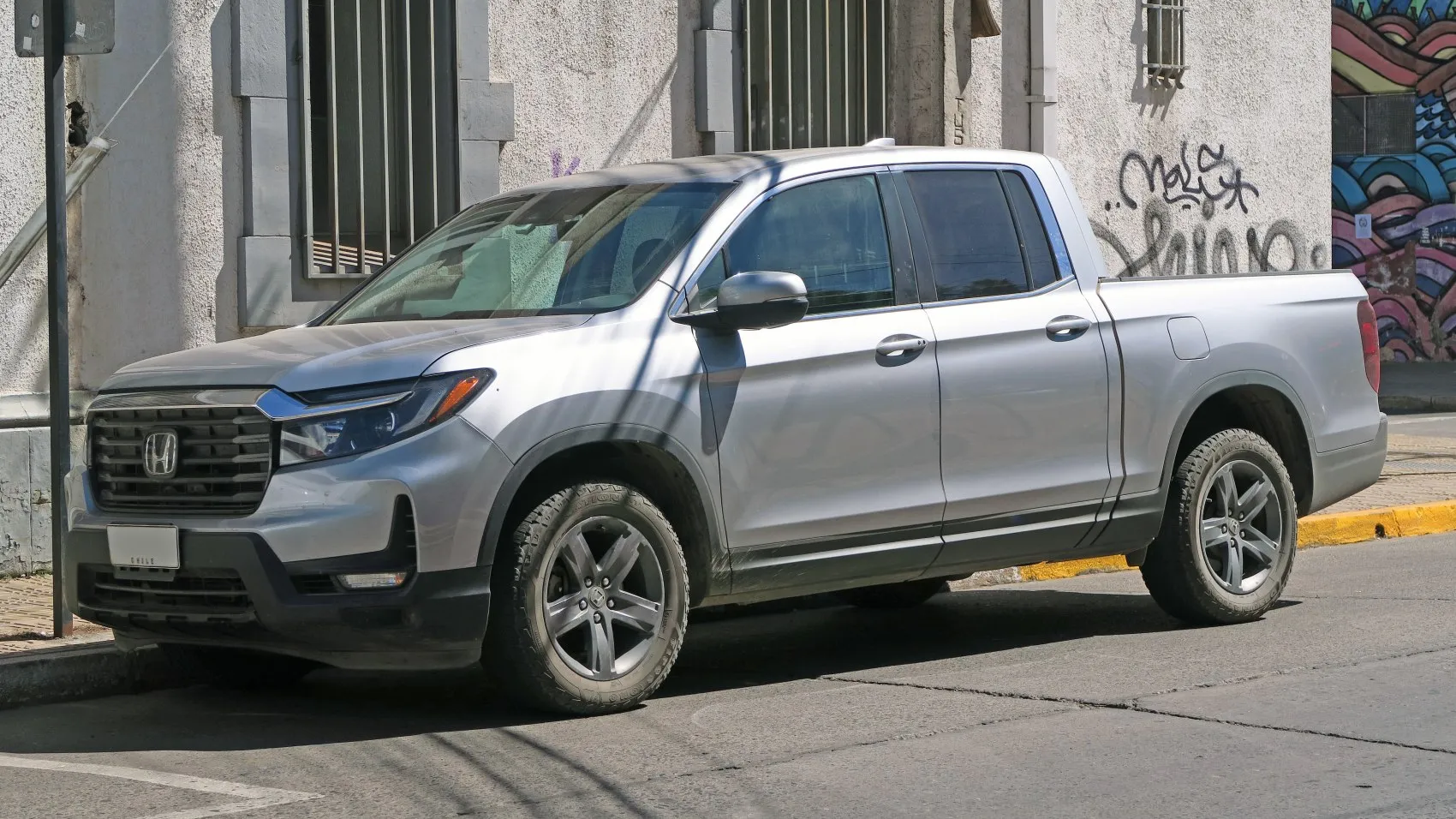
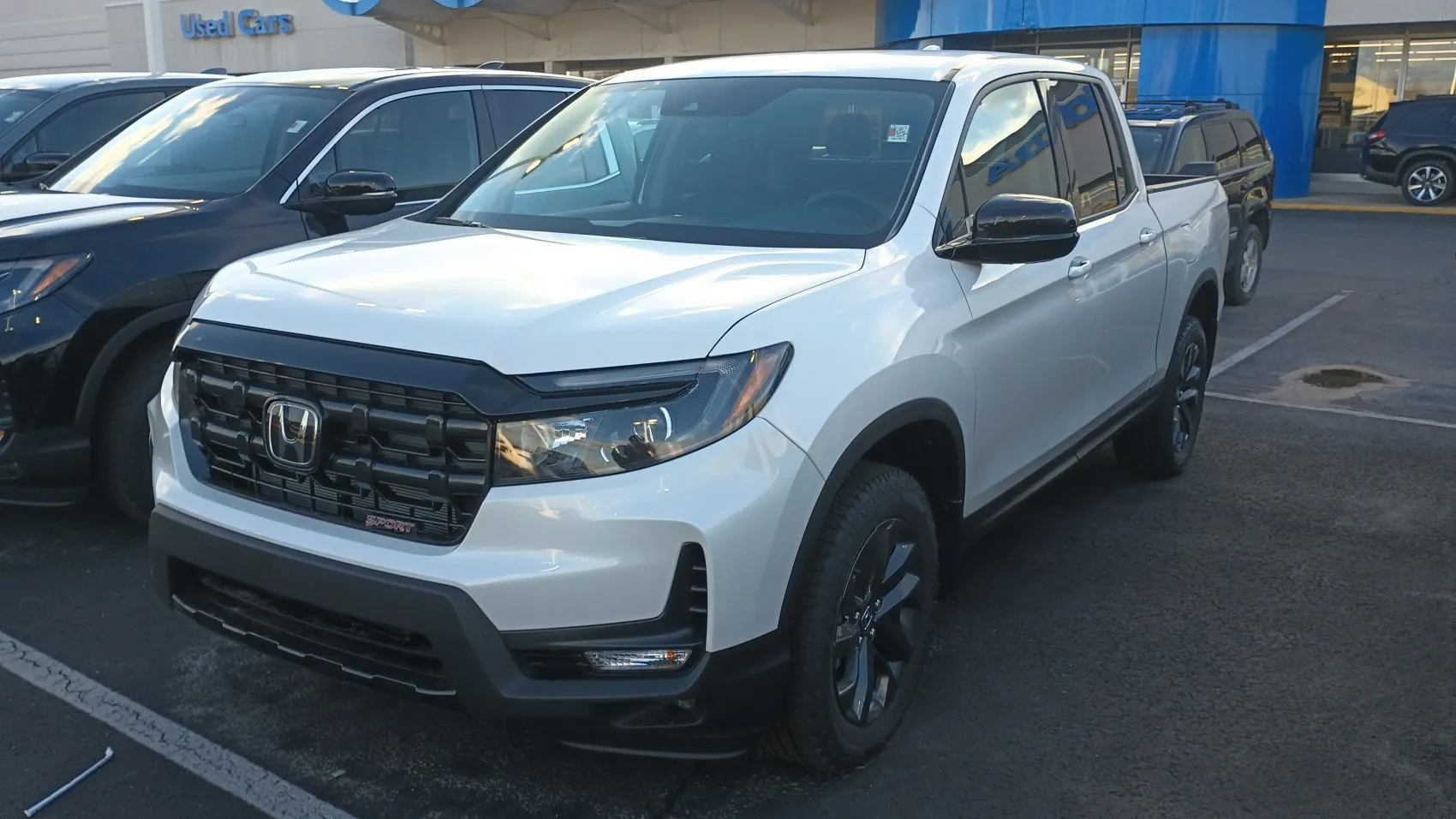
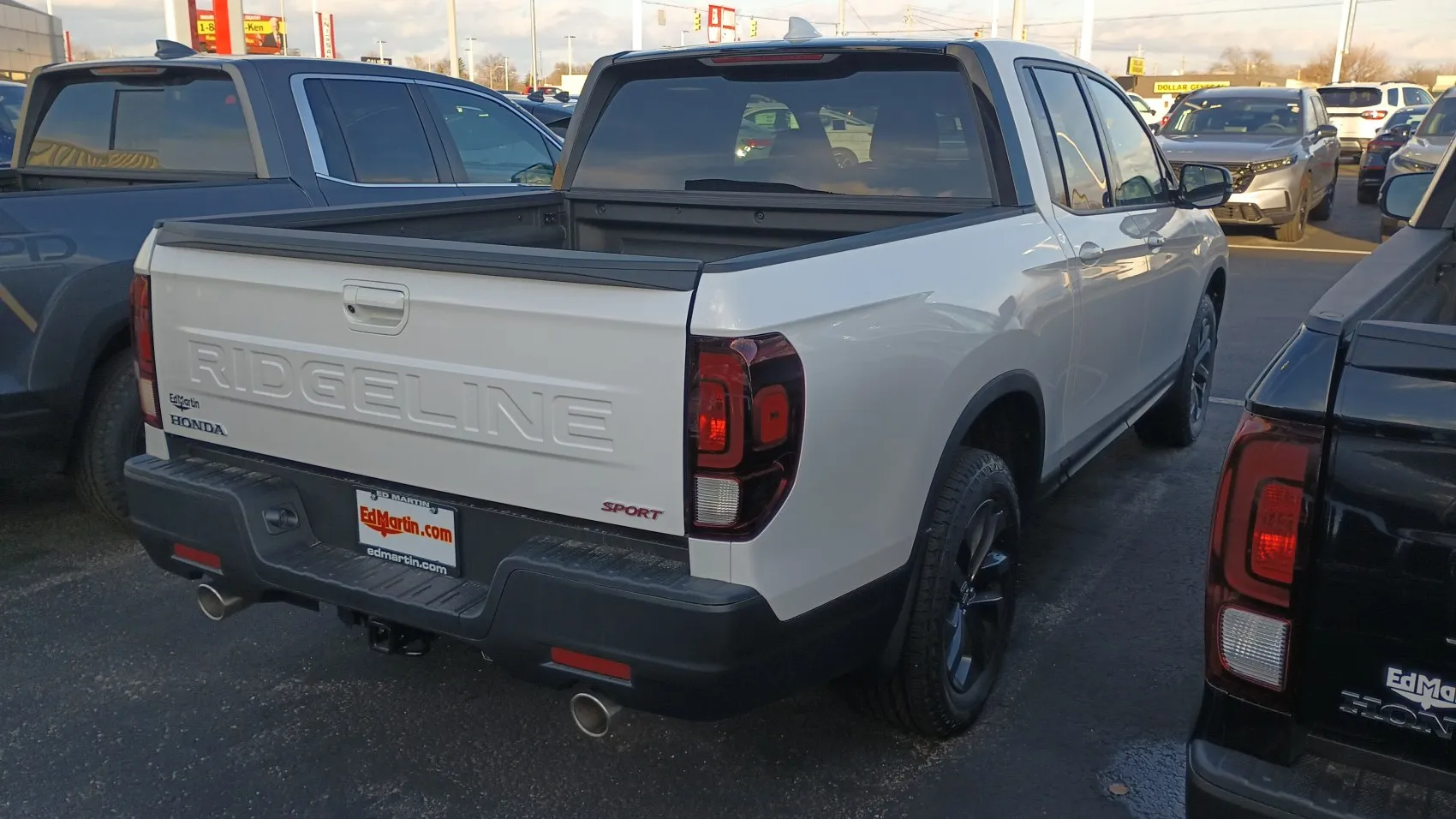
Honda Ridgeline II (facelift 2021) 3.5 V6 (280 Hp) AWD Automatic
Overall Rating
Honda Ridgeline:
The Honda Ridgeline is a mid-size pickup truck manufactured and marketed by Honda since the 2006 model year, over two generations in a unibody, crew–cab, short-box configuration with a transverse-mounted engine.
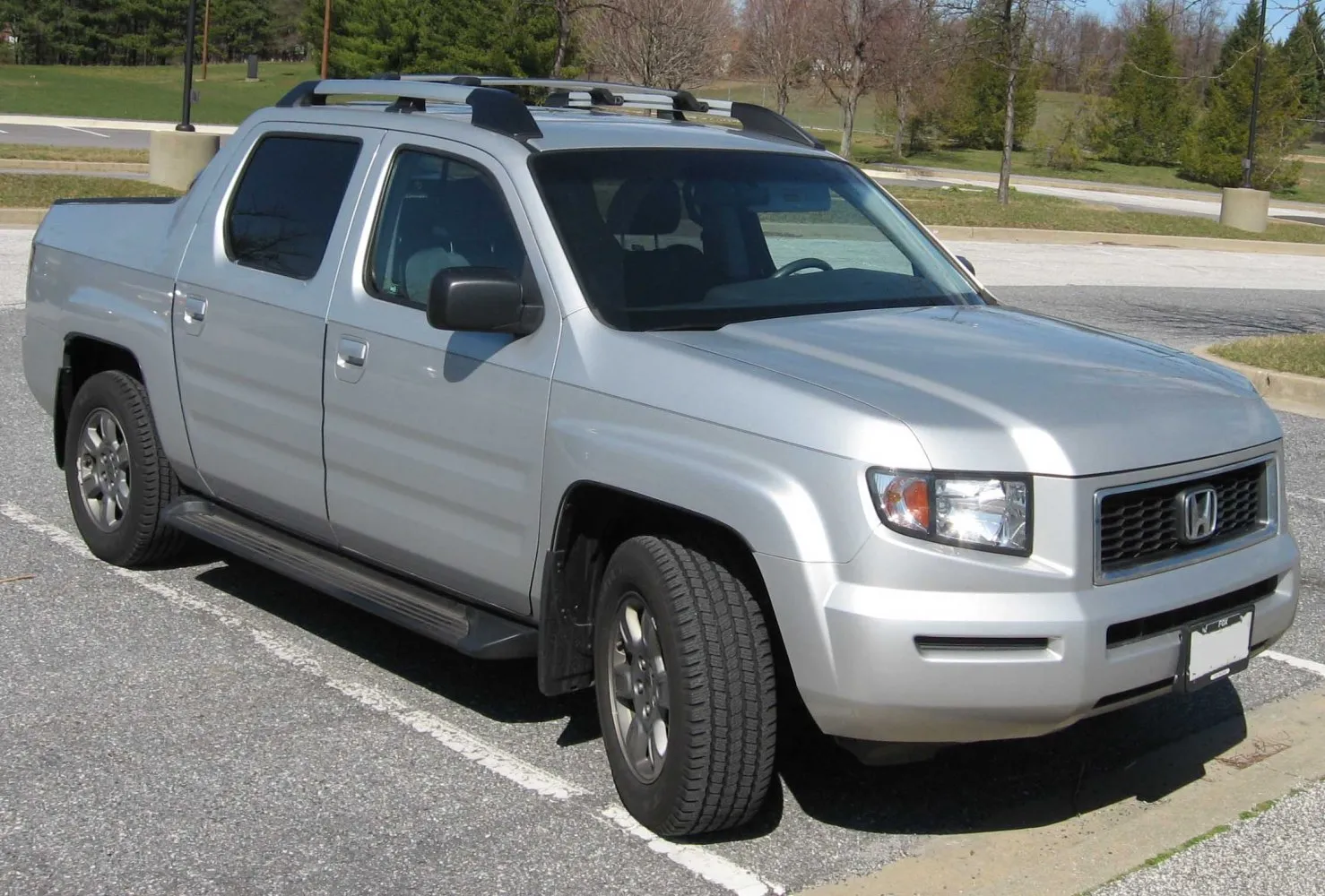
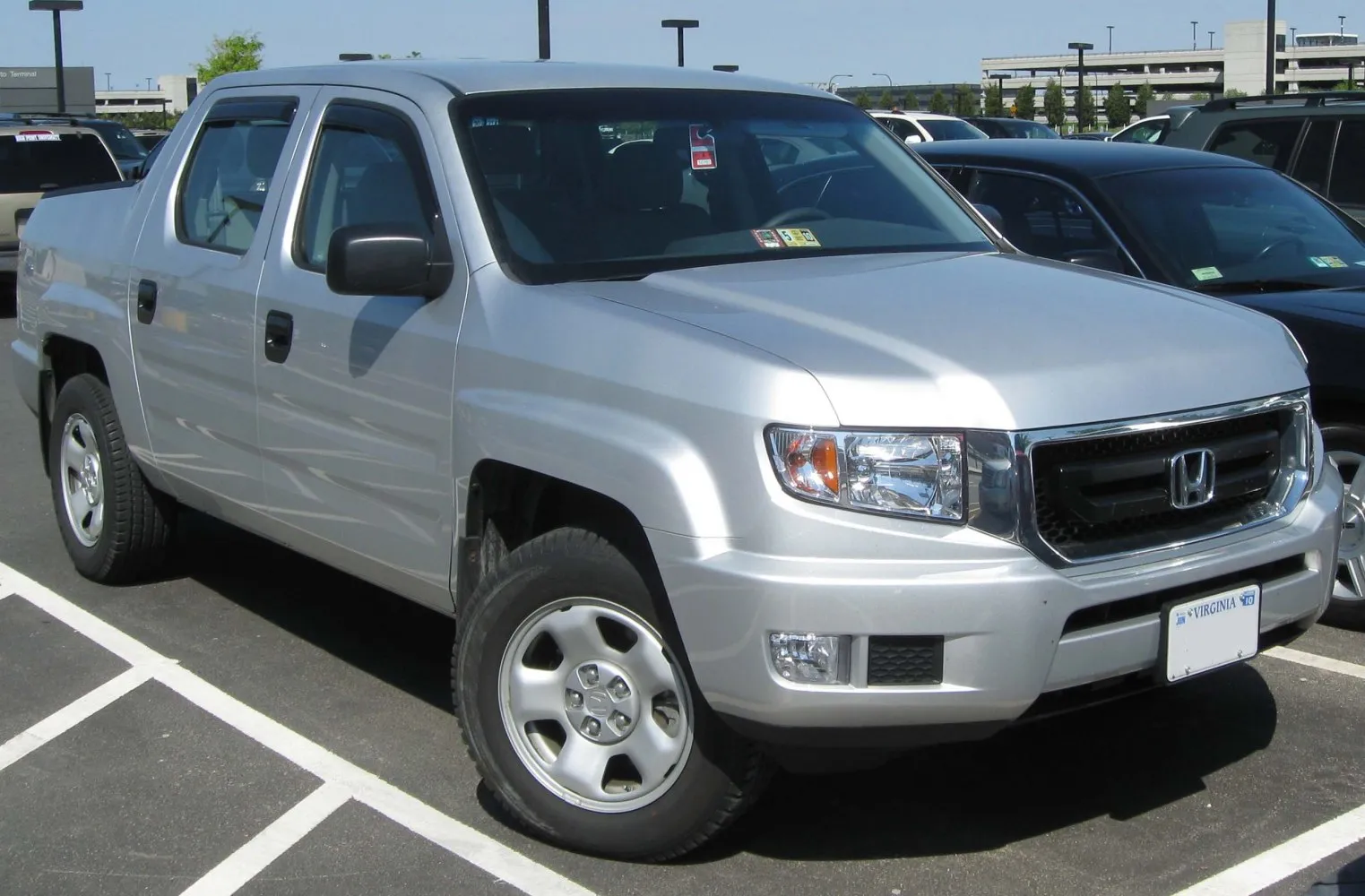
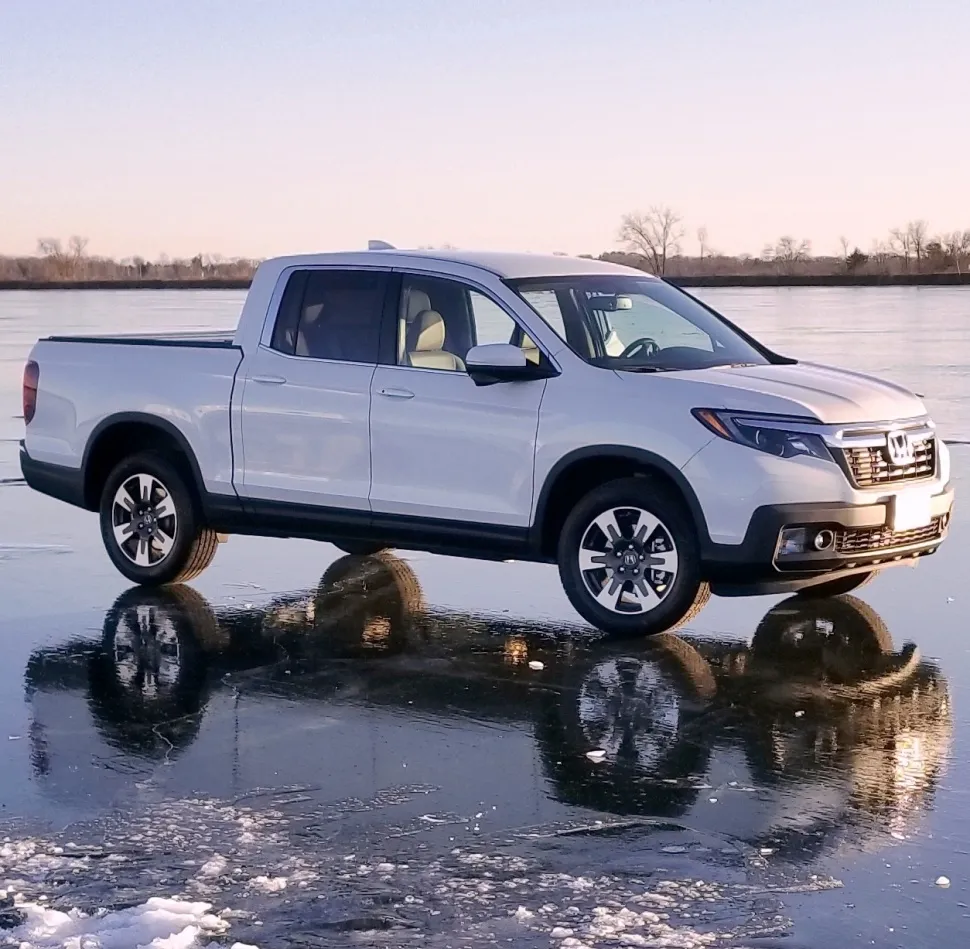
The first-generation Ridgeline went on sale in March 2005 as a 2006 model year vehicle. The Car Design Yearbook called it "Honda's first foray into the true heartland of the American automotive way of life—the pickup truck. " An engineering team from Honda R&D Americas, led by Gary Flint, designed the vehicle. According to the author of Driving Honda, the automaker wanted to target buyers who were looking to move to a pickup from sedans, minivans, and sport utility vehicles....(Read more on Wikipedia)
II (facelift 2021) Overview:
Honda Ridgeline (II (facelift 2021)). With 355 Nm of torque, it offers ample pulling power. At around 2041 kg, it’s on the heavier side. All‑wheel drive provides excellent grip, ideal for off‑road use. A vehicle with an open cargo bed at the back, suitable for transporting goods. Seating for 5 makes it ideal for daily use.
3.5 V6 (280 Hp) AWD Automatic Verdict:

Performance Verdict
The 3.5L V6 provides ample power (280 Hp) for daily driving, towing, and light off-road excursions. Paired with a smooth 9-speed automatic and standard AWD, it offers confident acceleration and traction.
Fuel Economy
With a combined fuel consumption of 11.5 l/100 km (approx. 20.5 MPG US), the V6 is reasonably efficient for a mid-size AWD pickup, though not class-leading compared to some smaller displacement turbo engines.
Pros and Cons:
Pros:
- • Car-like ride comfort and handling due to unibody construction
- • Standard i-VTM4 AWD system offers excellent traction
- • Innovative in-bed trunk and dual-action tailgate enhance utility
- • Refined and quiet cabin with quality materials
- • Strong Honda reliability and resale value
Cons:
- • Limited off-road capability compared to traditional body-on-frame trucks
- • Lower towing capacity than some rivals
- • Only one engine option available
- • Exterior styling is polarizing for some traditional truck buyers
- • Fuel economy, while decent, isn't segment-leading
Specifications:
Specifications are compared to those of the previous generation(II: December, 2019 - September, 2021).
| General: | |
|---|---|
| Brand: | Honda |
| Model: | Ridgeline |
| Generation: | II (facelift 2021) |
| Modification (Engine): | 3.5 V6 (280 Hp) AWD Automatic |
| Start of production: | September, 2021 |
| Powertrain Architecture: | Internal Combustion engine |
| Body type: | Pick-up |
| Seats: | 5 |
| Doors: | 4 |
| Engine: | |
|---|---|
| Engine systems: | Start & Stop System |
| Power: | 280 Hp @ 6000 rpm. |
| Power per litre: | 80.7 Hp/l |
| Torque: | 355 Nm @ 4700 rpm. |
| Engine Model/Code: | J35Y6 [Same engine] More details about the engine J35Y6 |
| Engine displacement: | 3471 |
| Number of cylinders: | 6 |
| Engine configuration: | V-engine |
| Number of valves per cylinder: | 4 |
| Fuel injection system: | Direct injection |
| Engine aspiration: | Naturally aspirated engine |
| Valvetrain: | SOHC, i-VTEC |
| Engine oil capacity: | 5.4 l |
| Coolant: | 7.4 l |
| Engine layout: | Front, Transverse |
| Cylinder Bore: | 89 mm mm |
| Piston Stroke: | 93 mm mm |
| Compression ratio: | 11.5:1 |
| Maximum engine speed: | 6900 rpm. |
| Performance: | |
|---|---|
| Fuel Type: | Petrol (Gasoline) |
| Fuel consumption (economy) - urban: | 12.8 l/100 km |
| Fuel consumption (economy) - extra urban: | 9.9 l/100 km |
| Fuel consumption (economy) - combined: | 11.5 l/100 km |
| Emission standard: | LEV3-ULEV125; Tier 3 Bin 125 |
| Weight-to-power ratio: | 7.3 kg/Hp, 137.6 Hp/tonne |
| Weight-to-torque ratio: | 5.7 kg/Nm, 174.4 Nm/tonne |
| Space: | |
|---|---|
| Kerb Weight: | 2035-2048 |
| Max. weight: | 2730 |
| Max load: | 682-695 |
| Trunk (boot) space - minimum: | 207 l |
| Permitted trailer load with brakes (12%): | 2268 kg |
| Fuel tank capacity: | 73.8 l |
| Size: | |
|---|---|
| Ramp-over (brakeover) angle: | 19.6° |
| Length: | 5339 mm mm [5mm more] |
| Width: | 2116 mm mm [120mm more] |
| Height: | 1798 mm mm [Same height.] |
| Wheelbase: | 3178 mm mm [2mm less] |
| Width with mirrors folded: | 2116 mm |
| Width including mirrors: | 2279 mm |
| Front track: | 1698 mm |
| Rear (Back) track: | 1697 mm |
| Ride height (ground clearance): | 194 mm |
| Minimum turning circle (turning diameter): | 13.22 m [above average] |
| Approach angle: | 20.4° |
| Departure angle: | 19.6° |
| Powertrain: | |
|---|---|
| Drivetrain Architecture | The Internal combustion engine (ICE) drives the front wheels permanently, and the rear wheels are driven through an electrically or mechanically operated clutch if necessary. |
| Drive wheel | All wheel drive (4x4) |
| Number of gears | 9 |
| Transmission type | Automatic |
| Front brakes | Ventilated discs, 320.04 mm [Best for performance and cooling.] |
| Rear brakes | Disc, 330.2 mm [above average] |
| Assisting systems | ABS (Anti-lock braking system) |
| Steering type | Steering rack and pinion |
| Power steering | Electric Steering |
| Tires size | 245/60 R18 105H |
| Wheel rims size | 18 |
| Front suspension | Independent, type McPherson with coil spring and anti-roll bar |
| Rear suspension | Independent multi-link spring suspension with stabilizer |








Driven it? Loved it? Hated it? Share your honest review!