
Click on image to view the full photo gallery
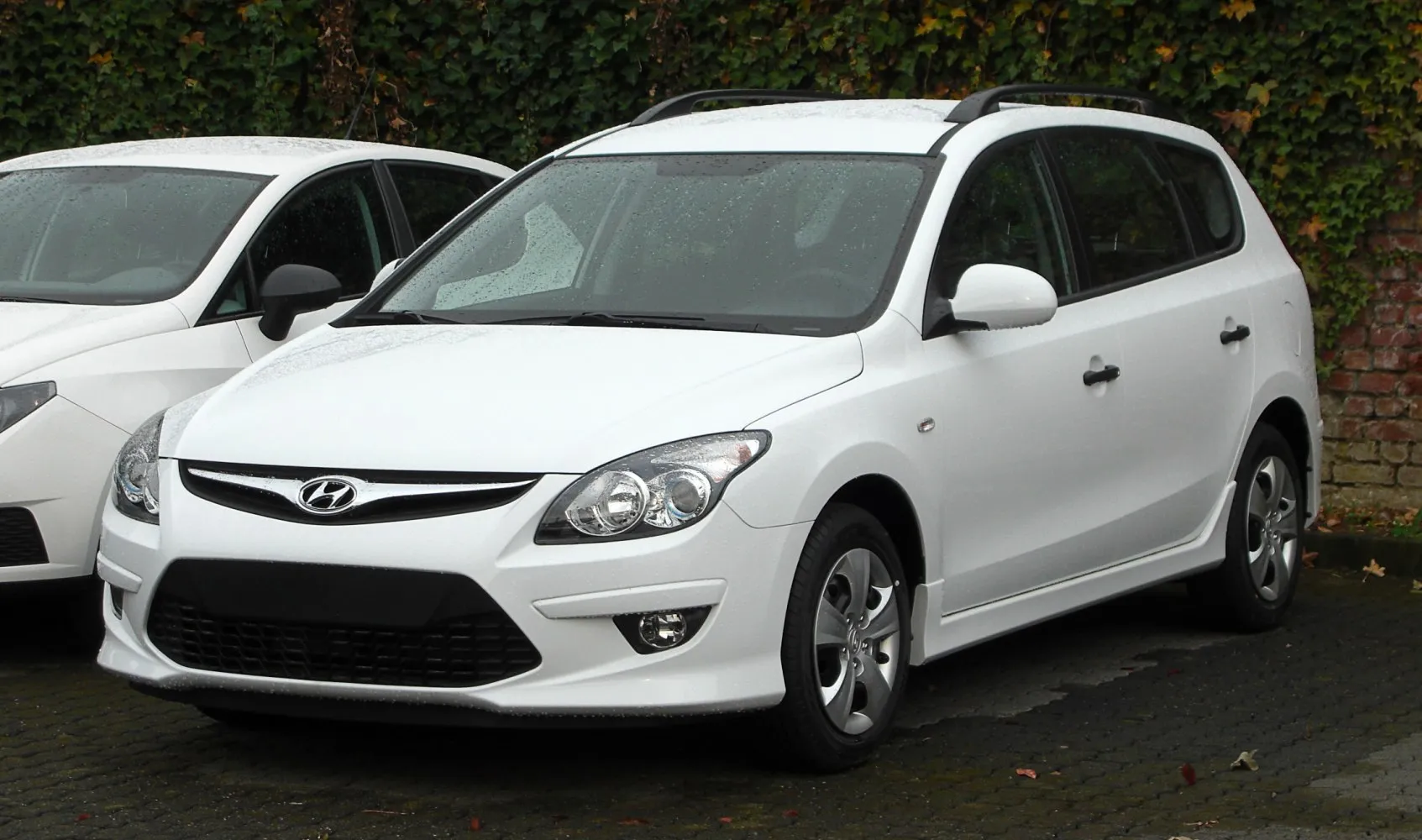
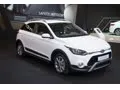
Hyundai i30 II CW (facelift 2015) 1.6 CRDi (136 Hp) DCT blue
Overall Rating
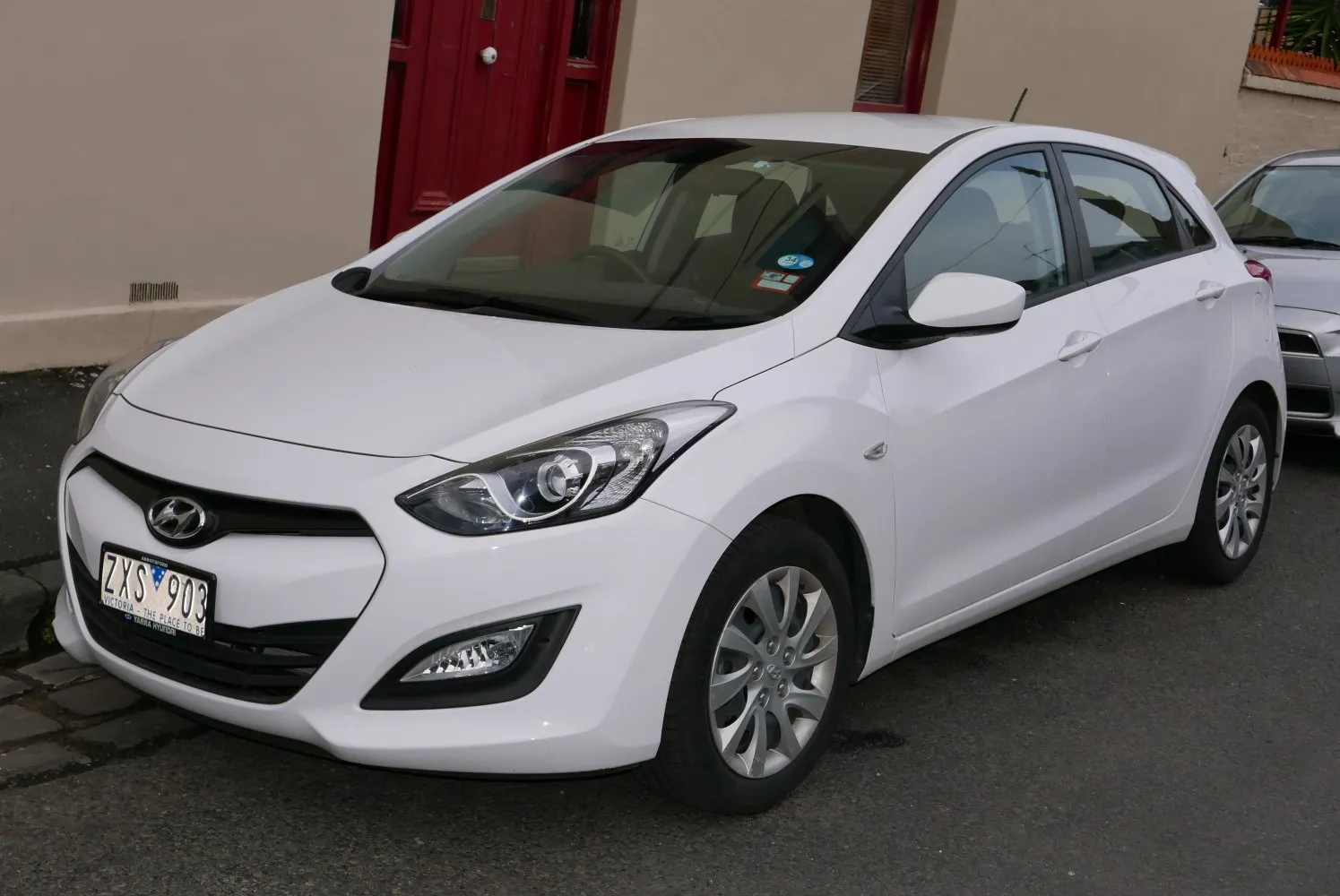
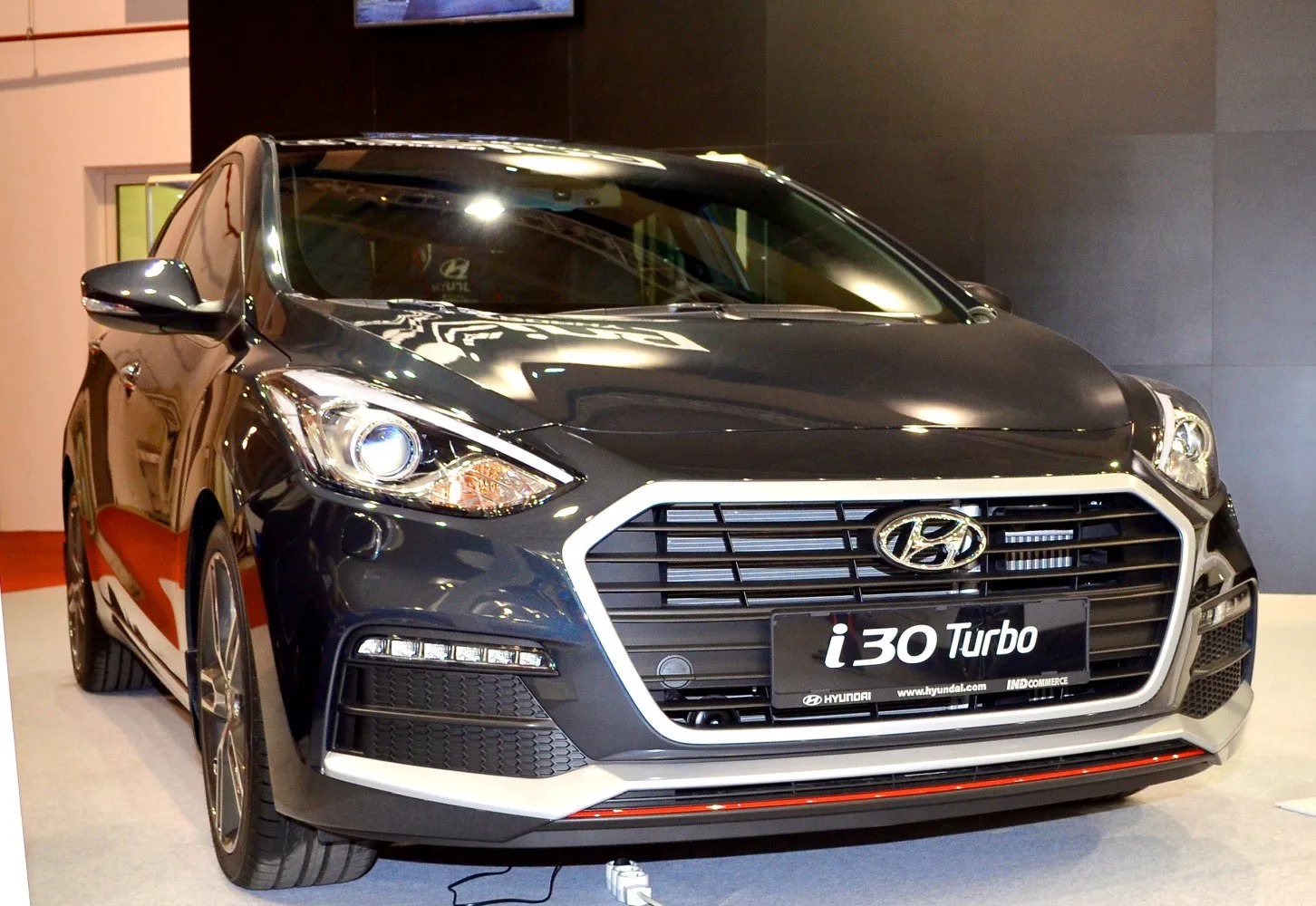
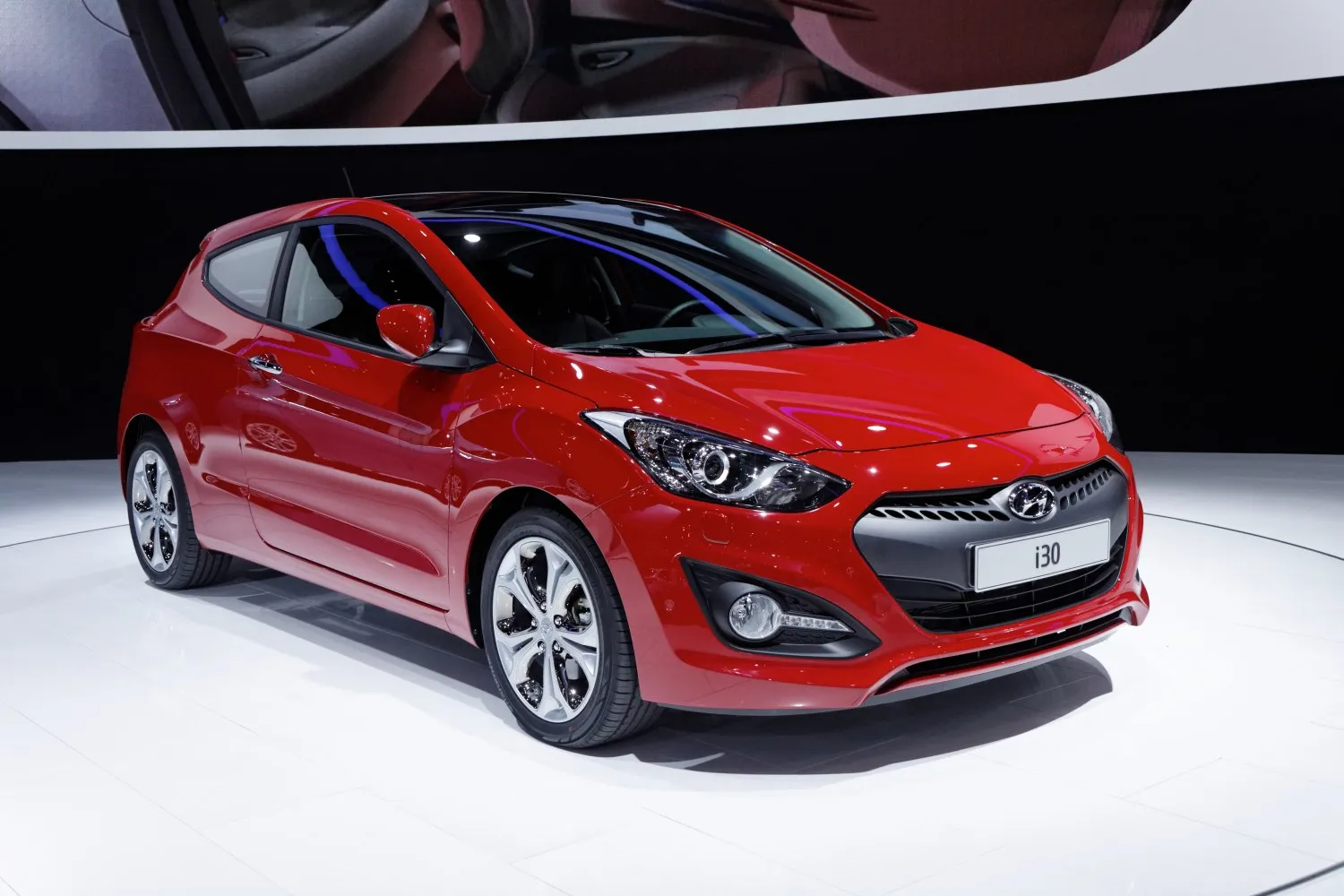
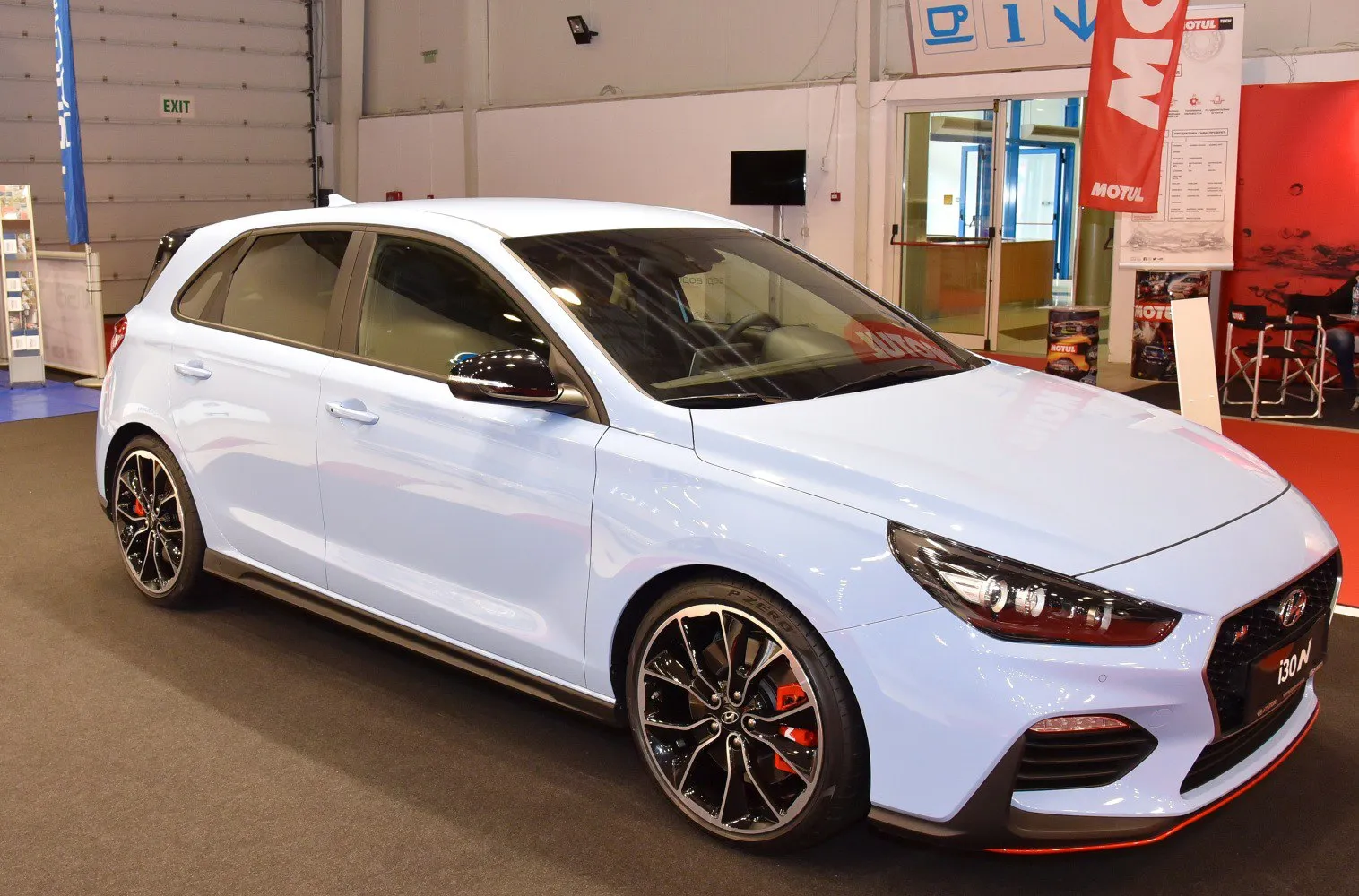
Hyundai i30:
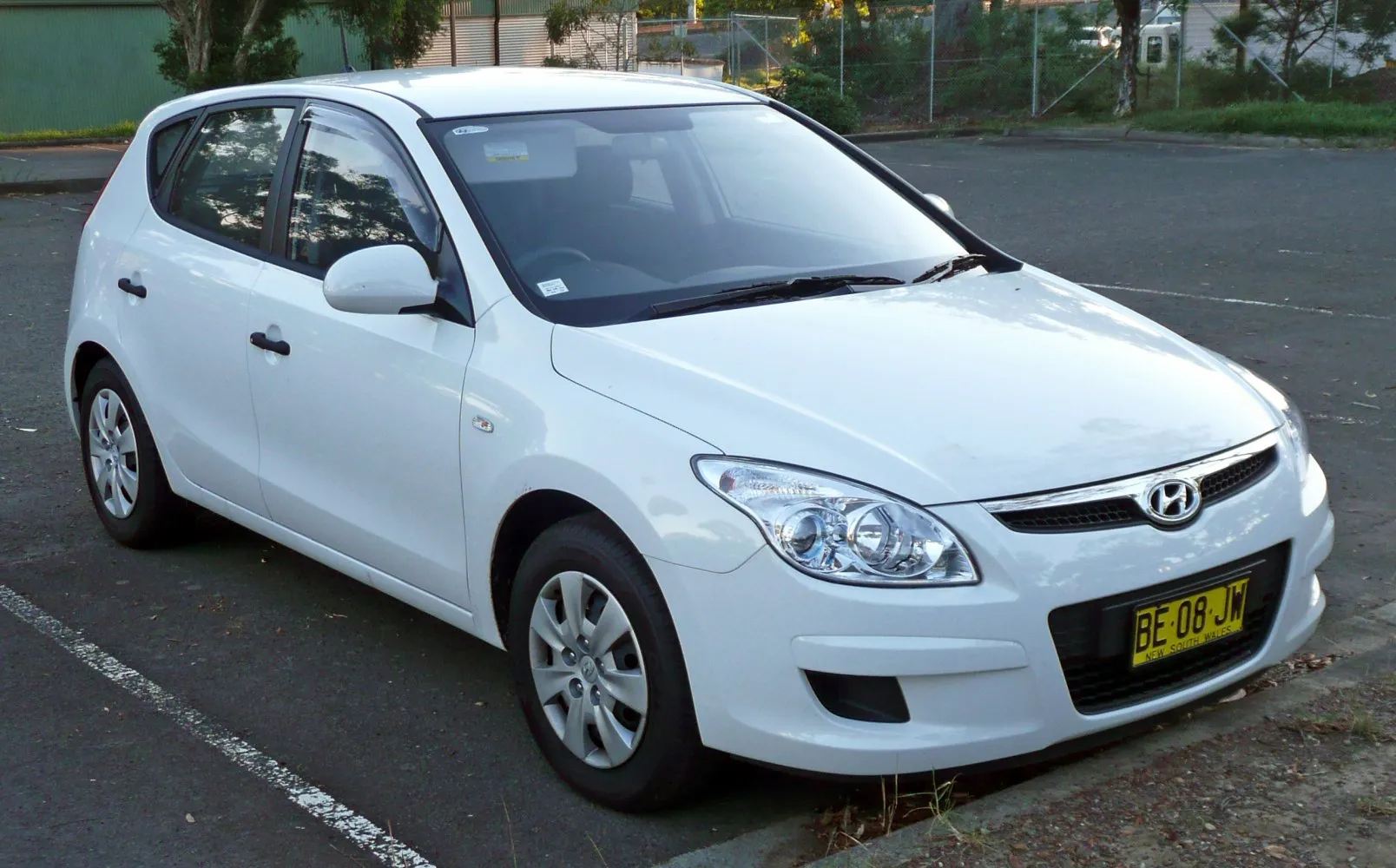
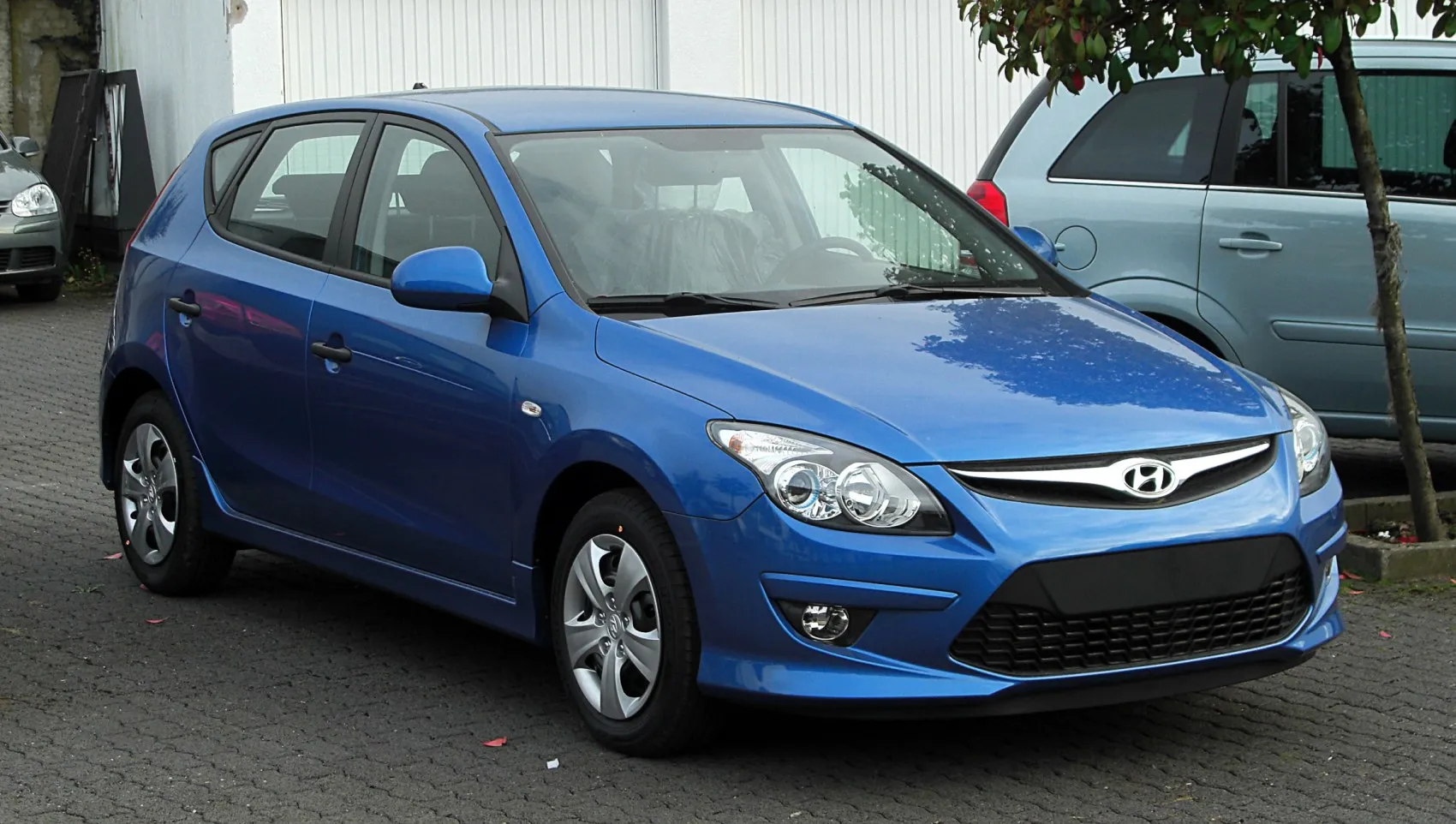
The Hyundai i30 is a small family car manufactured by the South Korean manufacturer Hyundai Motor Company since 2006. The i30 shares its platform with the Kia Ceed, available as a three-door hatchback , five-door hatchback, five-door estate and five-door liftback , with a choice of three petrol engines and two diesel engines, either with manual or automatic transmission.
The i30 was marketed alongside the fifth-generation Hyundai Elantra in the United States and Canada until the end of 2020. While initially the i30 wagon was sold as the Elantra Touring, in 2012 it was replaced by the i30 hatchback, carrying Elantra GT badging. The second-generation i30 was introduced in September 2011 at the Frankfurt Motor Show....(Read more on Wikipedia)
II CW (facelift 2015) Overview:
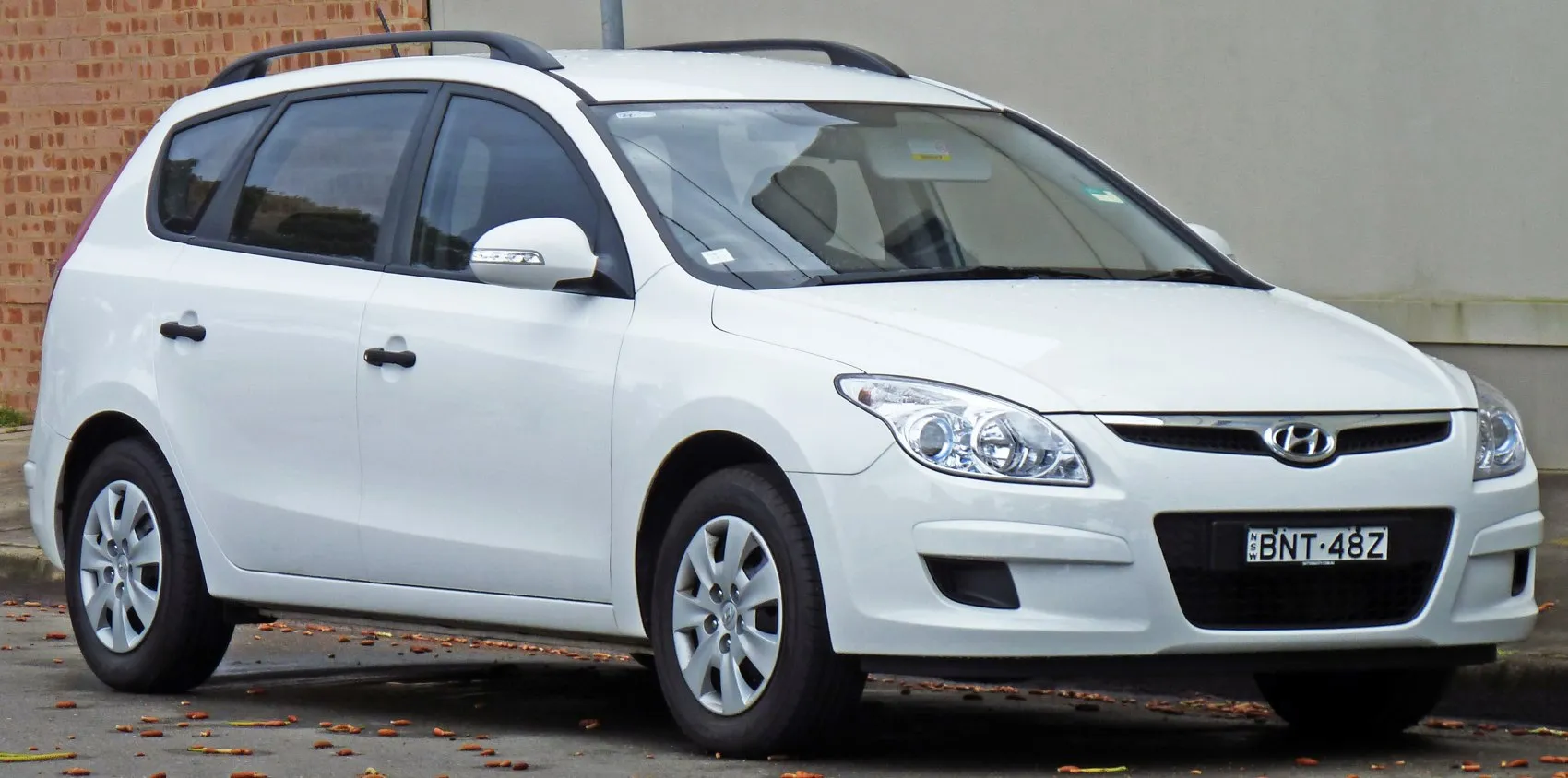
Hyundai i30 (II CW (facelift 2015)). With 300 Nm of torque, it offers ample pulling power. It boasts low fuel consumption (~4.6 l/100km). With a weight of 1496 kg, it falls in the mid‑range. Front‑wheel drive delivers efficiency and easy handling. Acceleration is relatively slow (0–100 km/h in 10.9 s). The top speed reaches 197 km/h. A car with an extended rear cargo area, combining passenger comfort with increased storage. Seating for 5 makes it ideal for daily use.
1.6 CRDi (136 Hp) DCT blue Verdict:

Performance Verdict
Combines strong diesel torque with the smooth shifts of the DCT, providing a refined and capable driving experience.
Fuel Economy
Excellent fuel economy for an automatic with this power level, making it a highly efficient choice for all types of driving.
Pros and Cons:
Pros:
- • Practical and spacious estate body style
- • Excellent fuel economy from diesel engines
- • Comfortable and compliant ride quality
- • Strong reputation for reliability and good warranty
- • Decent equipment levels for the price point
Cons:
- • Petrol engines can feel uninspiring, especially the 1.4L
- • Older automatic transmissions are less efficient and responsive
- • Not the most engaging car to drive dynamically
- • Interior design can be somewhat bland compared to rivals
- • Some cabin materials feel less premium than competitors
Specifications:
Specifications are compared to those of the previous generation(II Coupe: 2013 - 2015).
| General: | |
|---|---|
| Brand: | Hyundai |
| Model: | i30 |
| Generation: | II CW (facelift 2015) |
| Modification (Engine): | 1.6 CRDi (136 Hp) DCT blue |
| Start of production: | 2015 |
| End of production: | 2017 |
| Powertrain Architecture: | Internal Combustion engine |
| Body type: | Station wagon (estate) |
| Seats: | 5 |
| Doors: | 5 |
| Engine: | |
|---|---|
| Engine systems: | Particulate filter |
| Power: | 136 Hp @ 4000 rpm. |
| Power per litre: | 86 Hp/l |
| Torque: | 300 Nm @ 1750-2500 rpm. |
| Engine Model/Code: | D4FB [Same engine] More details about the engine D4FB |
| Engine displacement: | 1582 |
| Number of cylinders: | 4 |
| Engine configuration: | Inline |
| Number of valves per cylinder: | 4 |
| Fuel injection system: | Diesel Commonrail |
| Engine aspiration: | Turbocharger, Intercooler |
| Valvetrain: | DOHC |
| Engine oil capacity: | 5.3 l |
| Coolant: | 6.9 l |
| Engine layout: | Front, Transverse |
| Cylinder Bore: | 77.2 mm |
| Piston Stroke: | 84.5 mm |
| Compression ratio: | 16:1 |
| Performance: | |
|---|---|
| Fuel Type: | Diesel |
| Fuel consumption (economy) - urban: | 4.6 l/100 km |
| Fuel consumption (economy) - extra urban: | 3.9 l/100 km |
| Fuel consumption (economy) - combined: | 4.2 l/100 km |
| Emission standard: | Euro 6 |
| Acceleration 0 - 100 km/h: | 10.9 sec |
| Acceleration 0 - 62 mph: | 10.9 sec |
| Maximum speed: | 197 km/h |
| Weight-to-power ratio: | 11 kg/Hp, 90.9 Hp/tonne |
| Weight-to-torque ratio: | 5 kg/Nm, 200.5 Nm/tonne |
| Acceleration 0 - 60 mph: | 10.4 sec |
| Space: | |
|---|---|
| Kerb Weight: | 1496 |
| Max. weight: | 1940 |
| Max. roof load: | 80 kg |
| Max load: | 444 |
| Trunk (boot) space - maximum: | 1642 l |
| Trunk (boot) space - minimum: | 528 l |
| Permitted trailer load with brakes (12%): | 1400 kg |
| Fuel tank capacity: | 53 l |
| Permitted trailer load without brakes: | 650 kg |
| Permitted towbar download: | 75 kg |
| Size: | |
|---|---|
| Length: | 4485 mm [185mm more] |
| Width: | 1780 mm [Same width.] |
| Height: | 1495 mm [30mm more] |
| Wheelbase: | 2650 mm [Same wheelbase.] |
| Front track: | 1549-1555 mm |
| Rear (Back) track: | 1557-1563 mm |
| Ride height (ground clearance): | 135 mm |
| Minimum turning circle (turning diameter): | 10.6 m [above average] |
| Powertrain: | |
|---|---|
| Drivetrain Architecture | The Internal combustion engine (ICE) drives the front wheels of the vehicle. |
| Drive wheel | Front wheel drive |
| Number of gears | 7 |
| Transmission type | Automatic |
| Gearbox type | DCT |
| Front brakes | Ventilated discs [Best for performance and cooling.] |
| Rear brakes | Disc [above average] |
| Assisting systems | ABS (Anti-lock braking system) |
| Steering type | Steering rack and pinion |
| Power steering | Electric Steering |
| Tires size | 225/45 R17 |
| Wheel rims size | 7.0J x 17 |
| Front suspension | Independent, type McPherson with coil spring and anti-roll bar |
| Rear suspension | Independent multi-link suspension |













Your first impression of the Hyundai i30 in one word? Go!