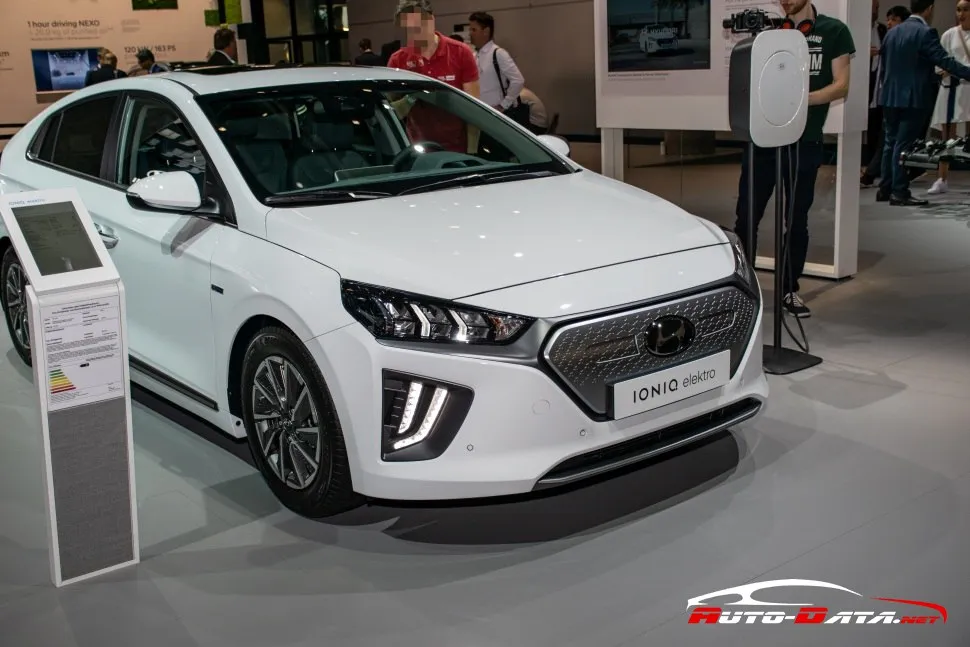
Hyundai IONIQ facelift 2019 1.6 GDI (141 Hp) Hybrid DCT
People\'s Opinion
N/A / 5
Hyundai IONIQ:
The Hyundai Ioniq is a compact car which was manufactured and marketed by Hyundai from 2016 to 2022. A five-door liftback, it is marketed as the first Hyundai automobile to be offered without a standard internal combustion engine, but rather sold in hybrid, plug-in hybrid, and all-electric variants.
The Ioniq Hybrid debuted in South Korea in January 2016, with all three variants debuting at 2016 Geneva and New York auto shows. The hybrid variant launched in its home market in February 2016, followed by the electric model in July 2016. The plug-in hybrid version followed in February 2017....(Read more on Wikipedia)
facelift 2019 Overview:
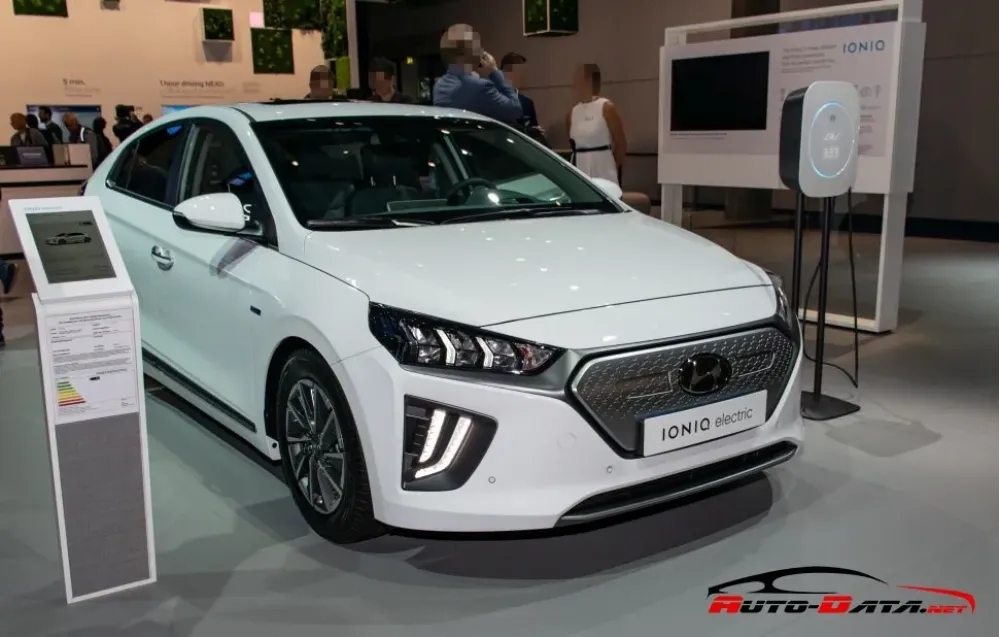
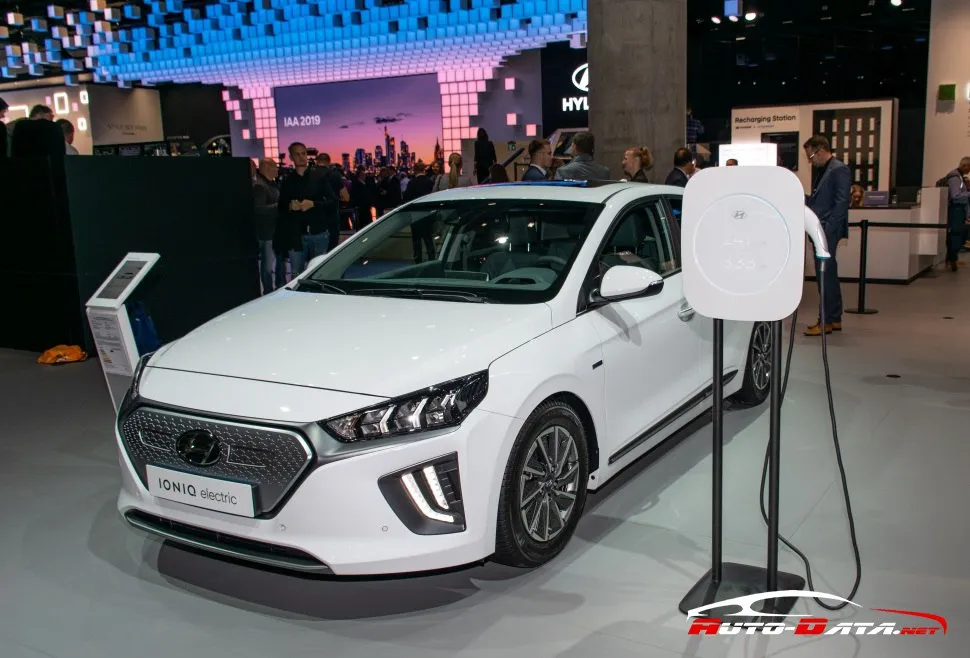
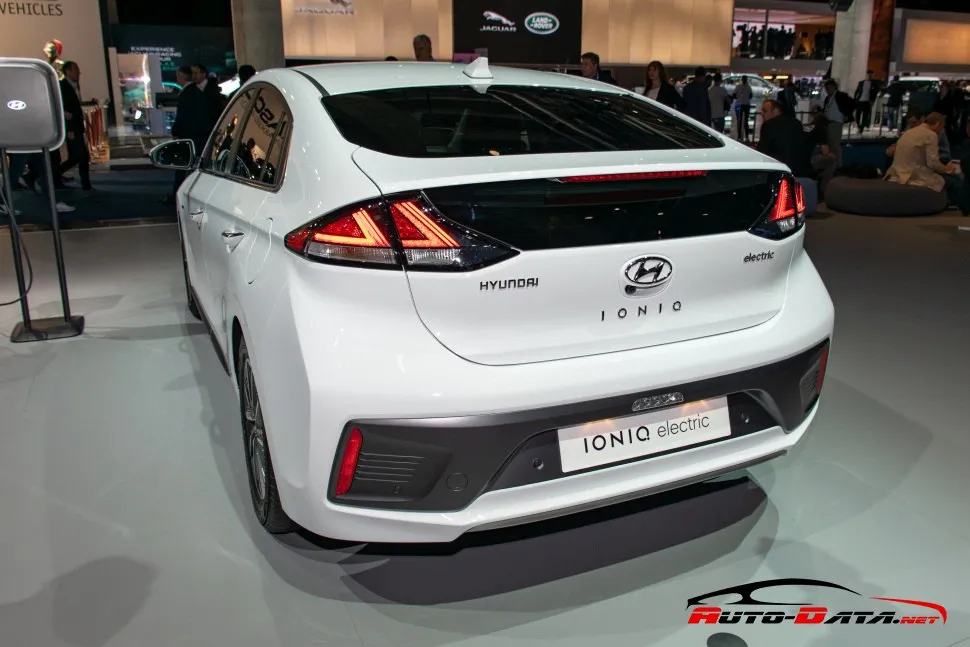
Hyundai IONIQ (facelift 2019). With 147 Nm of torque, it offers ample pulling power. With a weight of 1469 kg, it falls in the mid‑range. Front‑wheel drive delivers efficiency and easy handling. Acceleration is relatively slow (0–100 km/h in 10.8 s). The top speed reaches 185 km/h. A car with a sloping rear hatch that opens upwards, combining style and practicality. Seating for 5 makes it ideal for daily use.
Performance Verdict
Offers a smooth and refined driving experience with sufficient power for daily commutes and highway cruising, benefiting from instant electric torque.
Fuel Economy
Achieves excellent real-world fuel economy, making it a highly cost-effective option for drivers prioritizing efficiency without plug-in hassle.
Best Use Case:
Mixed Driving, Commuting
Pros and Cons:
Pros:
- • Exceptional fuel efficiency across all powertrains
- • Smooth and refined driving experience
- • Practical liftback design with good cargo space
- • Comprehensive standard safety and tech features
- • Long warranty coverage for battery and components
Cons:
- • Conservative styling may not appeal to all
- • Rear headroom can be tight for taller passengers
- • Not the most engaging driving dynamics
- • Interior materials, while durable, lack premium feel in some areas
Specifications:
Specifications are compared to those of the previous generation(IONIQ: 2016 - 2019).
| General: |
| Brand: | Hyundai |
|---|
| Model: | IONIQ |
|---|
| Generation: | facelift 2019 |
|---|
| Modification (Engine): | 1.6 GDI (141 Hp) Hybrid DCT |
|---|
| Start of production: | 2019 |
|---|
| End of production: | July, 2022 |
|---|
| Powertrain Architecture: | FHEV (Full Hybrid Electric Vehicle) |
|---|
| Body type: | Liftback |
|---|
| Seats: | 5 |
|---|
| Doors: | 5 |
|---|
| Engine: |
| Power: | 105 Hp @ 5700 rpm. [0hp less] |
|---|
| Power per litre: | 66.5 Hp/l [worst than previous generation] |
|---|
| Torque: | 147 Nm @ 4000 rpm. |
|---|
| Engine displacement: | 1580 |
|---|
| Number of cylinders: | 4 |
|---|
| Engine configuration: | Inline |
|---|
| Number of valves per cylinder: | 4 |
|---|
| Fuel injection system: | Direct injection |
|---|
| Engine aspiration: | Naturally aspirated engine |
|---|
| Valvetrain: | DOHC |
|---|
| Engine oil capacity: | 3.8 l |
|---|
| Coolant: | 6.7 l |
|---|
| Engine layout: | Front, Transverse |
|---|
| Cylinder Bore: | 72 mm mm |
|---|
| Piston Stroke: | 97 mm mm |
|---|
| Compression ratio: | 13:1 |
|---|
| Performance: |
| Fuel Type: | Petrol (Gasoline) |
|---|
| Emission standard: | Euro 6d-TEMP |
|---|
| Acceleration 0 - 100 km/h: | 10.8 sec |
|---|
| Acceleration 0 - 62 mph: | 10.8 sec |
|---|
| Maximum speed: | 185 km/h |
|---|
| Weight-to-power ratio: | 10.4 kg/Hp, 96 Hp/tonne |
|---|
| Weight-to-torque ratio: | 5.5 kg/Nm, 180.4 Nm/tonne |
|---|
| Acceleration 0 - 60 mph: | 10.3 sec |
|---|
| Space: |
| Kerb Weight: | 1469 |
|---|
| Max. weight: | 1870 |
|---|
| Max load: | 401 |
|---|
| Trunk (boot) space - maximum: | 1505 l |
|---|
| Trunk (boot) space - minimum: | 443 l |
|---|
| Permitted trailer load with brakes (12%): | 750 kg |
|---|
| Fuel tank capacity: | 45 l |
|---|
| Permitted towbar download: | 75 kg |
|---|
| Size: |
| Length: | 4470 mm mm [Same length.] |
|---|
| Width: | 1820 mm mm [Same width.] |
|---|
| Height: | 1450 mm mm [Same height.] |
|---|
| Wheelbase: | 2700 mm mm [Same wheelbase.] |
|---|
| Width including mirrors: | 2045 mm |
|---|
| Front track: | 1549-1563 mm |
|---|
| Rear (Back) track: | 1563-1577 mm |
|---|
| Minimum turning circle (turning diameter): | 10.6 m [above average] |
|---|
| Powertrain: |
| Drivetrain Architecture | The Internal combustion engine (ICE) and electric motor drive the front wheels of the car with the ability to work in full electric or mixed mode. |
|---|
| Drive wheel | Front wheel drive |
|---|
| Number of gears | 6 |
|---|
| Transmission type | Automatic |
|---|
| Gearbox type | DCT |
|---|
| Front brakes | Disc [above average] |
|---|
| Rear brakes | Disc [above average] |
|---|
| Assisting systems | ABS (Anti-lock braking system) |
|---|
| Steering type | Steering rack and pinion |
|---|
| Power steering | Electric Steering |
|---|
| Tires size | 195/65 R15; 225/45 R17 |
|---|
| Wheel rims size | 6J x 15; 7J x 17 |
|---|
| Front suspension | Independent type McPherson |
|---|
| Rear suspension | Independent multi-link suspension |
|---|
| Electric: |
| Gross battery capacity: | 1.56 kWh |
|---|
| Battery technology: | Lithium-polymer (LiPo) |
|---|
| System power: | 141 Hp |
|---|
| System torque: | 265 Nm |
|---|
| Electric motor power: | 44 Hp |
|---|
| Electric motor Torque: | 170 Nm |
|---|
| Electric motor type: | Synchronous |
|---|
| Battery voltage: | 240 V |
|---|








Driven it? Loved it? Hated it? Share your honest review!