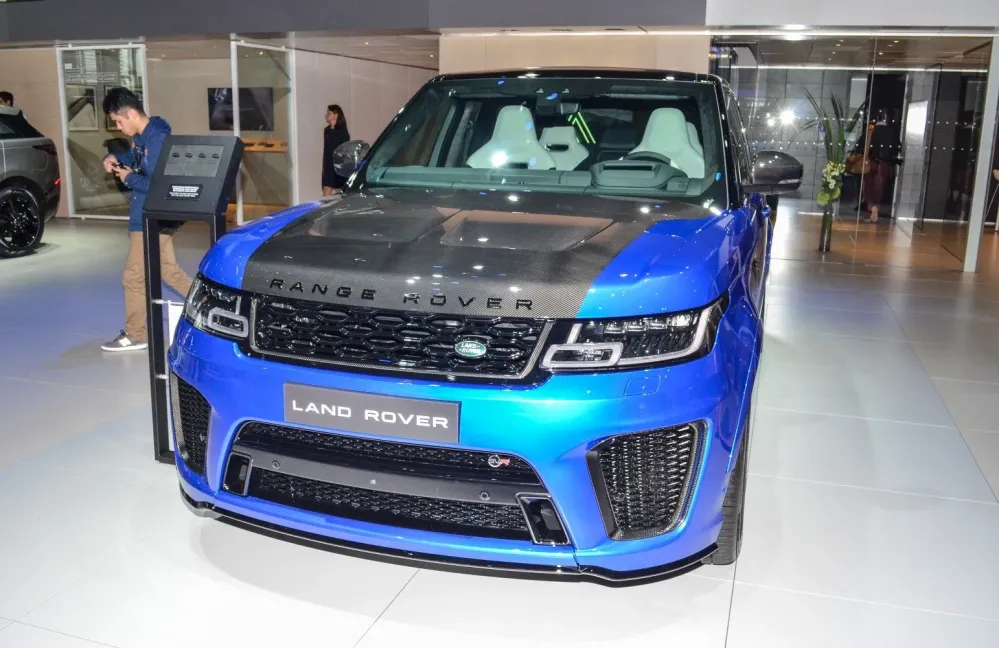
Click on image to view the full photo gallery
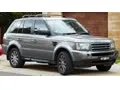
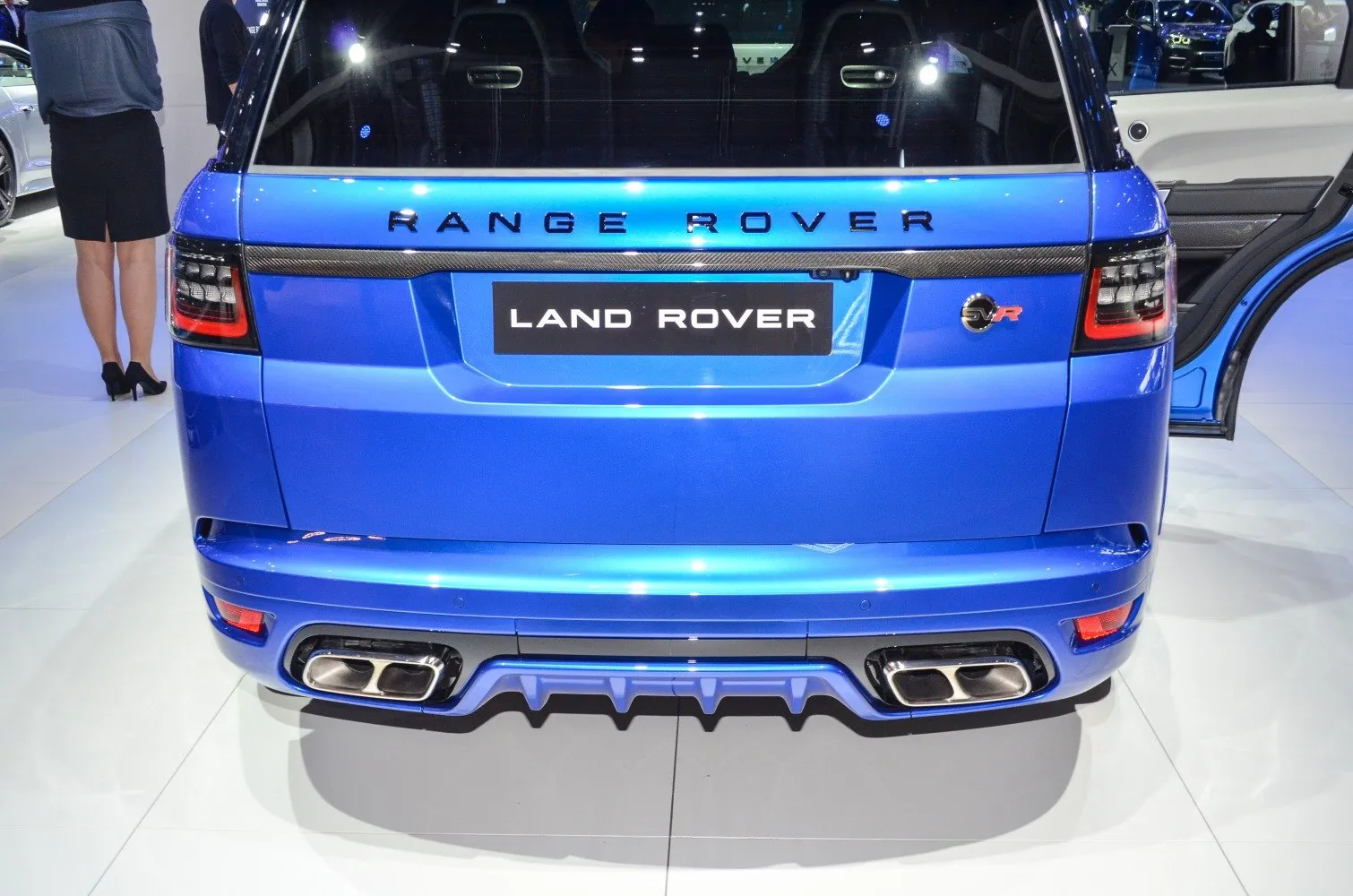
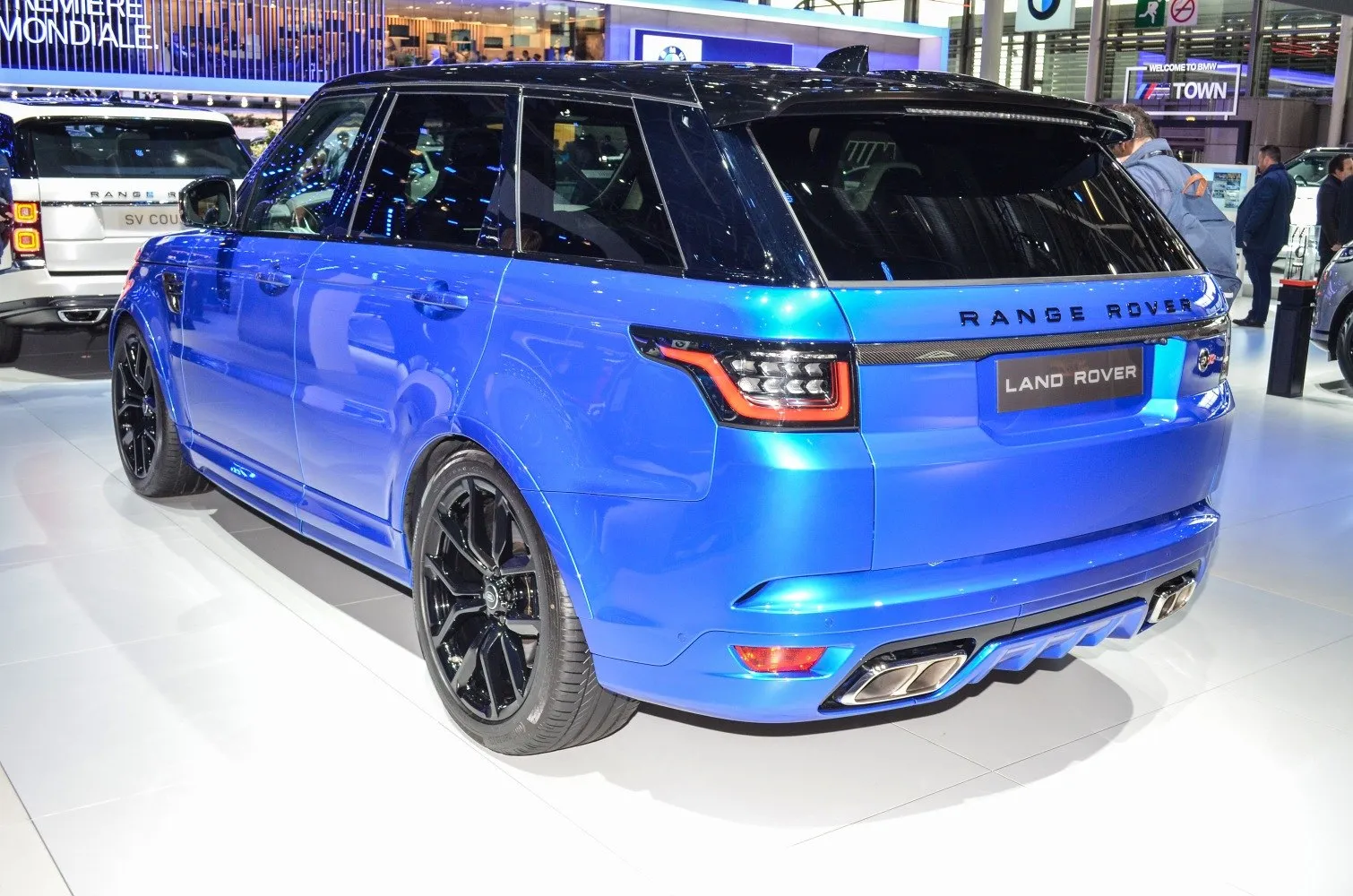
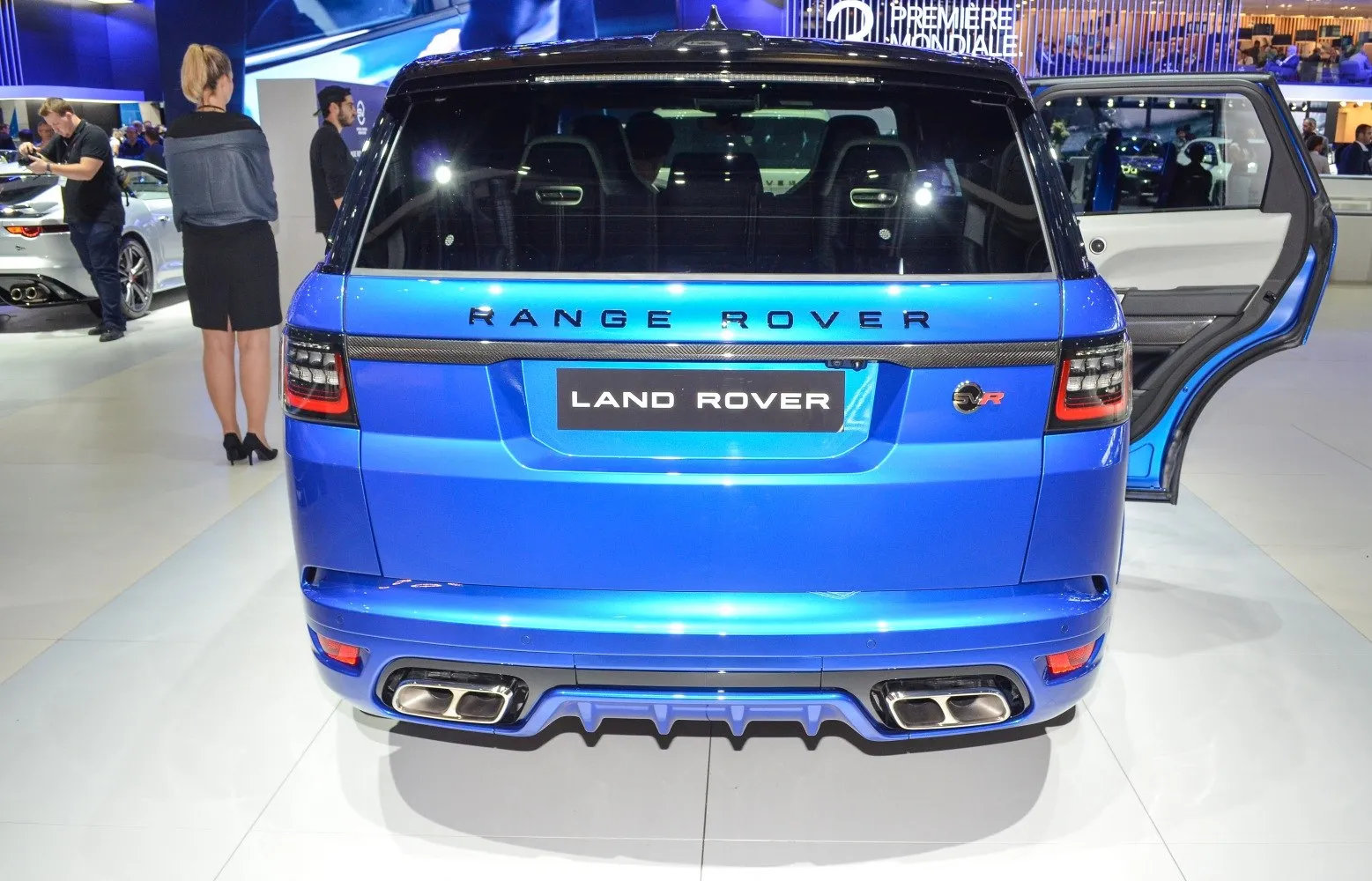
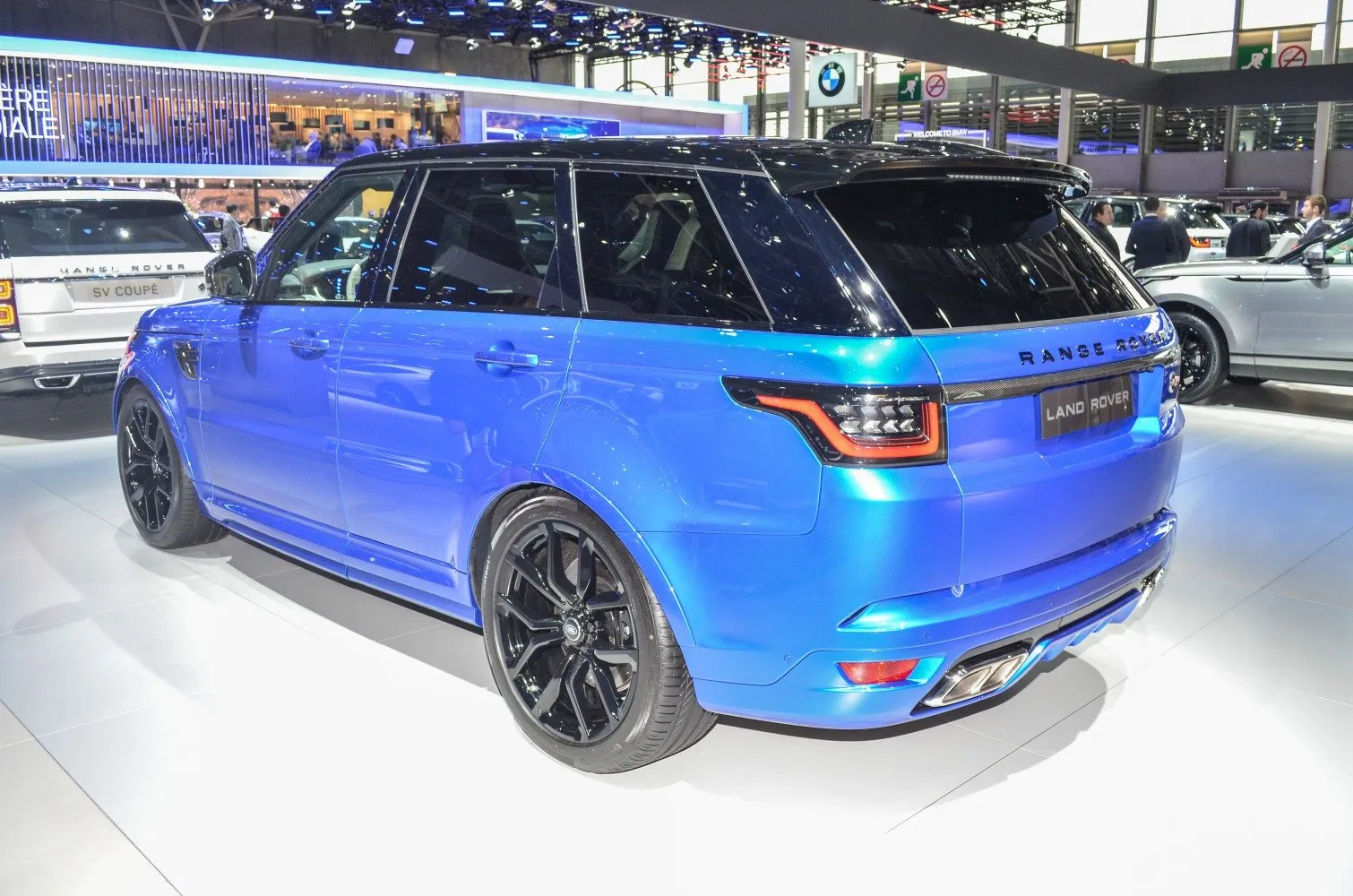
Land Rover Range Rover Sport II (facelift 2017) 3.0 SDV6 (249 Hp) AWD Automatic
Overall Rating
Land Rover Range Rover Sport:
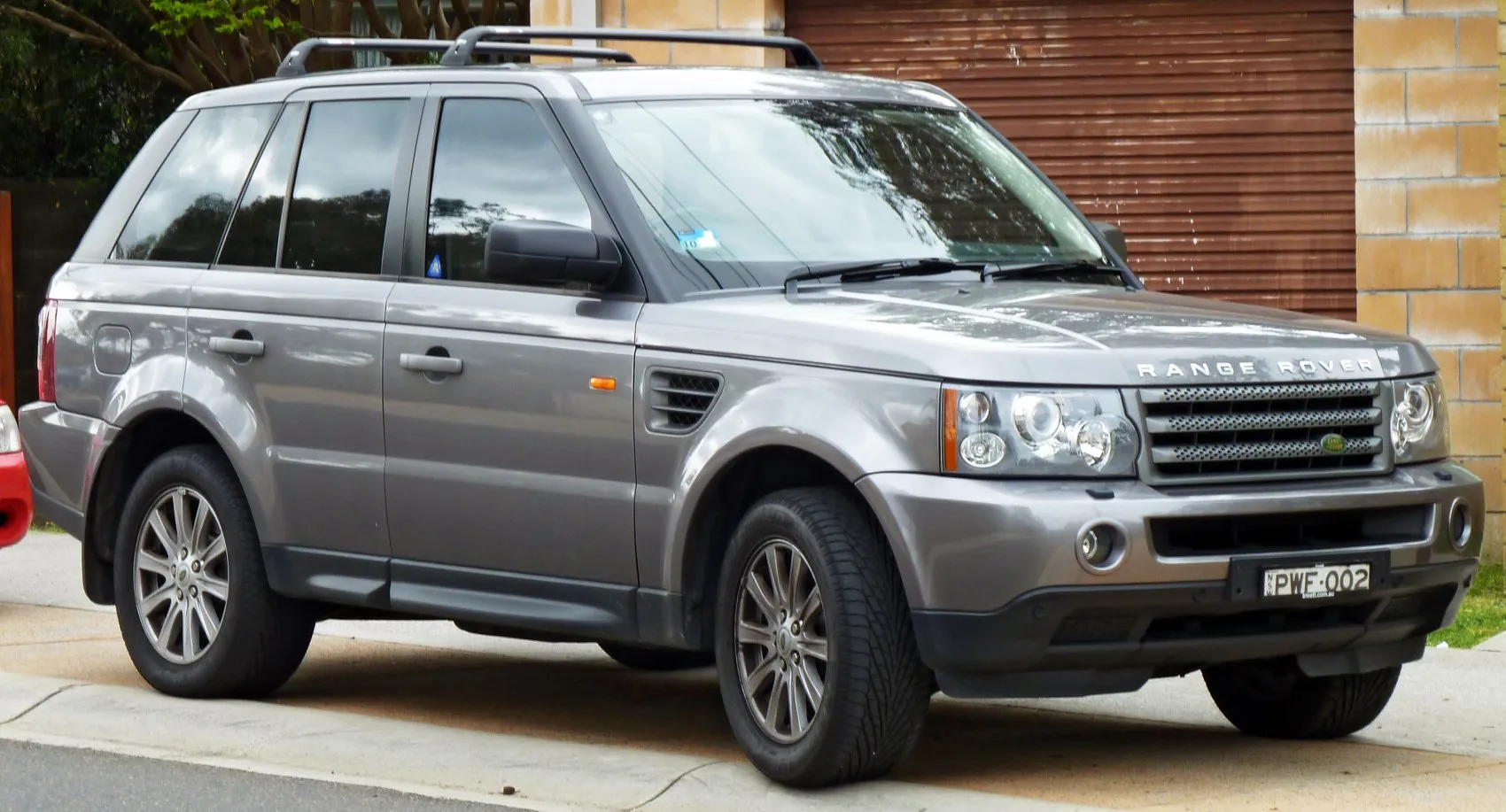
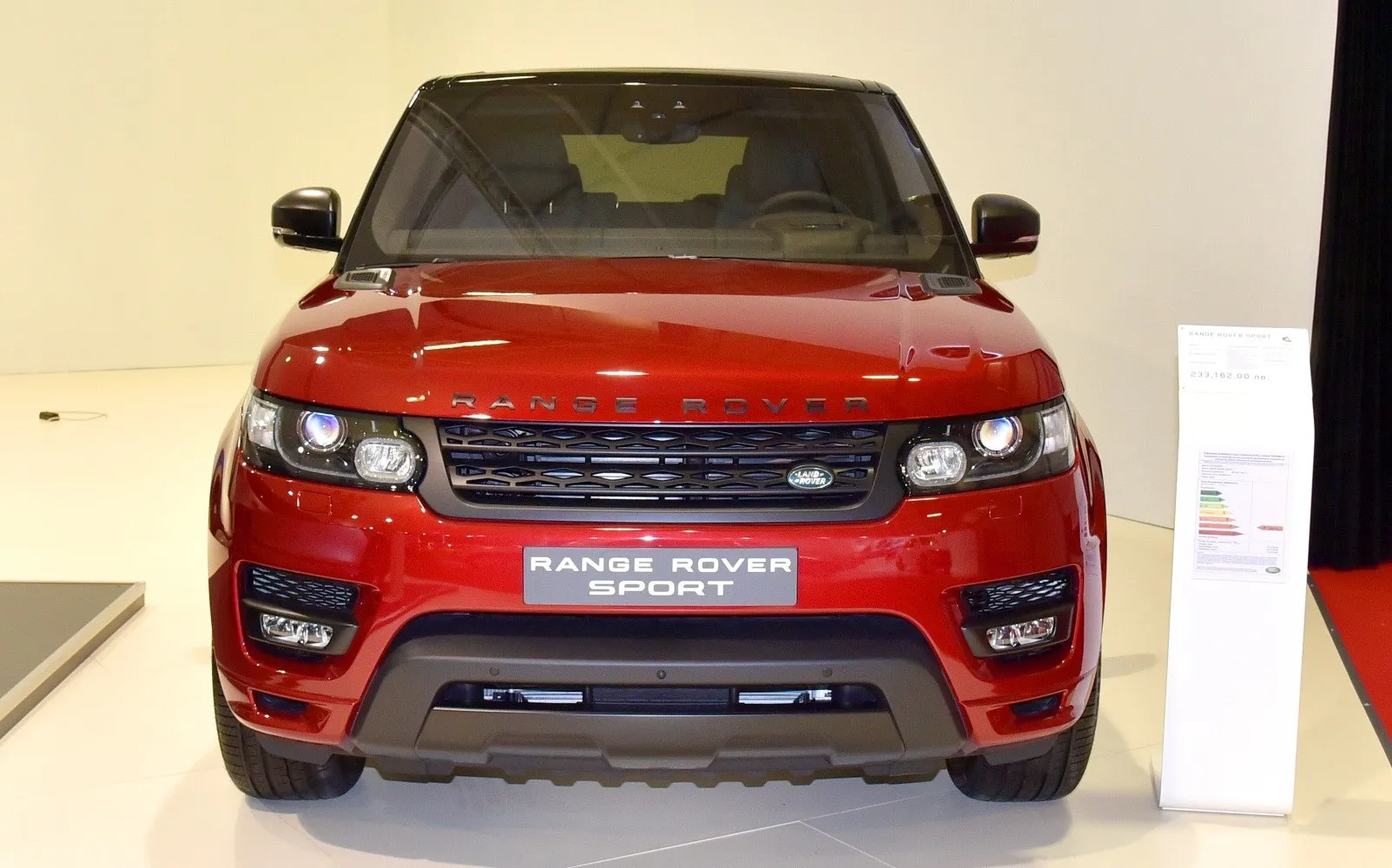
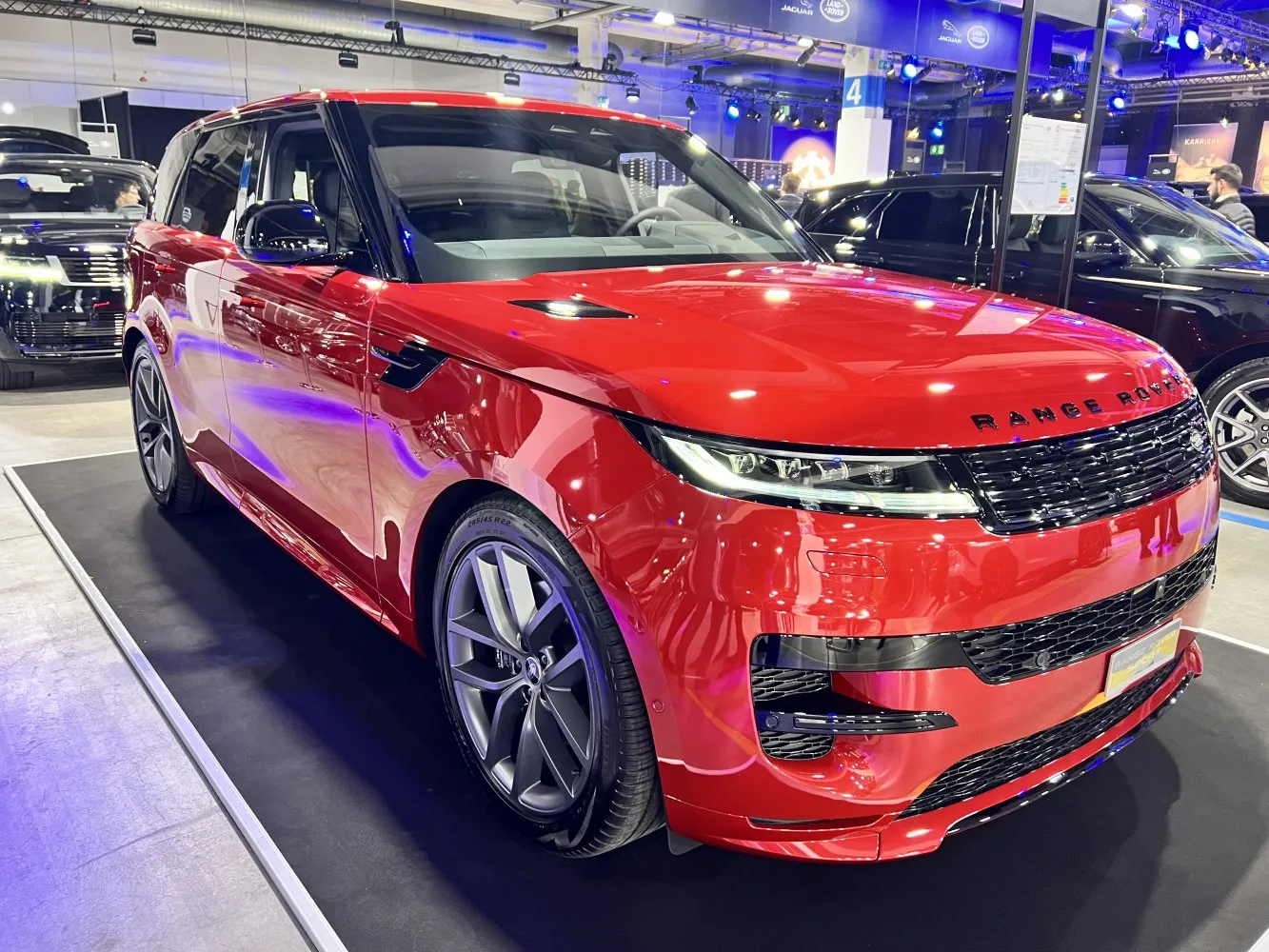
The Land Rover Range Rover Sport is a mid-size luxury SUV produced by the British manufacturer Land Rover, part of Jaguar Land Rover. Introduced in 2005 with the first-generation L320 model, it was succeeded by the second-generation L494 in 2013, and the third-generation L461 in 2022.
The Range Rover Sport was prefigured by the Range Stormer concept car, and it was introduced at the 2004 North American International Auto Show.
This was a low-slung, short wheelbase, 3-door coupé that was unusually "sporty" in the context of Land Rover's history. Designed by Richard Woolley, the marque's first complete concept car sported split-folding gullwing doors, one-piece skeletal seats, a "clamshell" bonnet, 22 inch alloys, a 289 km/h top speed, 4WD and a 2,500 kg weight. The Range Rover Sport was comparably of much more conservative design featuring five doors and a wheelbase hardly shorter than that of the Range Rover Vogue....(Read more on Wikipedia)
II (facelift 2017) Overview:
Land Rover Range Rover Sport (II (facelift 2017)). With 600 Nm of torque, it offers ample pulling power. At around 2170 kg, it’s on the heavier side. All‑wheel drive provides excellent grip, ideal for off‑road use. Acceleration is good (0–100 km/h in 7.9 s). The top speed reaches 209 km/h. A sport utility vehicle offering higher ground clearance and versatile cargo space. Seating for 5 makes it ideal for daily use.
3.0 SDV6 (249 Hp) AWD Automatic Verdict:

Performance Verdict
Provides robust torque for confident acceleration and effortless cruising, making it a strong performer, though not as quick as the petrol V6 variants.
Fuel Economy
Excellent fuel economy for a large SUV, making it a cost-effective choice for long distances and frequent driving.
Pros and Cons:
Pros:
- • Luxurious and high-quality interior materials and design
- • Exceptional off-road capability for a luxury SUV
- • Wide range of powerful and efficient engine options, including hybrids
- • Comfortable and refined ride quality, especially with air suspension
- • Prestigious brand image and strong resale value
- • High towing capacity suitable for large trailers
Cons:
- • High purchase price and expensive optional extras
- • Significant running costs (fuel, maintenance, insurance)
- • Large size can be challenging in tight urban environments and parking
- • Complex infotainment system can be slow or unintuitive for some users
- • Potential for electronic and minor reliability issues common in complex luxury vehicles
Specifications:
Specifications are compared to those of the previous generation(II (facelift 2017): 2019 - May, 2022).
| General: | |
|---|---|
| Brand: | Land Rover |
| Model: | Range Rover Sport |
| Generation: | II (facelift 2017) |
| Modification (Engine): | 3.0 SDV6 (249 Hp) AWD Automatic |
| Start of production: | August, 2018 |
| End of production: | July, 2020 |
| Powertrain Architecture: | Internal Combustion engine |
| Body type: | SUV |
| Seats: | 5 |
| Doors: | 5 |
| Engine: | |
|---|---|
| Engine systems: | Particulate filter |
| Power: | 249 Hp Same horsepower |
| Power per litre: | 83.2 Hp/l [Same length.] |
| Torque: | 600 Nm |
| Engine Model/Code: | 306DT More details about the engine 306DT |
| Engine displacement: | 2993 |
| Number of cylinders: | 6 |
| Engine configuration: | V-engine |
| Number of valves per cylinder: | 4 |
| Fuel injection system: | Diesel Commonrail |
| Engine aspiration: | BiTurbo, Intercooler |
| Engine oil capacity: | 6 l |
| Coolant: | 8.93 l |
| Engine layout: | Front, Longitudinal |
| Cylinder Bore: | 84 mm mm |
| Piston Stroke: | 90 mm mm |
| Compression ratio: | 16.1:1 |
| Performance: | |
|---|---|
| Fuel Type: | Diesel |
| Fuel consumption (economy) - combined: | 7.5 l/100 km |
| Emission standard: | Euro 6b |
| Acceleration 0 - 100 km/h: | 7.9 sec |
| Acceleration 0 - 62 mph: | 7.9 sec |
| Maximum speed: | 209 km/h |
| Weight-to-power ratio: | 8.7 kg/Hp, 114.7 Hp/tonne |
| Weight-to-torque ratio: | 3.6 kg/Nm, 276.5 Nm/tonne |
| Acceleration 0 - 60 mph: | 7.5 sec |
| Space: | |
|---|---|
| Kerb Weight: | 2170 |
| Trunk (boot) space - minimum: | 780 l |
| Permitted trailer load with brakes (12%): | 3500 kg |
| Fuel tank capacity: | 86 l |
| Permitted trailer load without brakes: | 750 kg |
| Size: | |
|---|---|
| Ramp-over (brakeover) angle: | 25.7° |
| Wading depth: | 800-850 mm |
| Length: | 4879 mm mm [Same length.] |
| Width: | 2073 mm mm [Same width.] |
| Height: | 1803 mm mm [Same height.] |
| Wheelbase: | 2923 mm mm [Same wheelbase.] |
| Width with mirrors folded: | 2073 mm |
| Width including mirrors: | 2220 mm |
| Front track: | 1693 mm |
| Rear (Back) track: | 1686 mm |
| Front overhang: | 879 mm |
| Rear overhang: | 1077 mm |
| Ride height (ground clearance): | 278 mm |
| Minimum turning circle (turning diameter): | 12.4 m [above average] |
| Approach angle: | 33.3° |
| Departure angle: | 28.5° |
| Powertrain: | |
|---|---|
| Drive wheel | All wheel drive (4x4) |
| Number of gears | 8 |
| Transmission type | Automatic |
| Front brakes | Ventilated discs [Best for performance and cooling.] |
| Rear brakes | Ventilated discs [Best for performance and cooling.] |
| Assisting systems | ABS (Anti-lock braking system) |
| Steering type | Steering rack and pinion |
| Power steering | Electric Steering |
| Front suspension | Air suspension |
| Rear suspension | Air suspension |









What’s the best feature of the Land Rover Range Rover Sport? Tell us in the comments!