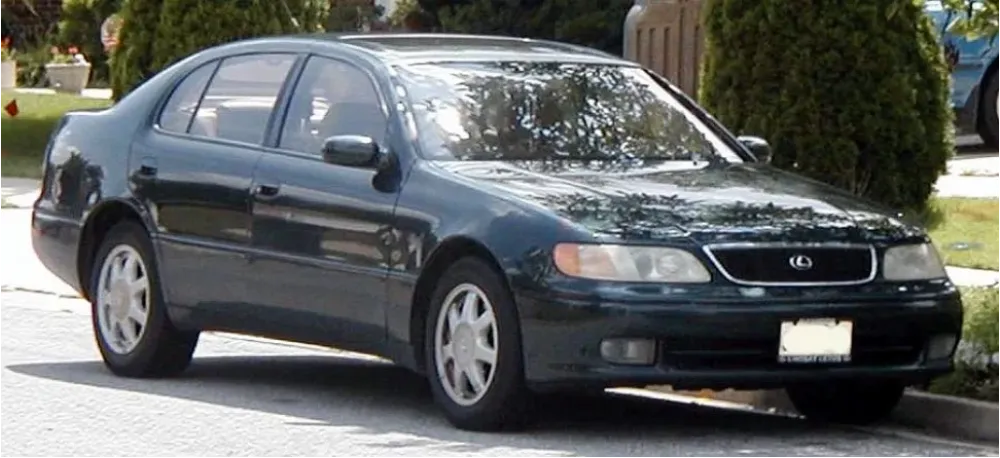
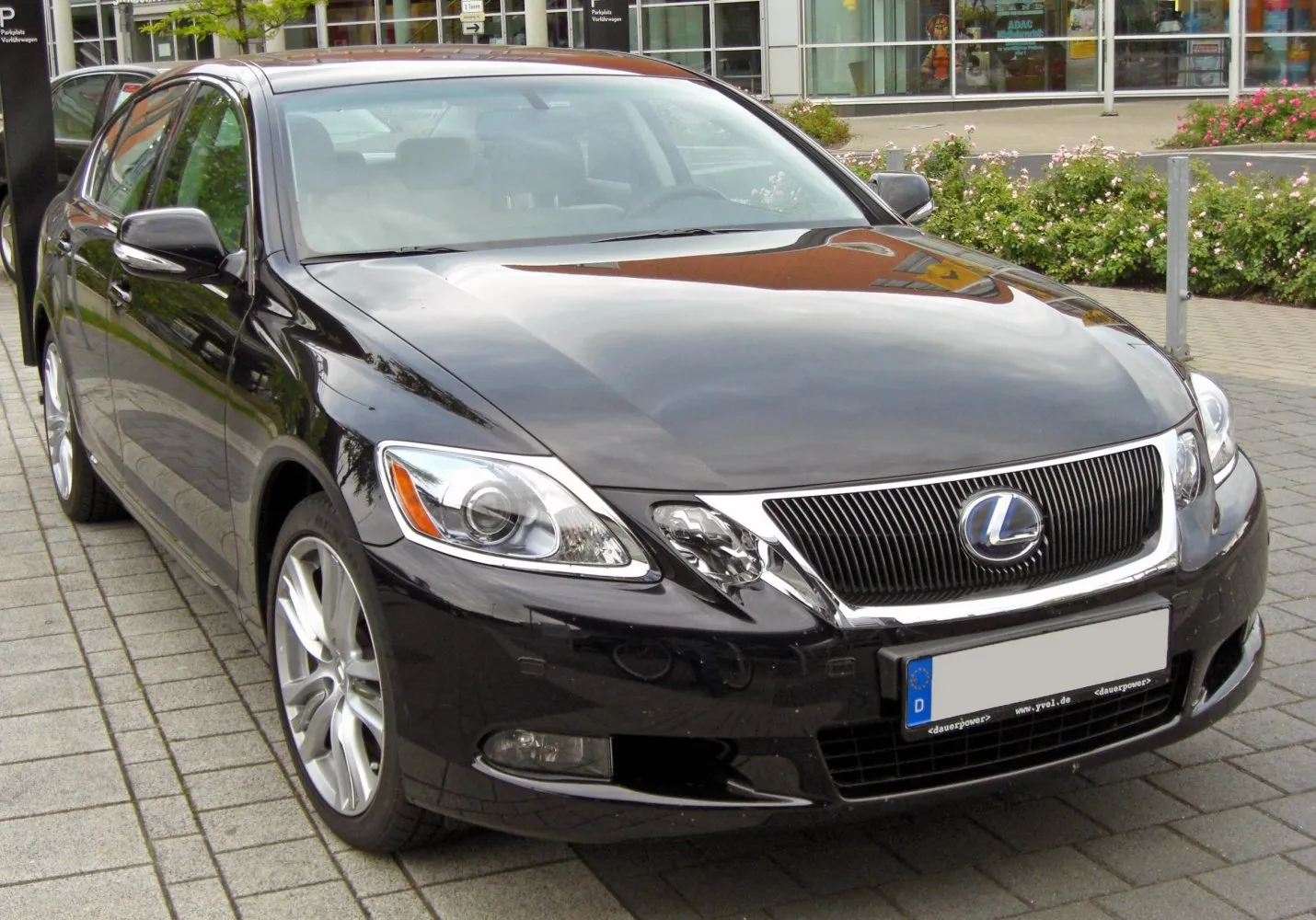
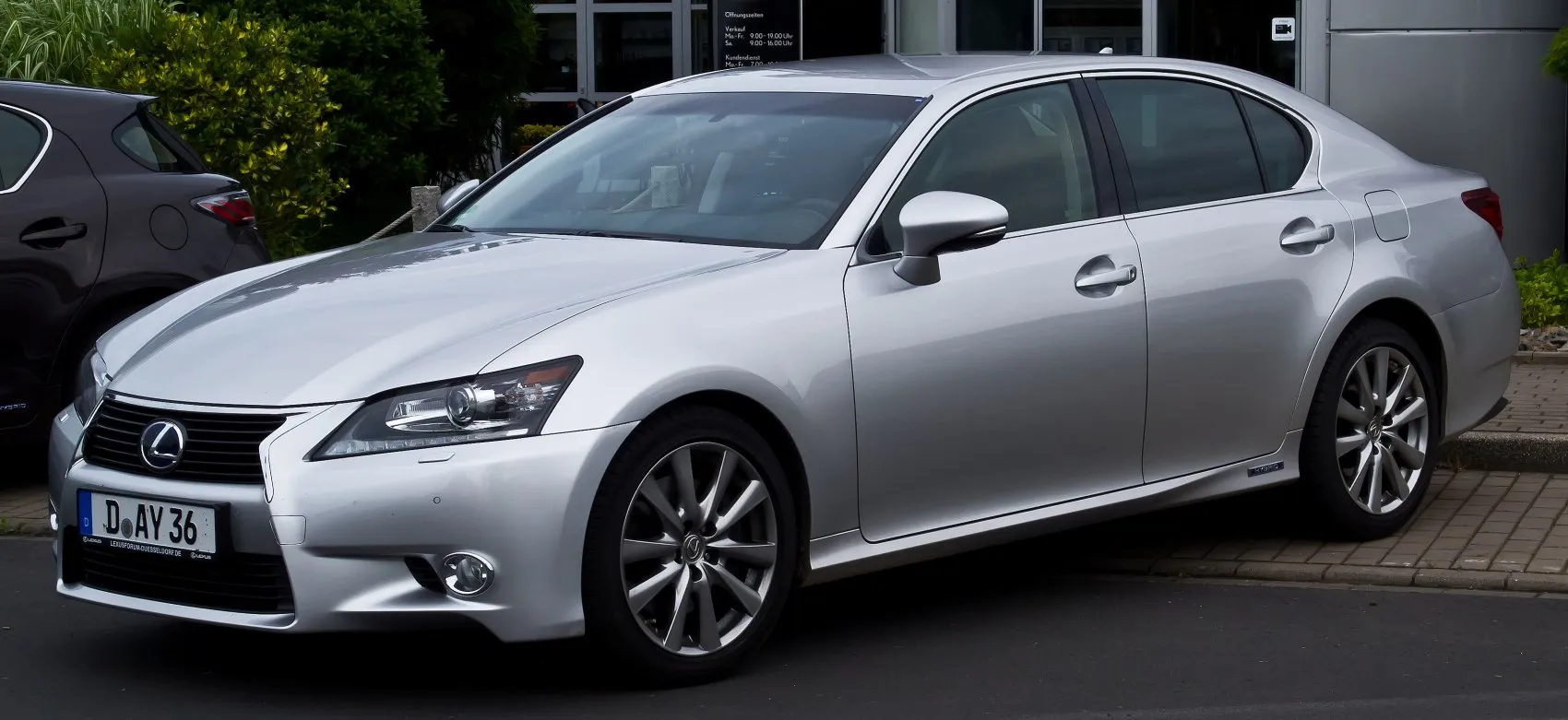
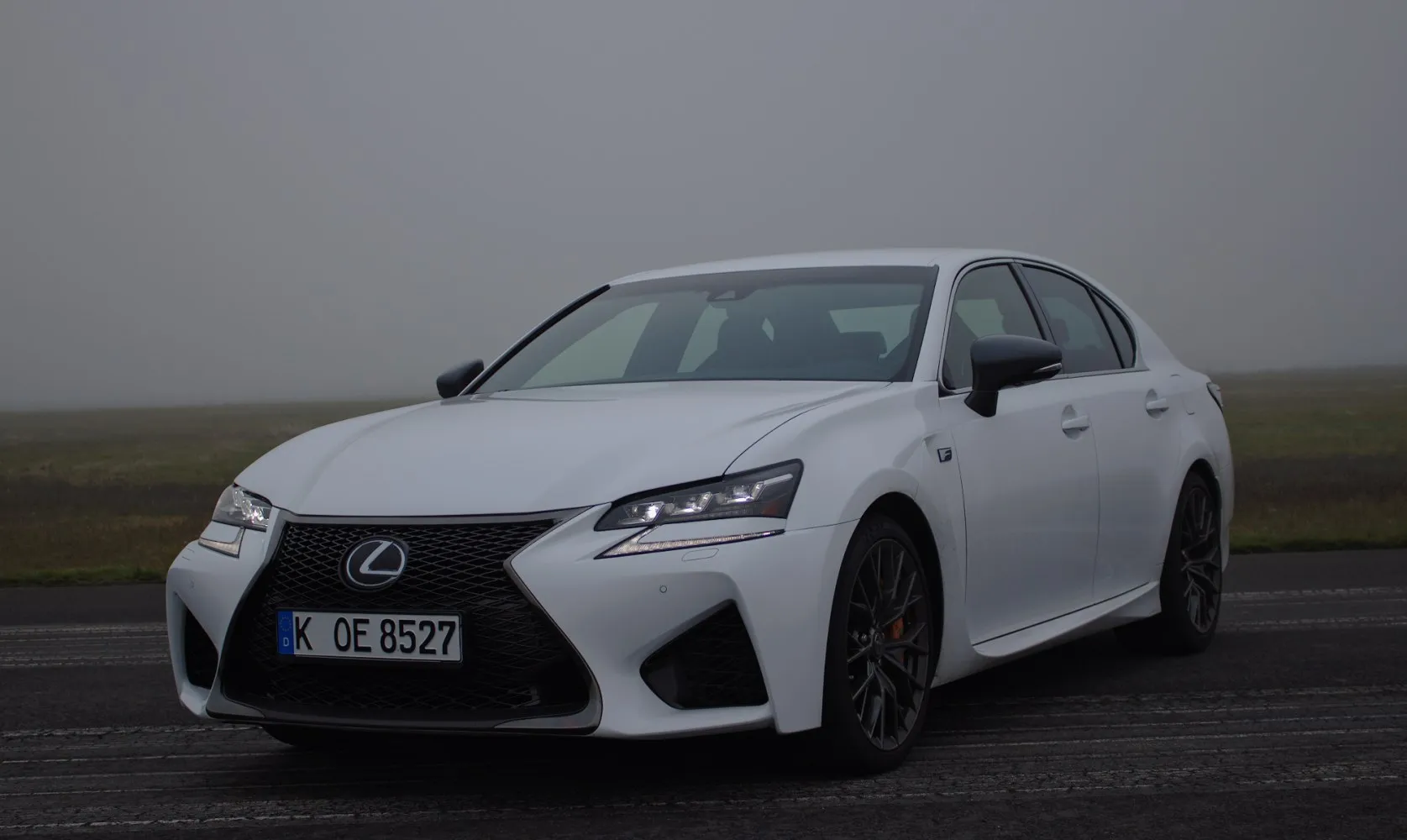
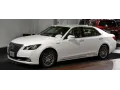
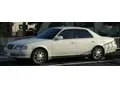
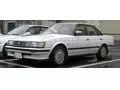
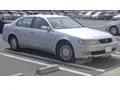
Click on image to view the full photo gallery
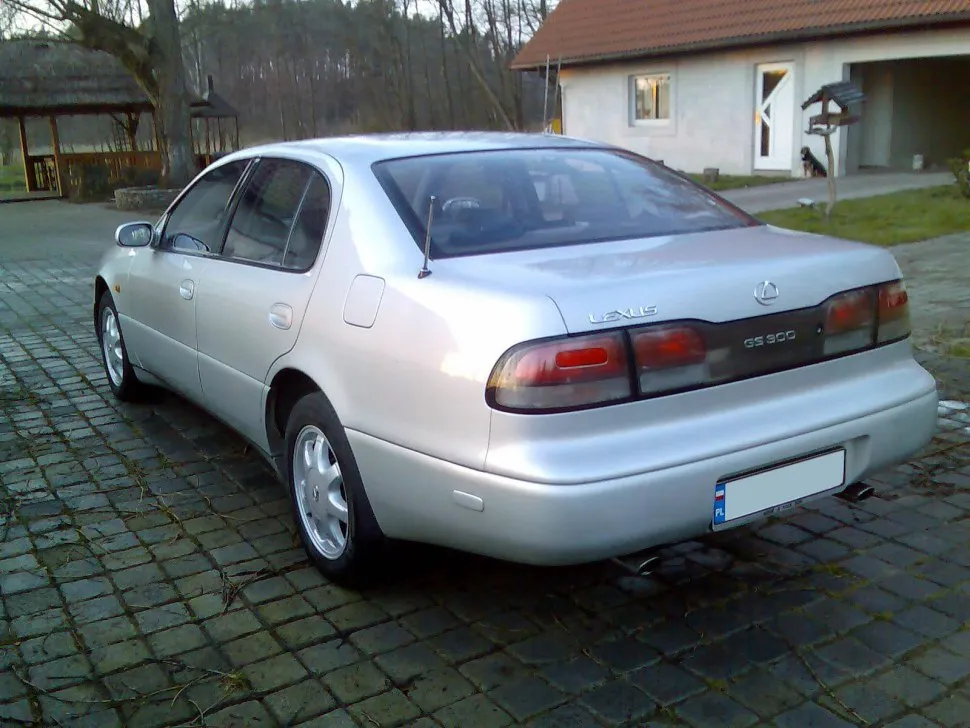
Lexus GS I 300 (223 Hp) Automatic
Overall Rating
Lexus GS:
The Lexus GS is an executive car manufactured and marketed by Lexus across four generations — launched in 1991 as the Toyota Aristo in Japan and as the Lexus GS for markets outside the Japanese market beginning in February 1993. It continued with the Toyota Aristo name for the Japanese market until January 2005.
Lexus marketed the GS as a performance sedan competing in the mid-luxury class, between its compact executive IS and large/flagship LS. The GS shared its chassis with one of Toyota's longest-running nameplates, the Toyota Crown premium sedans until 2011....(Read more on Wikipedia)
I Overview:
Lexus GS (I). With 285 Nm of torque, it offers ample pulling power. With a weight of 1660 kg, it falls in the mid‑range. Rear‑wheel drive offers dynamic handling and sporty feedback. Acceleration is good (0–100 km/h in 8.6 s). The top speed reaches 232 km/h. A four-door car with a separate trunk, ideal for families and daily commuting. Seating for 5 makes it ideal for daily use.
The Lexus GS I was produced before Euro NCAP testing began in 1997, therefore, no official rating is available. Safety features are typical for early 90s luxury sedans.
300 (223 Hp) Automatic Verdict:

Performance Verdict
The most potent engine in the lineup, offering the quickest acceleration at 8.6 seconds 0-100 km/h and strongest overall performance for the generation.
Fuel Economy
Fuel consumption is higher at 11.8 l/100 km but justifiable given the enhanced power and quicker acceleration.
Pros and Cons:
Pros:
- • Legendary 2JZ-GE engine reliability and durability
- • Exceptional ride comfort and quiet cabin for its class
- • High-quality interior materials and robust build quality
- • Smooth and refined automatic transmission
- • Timeless, understated design with a strong presence
Cons:
- • Fuel economy is dated by modern standards
- • Handling is more comfort-oriented than sporty, lacking dynamic edge
- • Lack of modern safety features and driver aids
- • Interior technology is basic compared to contemporary vehicles
- • Limited aftermarket support compared to Supra/SC variants of 2JZ
Specifications:
Specifications are compared to those of the previous generation(I: 1995 - 1997).
| General: | |
|---|---|
| Brand: | Lexus |
| Model: | GS |
| Generation: | I |
| Modification (Engine): | 300 (223 Hp) Automatic |
| Start of production: | 1996 |
| End of production: | 1997 |
| Powertrain Architecture: | Internal Combustion engine |
| Body type: | Sedan |
| Seats: | 5 |
| Doors: | 4 |
| Engine: | |
|---|---|
| Power: | 223 Hp @ 5800 rpm. |
| Power per litre: | 74.4 Hp/l |
| Torque: | 285 Nm @ 4800 rpm. |
| Engine Model/Code: | 2JZ-GE [Same engine] More details about the engine 2JZ-GE |
| Engine displacement: | 2997 |
| Number of cylinders: | 6 |
| Engine configuration: | Inline |
| Number of valves per cylinder: | 4 |
| Fuel injection system: | Multi-port manifold injection |
| Engine aspiration: | Naturally aspirated engine |
| Valvetrain: | DOHC |
| Engine oil capacity: | 5.4 l |
| Coolant: | 7.5 l |
| Engine layout: | Front, Longitudinal |
| Cylinder Bore: | 86 mm |
| Piston Stroke: | 86 mm |
| Compression ratio: | 10:1 |
| Performance: | |
|---|---|
| Fuel Type: | Petrol (Gasoline) |
| Fuel consumption (economy) - urban: | 13.1 l/100 km |
| Fuel consumption (economy) - extra urban: | 9.8 l/100 km |
| Fuel consumption (economy) - combined: | 11.8 l/100 km |
| Acceleration 0 - 100 km/h: | 8.6 sec |
| Acceleration 0 - 62 mph: | 8.6 sec |
| Maximum speed: | 232 km/h |
| Weight-to-power ratio: | 7.4 kg/Hp, 134.3 Hp/tonne |
| Weight-to-torque ratio: | 5.8 kg/Nm, 171.7 Nm/tonne |
| Acceleration 0 - 60 mph: | 8.2 sec |
| Space: | |
|---|---|
| Kerb Weight: | 1660 |
| Trunk (boot) space - minimum: | 404 l |
| Fuel tank capacity: | 80 l |
| Size: | |
|---|---|
| Length: | 4950 mm [15mm less] |
| Width: | 1795 mm [Same width.] |
| Height: | 1400 mm [5mm more] |
| Wheelbase: | 2780 mm [Same wheelbase.] |
| Front track: | 1540 mm |
| Rear (Back) track: | 1530 mm |
| Ride height (ground clearance): | 140 mm |
| Minimum turning circle (turning diameter): | 11 m [above average] |
| Powertrain: | |
|---|---|
| Drivetrain Architecture | The Internal combustion engine (ICE) drives the rear wheels of the vehicle. |
| Drive wheel | Rear wheel drive |
| Number of gears | 5 |
| Transmission type | Automatic |
| Front brakes | Ventilated discs, 295 mm [Best for performance and cooling.] |
| Rear brakes | Ventilated discs, 305 mm [Best for performance and cooling.] |
| Assisting systems | ABS (Anti-lock braking system) |
| Steering type | Steering rack and pinion |
| Power steering | Hydraulic Steering |
| Tires size | 215/60 R16 |
| Wheel rims size | 7.5J x 16 |
| Front suspension | Double wishbone |
| Rear suspension | Double wishbone |
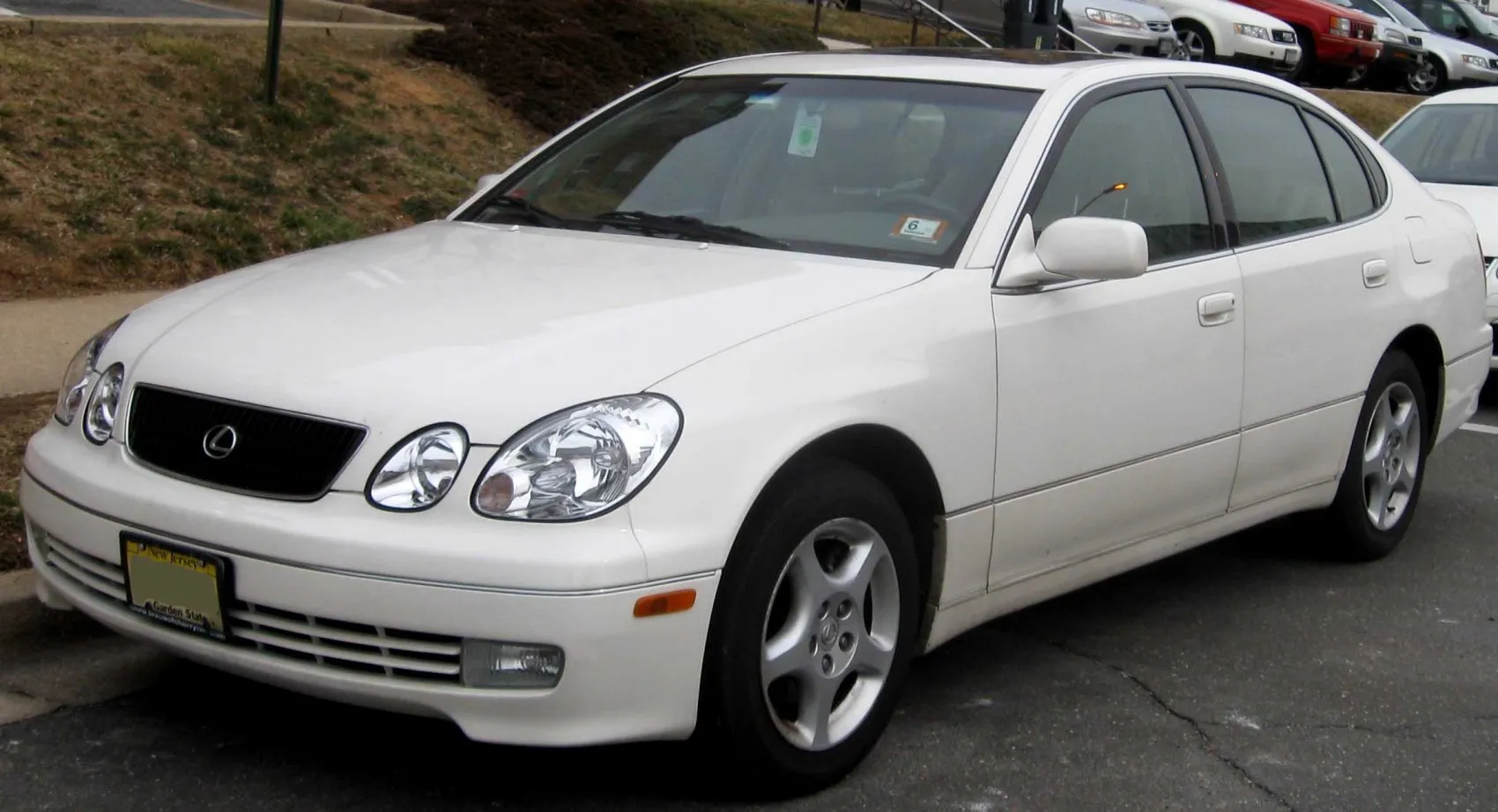
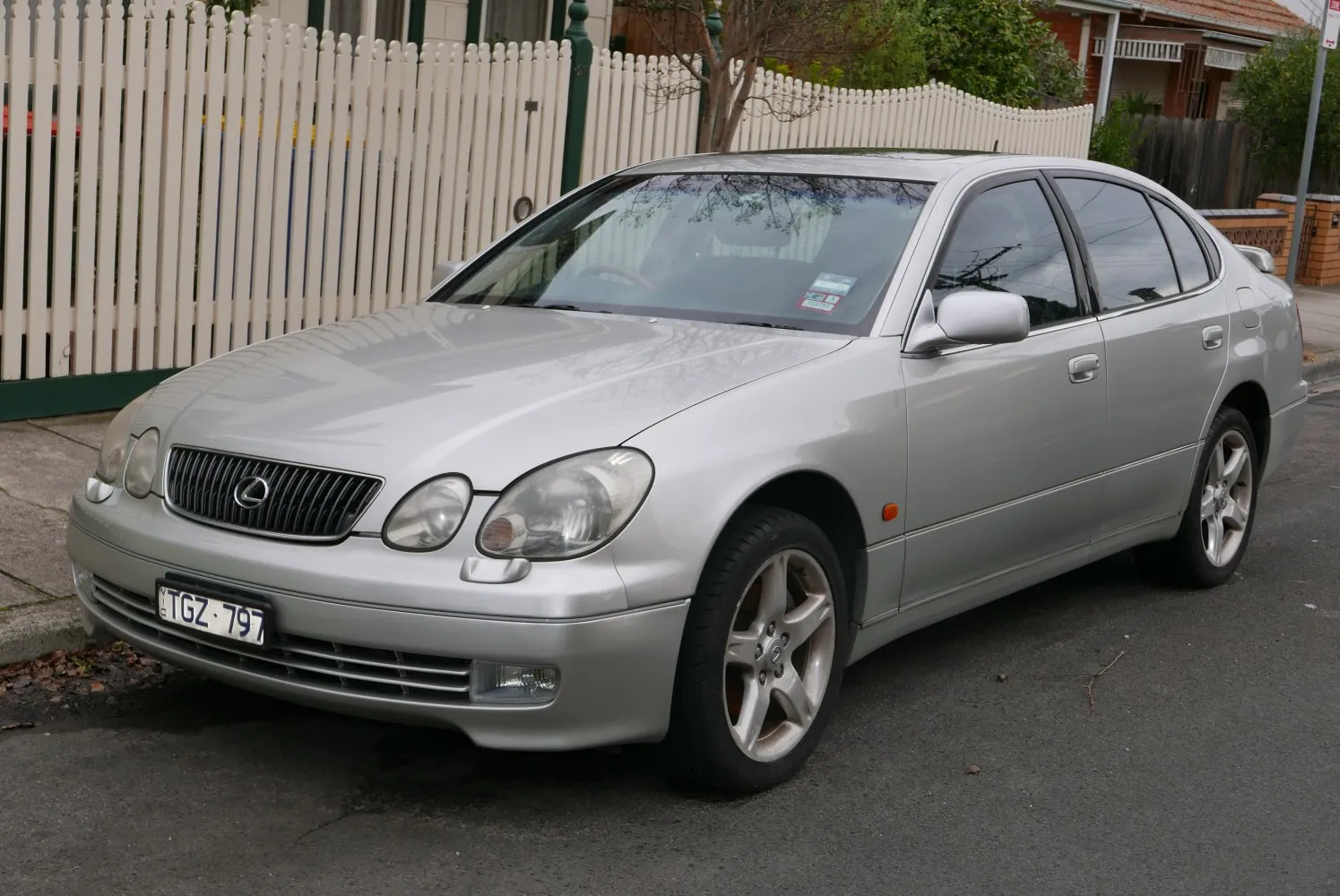
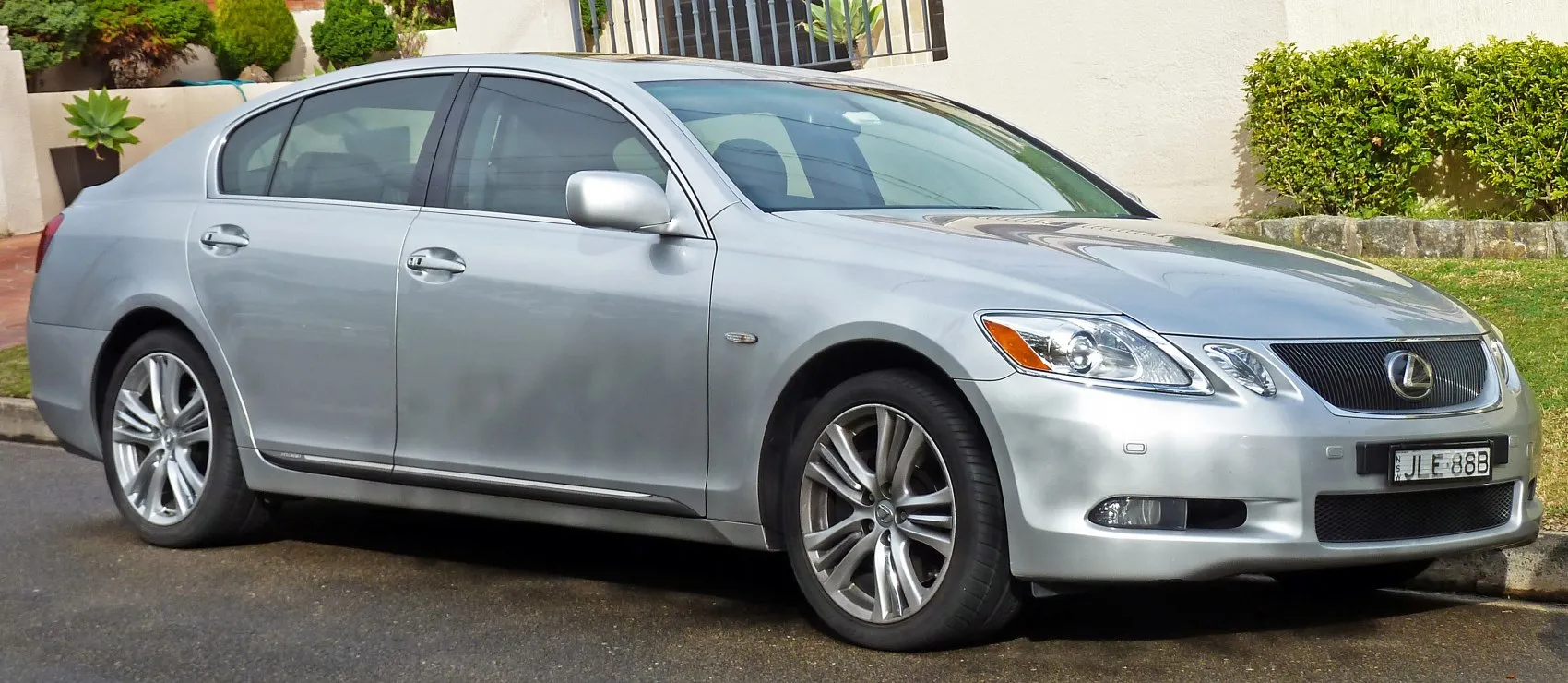










What’s the best feature of the Lexus GS? Tell us in the comments!