
Click on image to view the full photo gallery
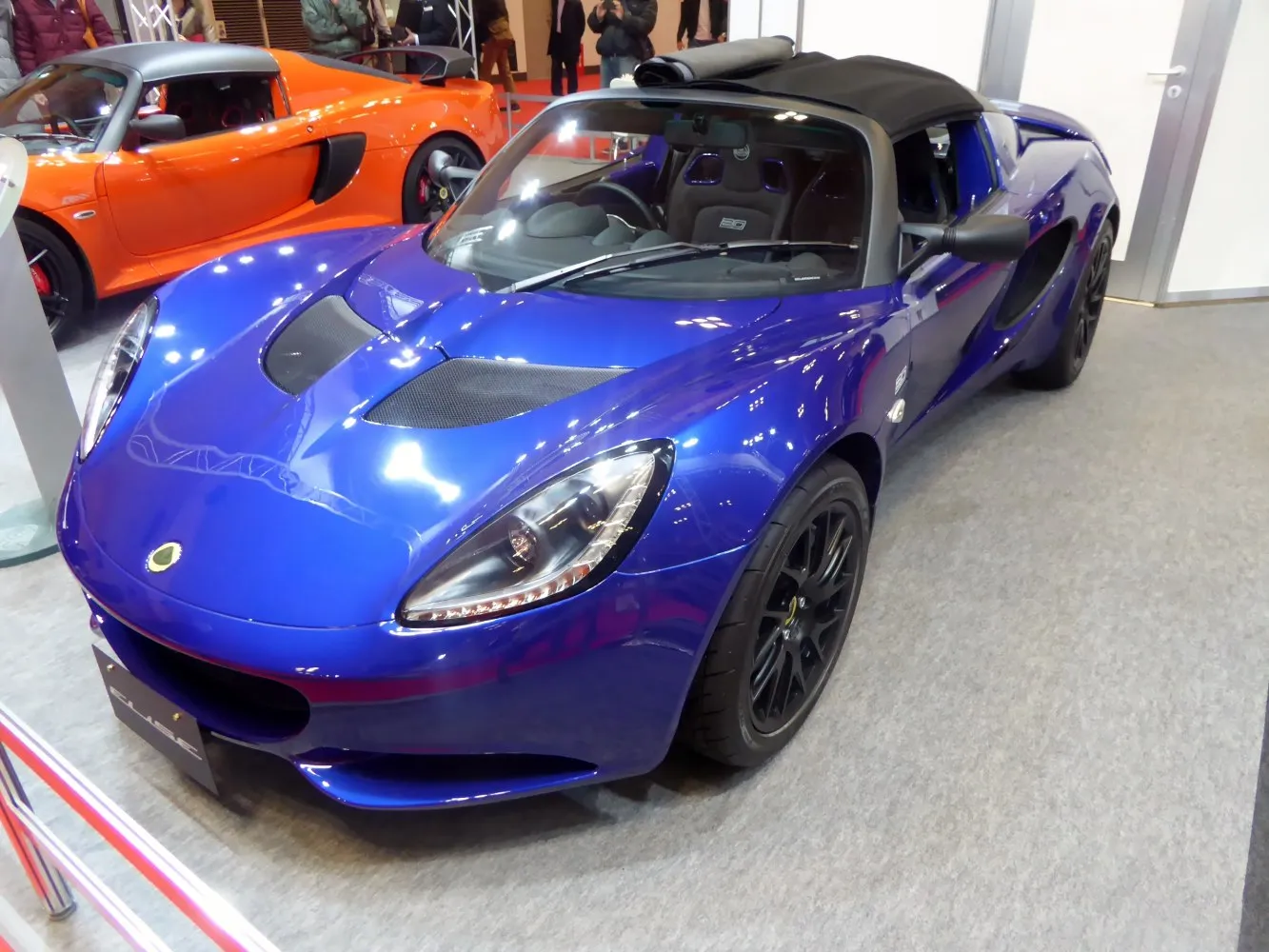
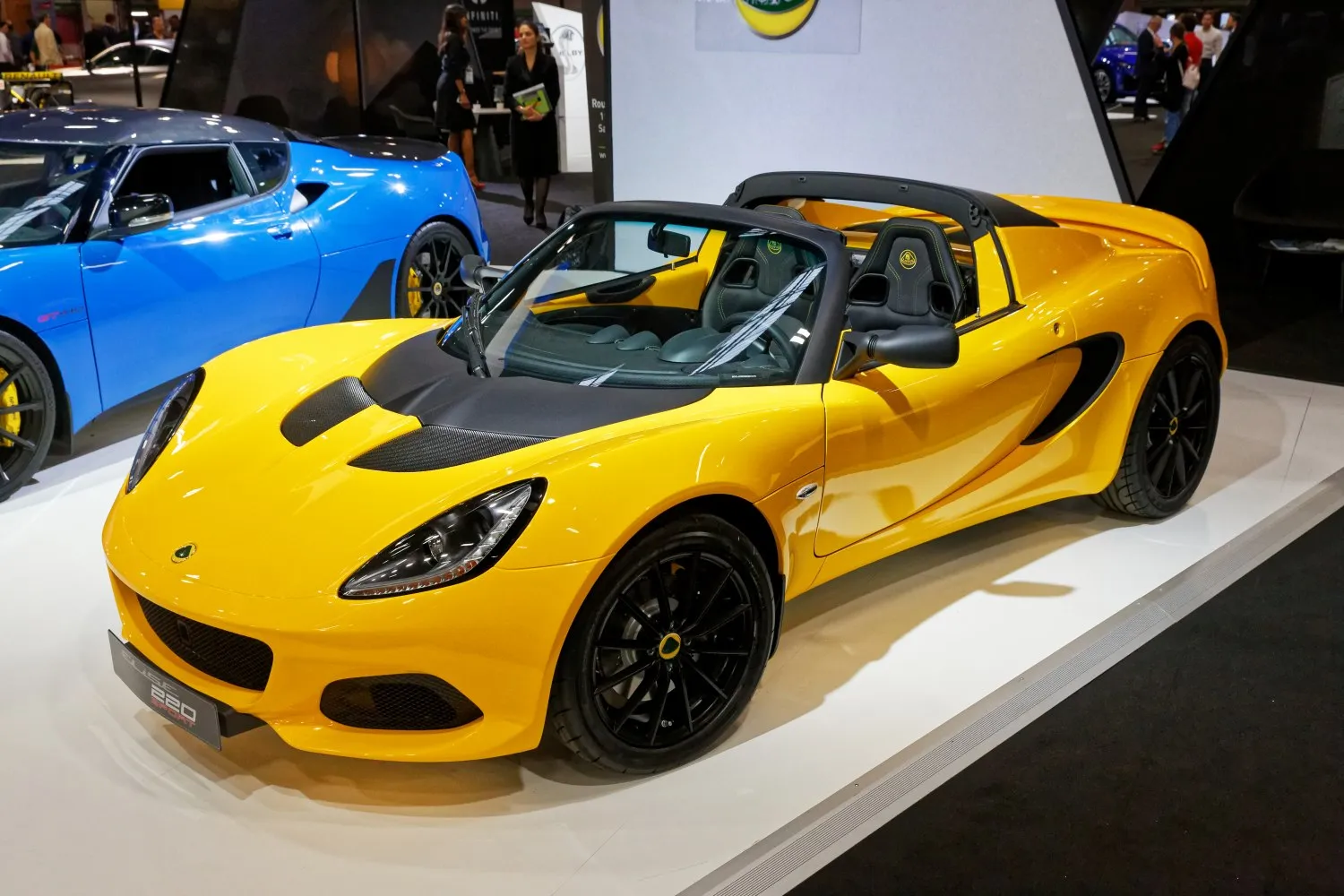
Lotus Elise Series 3 Cup 250 1.8 (246 Hp)
Overall Rating
Lotus Elise:
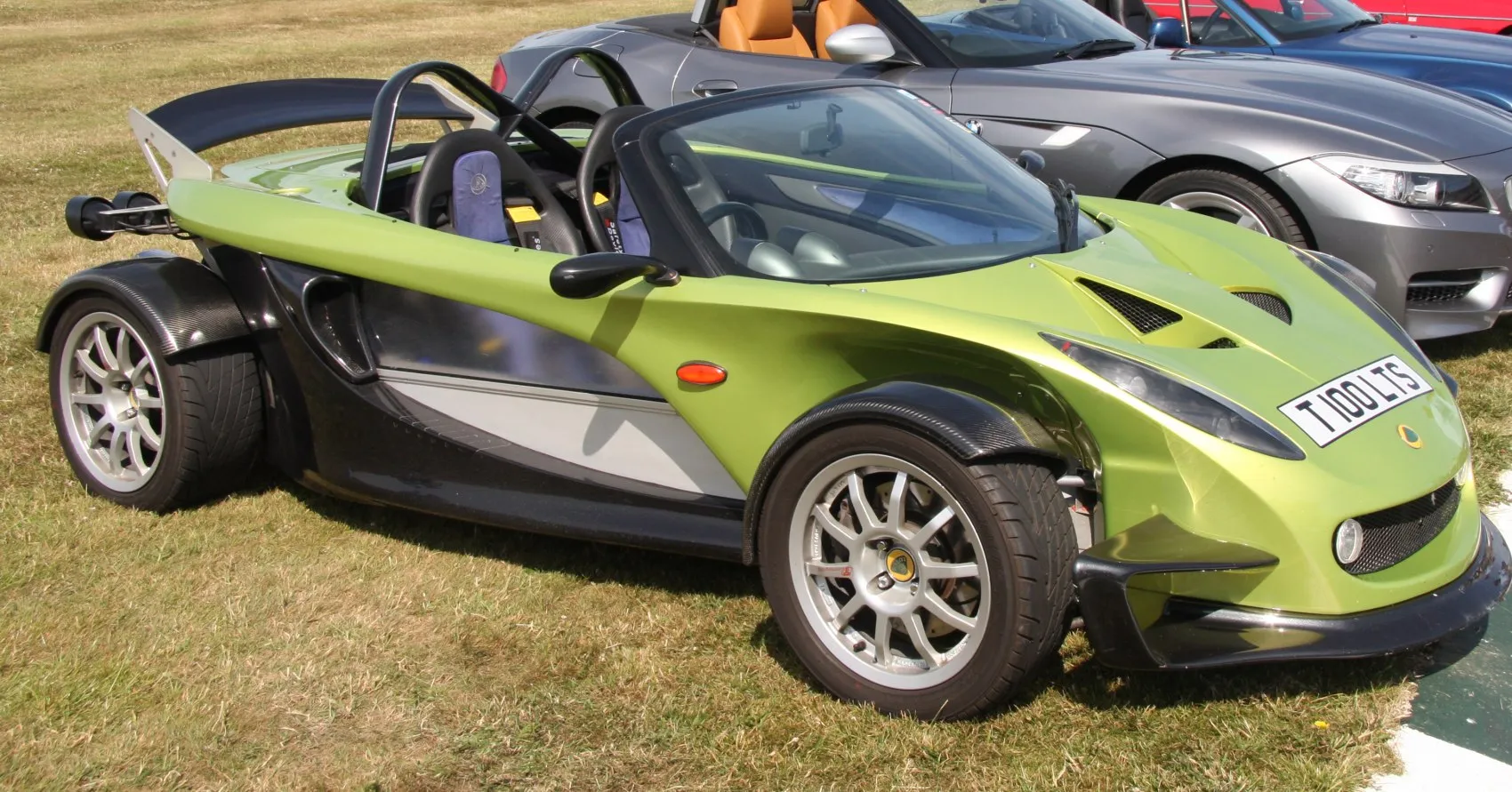
The Lotus Elise GT1 is a race car developed for grand tourer-style sports car racing starting in 1997.
Lotus Cars had previously been using the Lotus Esprit GT1—a racing version of their Lotus Esprit road car—in the BPR Global GT Series since its foundation in 1994, competing in the premier GT1 class against the likes of the McLaren F1 GTR, Venturi 600LM, Ferrari F40 GTE and others. However, in 1997, the series came to be known as the FIA GT Championship and manufacturer involvement was increased with the new international exposure. Porsche was the first to start a new breed of racing cars in 1996, with their purpose-built homologation special known as the 911 GT1. This was quickly followed by the announcement that Mercedes-Benz planned to do the same with their CLK GTR for 1997....(Read more on Wikipedia)
Series 3 Overview:
Lotus Elise (Series 3). With 250 Nm of torque, it offers ample pulling power. It has moderate fuel consumption (~10.1 l/100km). Weighing only 931 kg, it’s quite light. Rear‑wheel drive offers dynamic handling and sporty feedback. Acceleration is excellent (0–100 km/h in 4.3 s). The top speed reaches 248 km/h. A two-seater convertible designed for open-top driving pleasure. Seating for 2 makes it ideal for daily use.
Cup 250 1.8 (246 Hp) Verdict:

Performance Verdict
The most potent road-legal Elise, the Cup 250 delivers blistering acceleration and incredible power-to-weight, making it a formidable track weapon and an exhilarating road car.
Fuel Economy
Despite its significant power increase, the Cup 250 maintains a respectable fuel economy, showcasing Lotus's efficiency in high-performance applications.
Pros and Cons:
Pros:
- • Unrivaled handling and steering feel
- • Exceptional power-to-weight ratio across the range
- • Engaging and pure driving experience
- • Relatively economical Toyota-sourced engines
- • Timeless, iconic design
Cons:
- • Limited practicality and comfort for daily use
- • Challenging ingress/egress
- • Basic interior amenities
- • High road noise and firm ride
- • Limited luggage space
Specifications:
Specifications are compared to those of the previous generation(Series 3: 2012 - 2017).
| General: | |
|---|---|
| Brand: | Lotus |
| Model: | Elise |
| Generation: | Series 3 |
| Modification (Engine): | Cup 250 1.8 (246 Hp) |
| Start of production: | 2016 |
| End of production: | 2017 |
| Powertrain Architecture: | Internal Combustion engine |
| Body type: | Roadster |
| Seats: | 2 |
| Doors: | 2 |
| Engine: | |
|---|---|
| Power: | 246 Hp @ 7200 rpm. |
| Power per litre: | 136.8 Hp/l [worst than previous generation] |
| Torque: | 250 Nm @ 3500-5000 rpm. |
| Engine Model/Code: | 2ZR-FE [Same engine] More details about the engine 2ZR-FE |
| Engine displacement: | 1798 |
| Number of cylinders: | 4 |
| Engine configuration: | Inline |
| Number of valves per cylinder: | 4 |
| Fuel injection system: | Multi-port manifold injection |
| Engine aspiration: | Supercharger, Intercooler |
| Valvetrain: | DOHC, dual VVT-i |
| Engine oil capacity: | 2.4 l |
| Coolant: | 4 l |
| Engine layout: | Middle, Transverse |
| Cylinder Bore: | 80.5 mm mm |
| Piston Stroke: | 88.3 mm mm |
| Compression ratio: | 10:1 |
| Performance: | |
|---|---|
| Fuel Type: | Petrol (Gasoline) |
| Fuel consumption (economy) - urban: | 10.1 l/100 km |
| Fuel consumption (economy) - extra urban: | 6 l/100 km |
| Fuel consumption (economy) - combined: | 7.5 l/100 km |
| Acceleration 0 - 100 km/h: | 4.3 sec |
| Acceleration 0 - 62 mph: | 4.3 sec |
| Maximum speed: | 248 km/h |
| Weight-to-power ratio: | 3.8 kg/Hp, 264.2 Hp/tonne |
| Weight-to-torque ratio: | 3.7 kg/Nm, 268.5 Nm/tonne |
| Acceleration 0 - 60 mph: | 4.1 sec |
| Space: | |
|---|---|
| Kerb Weight: | 931 |
| Trunk (boot) space - minimum: | 112 l |
| Fuel tank capacity: | 40 l |
| Size: | |
|---|---|
| Length: | 3824 mm mm [Same length.] |
| Width: | 1719 mm mm [Same width.] |
| Height: | 1117 mm mm [Same height.] |
| Wheelbase: | 2300 mm mm [Same wheelbase.] |
| Front track: | 1457 mm |
| Rear (Back) track: | 1507 mm |
| Ride height (ground clearance): | 130 mm |
| Powertrain: | |
|---|---|
| Drivetrain Architecture | The Internal combustion engine (ICE) drives the rear wheels of the vehicle. |
| Drive wheel | Rear wheel drive |
| Number of gears | 6 |
| Transmission type | Manual |
| Front brakes | Ventilated discs [Best for performance and cooling.] |
| Rear brakes | Ventilated discs [Best for performance and cooling.] |
| Assisting systems | ABS (Anti-lock braking system) |
| Tires size | 195/50 R16; 225/45 R17 |
| Wheel rims size | 6J x 16; 8J x 17 |
| Front suspension | Double wishbone |
| Rear suspension | Double wishbone |





Help others decide – share your experience!