
Click on image to view the full photo gallery
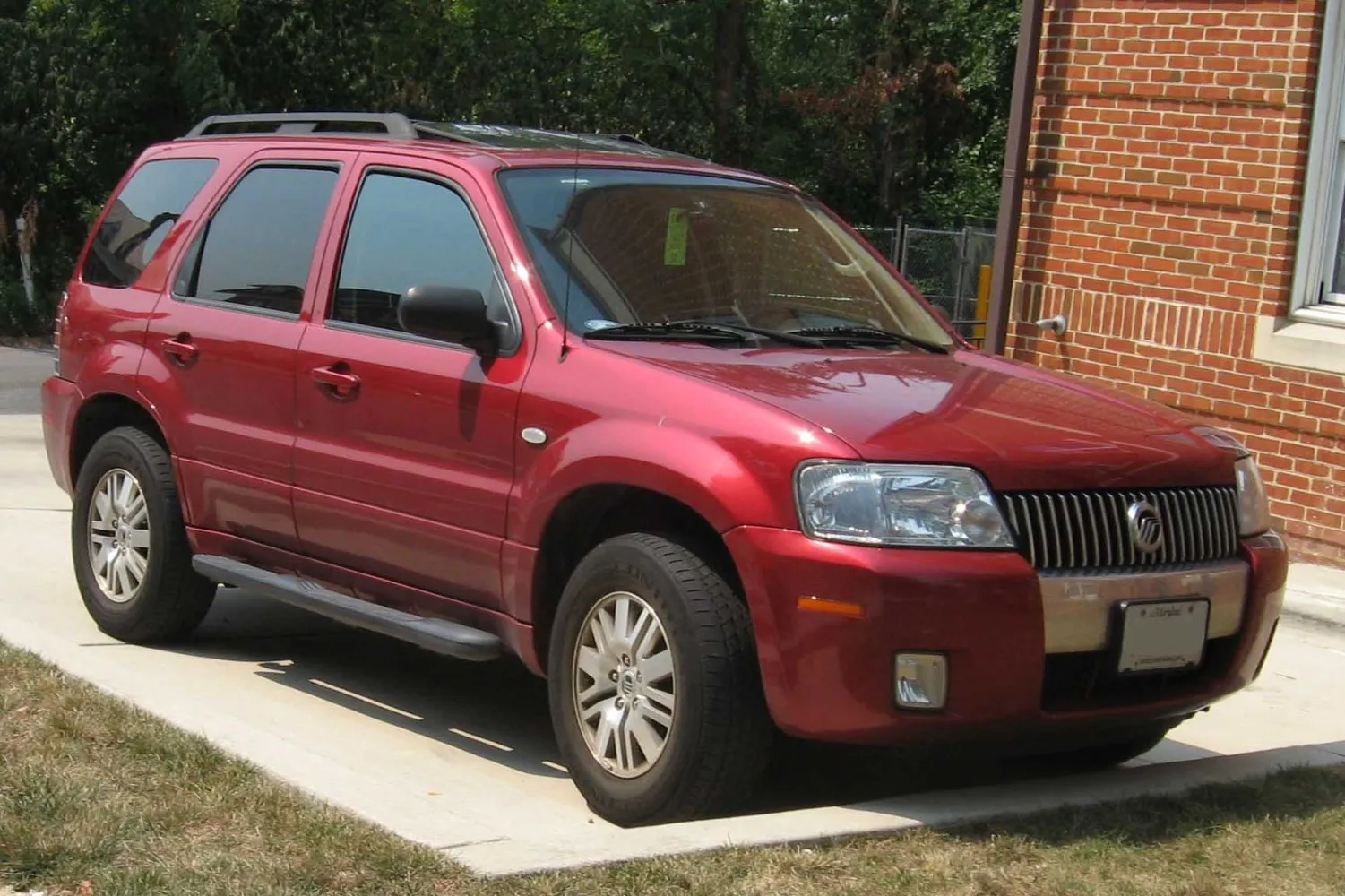
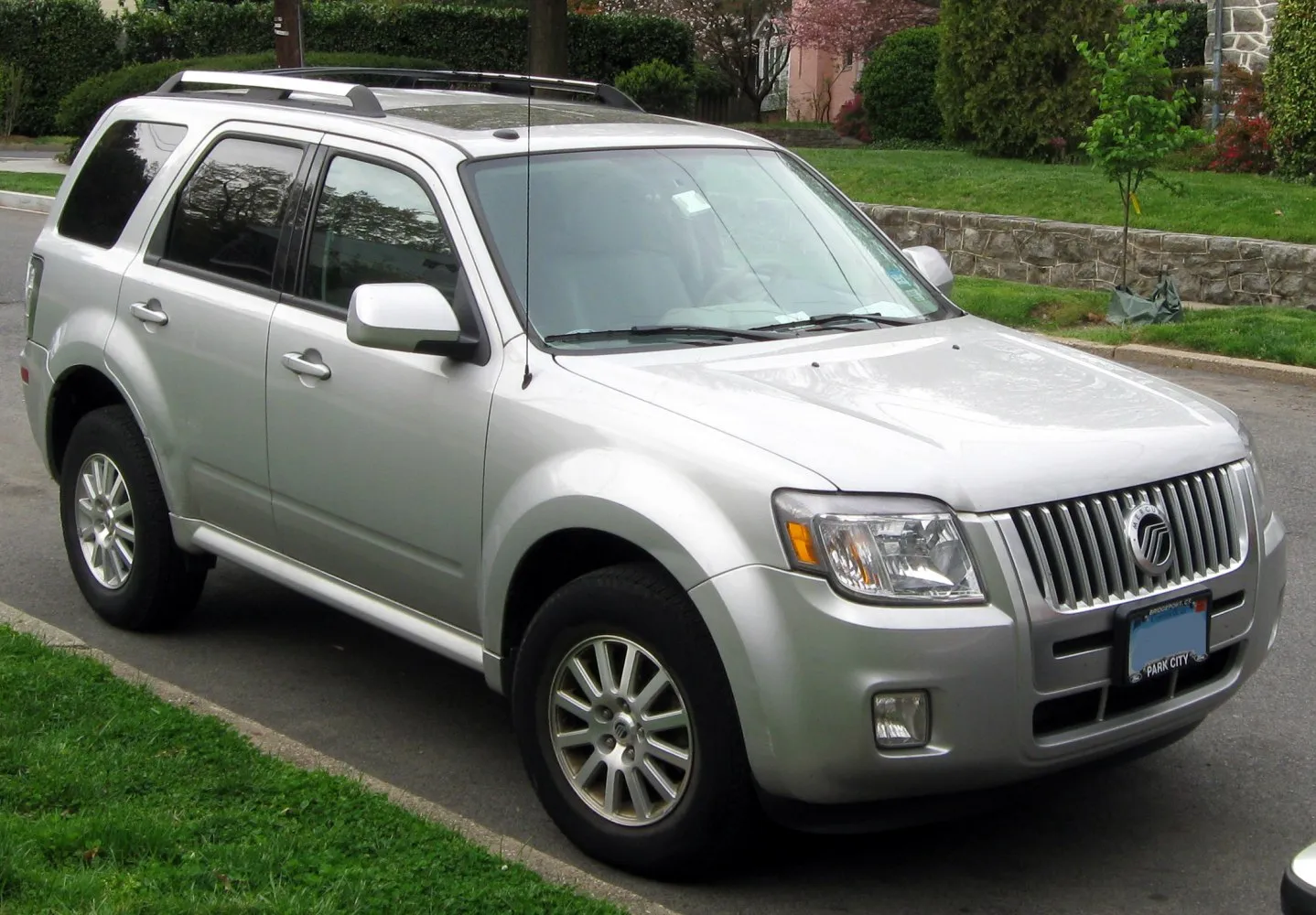
Mercury Mariner II 2.5 (177 Hp) Hybrid eCVT
Overall Rating
Mercury Mariner:
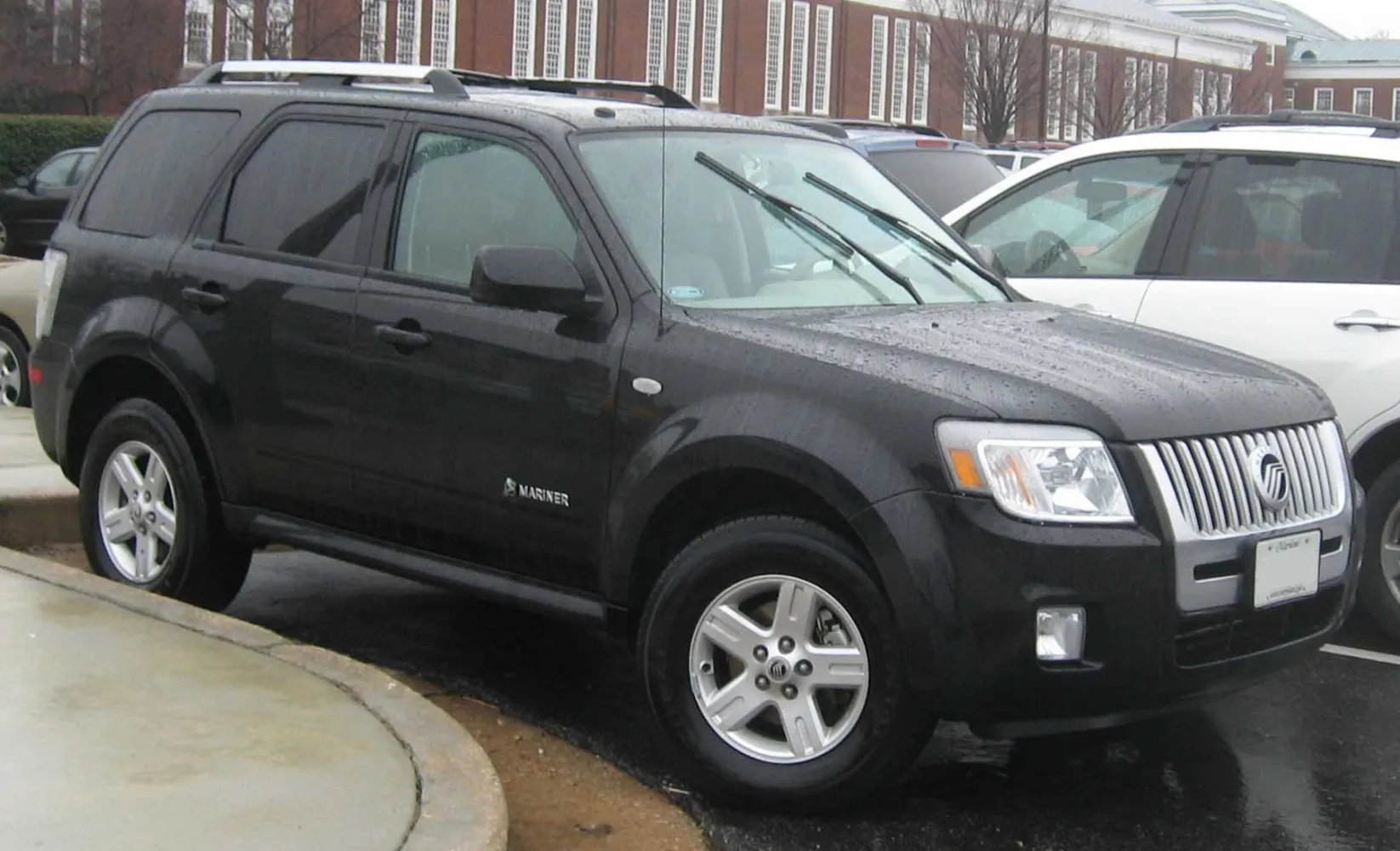
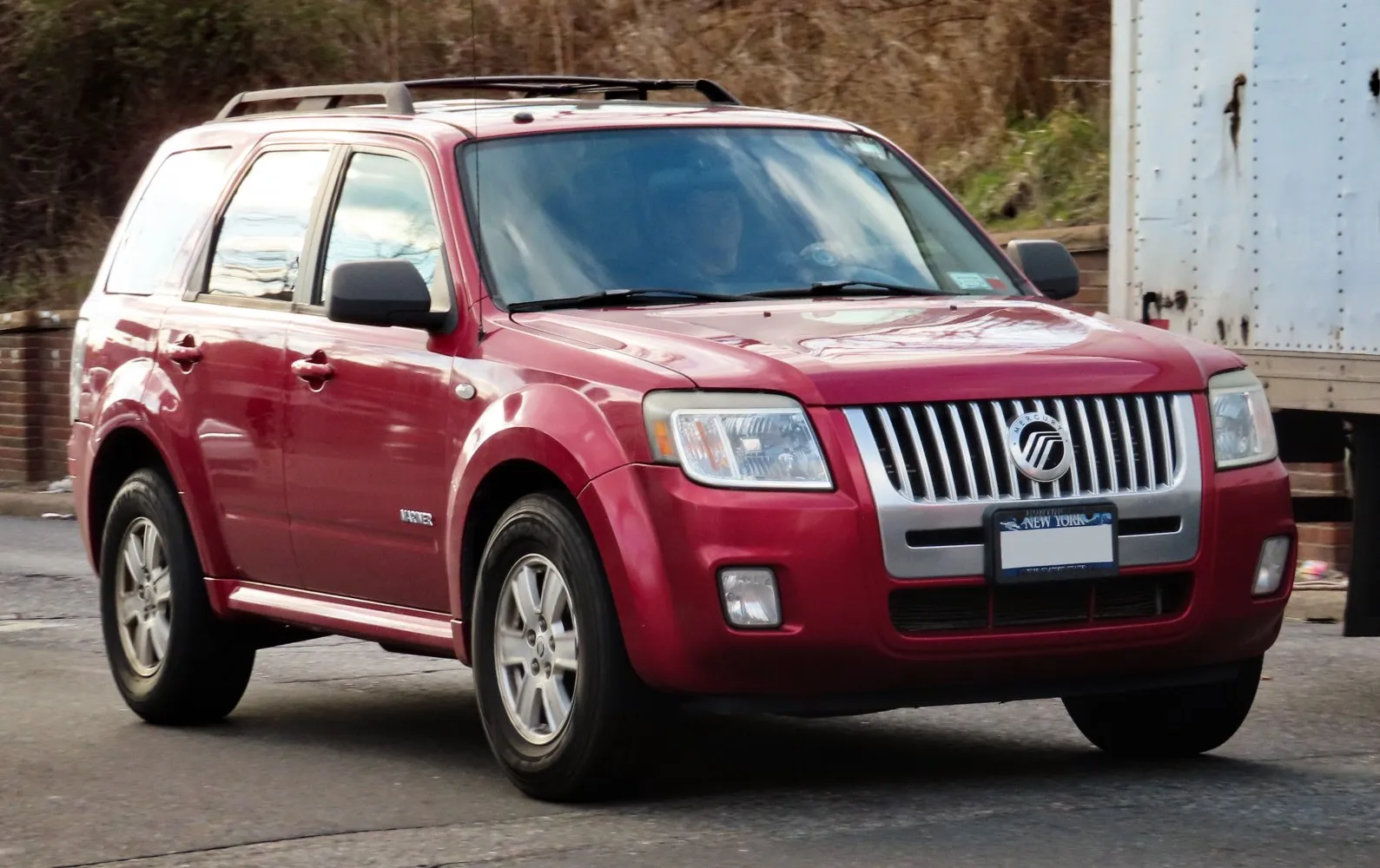
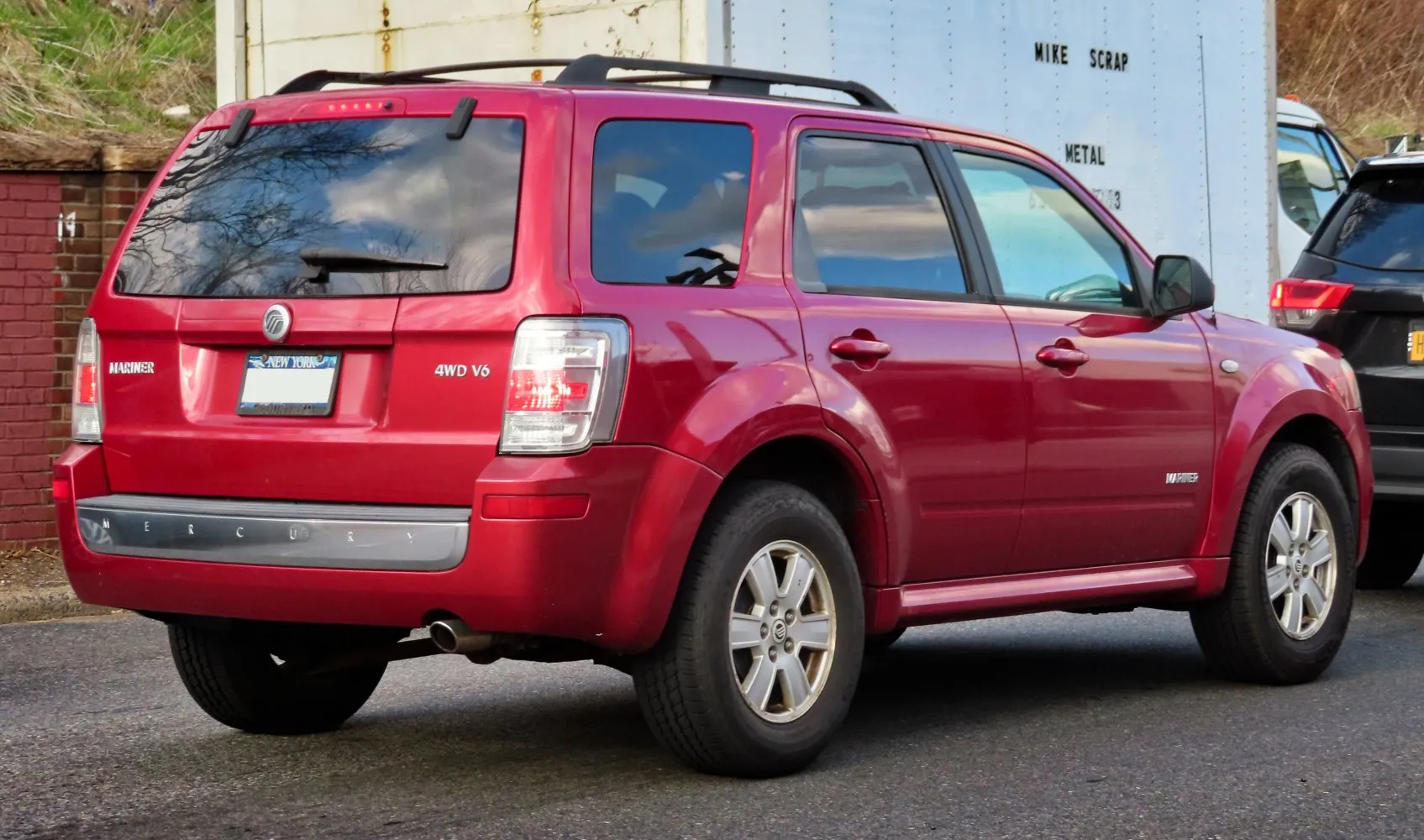
The Mercury Mariner is a compact crossover SUV that was introduced for the 2005 model year. It is a sibling of the Mazda Tribute and Ford Escape, although it is more upmarket than the other two. The Mariner is Mercury's first car-based SUV, and is slotted below the Mountaineer in the lineup. When Ford eliminated the Mercury brand, the Mariner ended production in October 2010.
The Mariner was officially offered in the U. S. , Mexico, Saudi Arabia, Kuwait, and the U. A. E.
Introduced during the 2005 refresh of the Ford Escape, the Mercury Mariner was positioned above both it and the Mazda Tribute in the compact sport utility vehicle group. It also includes stylistic differences, such as a two-tone interior, turn signal repeaters borrowed from the European-market Ford Maverick, monotone cladding, and the signature Mercury "waterfall" front grille. Unlike its counterparts, a manual transmission was not part of the powertrain lineup. The Mariner was the first Mercury with a four-cylinder since the Mercury Cougar was dropped in 2002. For 2006, the lineup was expanded with the introduction of the Mariner Hybrid....(Read more on Wikipedia)
II Overview:
Mercury Mariner (II). With 184 Nm of torque, it offers ample pulling power. It has moderate fuel consumption (~6.9 l/100km). With a weight of 1664 kg, it falls in the mid‑range. Front‑wheel drive delivers efficiency and easy handling. A sport utility vehicle offering higher ground clearance and versatile cargo space. A vehicle that combines characteristics of SUVs and hatchbacks for versatility. Seating for 5 makes it ideal for daily use.
The Mercury Mariner II was primarily sold in North America and was not tested by Euro NCAP. Its Ford Escape counterpart received decent safety ratings from NHTSA and IIHS in the US for its time.
2.5 (177 Hp) Hybrid eCVT Verdict:

Performance Verdict
Smooth and responsive hybrid powertrain, offering surprising acceleration for its efficiency, especially in urban settings.
Fuel Economy
Outstanding fuel economy, making it a top choice for eco-conscious drivers seeking minimal trips to the pump.
Pros and Cons:
Pros:
- • Available hybrid options offer excellent fuel economy
- • Practical and spacious interior for a compact SUV
- • Optional 4WD provides good all-weather capability
- • V6 engine options deliver strong performance
- • Comfortable ride quality for daily commuting
Cons:
- • Interior materials can feel dated compared to rivals
- • V6 fuel economy is significantly below average
- • Rear drum brakes on some trims are a drawback
- • Not particularly engaging or sporty to drive
- • Limited production run (2007-2008) for this generation
Specifications:
Specifications are compared to those of the previous generation(II: 2007 - 2008).
| General: | |
|---|---|
| Brand: | Mercury |
| Model: | Mariner |
| Generation: | II |
| Modification (Engine): | 2.5 (177 Hp) Hybrid eCVT |
| Start of production: | 2008 |
| End of production: | October, 2010 |
| Powertrain Architecture: | FHEV (Full Hybrid Electric Vehicle) |
| Body type: | SUV, Crossover |
| Seats: | 5 |
| Doors: | 5 |
| Engine: | |
|---|---|
| Engine systems: | Start & Stop System |
| Power: | 155 Hp @ 6000 rpm. Same horsepower |
| Power per litre: | 62.3 Hp/l [2mm less] |
| Torque: | 184 Nm @ 4500 rpm. |
| Engine Model/Code: | Duratec 25 More details about the engine Duratec 25 |
| Engine displacement: | 2488 |
| Number of cylinders: | 4 |
| Engine configuration: | Inline |
| Number of valves per cylinder: | 4 |
| Fuel injection system: | Multi-port manifold injection |
| Engine aspiration: | Naturally aspirated engine |
| Valvetrain: | DOHC, iVCT |
| Engine oil capacity: | 4.7 l |
| Coolant: | 8 l |
| Engine layout: | Front, Transverse |
| Cylinder Bore: | 89 mm mm |
| Piston Stroke: | 100 mm mm |
| Compression ratio: | 12.3:1 |
| Performance: | |
|---|---|
| Fuel Type: | Petrol (Gasoline) |
| Fuel consumption (economy) - urban: | 6.9 l/100 km |
| Fuel consumption (economy) - extra urban: | 7.6 l/100 km |
| Fuel consumption (economy) - urban (EPA): | 6.9 l/100 km |
| Fuel consumption (economy) - extra urban (EPA): | 7.6 l/100 km |
| Fuel consumption (economy) - combined (EPA): | 7.4 l/100 km |
| Fuel consumption (economy) - combined: | 7.4 l/100 km |
| Emission standard: | PZEV |
| Weight-to-power ratio: | 9.4 kg/Hp, 106.4 Hp/tonne |
| Weight-to-torque ratio: | 9 kg/Nm, 110.6 Nm/tonne |
| Max speed (electric): | 71 km/h |
| Space: | |
|---|---|
| Kerb Weight: | 1664 |
| Trunk (boot) space - maximum: | 1880 l |
| Trunk (boot) space - minimum: | 875 l |
| Permitted trailer load with brakes (12%): | 454 kg |
| Fuel tank capacity: | 57 l |
| Size: | |
|---|---|
| Length: | 4448 mm mm [2mm less] |
| Width: | 1806 mm mm [Same width.] |
| Height: | 1720 mm mm [7mm less] |
| Wheelbase: | 2619 mm mm [Same wheelbase.] |
| Width with mirrors folded: | 1979 mm |
| Width including mirrors: | 2065 mm |
| Front track: | 1542 mm |
| Rear (Back) track: | 1529 mm |
| Ride height (ground clearance): | 211 mm |
| Minimum turning circle (turning diameter): | 11.2 m [above average] |
| Powertrain: | |
|---|---|
| Drivetrain Architecture | The Internal combustion engine (ICE) and electric motor drive the front wheels of the car with the ability to work in full electric or mixed mode. |
| Drive wheel | Front wheel drive |
| Transmission type | Automatic |
| Gearbox type | eCVT |
| Front brakes | Ventilated discs, 303 mm [Best for performance and cooling.] |
| Rear brakes | Drum, 254 mm [bad for performance and cooling.] |
| Assisting systems | ABS (Anti-lock braking system) |
| Steering type | Steering rack and pinion |
| Power steering | Electric Steering |
| Tires size | 235/70 R16 |
| Wheel rims size | 16 |
| Front suspension | Independent, type McPherson with coil spring and anti-roll bar |
| Rear suspension | Independent multi-link spring suspension with stabilizer |
| Electric: | |
|---|---|
| Battery technology: | Nickel-metal hydride (NiMH) |
| Battery location: | Under the trunk |
| System power: | 177 Hp |
| Electric motor power: | 94 Hp @ 5000 rpm. |
| Electric motor location: | Integrated into the transmission |
| Electric motor type: | Synchronous |
| Battery voltage: | 330 V |




Driven it? Loved it? Hated it? Share your honest review!