
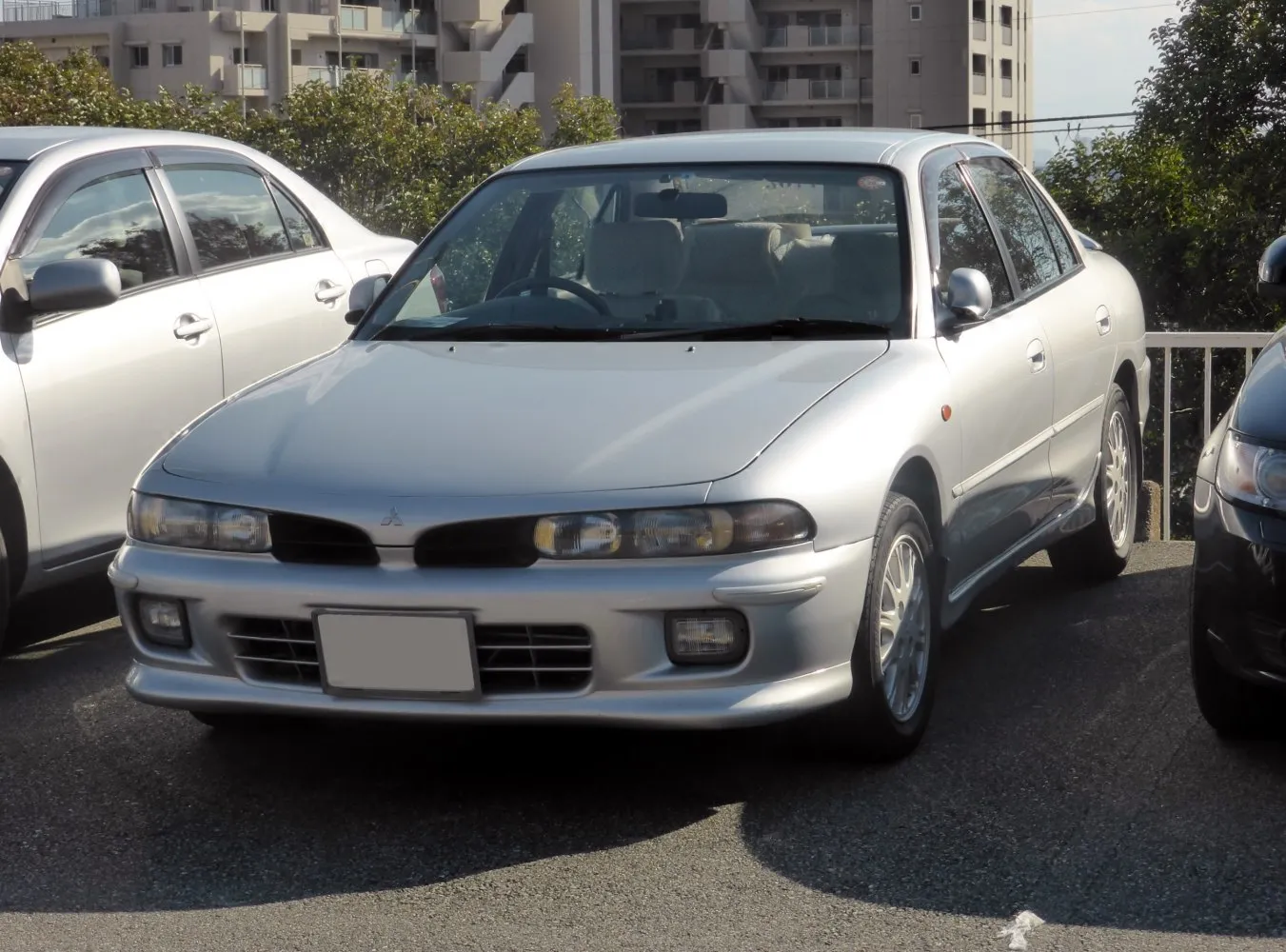
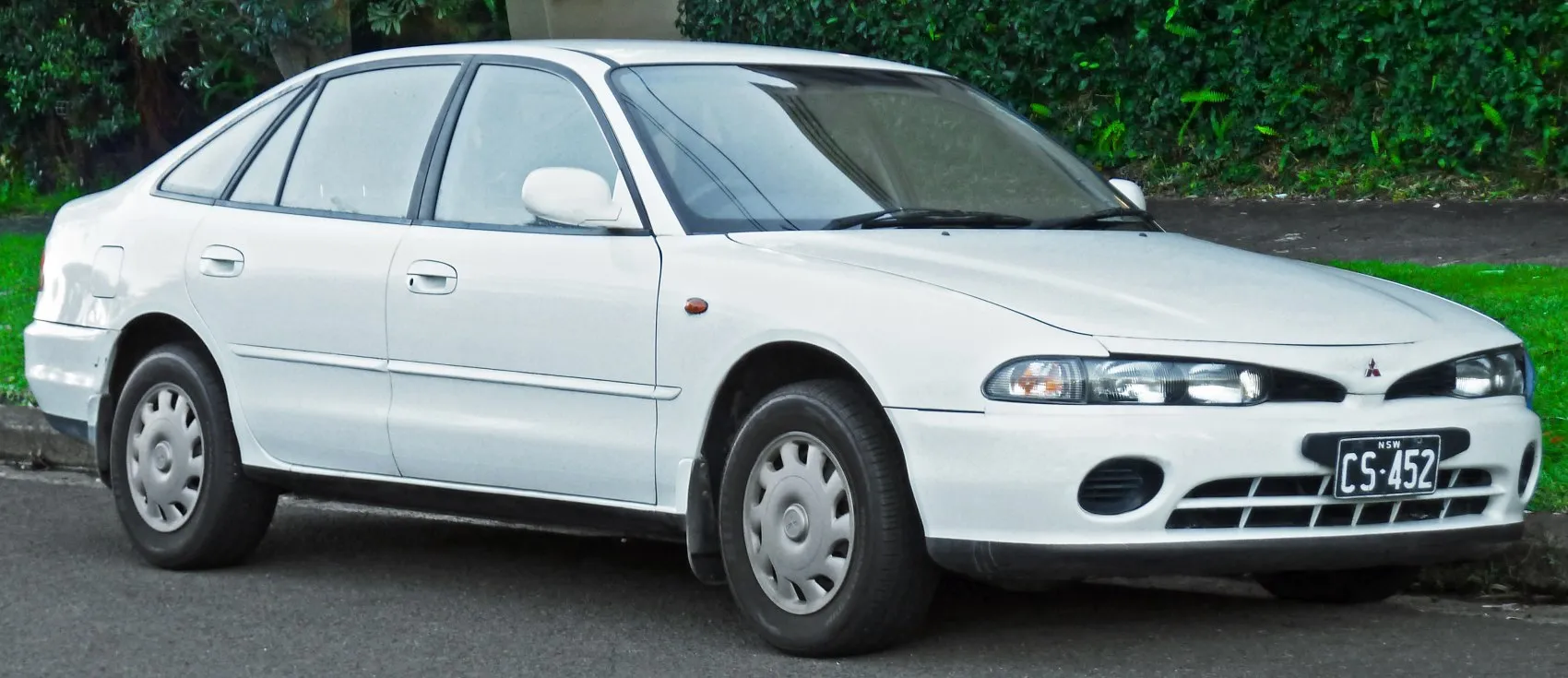
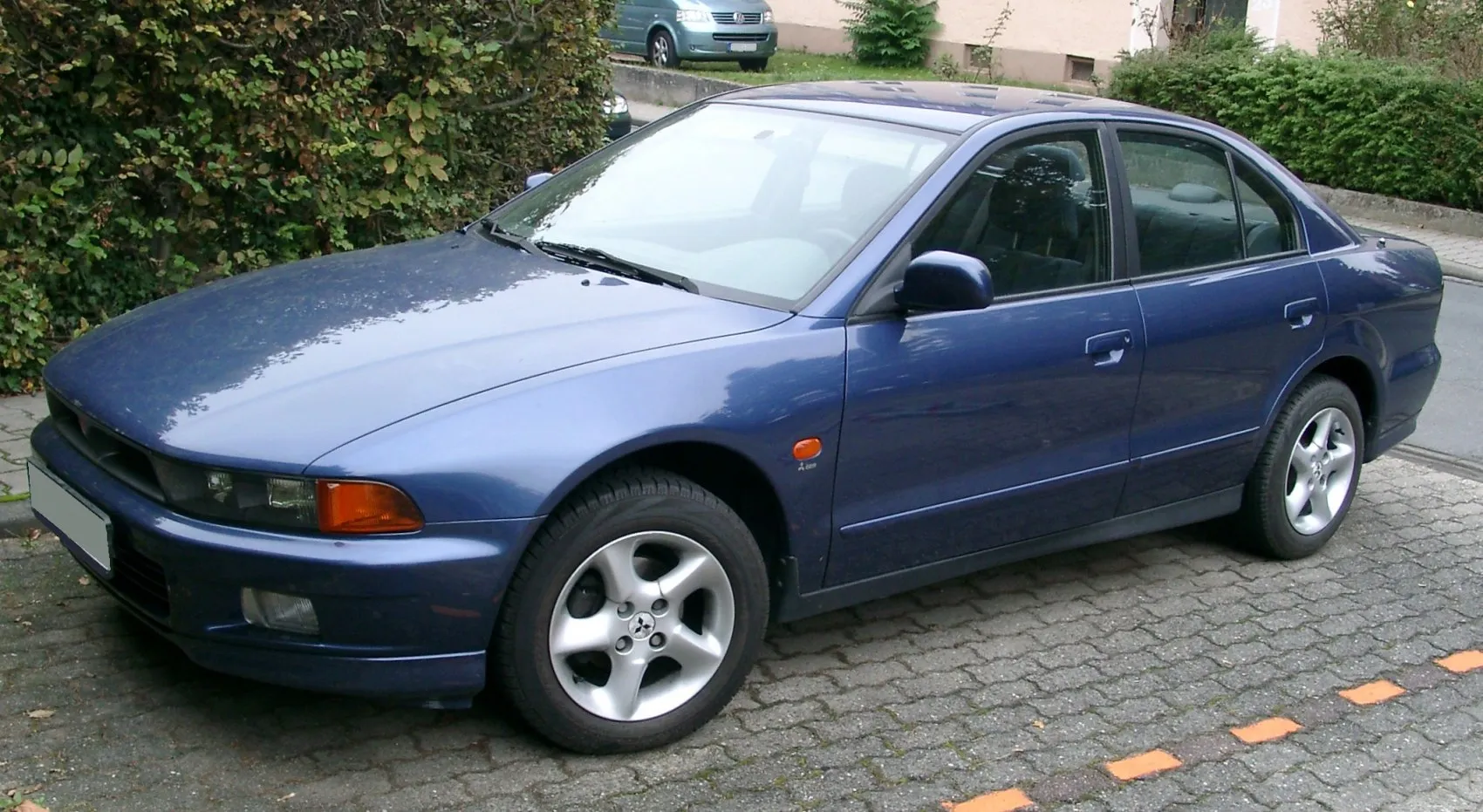
Click on image to view the full photo gallery
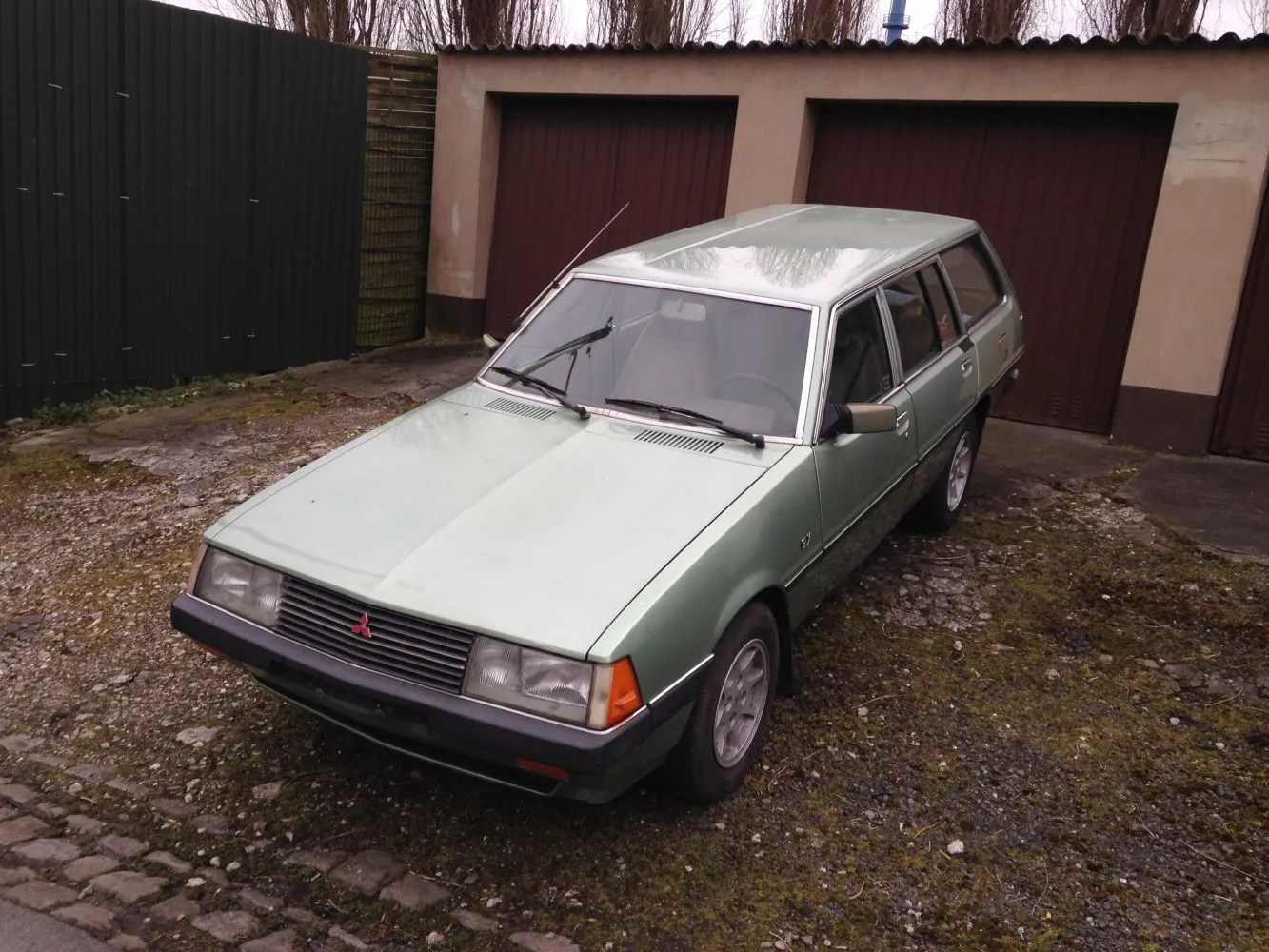
Mitsubishi Galant VII Wagon 2.5 24V (163 Hp)
Overall Rating
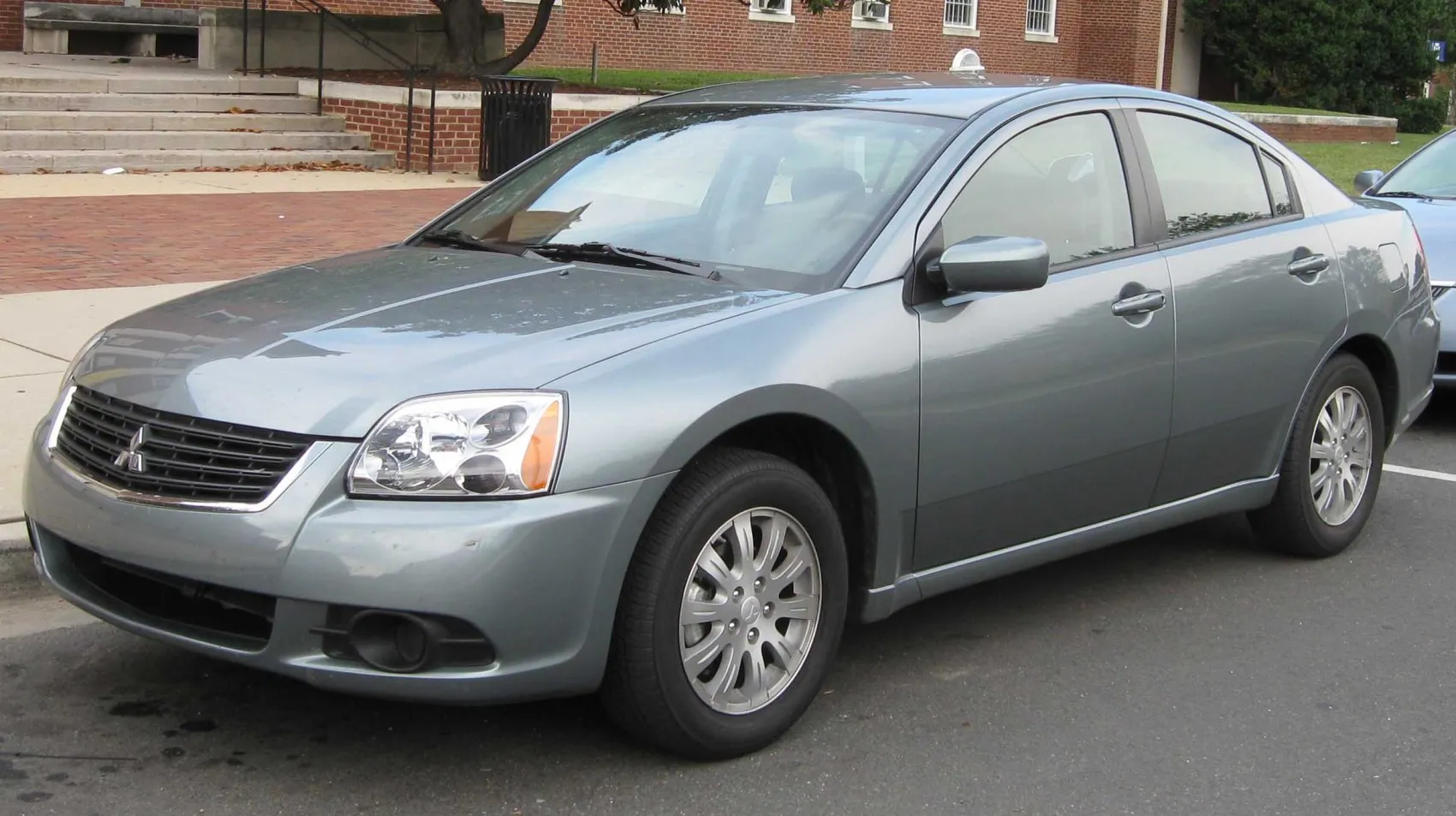
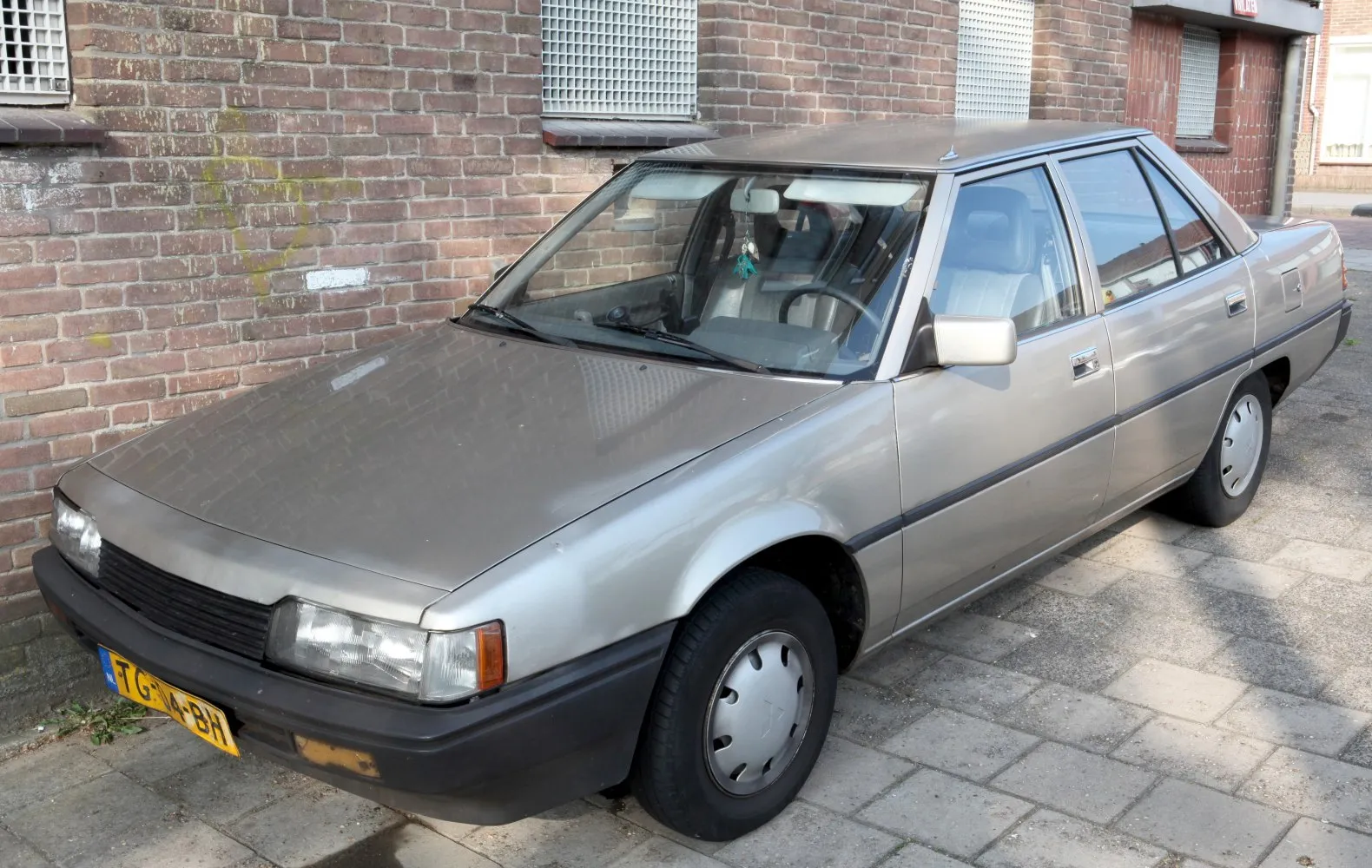
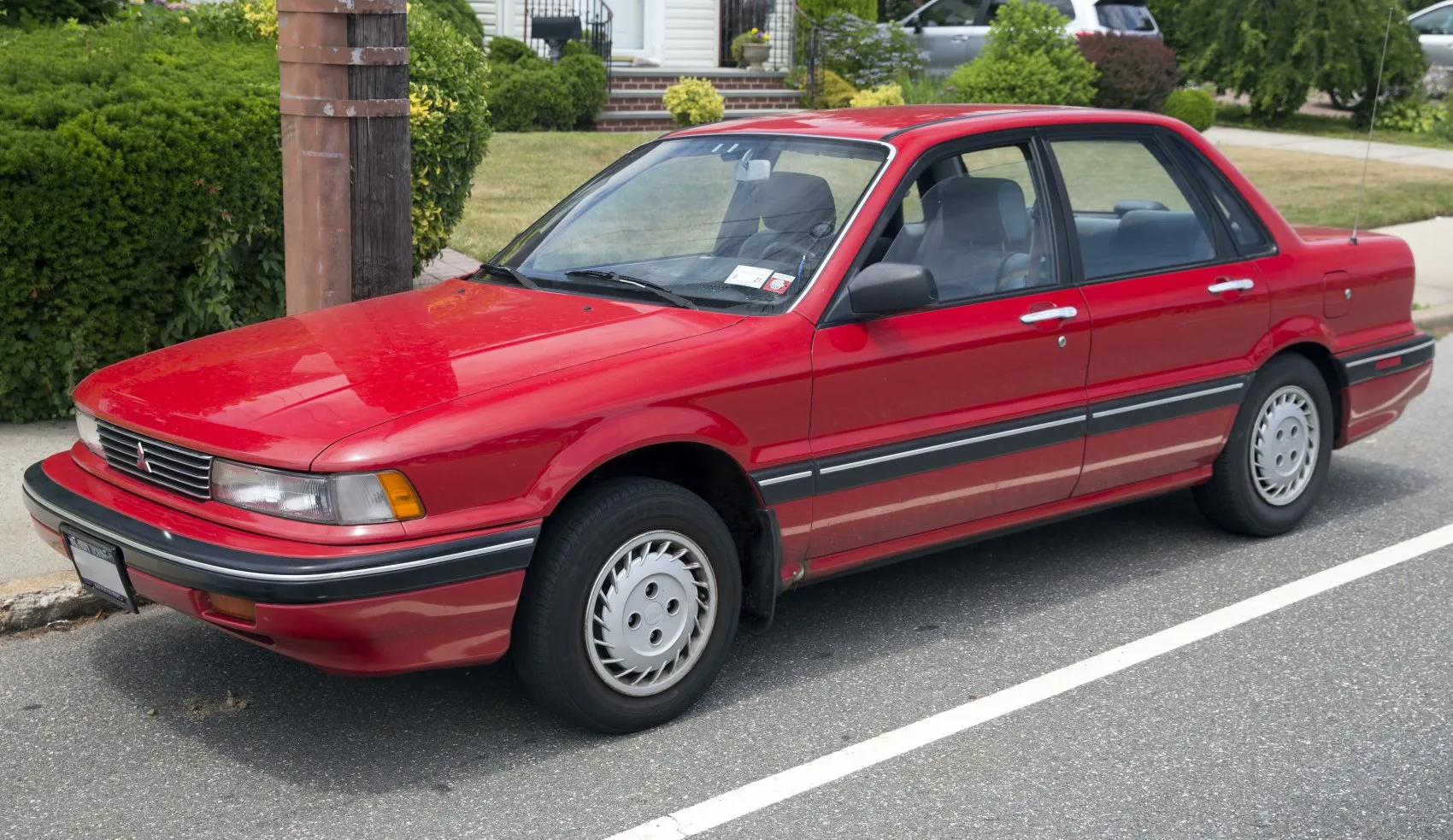
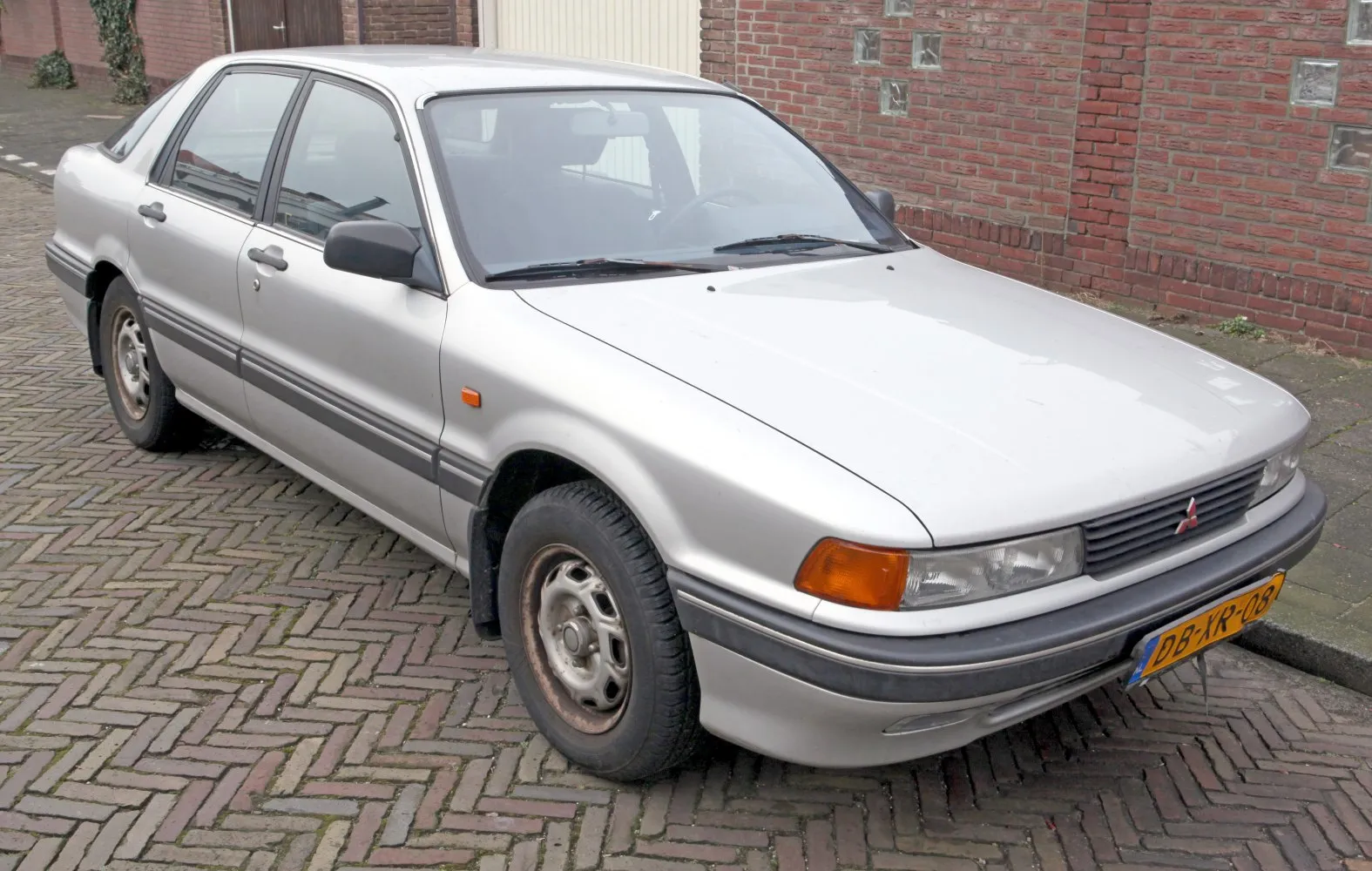
Mitsubishi Galant:
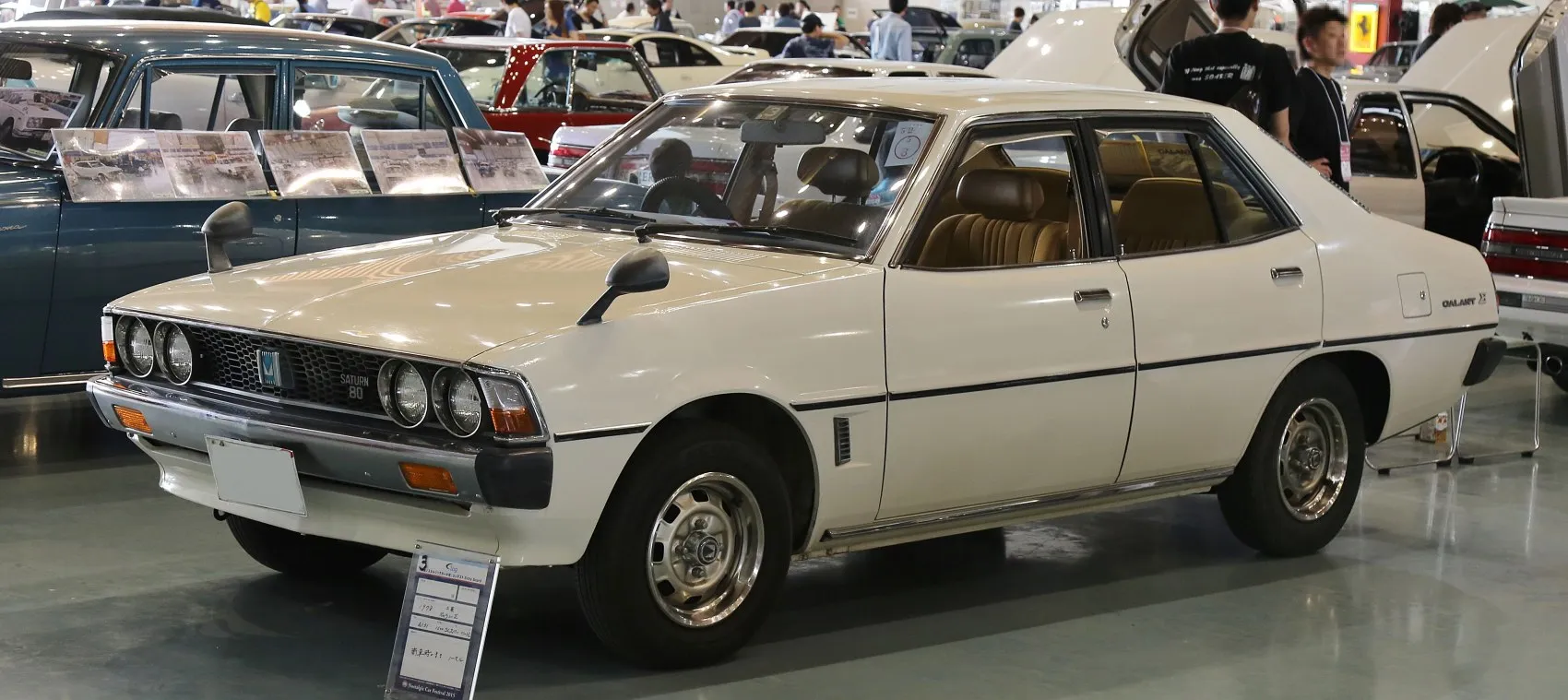
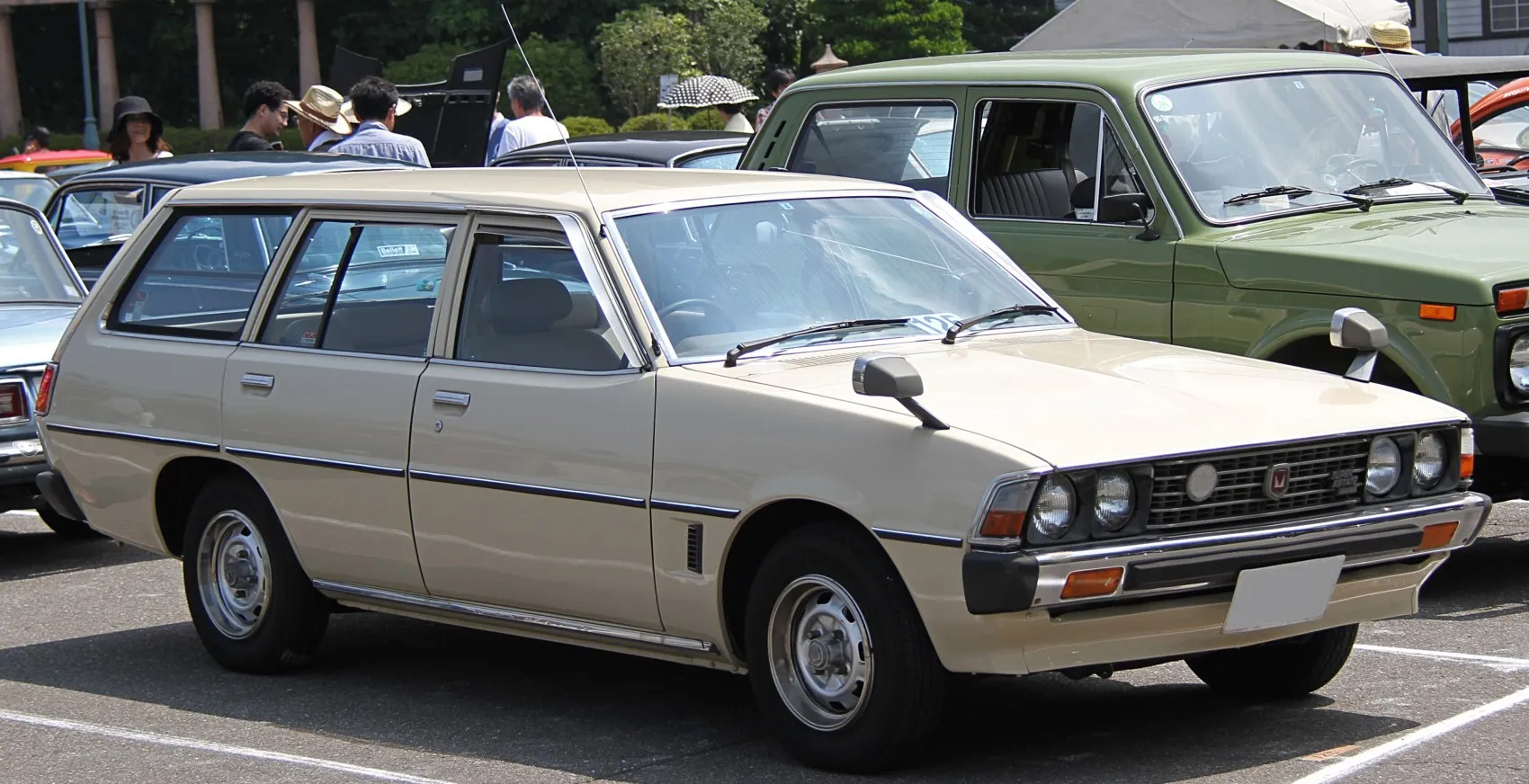
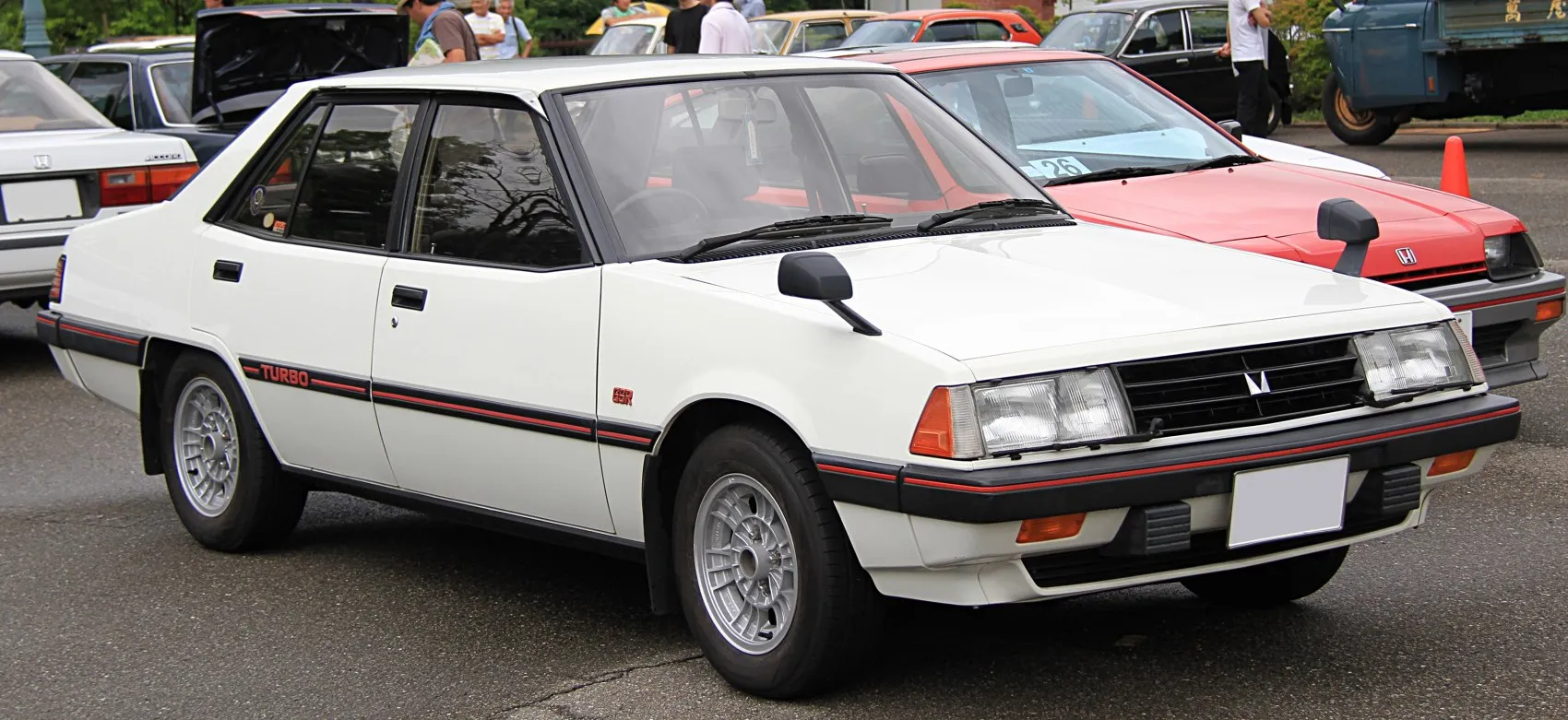
The Mitsubishi Galant is an automobile which was produced by Japanese manufacturer Mitsubishi from 1969 until 2012. The model name was derived from the French word galant, meaning "chivalrous". There have been nine distinct generations with total cumulative sales exceeding five million units. It began as a compact sedan, but over the course of its life evolved into a mid-size car. Initial production was based in Japan, with manufacturing later moved to other countries....(Read more on Wikipedia)
VII Wagon Overview:
Mitsubishi Galant (VII Wagon). With 223 Nm of torque, it offers ample pulling power. With a weight of 1340 kg, it falls in the mid‑range. Front‑wheel drive delivers efficiency and easy handling. Acceleration is good (0–100 km/h in 8.2 s). The top speed reaches 215 km/h. A car with an extended rear cargo area, combining passenger comfort with increased storage. Seating for 5 makes it ideal for daily use.
2.5 24V (163 Hp) Verdict:

Performance Verdict
This V6 engine provides strong performance and smooth power delivery, offering brisk acceleration and confident overtaking capabilities.
Fuel Economy
As a larger V6, fuel economy is expected to be lower than the 4-cylinder options, making it less ideal for budget-conscious drivers.
Pros and Cons:
Pros:
- • Spacious and practical wagon body style
- • Known for strong reliability and durability
- • Comfortable ride quality, suitable for long journeys
- • Good range of engine options, including efficient diesels and powerful V6s
- • Excellent value on the used market
Cons:
- • Interior design can feel dated by modern standards
- • Some petrol engines can be thirsty, especially the V6
- • Not the most engaging driving experience compared to some rivals
- • Limited advanced safety features compared to newer vehicles
- • Rust can be an issue on older models, particularly in colder climates
Specifications:
Specifications are compared to those of the previous generation(VII Hatchback: 1994 - 2000).
| General: | |
|---|---|
| Brand: | Mitsubishi |
| Model: | Galant |
| Generation: | VII Wagon |
| Modification (Engine): | 2.5 24V (163 Hp) |
| Start of production: | 1996 |
| End of production: | 2002 |
| Powertrain Architecture: | Internal Combustion engine |
| Body type: | Station wagon (estate) |
| Seats: | 5 |
| Doors: | 5 |
| Engine: | |
|---|---|
| Power: | 163 Hp @ 5750 rpm. |
| Power per litre: | 65.3 Hp/l |
| Torque: | 223 Nm @ 4500 rpm. |
| Engine displacement: | 2498 |
| Number of cylinders: | 6 |
| Engine configuration: | V-engine |
| Number of valves per cylinder: | 4 |
| Fuel injection system: | Multi-port manifold injection |
| Engine aspiration: | Naturally aspirated engine |
| Valvetrain: | DOHC |
| Engine layout: | Front, Transverse |
| Cylinder Bore: | 81 mm mm |
| Piston Stroke: | 80.8 mm mm |
| Compression ratio: | 9.5:1 |
| Performance: | |
|---|---|
| Fuel Type: | Petrol (Gasoline) |
| Fuel consumption (economy) - urban: | 13 l/100 km |
| Fuel consumption (economy) - extra urban: | 6.7 l/100 km |
| Acceleration 0 - 100 km/h: | 8.2 sec |
| Acceleration 0 - 62 mph: | 8.2 sec |
| Maximum speed: | 215 km/h |
| Weight-to-power ratio: | 8.2 kg/Hp, 121.6 Hp/tonne |
| Weight-to-torque ratio: | 6 kg/Nm, 166.4 Nm/tonne |
| Acceleration 0 - 60 mph: | 7.8 sec |
| Space: | |
|---|---|
| Kerb Weight: | 1340 |
| Max. weight: | 1935 |
| Max load: | 595 |
| Trunk (boot) space - maximum: | 1400 l |
| Trunk (boot) space - minimum: | 420 l |
| Fuel tank capacity: | 64 l |
| Size: | |
|---|---|
| Length: | 4680 mm mm [60mm more] |
| Width: | 1740 mm mm [10mm more] |
| Height: | 1445 mm mm [50mm more] |
| Wheelbase: | 2635 mm mm [Same wheelbase.] |
| Front track: | 1510 mm |
| Rear (Back) track: | 1505 mm |
| Powertrain: | |
|---|---|
| Drivetrain Architecture | The Internal combustion engine (ICE) drives the front wheels of the vehicle. |
| Drive wheel | Front wheel drive |
| Number of gears | 5 |
| Transmission type | Manual |
| Front brakes | Disc |
| Rear brakes | Disc |
| Assisting systems | ABS (Anti-lock braking system) |
| Steering type | Steering rack and pinion |
| Power steering | Hydraulic Steering |
| Tires size | 195/60 R15 |
| Front suspension | Coil spring |
| Rear suspension | Coil spring |


Better than its competitors? Tell us why the Mitsubishi Galant stands out.