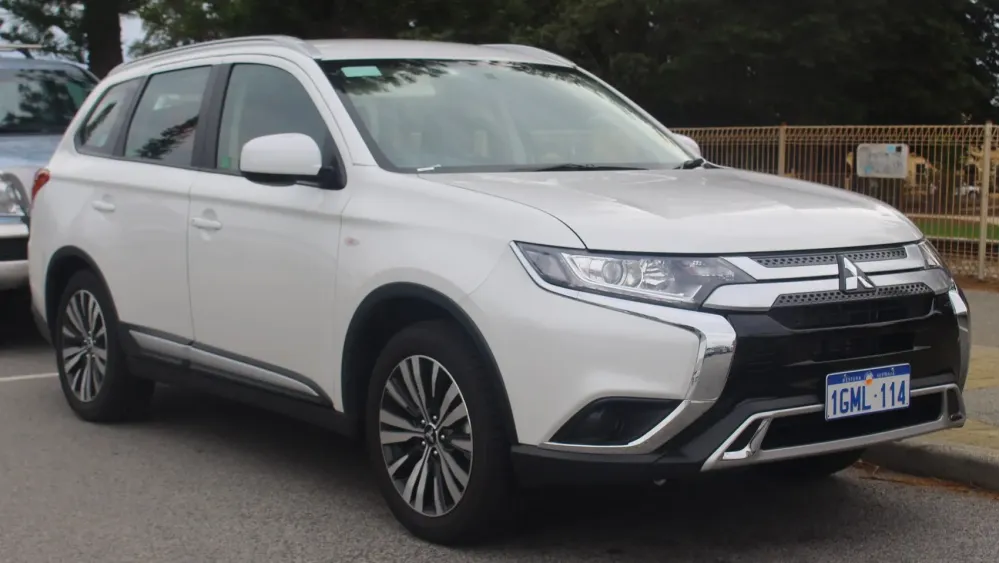
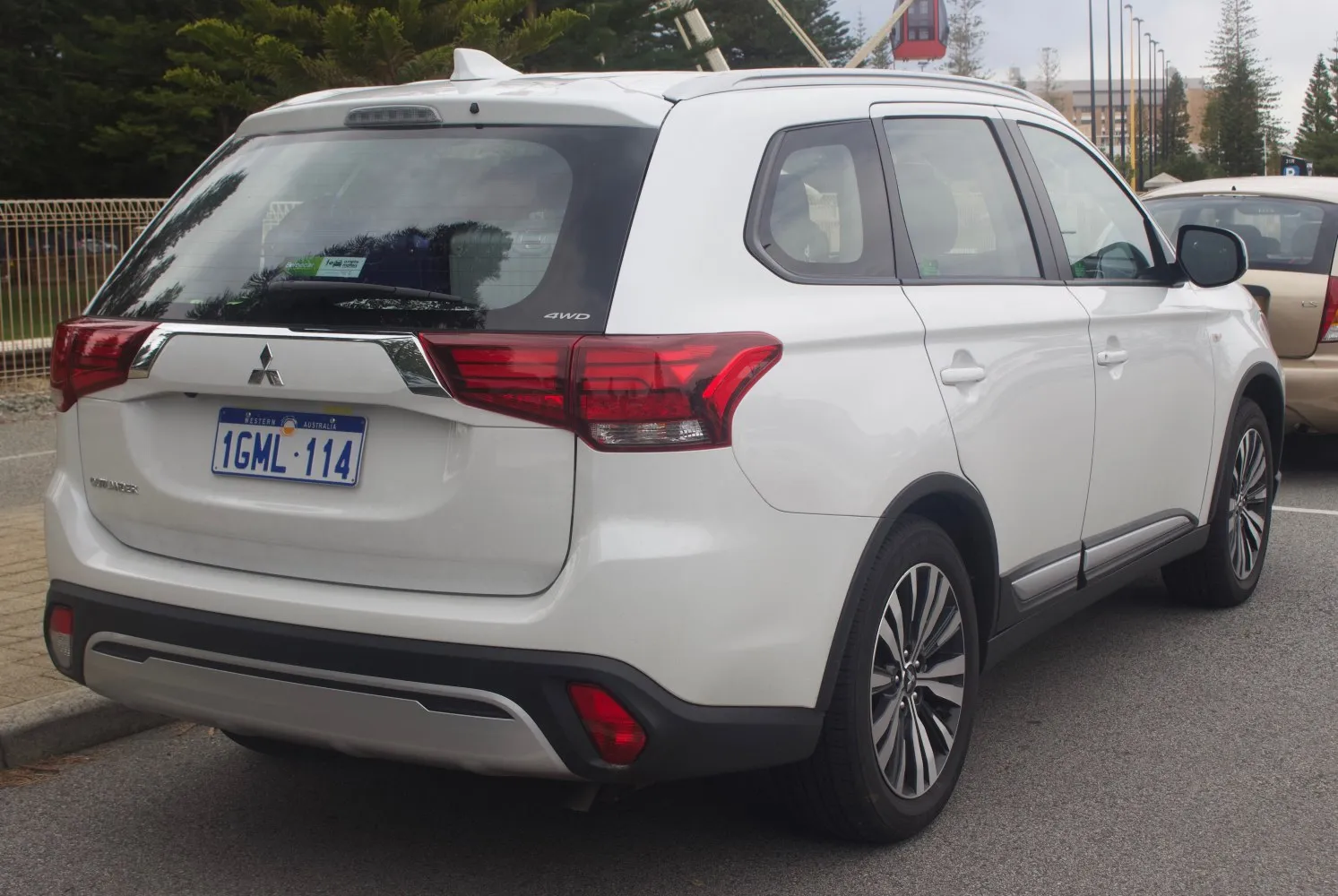
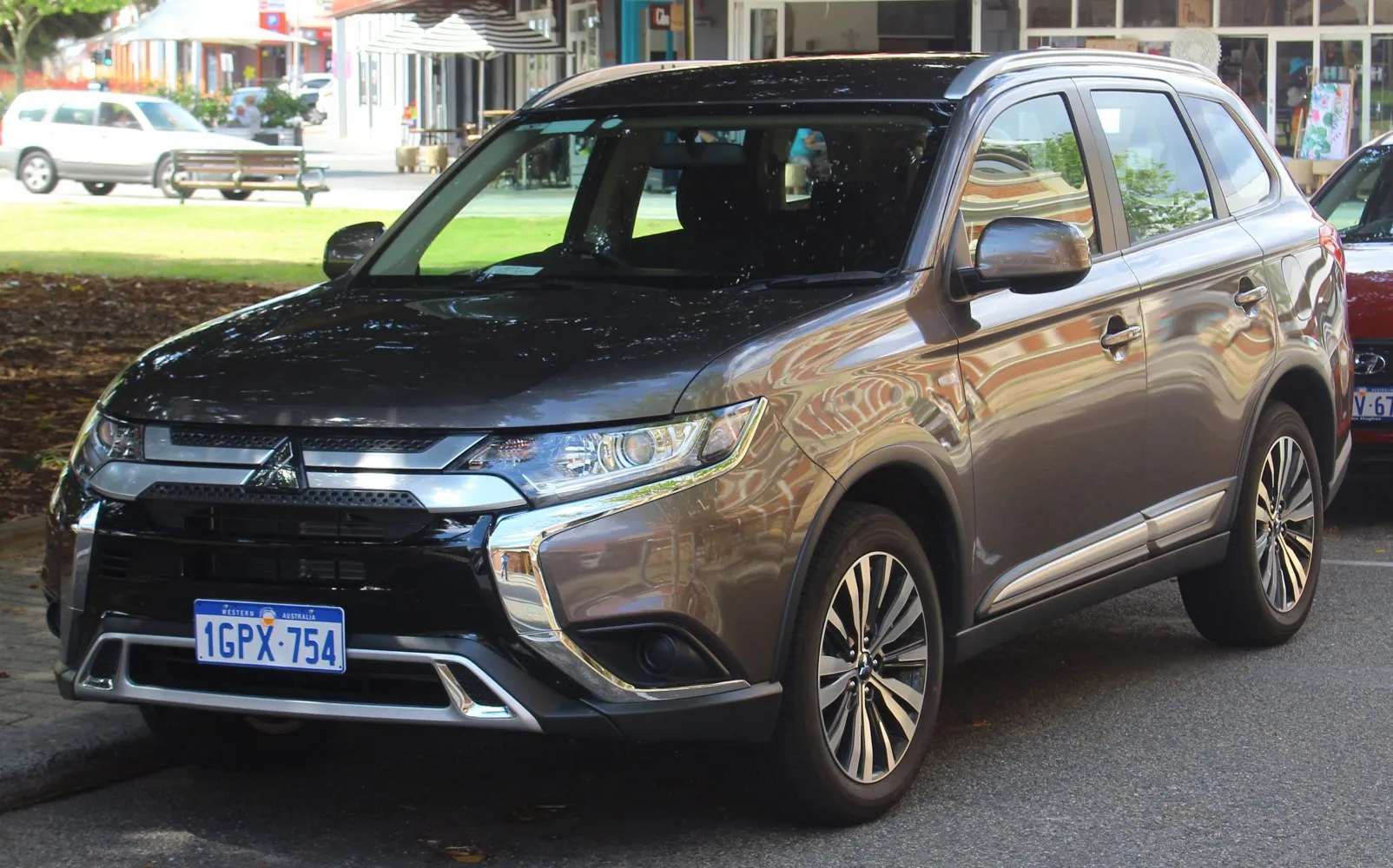
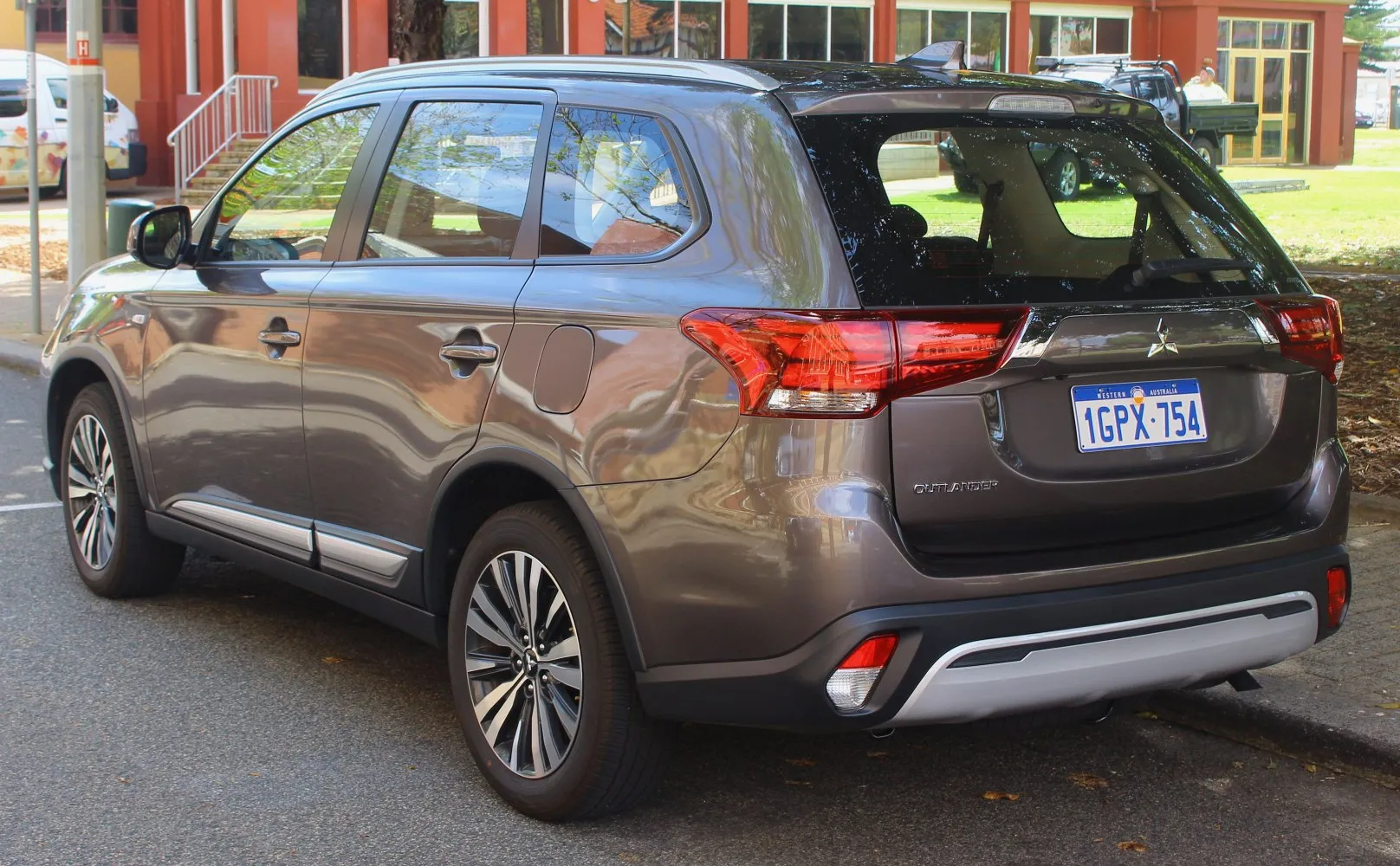
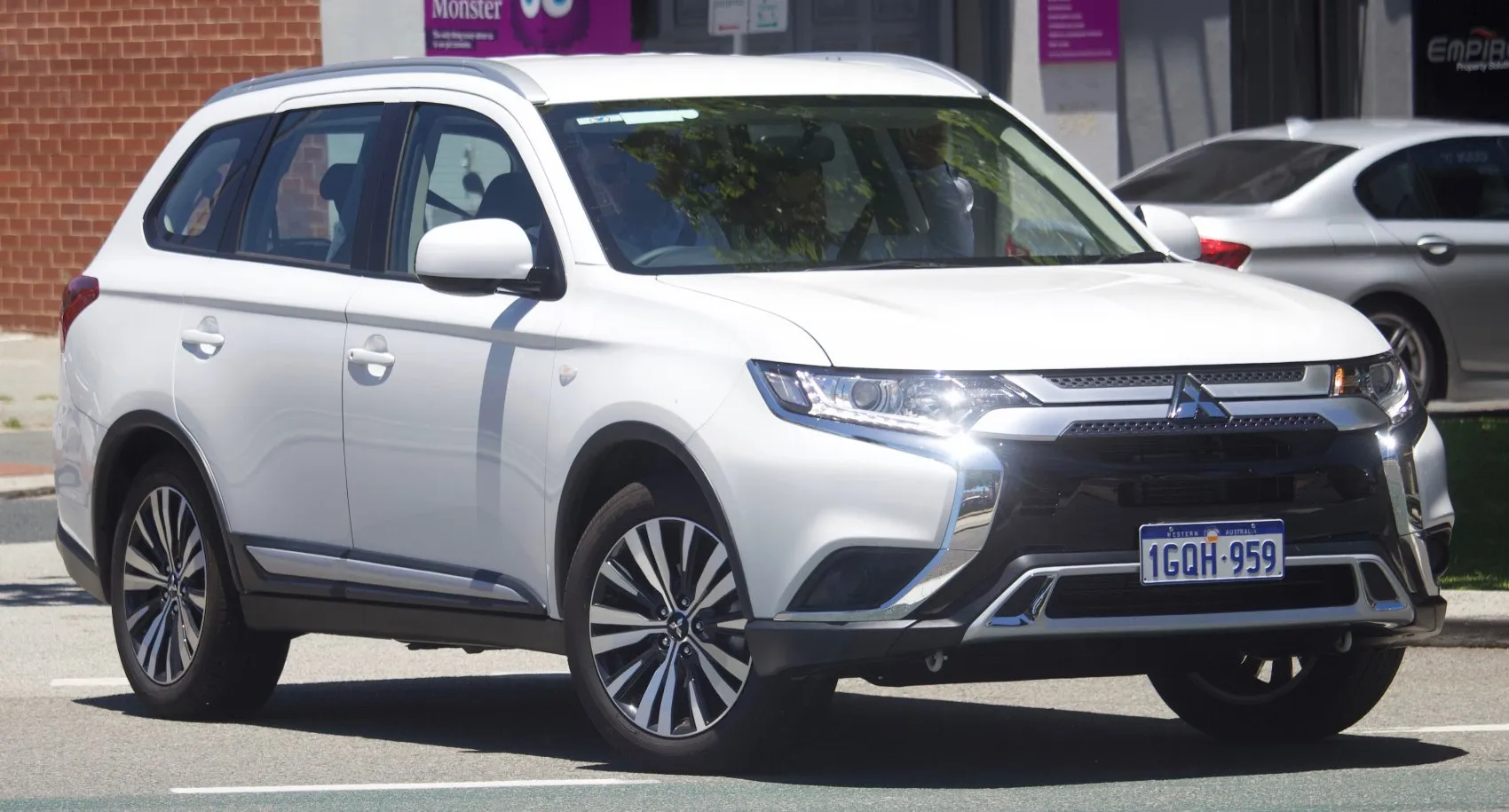
Mitsubishi Outlander III (facelift 2018) 2.4 MIVEC (224 Hp) Plug-in Hybrid 4WD
People\'s Opinion
N/A / 5
Mitsubishi Outlander:
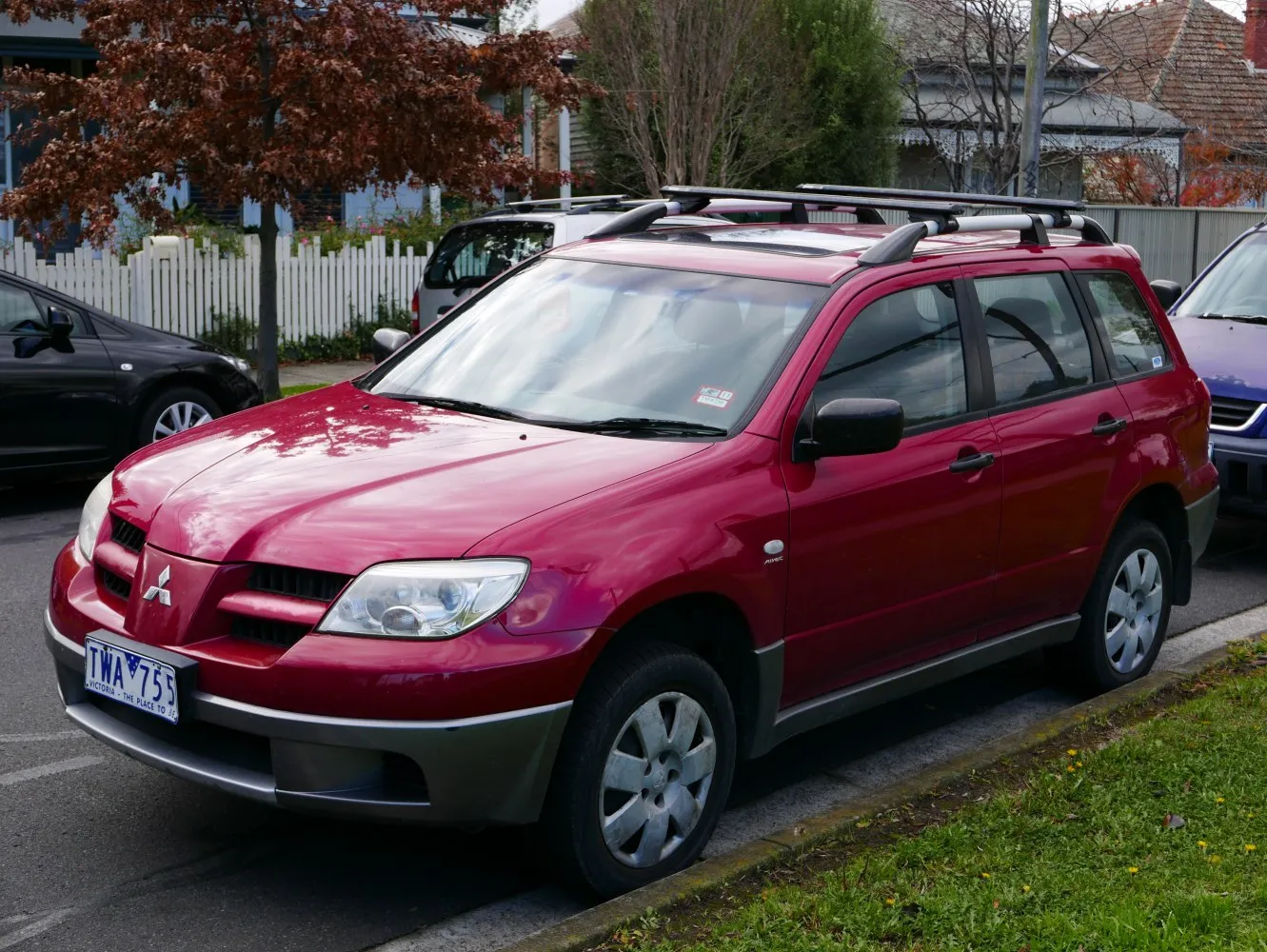
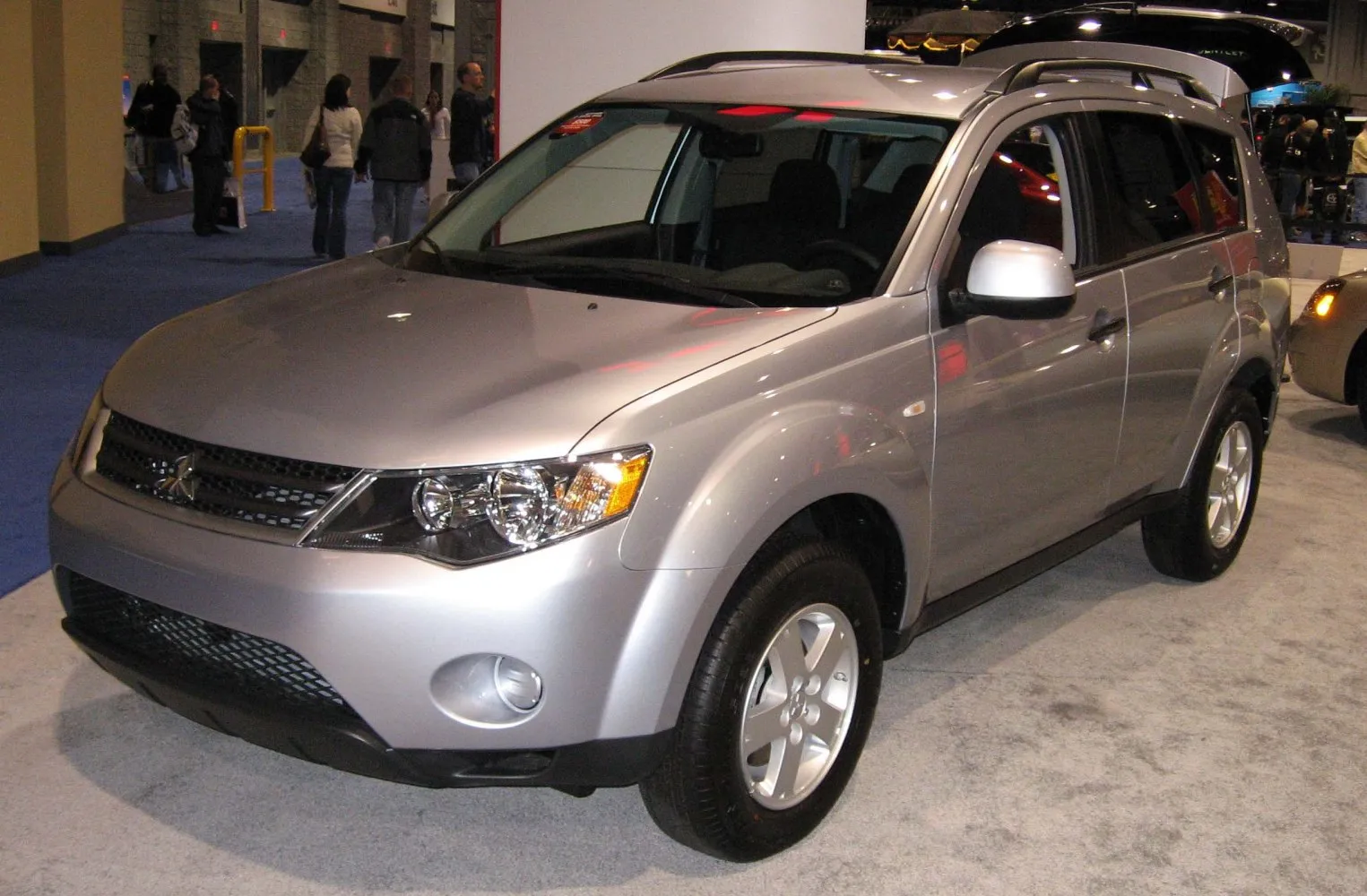
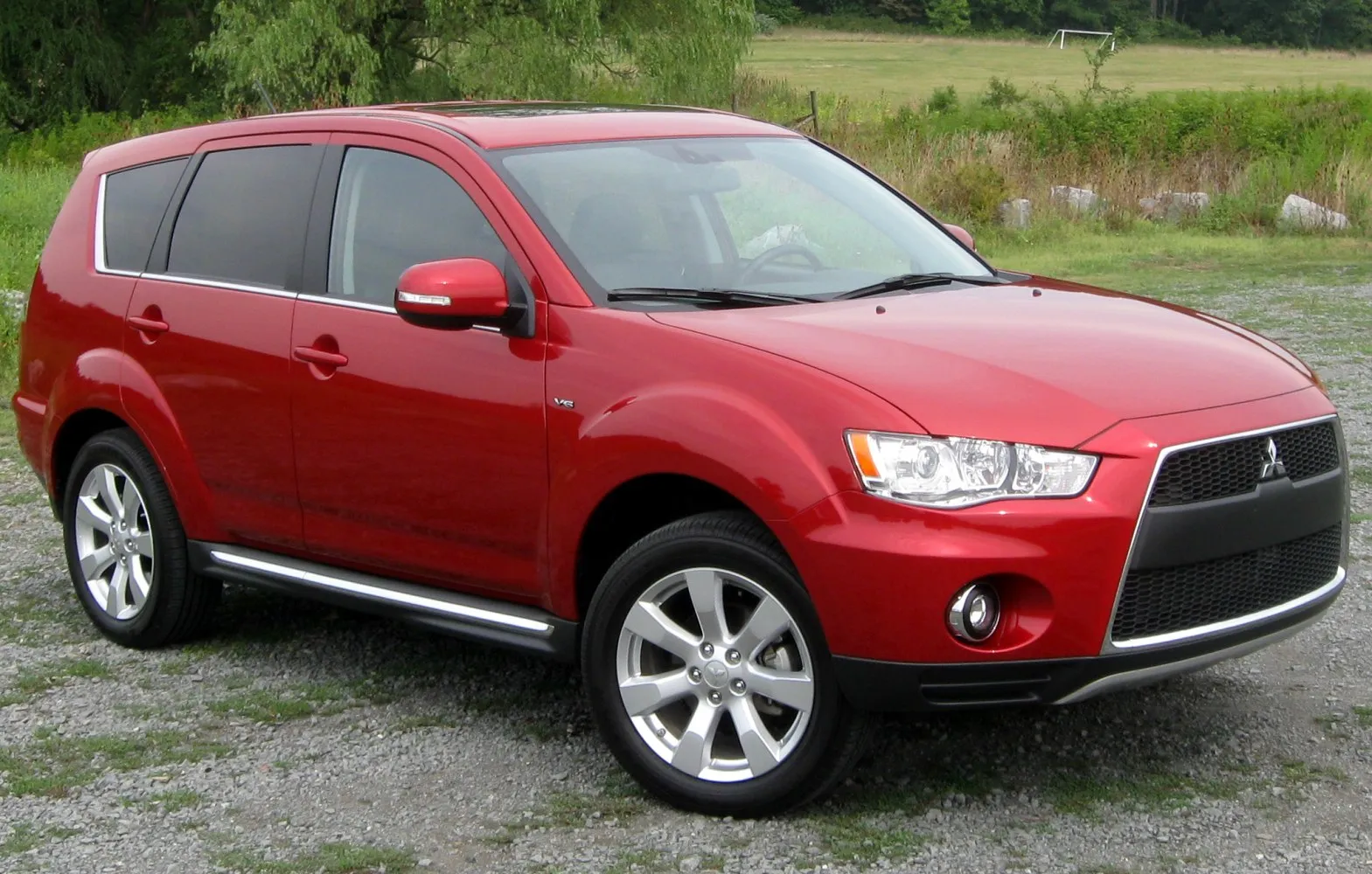
The Mitsubishi Outlander is a compact crossover SUV manufactured by Japanese automaker Mitsubishi Motors since 2001. It was originally known as the Mitsubishi Airtrek when it was introduced in Japan.
The original Airtrek name was chosen to "describe the vehicle's ability to transport its passengers on adventure-packed journeys in a 'free-as-a-bird' manner", and was "coined from Air and Trek to express the idea of footloose, adventure-filled motoring pleasure. " The Outlander nameplate which replaced it evoked a "feeling of journeying to distant, unexplored lands in search of adventure. "....(Read more on Wikipedia)
III (facelift 2018) Overview:
Mitsubishi Outlander (III (facelift 2018)). With 211 Nm of torque, it offers ample pulling power. With a weight of 1880 kg, it falls in the mid‑range. All‑wheel drive provides excellent grip, ideal for off‑road use. Acceleration is relatively slow (0–100 km/h in 10.5 s). The top speed reaches 170 km/h. A sport utility vehicle offering higher ground clearance and versatile cargo space. A vehicle that combines characteristics of SUVs and hatchbacks for versatility. Seating for 5 makes it ideal for daily use.
Performance Verdict
Offers significantly better acceleration and instant torque from the electric motors, making it feel more responsive and capable than the petrol-only variant.
Fuel Economy
Exceptional fuel economy for short to medium trips if regularly charged. Longer journeys will see consumption rise, but still competitive for an SUV.
Best Use Case:
Daily commuting with access to charging, eco-conscious families, urban driving, and those seeking lower running costs.
Pros and Cons:
Pros:
- • Available highly efficient Plug-in Hybrid powertrain
- • Standard 7-seater option in many markets
- • Reputable Mitsubishi reliability and S-AWC 4WD system
- • Good value for money in its segment
- • Comfortable ride quality
Cons:
- • Base 2.0L engine is underpowered and noisy with the CVT
- • Interior design and materials can feel dated compared to rivals
- • Infotainment system is not as advanced as competitors
- • Third-row seating is cramped for adults
Specifications:
Specifications are compared to those of the previous generation(III (facelift 2015): 2017 - 2018).
| General: |
| Brand: | Mitsubishi |
|---|
| Model: | Outlander |
|---|
| Generation: | III (facelift 2018) |
|---|
| Modification (Engine): | 2.4 MIVEC (224 Hp) Plug-in Hybrid 4WD |
|---|
| Start of production: | 2018 |
|---|
| End of production: | 2021 |
|---|
| Powertrain Architecture: | PHEV (Plug-in Hybrid Electric Vehicle) |
|---|
| Body type: | SUV, Crossover |
|---|
| Seats: | 5 |
|---|
| Doors: | 5 |
|---|
| Engine: |
| Engine systems: | Start & Stop System |
|---|
| Power: | 135 Hp @ 4500 rpm. Same horsepower |
|---|
| Power per litre: | 57.2 Hp/l [Same length.] |
|---|
| Torque: | 211 Nm @ 4500 rpm. |
|---|
| Engine Model/Code: | 4B12 More details about the engine 4B12 |
|---|
| Engine displacement: | 2360 |
|---|
| Number of cylinders: | 4 |
|---|
| Engine configuration: | Inline |
|---|
| Number of valves per cylinder: | 4 |
|---|
| Fuel injection system: | Multi-port manifold injection |
|---|
| Engine aspiration: | Naturally aspirated engine |
|---|
| Valvetrain: | DOHC |
|---|
| Engine oil capacity: | 4.6 l |
|---|
| Coolant: | 6.5 l |
|---|
| Engine layout: | Front, Transverse |
|---|
| Cylinder Bore: | 88 mm mm |
|---|
| Piston Stroke: | 97 mm mm |
|---|
| Compression ratio: | 12:1 |
|---|
| Performance: |
| Fuel Type: | Petrol / electricity |
|---|
| Combined fuel consumption (WLTP): | 2 l/100 km |
|---|
| Fuel consumption (economy) - combined (NEDC): | 1.8 l/100 km |
|---|
| Fuel consumption (economy) - combined: | 1.8 l/100 km |
|---|
| Emission standard: | Euro 6d-Temp |
|---|
| Acceleration 0 - 100 km/h: | 10.5 sec |
|---|
| Acceleration 0 - 62 mph: | 10.5 sec |
|---|
| Maximum speed: | 170 km/h |
|---|
| Weight-to-power ratio: | 8.4 kg/Hp, 119.1 Hp/tonne |
|---|
| Weight-to-torque ratio: | 5.7 kg/Nm, 176.6 Nm/tonne |
|---|
| Max speed (electric): | 135 km/h |
|---|
| Acceleration 0 - 60 mph: | 10 sec |
|---|
| Space: |
| Kerb Weight: | 1880 |
|---|
| Max. weight: | 2390 |
|---|
| Max. roof load: | 80 kg |
|---|
| Max load: | 510 |
|---|
| Trunk (boot) space - maximum: | 1602 l |
|---|
| Trunk (boot) space - minimum: | 463 l |
|---|
| Permitted trailer load with brakes (12%): | 1500 kg |
|---|
| Fuel tank capacity: | 45 l |
|---|
| Permitted trailer load without brakes: | 750 kg |
|---|
| Permitted towbar download: | 75 kg |
|---|
| Size: |
| Ramp-over (brakeover) angle: | 19.0° |
|---|
| Length: | 4695 mm mm [Same length.] |
|---|
| Width: | 1800 mm mm [10mm less] |
|---|
| Height: | 1710 mm mm [1mm more] |
|---|
| Wheelbase: | 2670 mm mm [Same wheelbase.] |
|---|
| Width including mirrors: | 2120 mm |
|---|
| Front track: | 1540 mm |
|---|
| Rear (Back) track: | 1540 mm |
|---|
| Front overhang: | 990 mm |
|---|
| Rear overhang: | 1035 mm |
|---|
| Ride height (ground clearance): | 190 mm |
|---|
| Minimum turning circle (turning diameter): | 10.6 m [above average] |
|---|
| Approach angle: | 21.0° |
|---|
| Departure angle: | 22.5° |
|---|
| Powertrain: |
| Drivetrain Architecture | An Internal combustion engine (ICE) drives the front wheels, one electric motor drives the front wheels, one electric motor drives the rear wheels. There is an ability for running in full electric or mixed mode. |
|---|
| Drive wheel | All wheel drive (4x4) |
|---|
| Front brakes | Ventilated discs, 320 mm [Best for performance and cooling.] |
|---|
| Rear brakes | Disc, 302 mm [above average] |
|---|
| Assisting systems | ABS (Anti-lock braking system) |
|---|
| Steering type | Steering rack and pinion |
|---|
| Power steering | Electric Steering |
|---|
| Tires size | 215/70 R16; 225/55 R18 |
|---|
| Wheel rims size | 6.5J x 16; 7J x 18 |
|---|
| Front suspension | Independent, type McPherson with coil spring and anti-roll bar |
|---|
| Rear suspension | Independent multi-link spring suspension with stabilizer |
|---|
| Electric: |
| Gross battery capacity: | 13.8 kWh |
|---|
| Battery technology: | Lithium-ion (Li-Ion) |
|---|
| Battery location: | Below the floor |
|---|
| System power: | 224 Hp |
|---|
| System torque: | 332 Nm |
|---|
| All-electric range: | 45 km |
|---|
| Electric motor power: | 82 Hp |
|---|
| Electric motor Torque: | 137 Nm |
|---|
| Average Energy consumption: | 16.9 kWh/100 km |
|---|
| Electric motor location: | Integrated into the transmission |
|---|
| Average Energy consumption (WLTP): | 16.9 kWh/100 km |
|---|
| All-electric range (WLTP): | 45 km |
|---|
| Electric motor model/code: | S61 |
|---|
| Battery voltage: | 300 V |
|---|
| Average Energy consumption (NEDC): | 14.8 kWh/100 km |
|---|
| All-electric range (NEDC): | 54 km |
|---|









Help others decide – share your experience!