Peugeot 3008 II (Phase I, 2016) 1.6 PureTech (180 Hp) Automatic S&S
People\'s Opinion
N/A / 5
II (Phase I, 2016) Overview:
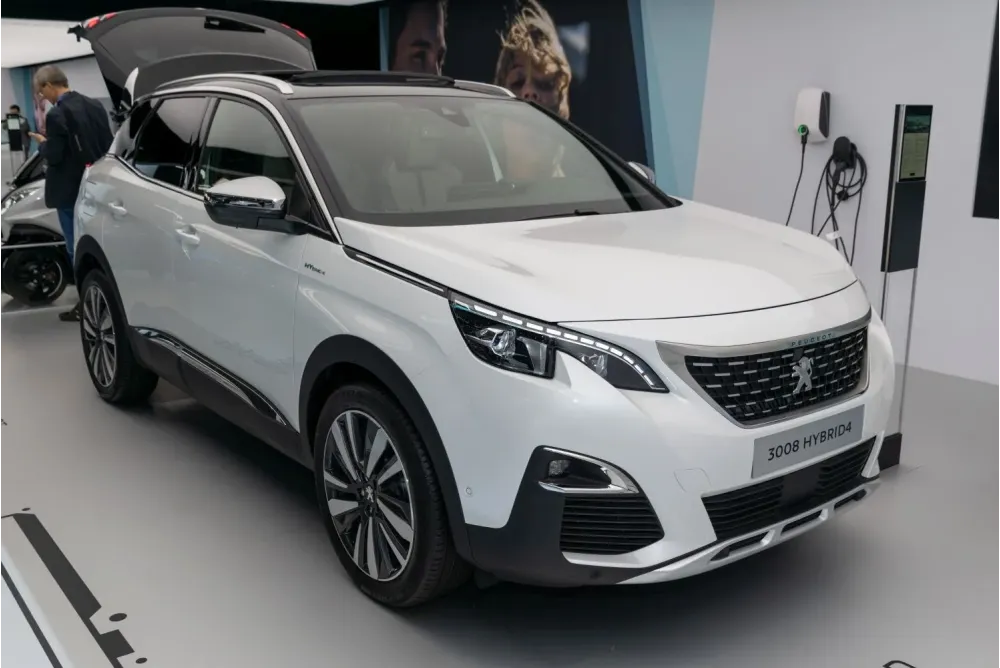
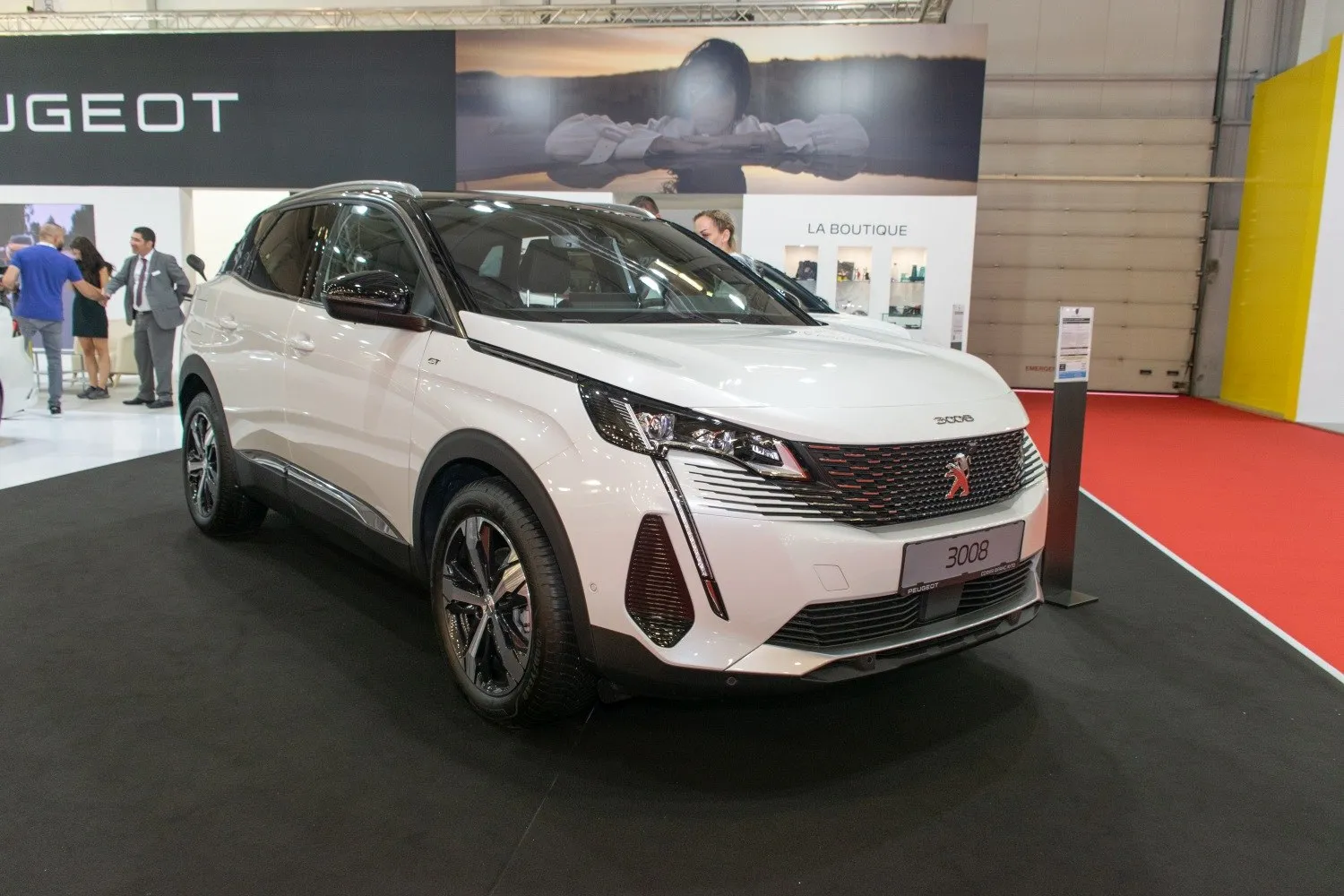
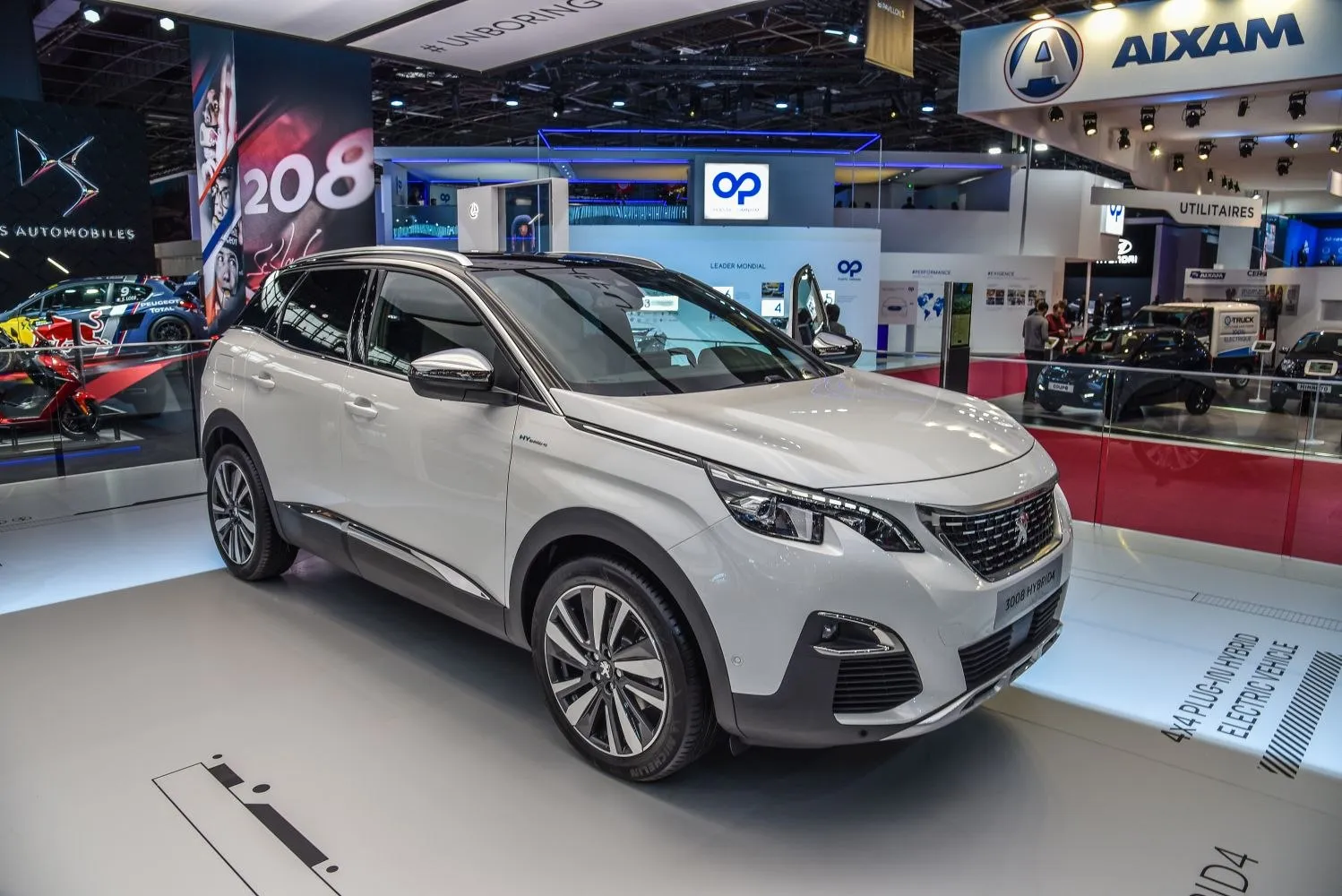
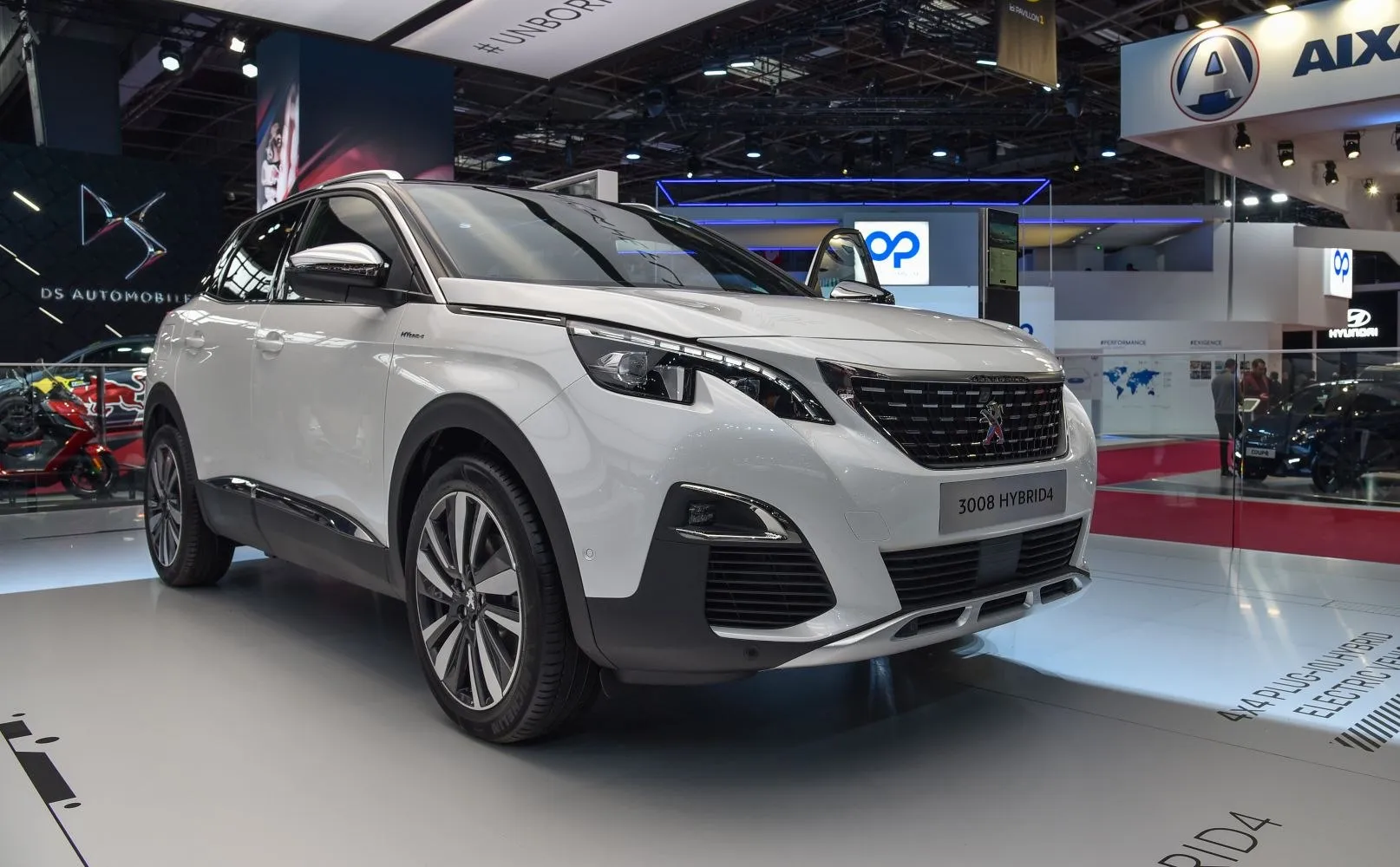
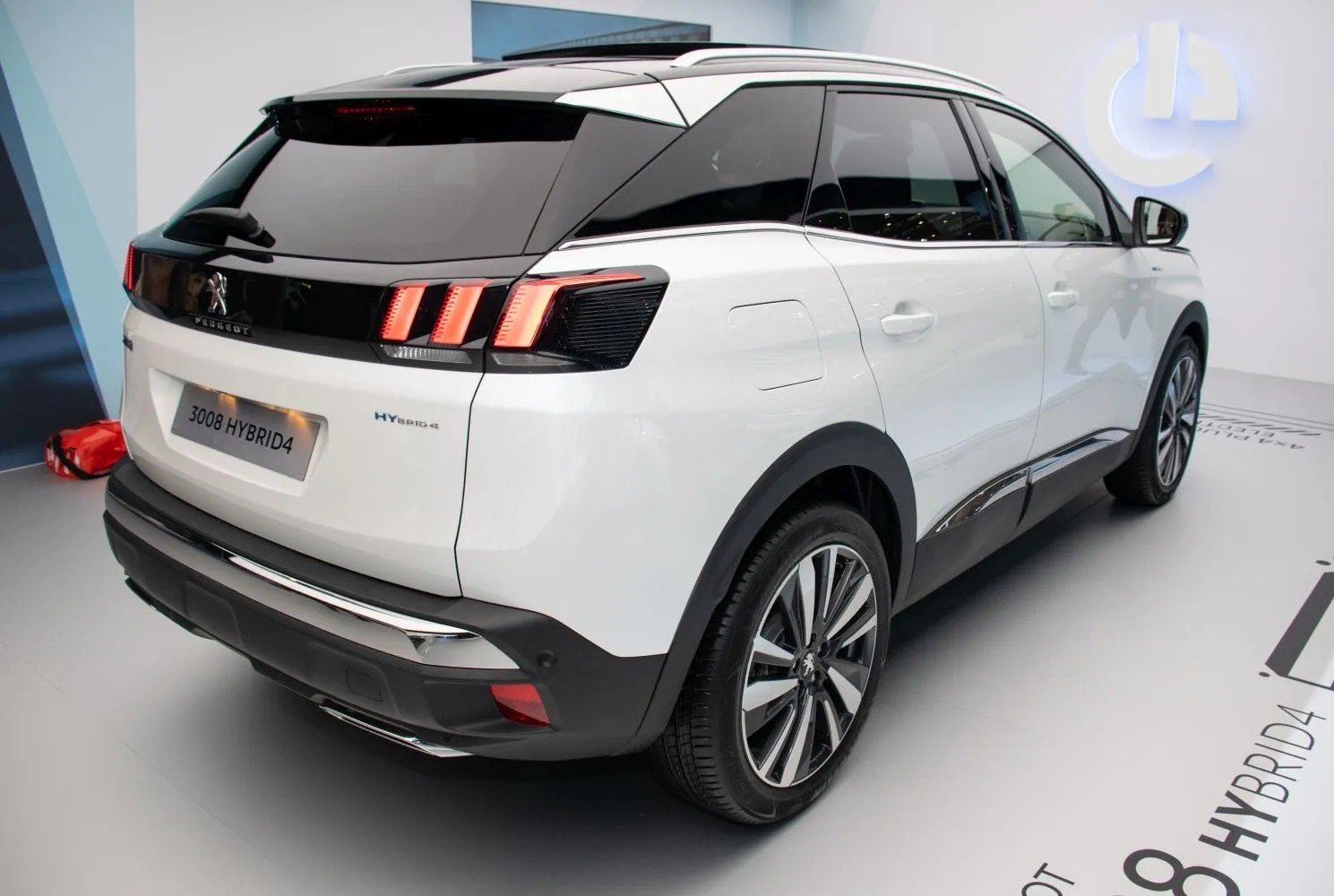
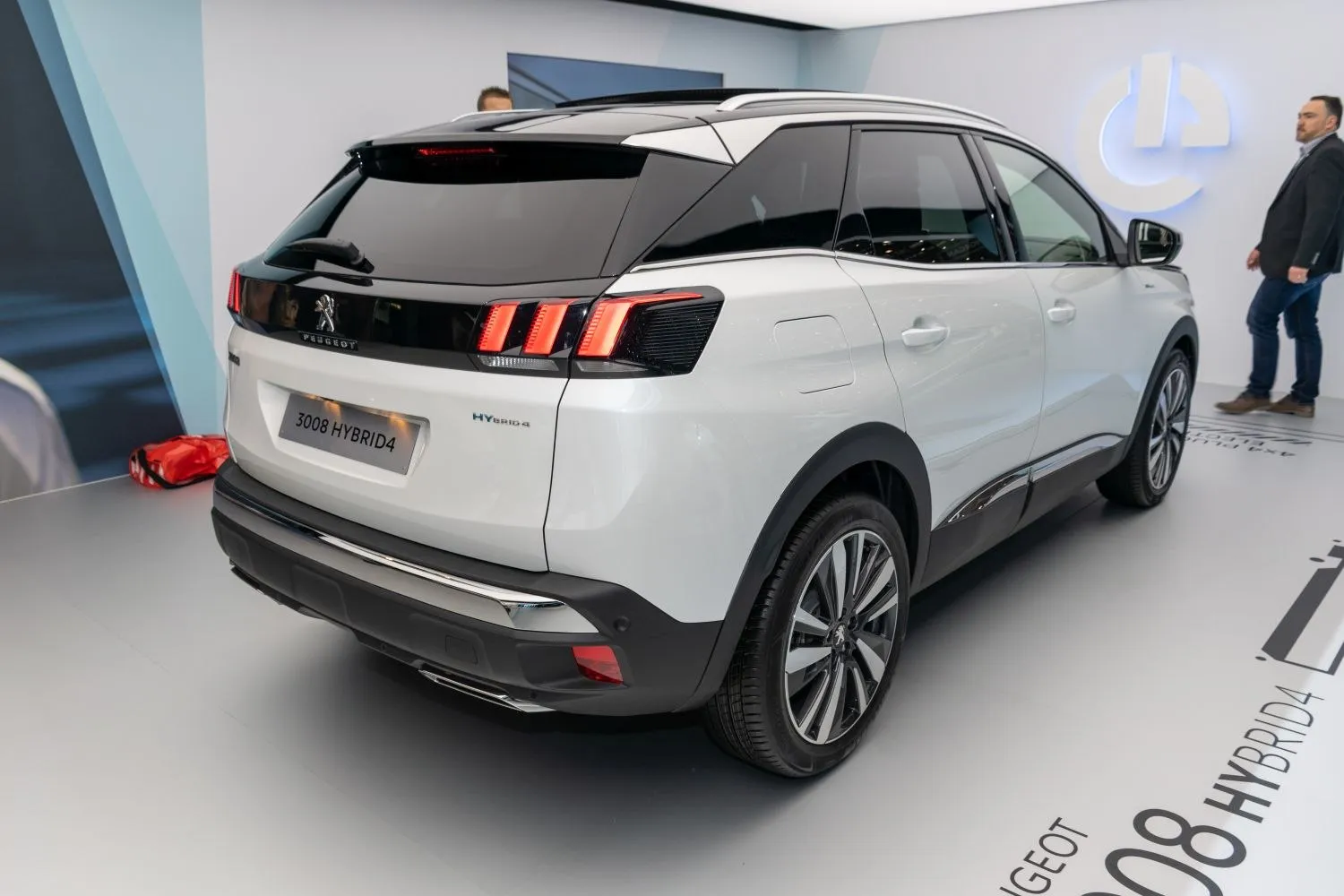
Peugeot 3008 (II (Phase I, 2016)). With 250 Nm of torque, it offers ample pulling power. It has moderate fuel consumption (~7 l/100km). With a weight of 1430 kg, it falls in the mid‑range. Front‑wheel drive delivers efficiency and easy handling. Acceleration is good (0–100 km/h in 8 s). The top speed reaches 222 km/h. A sport utility vehicle offering higher ground clearance and versatile cargo space. Seating for 5 makes it ideal for daily use.
Performance Verdict
A powerful and smooth petrol engine, providing brisk acceleration and a refined driving experience.
Fuel Economy
Reasonable fuel economy for a powerful petrol automatic, though not as efficient as the diesels.
Best Use Case:
Mixed / Performance
Pros and Cons:
Pros:
- • Striking and distinctive exterior design
- • High-quality and comfortable interior with advanced i-Cockpit
- • Wide range of efficient and capable engines, including a powerful PHEV
- • Excellent Euro NCAP safety rating
- • Good ride comfort and handling for an SUV
Cons:
- • i-Cockpit layout can be divisive and not suit all drivers
- • Rear visibility can be somewhat limited due to design
- • Some infotainment controls are integrated into the touchscreen, which can be fiddly
- • Entry-level engines might feel underpowered when fully loaded
Specifications:
Specifications are compared to those of the previous generation(II (Phase I, 2016): 2017 - 2020).
| General: |
| Brand: | Peugeot |
|---|
| Model: | 3008 |
|---|
| Generation: | II (Phase I, 2016) |
|---|
| Modification (Engine): | 1.6 PureTech (180 Hp) Automatic S&S |
|---|
| Start of production: | 2018 |
|---|
| End of production: | 2020 |
|---|
| Powertrain Architecture: | Internal Combustion engine |
|---|
| Body type: | SUV |
|---|
| Seats: | 5 |
|---|
| Doors: | 5 |
|---|
| Engine: |
| Engine systems: | Start & Stop System |
|---|
| Power: | 180 Hp @ 5500 rpm. Same horsepower |
|---|
| Power per litre: | 112.6 Hp/l [Same length.] |
|---|
| Torque: | 250 Nm @ 1650 rpm. |
|---|
| Engine Model/Code: | 5GF EP6FADTXD More details about the engine 5GF EP6FADTXD |
|---|
| Engine displacement: | 1598 |
|---|
| Number of cylinders: | 4 |
|---|
| Engine configuration: | Inline |
|---|
| Number of valves per cylinder: | 4 |
|---|
| Fuel injection system: | Direct injection |
|---|
| Engine aspiration: | Turbocharger, Intercooler |
|---|
| Engine oil capacity: | 4.25 l |
|---|
| Engine layout: | Front, Transverse |
|---|
| Performance: |
| Fuel Type: | Petrol (Gasoline) |
|---|
| Fuel consumption (economy) - urban: | 7 l/100 km |
|---|
| Fuel consumption (economy) - extra urban: | 4.8 l/100 km |
|---|
| Fuel consumption (economy) - combined: | 5.6 l/100 km |
|---|
| Emission standard: | Euro 6 d-TEMP |
|---|
| Acceleration 0 - 100 km/h: | 8 sec |
|---|
| Acceleration 0 - 62 mph: | 8 sec |
|---|
| Maximum speed: | 222 km/h |
|---|
| Weight-to-power ratio: | 7.9 kg/Hp, 125.9 Hp/tonne |
|---|
| Weight-to-torque ratio: | 5.7 kg/Nm, 174.8 Nm/tonne |
|---|
| Acceleration 0 - 60 mph: | 7.6 sec |
|---|
| Space: |
| Kerb Weight: | 1430 |
|---|
| Max. weight: | 1960 |
|---|
| Max load: | 530 |
|---|
| Trunk (boot) space - maximum: | 1482 l |
|---|
| Trunk (boot) space - minimum: | 520 l |
|---|
| Permitted trailer load with brakes (12%): | 1500 kg |
|---|
| Fuel tank capacity: | 53 l |
|---|
| Size: |
| Length: | 4447 mm mm [Same length.] |
|---|
| Width: | 1841 mm mm [Same width.] |
|---|
| Height: | 1615 mm mm [9mm less] |
|---|
| Wheelbase: | 2675 mm mm [Same wheelbase.] |
|---|
| Width with mirrors folded: | 1906 mm |
|---|
| Width including mirrors: | 2098 mm |
|---|
| Front track: | 1579-1601 mm |
|---|
| Rear (Back) track: | 1587-1610 mm |
|---|
| Front overhang: | 923 mm |
|---|
| Rear overhang: | 849 mm |
|---|
| Ride height (ground clearance): | 219 mm |
|---|
| Minimum turning circle (turning diameter): | 10.67 m [above average] |
|---|
| Approach angle: | 20° |
|---|
| Departure angle: | 29° |
|---|
| Powertrain: |
| Drivetrain Architecture | The Internal combustion engine (ICE) drives the front wheels of the vehicle. |
|---|
| Drive wheel | Front wheel drive |
|---|
| Number of gears | 8 |
|---|
| Transmission type | Automatic |
|---|
| Front brakes | Ventilated discs [Best for performance and cooling.] |
|---|
| Rear brakes | Disc [above average] |
|---|
| Assisting systems | ABS (Anti-lock braking system) |
|---|
| Steering type | Steering rack and pinion |
|---|
| Power steering | Electric Steering |
|---|
| Tires size | 215/65 R17; 225/55 R18; 205/55 R19 |
|---|
| Wheel rims size | 17; 18; 19 |
|---|
| Front suspension | Independent, type McPherson with coil spring and anti-roll bar |
|---|
| Rear suspension | Semi-independent, coil spring |
|---|








Was the Peugeot 3008 what you expected? Let us know!