Click on image to view the full photo gallery
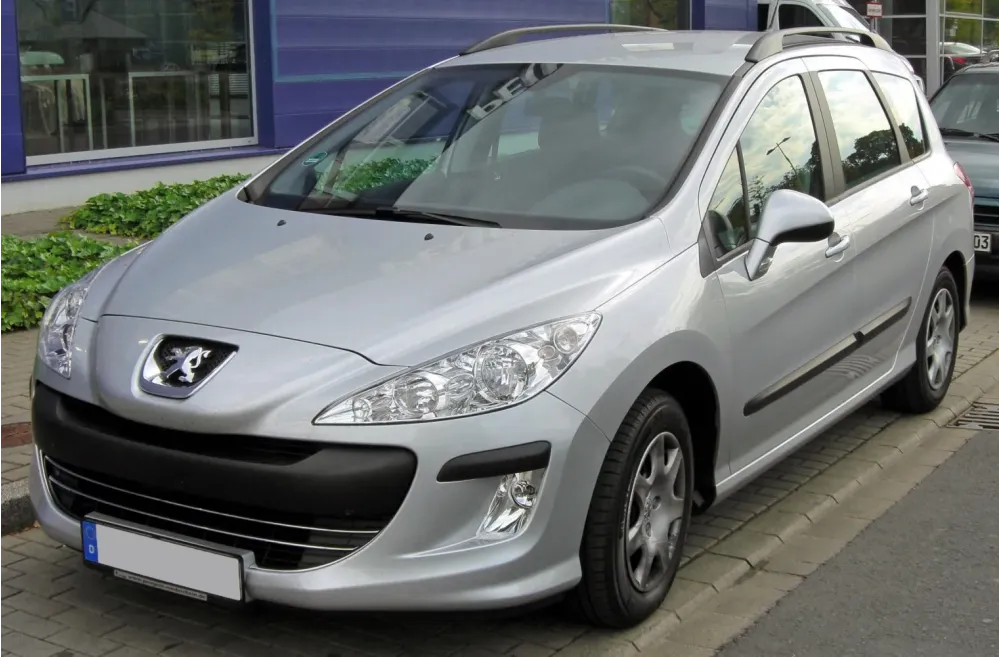
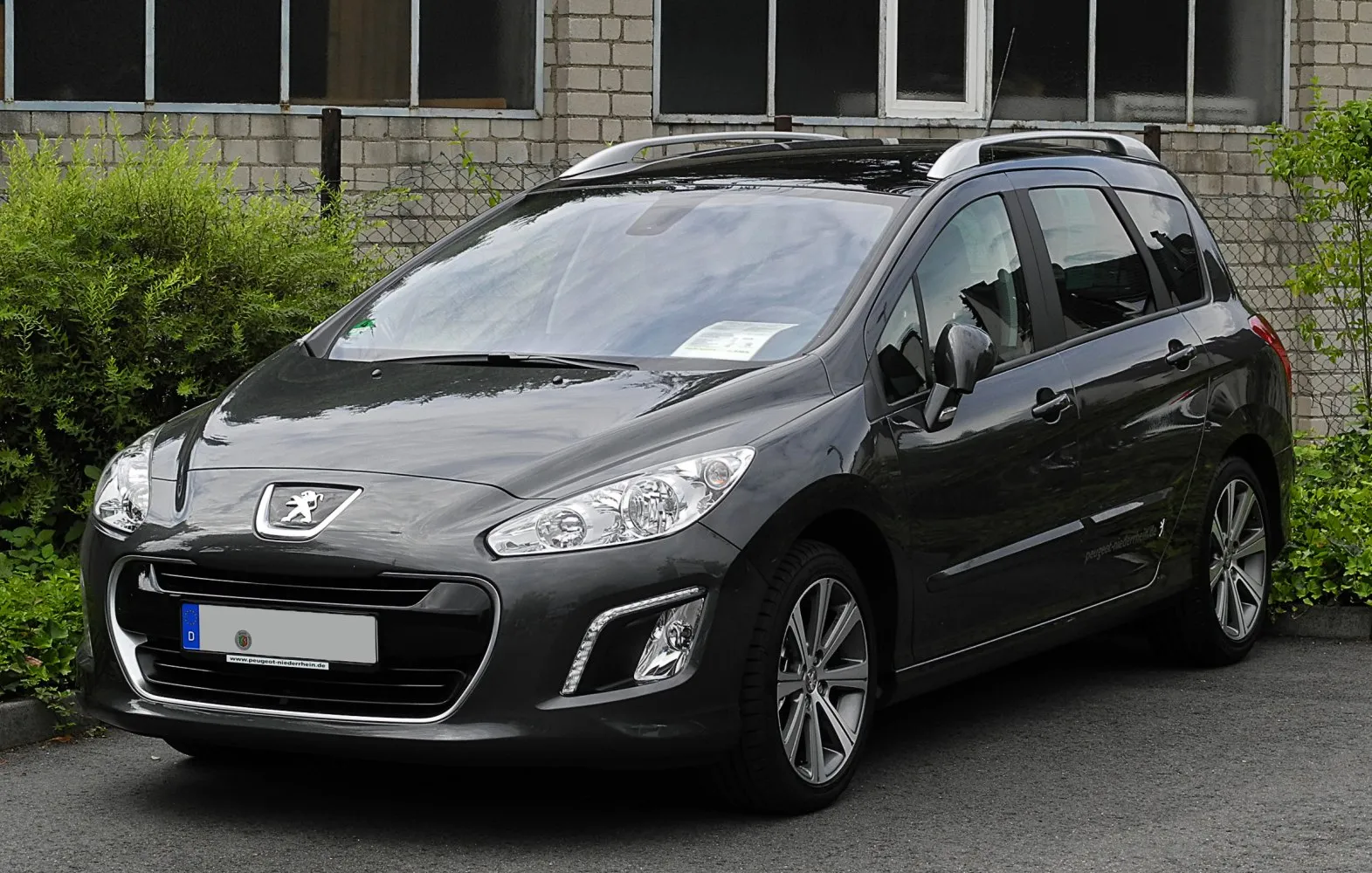
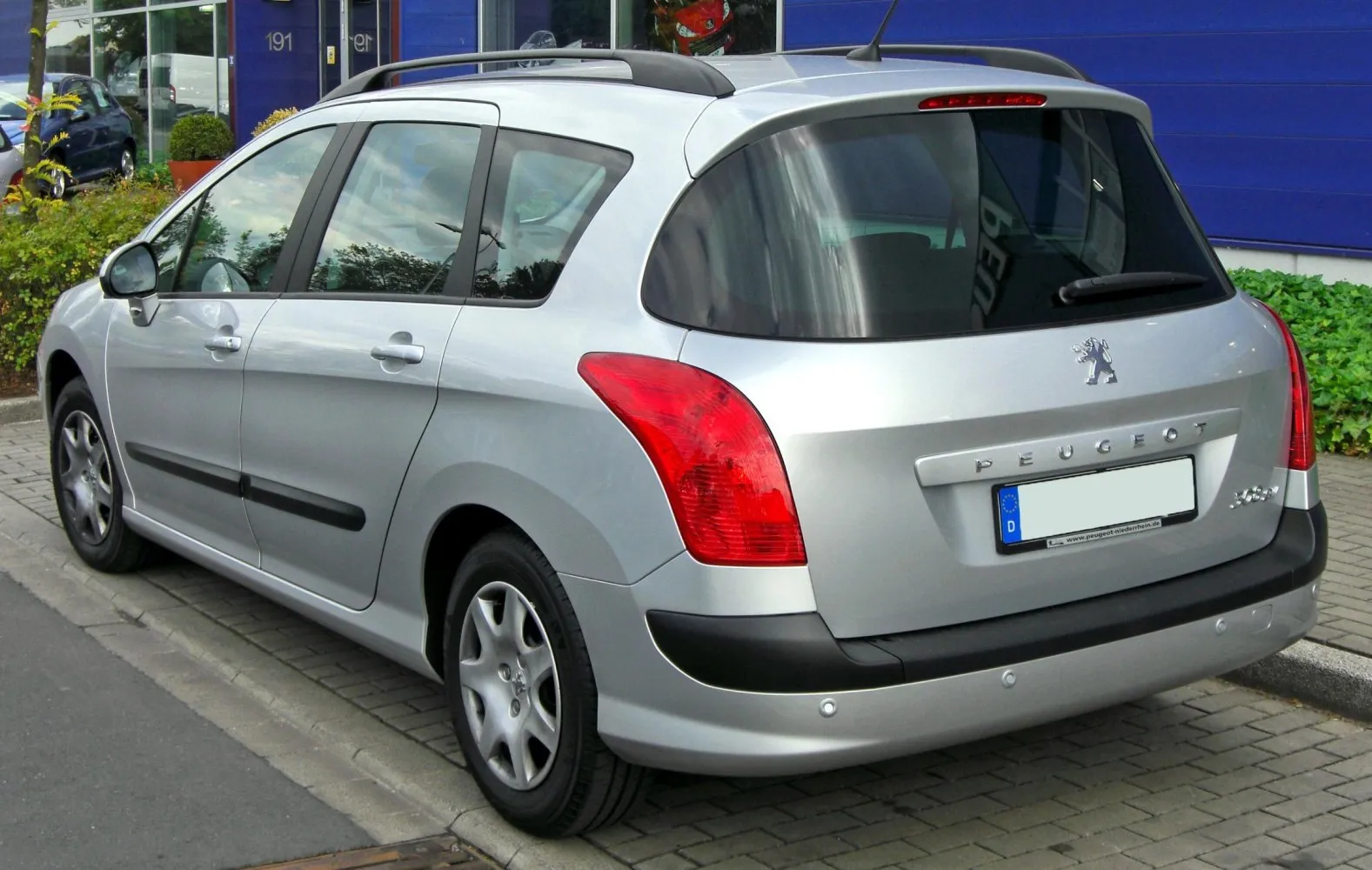
Peugeot 308 SW I (Phase I, 2008) 1.6 16V VTi (120 Hp)
Overall Rating
Peugeot 308:
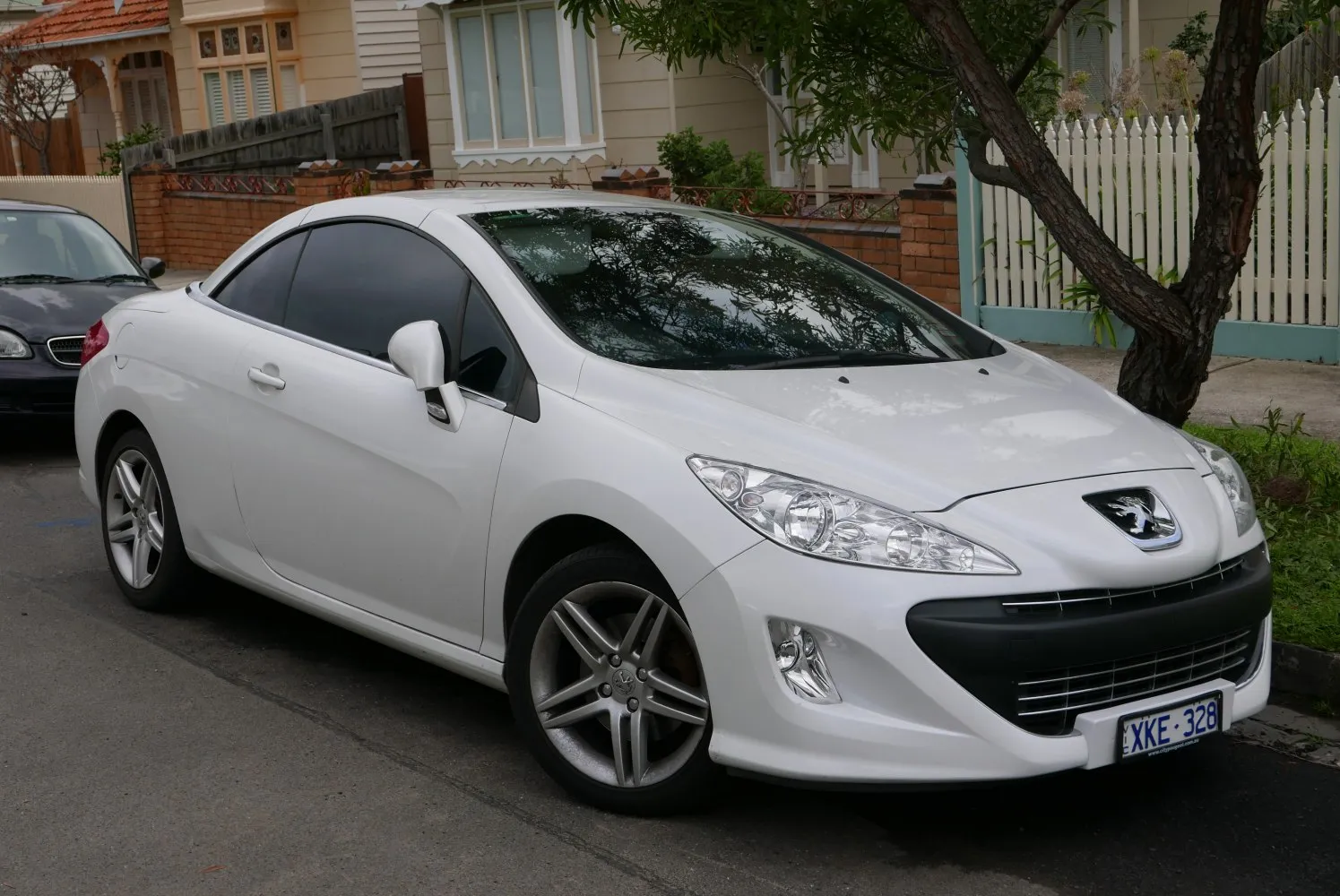
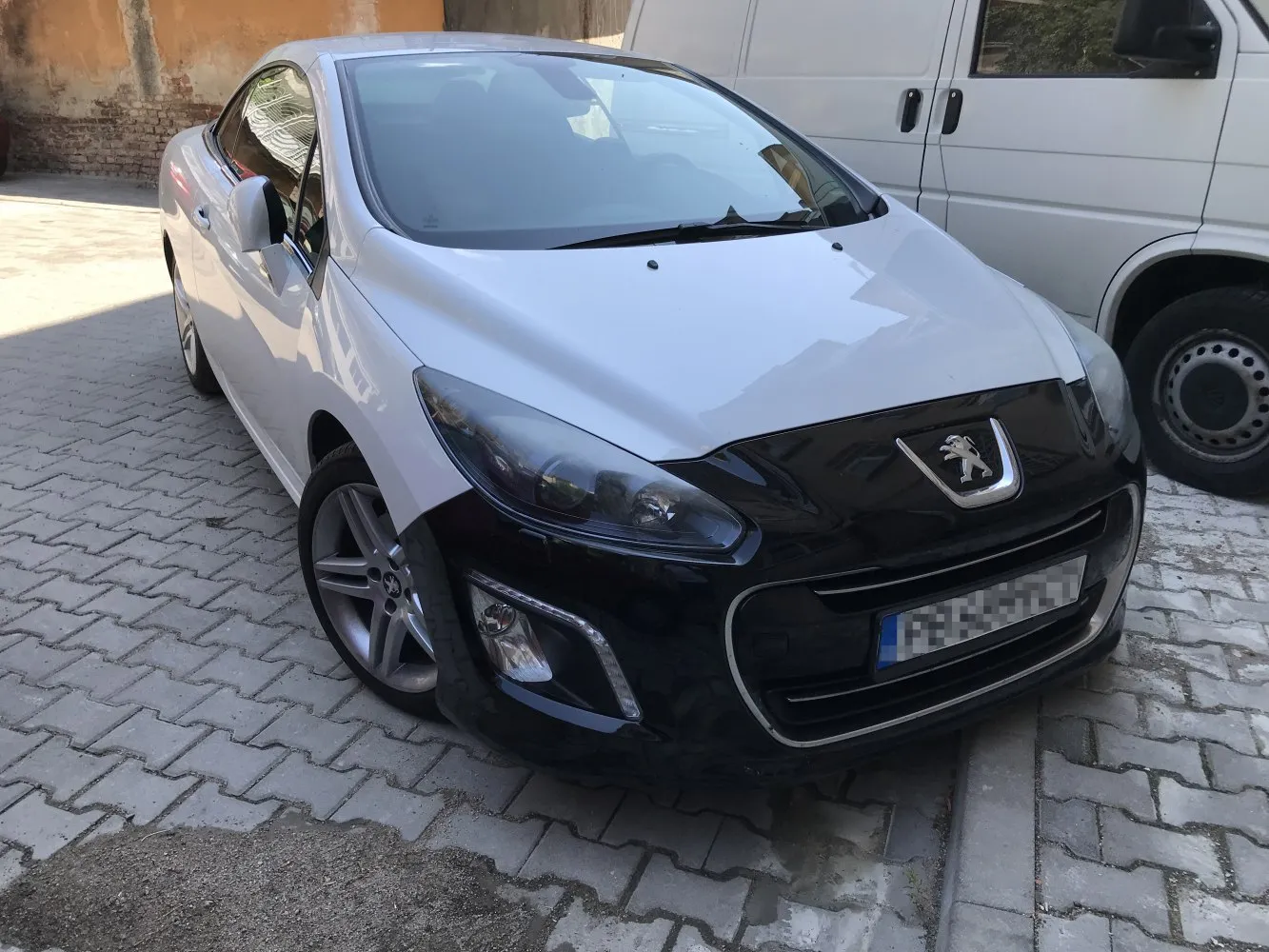
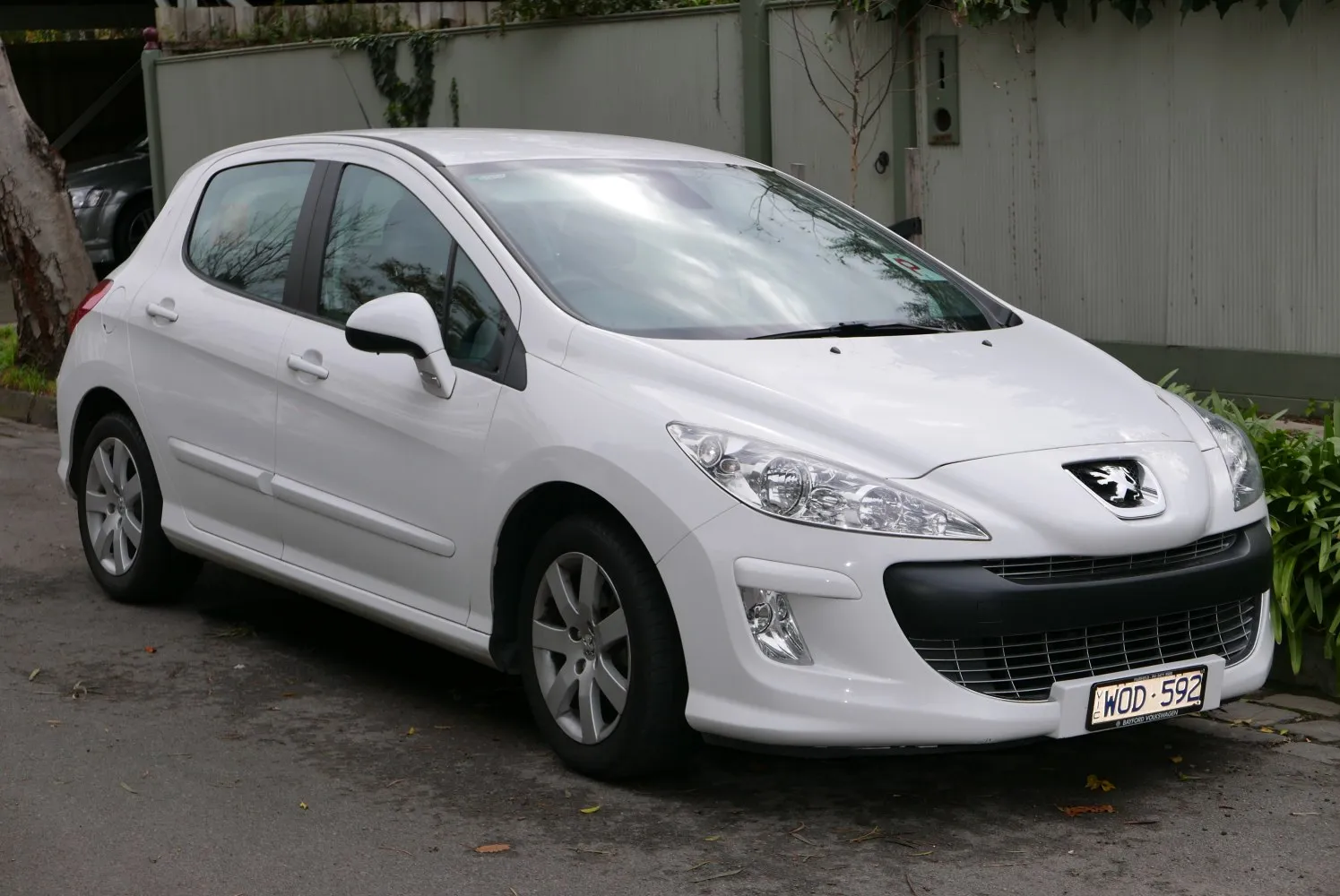
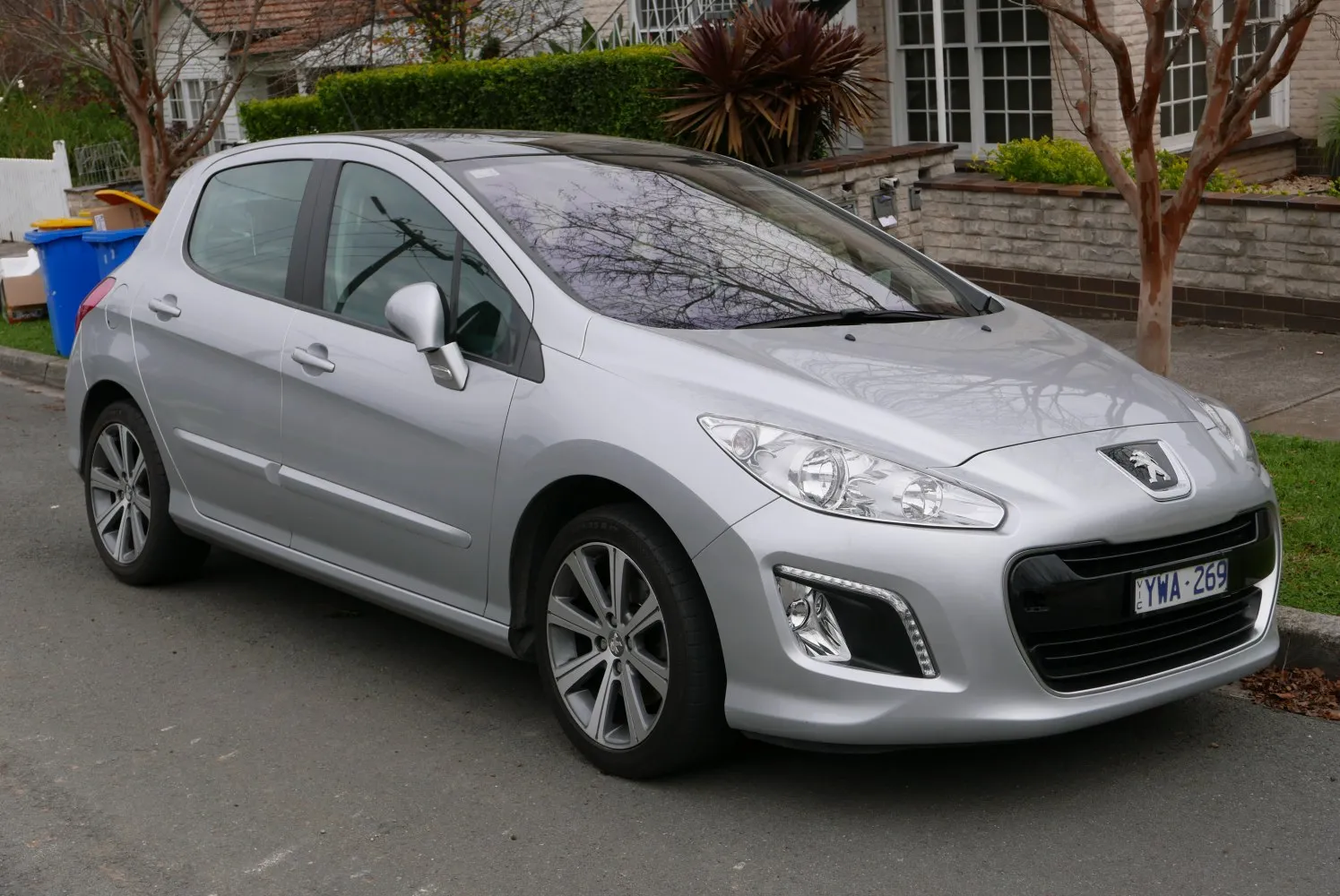
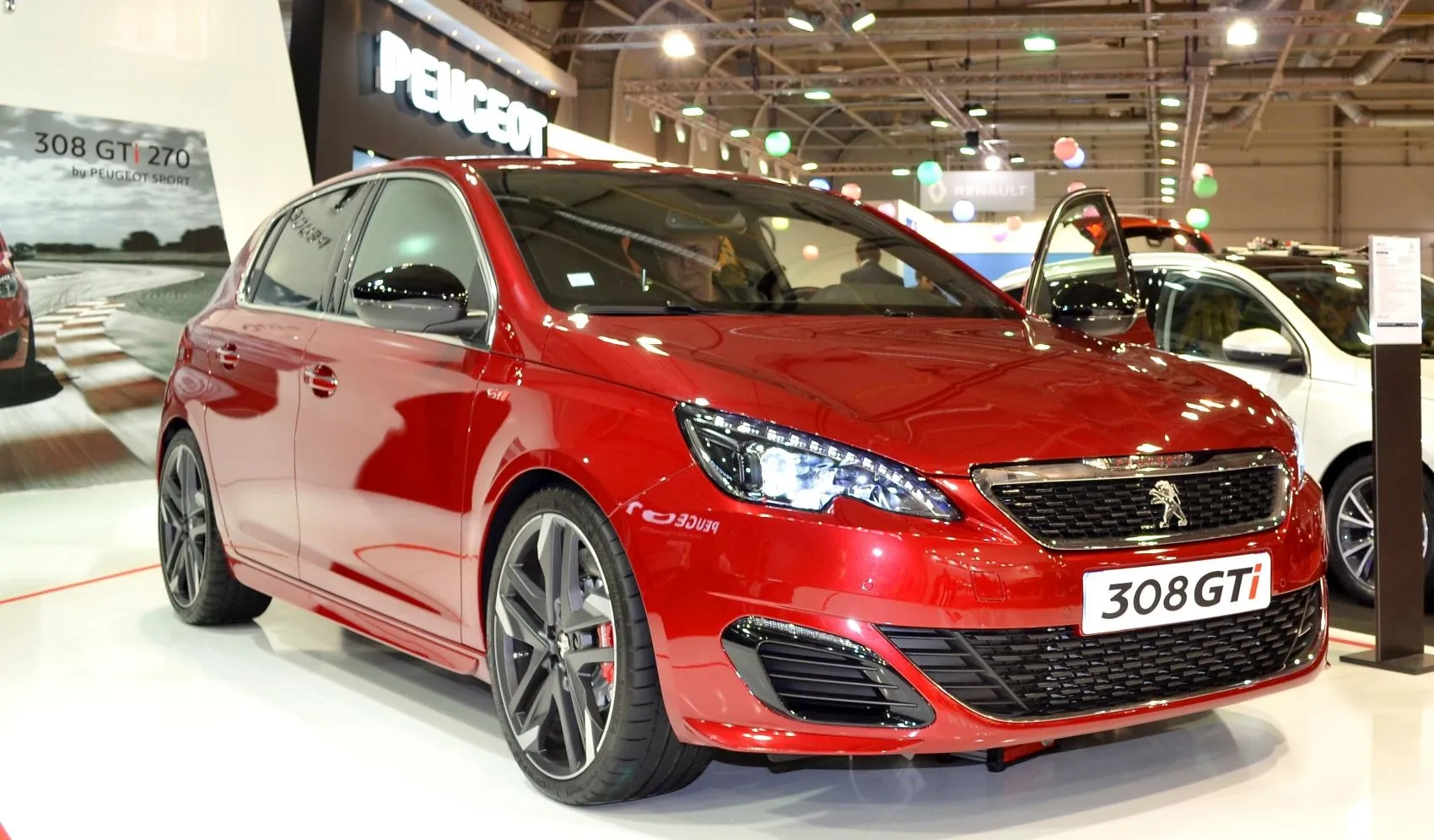
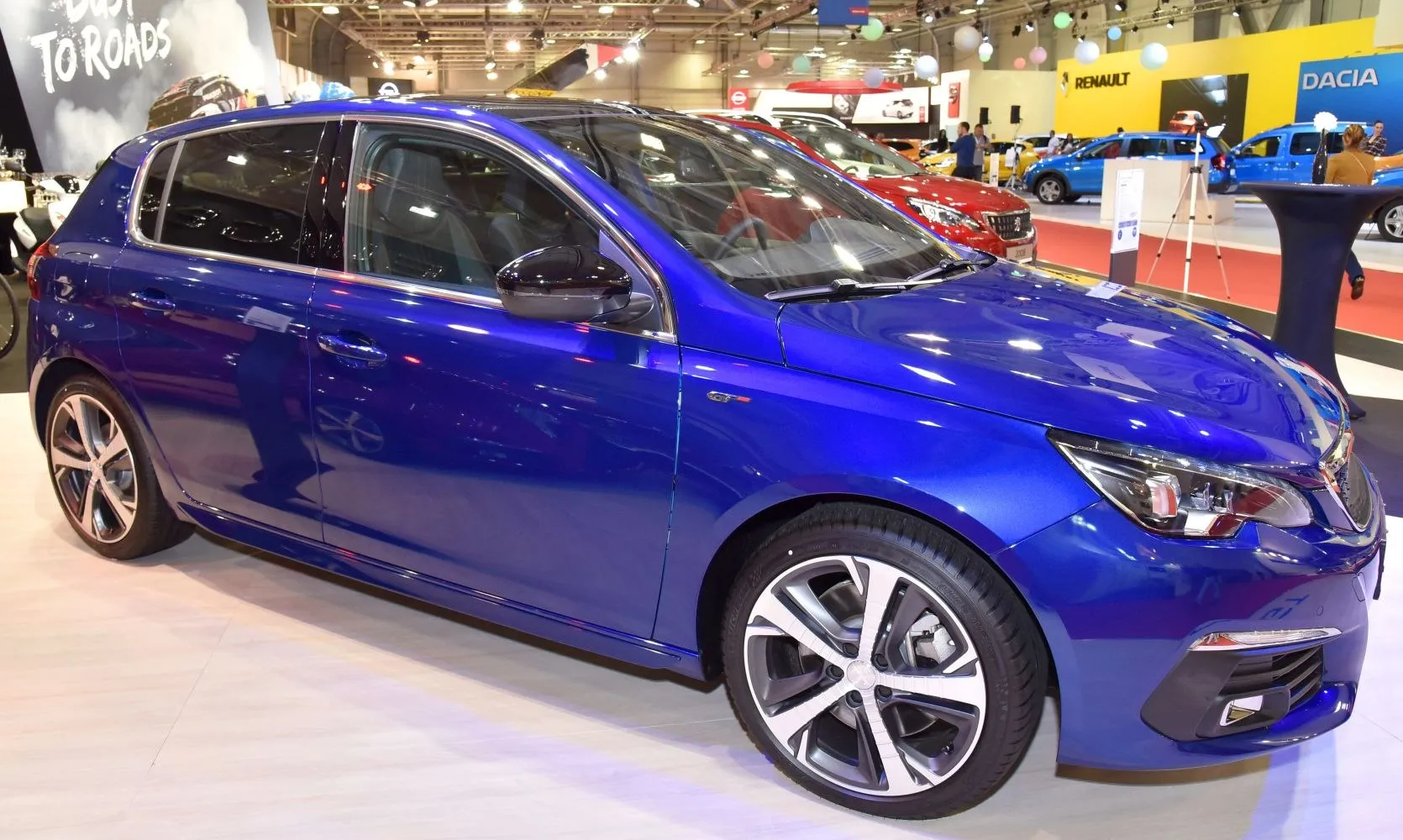
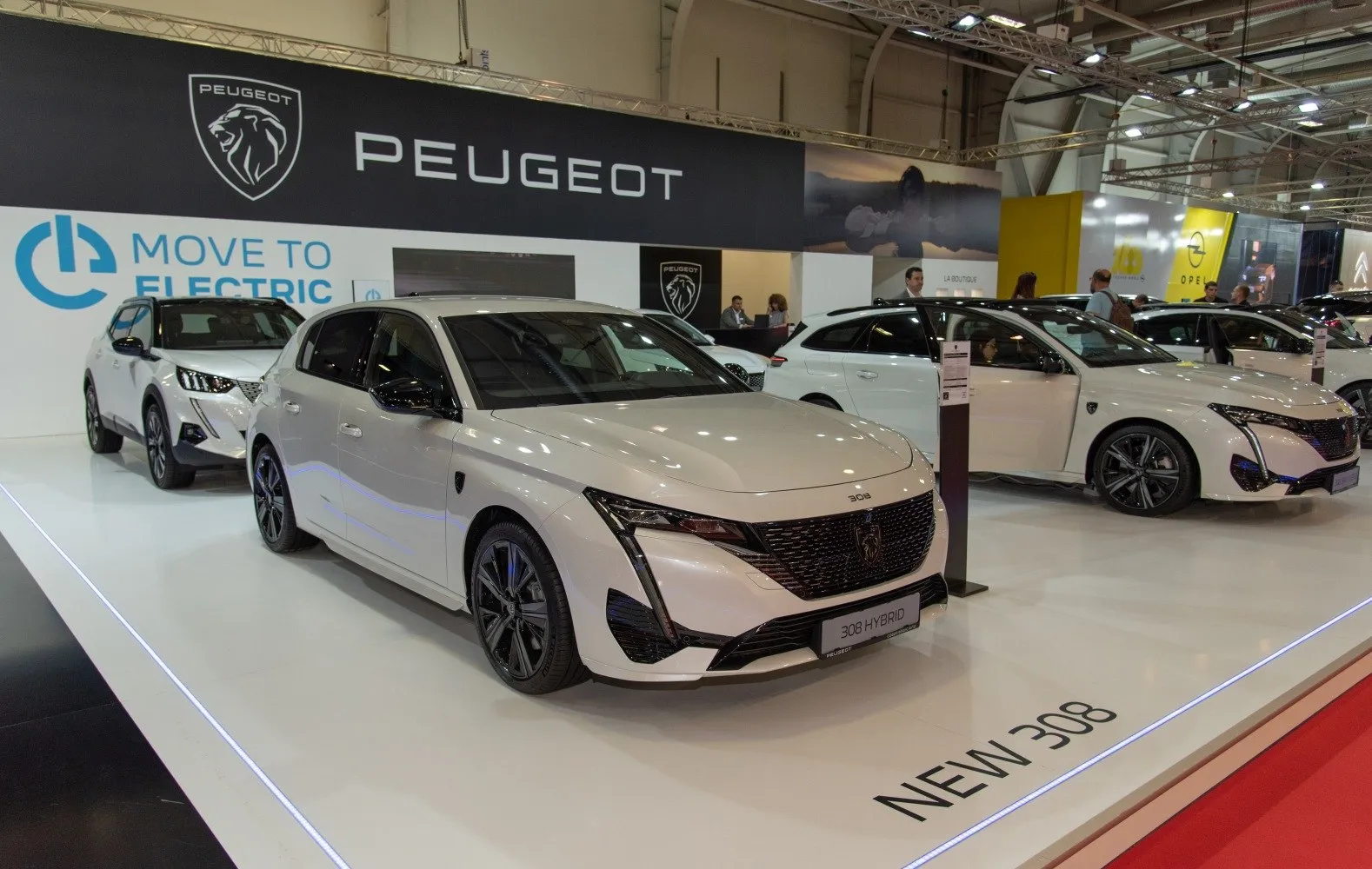
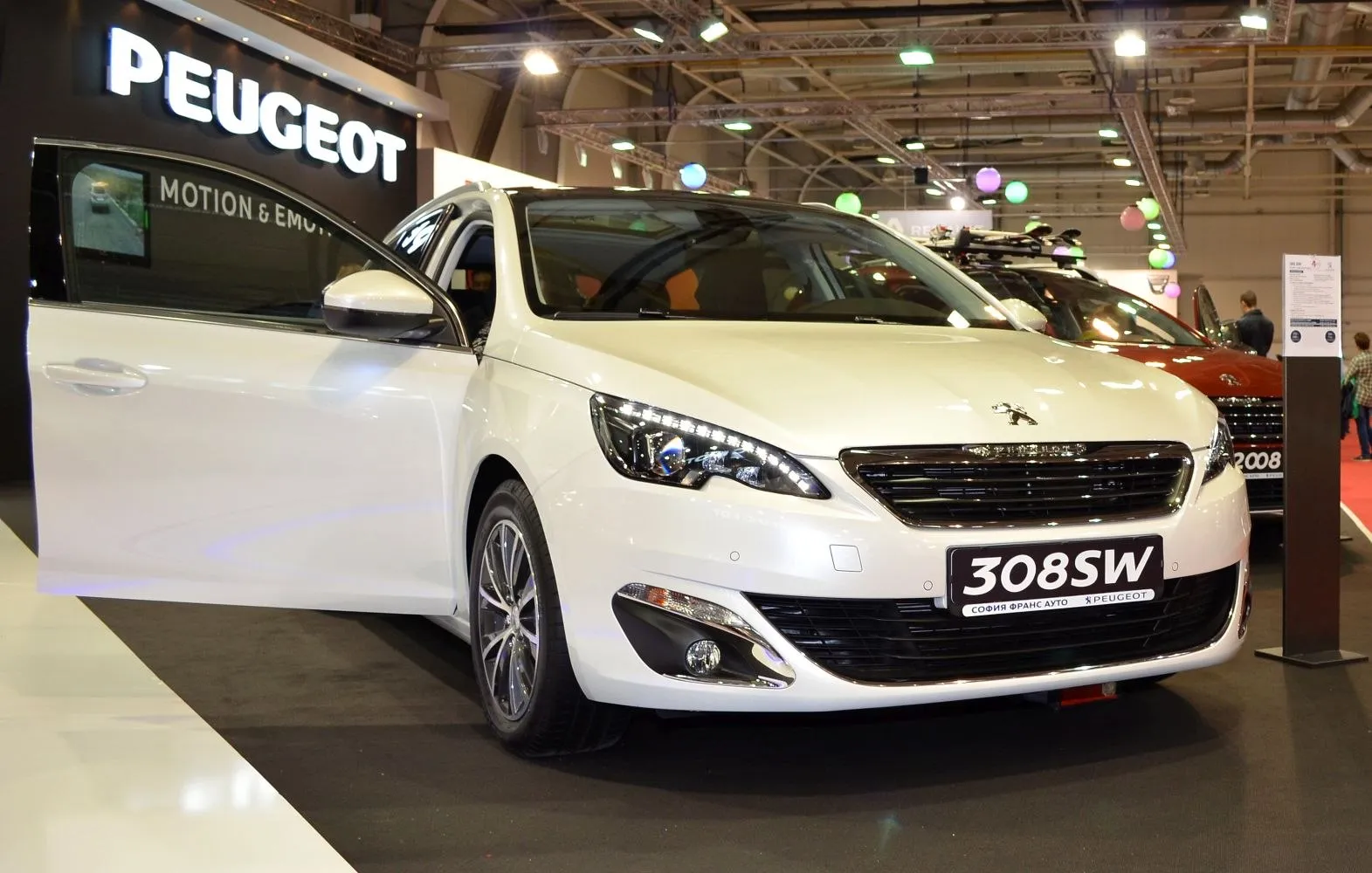
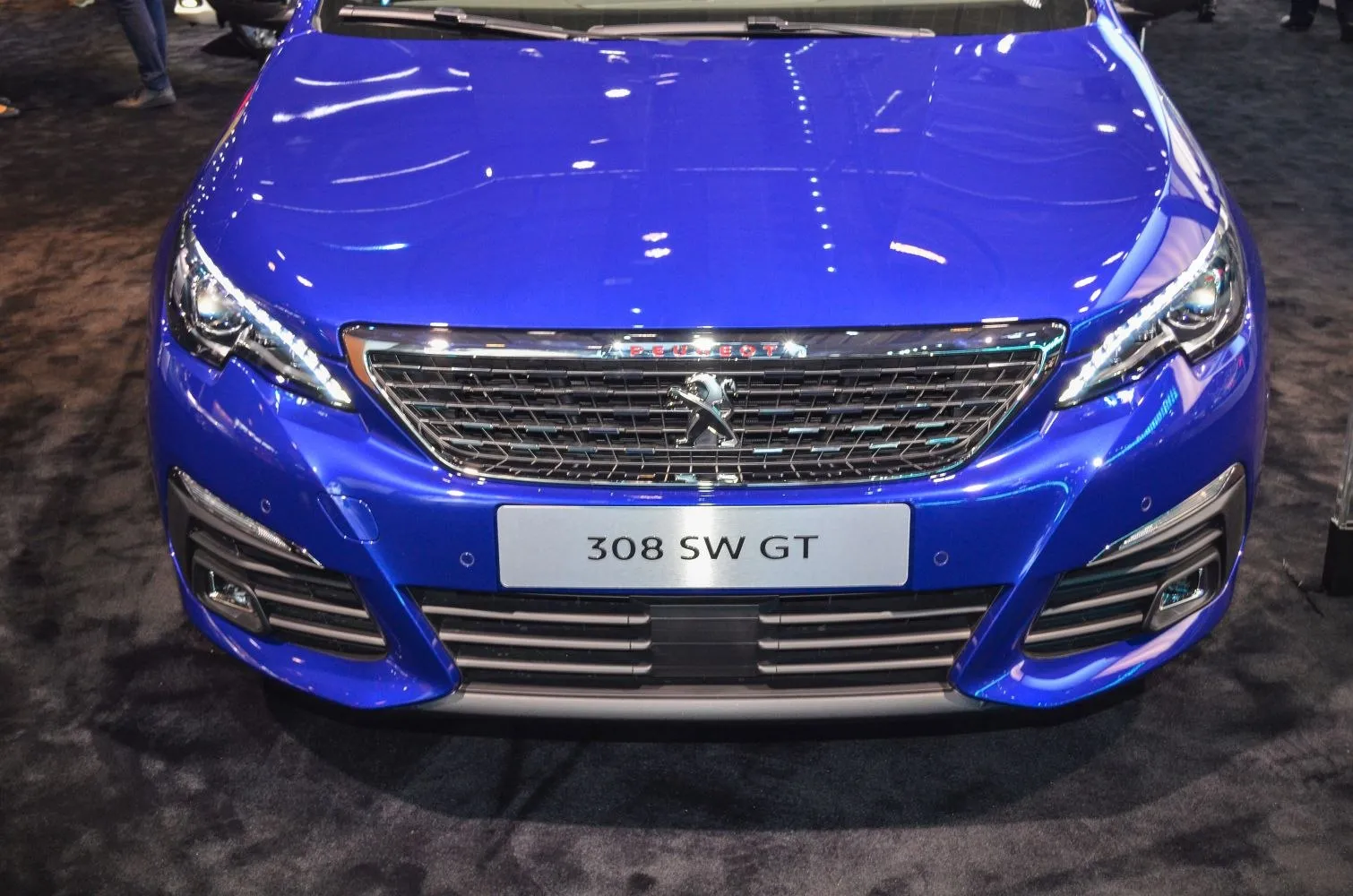
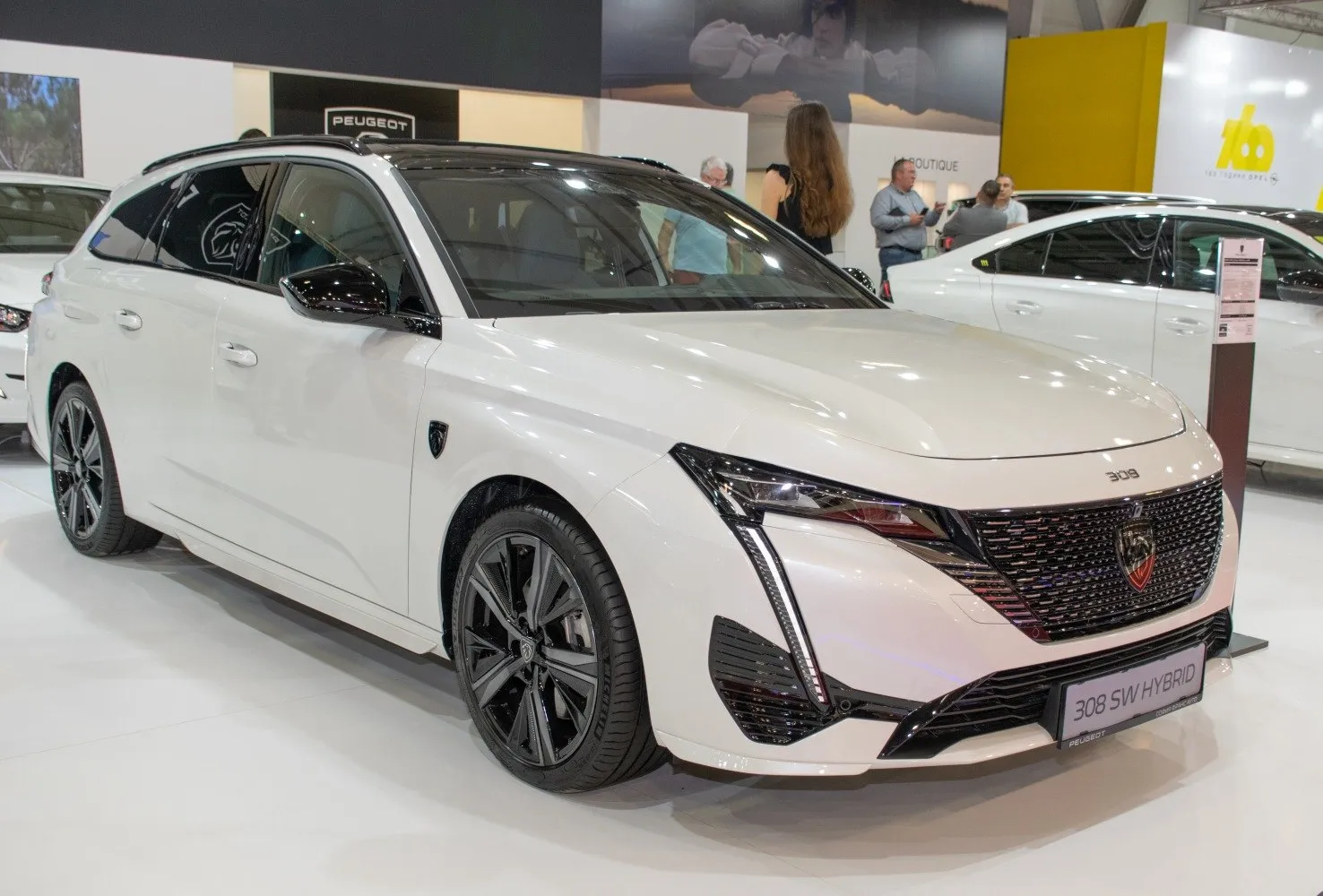
The Peugeot 308 is a small family car produced by French automobile manufacturer Peugeot. It was unveiled in June 2007, and launched in September 2007 in hatchback form, which was followed by station wagon in March 2008, coupé cabriolet in February 2009, and a sedan version in February 2010. The 308 replaced the 307, and positioned below the 508 and above the smallest 208.
The first generation was largely based on its predecessor, the 307, and utilized modified versions of that car's drivetrain and chassis. The second-generation model was unveiled in 2013, and it was awarded as the 2014 European Car of the Year. The third-generation model was unveiled in 2021 and introduced a hybrid powertrain....(Read more on Wikipedia)
SW I (Phase I, 2008) Overview:
Peugeot 308 (SW I (Phase I, 2008)). With 160 Nm of torque, it offers ample pulling power. It has moderate fuel consumption (~9.1 l/100km). With a weight of 1400 kg, it falls in the mid‑range. Front‑wheel drive delivers efficiency and easy handling. Acceleration is relatively slow (0–100 km/h in 11.5 s). The top speed reaches 189 km/h. A car with an extended rear cargo area, combining passenger comfort with increased storage. Seating for 5 makes it ideal for daily use.
1.6 16V VTi (120 Hp) Verdict:

Performance Verdict
A competent engine for general use, offering smooth power delivery but lacking outright punch.
Fuel Economy
Acceptable fuel economy for a naturally aspirated petrol, but not class-leading.
Pros and Cons:
Pros:
- • Spacious and versatile interior with flexible seating options
- • Comfortable ride quality, especially on longer journeys
- • Strong range of economical HDi diesel engines
- • Good Euro NCAP safety rating for its era
- • Large boot capacity, expandable for maximum utility
Cons:
- • Some petrol engines (VTi) can feel underpowered and less efficient
- • Early THP engines had known reliability issues (timing chain, carbon buildup)
- • EGS6 automated manual gearbox can be jerky and slow to respond
- • Interior design and materials can feel dated compared to rivals
- • Steering can lack feedback, impacting driving engagement
Specifications:
Specifications are compared to those of the previous generation(CC I (Phase I, 2008): 2009 - 2011).
| General: | |
|---|---|
| Brand: | Peugeot |
| Model: | 308 |
| Generation: | SW I (Phase I, 2008) |
| Modification (Engine): | 1.6 16V VTi (120 Hp) |
| Start of production: | 2010 |
| End of production: | 2011 |
| Powertrain Architecture: | Internal Combustion engine |
| Body type: | Station wagon (estate) |
| Seats: | 5-7 |
| Doors: | 5 |
| Engine: | |
|---|---|
| Power: | 120 Hp @ 6000 rpm. |
| Power per litre: | 75.1 Hp/l |
| Torque: | 160 Nm @ 4250 rpm. |
| Engine Model/Code: | 5FW EP6 [Same engine] More details about the engine 5FW EP6 |
| Engine displacement: | 1598 |
| Number of cylinders: | 4 |
| Engine configuration: | Inline |
| Number of valves per cylinder: | 4 |
| Fuel injection system: | Multi-port manifold injection |
| Engine aspiration: | Naturally aspirated engine |
| Valvetrain: | DOHC |
| Engine oil capacity: | 4.25 l |
| Coolant: | 6 l |
| Engine layout: | Front, Transverse |
| Cylinder Bore: | 77 mm mm |
| Piston Stroke: | 85.8 mm mm |
| Performance: | |
|---|---|
| Fuel Type: | Petrol (Gasoline) |
| Fuel consumption (economy) - urban: | 9.1 l/100 km |
| Fuel consumption (economy) - extra urban: | 4.9 l/100 km |
| Fuel consumption (economy) - combined (NEDC): | 6.4 l/100 km |
| Fuel consumption (economy) - urban (NEDC): | 9.1 l/100 km |
| Fuel consumption (economy) - extra urban (NEDC): | 4.9 l/100 km |
| Fuel consumption (economy) - combined: | 6.4 l/100 km |
| Emission standard: | Euro 5 |
| Acceleration 0 - 100 km/h: | 11.5 sec |
| Acceleration 0 - 62 mph: | 11.5 sec |
| Maximum speed: | 189 km/h |
| Weight-to-power ratio: | 11.7 kg/Hp, 85.7 Hp/tonne |
| Weight-to-torque ratio: | 8.8 kg/Nm, 114.3 Nm/tonne |
| Acceleration 0 - 60 mph: | 10.9 sec |
| Space: | |
|---|---|
| Kerb Weight: | 1400 |
| Max. weight: | 1922 |
| Max. roof load: | 75 kg |
| Max load: | 522 |
| Trunk (boot) space - maximum: | 1736 l |
| Trunk (boot) space - minimum: | 573 l |
| Permitted trailer load with brakes (12%): | 1500 kg |
| Fuel tank capacity: | 60 l |
| Permitted trailer load without brakes: | 695 kg |
| Permitted towbar download: | 65 kg |
| Size: | |
|---|---|
| Length: | 4500 mm mm [60mm more] |
| Width: | 1815 mm mm [2mm less] |
| Height: | 1564 mm mm [137mm more] |
| Wheelbase: | 2708 mm mm [103mm more] |
| Width including mirrors: | 2038 mm |
| Front track: | 1526-1536 mm |
| Rear (Back) track: | 1521-1531 mm |
| Front overhang: | 926 mm |
| Rear overhang: | 866 mm |
| Minimum turning circle (turning diameter): | 10.7 m [above average] |
| Powertrain: | |
|---|---|
| Drivetrain Architecture | The Internal combustion engine (ICE) drives the front wheels of the vehicle. |
| Drive wheel | Front wheel drive |
| Number of gears | 5 |
| Transmission type | Manual |
| Front brakes | Ventilated discs [Best for performance and cooling.] |
| Rear brakes | Disc [above average] |
| Assisting systems | ABS (Anti-lock braking system) |
| Steering type | Steering rack and pinion |
| Power steering | Electric Steering |
| Tires size | 195/65 R15 |
| Wheel rims size | 6.5J x 15 |
| Front suspension | Independent, type McPherson with coil spring and anti-roll bar |
| Rear suspension | Coil spring, Torsion |








The hidden gems or the annoying flaws? Expose the truth about the Peugeot 308!