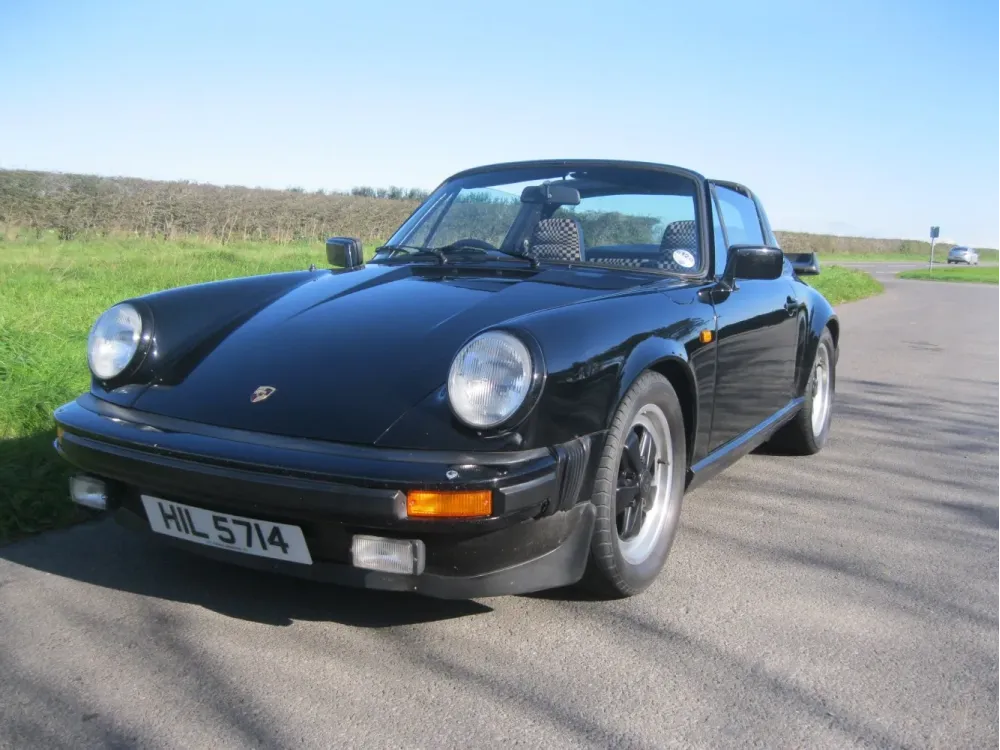
Click on image to view the full photo gallery
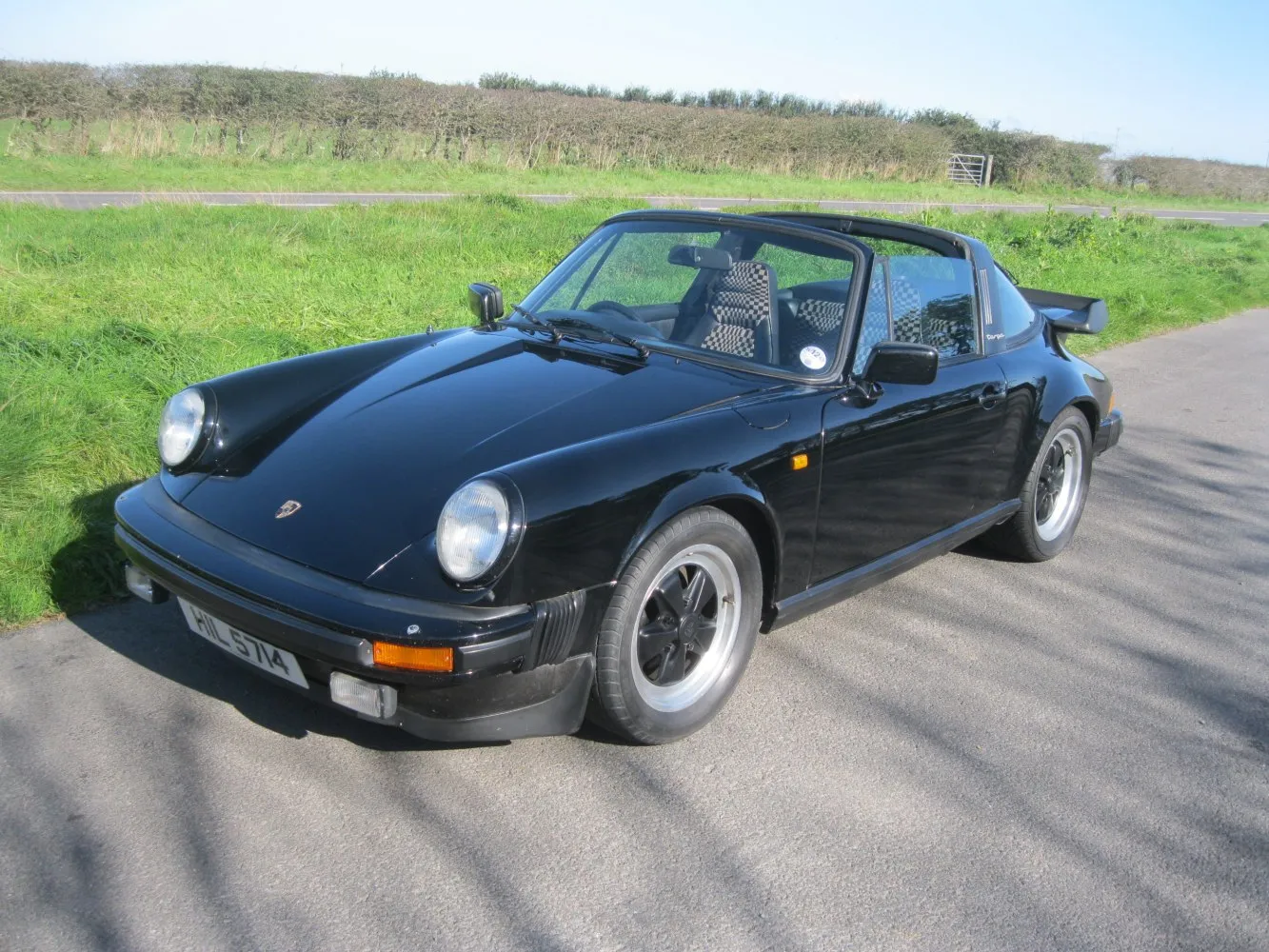
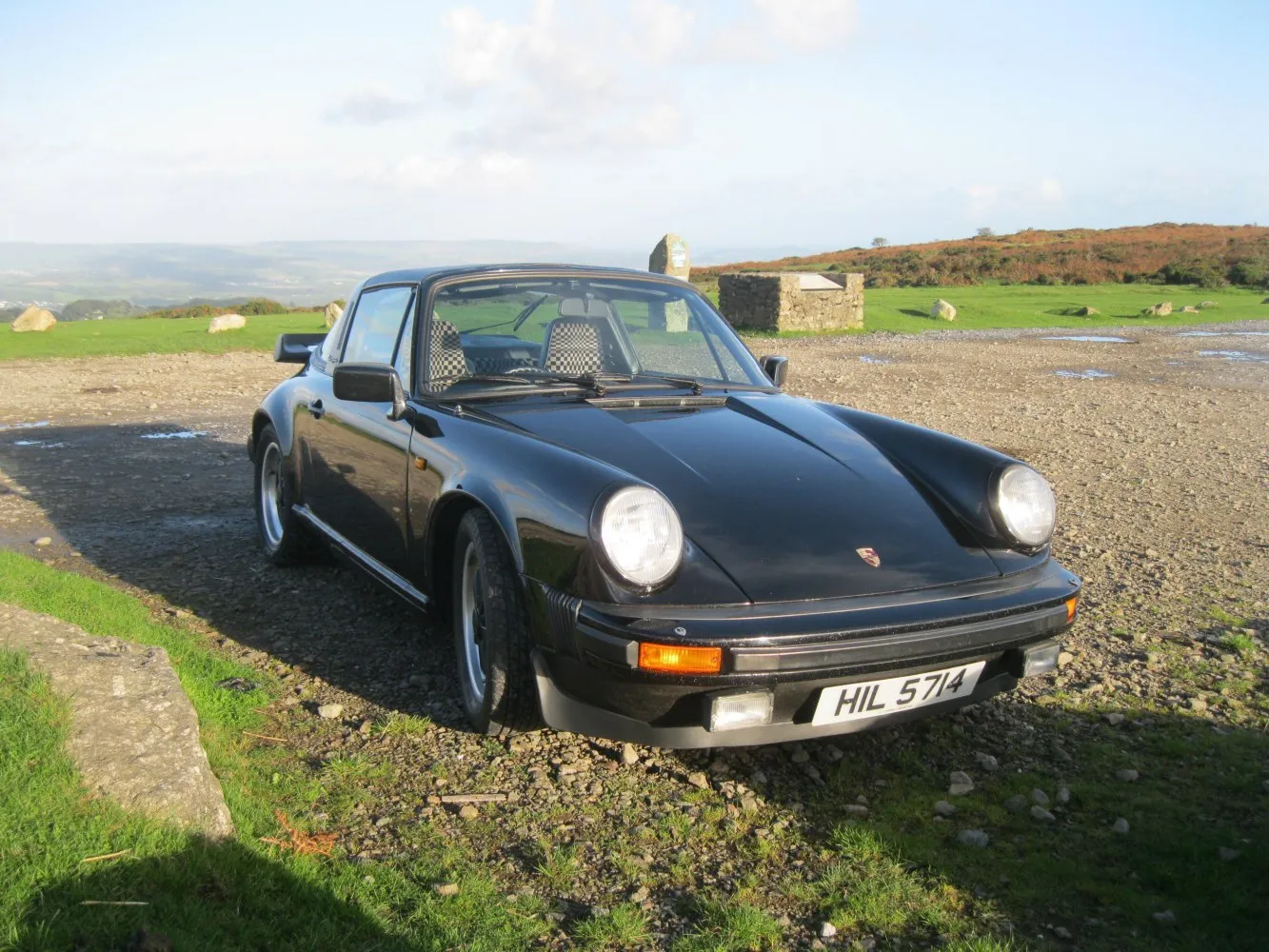
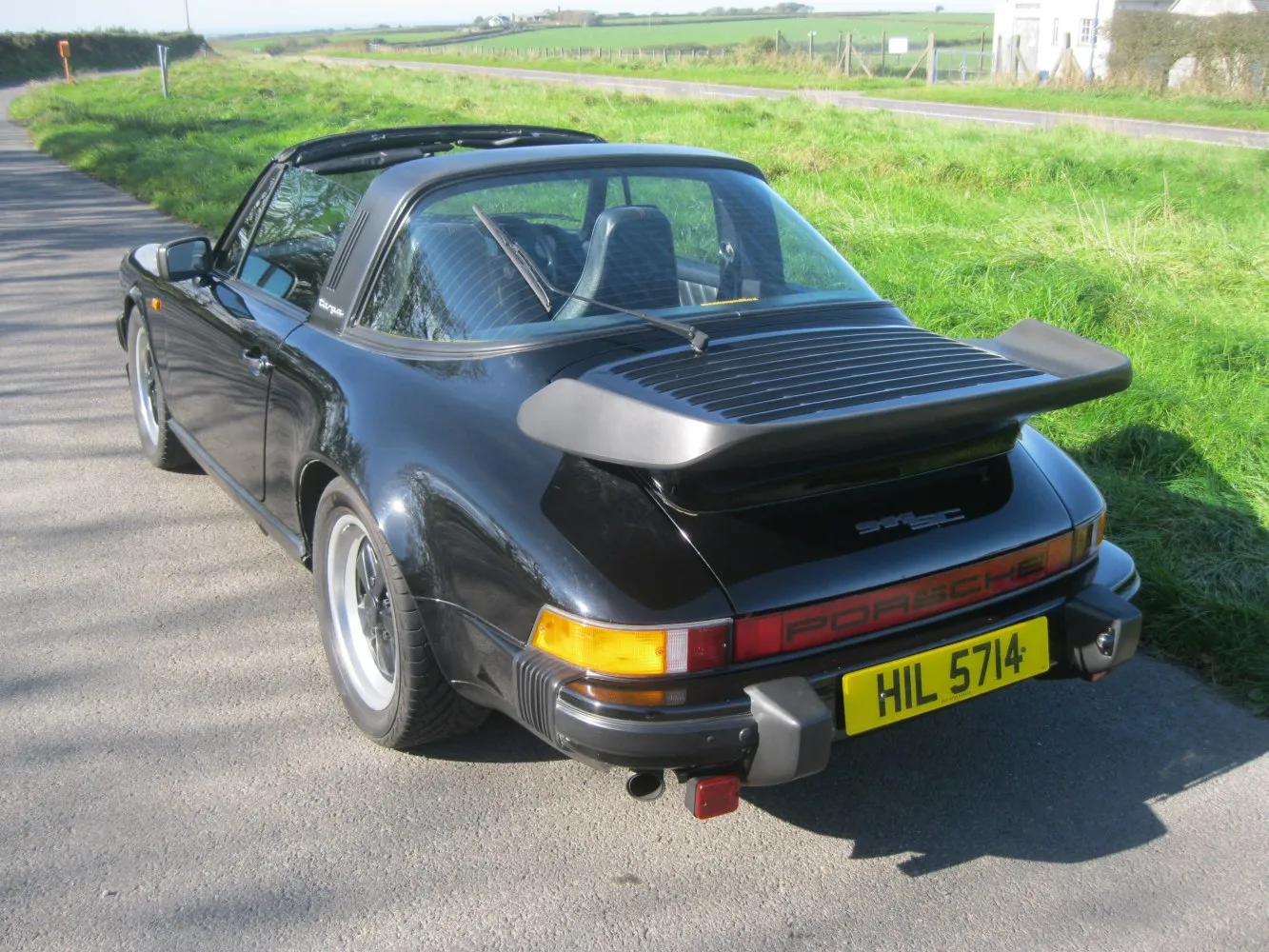
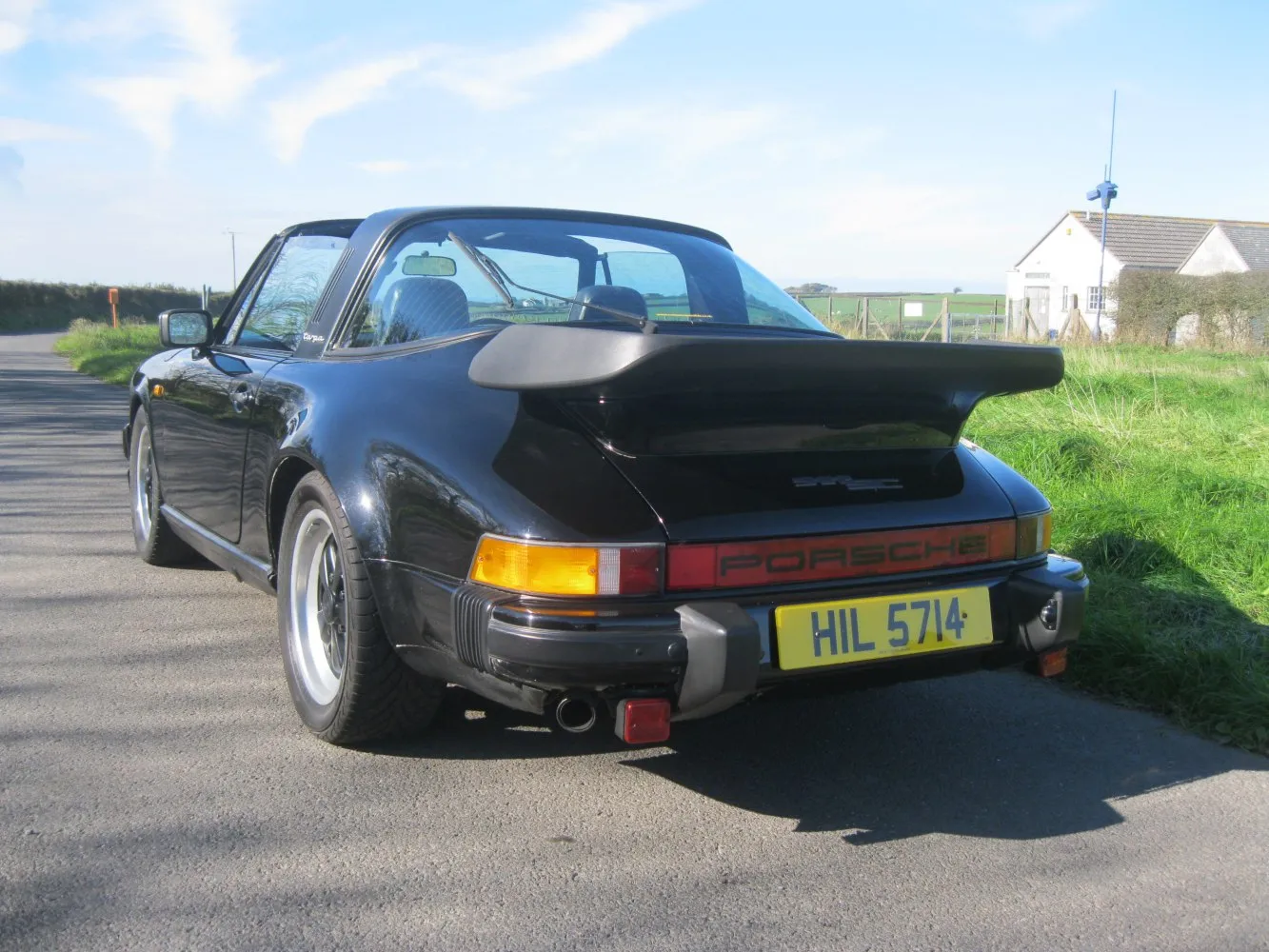
Porsche 911 Targa (G) 3.0 Carrera (200 Hp)
Overall Rating
Porsche 911:
The Porsche 911 model series is a family of two-door, high performance rear-engine sports cars, introduced in September 1964 by Porsche of Stuttgart, Germany, and now in its eighth generation. All 911s have a rear-mounted flat-six engine, and usually 2+2 seating, except for special 2-seater variants. Originally, 911s had air-cooled engines, and torsion bar suspension, but the 911 has been continuously changed and improved across generations. Though the 911 core concept has remained largely unchanged, water-cooled engines were introduced with the 996 series in 1998, and front and rear suspension have been replaced by Porsche-specific MacPherson suspension up front, and independent multi-link rear suspension....(Read more on Wikipedia)
Targa (G) Overview:
Porsche 911 (Targa (G)). With 255 Nm of torque, it offers ample pulling power. Rear‑wheel drive offers dynamic handling and sporty feedback. A semi-convertible with a removable roof section and a full-width roll bar behind the seats. Seating for 4 makes it ideal for daily use.
3.0 Carrera (200 Hp) Verdict:

Performance Verdict
The pinnacle of performance for this generation, offering exhilarating acceleration and a truly sporting character, highly sought after by enthusiasts.
Fuel Economy
The least fuel-efficient of the lineup, but its performance justifies the compromise for dedicated drivers.
Pros and Cons:
Pros:
- • Iconic classic design and heritage
- • Engaging air-cooled flat-six engine sound and character
- • Open-top Targa experience
- • Strong performance for its era
- • Excellent build quality and durability (if maintained)
- • Appreciating collector's item
Cons:
- • High maintenance costs for classic Porsche parts
- • Basic safety features compared to modern cars
- • Fuel economy is poor
- • Interior comfort and amenities are sparse
- • Potential for rust in neglected examples
- • Driving dynamics can be challenging for inexperienced drivers
Specifications:
Specifications are compared to those of the previous generation(Coupe (Type 930): 1975 - 1977).
| General: | |
|---|---|
| Brand: | Porsche |
| Model: | 911 |
| Generation: | Targa (G) |
| Modification (Engine): | 3.0 Carrera (200 Hp) |
| Start of production: | 1977 |
| End of production: | 1979 |
| Powertrain Architecture: | Internal Combustion engine |
| Body type: | Targa |
| Seats: | 4 |
| Doors: | 2 |
| Engine: | |
|---|---|
| Power: | 200 Hp @ 6000 rpm. Same horsepower |
| Power per litre: | 66.8 Hp/l [Same length.] |
| Torque: | 255 Nm @ 4200 rpm. |
| Engine Model/Code: | 930.02 More details about the engine 930.02 |
| Engine displacement: | 2993 |
| Number of cylinders: | 6 |
| Engine configuration: | Boxer |
| Number of valves per cylinder: | 2 |
| Fuel injection system: | Multi-port manifold injection |
| Engine aspiration: | Naturally aspirated engine |
| Valvetrain: | SOHC |
| Engine oil capacity: | 10 l |
| Engine layout: | Rear, Longitudinal |
| Cylinder Bore: | 95 mm |
| Piston Stroke: | 70.4 mm |
| Compression ratio: | 8.5:1 |
| Maximum engine speed: | 6800 rpm. |
| Performance: | |
|---|---|
| Fuel Type: | Petrol (Gasoline) |
| Size: | |
|---|---|
| Length: | 4291 mm [Same length.] |
| Width: | 1652 mm [123mm less] |
| Height: | 1320 mm [Same height.] |
| Wheelbase: | 2272 mm [Same wheelbase.] |
| Front track: | 1369 mm |
| Rear (Back) track: | 1380 mm |
| Front overhang: | 932 mm |
| Rear overhang: | 1087 mm |
| Ride height (ground clearance): | 120 mm |
| Powertrain: | |
|---|---|
| Drivetrain Architecture | The Internal combustion engine (ICE) drives the rear wheels of the vehicle. |
| Drive wheel | Rear wheel drive |
| Number of gears | 5 |
| Transmission type | Manual |
| Front brakes | Ventilated discs, 282.5 mm [Best for performance and cooling.] |
| Rear brakes | Ventilated discs, 290 mm [Best for performance and cooling.] |
| Steering type | Steering rack and pinion |
| Tires size | Front wheel tires: 185/70 R15; 205/55 R16 |
| Wheel rims size | Front wheel rims: 6J x 15; 6 J x 16 |
| Front suspension | Spring Strut, Wishbone |
| Rear suspension | Trailing arm |









Is the Porsche 911 the king of its class? Share your thoughts.