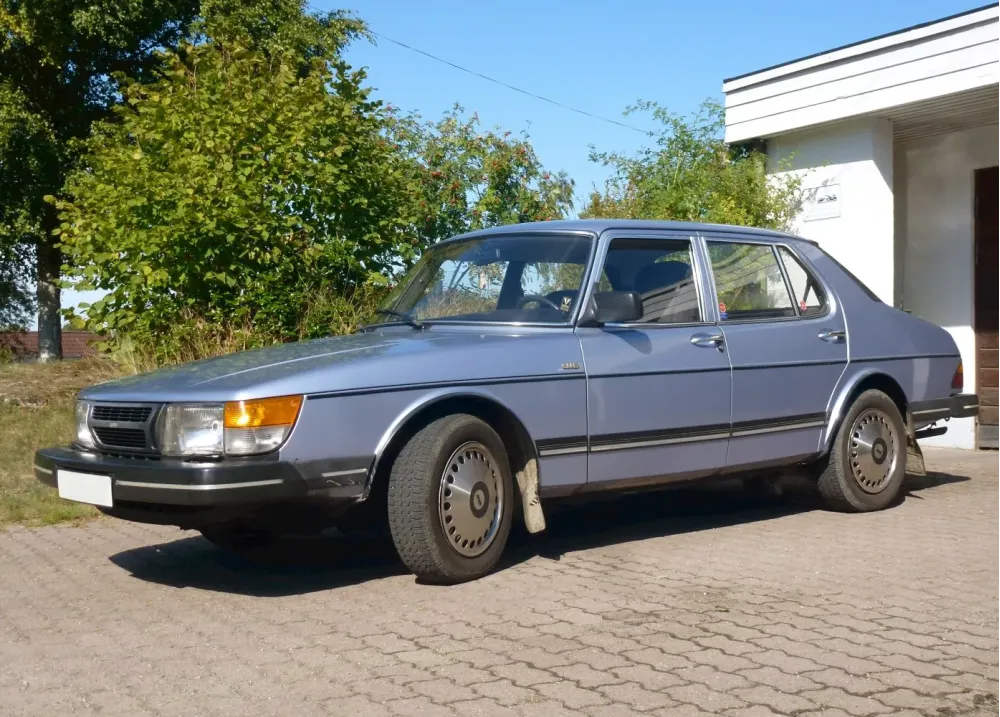
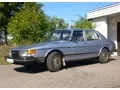
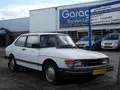
Click on image to view the full photo gallery
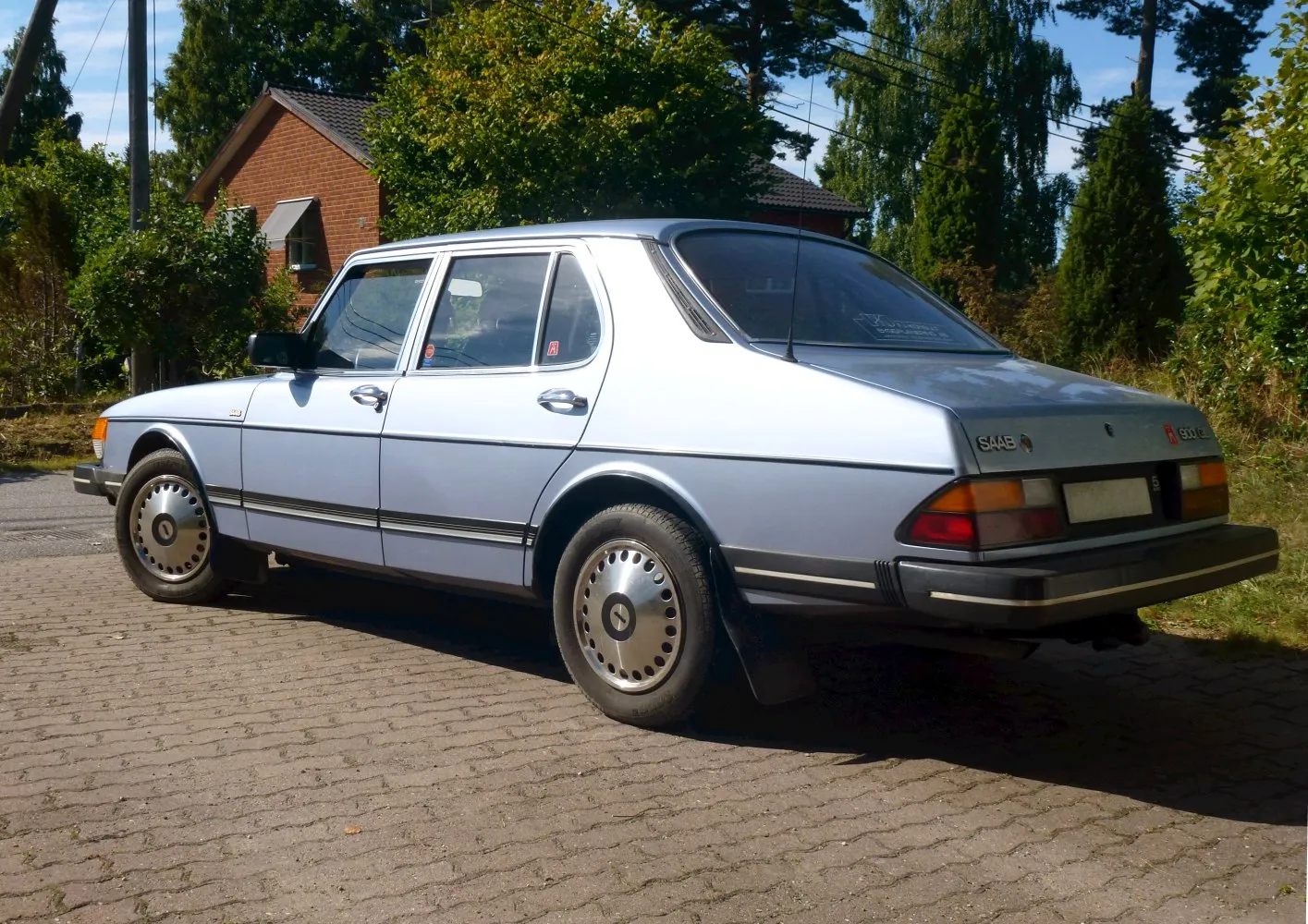
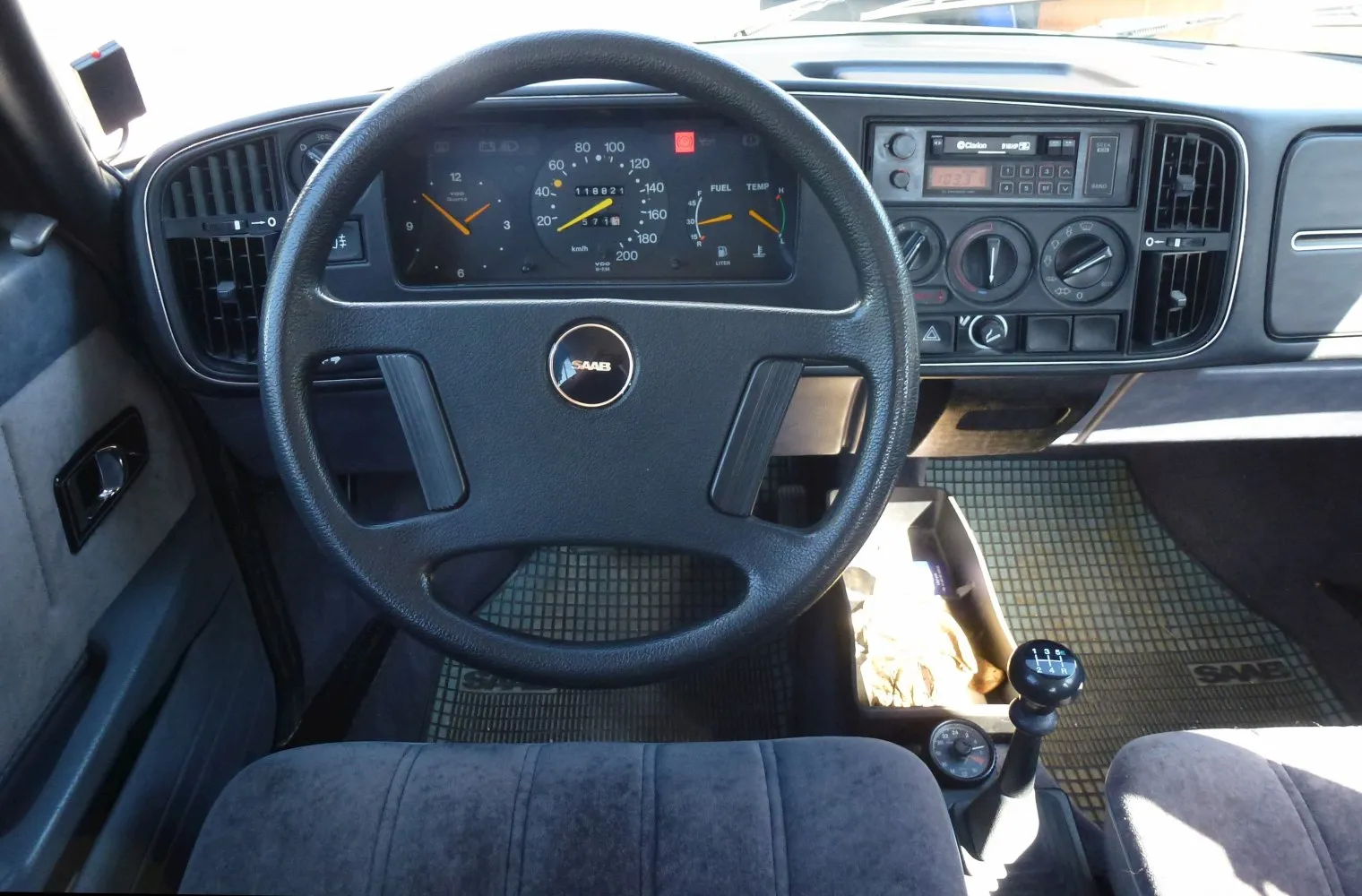
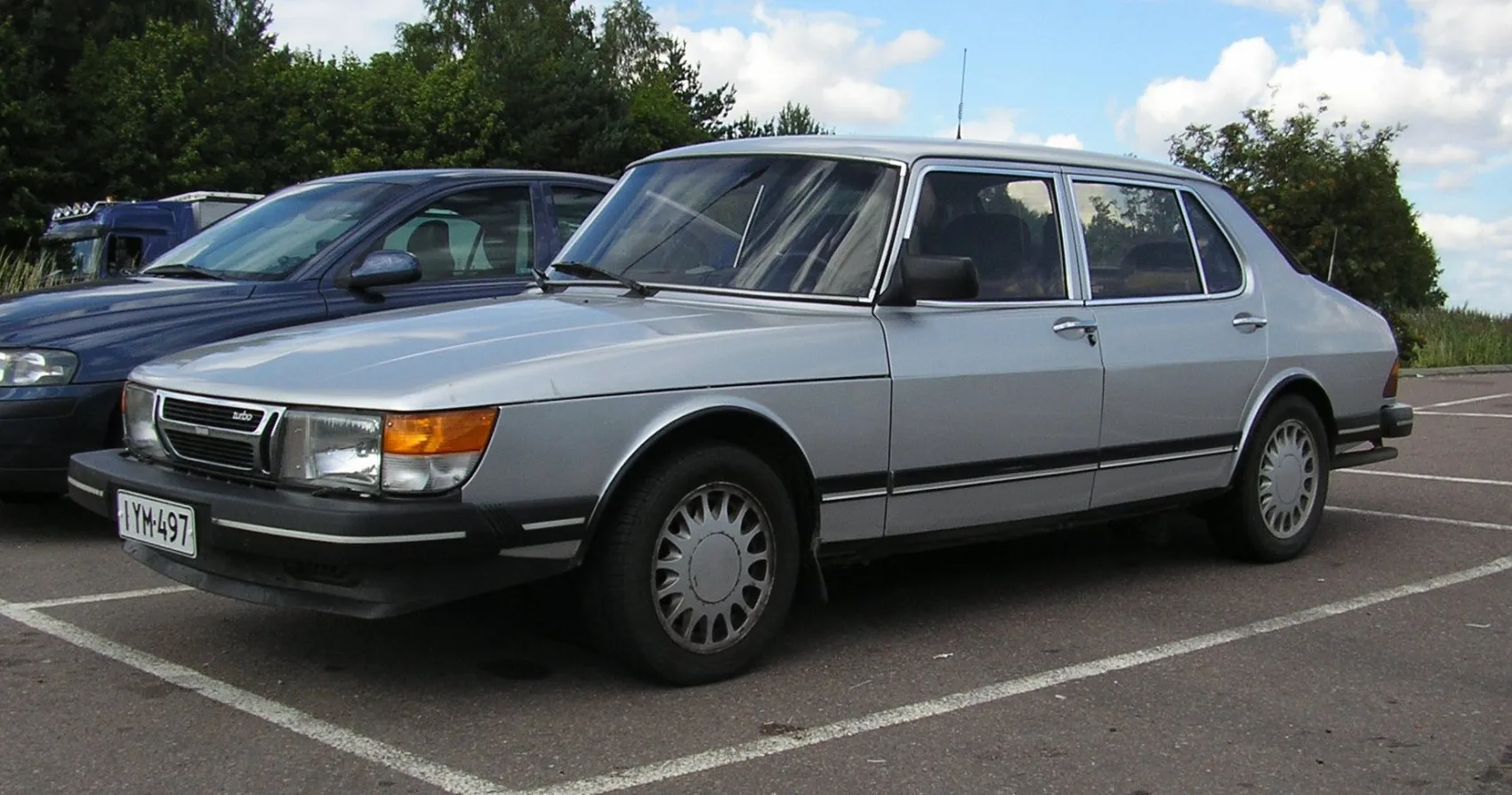
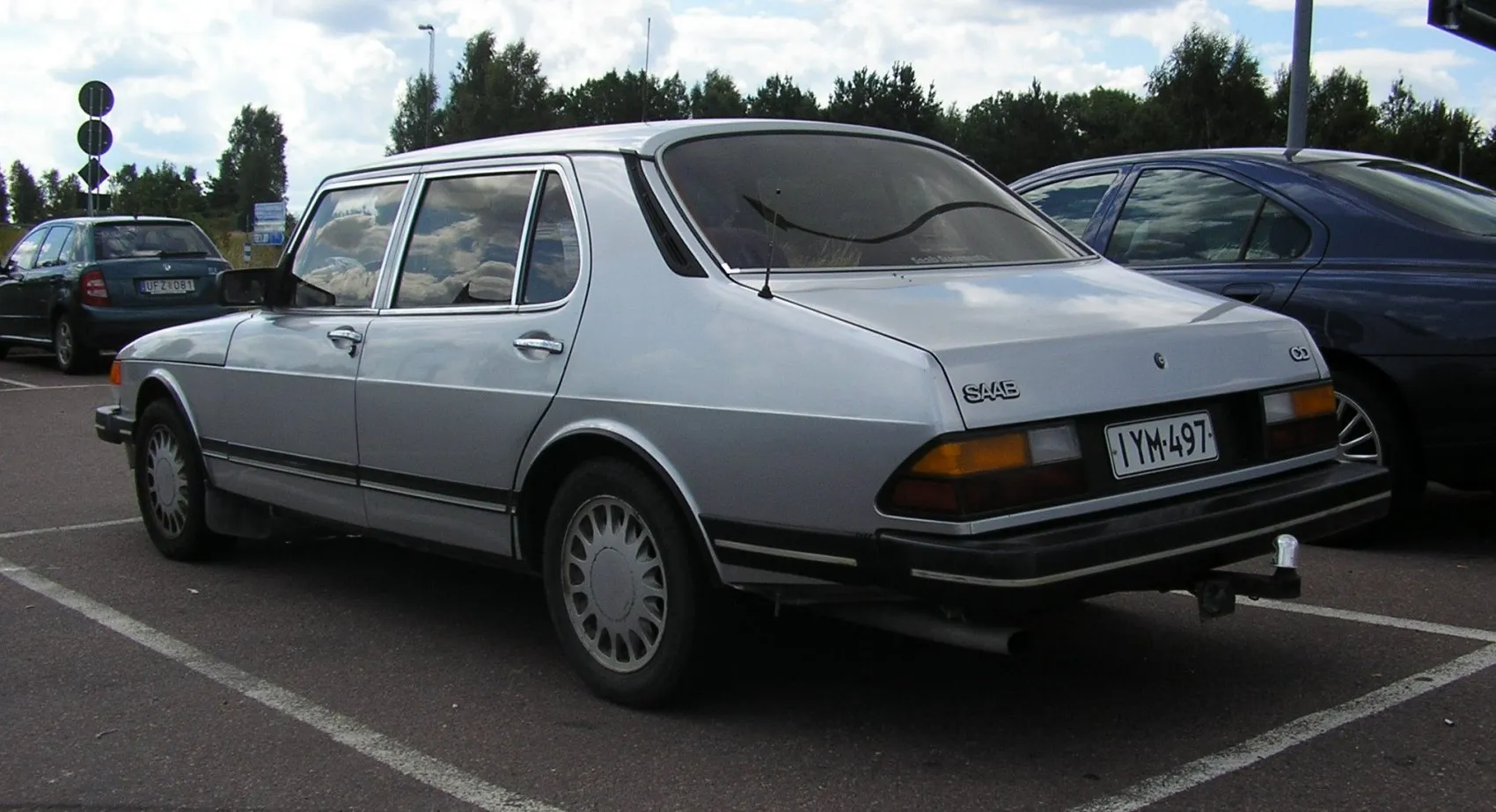
Saab 900 I 2.0 c (108 Hp)
Overall Rating
Saab 900:
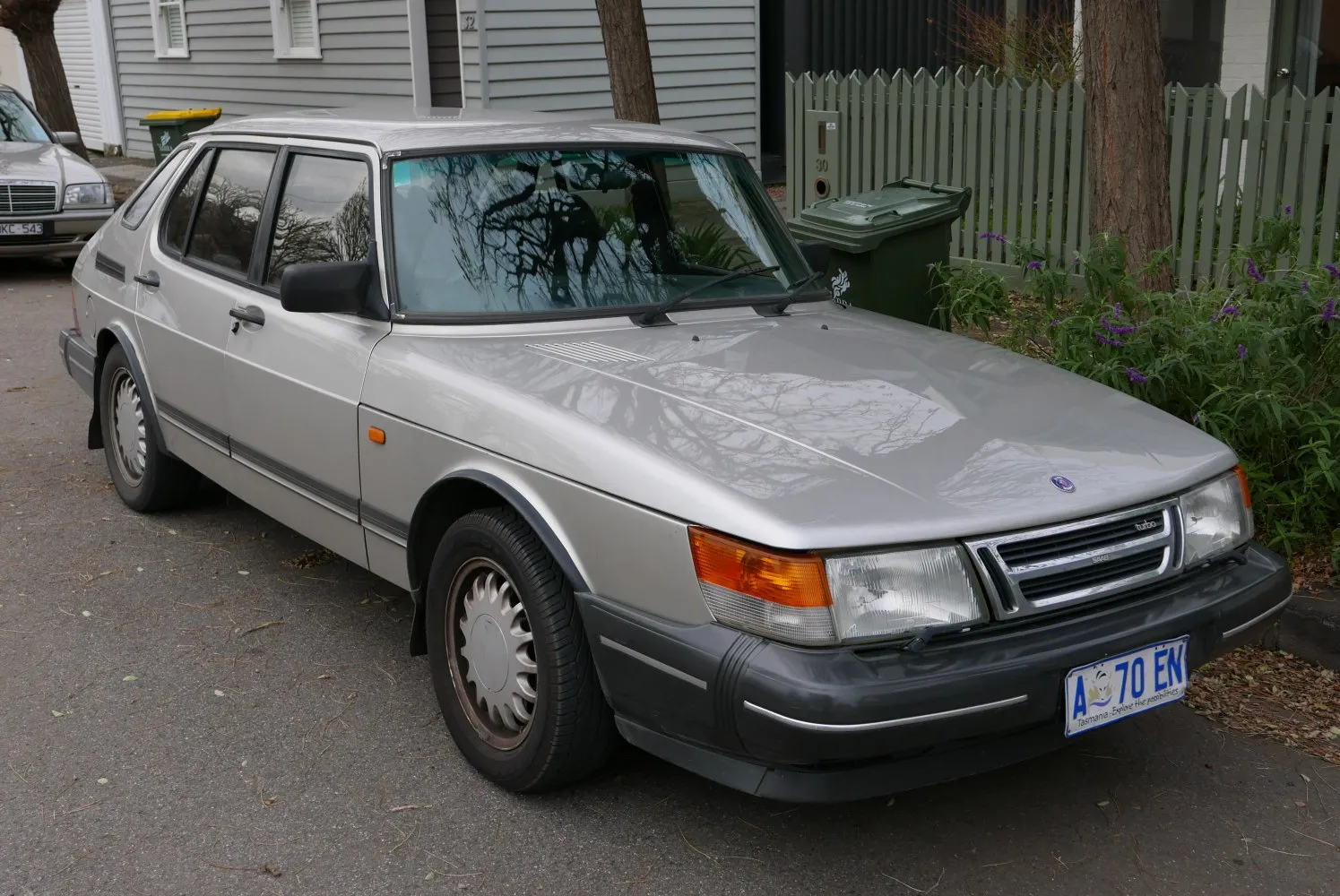
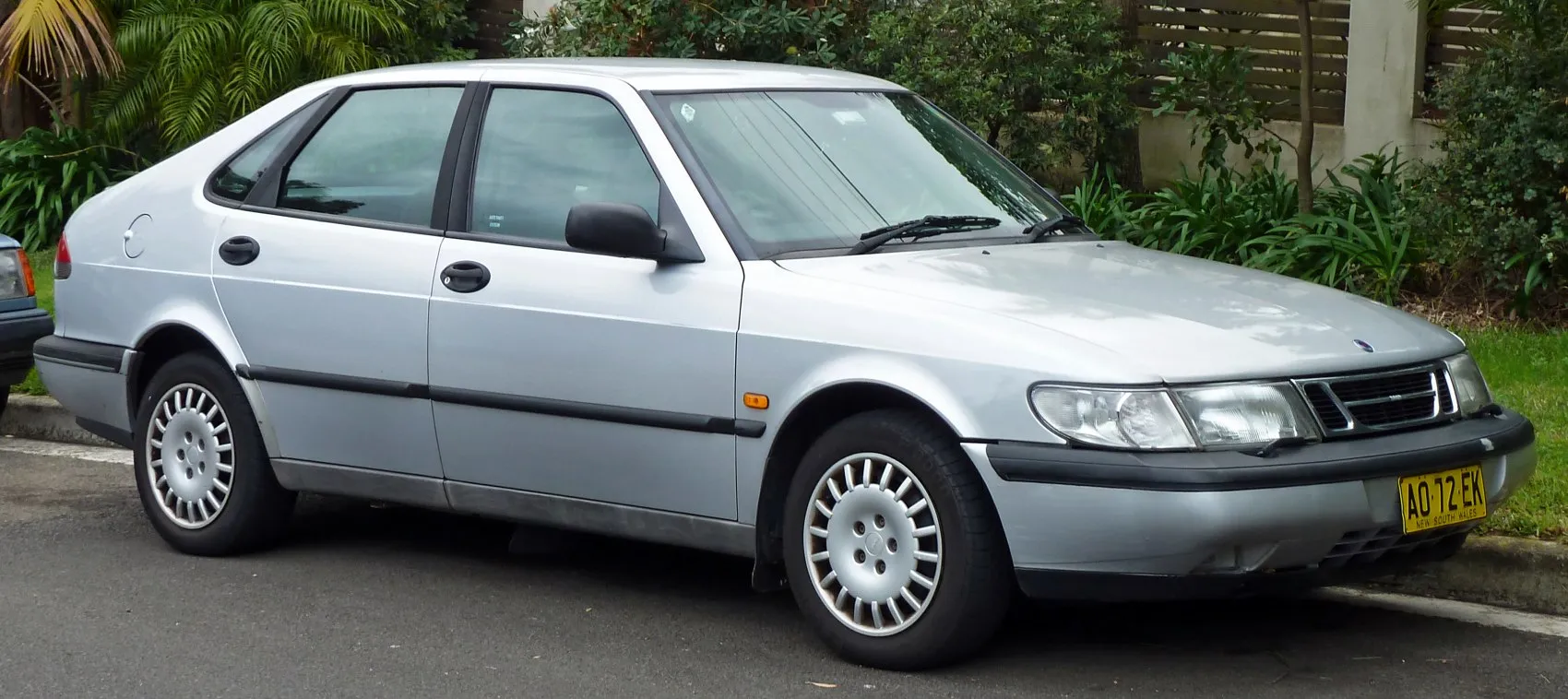
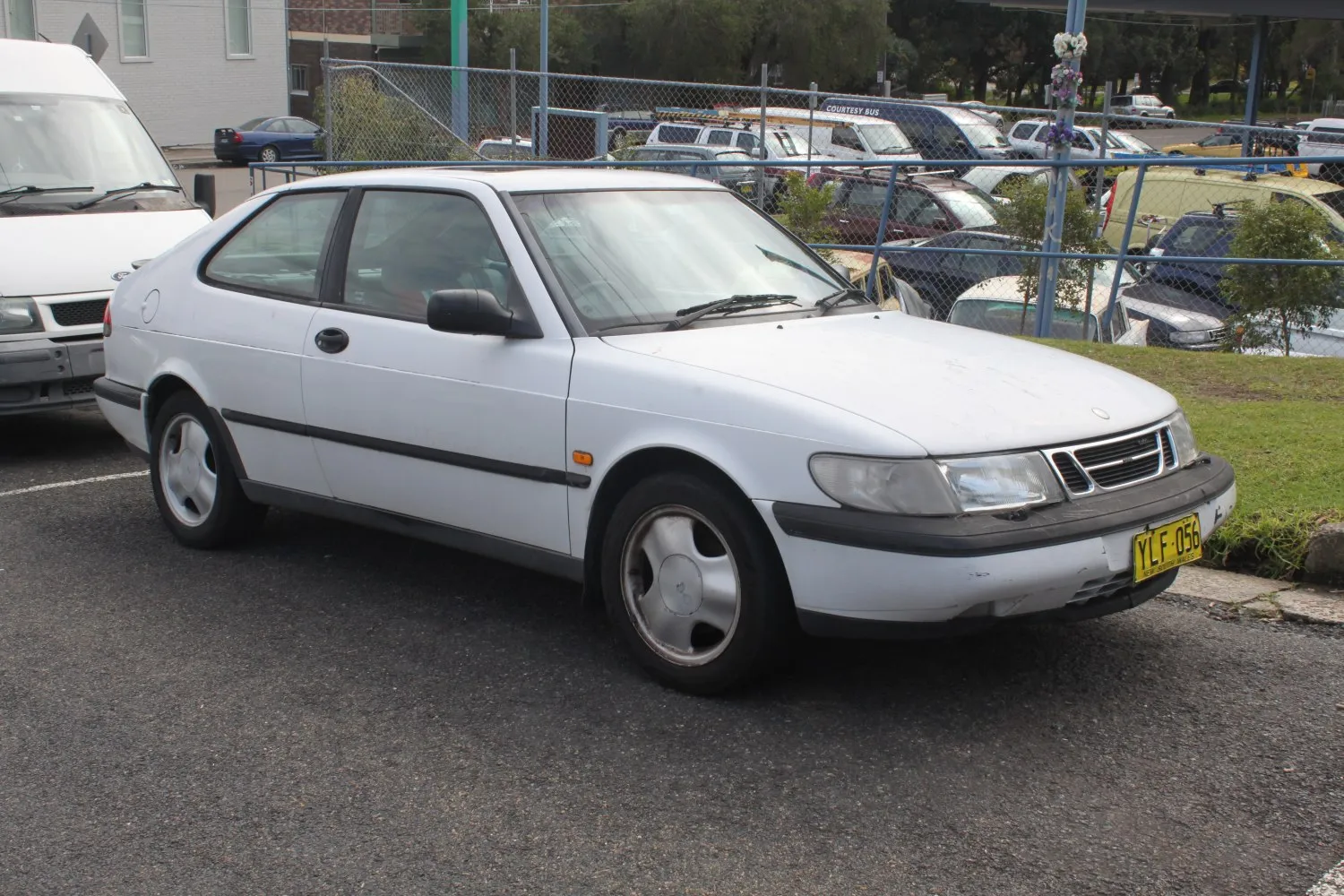
The Saab 900 is a mid-sized automobile produced by Swedish manufacturer Saab from 1978 until 1998 in two generations: the first from 1978 to 1994, and the second from 1994 to 1998.
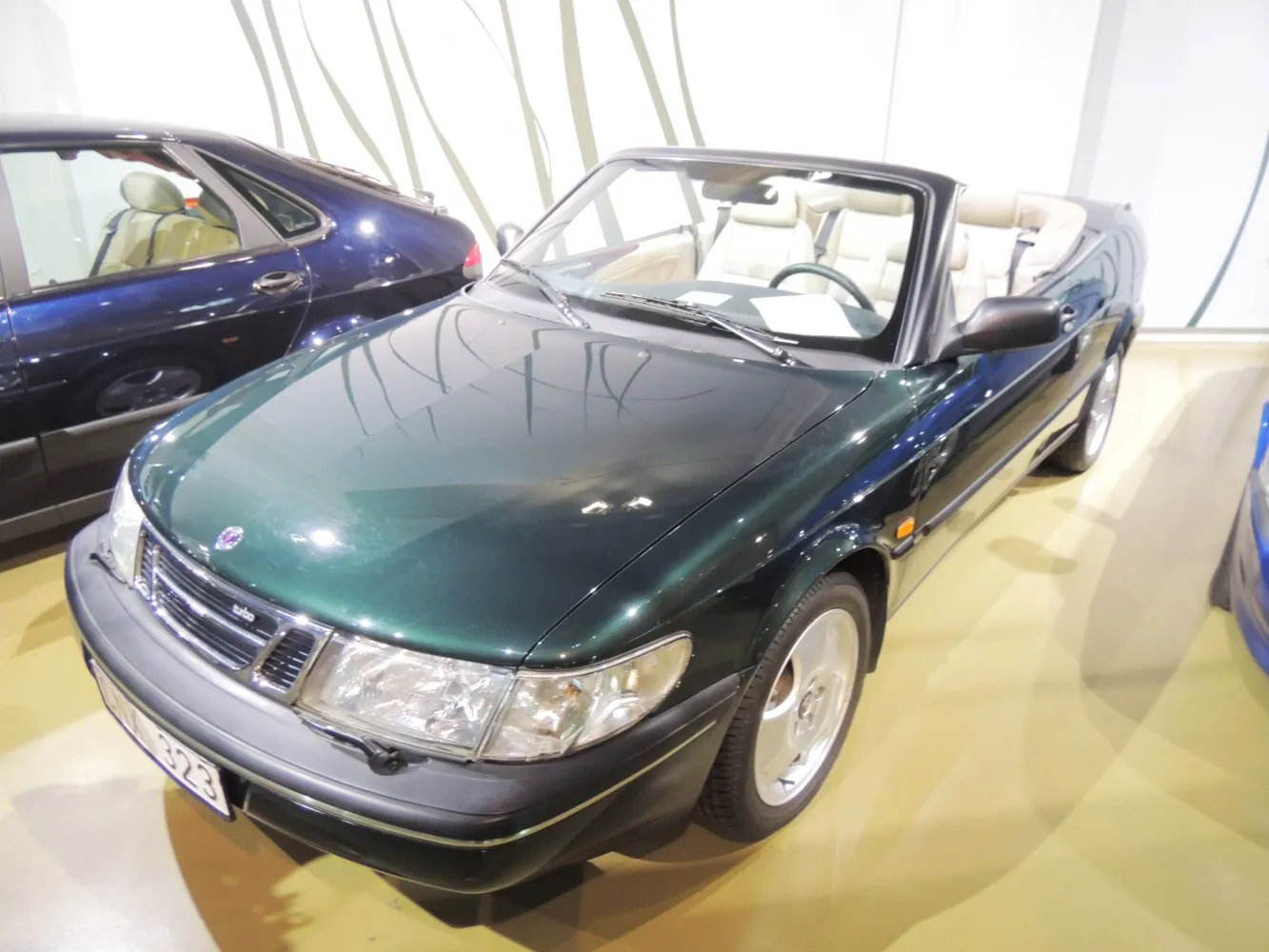
The first-generation car was based on the Saab 99 chassis, though with a longer front end to meet U. S. frontal crash regulations and to make room for the turbo-charged engines, air conditioning and other equipment that was not available in the early days of the 99 model. The 900 was produced in 2- and 4-door sedan, and 3- and 5-door hatchback configurations and, from 1986, as a cabriolet model. There were single- and twin-Zenith carburettor; fuel injected, and turbocharged engines, including Full Pressure Turbo and, in European models during the early 1990s, Low Pressure Turbos....(Read more on Wikipedia)
I Overview:
Saab 900 (I). With 161 Nm of torque, it offers ample pulling power. Weighing only 1214 kg, it’s quite light. Front‑wheel drive delivers efficiency and easy handling. The top speed reaches 167 km/h. A four-door car with a separate trunk, ideal for families and daily commuting. Seating for 5 makes it ideal for daily use.
The Saab 900 I was produced before Euro NCAP testing began in 1997. While considered robust for its era, its safety features are not comparable to modern standards.
2.0 c (108 Hp) Verdict:

Performance Verdict
The most basic and functional engine, providing adequate power for city driving but feeling underpowered on highways.
Fuel Economy
Fuel efficiency can vary due to carburetion, potentially less efficient than fuel-injected counterparts.
Pros and Cons:
Pros:
- • Distinctive and timeless design
- • Exceptional long-distance comfort with ergonomic seats
- • Robust and durable engines, especially the B201/B202 units
- • Practical hatchback body style with ample cargo space
- • Strong enthusiast community and classic appeal
Cons:
- • Finding parts and specialized mechanics can be challenging and costly today
- • Outdated safety technology compared to modern vehicles
- • Early turbo models exhibit noticeable turbo lag
- • Fuel economy, especially on older turbo variants, is not competitive by modern standards
- • Some interior plastics can become brittle with age
Specifications:
Specifications are compared to those of the previous generation(I Combi Coupe: 1979 - 1986).
| General: | |
|---|---|
| Brand: | Saab |
| Model: | 900 |
| Generation: | I |
| Modification (Engine): | 2.0 c (108 Hp) |
| Start of production: | 1980 |
| End of production: | 1984 |
| Powertrain Architecture: | Internal Combustion engine |
| Body type: | Sedan |
| Seats: | 5 |
| Doors: | 4 |
| Engine: | |
|---|---|
| Power: | 108 Hp @ 5200 rpm. |
| Power per litre: | 54.4 Hp/l [worst than previous generation] |
| Torque: | 161 Nm @ 3500 rpm. |
| Engine Model/Code: | B201 [Same engine] More details about the engine B201 |
| Engine displacement: | 1985 |
| Number of cylinders: | 4 |
| Engine configuration: | Inline |
| Number of valves per cylinder: | 2 |
| Fuel injection system: | Carburettor |
| Engine aspiration: | Naturally aspirated engine |
| Valvetrain: | DOHC |
| Engine oil capacity: | 3.8 l |
| Coolant: | 10 l |
| Engine layout: | Front, Transverse |
| Cylinder Bore: | 90 mm mm |
| Piston Stroke: | 78 mm mm |
| Compression ratio: | 9.2:1 |
| Performance: | |
|---|---|
| Fuel Type: | Petrol (Gasoline) |
| Maximum speed: | 167 km/h |
| Weight-to-power ratio: | 11.2 kg/Hp, 89 Hp/tonne |
| Weight-to-torque ratio: | 7.5 kg/Nm, 132.6 Nm/tonne |
| Space: | |
|---|---|
| Kerb Weight: | 1214 |
| Size: | |
|---|---|
| Length: | 4941 mm mm |
| Width: | 1690 mm mm |
| Height: | 1422 mm mm |
| Wheelbase: | 2718 mm mm |
| Powertrain: | |
|---|---|
| Drivetrain Architecture | The Internal combustion engine (ICE) drives the front wheels of the vehicle. |
| Drive wheel | Front wheel drive |
| Number of gears | 5 |
| Transmission type | Manual |






Describe your experience with the Saab 900 using only emojis!