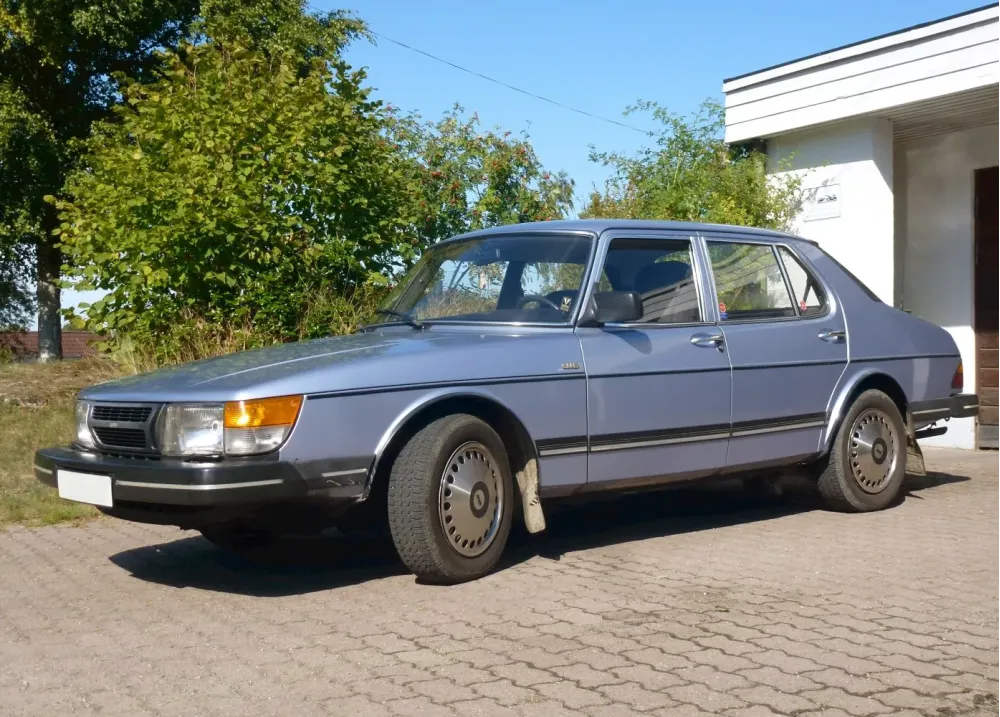
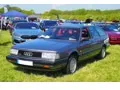
Click on image to view the full photo gallery
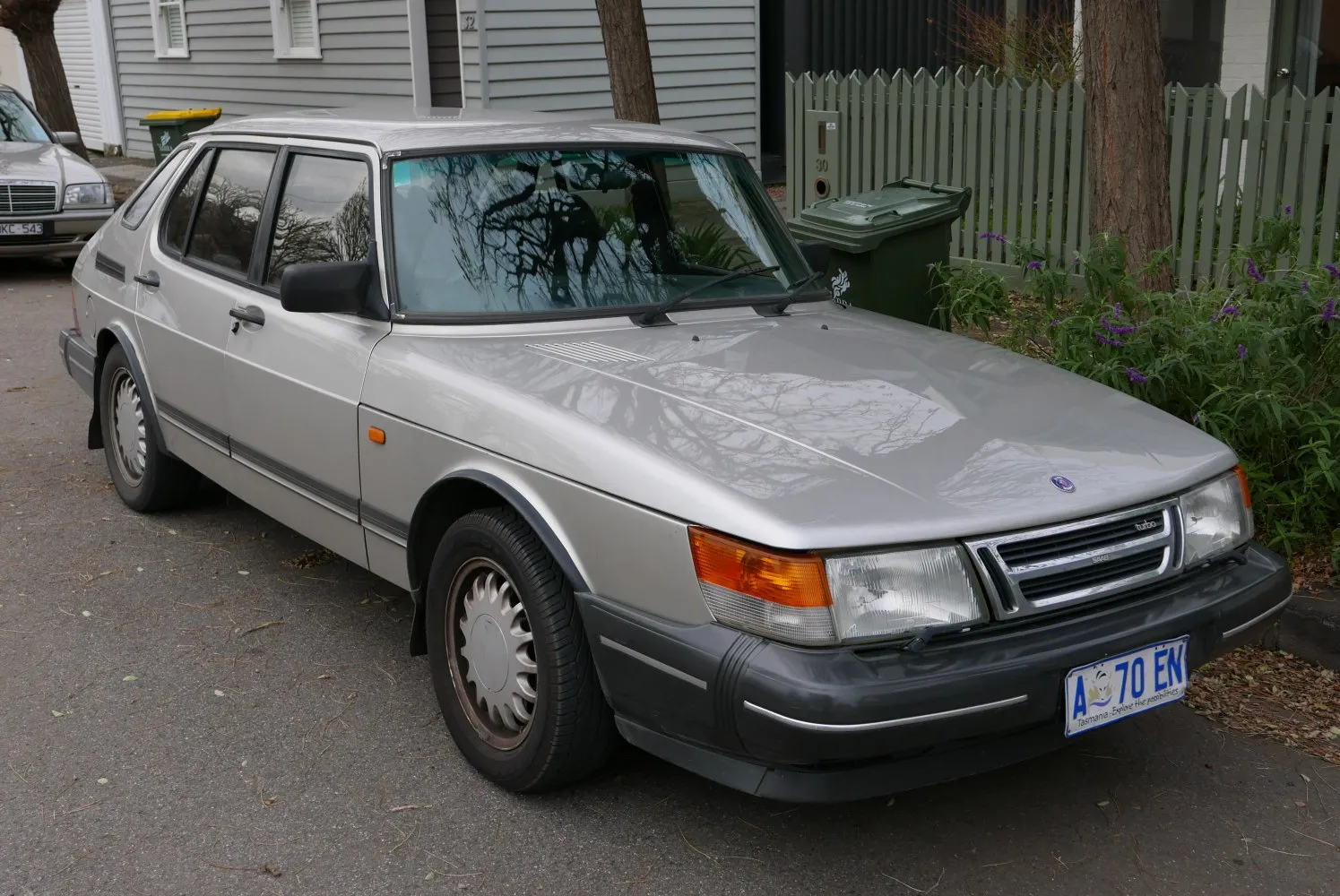
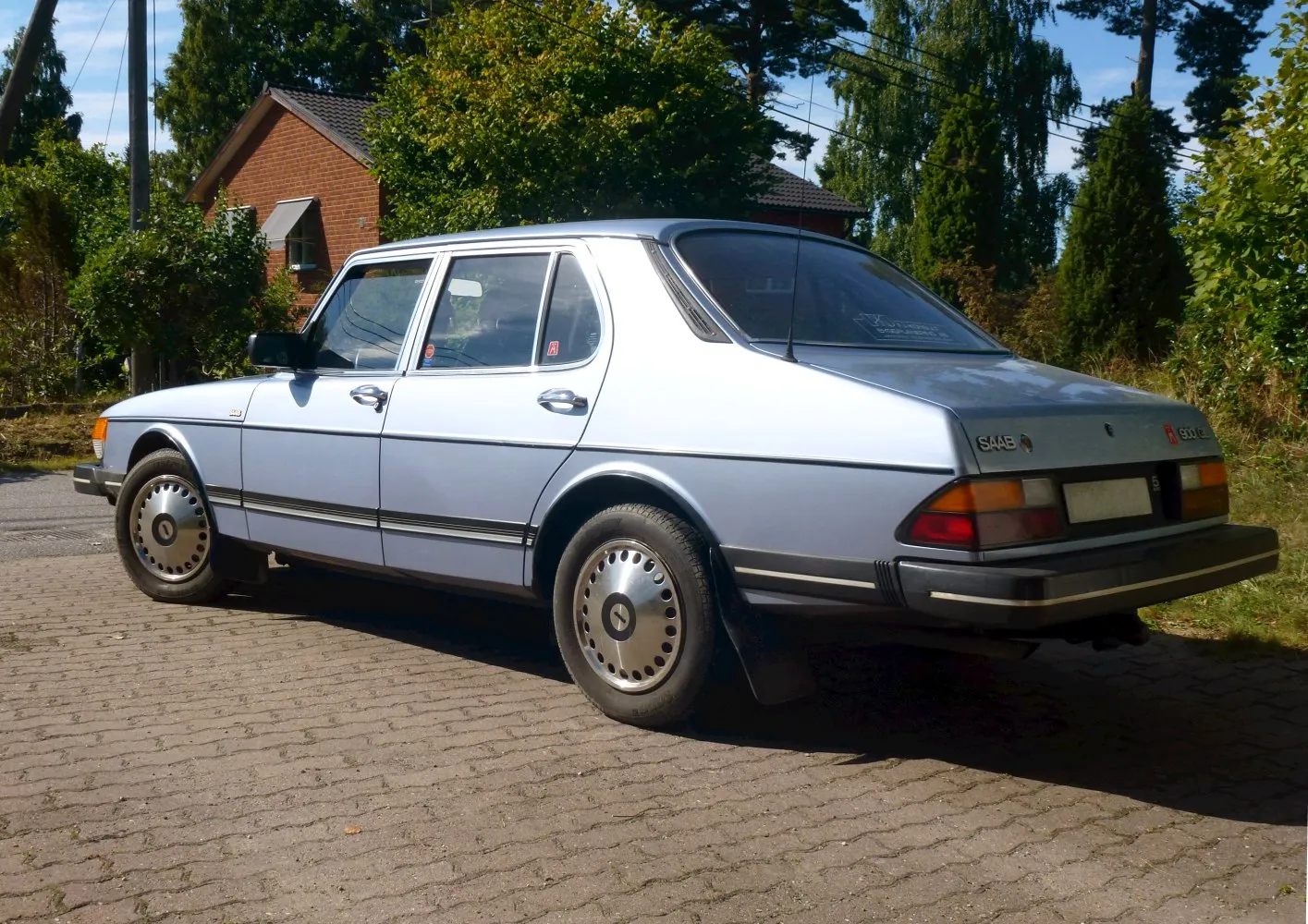
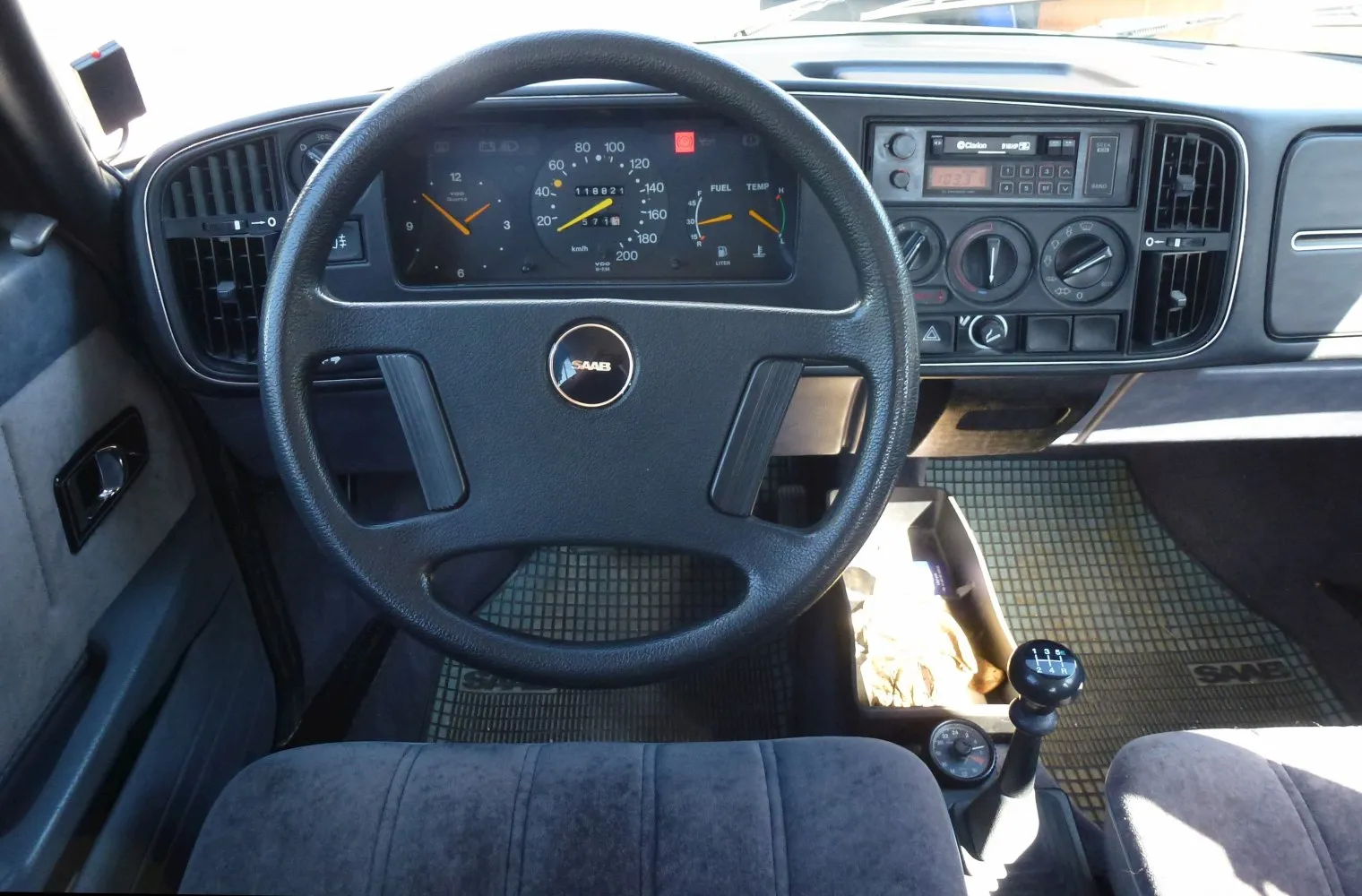
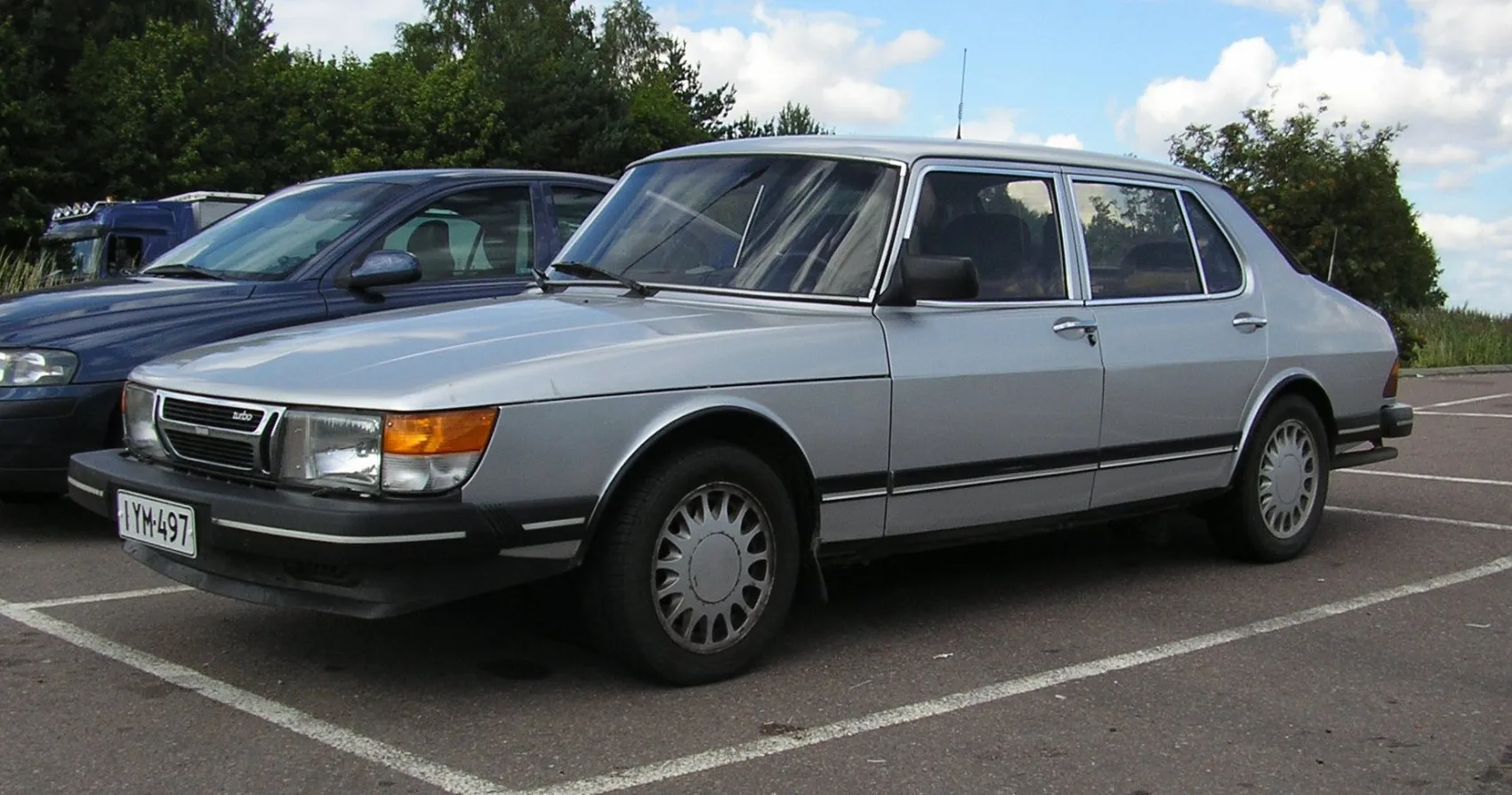
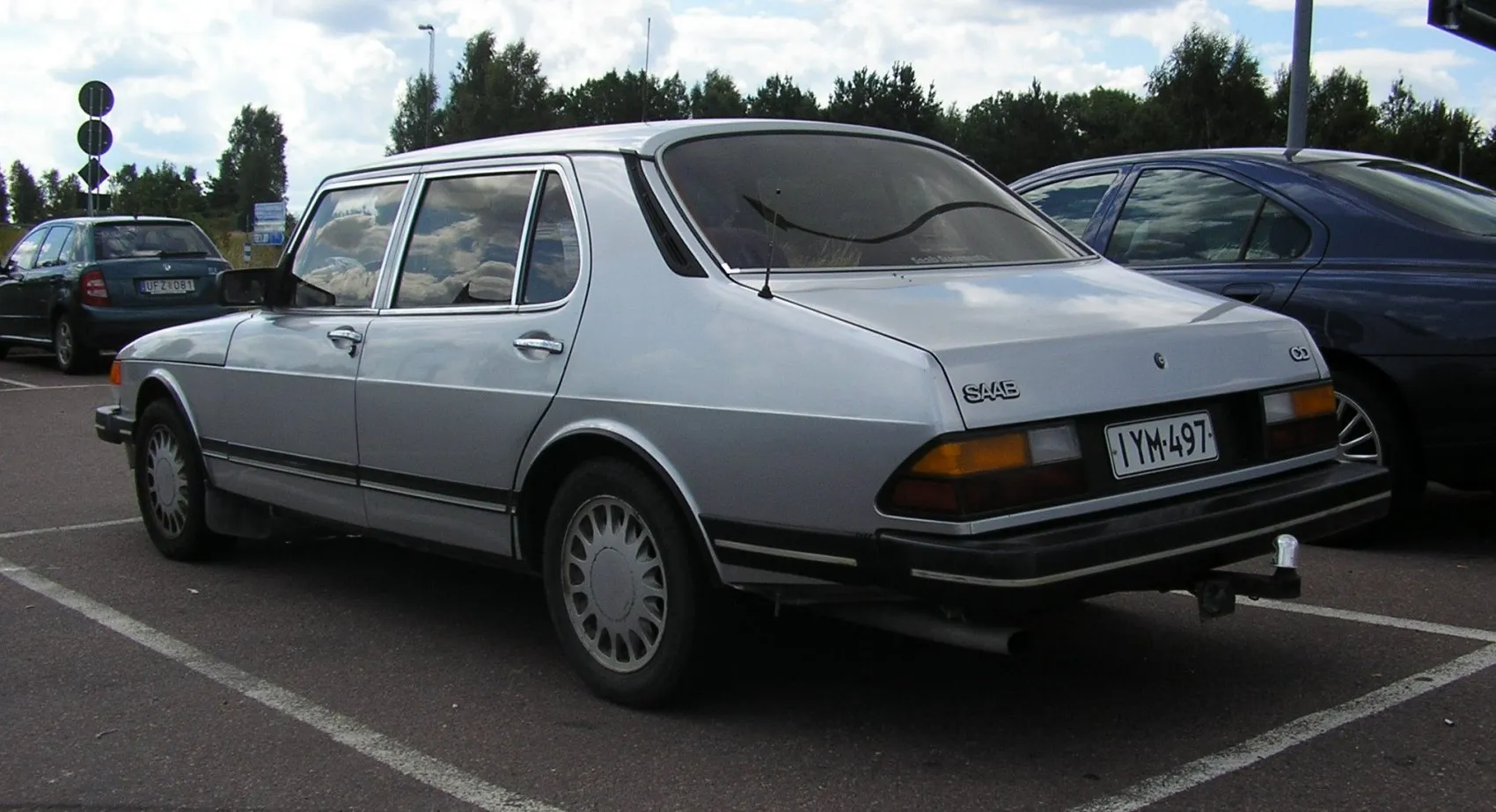
Saab 900 I 2.0 i 16V Turbo (175 Hp)
Overall Rating
Saab 900:
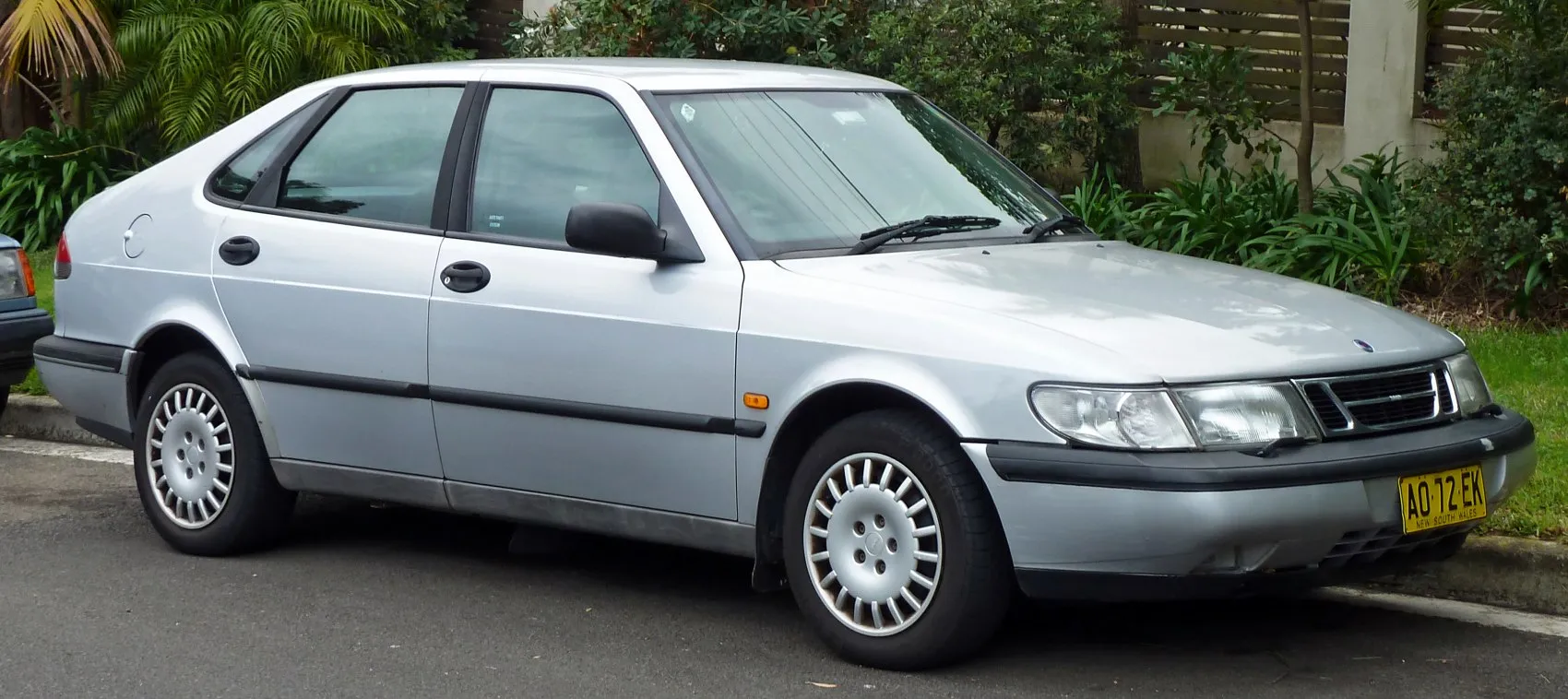
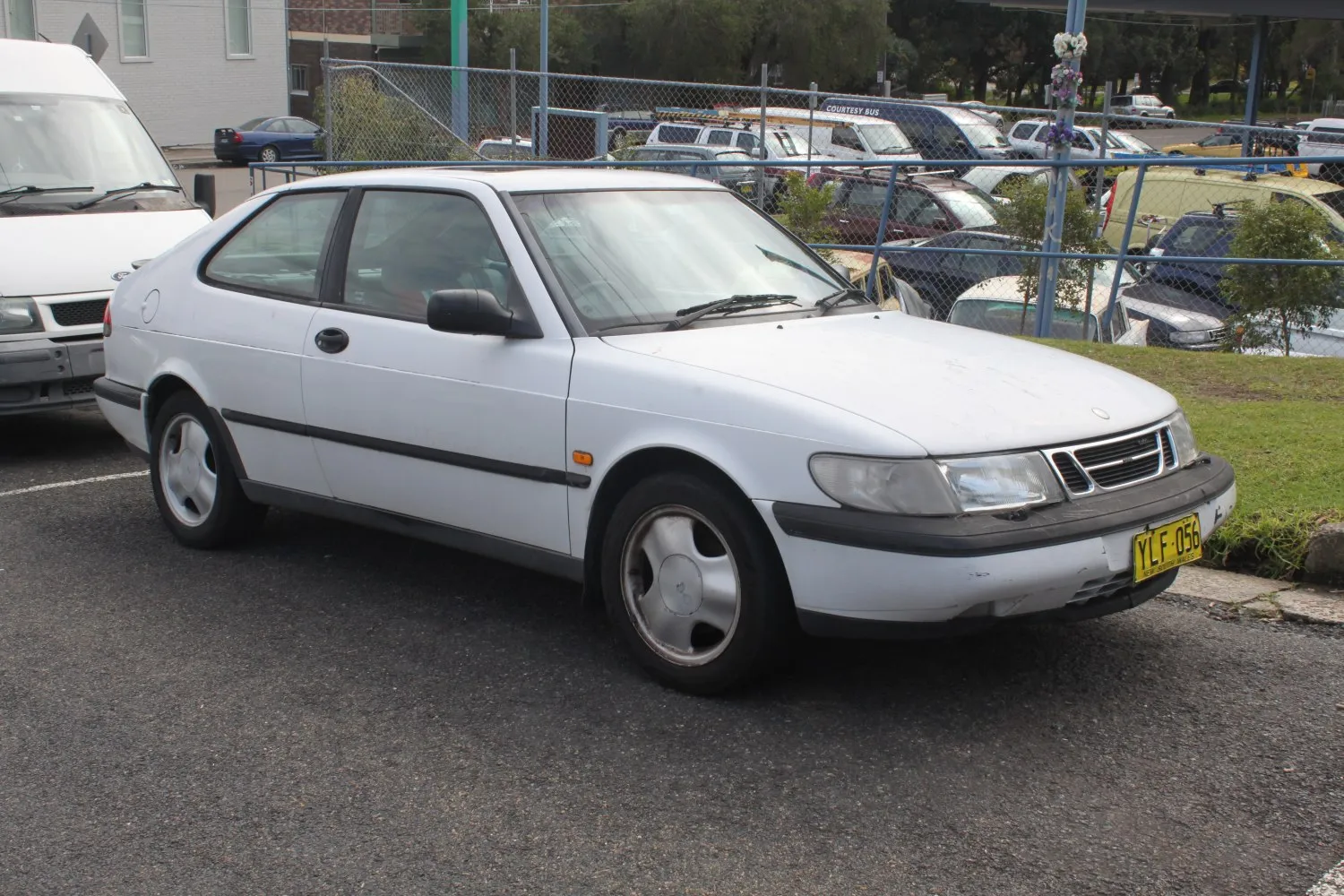
The Saab 900 is a mid-sized automobile produced by Swedish manufacturer Saab from 1978 until 1998 in two generations: the first from 1978 to 1994, and the second from 1994 to 1998.
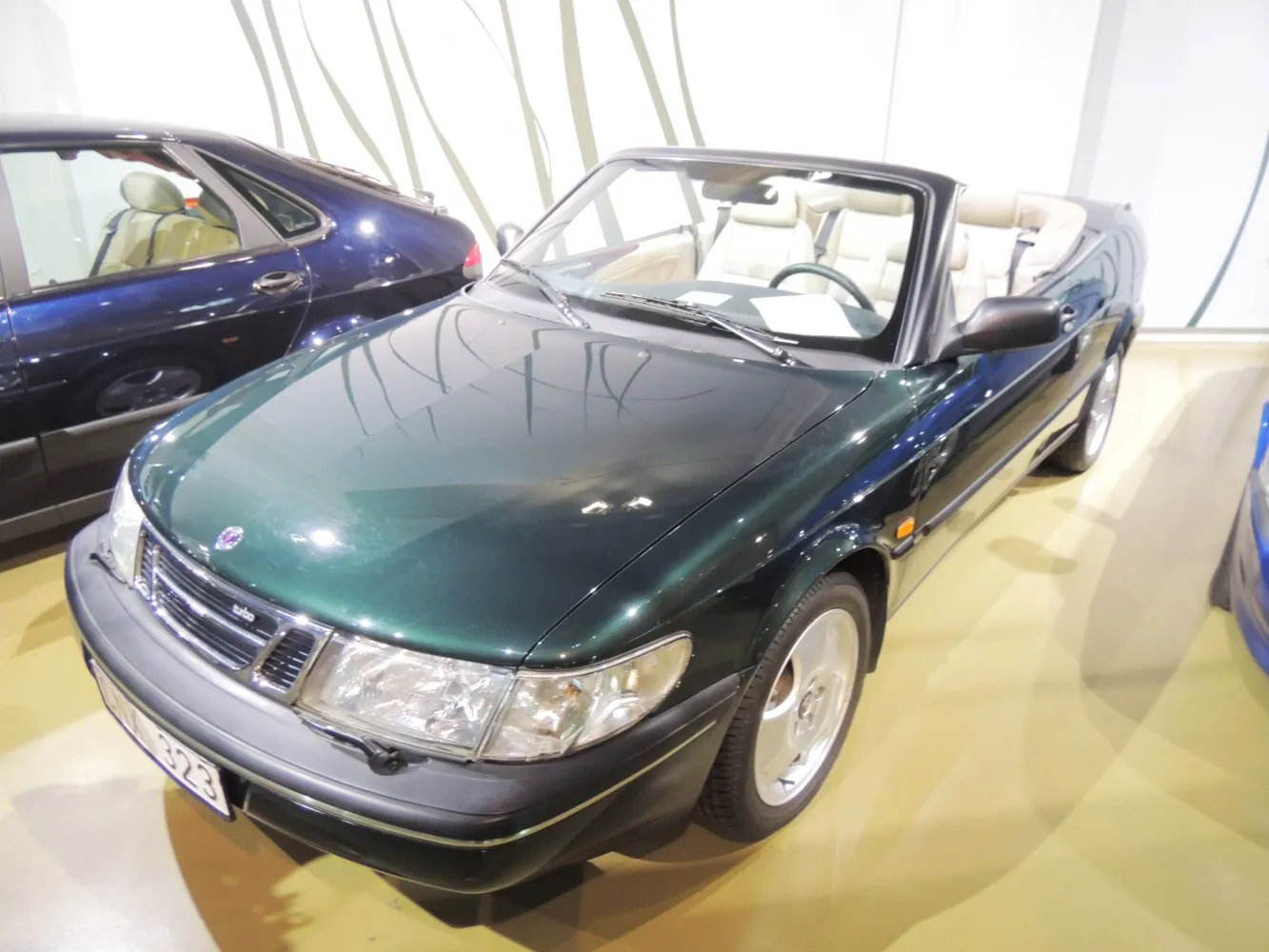
The first-generation car was based on the Saab 99 chassis, though with a longer front end to meet U. S. frontal crash regulations and to make room for the turbo-charged engines, air conditioning and other equipment that was not available in the early days of the 99 model. The 900 was produced in 2- and 4-door sedan, and 3- and 5-door hatchback configurations and, from 1986, as a cabriolet model. There were single- and twin-Zenith carburettor; fuel injected, and turbocharged engines, including Full Pressure Turbo and, in European models during the early 1990s, Low Pressure Turbos....(Read more on Wikipedia)
I Overview:
Saab 900 (I). With 273 Nm of torque, it offers ample pulling power. It has moderate fuel consumption (~11.2 l/100km). With a weight of 1315 kg, it falls in the mid‑range. Front‑wheel drive delivers efficiency and easy handling. Acceleration is good (0–100 km/h in 8.7 s). The top speed reaches 210 km/h. A four-door car with a separate trunk, ideal for families and daily commuting. Seating for 5 makes it ideal for daily use.
The Saab 900 I was produced before Euro NCAP testing began in 1997. While considered robust for its era, its safety features are not comparable to modern standards.
2.0 i 16V Turbo (175 Hp) Verdict:

Performance Verdict
The pinnacle of 900 I performance, offering excellent acceleration and smoother power delivery with reduced turbo lag due to its 16-valve head.
Fuel Economy
Improved efficiency over earlier 8V turbos, but still a performance-oriented engine with higher fuel demands.
Pros and Cons:
Pros:
- • Distinctive and timeless design
- • Exceptional long-distance comfort with ergonomic seats
- • Robust and durable engines, especially the B201/B202 units
- • Practical hatchback body style with ample cargo space
- • Strong enthusiast community and classic appeal
Cons:
- • Finding parts and specialized mechanics can be challenging and costly today
- • Outdated safety technology compared to modern vehicles
- • Early turbo models exhibit noticeable turbo lag
- • Fuel economy, especially on older turbo variants, is not competitive by modern standards
- • Some interior plastics can become brittle with age
Specifications:
Specifications are compared to those of the previous generation(I Combi Coupe: 1980 - 1986).
| General: | |
|---|---|
| Brand: | Saab |
| Model: | 900 |
| Generation: | I |
| Modification (Engine): | 2.0 i 16V Turbo (175 Hp) |
| Start of production: | 1984 |
| End of production: | 1986 |
| Powertrain Architecture: | Internal Combustion engine |
| Body type: | Sedan |
| Seats: | 5 |
| Doors: | 4 |
| Engine: | |
|---|---|
| Power: | 175 Hp @ 5500 rpm. Same horsepower |
| Power per litre: | 88.2 Hp/l [worst than previous generation] |
| Torque: | 273 Nm @ 2800 rpm. |
| Engine Model/Code: | B202 More details about the engine B202 |
| Engine displacement: | 1985 |
| Number of cylinders: | 4 |
| Engine configuration: | Inline |
| Number of valves per cylinder: | 4 |
| Fuel injection system: | Multi-port manifold injection |
| Engine aspiration: | Turbocharger |
| Engine oil capacity: | 4 l |
| Coolant: | 10 l |
| Engine layout: | Front, Transverse |
| Cylinder Bore: | 90 mm mm |
| Piston Stroke: | 78 mm mm |
| Compression ratio: | 9:1 |
| Performance: | |
|---|---|
| Fuel Type: | Petrol (Gasoline) |
| Fuel consumption (economy) - urban: | 11.2 l/100 km |
| Fuel consumption (economy) - extra urban: | 6.8 l/100 km |
| Fuel consumption (economy) - combined: | 10.2 l/100 km |
| Acceleration 0 - 100 km/h: | 8.7 sec |
| Acceleration 0 - 62 mph: | 8.7 sec |
| Maximum speed: | 210 km/h |
| Weight-to-power ratio: | 7.5 kg/Hp, 133.1 Hp/tonne |
| Weight-to-torque ratio: | 4.8 kg/Nm, 207.6 Nm/tonne |
| Acceleration 0 - 60 mph: | 8.3 sec |
| Space: | |
|---|---|
| Kerb Weight: | 1315 |
| Max. weight: | 1740 |
| Max load: | 425 |
| Trunk (boot) space - maximum: | 1600 l |
| Trunk (boot) space - minimum: | 600 l |
| Fuel tank capacity: | 63 l |
| Size: | |
|---|---|
| Length: | 4680 mm mm |
| Width: | 1690 mm mm |
| Height: | 1420 mm mm |
| Wheelbase: | 2515 mm mm |
| Front track: | 1430 mm |
| Rear (Back) track: | 1440 mm |
| Powertrain: | |
|---|---|
| Drivetrain Architecture | The Internal combustion engine (ICE) drives the front wheels of the vehicle. |
| Drive wheel | Front wheel drive |
| Number of gears | 5 |
| Transmission type | Manual |
| Front brakes | Ventilated discs [Best for performance and cooling.] |
| Rear brakes | Disc |
| Assisting systems | ABS (Anti-lock braking system) |
| Steering type | Steering rack and pinion |
| Power steering | Hydraulic Steering |
| Tires size | 195/60 VR15 |
| Wheel rims size | 15 |
| Front suspension | Wishbone |
| Rear suspension | Coil spring |




Better than its competitors? Tell us why the Saab 900 stands out.