
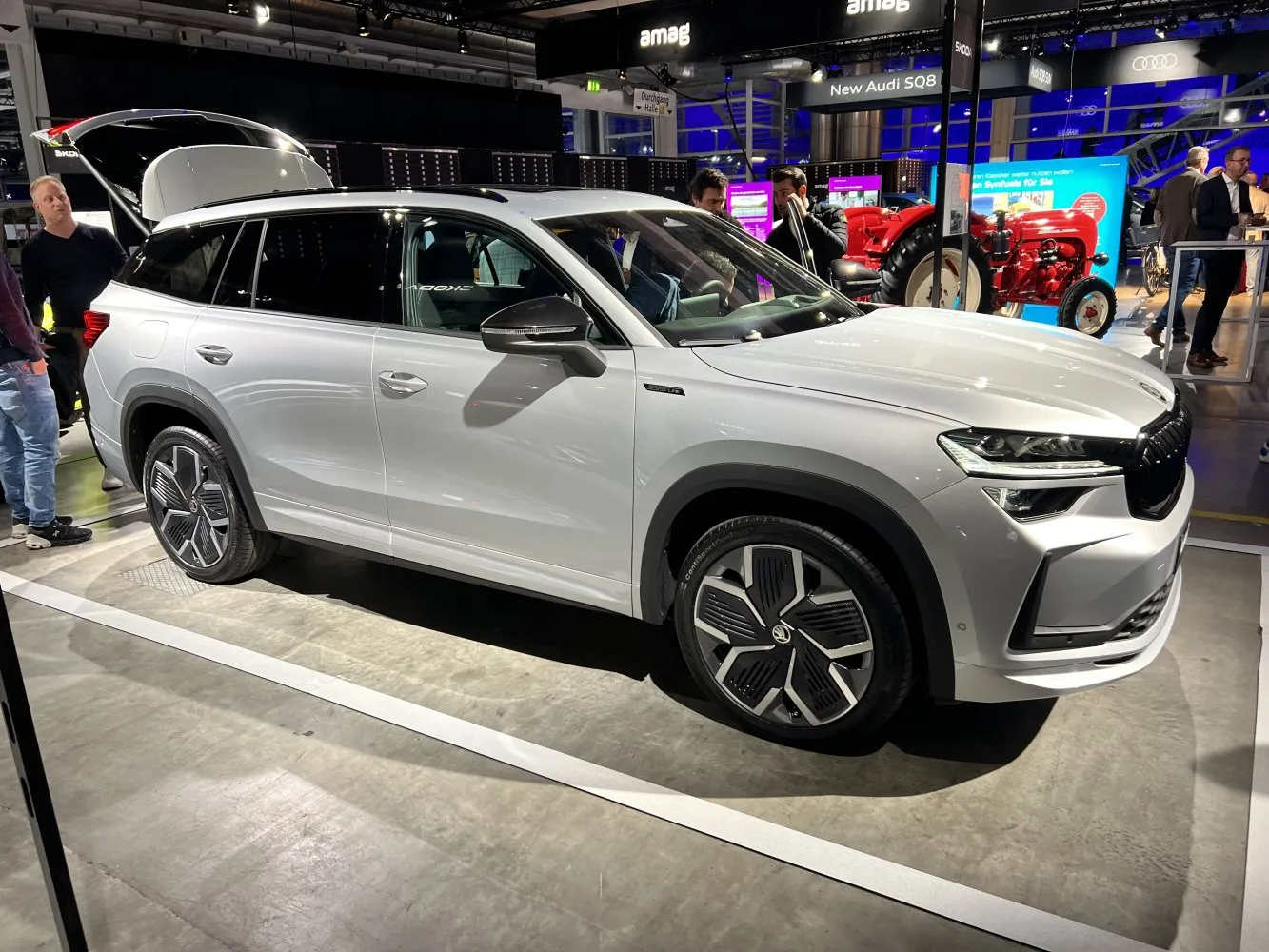
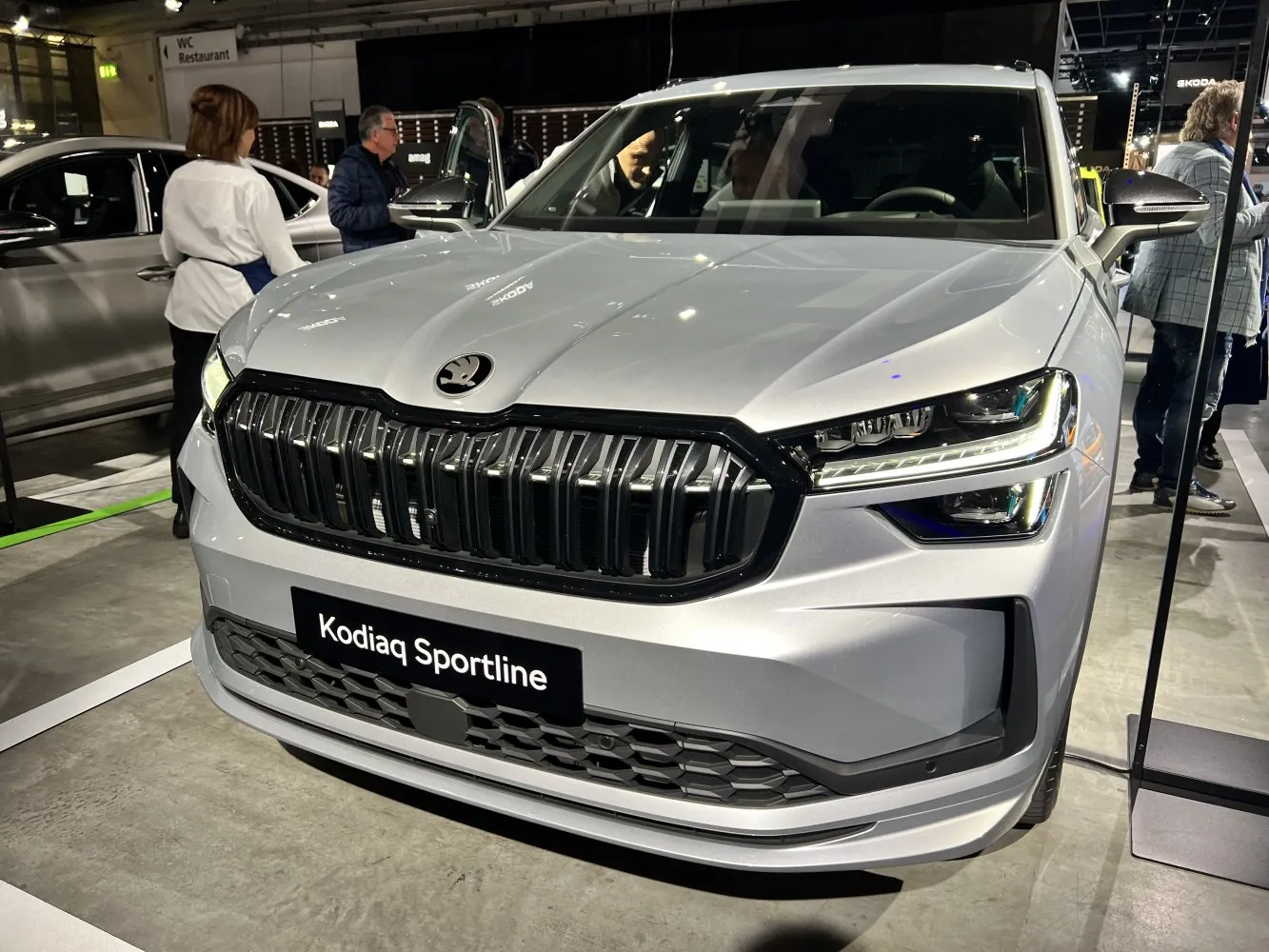
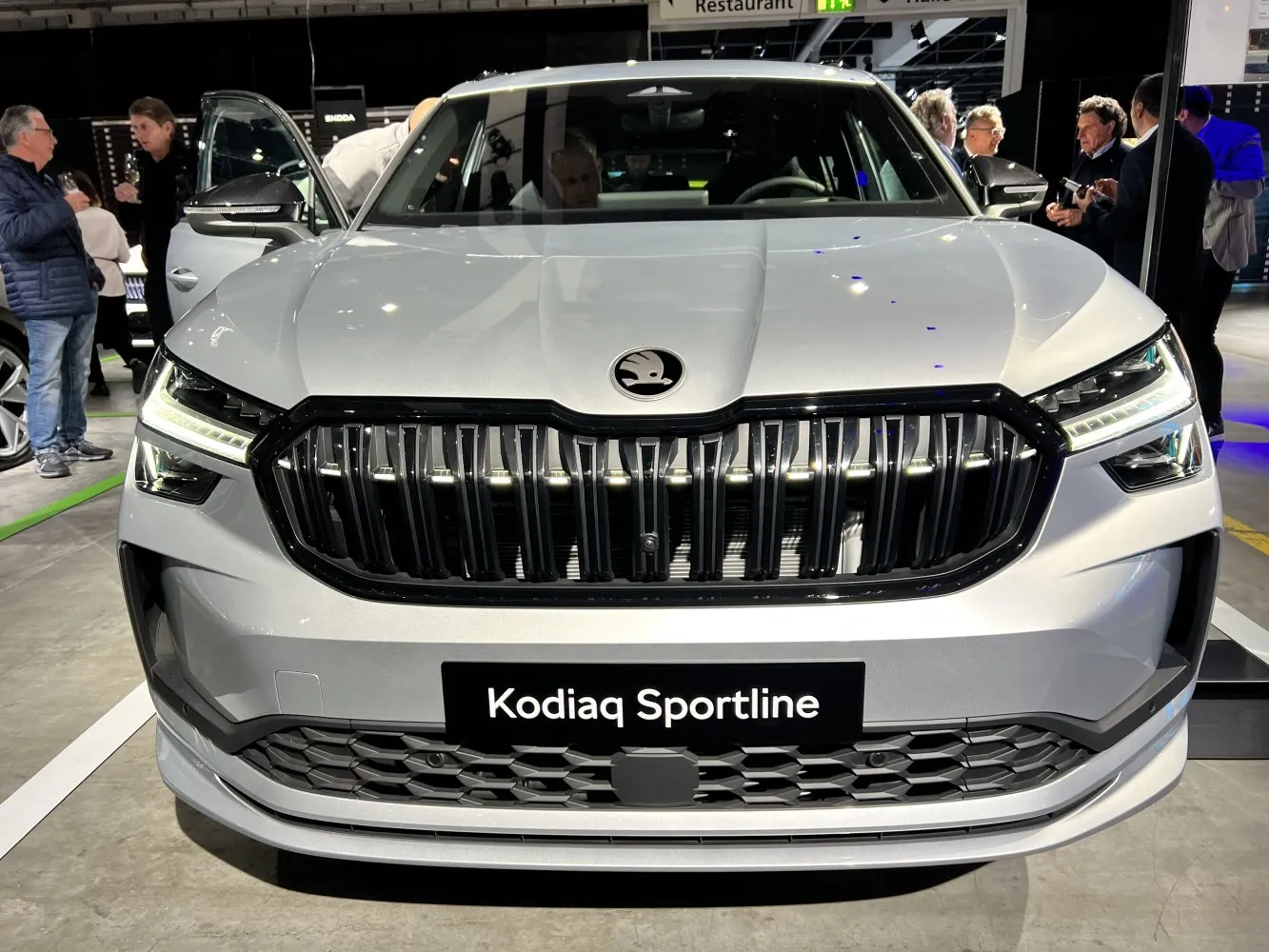
Click on image to view the full photo gallery
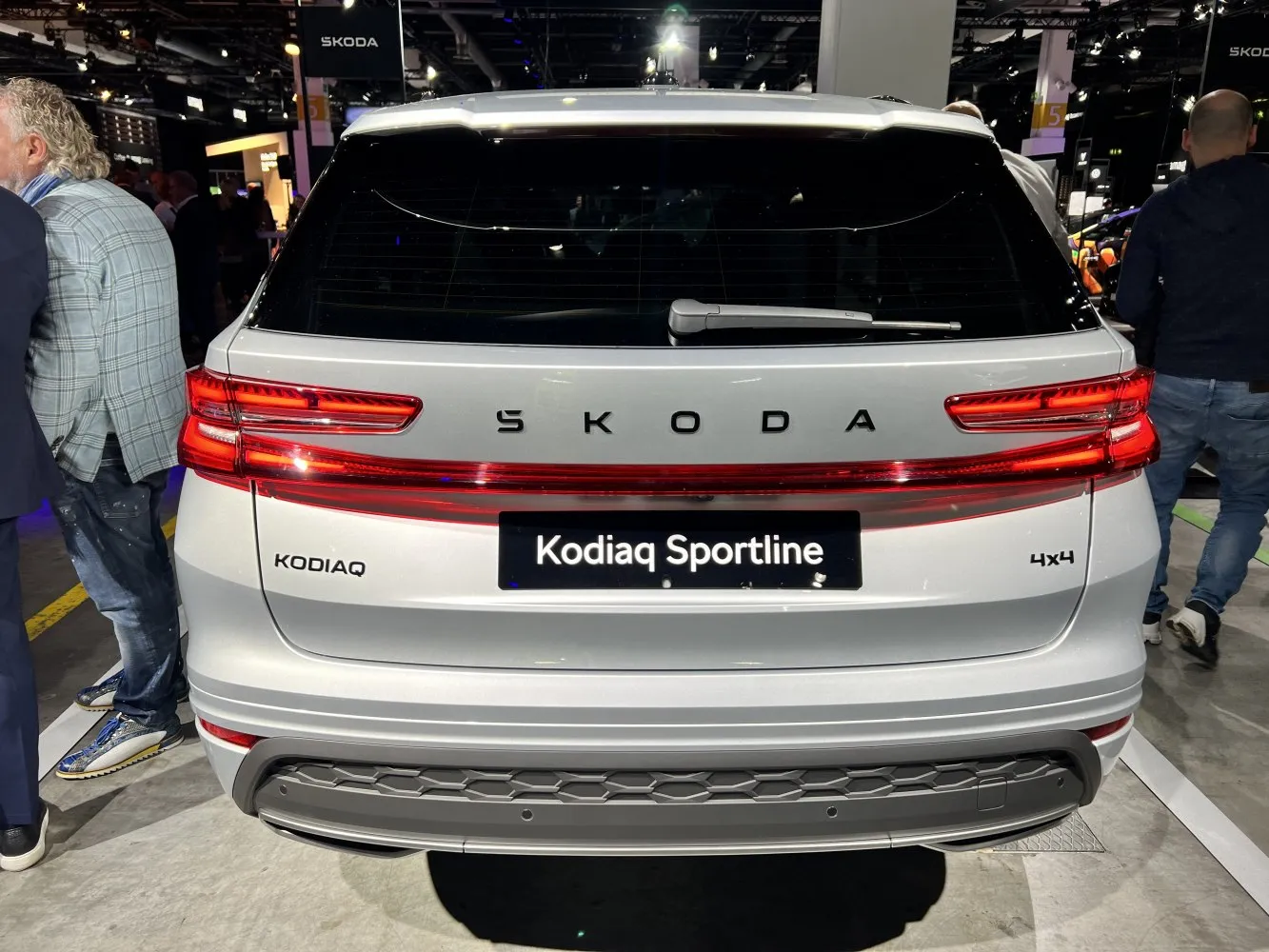
Skoda Kodiaq II 1.5 TSI (150 Hp) Mild Hybrid DSG
Overall Rating
Skoda Kodiaq:
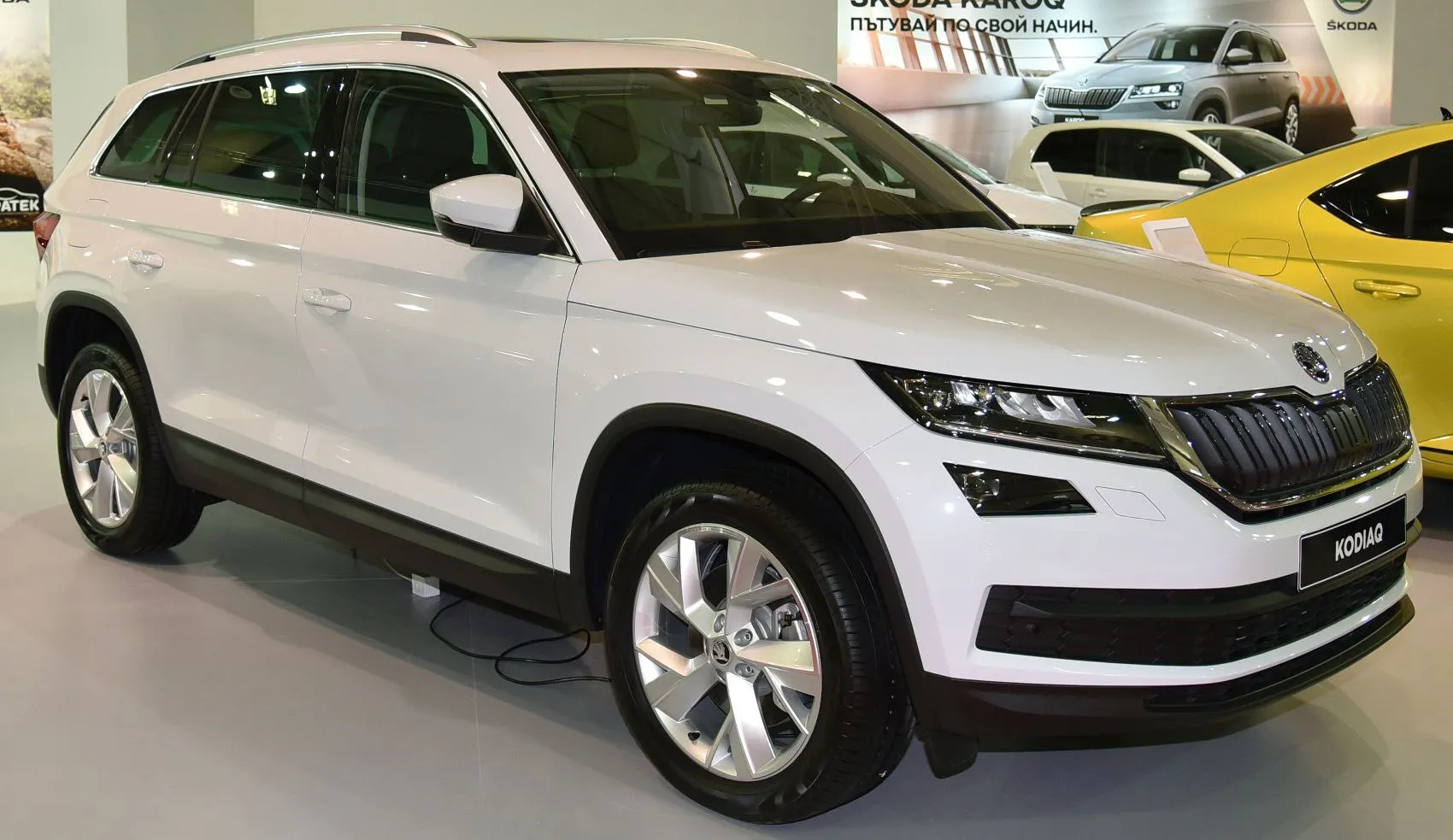
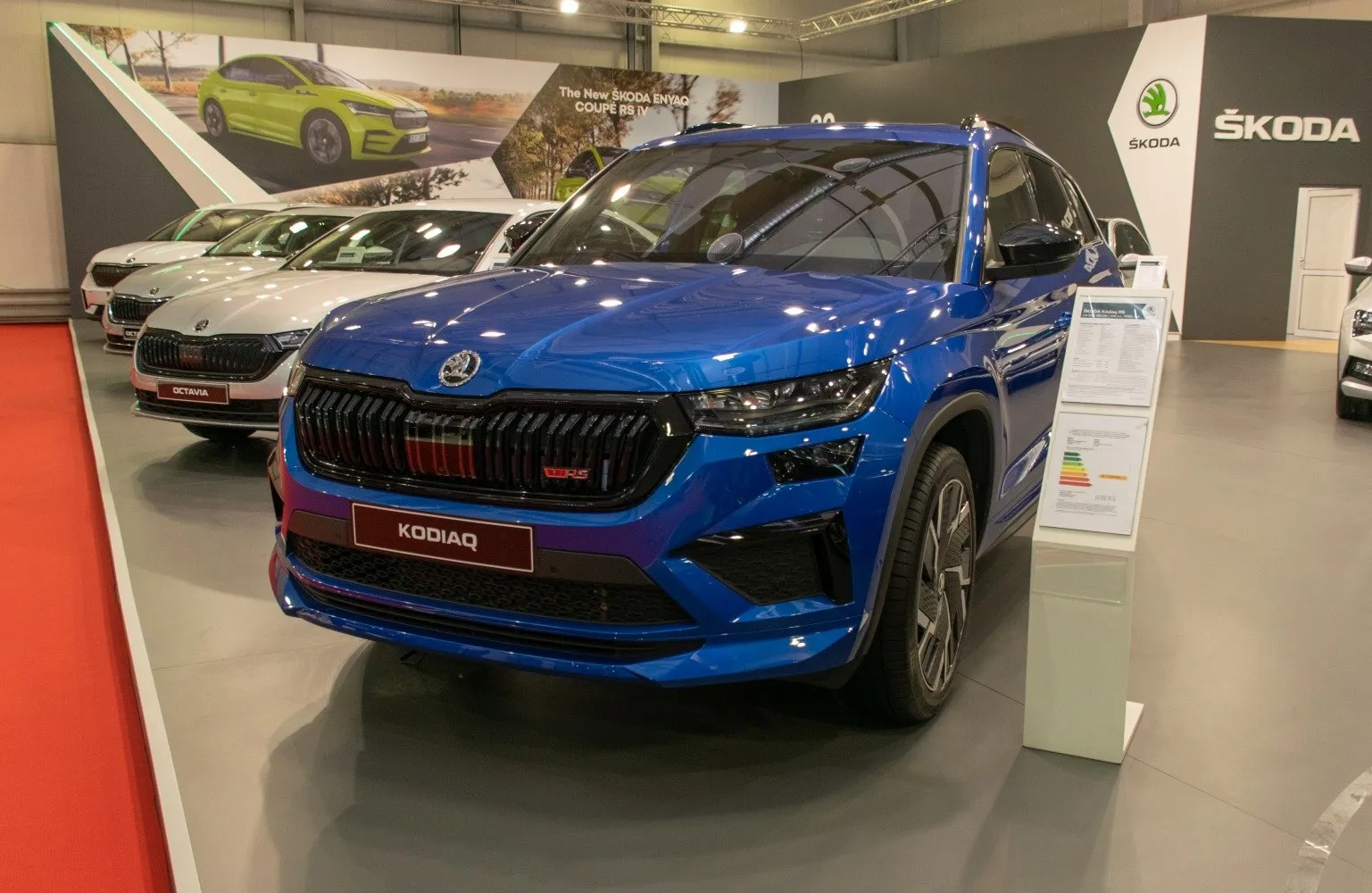
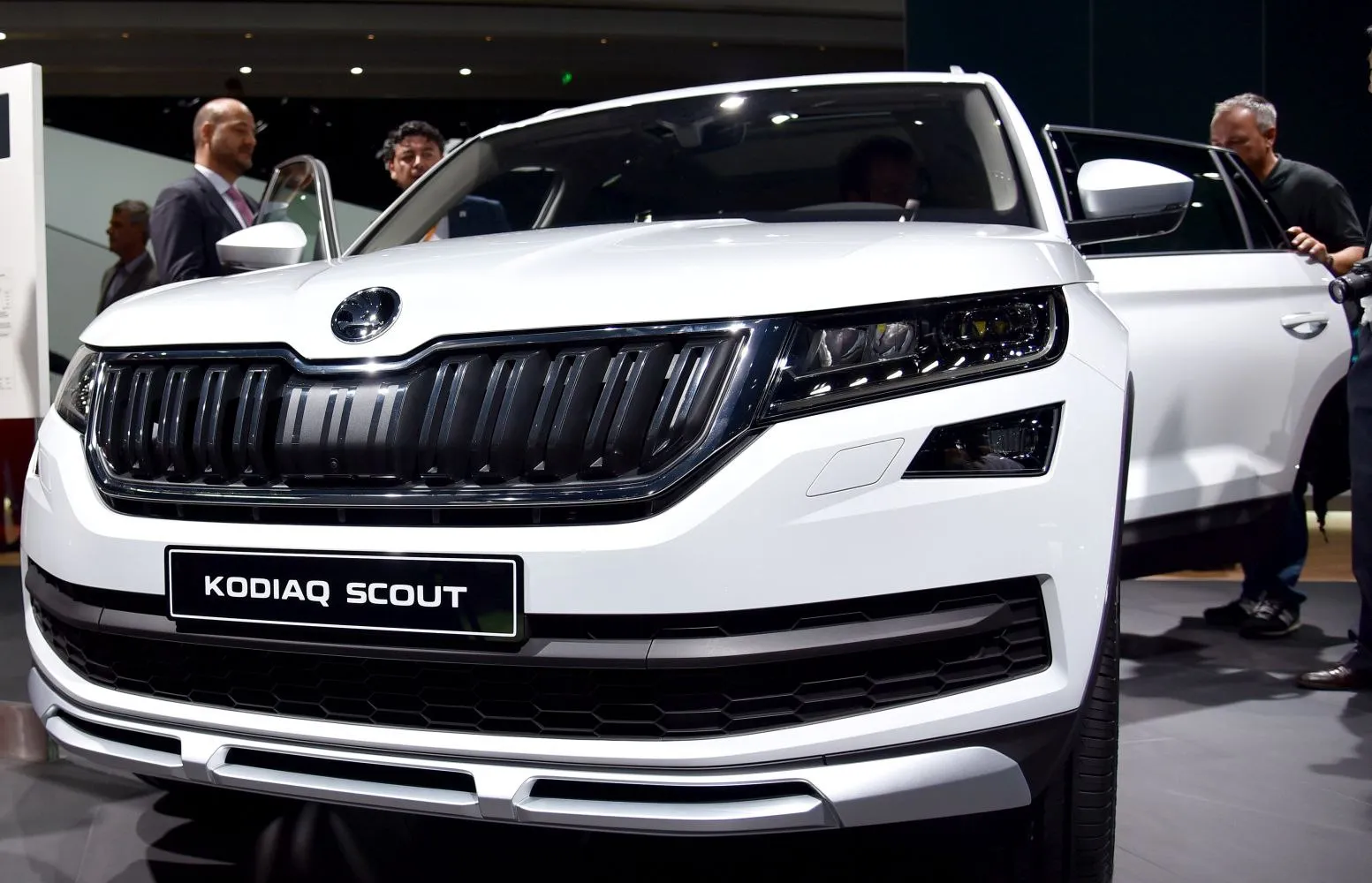
The Škoda Kodiaq is a mid-size crossover SUV with optional three-row seating manufactured by the Czech manufacturer Škoda Auto since 2016. The vehicle sits in Škoda's D-SUV, above the Kamiq and Karoq. The vehicle is based on the Volkswagen Group MQB platform closely shared with the similarly sized Volkswagen Tiguan Allspace and the SEAT Tarraco.
The first-generation Kodiaq was previously previewed as concept car named Škoda Vision S at the Geneva Motor Show 2016. In December 2006, Škoda registered the name "Kodiaq". The name refers to the largest brown bear, the Kodiak bear, living on the island of the same name off the south coast of Alaska. As part of its marketing campaign in 2016, the Kodiak town in Kodiak Island, Alaska was renamed Kodiaq for one day, although the Kodiaq is not sold in the US....(Read more on Wikipedia)
II Overview:
Skoda Kodiaq (II). With 250 Nm of torque, it offers ample pulling power. With a weight of 1665 kg, it falls in the mid‑range. Front‑wheel drive delivers efficiency and easy handling. Acceleration is relatively slow (0–100 km/h in 9.7 s). The top speed reaches 207 km/h. A sport utility vehicle offering higher ground clearance and versatile cargo space. Seating for 5 makes it ideal for daily use.
The 2024 Skoda Kodiaq II has not yet been tested by Euro NCAP. However, Skoda vehicles typically perform well in safety assessments, and the Kodiaq II is expected to feature a comprehensive suite of active and passive safety systems.
1.5 TSI (150 Hp) Mild Hybrid DSG Verdict:

Performance Verdict
Slightly brisker acceleration than its 7-seat counterpart due to potentially lower weight, providing a competent and refined driving experience.
Fuel Economy
Good fuel efficiency for a petrol SUV, benefiting from the mild-hybrid system in various driving conditions.
Pros and Cons:
Pros:
- • Spacious and versatile interior, especially with 7-seat options.
- • Wide range of efficient and powerful engines, including hybrids.
- • High-quality interior materials and modern technology features.
- • Comfortable ride quality, well-suited for long journeys.
- • Practicality and smart storage solutions.
Cons:
- • Entry-level engines can feel underpowered when fully loaded.
- • Higher trims can become expensive.
- • Design is evolutionary, not revolutionary, might lack visual excitement for some.
- • Fuel economy for pure petrol models can be high in city driving.
- • No Euro NCAP rating yet for the second generation.
Specifications:
Specifications are compared to those of the previous generation(I (facelift 2021): 2021 - 2023).
| General: | |
|---|---|
| Brand: | Skoda |
| Model: | Kodiaq |
| Generation: | II |
| Modification (Engine): | 1.5 TSI (150 Hp) Mild Hybrid DSG |
| Start of production: | January, 2024 |
| Powertrain Architecture: | MHEV (Mild Hybrid Electric Vehicle, power-assist hybrid, battery-assisted hybrid vehicles, BAHV) |
| Body type: | SUV |
| Seats: | 5 |
| Doors: | 5 |
| Engine: | |
|---|---|
| Engine systems: | Start & Stop System |
| Power: | 150 Hp @ 5000-6000 rpm. Same horsepower |
| Power per litre: | 100.1 Hp/l [61mm more] |
| Torque: | 250 Nm @ 1500-3500 rpm. |
| Engine Model/Code: | EA211 evo2 / DXDB More details about the engine EA211 evo2 / DXDB |
| Engine displacement: | 1498 |
| Number of cylinders: | 4 |
| Engine configuration: | Inline |
| Number of valves per cylinder: | 4 |
| Fuel injection system: | Direct injection |
| Engine aspiration: | Turbocharger, Intercooler |
| Valvetrain: | DOHC |
| Engine oil capacity: | 4.3 l |
| Engine layout: | Front, Transverse |
| Cylinder Bore: | 74.5 mm mm |
| Piston Stroke: | 85.9 mm mm |
| Compression ratio: | 12:1 |
| Performance: | |
|---|---|
| Fuel Type: | Petrol (Gasoline) |
| Combined fuel consumption (WLTP): | 5.9-6.6 l/100 km |
| Emission standard: | Euro 6e |
| Acceleration 0 - 100 km/h: | 9.7 sec |
| Acceleration 0 - 62 mph: | 9.7 sec |
| Maximum speed: | 207 km/h |
| Weight-to-power ratio: | 10.6 kg/Hp, 94.6 Hp/tonne |
| Weight-to-torque ratio: | 6.3 kg/Nm, 157.6 Nm/tonne |
| Acceleration 0 - 60 mph: | 9.2 sec |
| Space: | |
|---|---|
| Kerb Weight: | 1586-1744 |
| Max. weight: | 2178-2360 |
| Max. roof load: | 75 kg |
| Max load: | 592-616 |
| Trunk (boot) space - maximum: | 2105 l |
| Trunk (boot) space - minimum: | 910 l |
| Permitted trailer load with brakes (12%): | 1800 kg |
| Fuel tank capacity: | 55 l |
| Permitted trailer load without brakes: | 750 kg |
| Permitted towbar download: | 100 kg |
| Permitted trailer load with brakes (8%): | 1800 kg |
| Size: | |
|---|---|
| Length: | 4758 mm mm [61mm more] |
| Width: | 1864 mm mm [18mm less] |
| Height: | 1659 mm mm [22mm less] |
| Wheelbase: | 2791 mm mm [3mm more] |
| Width with mirrors folded: | 1924 mm |
| Width including mirrors: | 2133 mm |
| Front track: | 1586 mm |
| Rear (Back) track: | 1575 mm |
| Front overhang: | 927 mm |
| Rear overhang: | 1041 mm |
| Ride height (ground clearance): | 189 mm |
| Minimum turning circle (turning diameter): | 11.2 m [above average] |
| Approach angle: | 17° |
| Departure angle: | 17.6° |
| Powertrain: | |
|---|---|
| Drivetrain Architecture | The Internal combustion engine (ICE) and electric motor drive the front wheels of the car with the ability to work only in mixed mode. |
| Drive wheel | Front wheel drive |
| Number of gears | 7 |
| Transmission type | Automatic |
| Gearbox type | DSG |
| Front brakes | Ventilated discs [Best for performance and cooling.] |
| Rear brakes | Disc [above average] |
| Assisting systems | ABS (Anti-lock braking system) |
| Steering type | Steering rack and pinion |
| Power steering | Electric Steering |
| Tires size | 215/65 R17; 235/55 R18; 235/50 R19; 235/45 R20 |
| Wheel rims size | 7J x 17; 7.5J x 18; 7.5J x 19; 8J x 20 |
| Front suspension | Independent, type McPherson with coil spring and anti-roll bar |
| Rear suspension | Independent multi-link spring suspension with stabilizer |
| Electric: | |
|---|---|
| Battery technology: | Lithium-ion (Li-Ion) |
| Electric motor location: | Front, Transverse |
| Battery voltage: | 48 V |











Driven it? Loved it? Hated it? Share your honest review!