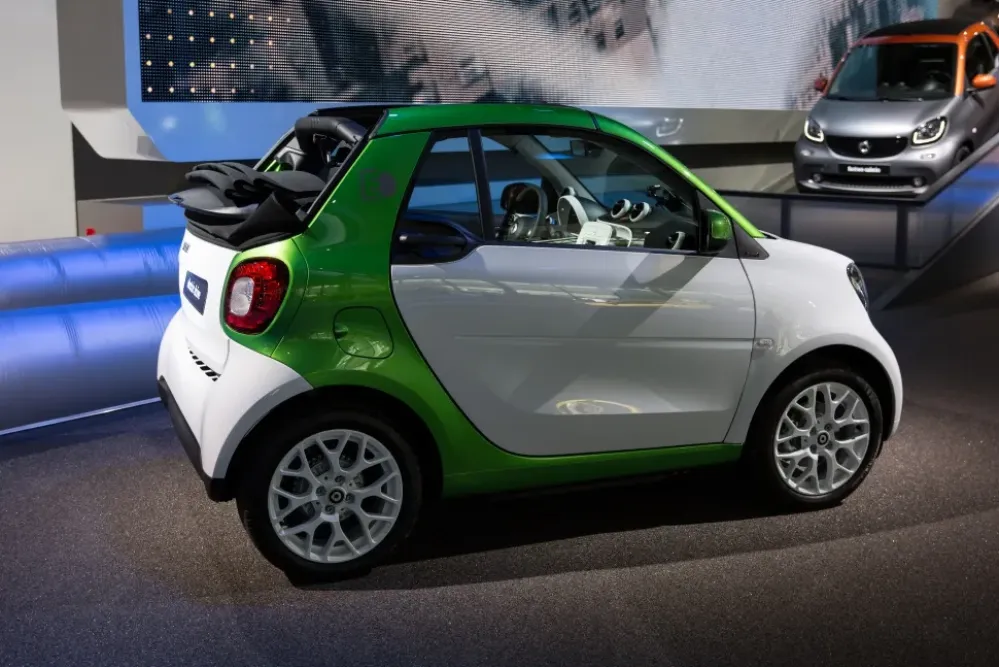
Click on image to view the full photo gallery
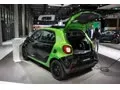
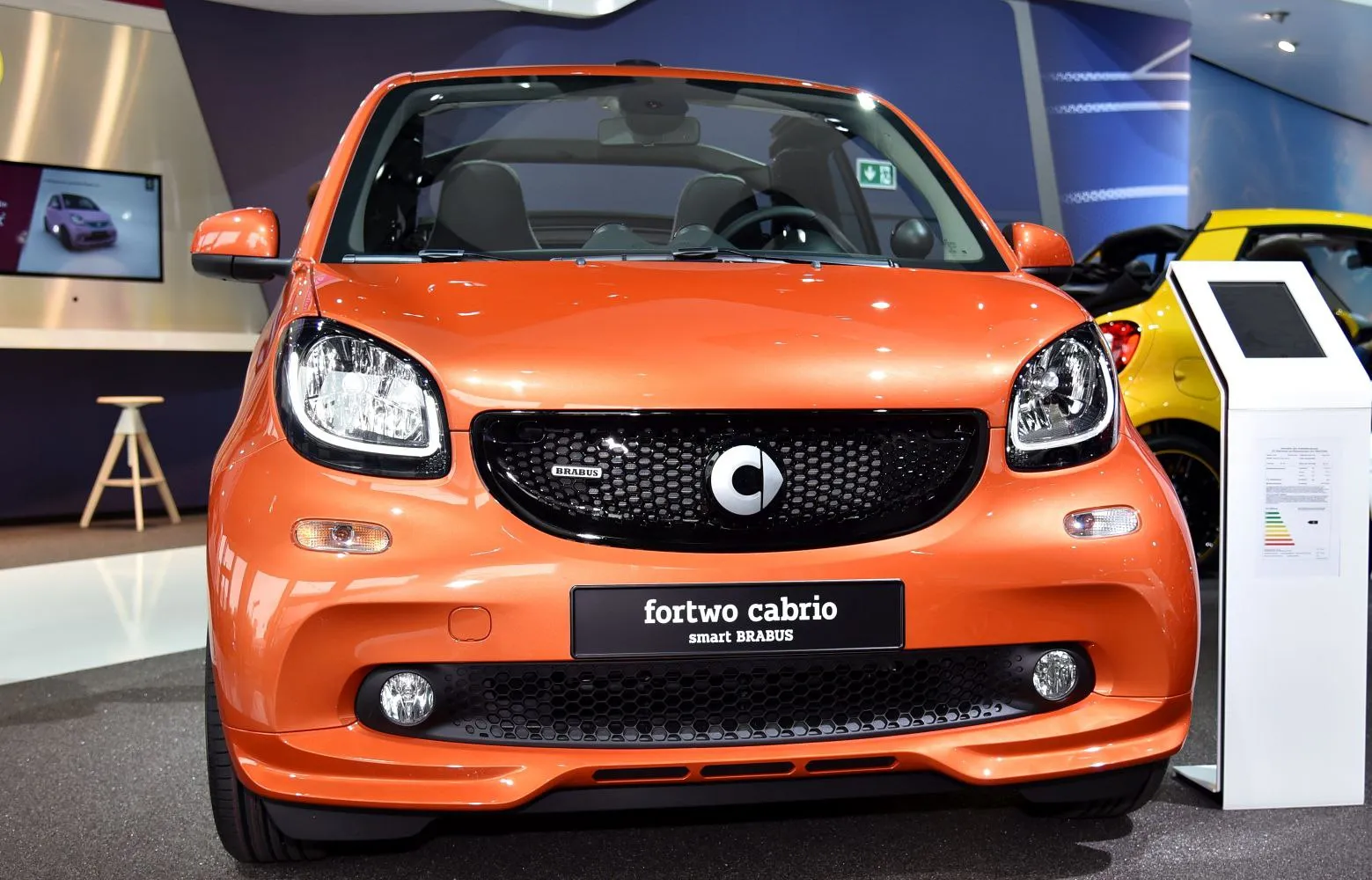
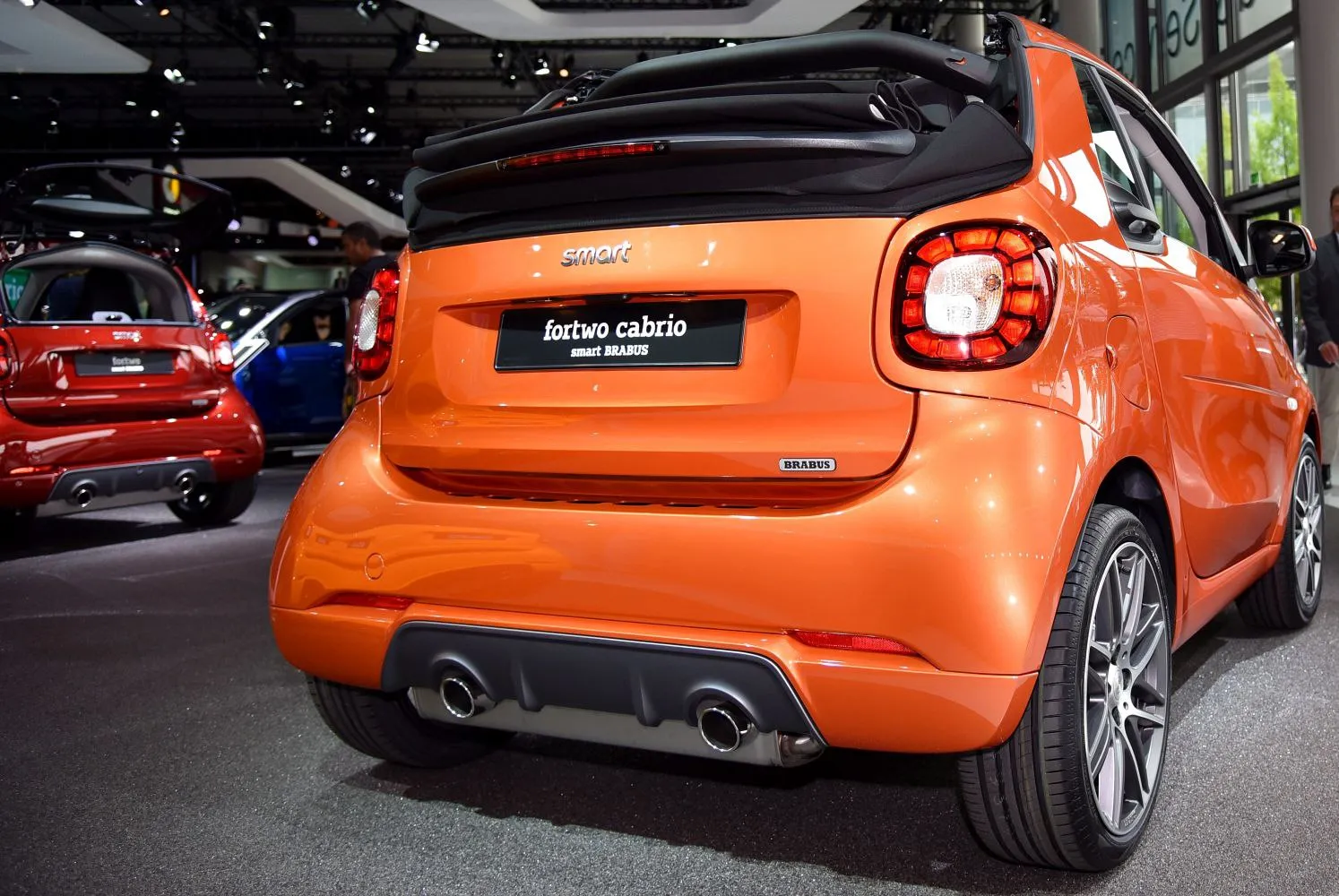
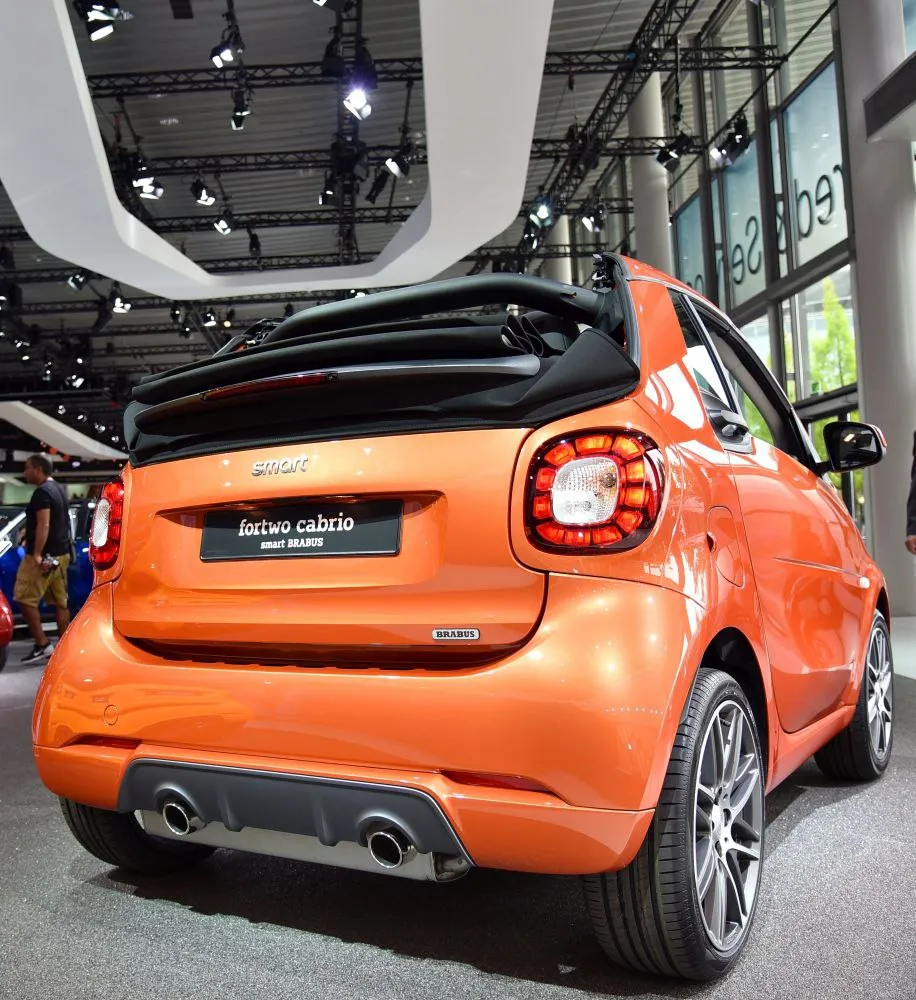
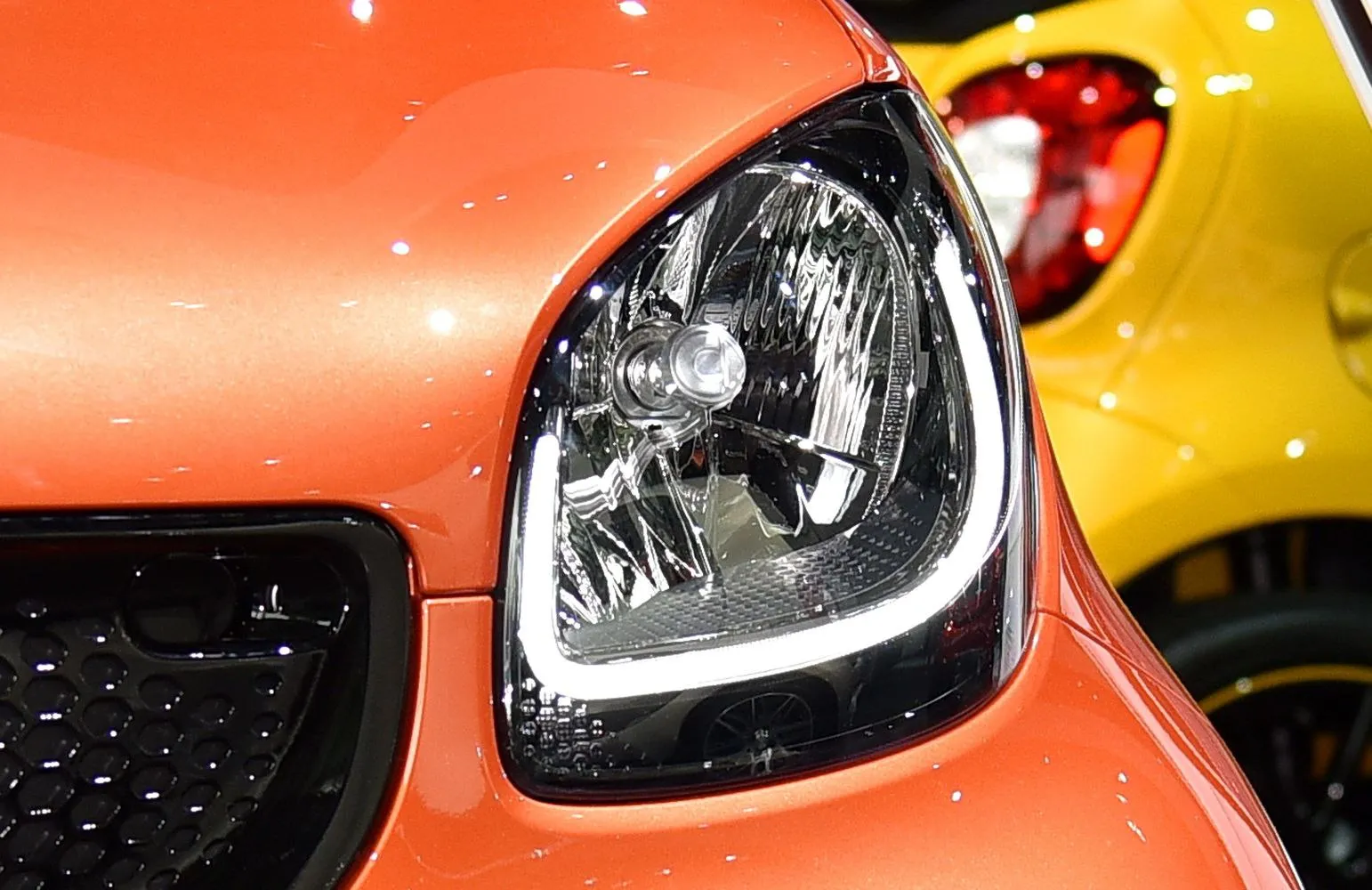
Smart Fortwo III cabrio (A453) 1.0 (71 Hp) Automatic
Overall Rating
Smart Fortwo:
Smart is a Chinese German automotive marque established in 1994. Smart Automobile Co. , Ltd. is a joint venture established by Mercedes-Benz AG and Zhejiang Geely Holding Group in 2019 and aimed at producing Smart-badged cars in China to be marketed globally. The venture is headquartered in Ningbo.
Originally, Smart was known for producing microcars and subcompacts, primarily the Fortwo and Forfour, at Smartville in Hambach, Moselle, France and additionally at Renault's Revoz plant. Since its restructuring in 2019, the brand now produces small battery electric vehicles at a manufacturing plant in China, with distribution, marketing and aftersales activities in Europe handled by Smart Europe GmbH, which is headquartered in Stuttgart, Germany....(Read more on Wikipedia)
III cabrio (A453) Overview:
Smart Fortwo (III cabrio (A453)). With 91 Nm of torque, it offers ample pulling power. It boasts low fuel consumption (~5.1 l/100km). Weighing only 900 kg, it’s quite light. Rear‑wheel drive offers dynamic handling and sporty feedback. Acceleration is relatively slow (0–100 km/h in 15.5 s). The top speed reaches 151 km/h. A convertible car with a retractable roof, offering open-air driving experiences. Seating for 2 makes it ideal for daily use.
1.0 (71 Hp) Automatic Verdict:

Performance Verdict
Basic performance, suitable only for strict city driving, feeling sluggish and underpowered on open roads or inclines.
Fuel Economy
Decent fuel efficiency, but the lack of power might lead to pushing the engine harder, potentially impacting real-world economy.
Pros and Cons:
Pros:
- • Exceptional maneuverability and parking ease in urban areas
- • Available electric powertrain for emission-free driving
- • Convertible top adds a fun and open-air experience to city driving
- • Compact size makes it ideal for navigating congested city streets
Cons:
- • Limited luggage space, impacting practicality for larger shopping trips
- • Strictly a two-seater, impractical for more than two occupants
- • Can feel unsettled and noisy at highway speeds
- • Higher price point compared to some conventional subcompacts
Specifications:
Specifications are compared to those of the previous generation(II cabrio (A451): 2012 - 2015).
| General: | |
|---|---|
| Brand: | Smart |
| Model: | Fortwo |
| Generation: | III cabrio (A453) |
| Modification (Engine): | 1.0 (71 Hp) Automatic |
| Start of production: | 2014 |
| End of production: | 2019 |
| Powertrain Architecture: | Internal Combustion engine |
| Body type: | Cabriolet |
| Seats: | 2 |
| Doors: | 2 |
| Engine: | |
|---|---|
| Power: | 71 Hp @ 6000 rpm. [0hp less] |
| Power per litre: | 71.1 Hp/l [worst than previous generation] |
| Torque: | 91 Nm @ 2850 rpm. |
| Engine Model/Code: | M 281.920 More details about the engine M 281.920 |
| Engine displacement: | 999 |
| Number of cylinders: | 3 |
| Engine configuration: | Inline |
| Fuel injection system: | Multi-port manifold injection |
| Engine aspiration: | Naturally aspirated engine |
| Engine oil capacity: | 3.5 l |
| Coolant: | 6.9 l |
| Engine layout: | Rear, Transverse |
| Cylinder Bore: | 72.2 mm |
| Piston Stroke: | 81.3 mm |
| Compression ratio: | 10.5:1 |
| Performance: | |
|---|---|
| Fuel Type: | Petrol (Gasoline) |
| Fuel consumption (economy) - urban: | 5.1 l/100 km |
| Fuel consumption (economy) - extra urban: | 3.8 l/100 km |
| Fuel consumption (economy) - combined: | 4.3 l/100 km |
| Emission standard: | Euro 6 |
| Acceleration 0 - 100 km/h: | 15.5 sec |
| Acceleration 0 - 62 mph: | 15.5 sec |
| Maximum speed: | 151 km/h |
| Weight-to-power ratio: | 12.7 kg/Hp, 78.9 Hp/tonne |
| Weight-to-torque ratio: | 9.9 kg/Nm, 101.1 Nm/tonne |
| Acceleration 0 - 60 mph: | 14.7 sec |
| Space: | |
|---|---|
| Kerb Weight: | 900 |
| Max. weight: | 1205 |
| Max load: | 305 |
| Trunk (boot) space - maximum: | 350 l |
| Trunk (boot) space - minimum: | 260 l |
| Fuel tank capacity: | 28 l |
| Size: | |
|---|---|
| Ramp-over (brakeover) angle: | 14.4° |
| Length: | 2695 mm [Same length.] |
| Width: | 1663 mm [104mm more] |
| Height: | 1552 mm [13mm less] |
| Wheelbase: | 1873 mm [6mm more] |
| Front track: | 1469 mm |
| Rear (Back) track: | 1430 mm |
| Front overhang: | 424 mm |
| Rear overhang: | 398 mm |
| Minimum turning circle (turning diameter): | 6.95 m [above average] |
| Approach angle: | 27.8° |
| Departure angle: | 35.9° |
| Powertrain: | |
|---|---|
| Drivetrain Architecture | The Internal combustion engine (ICE) drives the rear wheels of the vehicle. |
| Drive wheel | Rear wheel drive |
| Number of gears | 6 |
| Transmission type | Automatic |
| Front brakes | Ventilated discs [Best for performance and cooling.] |
| Rear brakes | Drum [bad for performance and cooling.] |
| Assisting systems | ABS (Anti-lock braking system) |
| Steering type | Steering rack and pinion |
| Power steering | Electric Steering |
| Tires size | 165/65 R 15; 185/60 R 15 |
| Wheel rims size | 5.0J x 15; 5.5J x 15 |
| Front suspension | Independent, type McPherson with coil spring and anti-roll bar |
| Rear suspension | Independent coil spring |









Real owners, real reviews. Tell us about your Smart Fortwo.