Toyota C-HR I 1.8 (122 Hp) Hybrid e-CVT
People\'s Opinion
N/A / 5
Toyota C-HR:
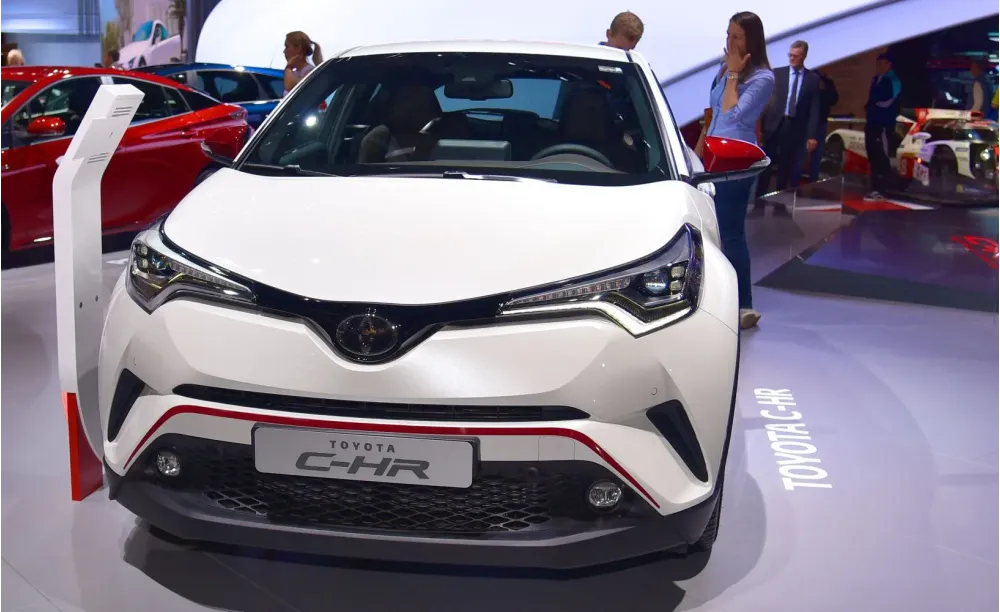
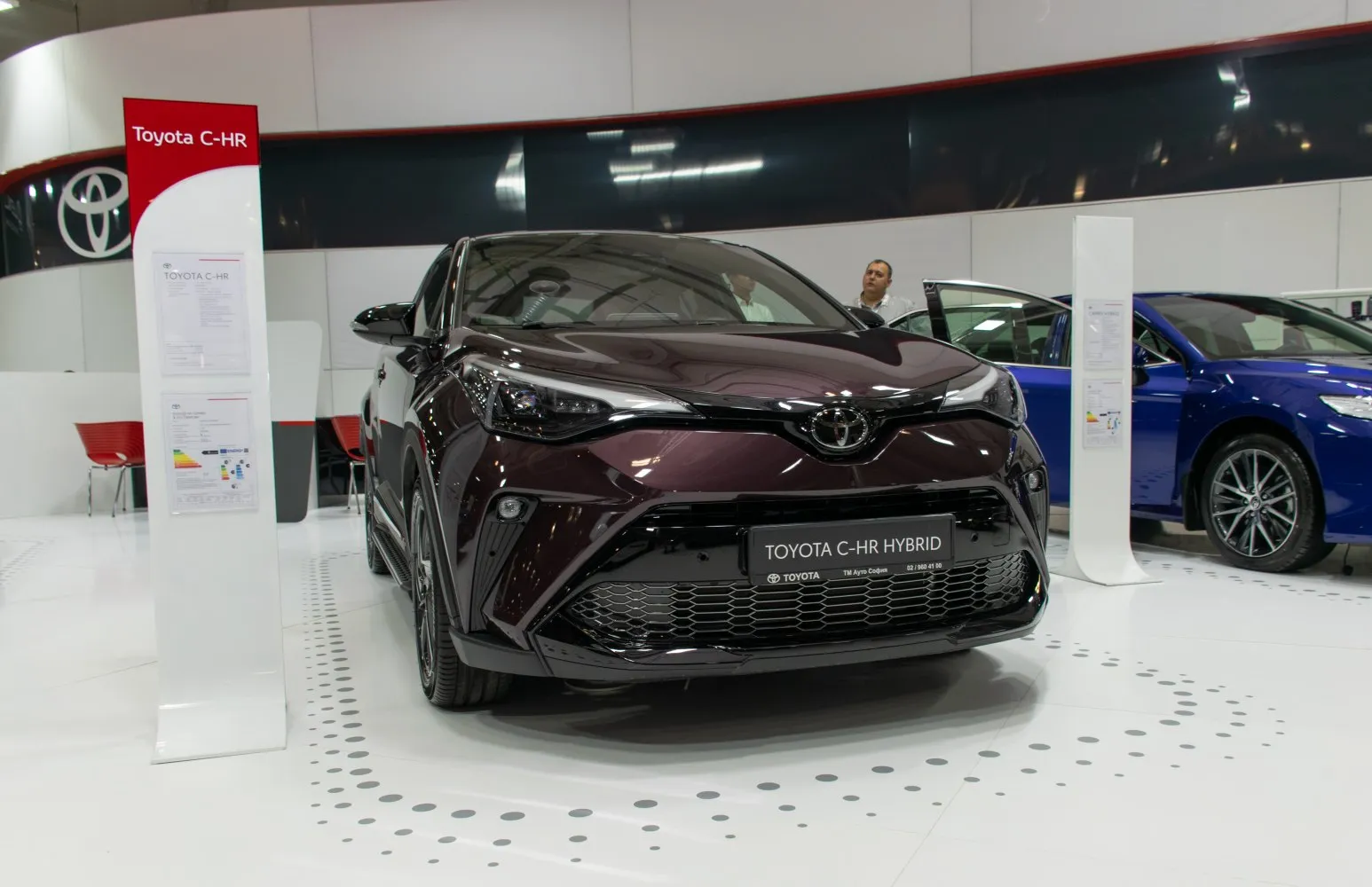
The Toyota C-HR is a subcompact crossover SUV manufactured and marketed by Japanese automaker Toyota since 2016. Since 2020, it is positioned between the Yaris Cross and Corolla Cross in Toyota's crossover SUV range.
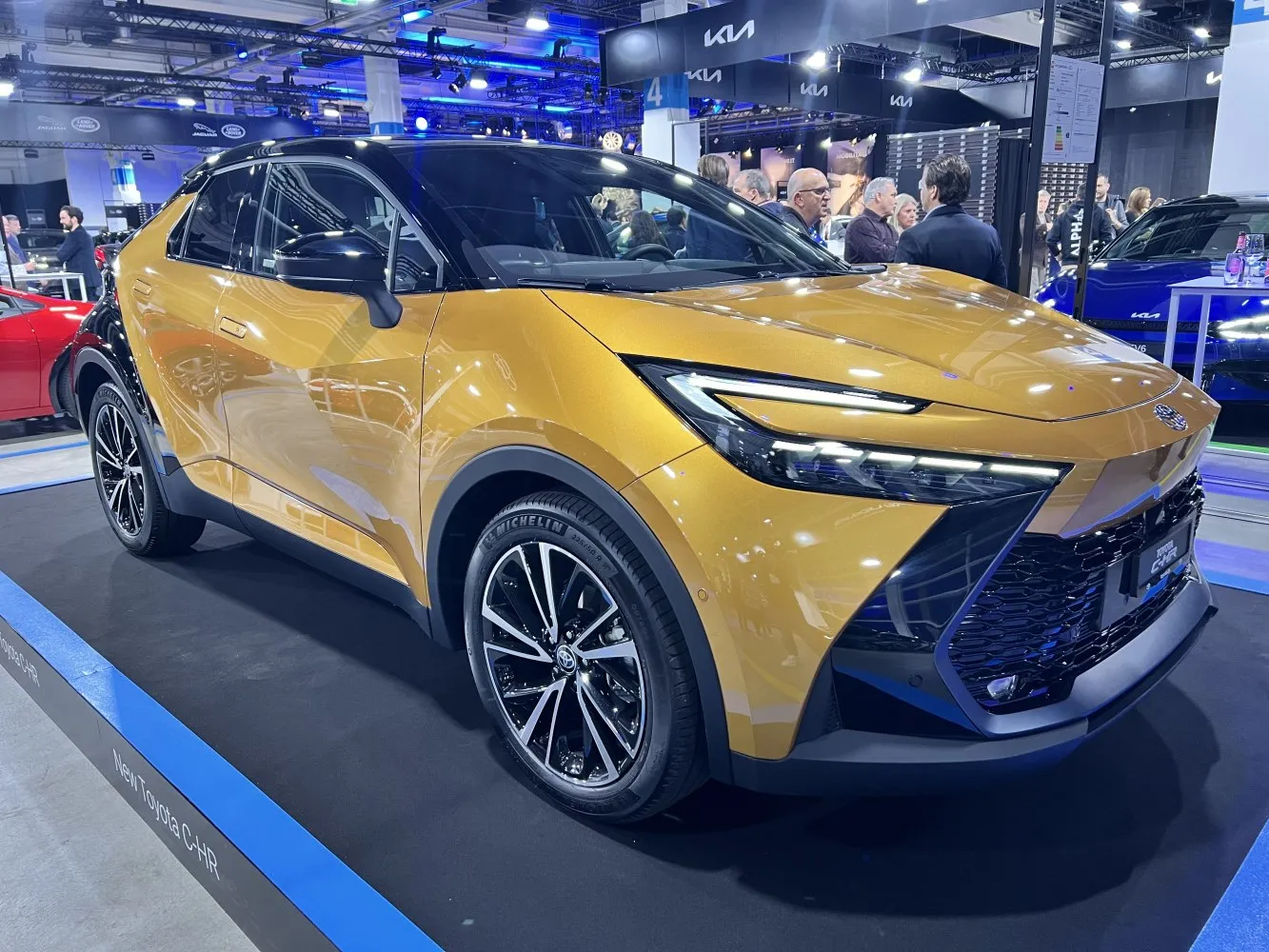
The first-generation C-HR was available in many regions, including Japan, China, North America, Europe, Southeast Asia, and Australasia, and was produced in four countries. Since the release of the second-generation C-HR in 2023, availability of the C-HR has been limited to Europe and Australia, with production centralised in Turkey. The Corolla Cross, released in 2020, has largely taken over the model's positioning outside Europe....(Read more on Wikipedia)
I Overview:
Toyota C-HR (I). With 142 Nm of torque, it offers ample pulling power. It boasts low fuel consumption (~3.4 l/100km). With a weight of 1420 kg, it falls in the mid‑range. Front‑wheel drive delivers efficiency and easy handling. Acceleration is relatively slow (0–100 km/h in 11 s). The top speed reaches 170 km/h. A sport utility vehicle offering higher ground clearance and versatile cargo space. Seating for 5 makes it ideal for daily use.
Euro NCAP Year
2017
Adult Occupant
95%
Stars
5
Performance Verdict
Smooth and responsive in urban settings, though the e-CVT can lead to a 'rubber band' effect under heavy acceleration on highways.
Fuel Economy
Outstanding fuel efficiency, especially in city driving, making it a highly economical choice.
Best Use Case:
City / Urban commuting
Pros and Cons:
Pros:
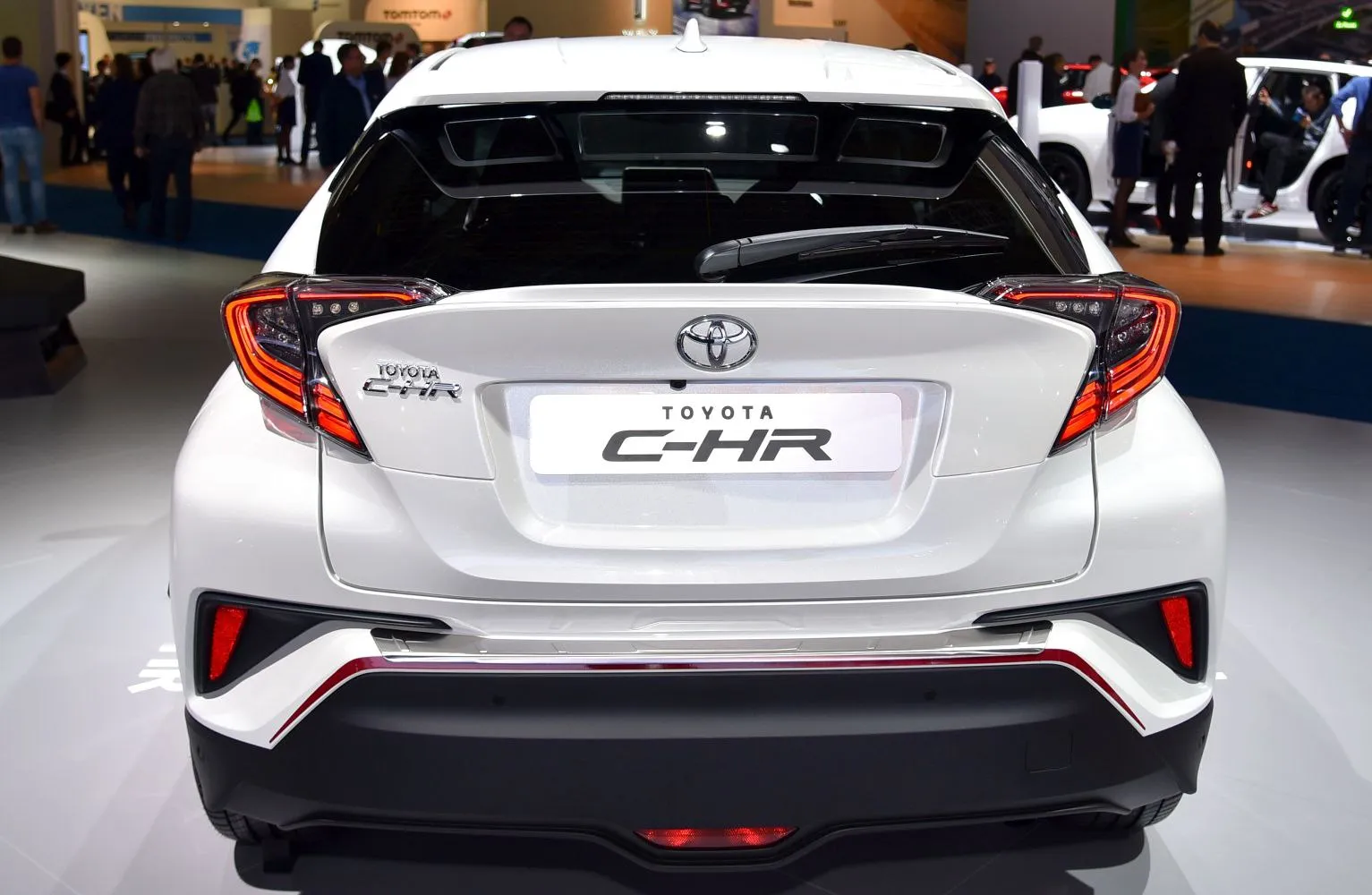
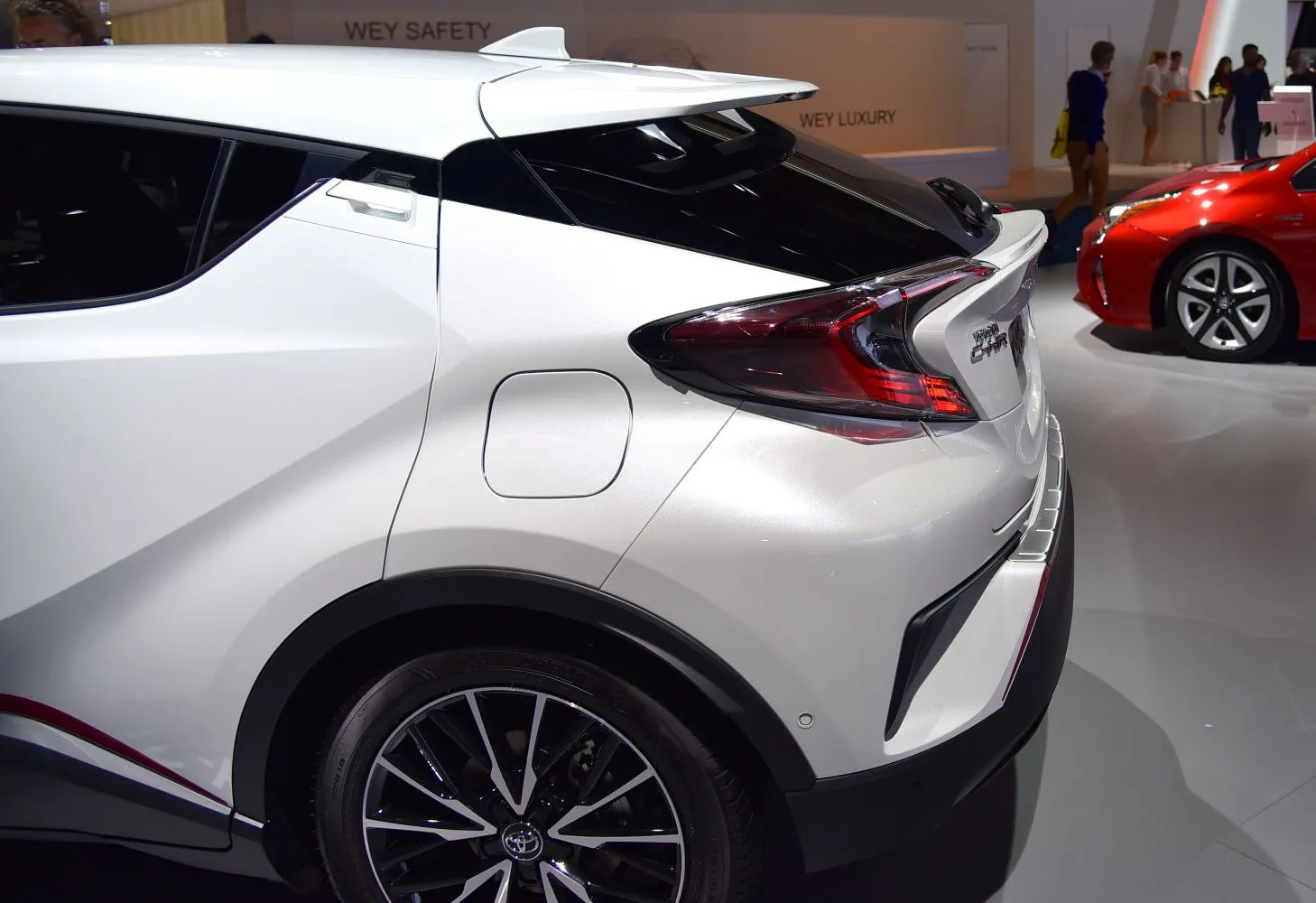
- • Distinctive and stylish exterior design.
- • Excellent fuel economy with the hybrid powertrain.
- • Strong reputation for reliability and low running costs (especially hybrid).
- • High Euro NCAP safety rating.
- • Comfortable ride quality for its class.
Cons:
- • Limited rear visibility due to design.
- • Rear passenger space can feel cramped for adults.
- • CVT transmission can be noisy under hard acceleration.
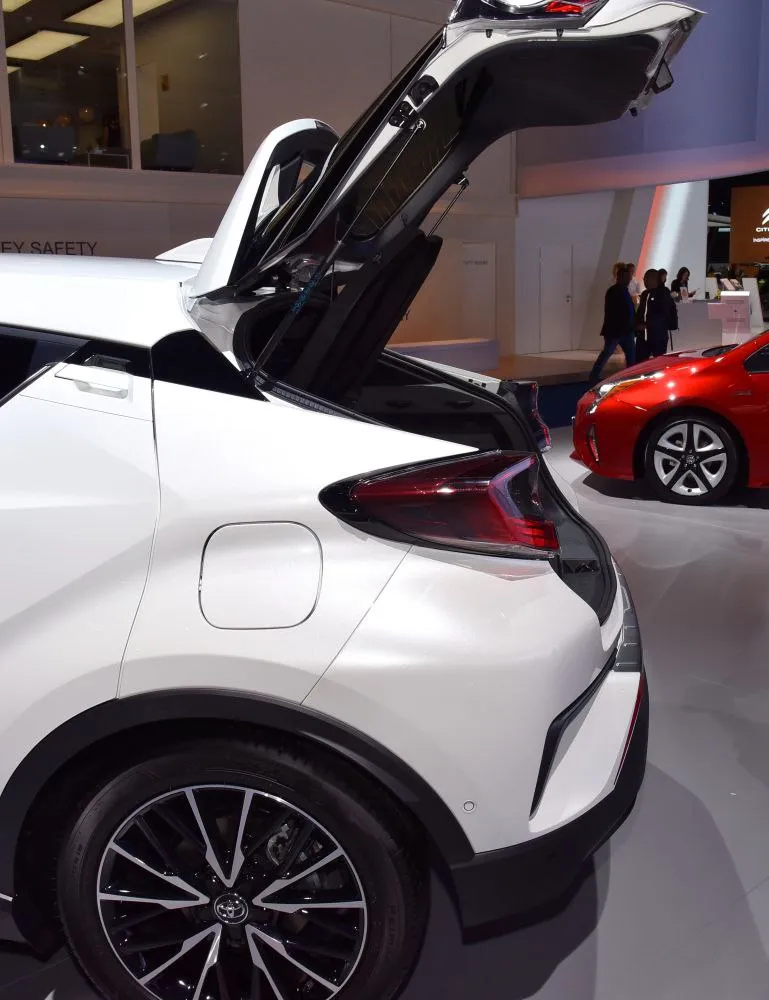
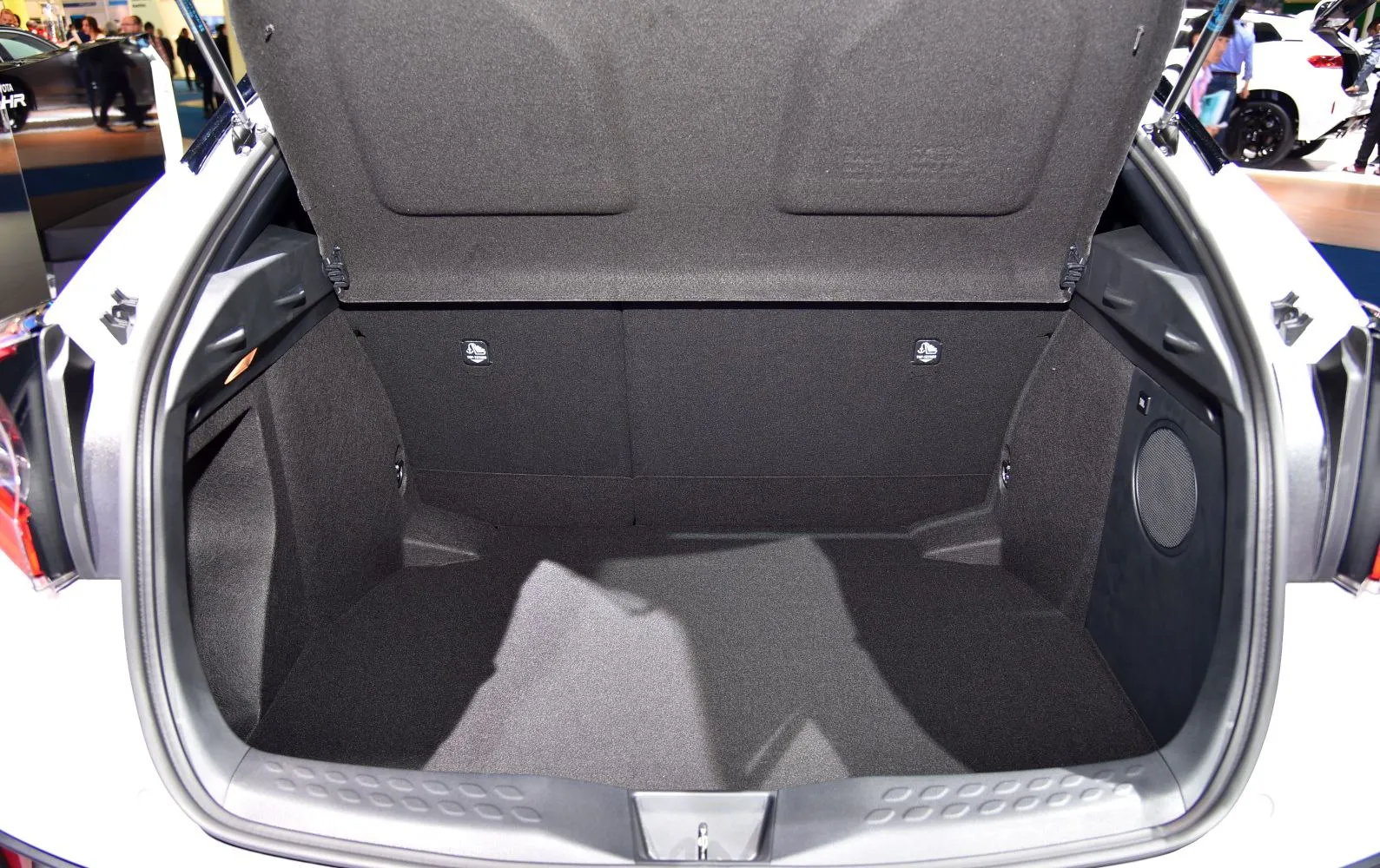
- • Boot space is average for the segment.
- • Performance of non-hybrid 1.2L can feel modest.
Specifications:
| General: |
| Brand: | Toyota |
|---|
| Model: | C-HR |
|---|
| Generation: | I |
|---|
| Modification (Engine): | 1.8 (122 Hp) Hybrid e-CVT |
|---|
| Start of production: | 2016 |
|---|
| End of production: | 2020 |
|---|
| Powertrain Architecture: | FHEV (Full Hybrid Electric Vehicle) |
|---|
| Body type: | SUV |
|---|
| Seats: | 5 |
|---|
| Doors: | 5 |
|---|
| Engine: |
| Power: | 99 Hp |
|---|
| Power per litre: | 55.1 Hp/l |
|---|
| Torque: | 142 Nm @ 3600 rpm. |
|---|
| Engine Model/Code: | 2ZR-FXE |
|---|
| Engine displacement: | 1798 |
|---|
| Number of cylinders: | 4 |
|---|
| Engine configuration: | Inline |
|---|
| Number of valves per cylinder: | 4 |
|---|
| Fuel injection system: | Multi-port manifold injection |
|---|
| Engine aspiration: | Naturally aspirated engine |
|---|
| Valvetrain: | DOHC |
|---|
| Engine oil capacity: | 4.2 l |
|---|
| Coolant: | 5.4 l |
|---|
| Engine layout: | Front, Transverse |
|---|
| Cylinder Bore: | 80.5 mm mm |
|---|
| Piston Stroke: | 88.3 mm mm |
|---|
| Compression ratio: | 13.04:1 |
|---|
| Performance: |
| Fuel Type: | Petrol (Gasoline) |
|---|
| Fuel consumption (economy) - urban: | 3.4 l/100 km |
|---|
| Fuel consumption (economy) - extra urban: | 4.1 l/100 km |
|---|
| Fuel consumption (economy) - combined: | 3.8 l/100 km |
|---|
| Emission standard: | Euro 6 |
|---|
| Acceleration 0 - 100 km/h: | 11 sec |
|---|
| Acceleration 0 - 62 mph: | 11 sec |
|---|
| Maximum speed: | 170 km/h |
|---|
| Weight-to-power ratio: | 11.3 kg/Hp, 88.4 Hp/tonne |
|---|
| Weight-to-torque ratio: | 9.7 kg/Nm, 102.9 Nm/tonne |
|---|
| Acceleration 0 - 60 mph: | 10.5 sec |
|---|
| Space: |
| Kerb Weight: | 1380-1460 |
|---|
| Max. weight: | 1860 |
|---|
| Max load: | 400-480 |
|---|
| Trunk (boot) space - minimum: | 377 l |
|---|
| Permitted trailer load with brakes (12%): | 725 kg |
|---|
| Fuel tank capacity: | 43 l |
|---|
| Permitted trailer load without brakes: | 725 kg |
|---|
| Size: |
| Length: | 4360 mm mm |
|---|
| Width: | 1795 mm mm |
|---|
| Height: | 1555 mm mm |
|---|
| Wheelbase: | 2640 mm mm |
|---|
| Front track: | 1550 mm |
|---|
| Rear (Back) track: | 1570 mm |
|---|
| Ride height (ground clearance): | 148 mm |
|---|
| Minimum turning circle (turning diameter): | 10.4 m |
|---|
| Approach angle: | 14° |
|---|
| Powertrain: |
| Drivetrain Architecture | The Internal combustion engine (ICE) and electric motor drive the front wheels of the car with the ability to work in full electric or mixed mode. |
|---|
| Drive wheel | Front wheel drive |
|---|
| Transmission type | Automatic |
|---|
| Gearbox type | e-CVT |
|---|
| Front brakes | Ventilated discs |
|---|
| Rear brakes | Disc |
|---|
| Assisting systems | ABS (Anti-lock braking system) |
|---|
| Steering type | Steering rack and pinion |
|---|
| Power steering | Electric Steering |
|---|
| Tires size | 215/65 R16; 215/60 R17; 225/50 R18 |
|---|
| Wheel rims size | 6.5J x 16; 6.5J x 17; 7J x 18 |
|---|
| Front suspension | Independent type McPherson |
|---|
| Rear suspension | Double wishbone |
|---|
| Electric: |
| Battery technology: | Nickel-metal hydride (NiMH) |
|---|
| Battery location: | Under the rear seats |
|---|
| System power: | 122 Hp |
|---|
| Electric motor power: | 82 Hp |
|---|
| Electric motor Torque: | 163 Nm |
|---|
| Electric motor type: | Synchronous |
|---|
| Battery voltage: | 201.6 V |
|---|














Is it love at first sight with the Toyota C-HR? Tell us your story!