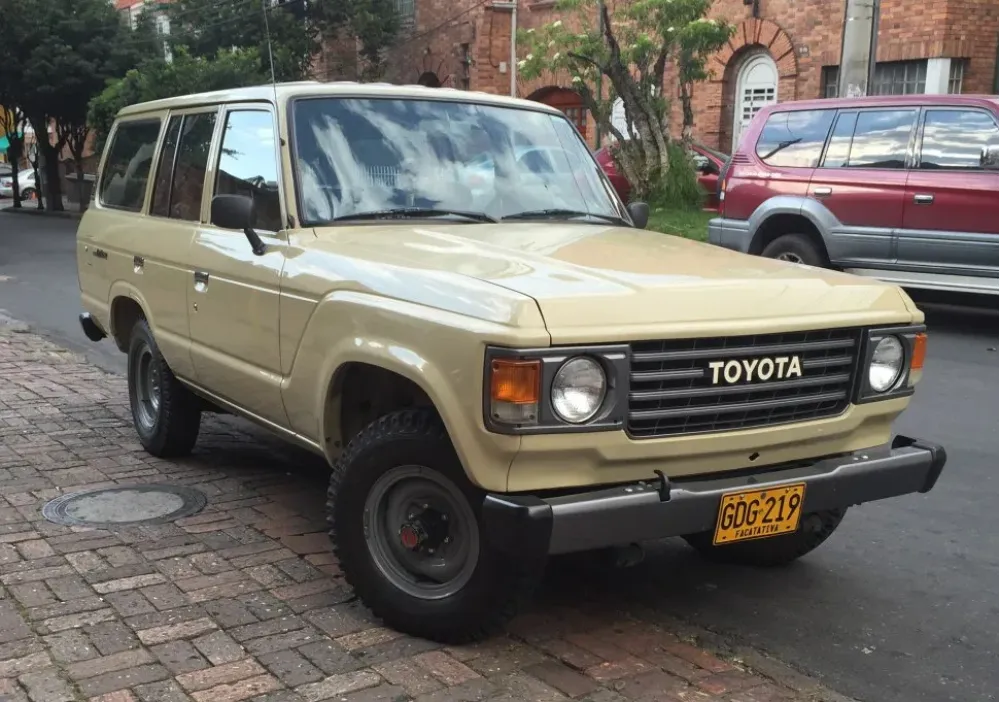
Click on image to view the full photo gallery
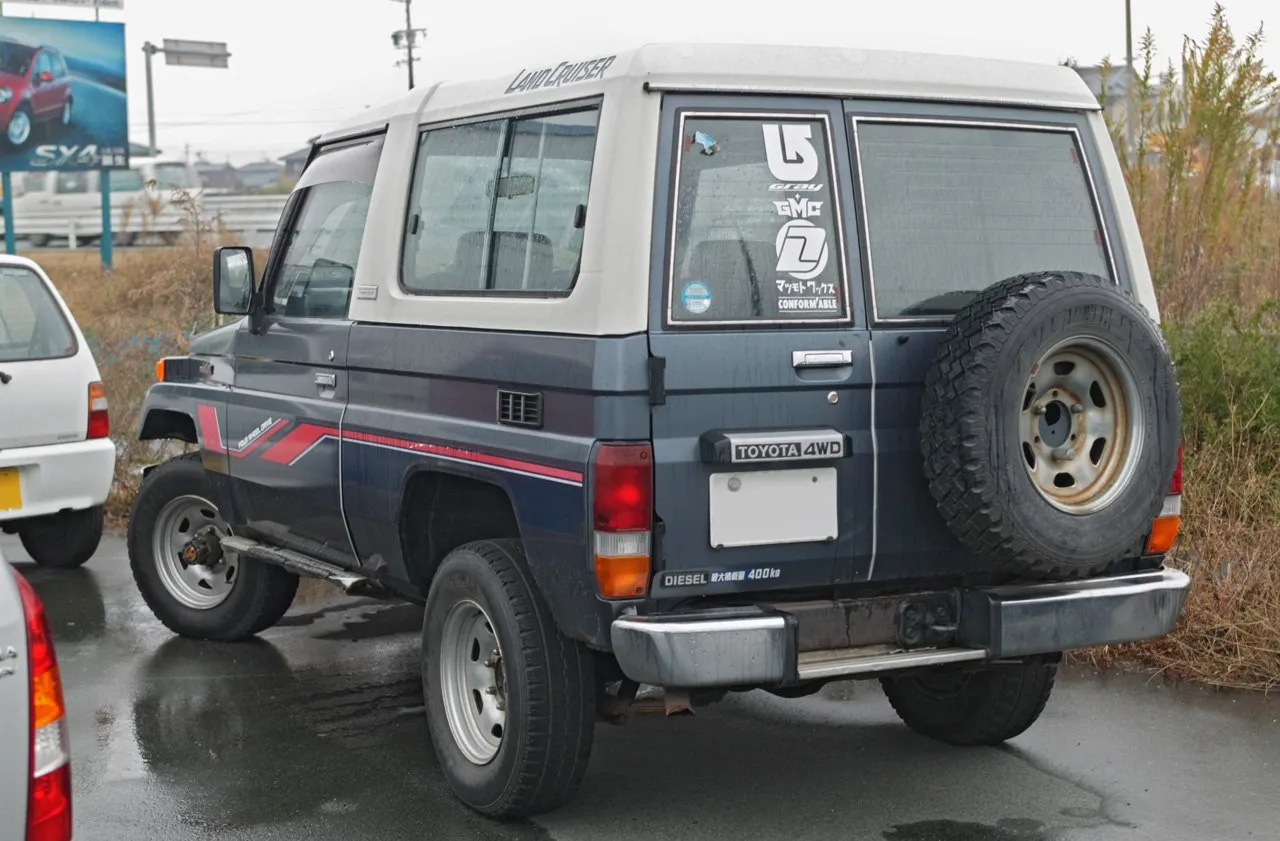
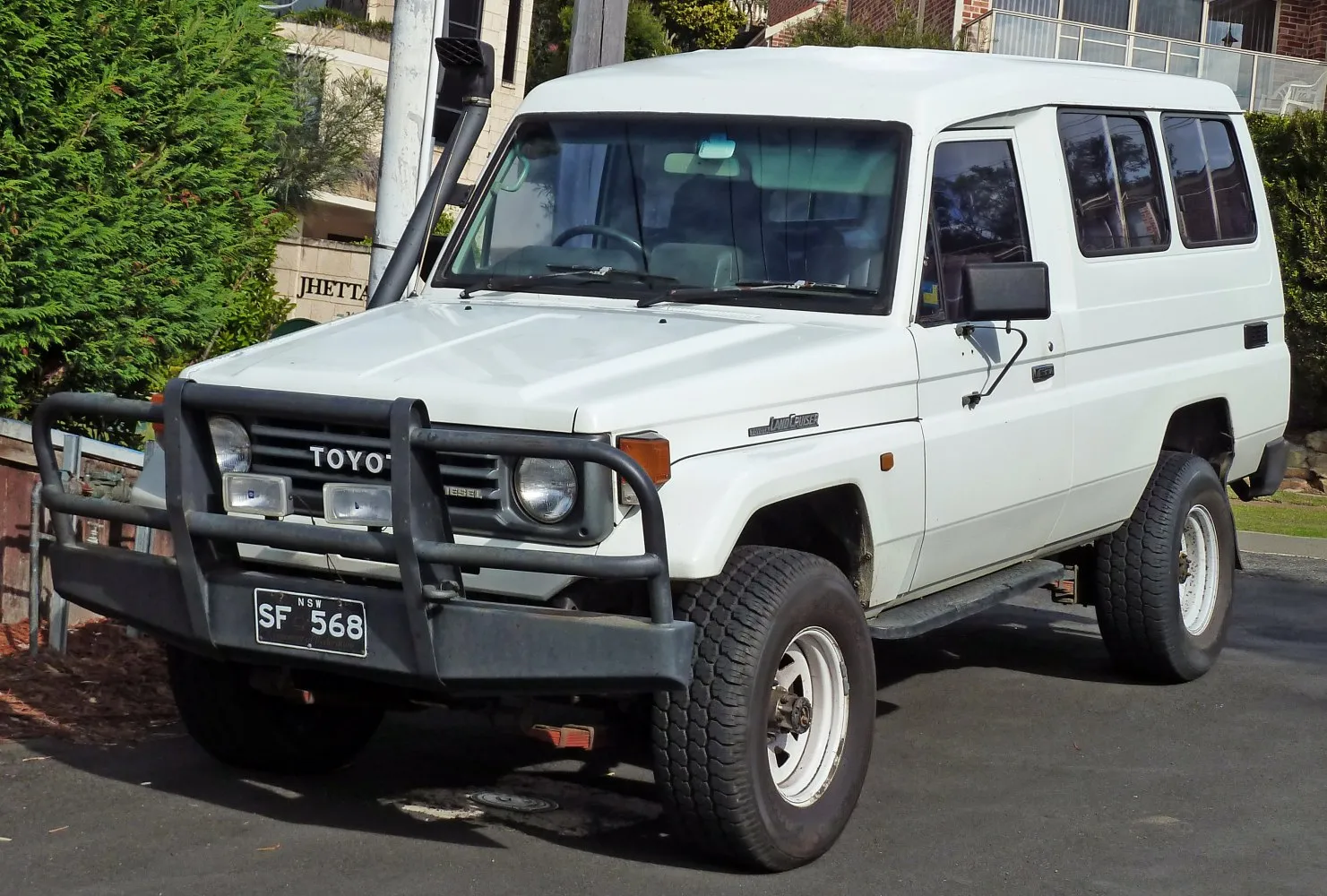
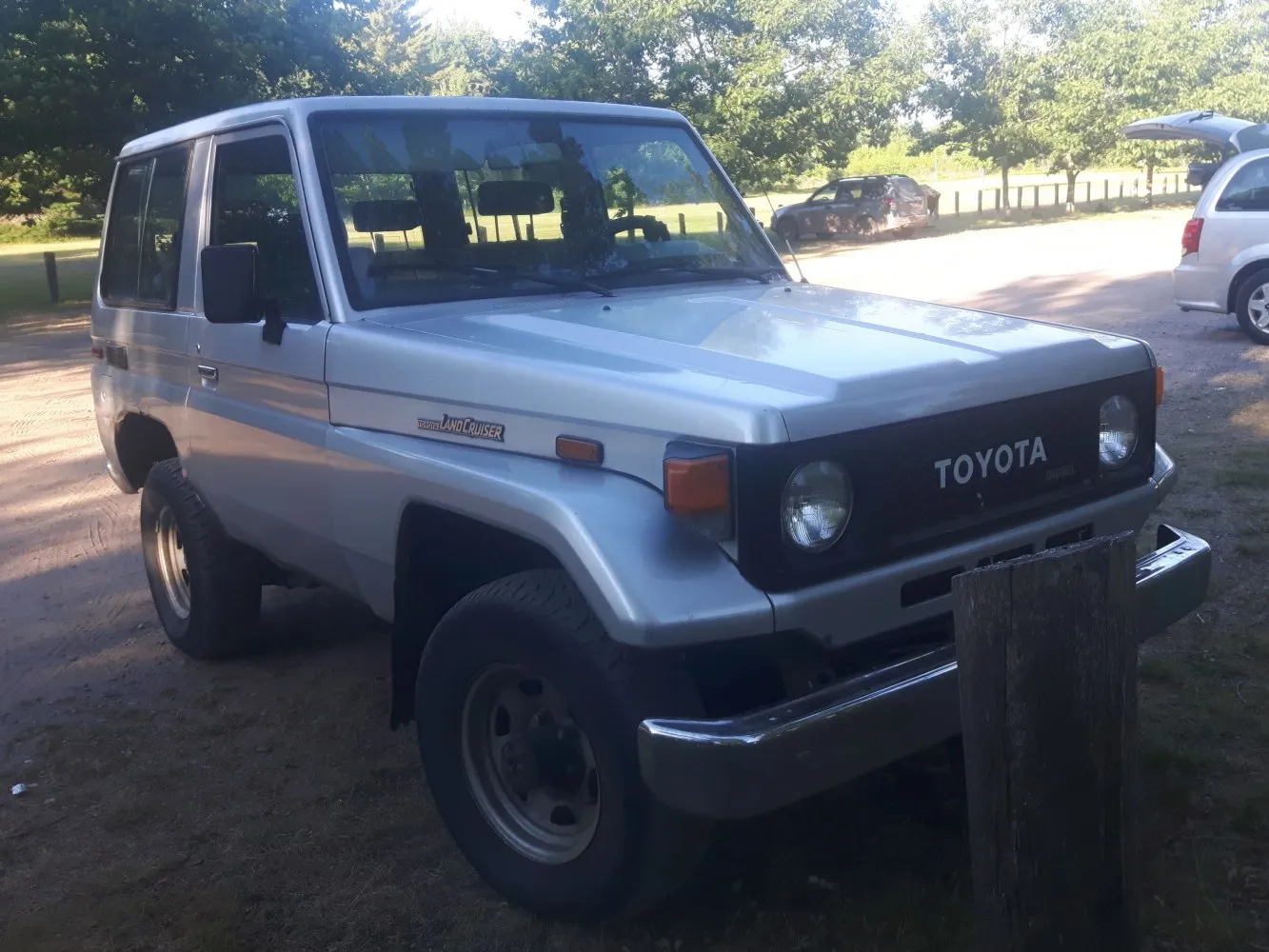
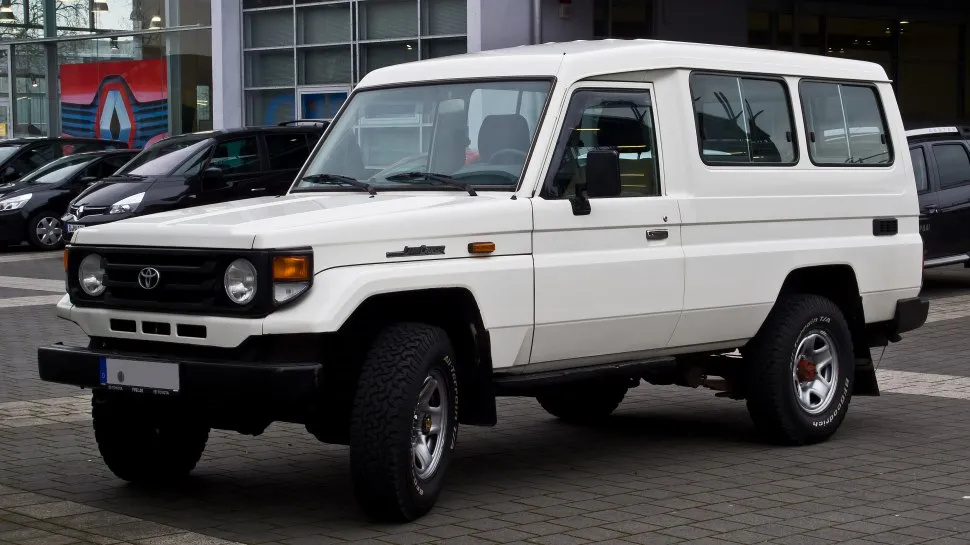
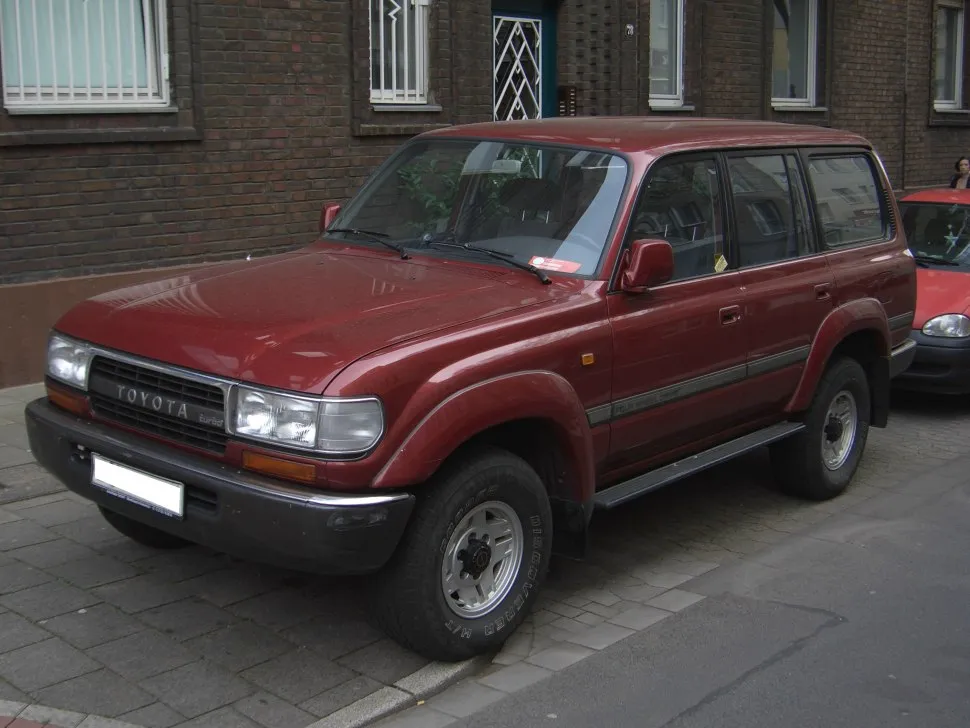
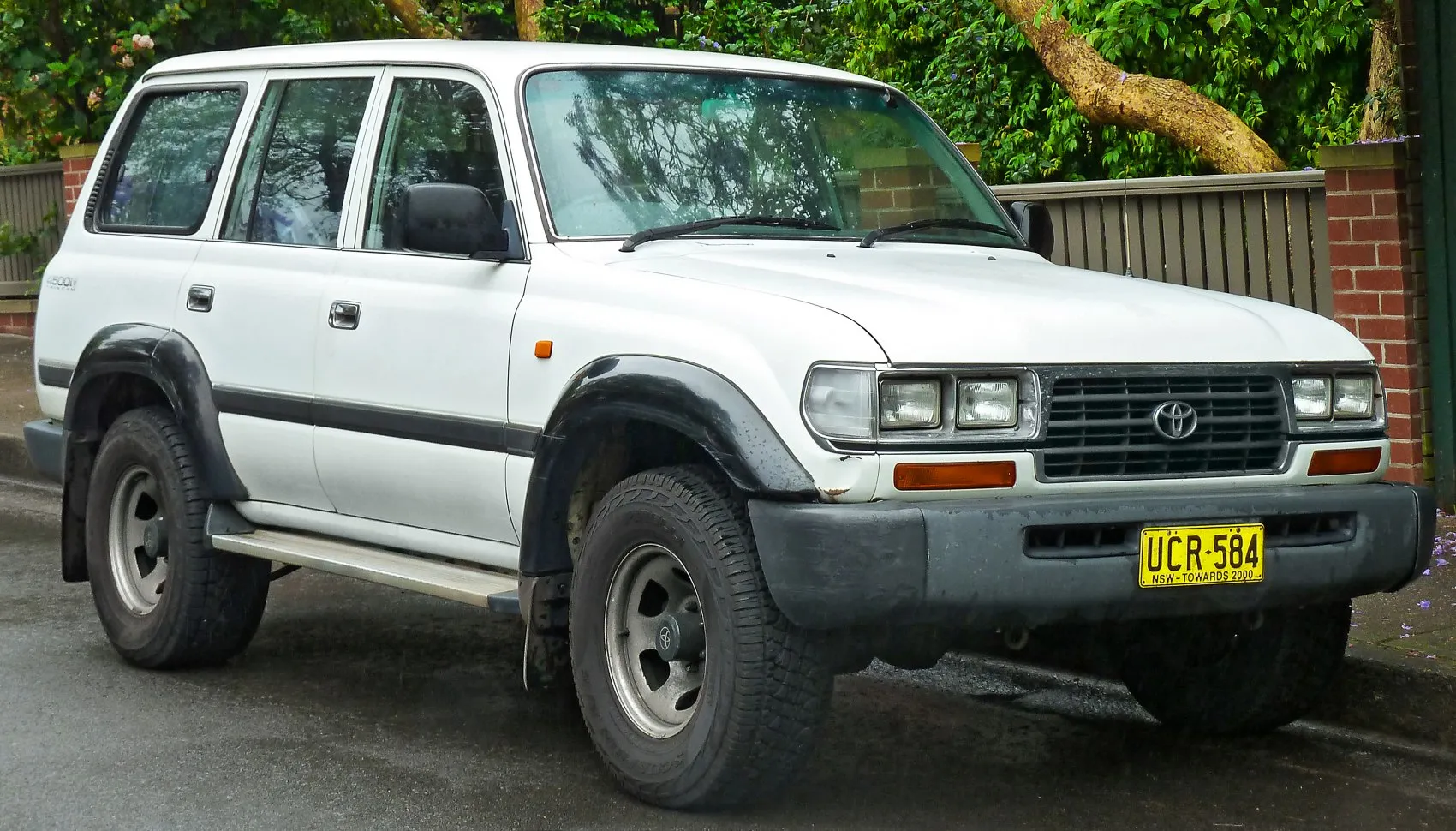
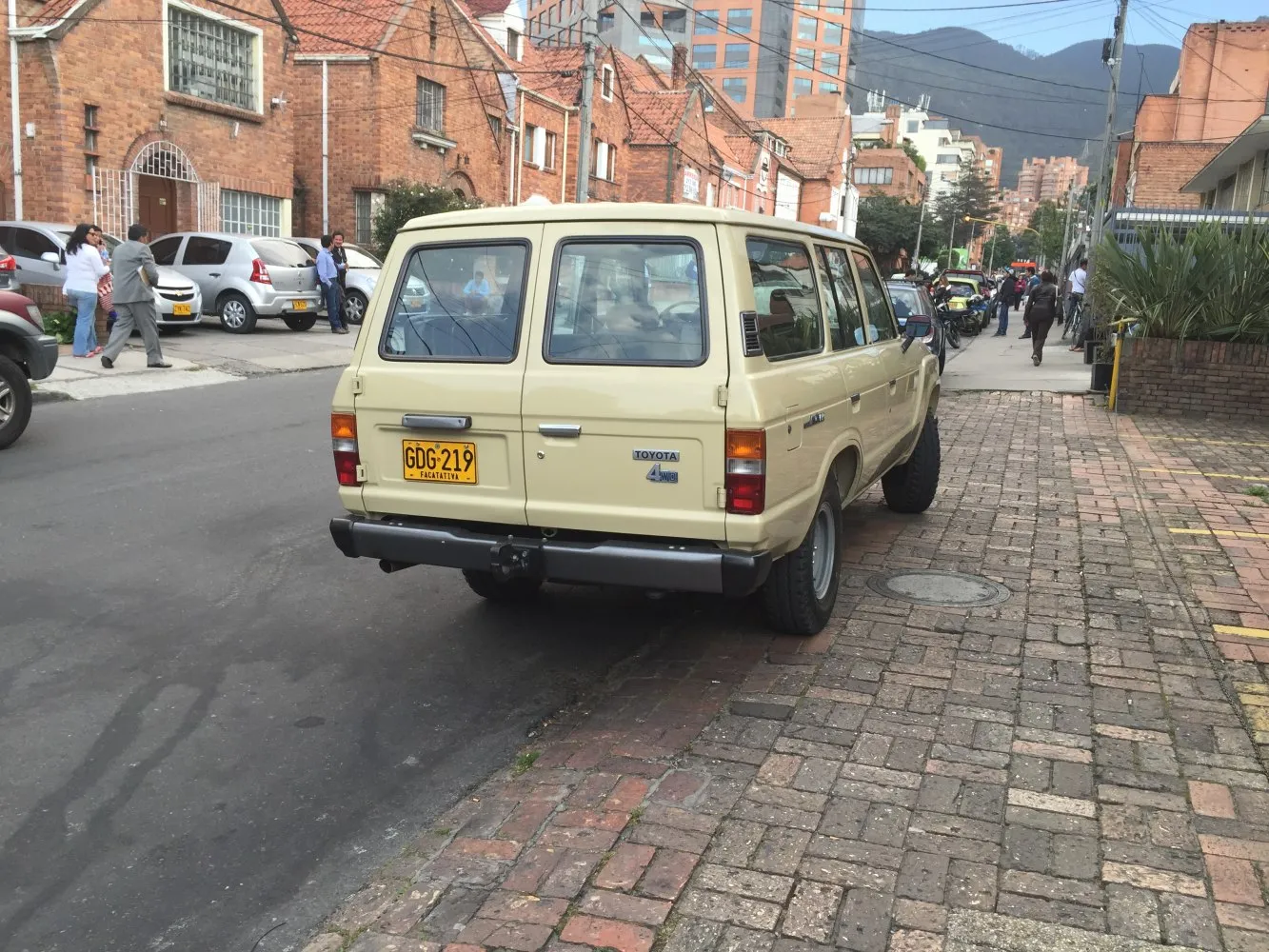
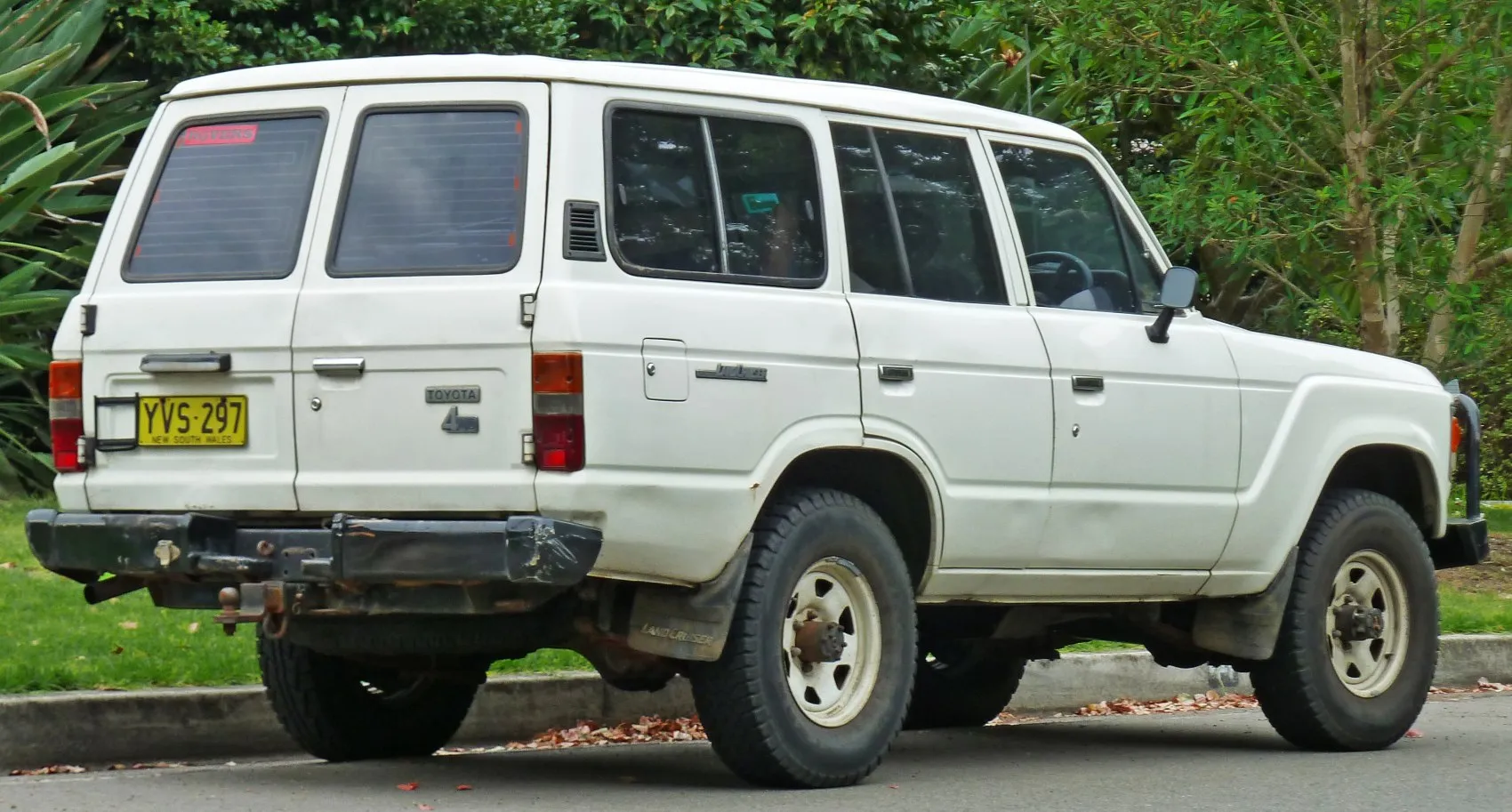
Toyota Land Cruiser (J60) Wagon 4.0 (150 Hp) 4WD Automatic
Overall Rating
Toyota Land Cruiser:
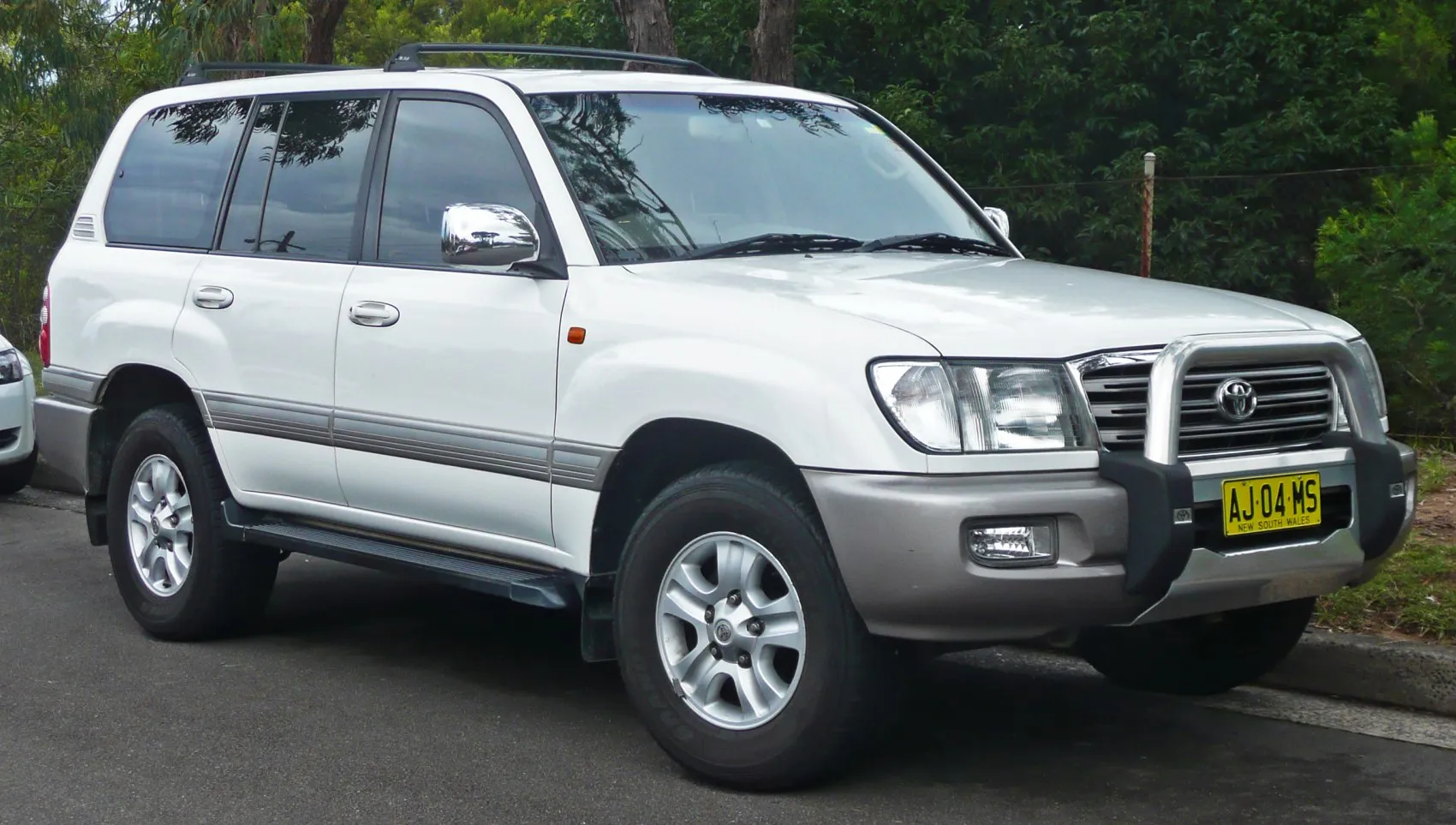
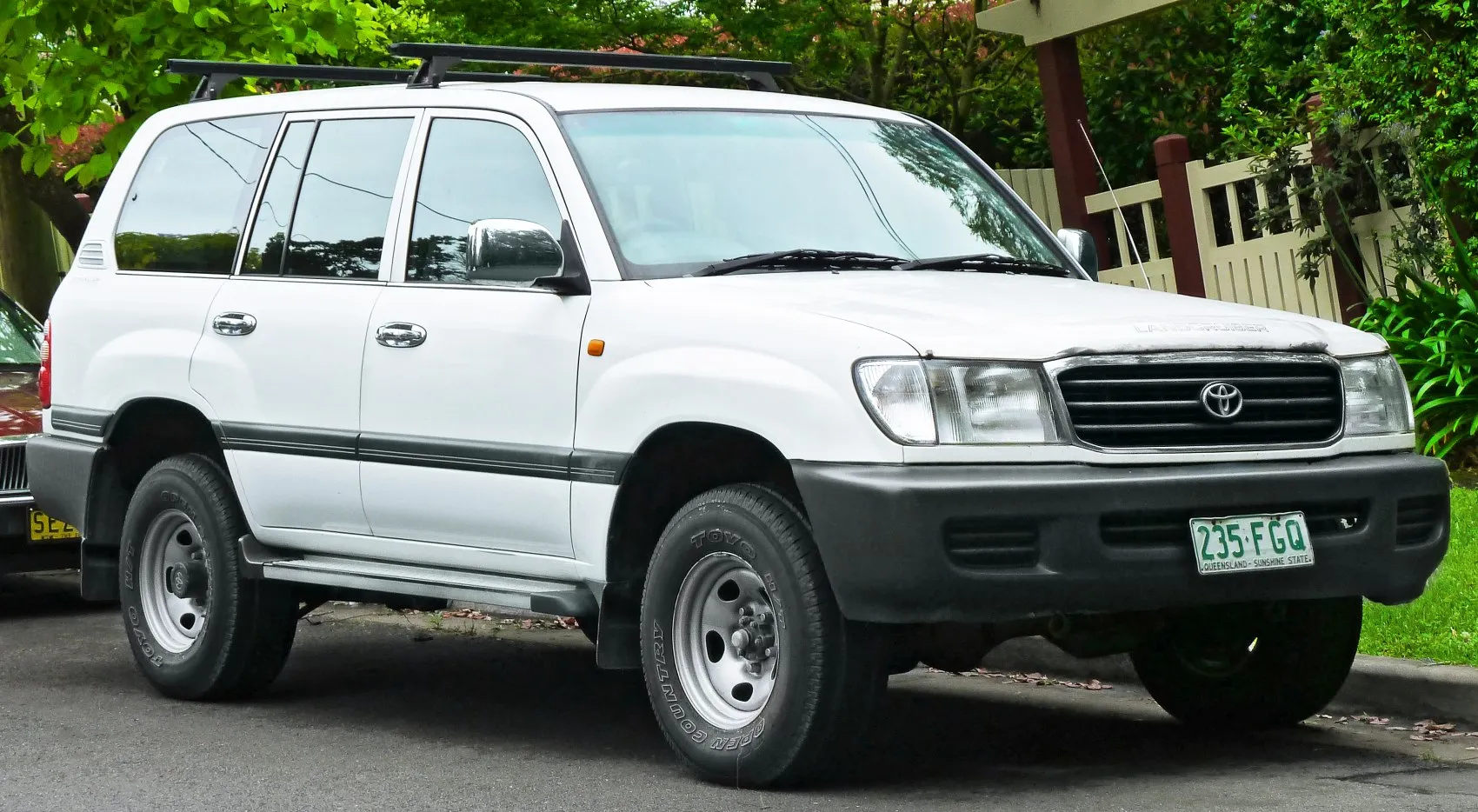
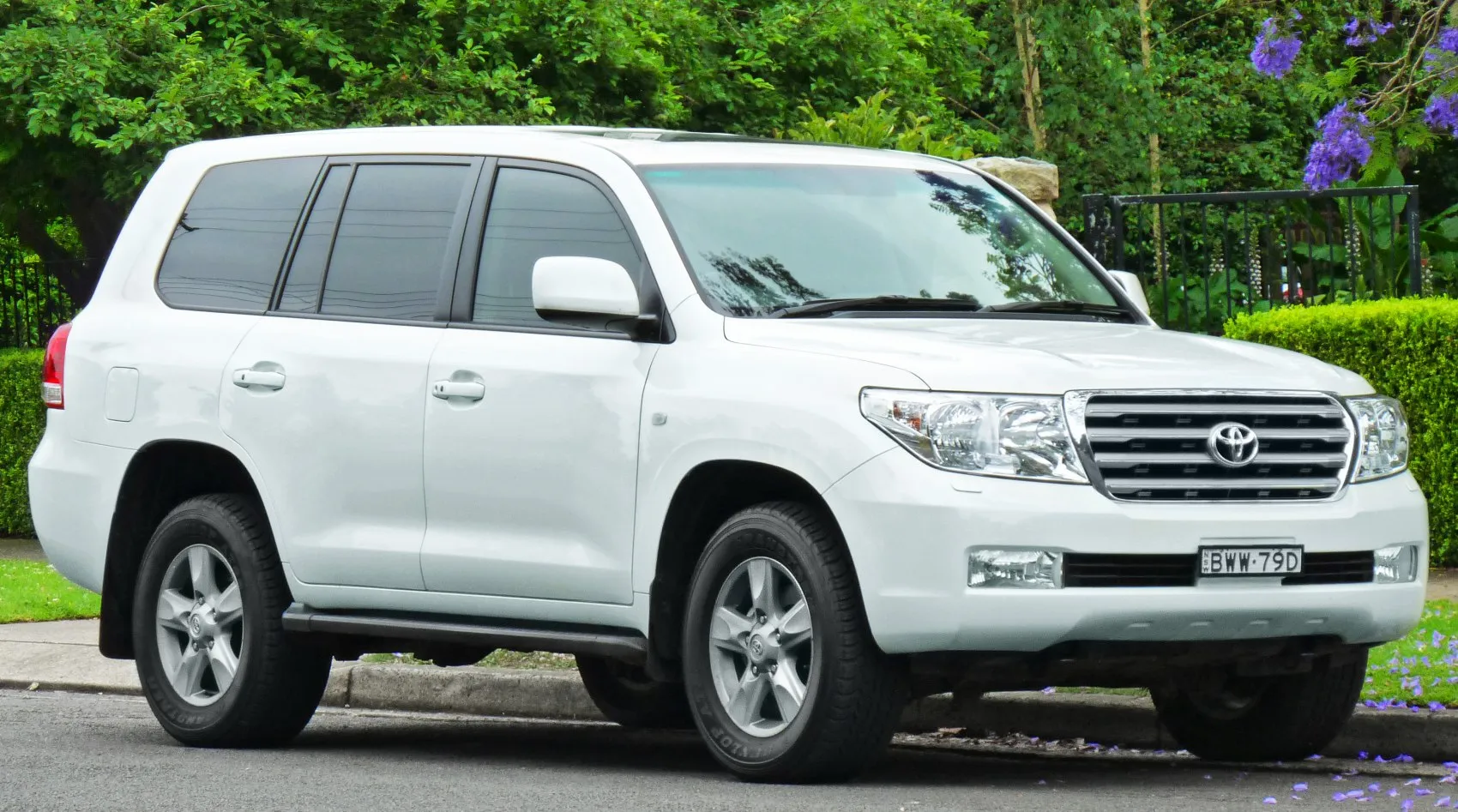
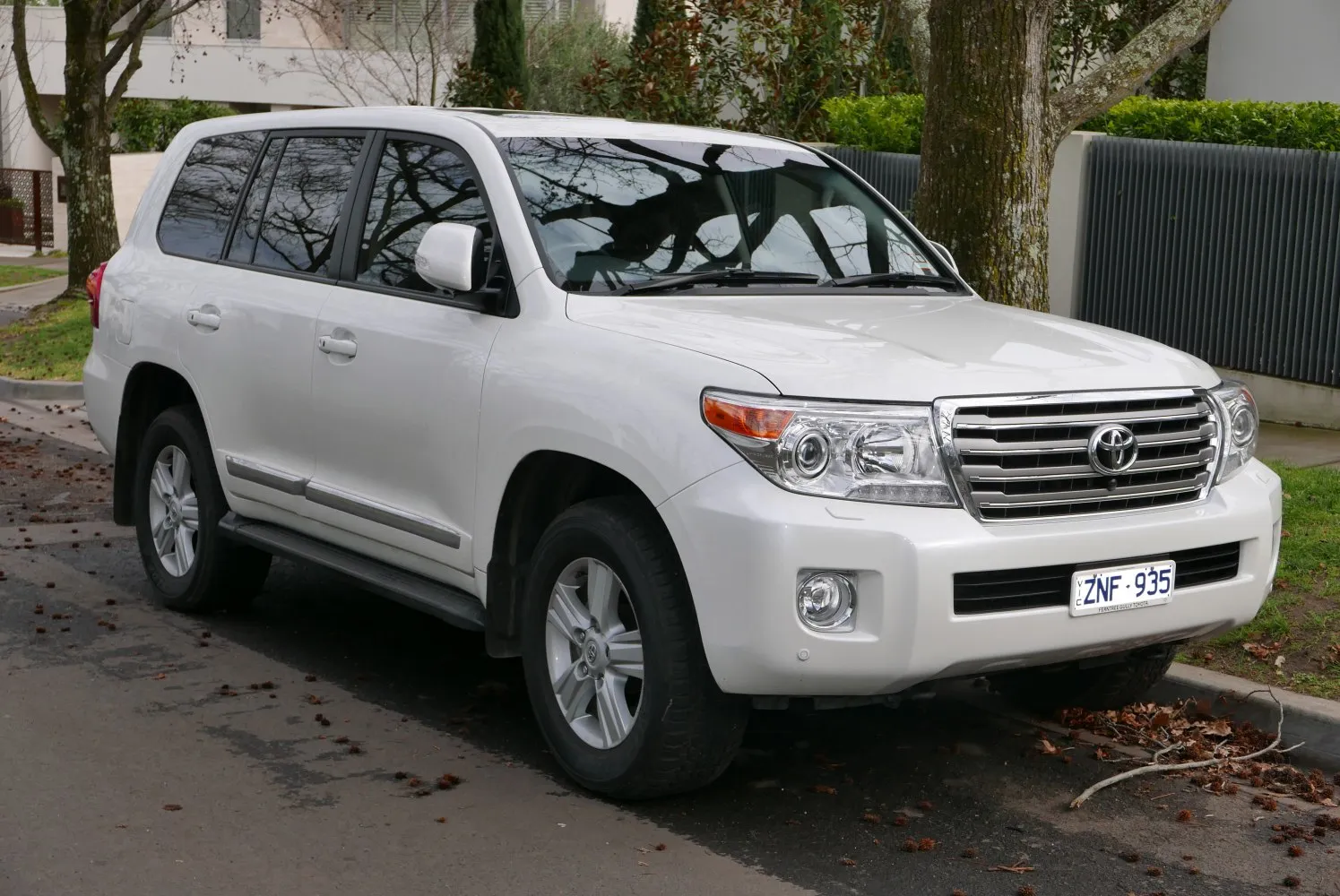
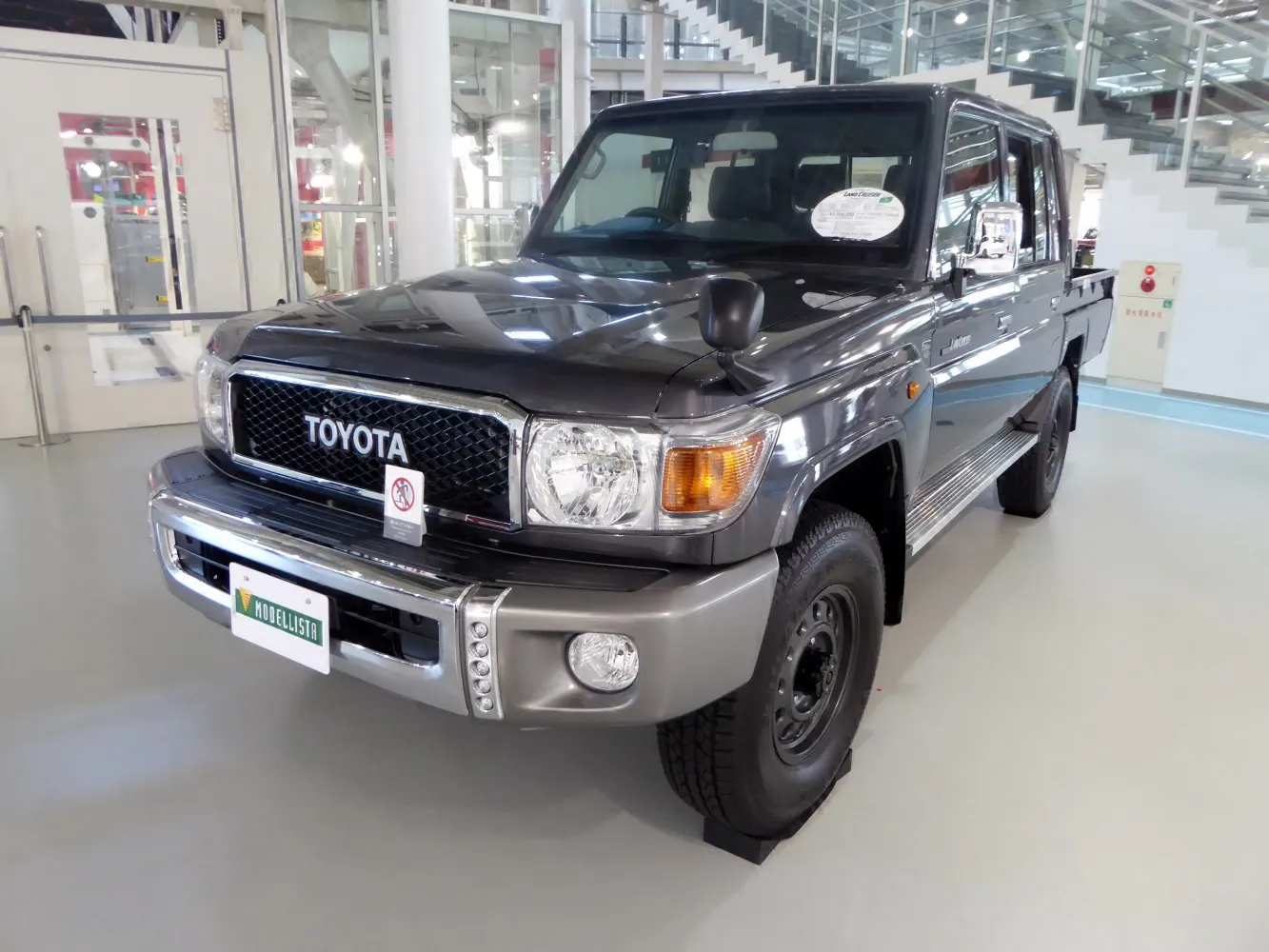
The Toyota Land Cruiser , also sometimes spelt as LandCruiser, is a series of four-wheel drive vehicles produced by the Japanese automobile manufacturer Toyota. It is Toyota's longest running series of models. As of 2019, the sales of the Land Cruiser totalled more than 10 million units worldwide.
Production of the first generation of the Land Cruiser began in 1951. The Land Cruiser has been produced in convertible, hardtop, station wagon and cab chassis body styles. The Land Cruiser's reliability and longevity have led to huge popularity, especially in Australia, where it is the best-selling body-on-frame, four-wheel drive vehicle. Toyota also extensively tests the Land Cruiser in the Australian outback – considered to be one of the toughest operating environments in both temperature and terrain. In Japan, the Land Cruiser was once exclusive to Toyota Japanese dealerships called Toyota Store....(Read more on Wikipedia)
(J60) Wagon Overview:
Toyota Land Cruiser ((J60) Wagon). With 284 Nm of torque, it offers ample pulling power. At around 2050 kg, it’s on the heavier side. All‑wheel drive provides excellent grip, ideal for off‑road use. A sport utility vehicle offering higher ground clearance and versatile cargo space. Seating for 5 makes it ideal for daily use.
4.0 (150 Hp) 4WD Automatic Verdict:

Performance Verdict
Paired with an automatic transmission, this 3F petrol engine offers a more relaxed driving experience, though the automatic can slightly dull the acceleration compared to the manual, especially off-road.
Fuel Economy
The automatic transmission typically results in slightly higher fuel consumption compared to the manual version, making it less economical but more convenient for urban driving.
Pros and Cons:
Pros:
- • Unmatched reliability and durability, legendary for longevity
- • Exceptional off-road capability thanks to robust 4WD system and solid axles
- • Spacious and practical interior with ample cargo room
- • Strong resale value and high demand in the classic 4x4 market
- • Simple, robust mechanicals for relatively easy maintenance and repairs
Cons:
- • Dated safety features, lacking modern crash protection and driver aids
- • Fuel economy can be poor on petrol models, especially the larger engines
- • Ride comfort is firm due to leaf spring suspension, particularly when unladen
- • Performance can be sluggish with naturally aspirated engines, especially diesels
- • Prone to rust in certain areas if not properly maintained or in harsh climates
Specifications:
Specifications are compared to those of the previous generation(J70, J73: 1984 - 1989).
| General: | |
|---|---|
| Brand: | Toyota |
| Model: | Land Cruiser |
| Generation: | (J60) Wagon |
| Modification (Engine): | 4.0 (150 Hp) 4WD Automatic |
| Start of production: | 1985 |
| End of production: | 1989 |
| Powertrain Architecture: | Internal Combustion engine |
| Body type: | SUV |
| Seats: | 5 |
| Doors: | 5 |
| Engine: | |
|---|---|
| Power: | 150 Hp @ 4200 rpm. Same horsepower |
| Power per litre: | 37.9 Hp/l [270mm more] |
| Torque: | 284 Nm @ 2200 rpm. |
| Engine Model/Code: | 3F More details about the engine 3F |
| Engine displacement: | 3955 |
| Number of cylinders: | 6 |
| Engine configuration: | Inline |
| Number of valves per cylinder: | 2 |
| Fuel injection system: | Multi-port manifold injection |
| Engine aspiration: | Naturally aspirated engine |
| Valvetrain: | OHV |
| Engine oil capacity: | 7.8 l |
| Coolant: | 19.5 l |
| Engine layout: | Front, Longitudinal |
| Cylinder Bore: | 94 mm mm |
| Piston Stroke: | 95 mm mm |
| Compression ratio: | 8.1:1 |
| Performance: | |
|---|---|
| Fuel Type: | Petrol (Gasoline) |
| Weight-to-power ratio: | 13.7 kg/Hp, 73.2 Hp/tonne |
| Weight-to-torque ratio: | 7.2 kg/Nm, 138.5 Nm/tonne |
| Space: | |
|---|---|
| Kerb Weight: | 2050 |
| Max. weight: | 2810 |
| Max load: | 760 |
| Trunk (boot) space - maximum: | 2775 l |
| Fuel tank capacity: | 90 l |
| Size: | |
|---|---|
| Length: | 4675 mm mm [270mm more] |
| Width: | 1800 mm mm [10mm more] |
| Height: | 1830 mm mm [120mm less] |
| Wheelbase: | 2730 mm mm [130mm more] |
| Front track: | 1475 mm |
| Rear (Back) track: | 1470 mm |
| Front overhang: | 725 mm |
| Rear overhang: | 1220 mm |
| Ride height (ground clearance): | 225 mm |
| Minimum turning circle (turning diameter): | 13.4 m [above average] |
| Powertrain: | |
|---|---|
| Drivetrain Architecture | The Internal combustion engine (ICE) drives the rear wheels permanently, and the front wheels are driven through an electrically or mechanically operated clutch if necessary. |
| Drive wheel | All wheel drive (4x4) |
| Number of gears | 4 |
| Transmission type | Automatic |
| Front brakes | Ventilated discs [Best for performance and cooling.] |
| Rear brakes | Drum [bad for performance and cooling.] |
| Steering type | Cone worm with recirculation balls |
| Front suspension | Leaf spring |
| Rear suspension | Leaf spring |








Is the Toyota Land Cruiser the king of its class? Share your thoughts.