
Click on image to view the full photo gallery
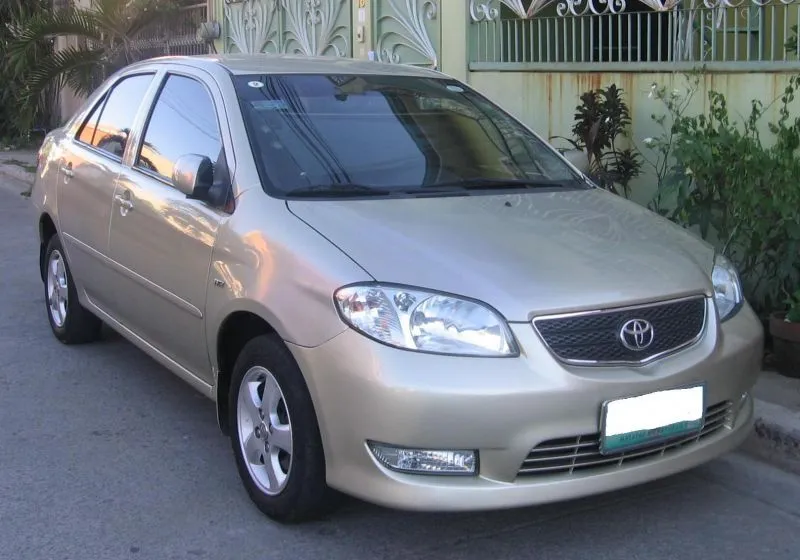
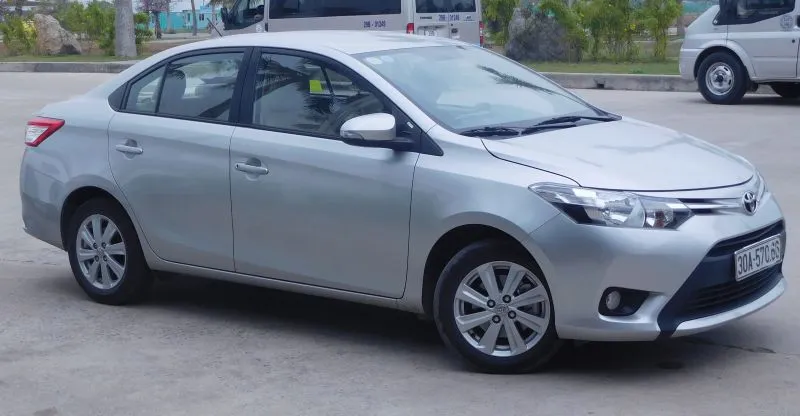
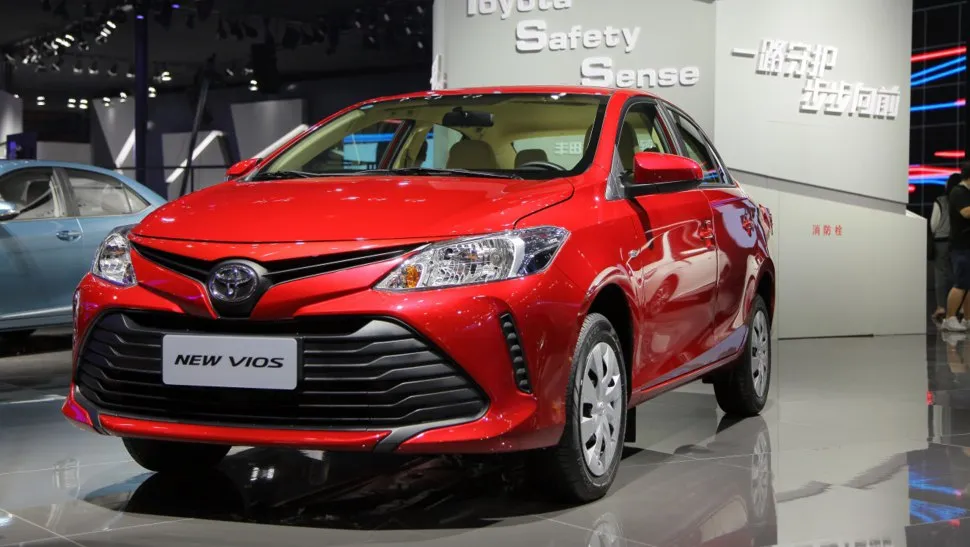
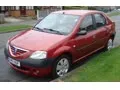
Toyota Vios II 1.5 (109 Hp)
Overall Rating
Toyota Vios:
The Toyota Vios is a nameplate used for subcompact cars produced by the Japanese manufacturer Toyota, primarily for markets in Southeast Asia, China and Taiwan since 2002. Slotted below the compact Corolla, the Vios serves as the replacement to the Tercel , which filled the subcompact or B-segment sedan class in the region. It is also successor to the entry-level variants of the E110 series Corolla in some markets such as the Philippines and Vietnam....(Read more on Wikipedia)
II Overview:
Toyota Vios (II). With 141 Nm of torque, it offers ample pulling power. Weighing only 1040 kg, it’s quite light. Front‑wheel drive delivers efficiency and easy handling. A four-door car with a separate trunk, ideal for families and daily commuting. Seating for 5 makes it ideal for daily use.
The Toyota Vios II was not tested by Euro NCAP. However, its counterpart, the Toyota Yaris Sedan (Belta), and the Vios itself, received a 4-star rating in ASEAN NCAP tests for adult occupant protection, indicating a reasonable level of safety for its class and era.
1.5 (109 Hp) Verdict:

Performance Verdict
Offers spirited performance for its class, making it capable for both city driving and highway cruising. Responsive and reliable.
Fuel Economy
Good fuel economy for a naturally aspirated 1.5L engine, especially with the manual transmission.
Pros and Cons:
Pros:
- • Exceptional reliability and low maintenance costs.
- • Good fuel efficiency across the engine lineup.
- • Spacious and practical interior for its class.
- • Comfortable ride quality, well-suited for daily commuting.
- • Strong resale value.
Cons:
- • Basic interior design and materials.
- • Limited performance with smaller engine options, especially on highways.
- • Lack of advanced safety features compared to newer vehicles.
- • Road noise can be noticeable at higher speeds.
- • Steering feel can be vague.
Specifications:
Specifications are compared to those of the previous generation(I: 2002 - 2007).
| General: | |
|---|---|
| Brand: | Toyota |
| Model: | Vios |
| Generation: | II |
| Modification (Engine): | 1.5 (109 Hp) |
| Start of production: | 2007 |
| End of production: | 2013 |
| Powertrain Architecture: | Internal Combustion engine |
| Body type: | Sedan |
| Seats: | 5 |
| Doors: | 4 |
| Engine: | |
|---|---|
| Power: | 109 Hp @ 6000 rpm. |
| Power per litre: | 72.9 Hp/l |
| Torque: | 141 Nm @ 4000 rpm. |
| Engine displacement: | 1495 |
| Number of cylinders: | 4 |
| Engine configuration: | Inline |
| Number of valves per cylinder: | 4 |
| Fuel injection system: | Multi-port manifold injection |
| Engine aspiration: | Naturally aspirated engine |
| Engine layout: | Front, Transverse |
| Cylinder Bore: | 72 mm mm |
| Piston Stroke: | 91.8 mm mm |
| Compression ratio: | 10:1 |
| Performance: | |
|---|---|
| Fuel Type: | Petrol (Gasoline) |
| Weight-to-power ratio: | 9.5 kg/Hp, 104.8 Hp/tonne |
| Weight-to-torque ratio: | 7.4 kg/Nm, 135.6 Nm/tonne |
| Space: | |
|---|---|
| Kerb Weight: | 1040 |
| Max. weight: | 1315 |
| Max load: | 275 |
| Trunk (boot) space - minimum: | 475 l |
| Fuel tank capacity: | 42 l |
| Size: | |
|---|---|
| Length: | 4300 mm mm [15mm more] |
| Width: | 1690 mm mm [5mm less] |
| Height: | 1460 mm mm [25mm more] |
| Wheelbase: | 2550 mm mm [50mm more] |
| Front track: | 1480 mm |
| Rear (Back) track: | 1470 mm |
| Ride height (ground clearance): | 150 mm |
| Powertrain: | |
|---|---|
| Drivetrain Architecture | The Internal combustion engine (ICE) drives the front wheels of the vehicle. |
| Drive wheel | Front wheel drive |
| Number of gears | 5 |
| Transmission type | Manual |
| Front brakes | Ventilated discs [Best for performance and cooling.] |
| Rear brakes | Drum [bad for performance and cooling.] |
| Tires size | 165/70 R14 |
| Wheel rims size | 14 |
| Front suspension | Independent type McPherson |
| Rear suspension | Semi-independent, coil spring |





Would you recommend the Toyota Vios ? Tell us why or why not!