
Click on image to view the full photo gallery
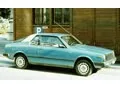
Triumph 1500 1.5 (62 Hp)
Overall Rating
Triumph 1500:
The Triumph 1500 is a small front-wheel drive car that was produced by Triumph Motor Company division of British Leyland from 1970 to 1973. In 1973 it was revised as the Triumph 1500TC becoming rear-wheel drive. Production ended in 1976, by which time it had been replaced by the Triumph Dolomite.
Whilst retaining the front-wheel drive of the Triumph 1300, the body featured a restyled nose, a lengthened tail, twin headlights, horizontally mounted rear light clusters and a larger boot. The interior was also restyled featuring a new design of dashboard and door cards but retaining the wooden door cappings. The size of the Standard SC engine was increased to 1,493 cc with a single SU carburettor and had a power output of 61 bhp. The suspension used coil springs all round and was independent at the front, incorporating a dead-beam rear axle at the back, which represented something of a technological retreat from the all-independent suspension offered by the 1300. In 1972 the power output was increased to 65 bhp with an uprated carburettor and inlet manifold. These later cars also had a silver nose badge. Earlier cars had a black nose badge....(Read more on Wikipedia)
1500 Overview:
Triumph 1500 (1500). A four-door car with a separate trunk, ideal for families and daily commuting. Seating for 0 makes it ideal for daily use.
As a vehicle from the mid-1970s, the Triumph 1500 predates modern safety standards and Euro NCAP testing. Safety features were rudimentary, primarily consisting of seatbelts and a robust body structure for the time.
1.5 (62 Hp) Verdict:

Performance Verdict
As the base engine, the 62 Hp 1.5L offered modest performance, primarily suited for urban environments and relaxed driving, with highway overtakes requiring planning.
Fuel Economy
This variant likely offered the best fuel economy of the lineup, albeit marginally, making it a practical choice for budget-conscious buyers of the era.
Pros and Cons:
Pros:
- • Comfortable ride quality for its class
- • Spacious interior for a compact sedan
- • Distinctive classic British styling
- • Relatively simple mechanics for maintenance
- • Good visibility from the driver's seat
Cons:
- • Modest performance by modern standards
- • Prone to rust if not well maintained
- • Electrical issues common for the era
- • Limited availability of certain spare parts
- • Fuel economy is not competitive with modern cars
Specifications:
| General: | |
|---|---|
| Brand: | Triumph |
| Model: | 1500 |
| Generation: | 1500 |
| Modification (Engine): | 1.5 (62 Hp) |
| Start of production: | 1970 |
| End of production: | 1974 |
| Powertrain Architecture: | Internal Combustion engine |
| Body type: | Sedan |
| Engine: | |
|---|---|
| Power: | 62 Hp |
| Engine aspiration: | Naturally aspirated engine |
| Performance: | |
|---|---|
| Fuel Type: | Petrol (Gasoline) |





Does the Triumph 1500 live up to the hype? Give us your verdict!