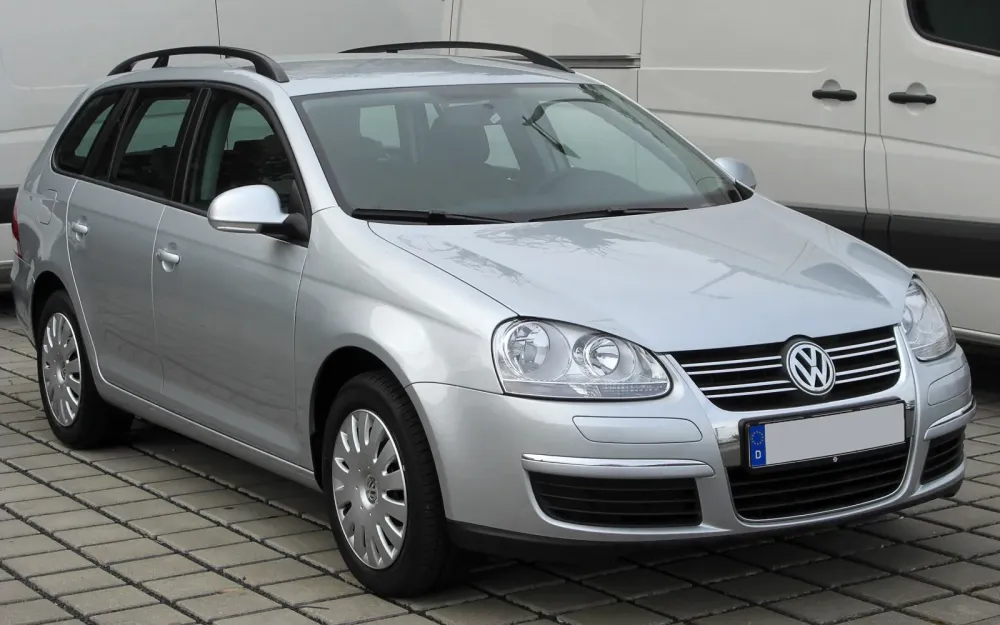
Click on image to view the full photo gallery
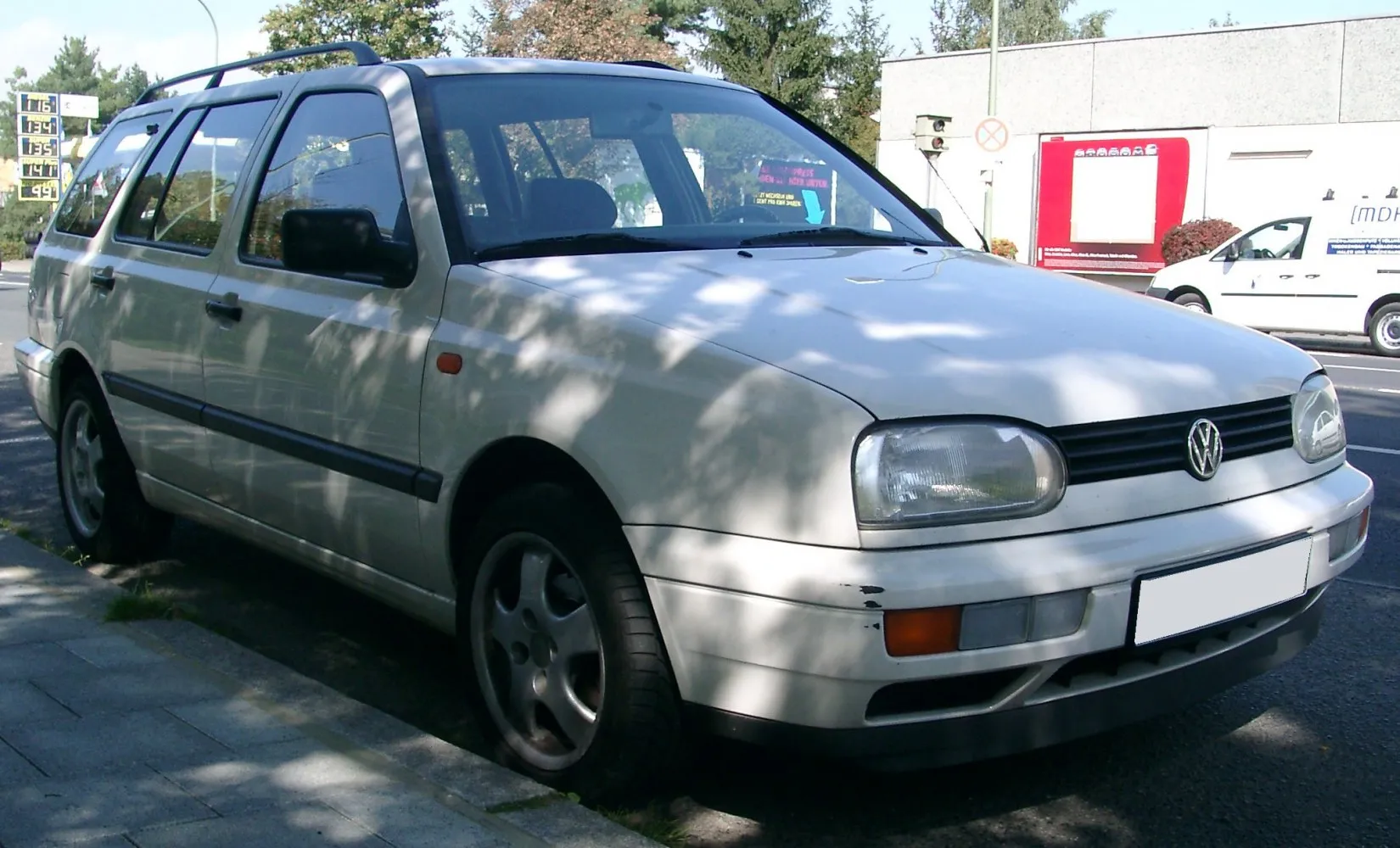
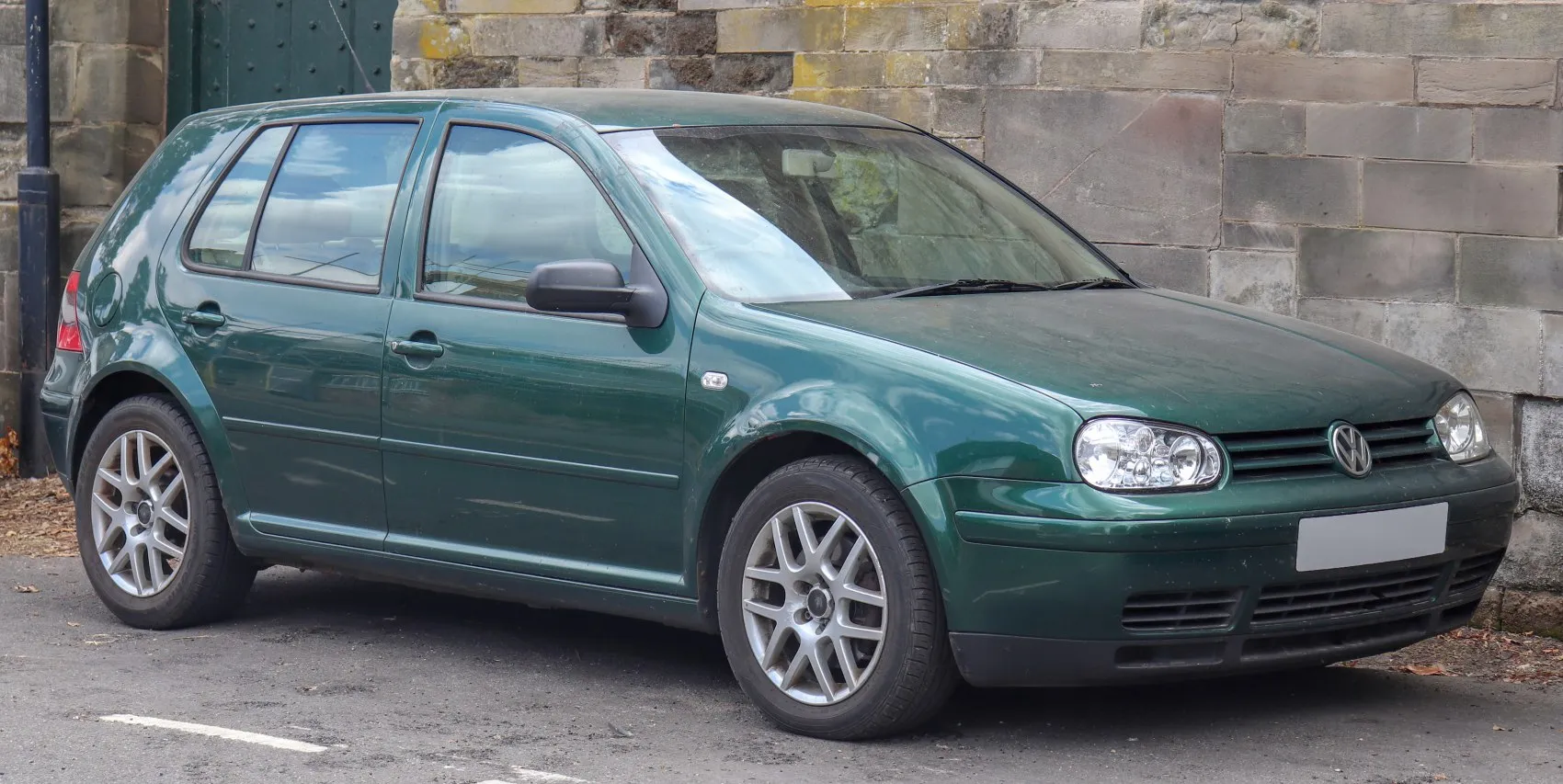
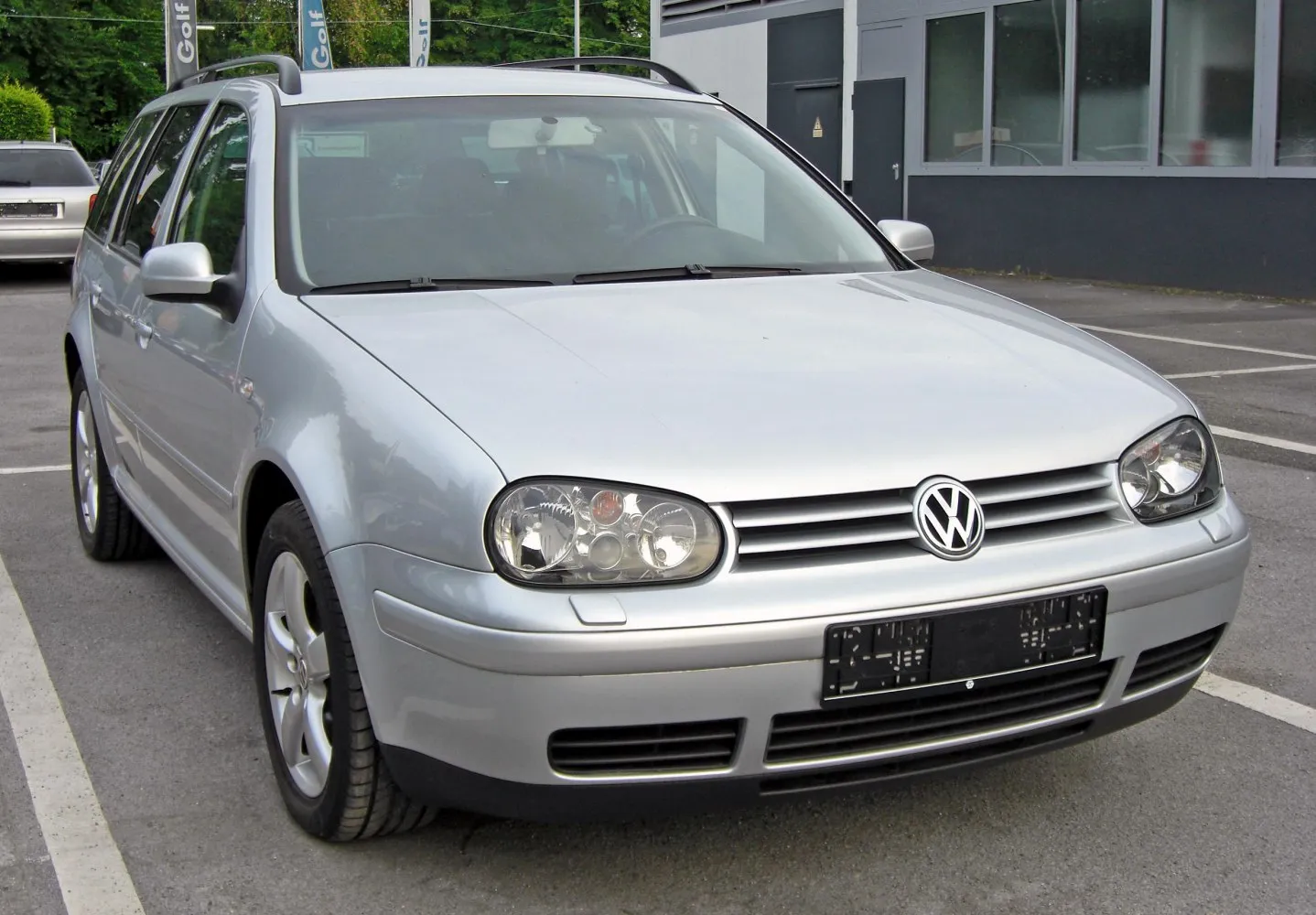
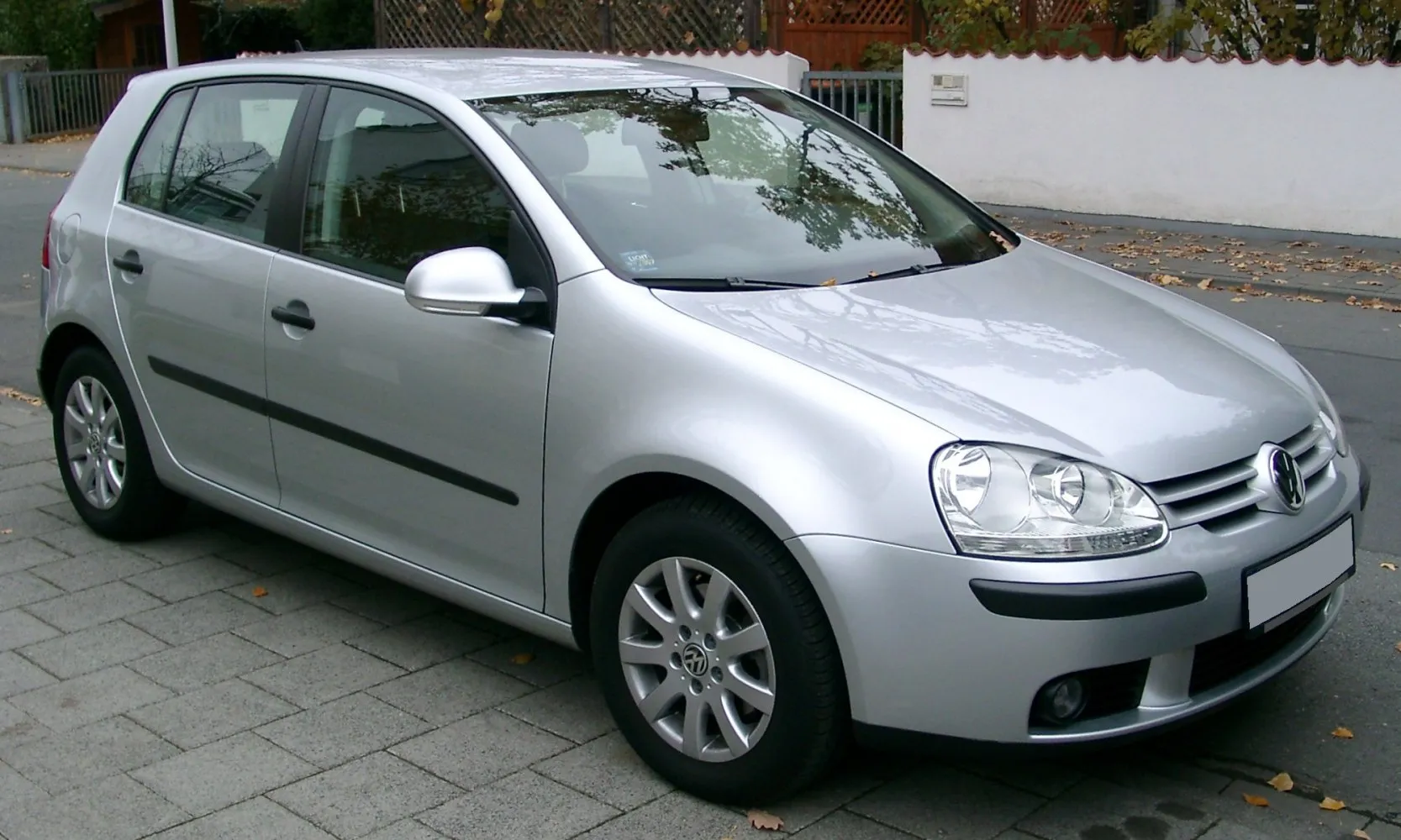
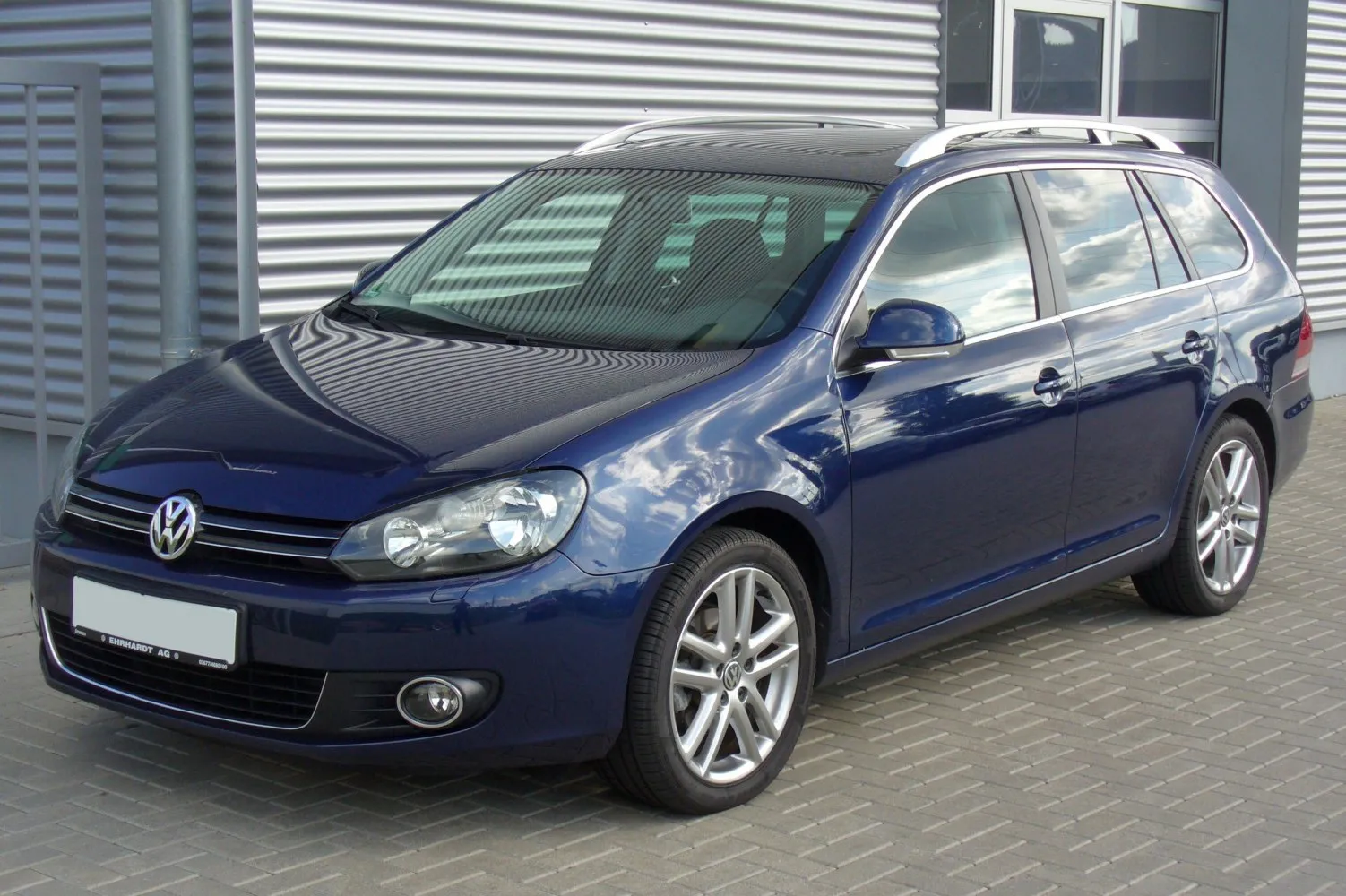
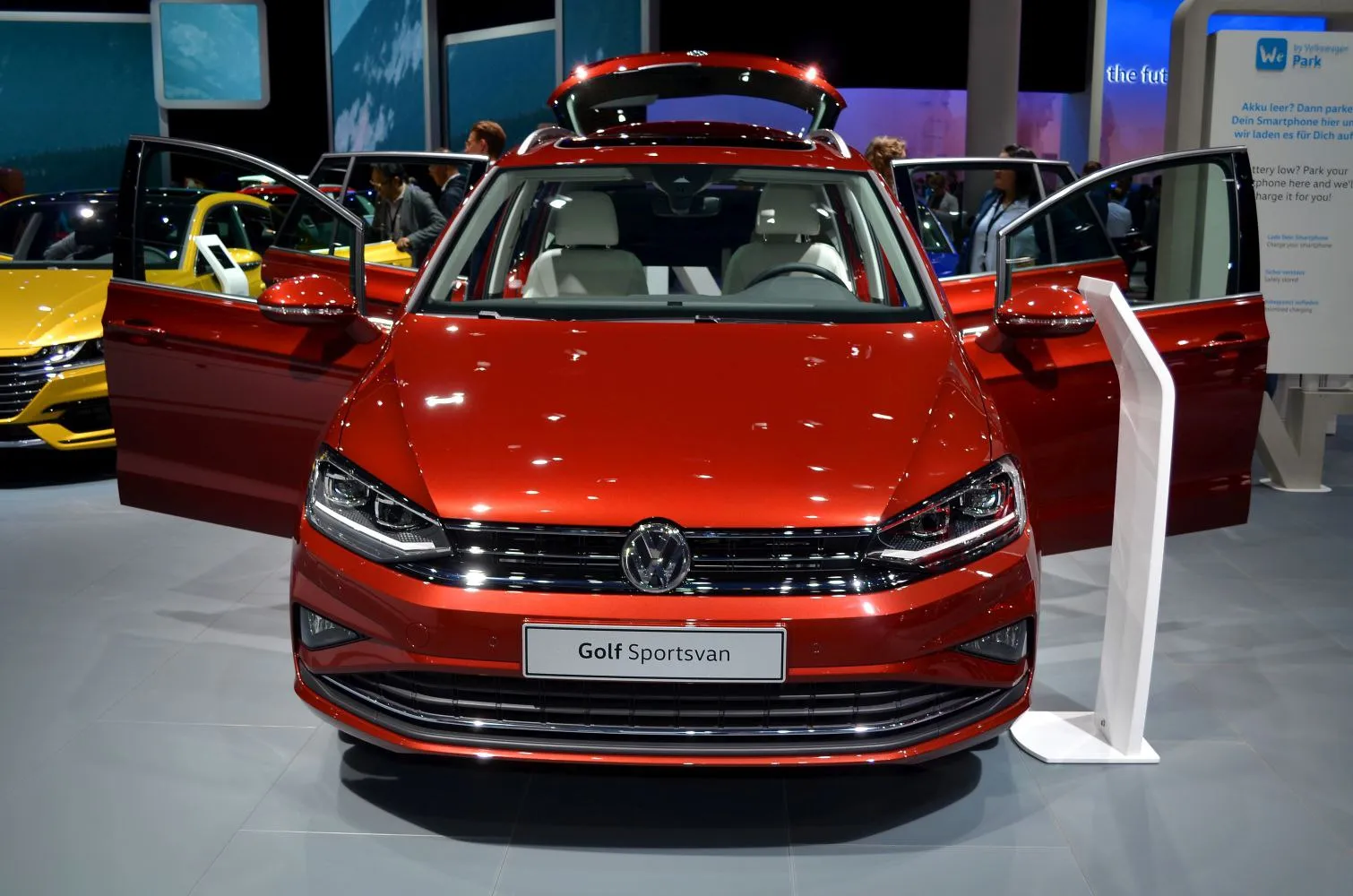
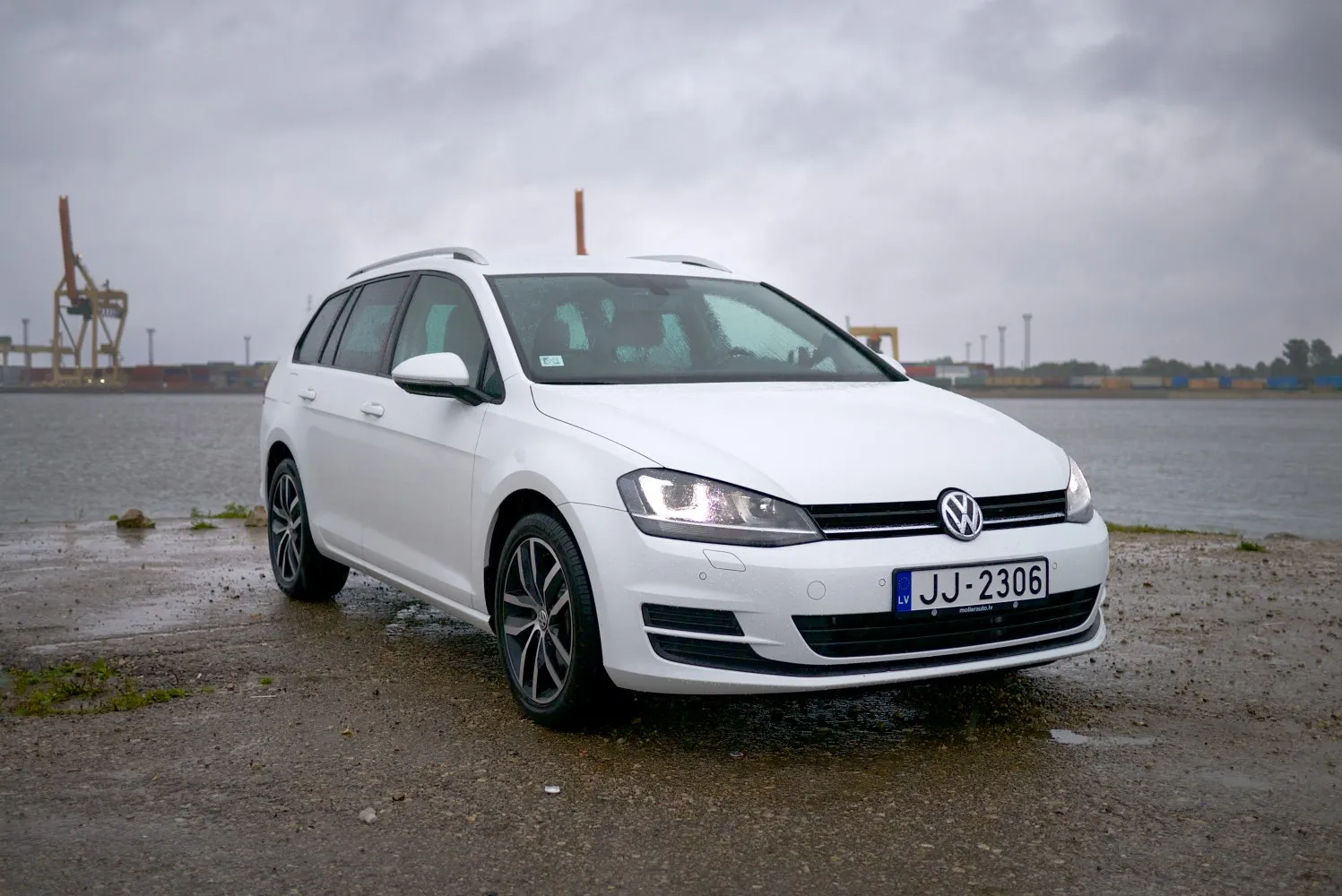
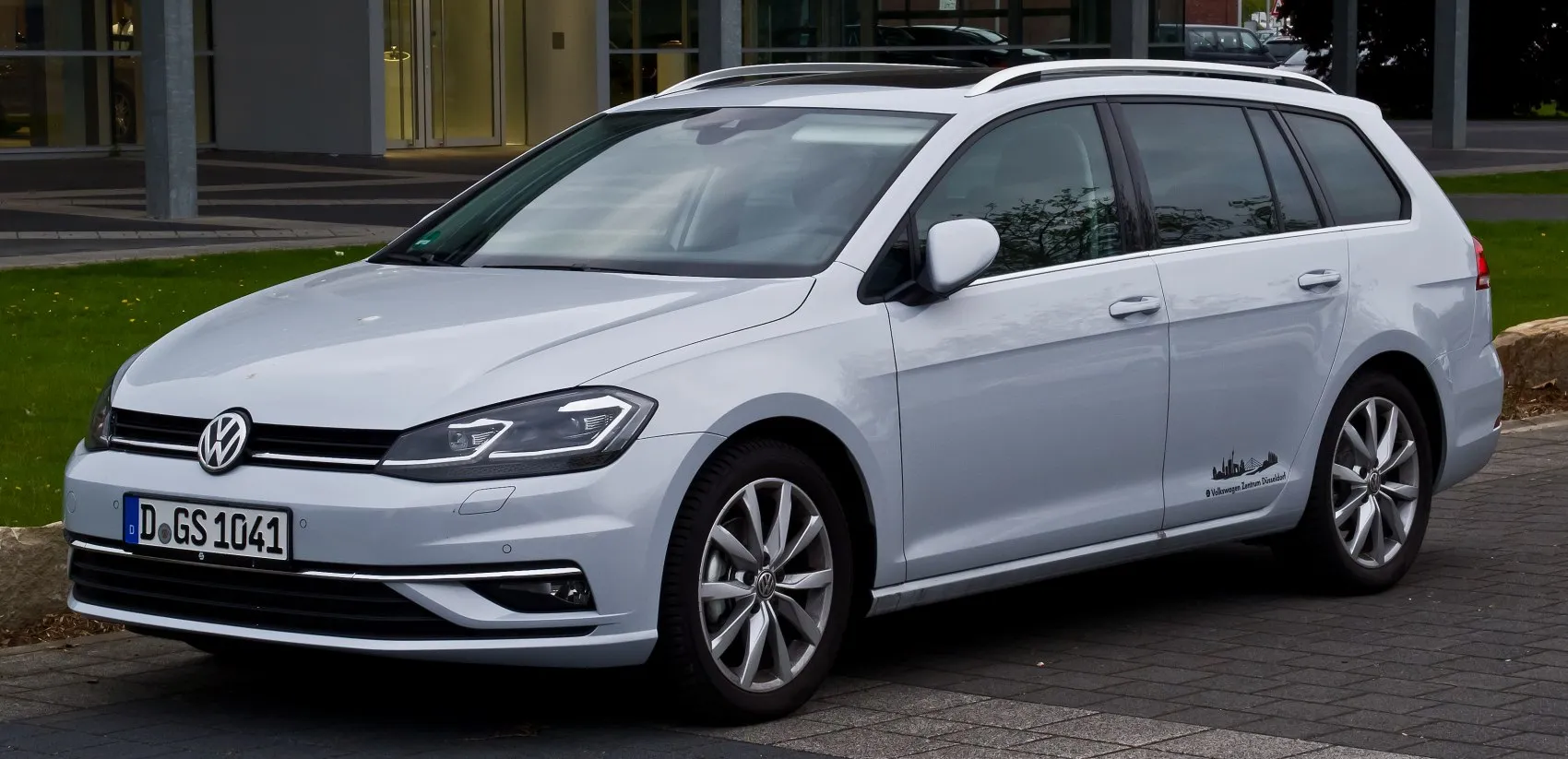
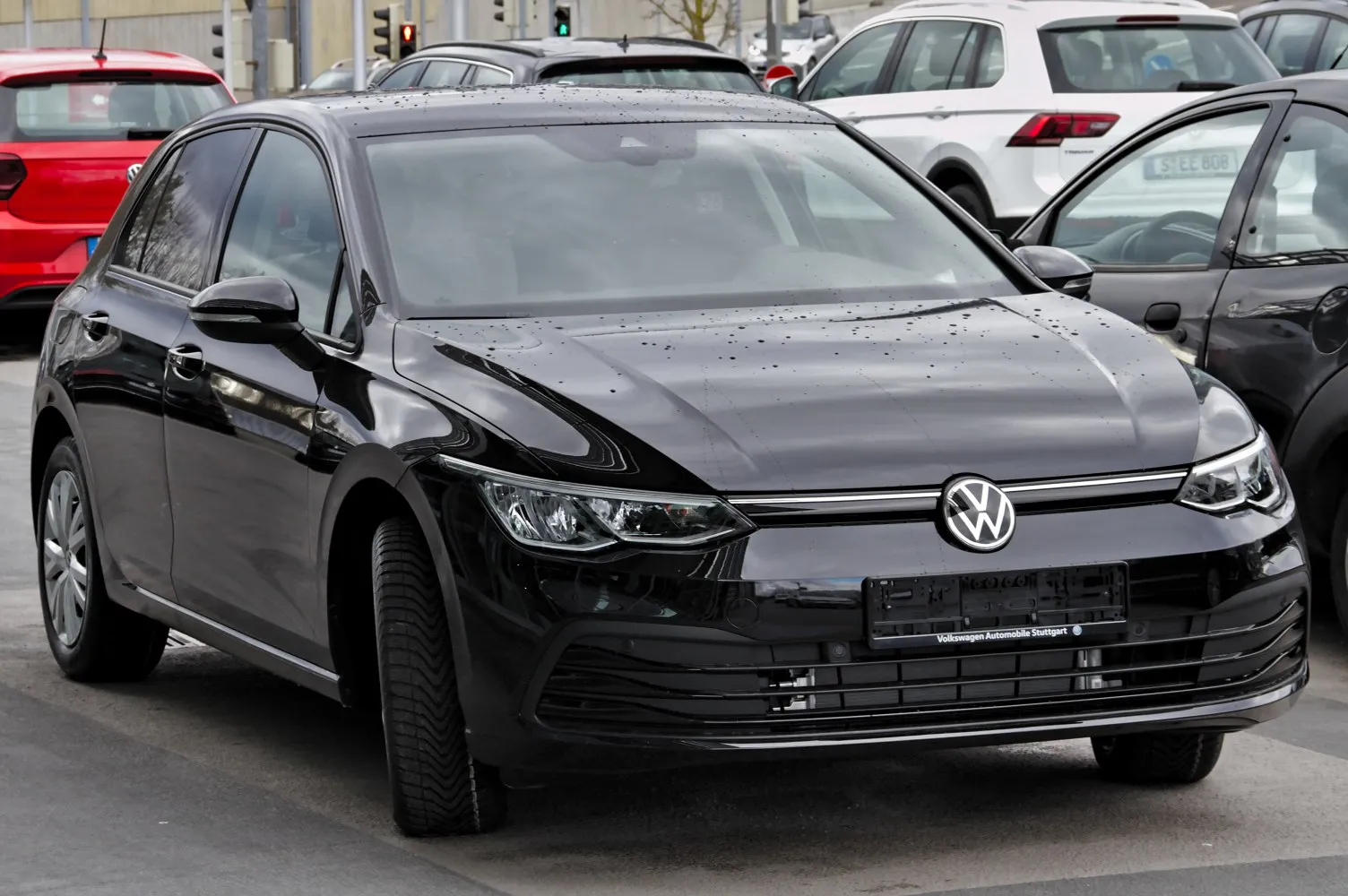
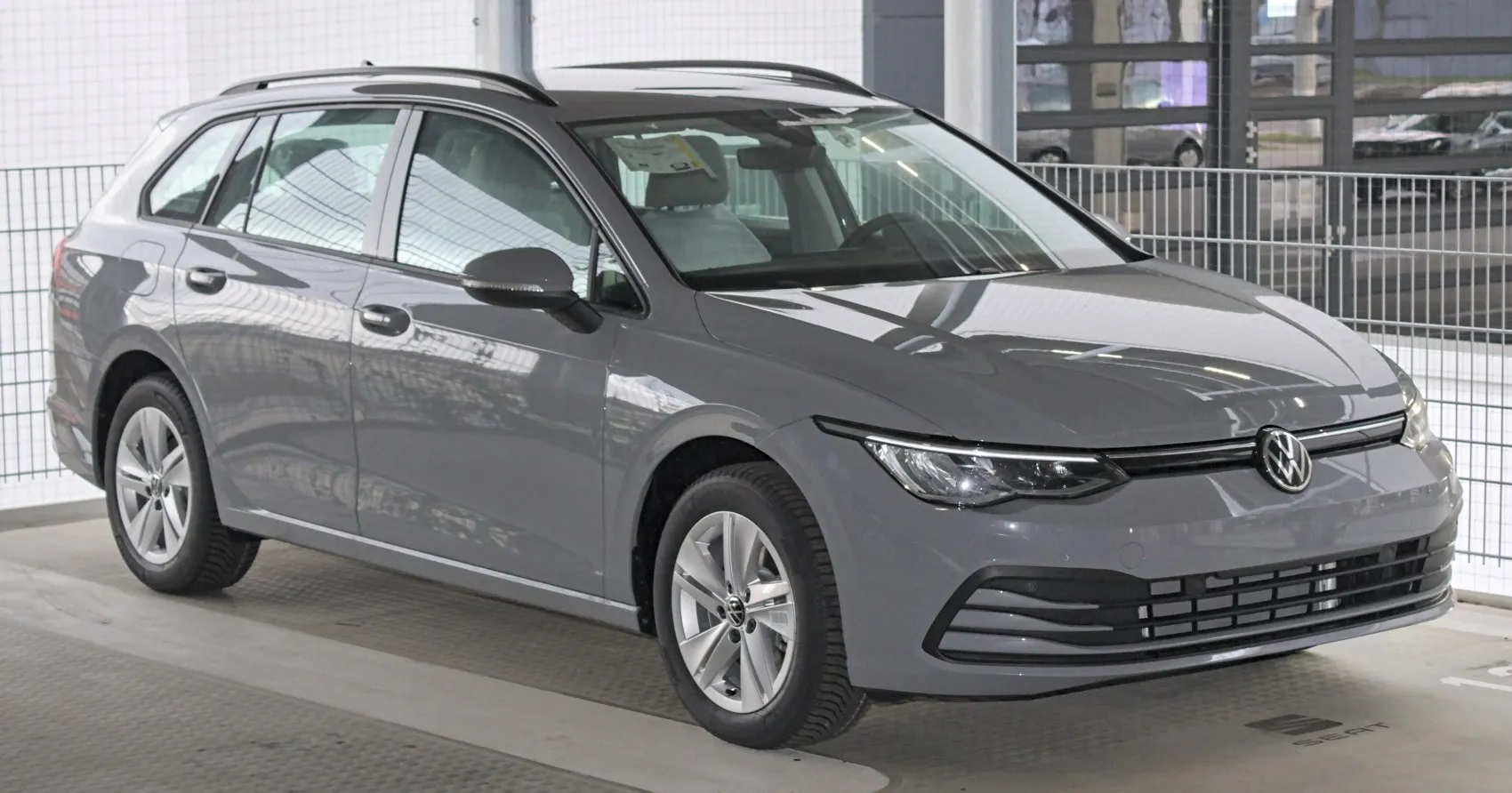
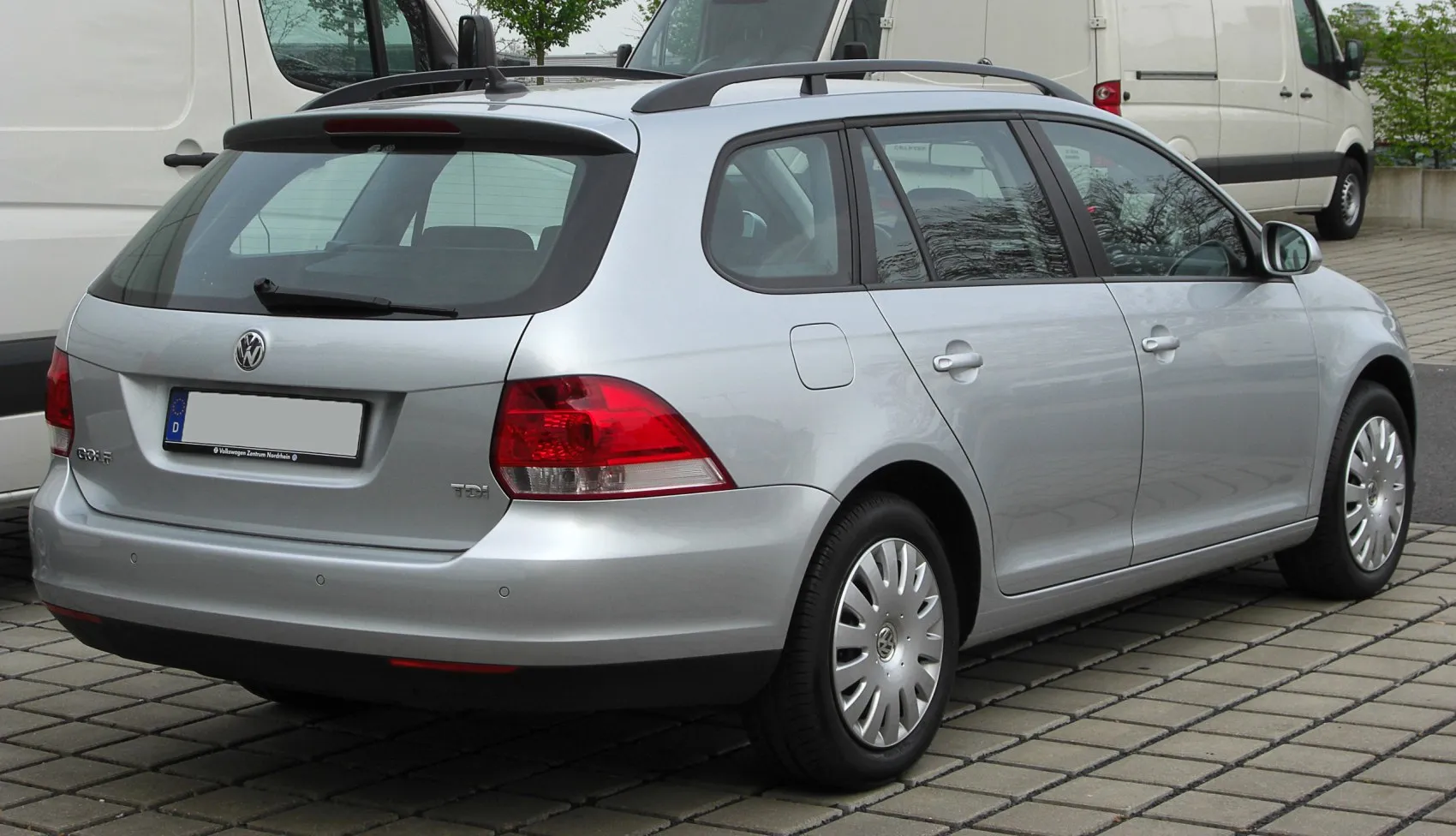
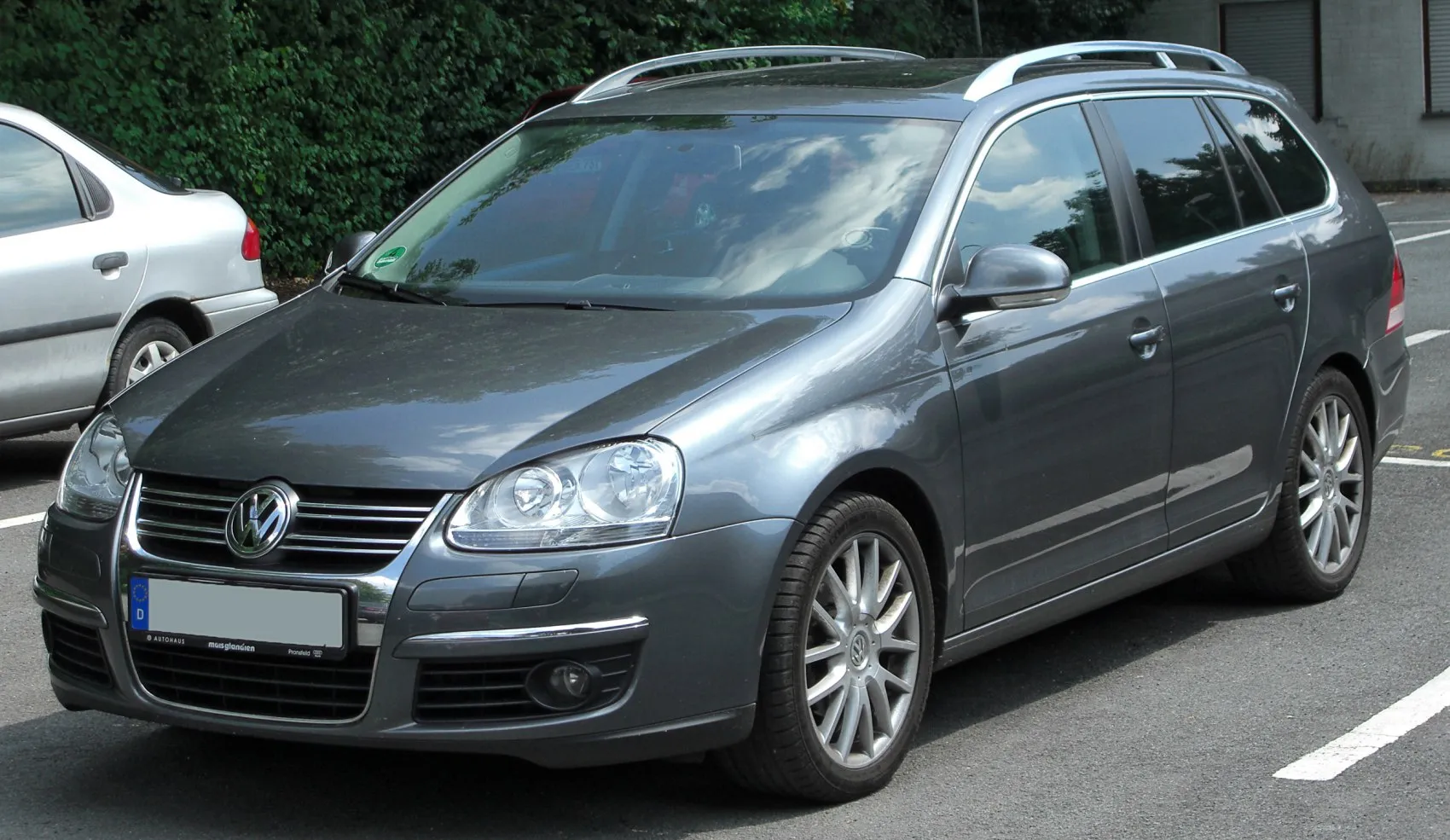
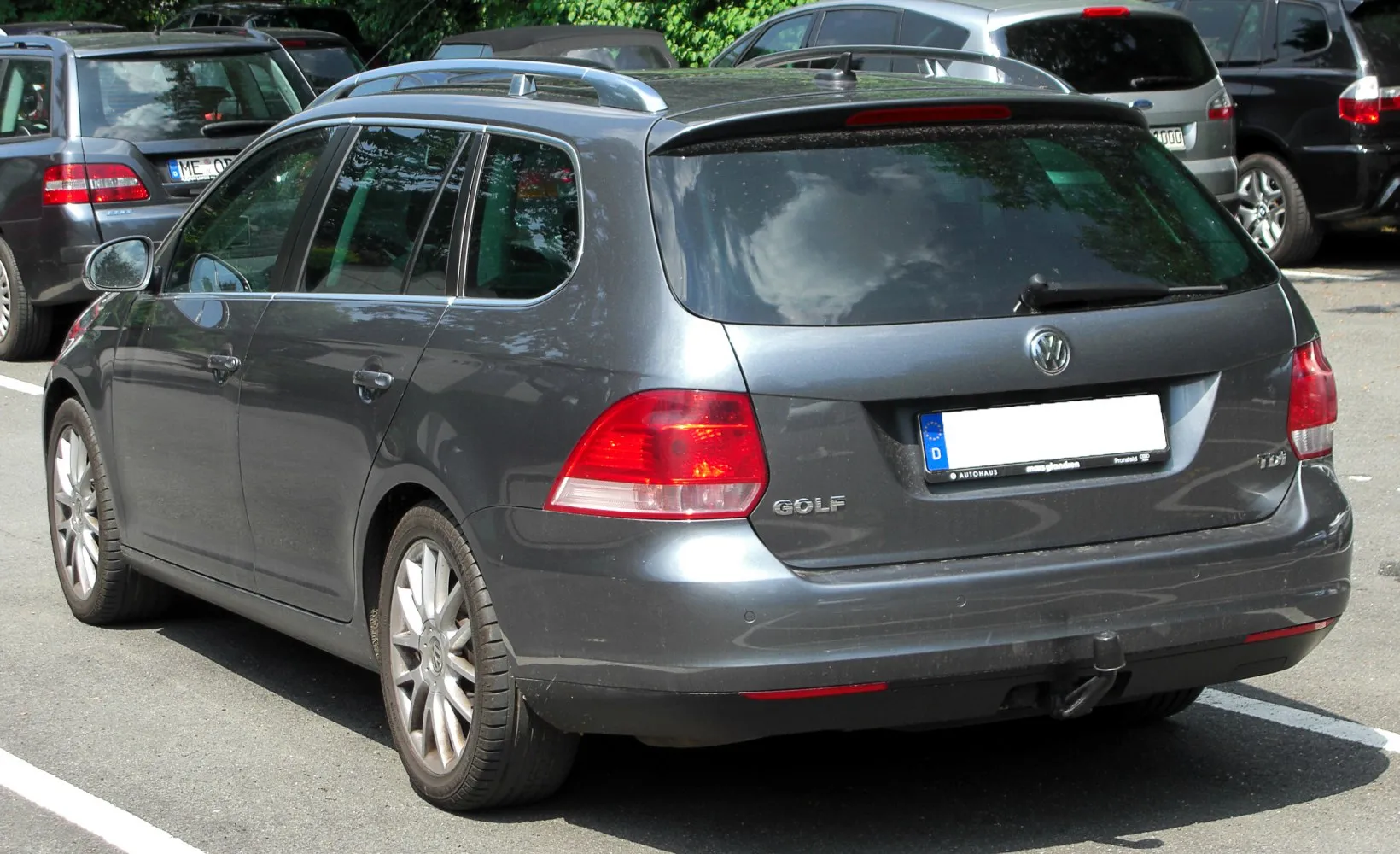
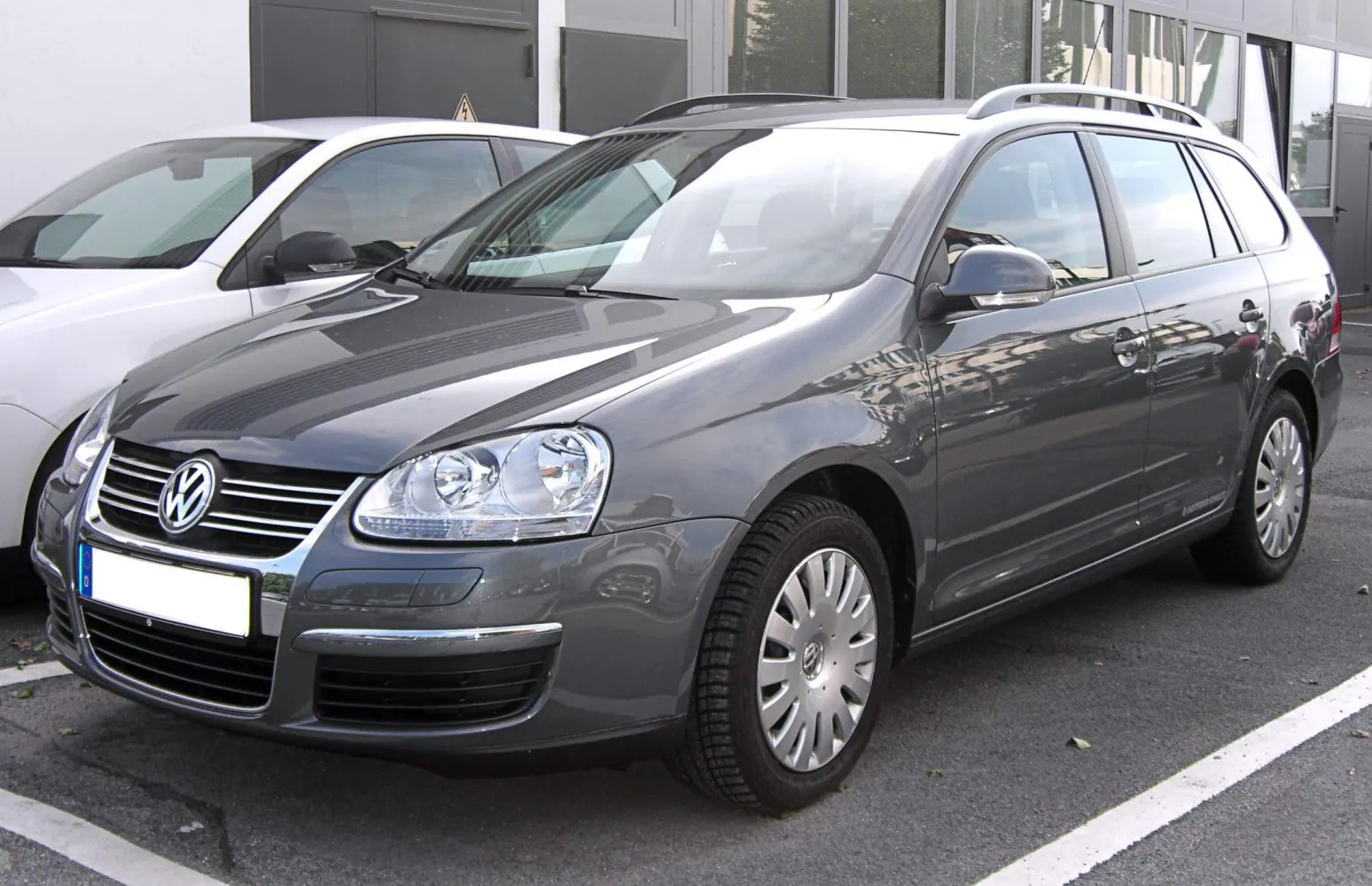
Volkswagen Golf V Variant 2.0 TDI (140 Hp) DPF
Overall Rating
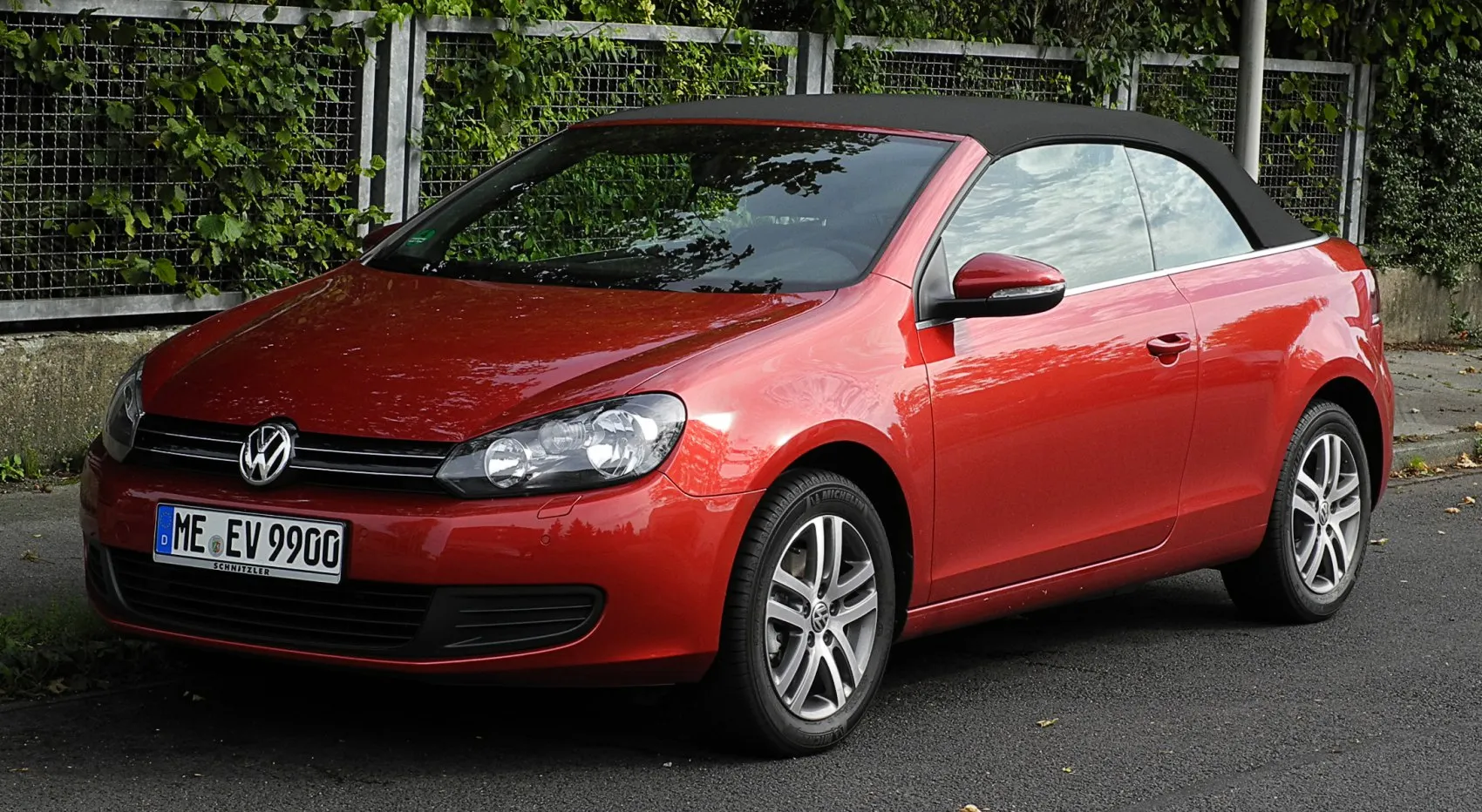
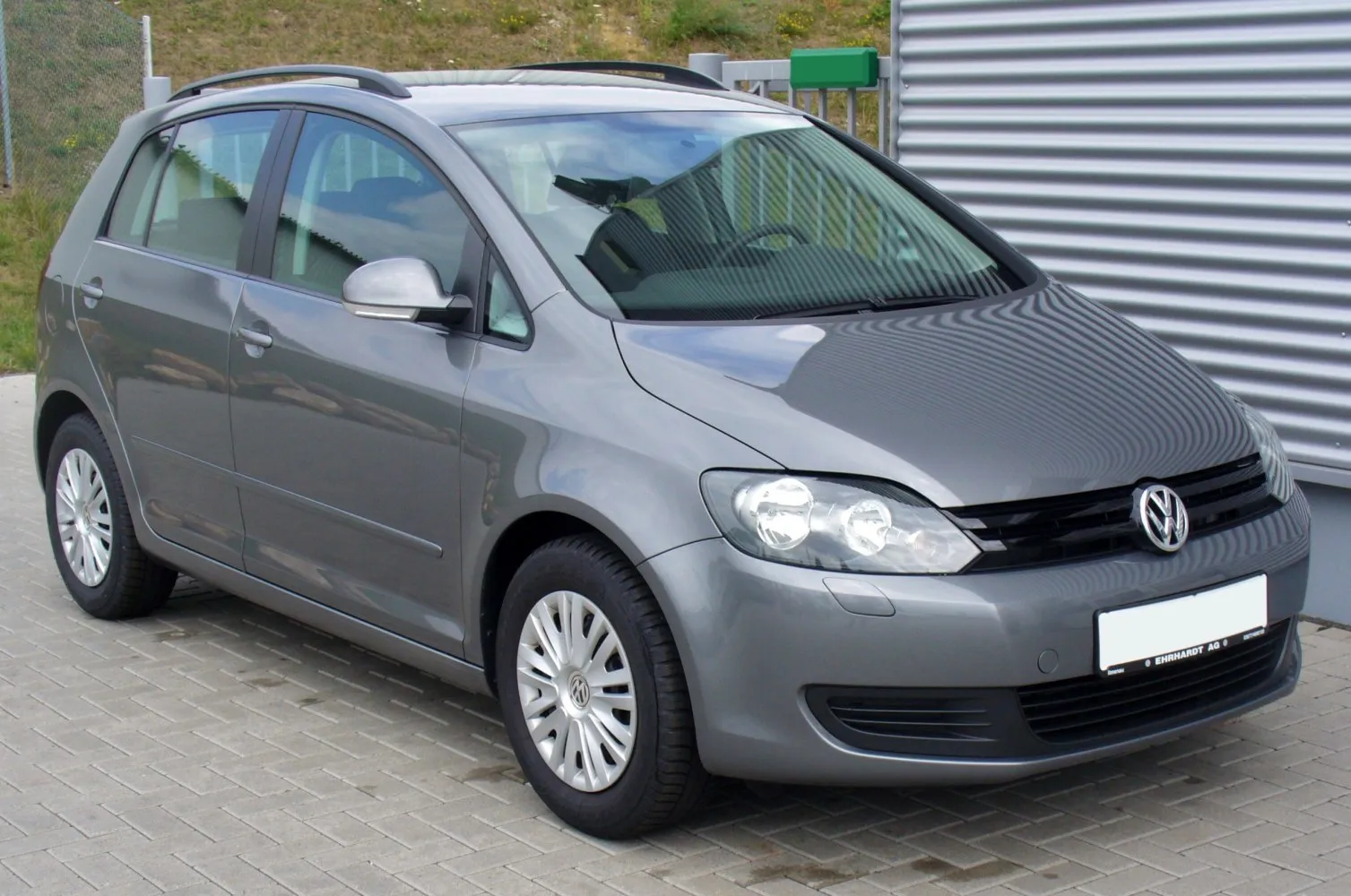
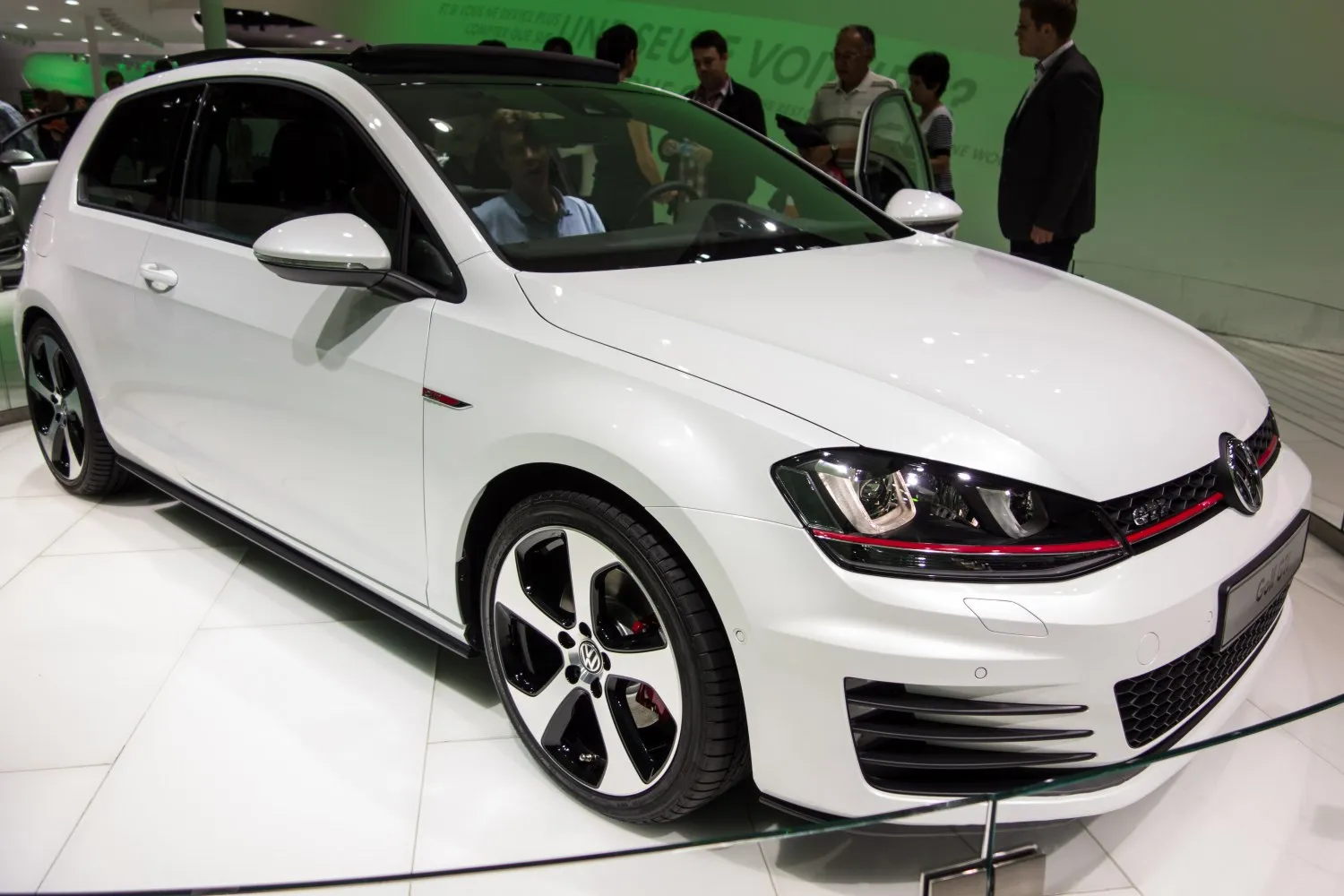
Volkswagen Golf:
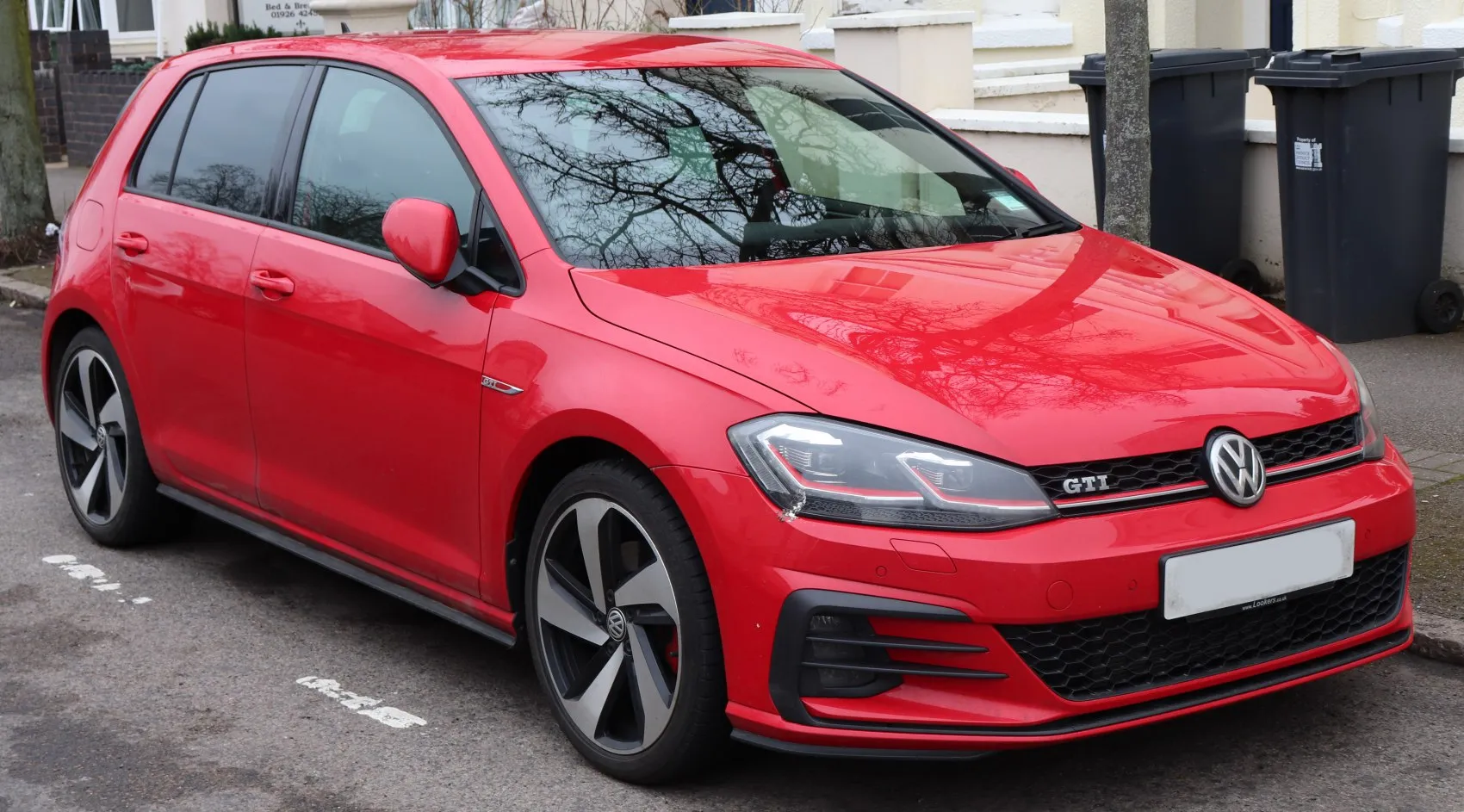
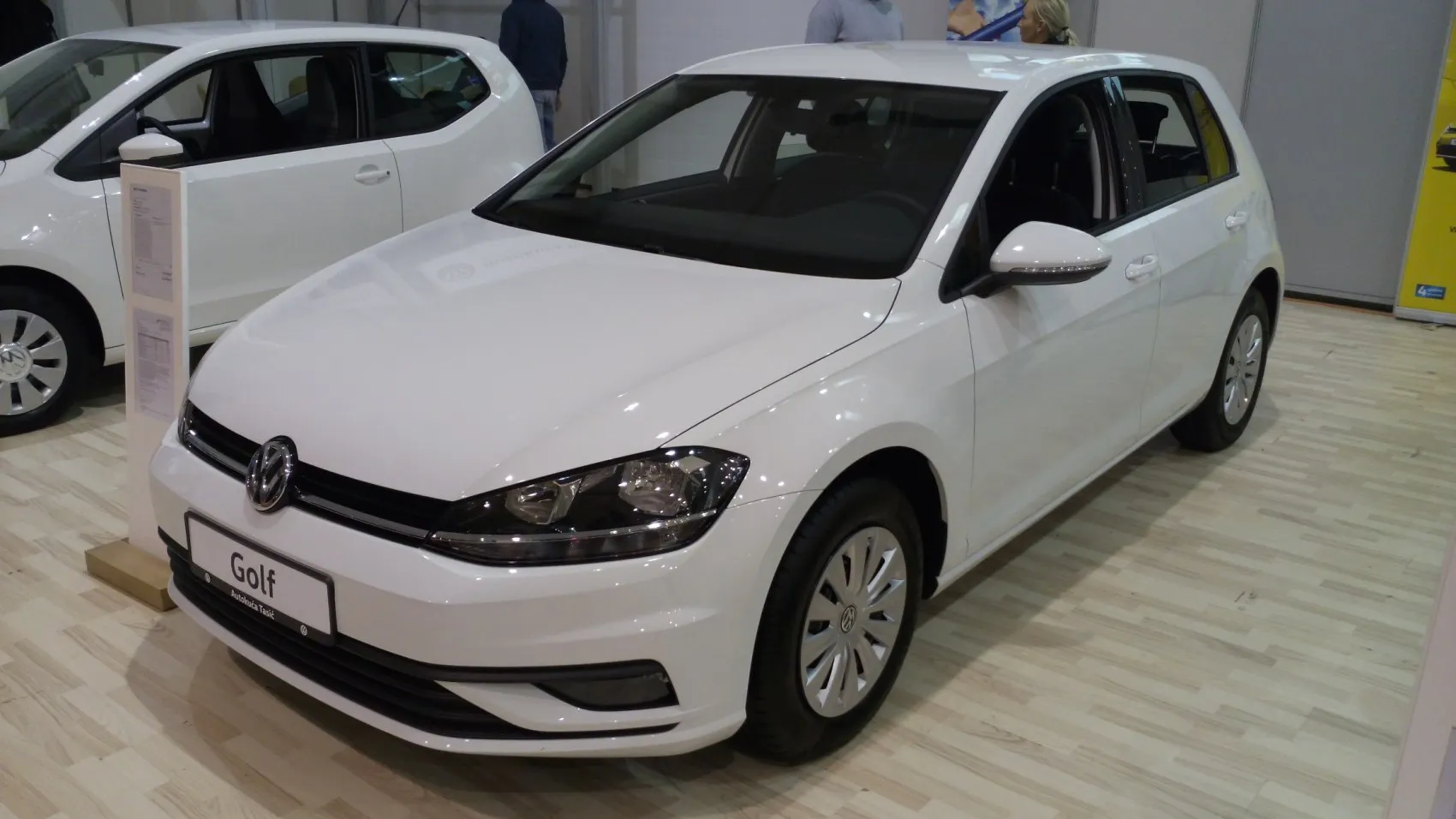
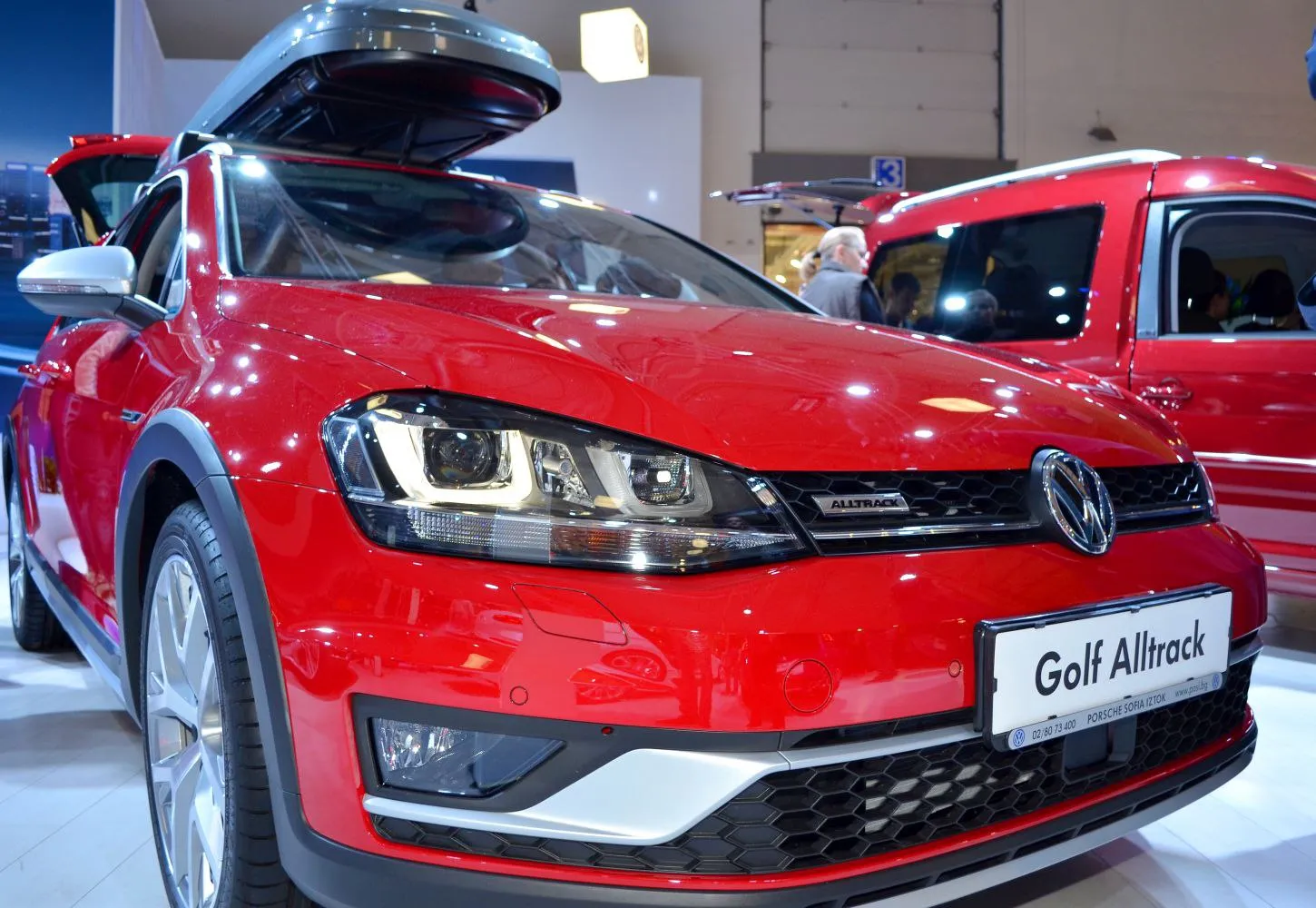
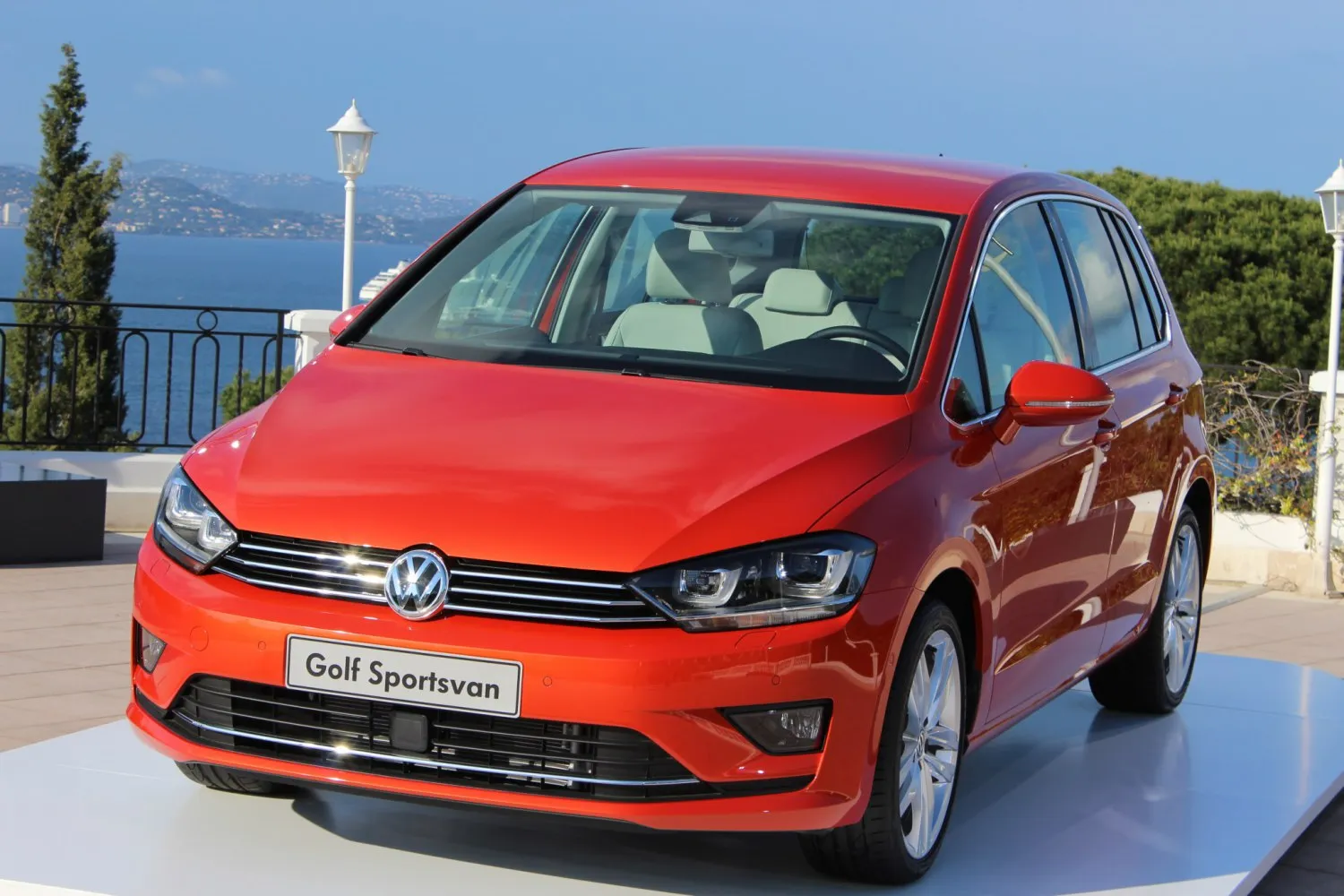
The Volkswagen Golf is a compact car/small family car produced by the German automotive manufacturer Volkswagen since 1974, marketed worldwide across eight generations, in various body configurations and under various nameplates – including as the Volkswagen Rabbit in the United States and Canada , and as the Volkswagen Caribe in Mexico. Historically, the Golf is Volkswagen's best-selling model and is among the world's top three best-selling nameplates, with more than 35 million units sold as of 2019....(Read more on Wikipedia)
V Variant Overview:
Volkswagen Golf (V Variant). With 320 Nm of torque, it offers ample pulling power. It has moderate fuel consumption (~7.1 l/100km). With a weight of 1399 kg, it falls in the mid‑range. Front‑wheel drive delivers efficiency and easy handling. Acceleration is relatively slow (0–100 km/h in 9.7 s). The top speed reaches 205 km/h. A car with an extended rear cargo area, combining passenger comfort with increased storage. Seating for 5 makes it ideal for daily use.
2.0 TDI (140 Hp) DPF Verdict:

Performance Verdict
Strong and torquey, providing confident acceleration and good cruising ability. Manual gearbox offers more driver engagement.
Fuel Economy
Excellent fuel efficiency, one of the best for its power. DPF requires attention and proper driving cycles.
Pros and Cons:
Pros:
- • Excellent practicality and spacious boot capacity for its class.
- • Wide range of efficient and powerful engines, including modern TSI and TDI options.
- • High-quality interior materials and solid build quality.
- • Comfortable ride suitable for long journeys.
- • Strong safety performance, inheriting the Golf V hatchback's 5-star Euro NCAP rating.
Cons:
- • Some early TSI engines (twin-chargers) had known reliability issues (e.g., timing chains).
- • Early DSG gearboxes could be prone to mechatronic unit failures.
- • Entry-level engines (e.g., 1.4 16V, 1.6) are underpowered and less efficient.
- • Interior design, while well-built, can be considered somewhat conservative or bland.
- • Higher trim levels and advanced engines can be expensive to maintain if issues arise.
Specifications:
Specifications are compared to those of the previous generation(IV Variant: May, 1999 - July, 2001).
| General: | |
|---|---|
| Brand: | Volkswagen |
| Model: | Golf |
| Generation: | V Variant |
| Modification (Engine): | 2.0 TDI (140 Hp) DPF |
| Start of production: | May, 2008 |
| End of production: | May, 2009 |
| Powertrain Architecture: | Internal Combustion engine |
| Body type: | Station wagon (estate) |
| Seats: | 5 |
| Doors: | 5 |
| Engine: | |
|---|---|
| Engine systems: | Particulate filter |
| Power: | 140 Hp @ 4200 rpm. Same horsepower |
| Power per litre: | 71.1 Hp/l [159mm more] |
| Torque: | 320 Nm @ 1750-2500 rpm. |
| Engine Model/Code: | CBDB More details about the engine CBDB |
| Engine displacement: | 1968 |
| Number of cylinders: | 4 |
| Engine configuration: | Inline |
| Number of valves per cylinder: | 4 |
| Fuel injection system: | Diesel Commonrail |
| Engine aspiration: | Turbocharger, Intercooler |
| Valvetrain: | DOHC |
| Engine oil capacity: | 4.3 l |
| Coolant: | 8 l |
| Engine layout: | Front, Transverse |
| Cylinder Bore: | 81 mm mm |
| Piston Stroke: | 95.5 mm mm |
| Compression ratio: | 18.5:1 |
| Performance: | |
|---|---|
| Fuel Type: | Diesel |
| Fuel consumption (economy) - urban: | 7.1 l/100 km |
| Fuel consumption (economy) - extra urban: | 4.5 l/100 km |
| Fuel consumption (economy) - combined (NEDC): | 5.5 l/100 km |
| Fuel consumption (economy) - urban (NEDC): | 7.1 l/100 km |
| Fuel consumption (economy) - extra urban (NEDC): | 4.5 l/100 km |
| Fuel consumption (economy) - combined: | 5.5 l/100 km |
| Emission standard: | Euro 4 |
| Acceleration 0 - 100 km/h: | 9.7 sec |
| Acceleration 0 - 62 mph: | 9.7 sec |
| Maximum speed: | 205 km/h |
| Weight-to-power ratio: | 10 kg/Hp, 100.1 Hp/tonne |
| Weight-to-torque ratio: | 4.4 kg/Nm, 228.7 Nm/tonne |
| Acceleration 0 - 60 mph: | 9.2 sec |
| Space: | |
|---|---|
| Kerb Weight: | 1399 |
| Max. weight: | 2010 |
| Max. roof load: | 75 kg |
| Max load: | 611 |
| Trunk (boot) space - maximum: | 1495 l |
| Trunk (boot) space - minimum: | 505 l |
| Permitted trailer load with brakes (12%): | 1500 kg |
| Fuel tank capacity: | 55 l |
| Permitted trailer load without brakes: | 730 kg |
| Permitted towbar download: | 75 kg |
| Permitted trailer load with brakes (8%): | 1700 kg |
| Size: | |
|---|---|
| Ramp-over (brakeover) angle: | 8.8° |
| Length: | 4556 mm mm [159mm more] |
| Width: | 1781 mm mm [46mm more] |
| Height: | 1504 mm mm [31mm more] |
| Wheelbase: | 2578 mm mm [63mm more] |
| Width including mirrors: | 2003 mm |
| Front track: | 1535 mm |
| Rear (Back) track: | 1508 mm |
| Minimum turning circle (turning diameter): | 10.9 m [above average] |
| Approach angle: | 13.6° |
| Departure angle: | 11.9° |
| Powertrain: | |
|---|---|
| Drivetrain Architecture | The Internal combustion engine (ICE) drives the front wheels of the vehicle. |
| Drive wheel | Front wheel drive |
| Number of gears | 6 |
| Transmission type | Manual |
| Front brakes | Ventilated discs [Best for performance and cooling.] |
| Rear brakes | Disc [above average] |
| Assisting systems | ABS (Anti-lock braking system) |
| Steering type | Steering rack and pinion |
| Power steering | Electric Steering |
| Tires size | 205/55 R16; 225/45 R17 |
| Wheel rims size | 6.5J x 16; 7J x 17 |
| Front suspension | Independent, type McPherson with coil spring and anti-roll bar |
| Rear suspension | Independent multi-link spring suspension with stabilizer |











Better than its competitors? Tell us why the Volkswagen Golf stands out.