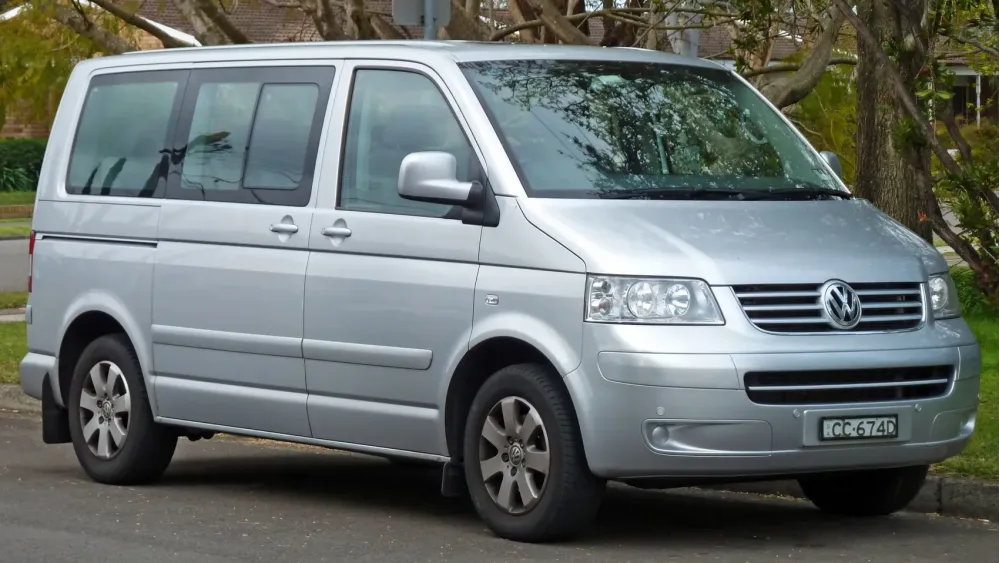
Click on image to view the full photo gallery
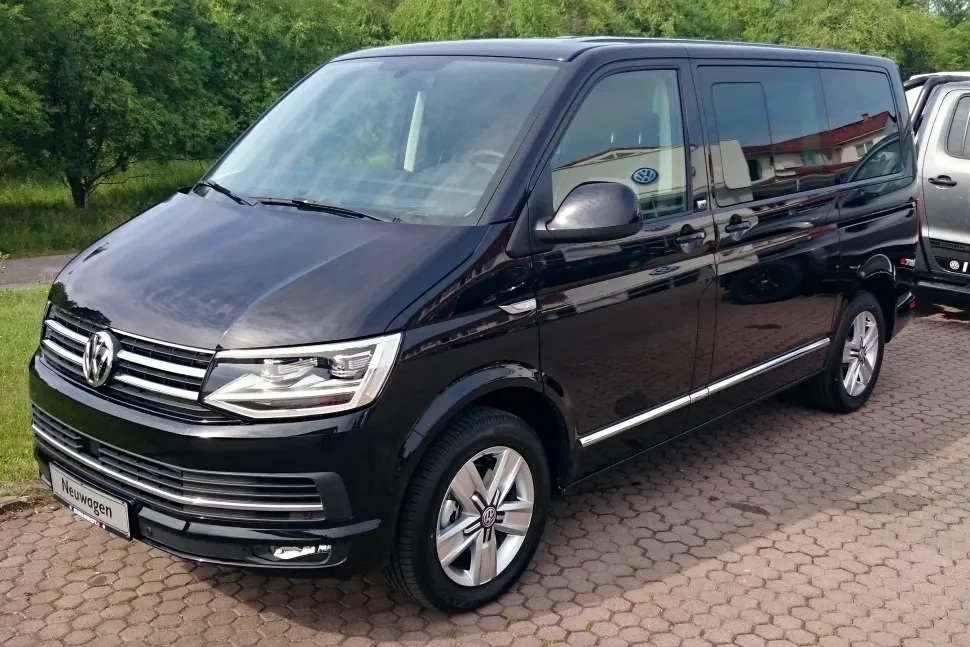
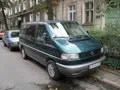
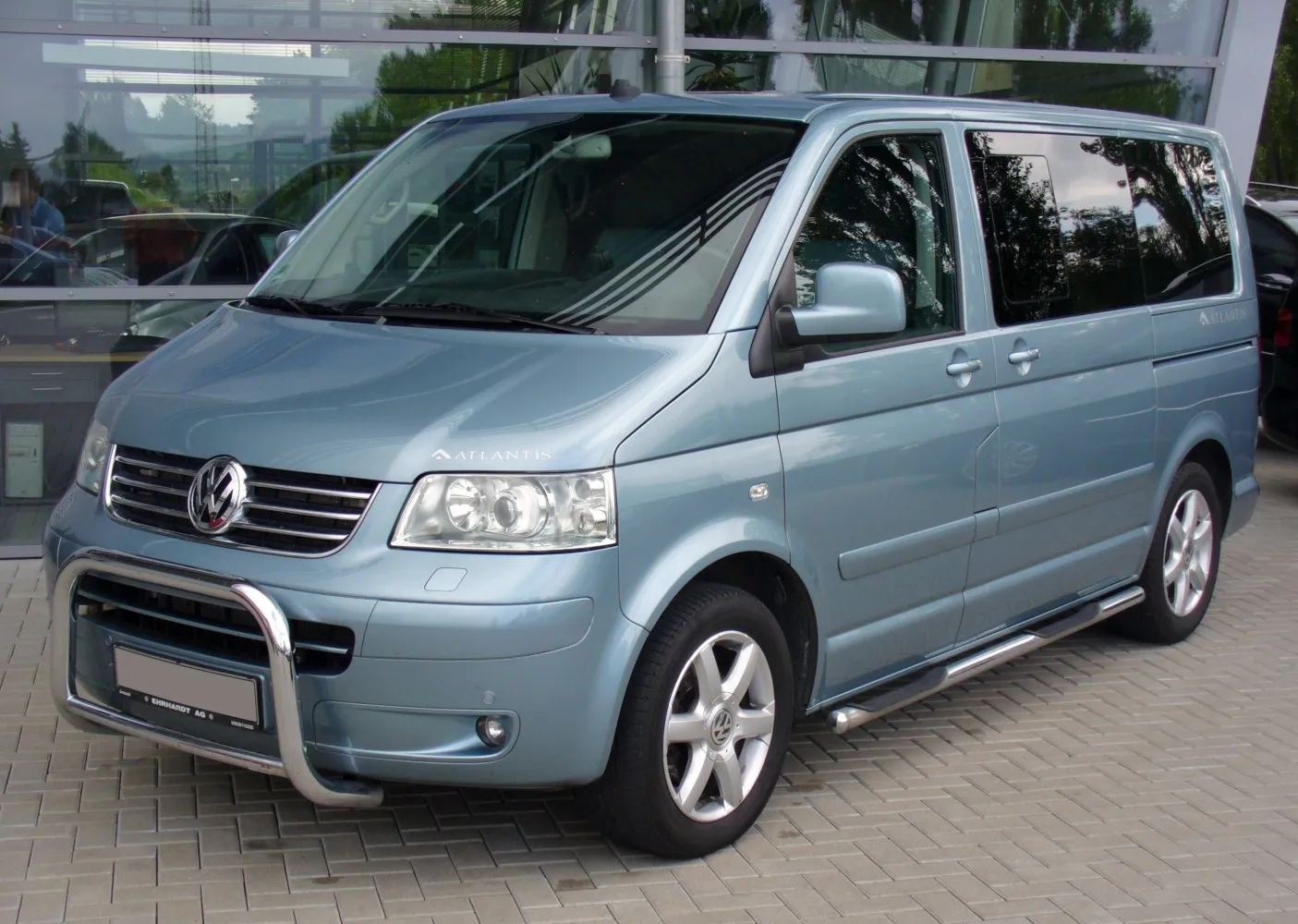
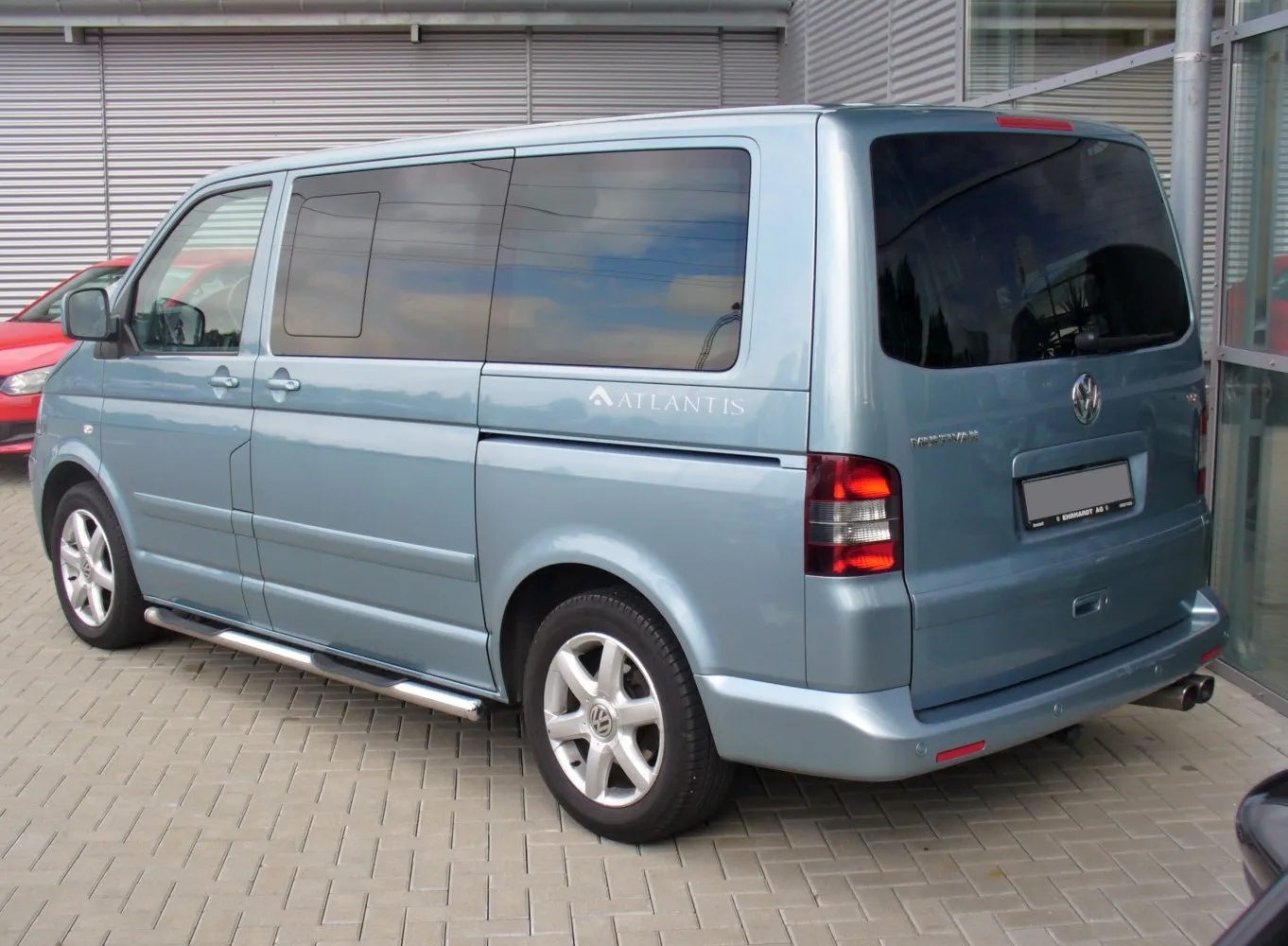
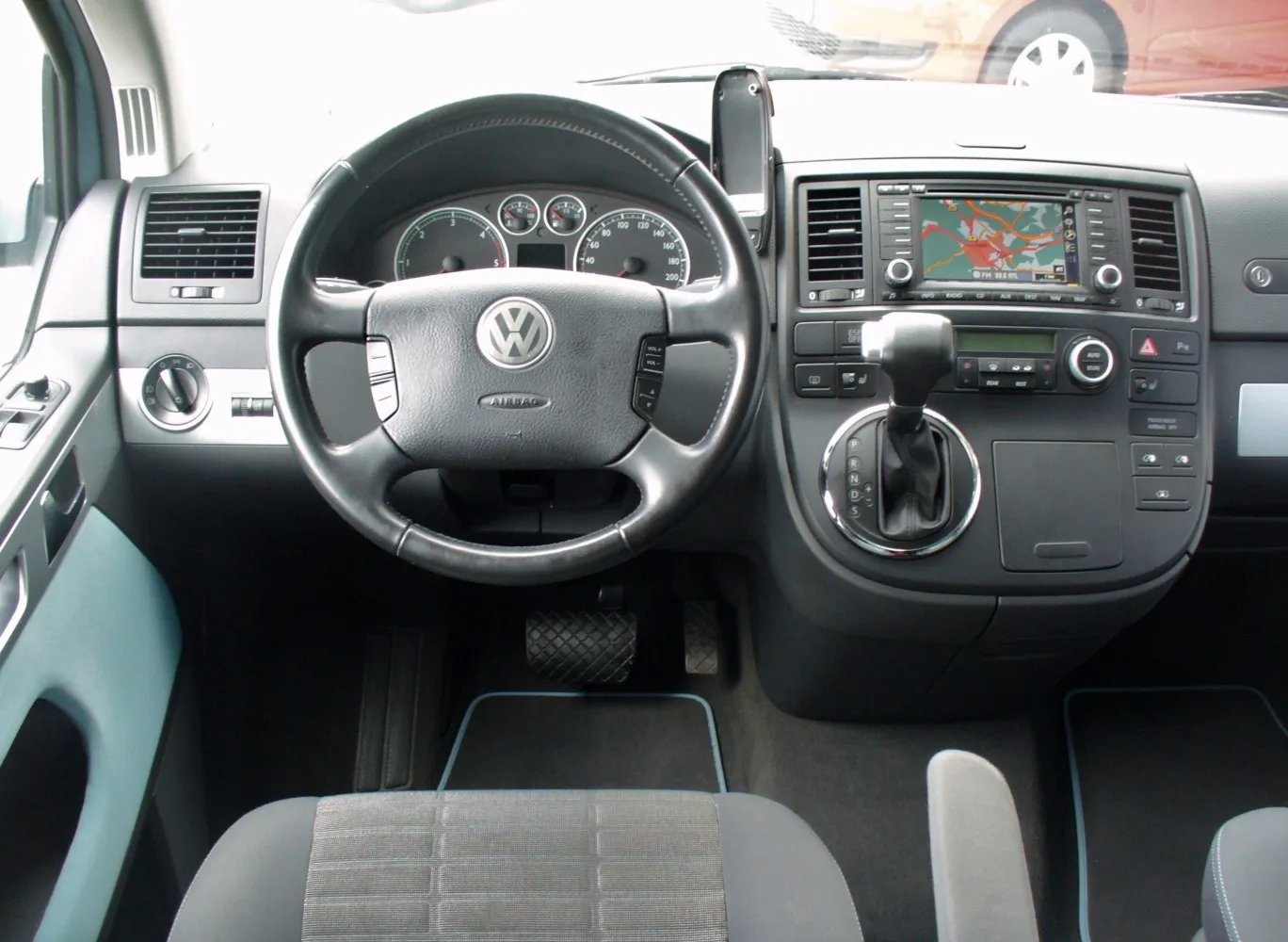
Volkswagen Multivan T5 2.0 (115 Hp)
Overall Rating
Volkswagen Multivan:
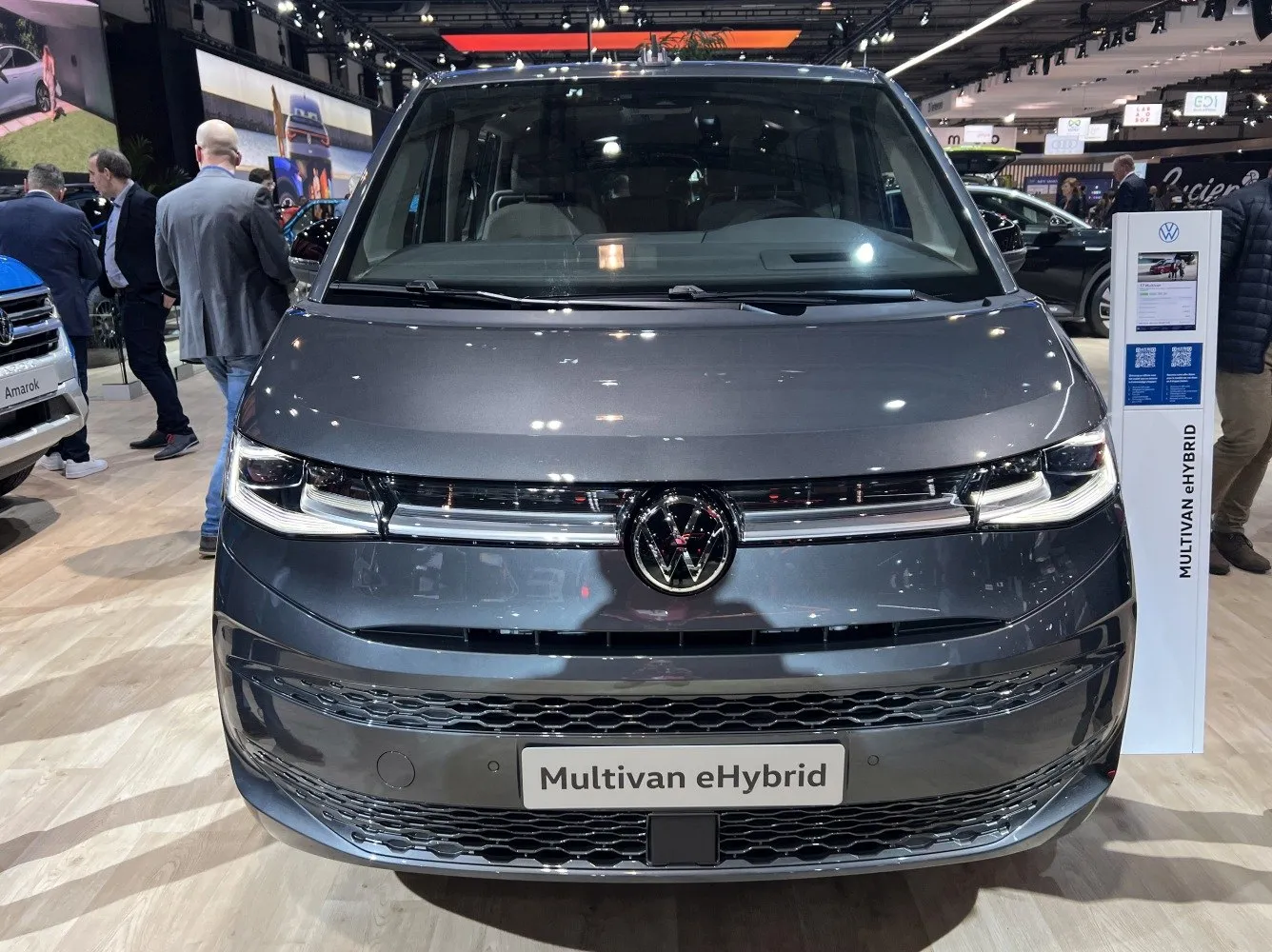
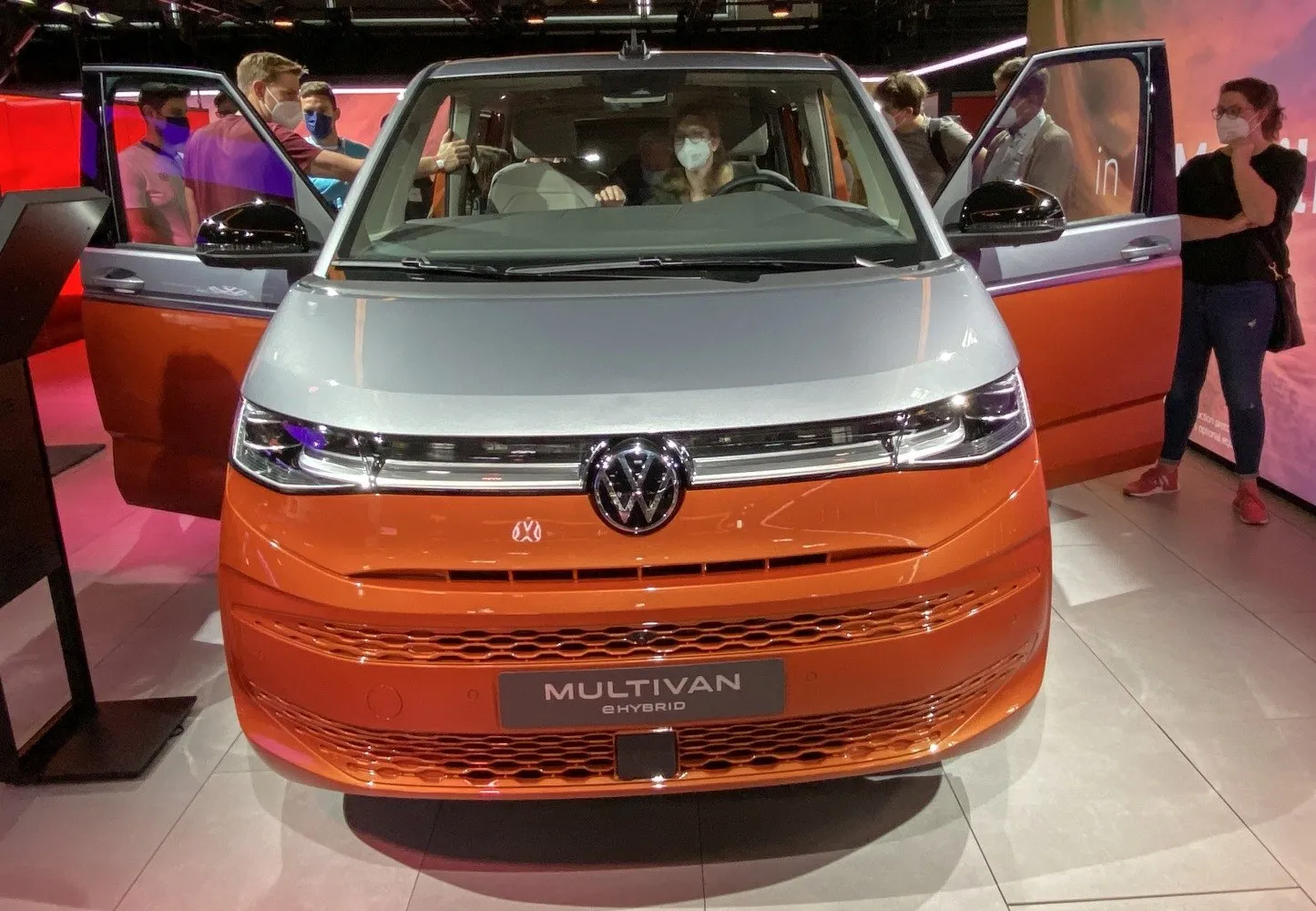
The Volkswagen Multivan is the seventh generation of the Volkswagen large van series. The Multivan is a large MPV that is based upon on the front-wheel drive MQB Evo platform, which categorises vehicles such as the Audi A3 and the Volkswagen Caddy. The Multivan offers a range of petrol, diesel, and plug-in hybrid models. The T7 Multivan went on sale in Europe in 2022.
The T7 Multivan is solely produced as a passenger car. For commercial applications , the T6. 1 Transporter continued production until 2023, with its replacement, which was introduced in 2024, built as a sibling of the Ford Transit Custom instead, without any relation to the T7 Multivan. Both the VW and Ford vans are offered with diesel, mild hybrid, plug-in hybrid, or all-electric drivetrains. Sales of this commercial model began in 2024....(Read more on Wikipedia)
T5 Overview:
Volkswagen Multivan (T5). With 170 Nm of torque, it offers ample pulling power. At around 2184 kg, it’s on the heavier side. Front‑wheel drive delivers efficiency and easy handling. Acceleration is relatively slow (0–100 km/h in 17.8 s). The top speed reaches 163 km/h. A spacious vehicle designed to transport passengers comfortably, often with sliding doors. With seating for 7, it’s perfect for larger families.
The T5 Multivan achieved a respectable 4-star Euro NCAP rating for adult occupant protection, indicating a solid safety performance for its class and era.
2.0 (115 Hp) Verdict:

Performance Verdict
Underpowered for the Multivan's size, struggling with acceleration and feeling strained when loaded.
Fuel Economy
Poor fuel economy for its performance, making it a less desirable option compared to the diesels.
Pros and Cons:
Pros:
- • Spacious and highly versatile interior with flexible seating configurations.
- • Robust build quality and durable chassis, designed for longevity.
- • Wide range of capable diesel engines (TDI) offering good torque and efficiency.
- • Comfortable ride quality, especially on long journeys, making it ideal for families.
- • Strong resale value, reflecting its popularity and practicality.
Cons:
- • Entry-level engines can feel underpowered, particularly when the vehicle is fully loaded.
- • Petrol engines are significantly less fuel-efficient, leading to higher running costs.
- • Some common reliability issues with certain 2.5 TDI components (e.g., vacuum pump, exhaust manifold).
- • Can be expensive to maintain and repair, especially for specialized parts.
- • Large dimensions can make city parking and maneuvering challenging for some drivers.
Specifications:
Specifications are compared to those of the previous generation(T4: 1990 - 2003).
| General: | |
|---|---|
| Brand: | Volkswagen |
| Model: | Multivan |
| Generation: | T5 |
| Modification (Engine): | 2.0 (115 Hp) |
| Start of production: | 2003 |
| End of production: | 2009 |
| Powertrain Architecture: | Internal Combustion engine |
| Body type: | Minivan |
| Seats: | 7 |
| Doors: | 5 |
| Engine: | |
|---|---|
| Power: | 115 Hp @ 5200 rpm. Same horsepower |
| Power per litre: | 58 Hp/l [101mm more] |
| Torque: | 170 Nm @ 2700-4700 rpm. |
| Engine Model/Code: | EA113 / AXA More details about the engine EA113 / AXA |
| Engine displacement: | 1984 |
| Number of cylinders: | 4 |
| Engine configuration: | Inline |
| Number of valves per cylinder: | 2 |
| Fuel injection system: | Multi-port manifold injection |
| Engine aspiration: | Naturally aspirated engine |
| Valvetrain: | SOHC |
| Engine oil capacity: | 5 l |
| Coolant: | 7.1 l |
| Engine layout: | Front, Transverse |
| Cylinder Bore: | 82.5 mm mm |
| Piston Stroke: | 92.8 mm mm |
| Compression ratio: | 10.3:1 |
| Performance: | |
|---|---|
| Fuel Type: | Petrol (Gasoline) |
| Fuel consumption (economy) - urban: | 13.8 l/100 km |
| Fuel consumption (economy) - extra urban: | 8.6 l/100 km |
| Fuel consumption (economy) - combined (NEDC): | 10.6 l/100 km |
| Fuel consumption (economy) - urban (NEDC): | 13.8 l/100 km |
| Fuel consumption (economy) - extra urban (NEDC): | 8.6 l/100 km |
| Fuel consumption (economy) - combined: | 10.6 l/100 km |
| Emission standard: | Euro 4 |
| Acceleration 0 - 100 km/h: | 17.8 sec |
| Acceleration 0 - 62 mph: | 17.8 sec |
| Maximum speed: | 163 km/h |
| Weight-to-power ratio: | 19 kg/Hp, 52.7 Hp/tonne |
| Weight-to-torque ratio: | 12.8 kg/Nm, 77.8 Nm/tonne |
| Acceleration 0 - 60 mph: | 16.9 sec |
| Space: | |
|---|---|
| Kerb Weight: | 2184 |
| Max. weight: | 2850 |
| Max. roof load: | 100 kg |
| Max load: | 666 |
| Trunk (boot) space - maximum: | 4525 l |
| Permitted trailer load with brakes (12%): | 2000 kg |
| Fuel tank capacity: | 80 l |
| Permitted trailer load without brakes: | 750 kg |
| Permitted towbar download: | 100 kg |
| Size: | |
|---|---|
| Length: | 4890 mm mm [101mm more] |
| Width: | 1904 mm mm [64mm more] |
| Height: | 1944 mm mm [44mm more] |
| Wheelbase: | 3000 mm mm [80mm more] |
| Width including mirrors: | 2283 mm |
| Front track: | 1628 mm |
| Rear (Back) track: | 1628 mm |
| Front overhang: | 894 mm |
| Rear overhang: | 996 mm |
| Ride height (ground clearance): | 165 mm |
| Minimum turning circle (turning diameter): | 11.9 m [above average] |
| Powertrain: | |
|---|---|
| Drivetrain Architecture | The Internal combustion engine (ICE) drives the front wheels of the vehicle. |
| Drive wheel | Front wheel drive |
| Number of gears | 5 |
| Transmission type | Manual |
| Front brakes | Ventilated discs, 308x29.5 mm [Best for performance and cooling.] |
| Rear brakes | Ventilated discs, 294x22 mm [Best for performance and cooling.] |
| Assisting systems | ABS (Anti-lock braking system) |
| Steering type | Steering rack and pinion |
| Power steering | Hydraulic Steering |
| Tires size | 215/65 R16 |
| Wheel rims size | 6.5J x 16 |
| Front suspension | Independent, type McPherson with coil spring and anti-roll bar |
| Rear suspension | Independent coil spring, Transverse stabilizer, Trailing arm |









Better than its competitors? Tell us why the Volkswagen Multivan stands out.