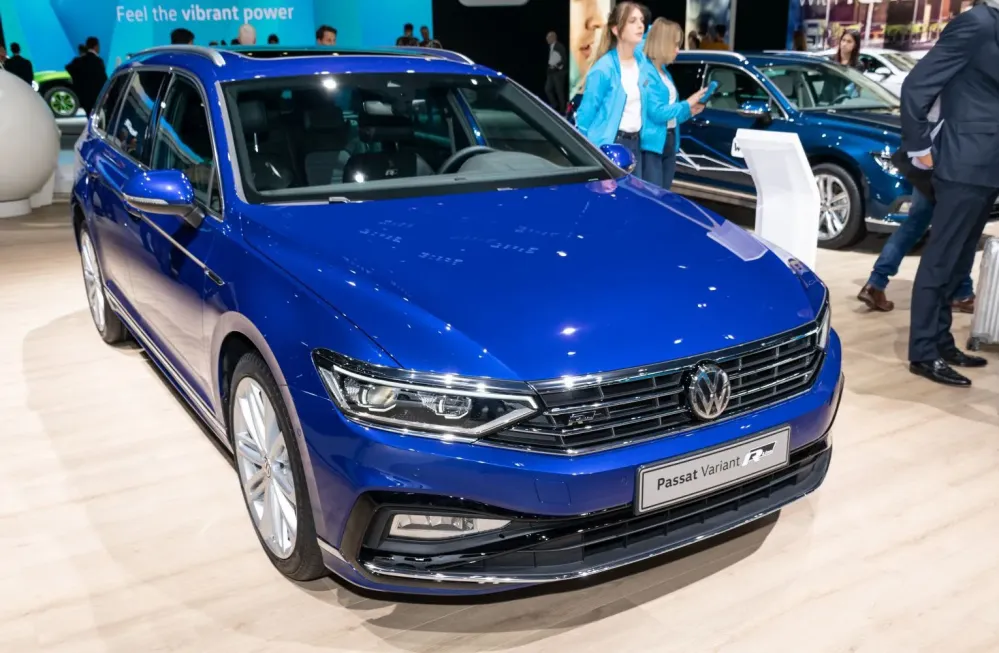
Click on image to view the full photo gallery
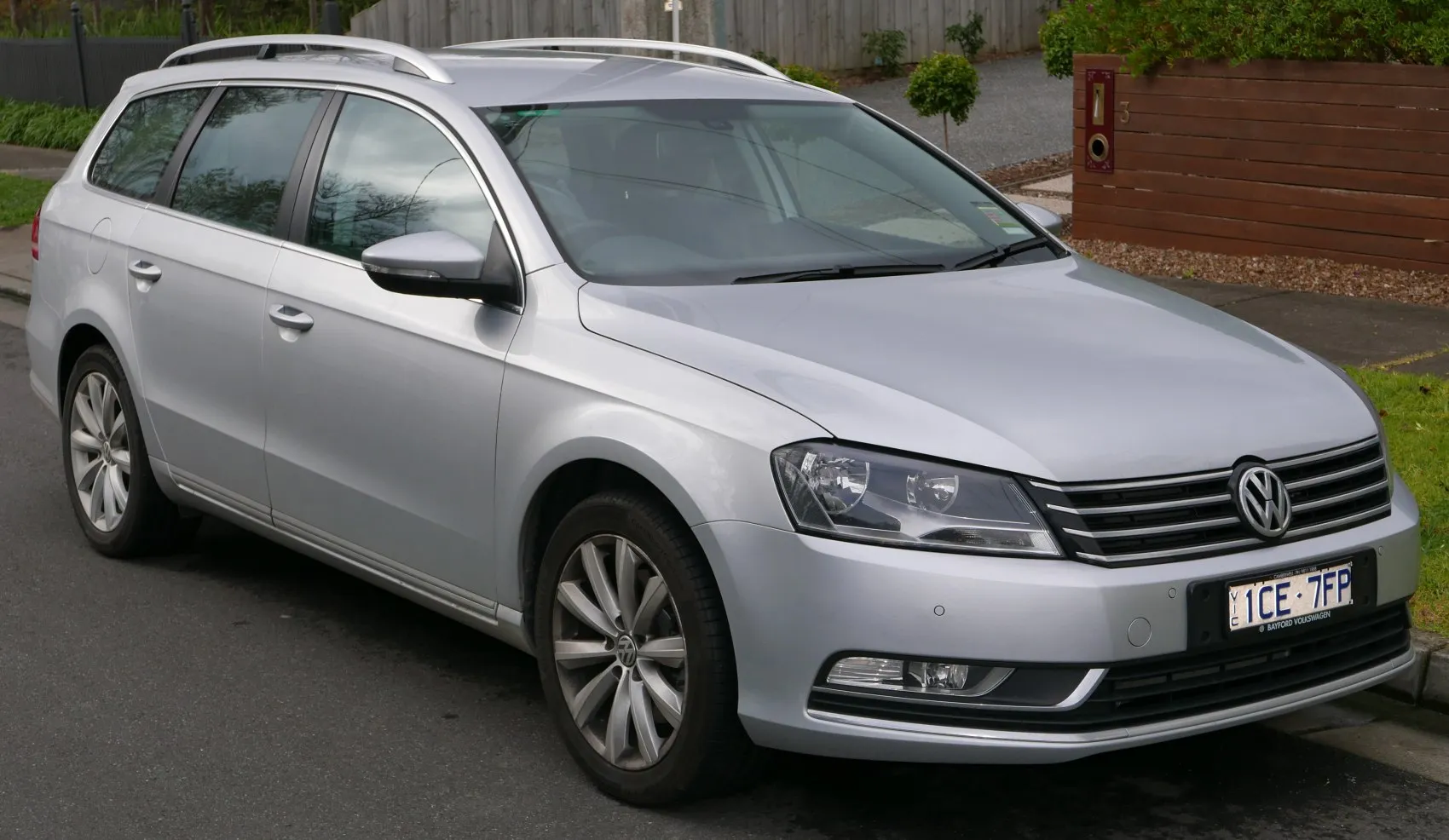
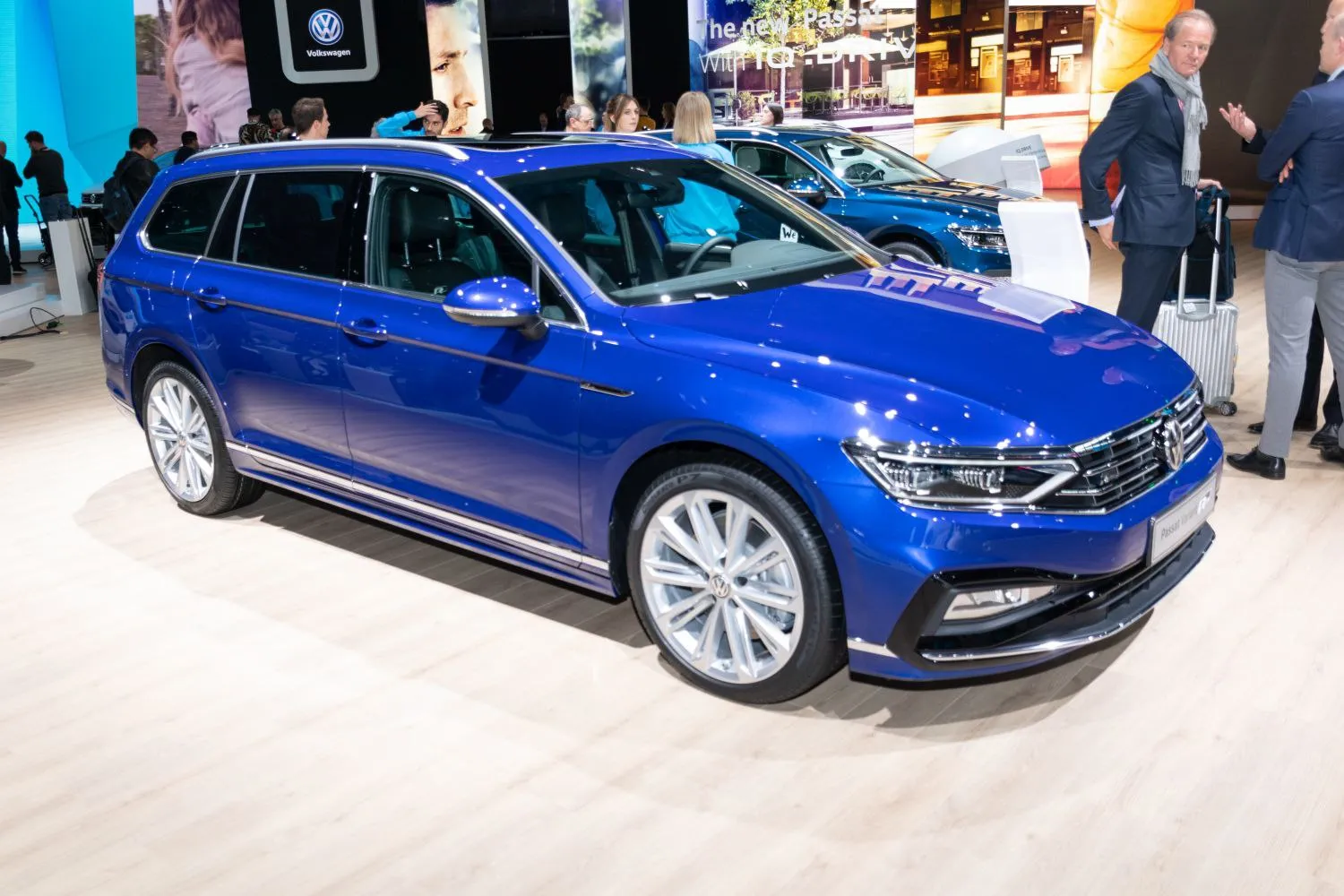
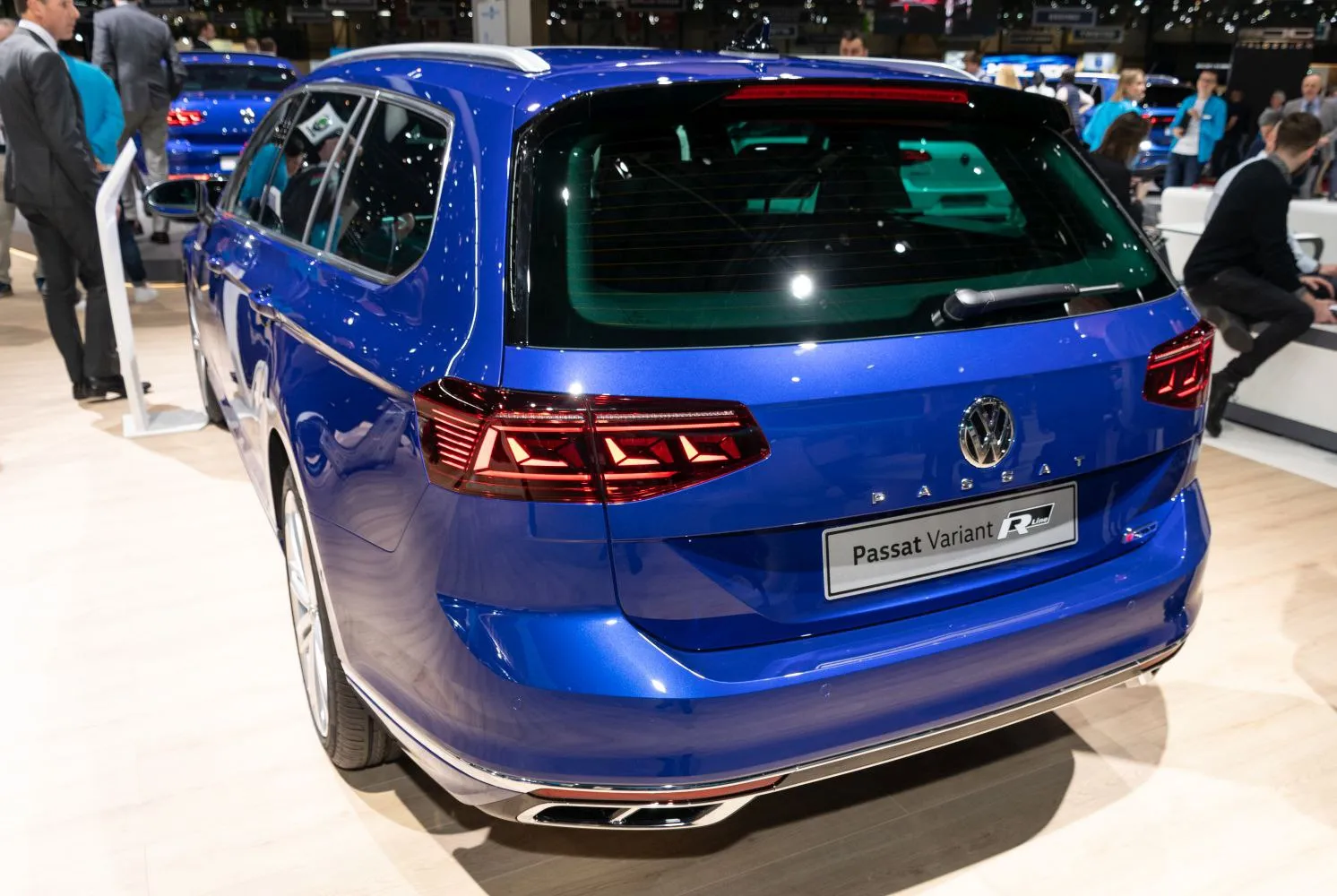
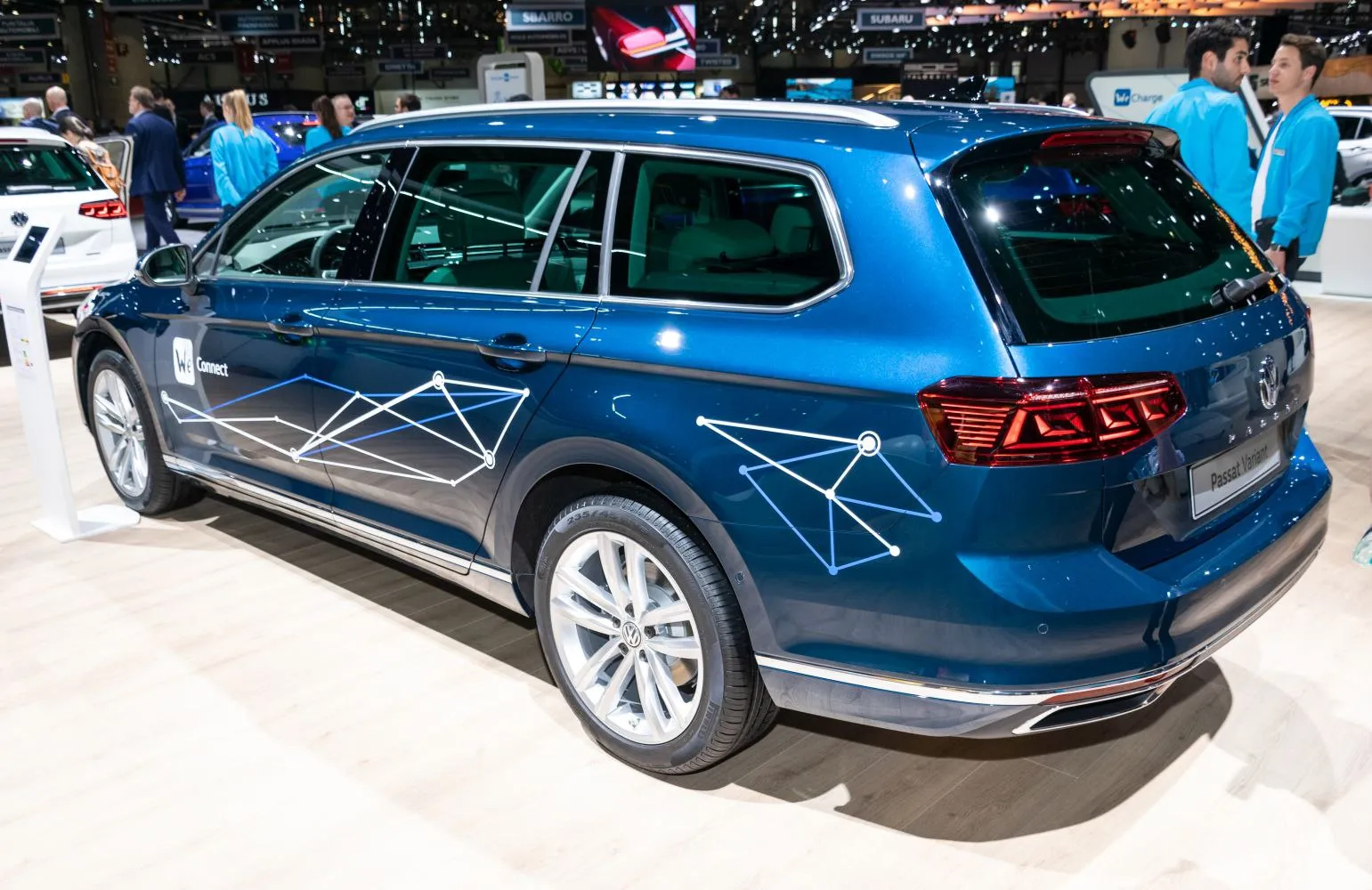
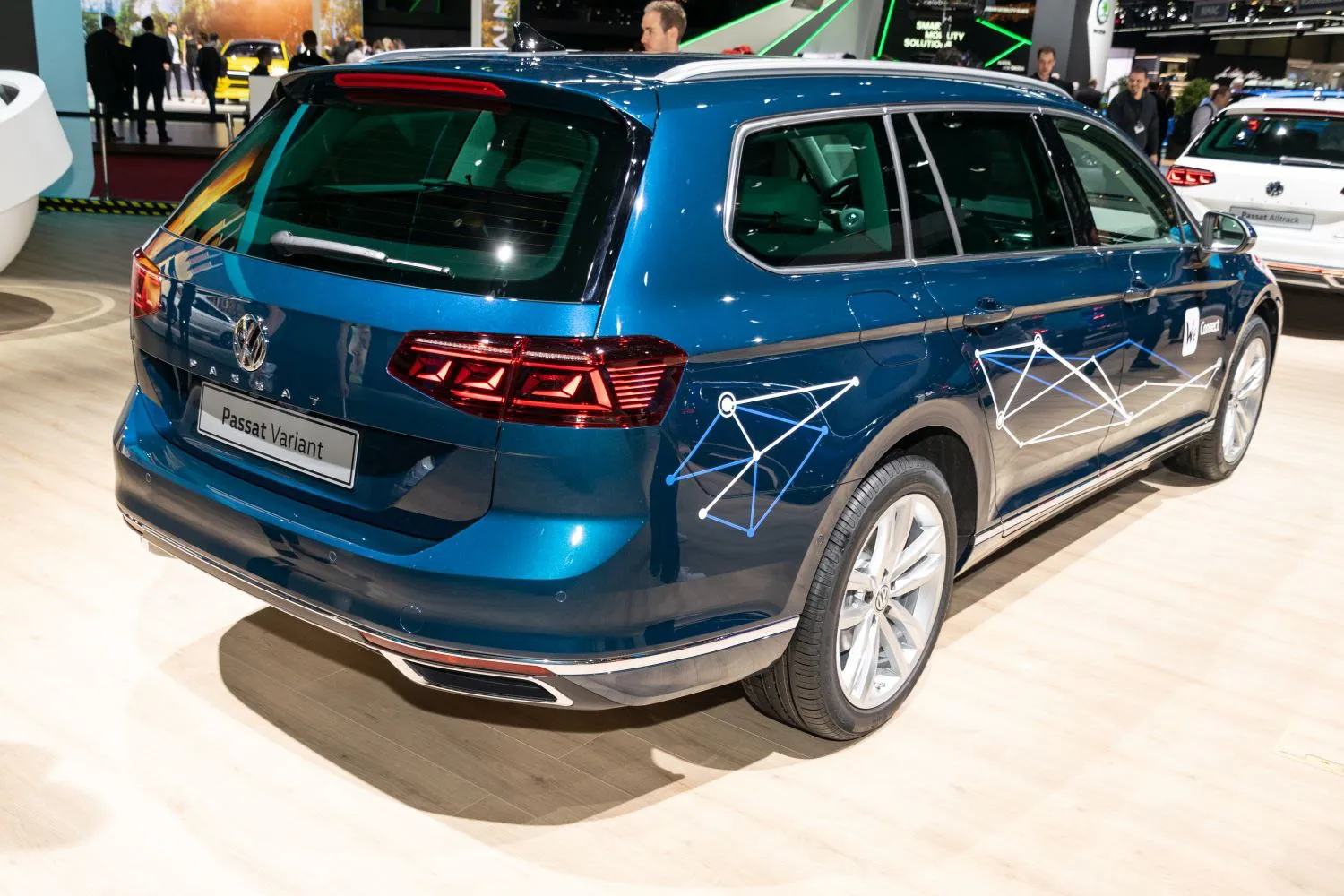
Volkswagen Passat Variant (B8, facelift 2019) 2.0 TDI (150 Hp)
Overall Rating
Volkswagen Passat:
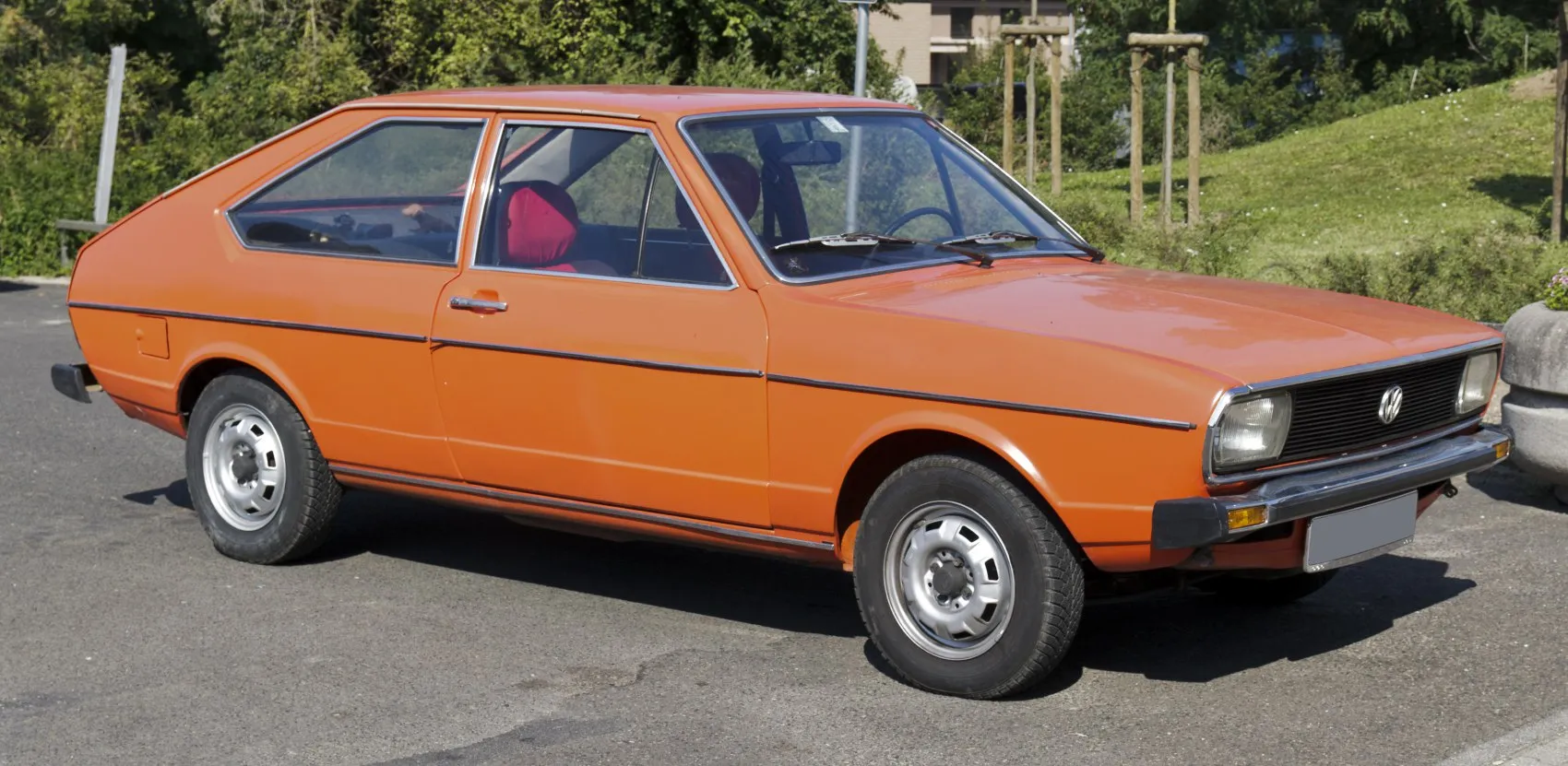
The Volkswagen Passat is a nameplate of large family cars manufactured and marketed by the German automobile manufacturer Volkswagen since 1973 and also marketed variously as the Dasher, Santana, Quantum, Magotan, Corsar and Carat — in saloon, estate, and hatchback body styles.
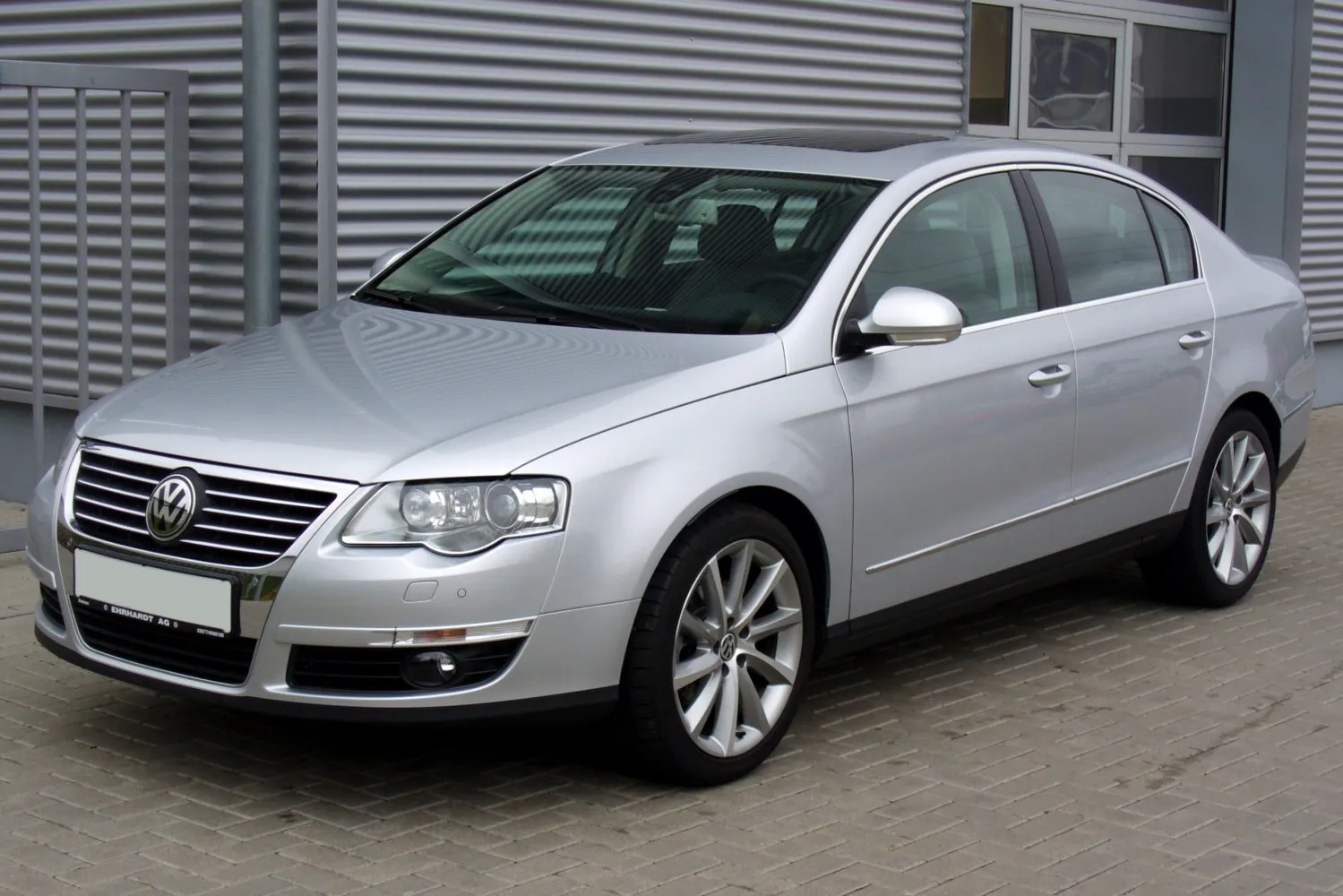
A "four-door coupé" variant of the Passat with a lower roof was released in the North American market in 2008 as the Passat CC, which was then renamed to Volkswagen CC. The CC was succeeded by the Arteon in 2017....(Read more on Wikipedia)
Variant (B8, facelift 2019) Overview:
Volkswagen Passat (Variant (B8, facelift 2019)). With 340 Nm of torque, it offers ample pulling power. It boasts low fuel consumption (~4.55 l/100km). With a weight of 1485 kg, it falls in the mid‑range. Front‑wheel drive delivers efficiency and easy handling. Acceleration is relatively slow (0–100 km/h in 9.1 s). The top speed reaches 213 km/h. A car with an extended rear cargo area, combining passenger comfort with increased storage. Seating for 5 makes it ideal for daily use.
2.0 TDI (150 Hp) Verdict:

Performance Verdict
Strong and flexible power, offering an engaging driving experience with a manual gearbox.
Fuel Economy
Class-leading fuel efficiency for its power output, making it incredibly economical to run.
Pros and Cons:
Pros:
- • Spacious and practical interior, especially for families
- • Comfortable and refined ride quality, ideal for long journeys
- • Wide range of efficient and powerful engine options (petrol, diesel, PHEV)
- • High-quality interior materials and build, feeling premium
- • Generous boot space in Variant (estate) form
- • Advanced technology and infotainment features
Cons:
- • Higher trim levels can be expensive, especially new
- • Some diesel engines can be noisy under hard acceleration
- • Infotainment system can be complex to navigate initially
- • Not the most engaging car to drive compared to some rivals
- • Design, while elegant, can be seen as conservative by some
Specifications:
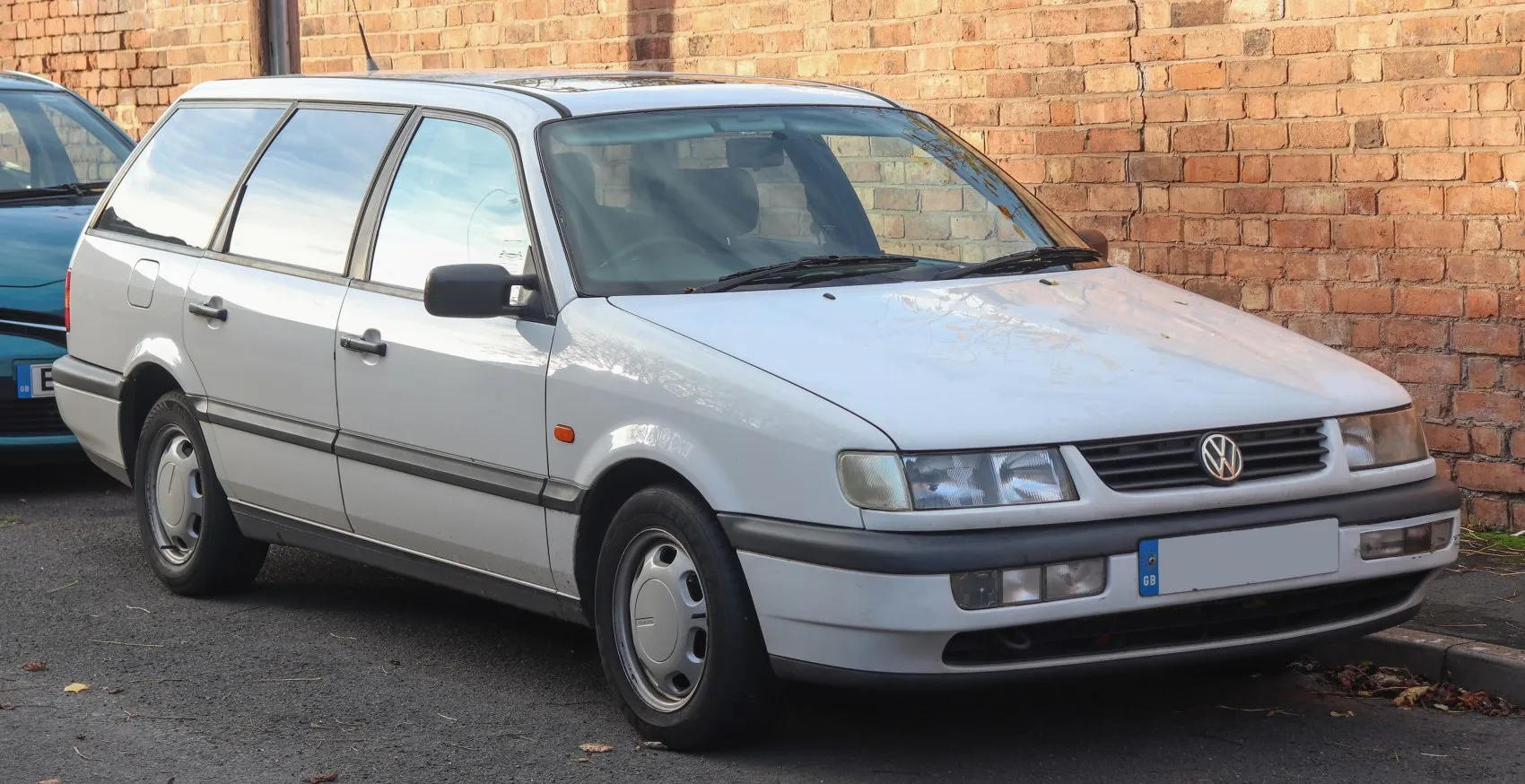
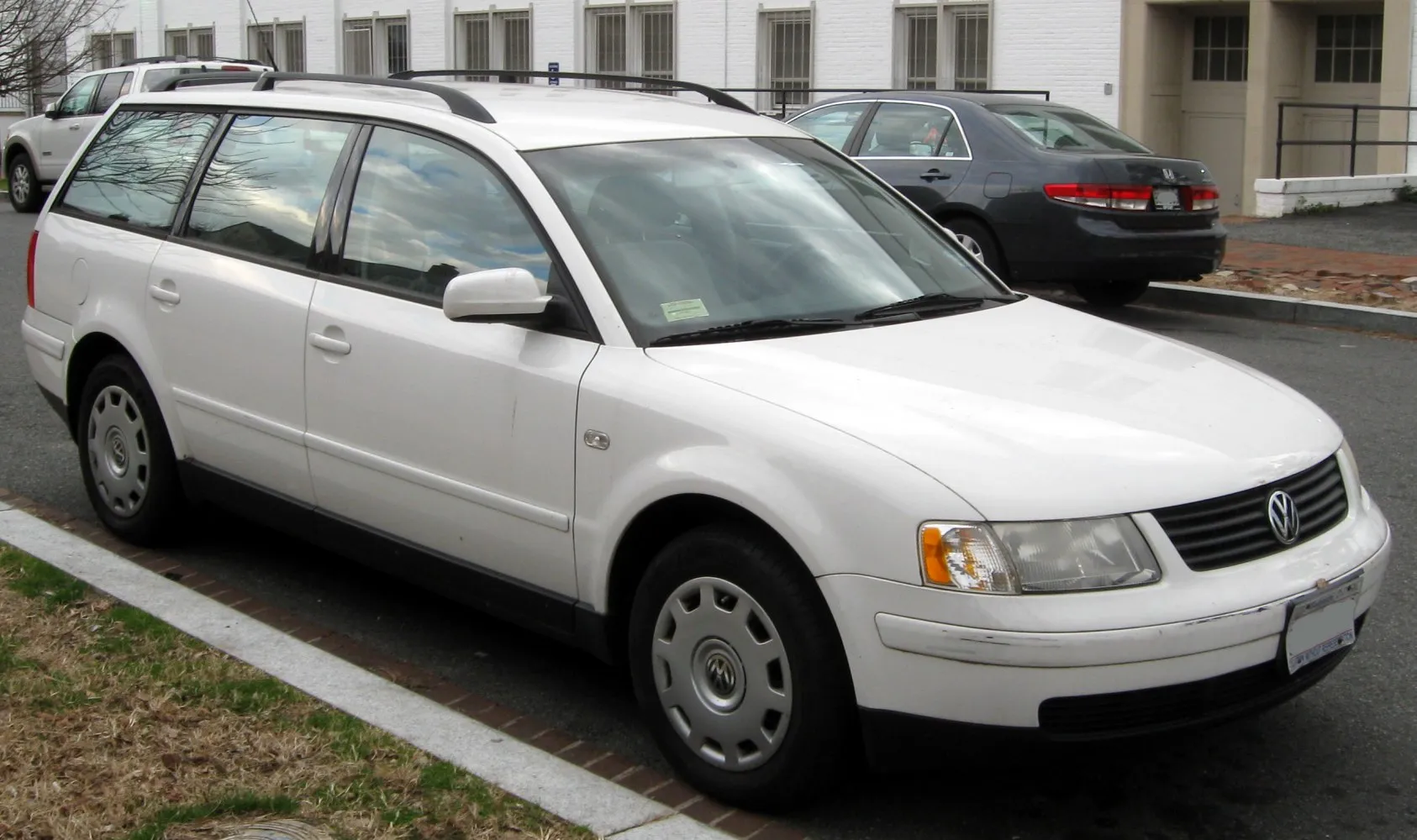
Specifications are compared to those of the previous generation(B5: August, 1996 - September, 2000).
| General: | |
|---|---|
| Brand: | Volkswagen |
| Model: | Passat |
| Generation: | Variant (B8, facelift 2019) |
| Modification (Engine): | 2.0 TDI (150 Hp) |
| Start of production: | August, 2019 |
| End of production: | 2023 |
| Powertrain Architecture: | Internal Combustion engine |
| Body type: | Station wagon (estate) |
| Seats: | 5 |
| Doors: | 5 |
| Engine: | |
|---|---|
| Engine systems: | Start & Stop System |
| Power: | 150 Hp @ 3500-4000 rpm. Same horsepower |
| Power per litre: | 76.2 Hp/l [98mm more] |
| Torque: | 340 Nm @ 1600-3000 rpm. |
| Engine Model/Code: | DBGA, DCYA, DFEA More details about the engine DBGA, DCYA, DFEA |
| Engine displacement: | 1968 |
| Number of cylinders: | 4 |
| Engine configuration: | Inline |
| Number of valves per cylinder: | 4 |
| Fuel injection system: | Diesel Commonrail |
| Engine aspiration: | Turbocharger, Intercooler |
| Engine oil capacity: | 4.7 l |
| Engine layout: | Front, Transverse |
| Performance: | |
|---|---|
| Fuel Type: | Diesel |
| Fuel consumption (economy) - urban: | 4.5-4.6 l/100 km |
| Fuel consumption (economy) - extra urban: | 3.6-3.8 l/100 km |
| Combined fuel consumption (WLTP): | 4.8 l/100 km |
| Fuel consumption (economy) - combined (NEDC): | 4.0-4.1 l/100 km |
| Fuel consumption at Low speed (WLTP): | 5.7 l/100 km |
| Fuel consumption at Medium speed (WLTP): | 4.8 l/100 km |
| Fuel consumption at high speed (WLTP): | 4.3 l/100 km |
| Fuel consumption at very high speed (WLTP): | 5.1 l/100 km |
| Fuel consumption (economy) - urban (NEDC): | 4.5-4.6 l/100 km |
| Fuel consumption (economy) - extra urban (NEDC): | 3.6-3.8 l/100 km |
| Fuel consumption (economy) - combined: | 4.0-4.1 l/100 km |
| Emission standard: | EURO VId - TEMP - EVAP - ISC |
| Acceleration 0 - 100 km/h: | 9.1 sec |
| Acceleration 0 - 62 mph: | 9.1 sec |
| Maximum speed: | 213 km/h |
| Weight-to-power ratio: | 9.9 kg/Hp, 101 Hp/tonne |
| Weight-to-torque ratio: | 4.4 kg/Nm, 229 Nm/tonne |
| Acceleration 0 - 60 mph: | 8.6 sec |
| Space: | |
|---|---|
| Kerb Weight: | 1485 |
| Max. weight: | 2140 |
| Max. roof load: | 100 kg |
| Max load: | 655 |
| Trunk (boot) space - maximum: | 1780 l |
| Trunk (boot) space - minimum: | 650 l |
| Permitted trailer load with brakes (12%): | 2000 kg |
| Fuel tank capacity: | 66 l |
| AdBlue tank: | 16 l |
| Permitted trailer load without brakes: | 750 kg |
| Permitted towbar download: | 90 kg |
| Size: | |
|---|---|
| Length: | 4773-4889 mm [98mm more] |
| Width: | 1832 mm [92mm more] |
| Height: | 1516 mm [57mm more] |
| Wheelbase: | 2786 mm [79mm more] |
| Width including mirrors: | 2083 mm |
| Front track: | 1578-1586 mm |
| Rear (Back) track: | 1564-1572 mm |
| Minimum turning circle (turning diameter): | 11.7 m [above average] |
| Powertrain: | |
|---|---|
| Drivetrain Architecture | The Internal combustion engine (ICE) drives the front wheels of the vehicle. |
| Drive wheel | Front wheel drive |
| Number of gears | 6 |
| Transmission type | Manual |
| Front brakes | Ventilated discs [Best for performance and cooling.] |
| Rear brakes | Disc [above average] |
| Assisting systems | ABS (Anti-lock braking system) |
| Steering type | Steering rack and pinion |
| Power steering | Electric Steering |
| Tires size | 215/60 R16; 215/55 R17 |
| Wheel rims size | 6.5 J x 16; 7J x 17 |















Is the Volkswagen Passat worth every penny? Give us your honest ROI.