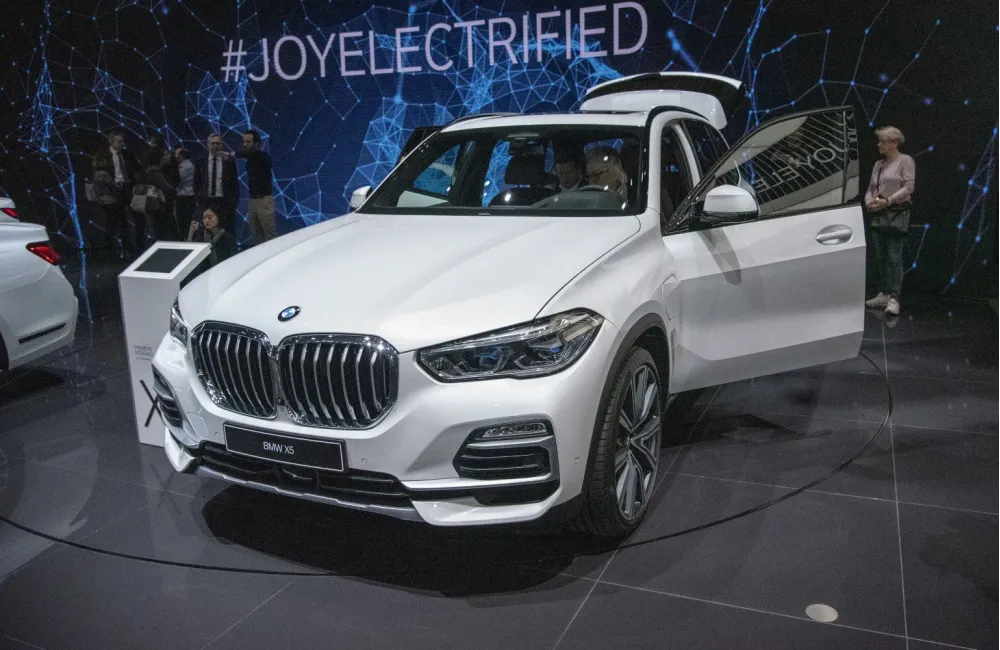
Click on image to view the full photo gallery
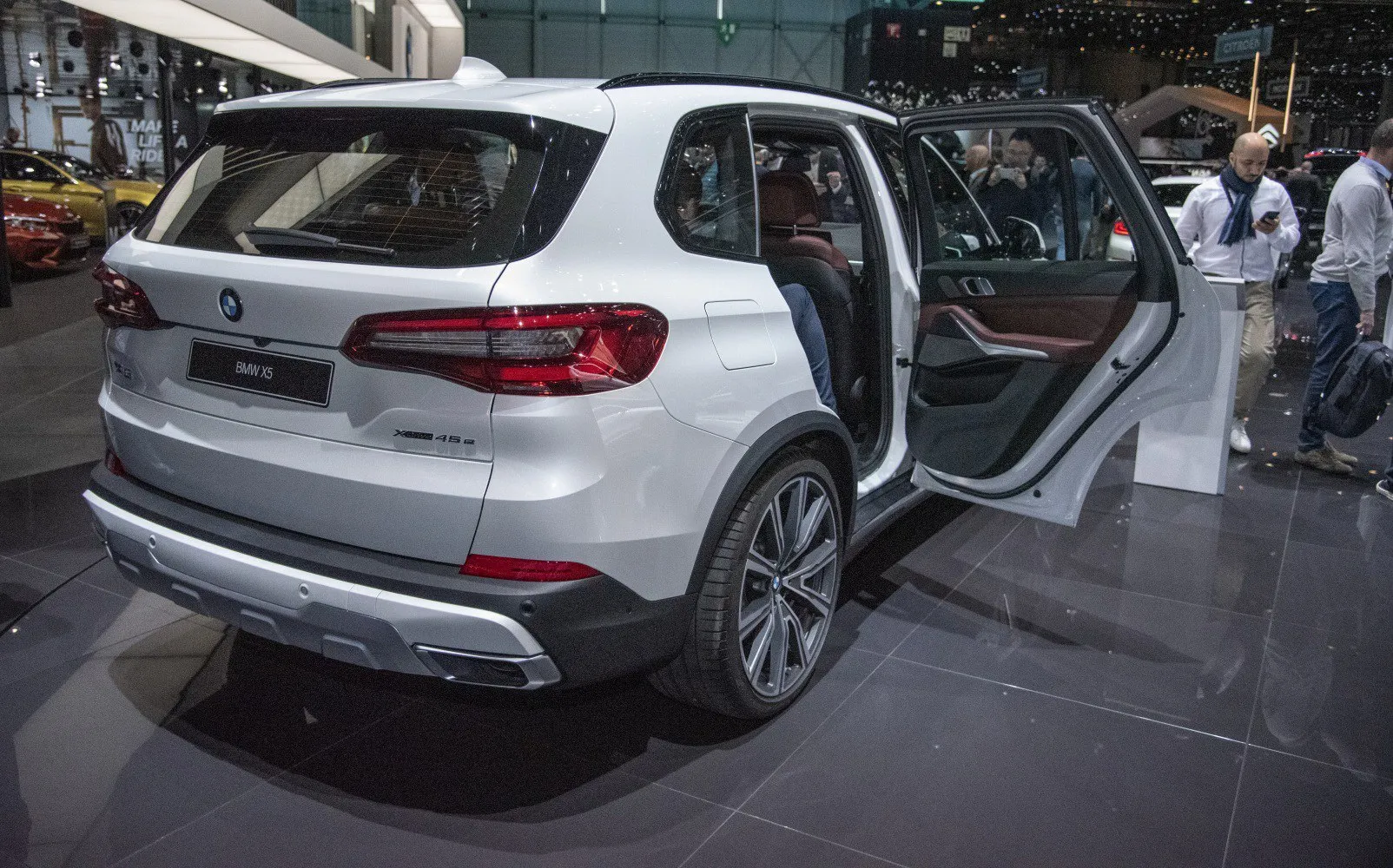
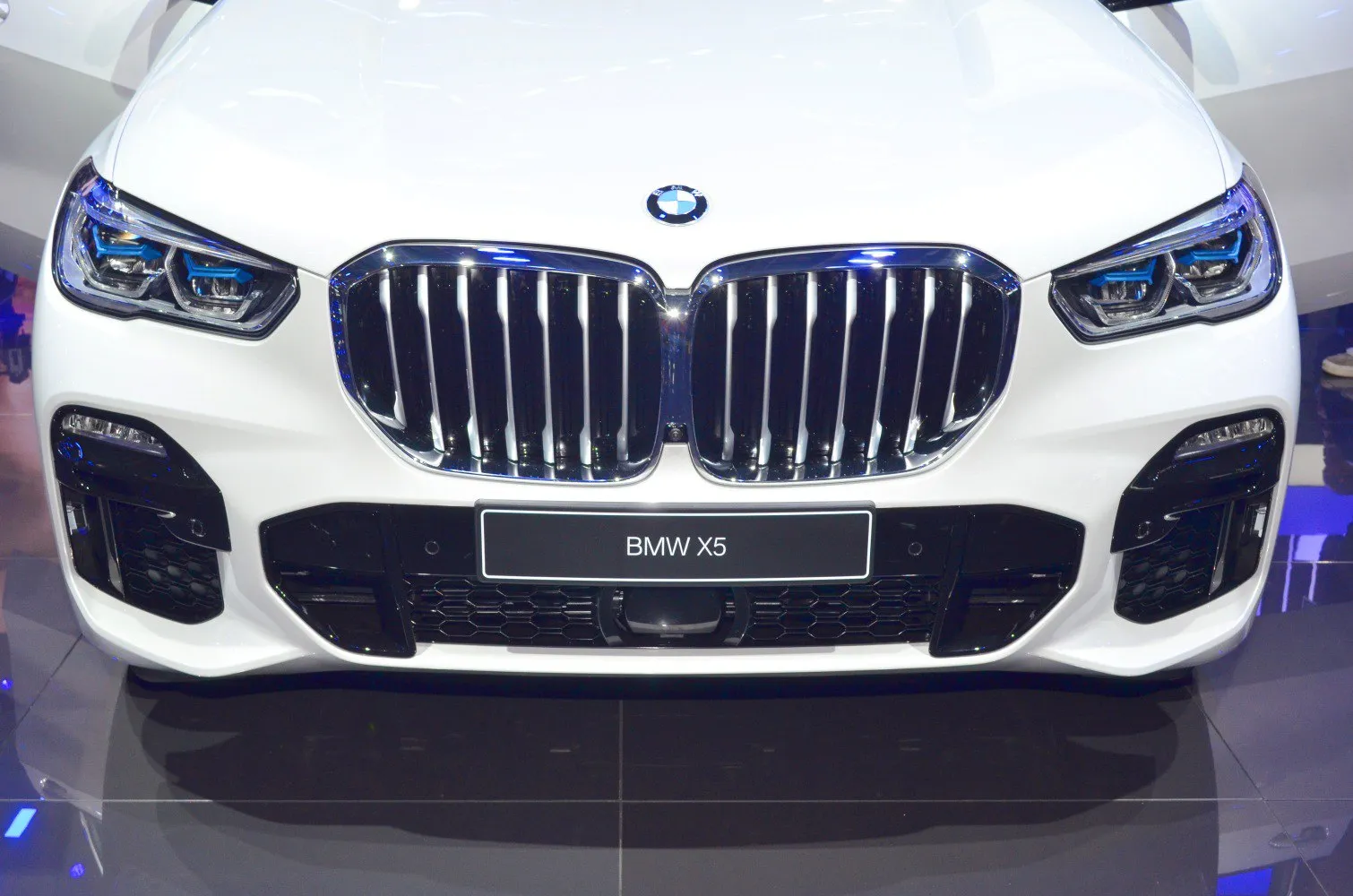
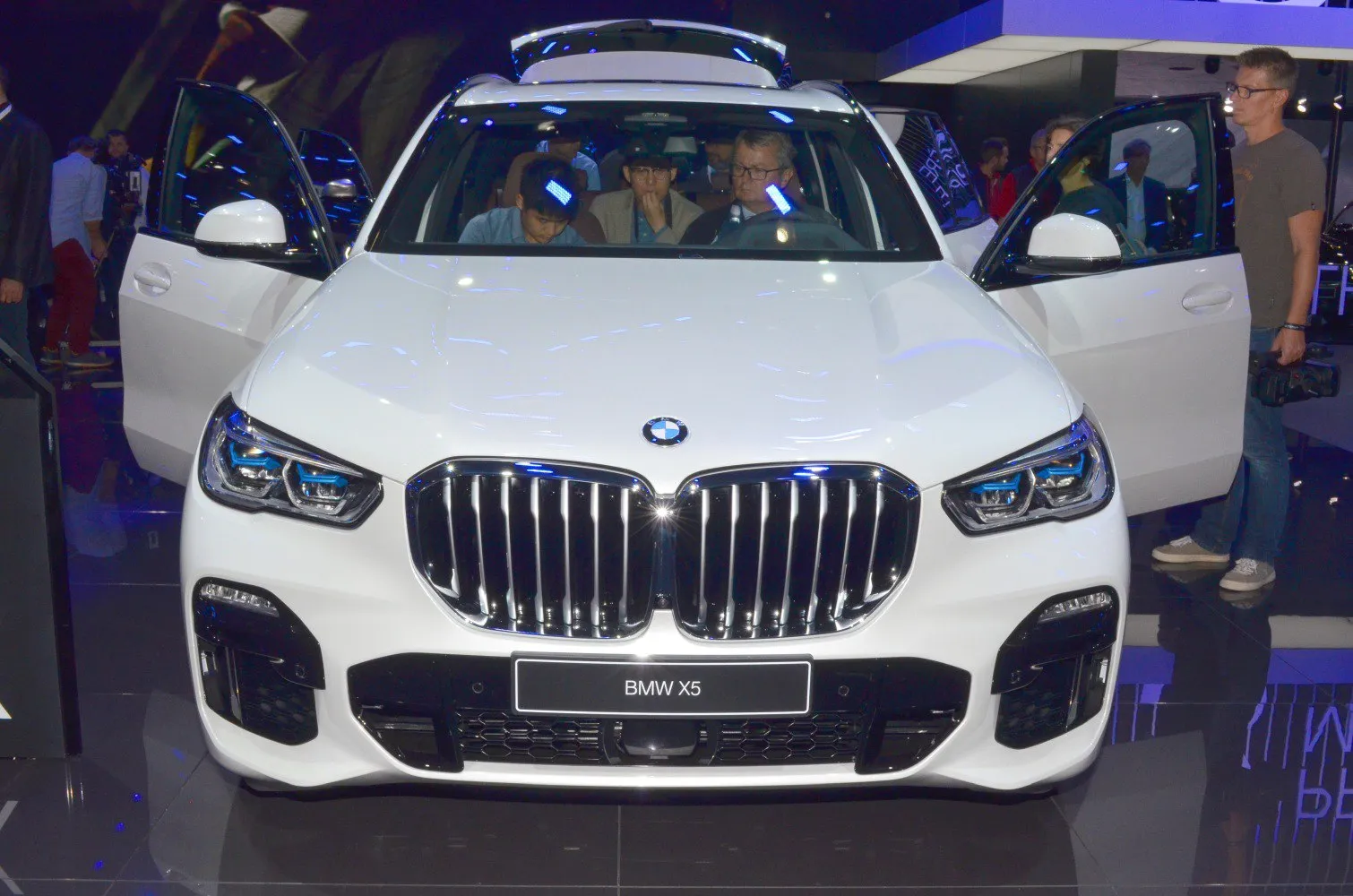
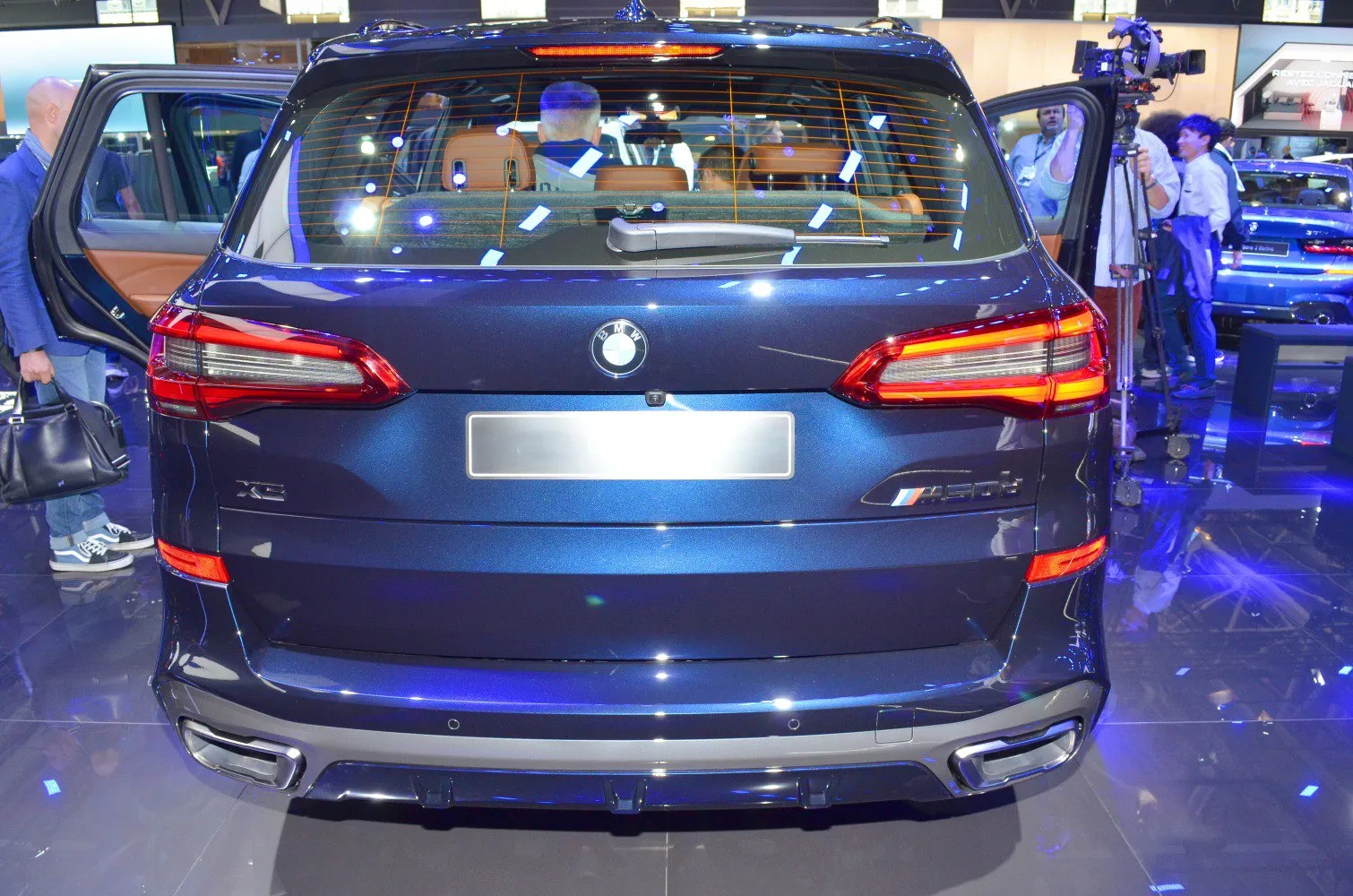
BMW X5 G05 30d (286 Hp) Mild Hybrid xDrive Steptronic
Overall Rating
BMW X5:
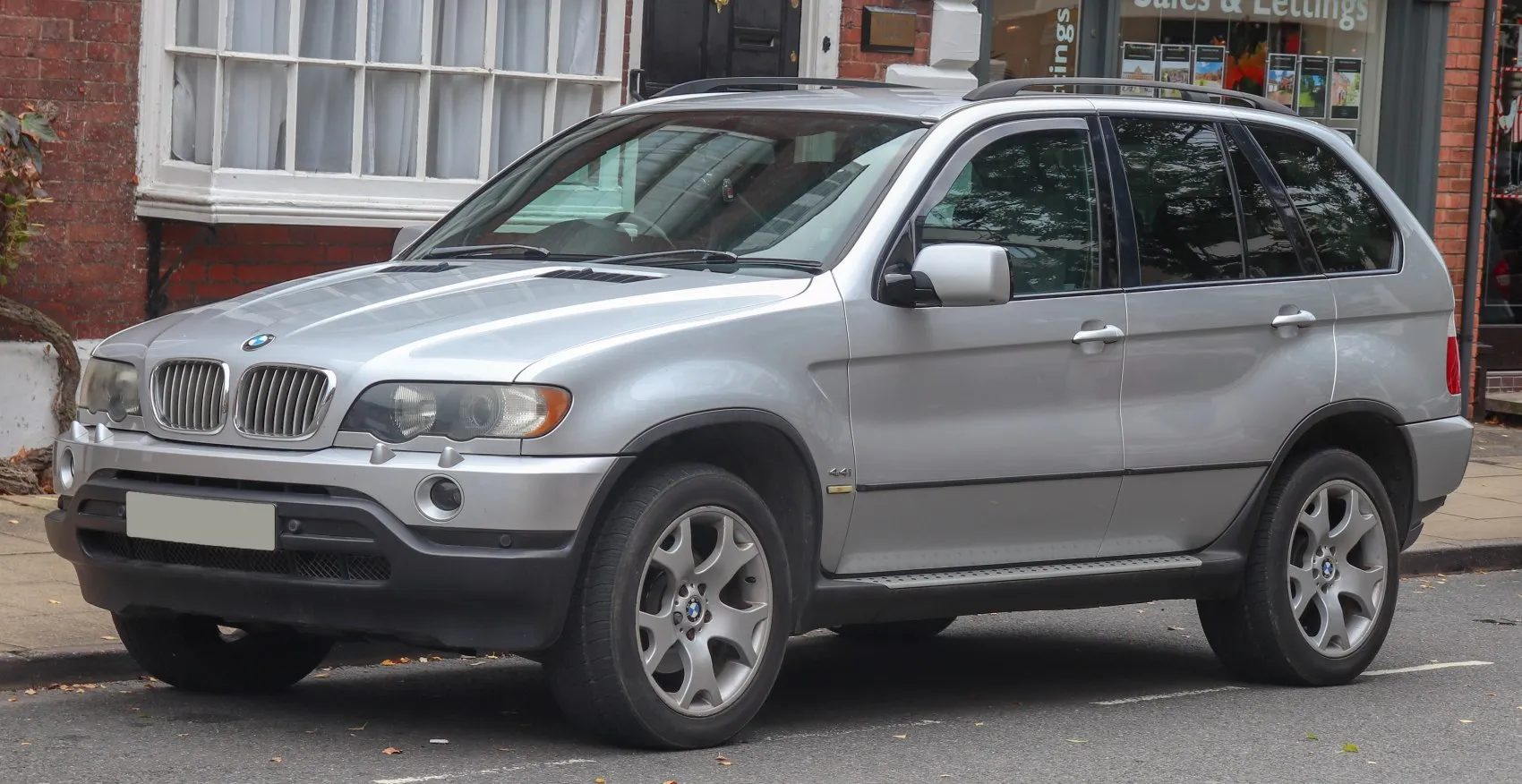
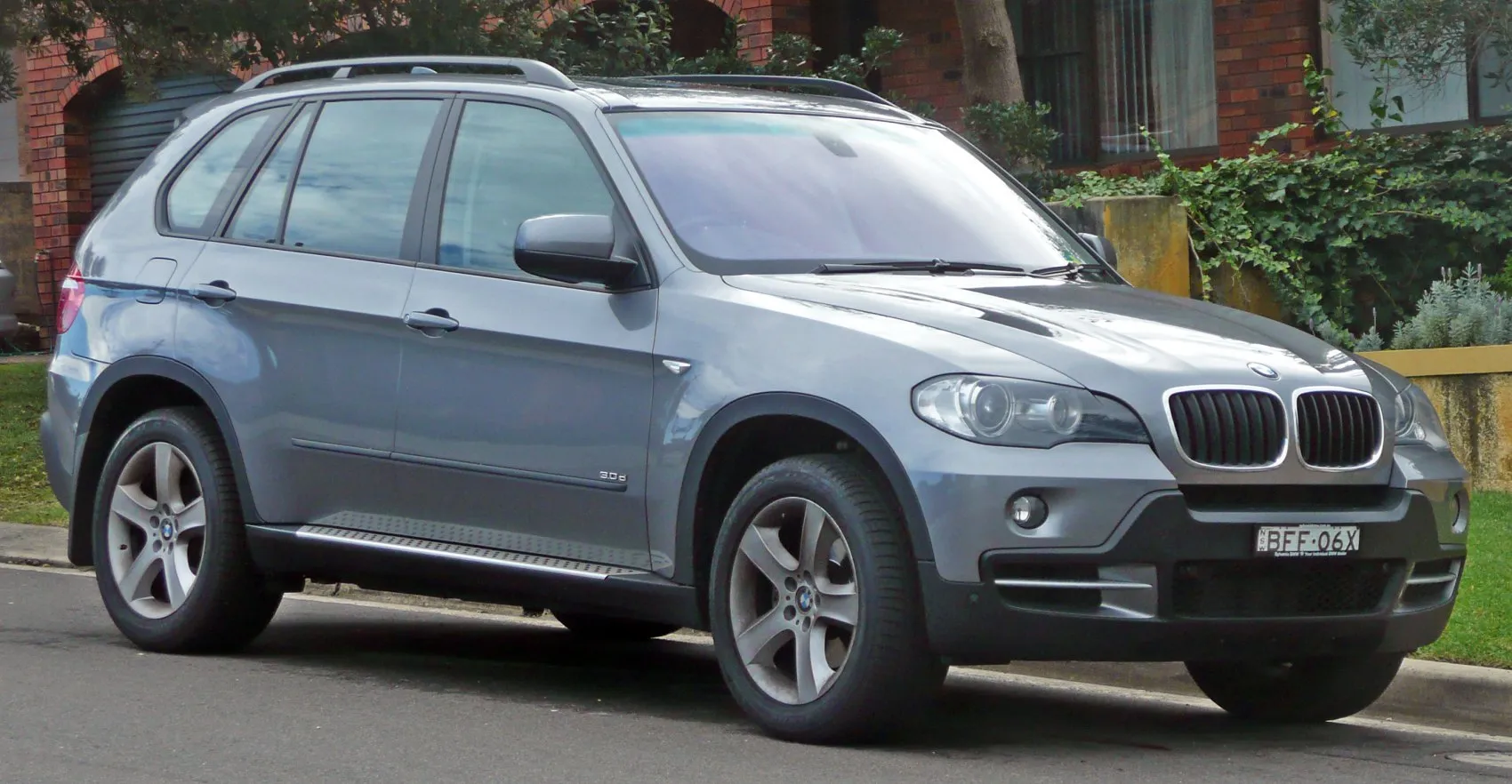
The BMW X5 is a mid-size luxury crossover SUV produced by BMW. The X5 made its debut in 1999 as the E53 model. It was BMW's first SUV. At launch, it featured all-wheel drive and was available with either a manual or automatic gearbox. The second generation was launched in 2006, and was known internally as the E70. The E70 featured the torque-split capable xDrive all-wheel drive system mated to an automatic gearbox. In 2009, the X5 M performance variant was released as a 2010 model.
BMW marketed the X5 officially as a "Sports Activity Vehicle" , rather than an SUV, to indicate its on-road handling capability despite its large dimensions. The X5 signaled a shift away from the utilisation of body-on-frame construction, in favour of more modern monocoque chassis construction. Although the Mercedes-Benz M-Class was introduced more than a year prior to the X5, the X5 was the first to utilise a monocoque chassis. The M-Class used body-on-frame construction until its second generation....(Read more on Wikipedia)
G05 Overview:
BMW X5 (G05). With 650 Nm of torque, it offers ample pulling power. It has moderate fuel consumption (~7 l/100km). At around 2190 kg, it’s on the heavier side. All‑wheel drive provides excellent grip, ideal for off‑road use. Acceleration is good (0–100 km/h in 6.1 s). The top speed reaches 235 km/h. A sports activity vehicle combining performance with utility. Seating for 5 makes it ideal for daily use.
The BMW X5 G05 achieved an excellent 5-star Euro NCAP rating, demonstrating robust safety performance across adult and child occupant protection, as well as safety assist systems.
30d (286 Hp) Mild Hybrid xDrive Steptronic Verdict:

Performance Verdict
Strong torque and smooth acceleration, providing effortless power for all driving scenarios, enhanced by mild hybrid boost.
Fuel Economy
Very efficient for its size and power, making it an economical choice for long-distance travel.
Pros and Cons:
Pros:
- • Luxurious and high-quality interior materials
- • Wide range of powerful and efficient engine options
- • Advanced technology and infotainment system (iDrive 7)
- • Comfortable ride quality, especially with adaptive suspension
- • Strong performance and surprisingly agile handling for an SUV
- • Excellent safety ratings
Cons:
- • High purchase price and expensive optional extras
- • Fuel consumption can be high on higher-end petrol models
- • Large size can be cumbersome in tight city environments
- • Complex infotainment system may have a learning curve for some users
- • Potential for higher maintenance costs on complex V8 engines
Specifications:
Specifications are compared to those of the previous generation(G05: 2019 - 2020).
| General: | |
|---|---|
| Brand: | BMW |
| Model: | X5 |
| Generation: | G05 |
| Modification (Engine): | 30d (286 Hp) Mild Hybrid xDrive Steptronic |
| Start of production: | 2020 |
| End of production: | 2023 |
| Powertrain Architecture: | MHEV (Mild Hybrid Electric Vehicle, power-assist hybrid, battery-assisted hybrid vehicles, BAHV) |
| Body type: | SAV |
| Seats: | 5 |
| Doors: | 5 |
| Engine: | |
|---|---|
| Engine systems: | Start & Stop System |
| Power: | 286 Hp @ 4000 rpm. Same horsepower |
| Power per litre: | 95.6 Hp/l [14mm less] |
| Torque: | 650 Nm @ 1500-2500 rpm. |
| Engine Model/Code: | B57D30B More details about the engine B57D30B |
| Engine displacement: | 2993 |
| Number of cylinders: | 6 |
| Engine configuration: | Inline |
| Number of valves per cylinder: | 4 |
| Fuel injection system: | Diesel Commonrail |
| Engine aspiration: | Twin-power turbo, Intercooler |
| Engine oil capacity: | 7 l |
| Engine layout: | Front, Longitudinal |
| Cylinder Bore: | 84 mm mm |
| Piston Stroke: | 90 mm mm |
| Compression ratio: | 16.5:1 |
| Performance: | |
|---|---|
| Fuel Type: | Diesel |
| Fuel consumption (economy) - urban: | 6.7-7.3 l/100 km |
| Fuel consumption (economy) - extra urban: | 5.1-5.6 l/100 km |
| Fuel consumption (economy) - urban (NEDC, WLTP equivalent): | 6.7-7.3 l/100 km |
| Fuel consumption (economy) - extra urban (NEDC, WLTP equivalent): | 5.1-5.6 l/100 km |
| Fuel consumption (economy) - combined (NEDC, WLTP equivalent): | 5.7-6.2 l/100 km |
| Fuel consumption (economy) - combined: | 5.7-6.2 l/100 km |
| Emission standard: | EURO 6d |
| Acceleration 0 - 100 km/h: | 6.1 sec |
| Acceleration 0 - 62 mph: | 6.1 sec |
| Maximum speed: | 235 km/h |
| Weight-to-power ratio: | 7.7 kg/Hp, 130.6 Hp/tonne |
| Weight-to-torque ratio: | 3.4 kg/Nm, 296.8 Nm/tonne |
| Acceleration 0 - 60 mph: | 5.8 sec |
| Space: | |
|---|---|
| Kerb Weight: | 2190 |
| Max. weight: | 2940 |
| Max. roof load: | 100 kg |
| Max load: | 750 |
| Trunk (boot) space - maximum: | 1870 l |
| Trunk (boot) space - minimum: | 650 l |
| Permitted trailer load with brakes (12%): | 3500 kg |
| Fuel tank capacity: | 80 l |
| Permitted trailer load without brakes: | 750 kg |
| Permitted towbar download: | 140 kg |
| Size: | |
|---|---|
| Ramp-over (brakeover) angle: | 20.2° |
| Wading depth: | 500 mm |
| Length: | 4922 mm mm [14mm less] |
| Width: | 2004 mm mm [Same width.] |
| Height: | 1745 mm mm [1mm more] |
| Wheelbase: | 2975 mm mm [Same wheelbase.] |
| Front track: | 1666 mm |
| Rear (Back) track: | 1685 mm |
| Ride height (ground clearance): | 214 mm |
| Minimum turning circle (turning diameter): | 12.6 m [above average] |
| Approach angle: | 25.2° |
| Departure angle: | 22.3° |
| Powertrain: | |
|---|---|
| Drivetrain Architecture | The Internal combustion engine (ICE) and the electric motor permanently drive the four wheels of the car with the ability to work only in mixed mode. |
| Drive wheel | All wheel drive (4x4) |
| Number of gears | 8 |
| Transmission type | Automatic |
| Gearbox type | Steptronic |
| Front brakes | Ventilated discs [Best for performance and cooling.] |
| Rear brakes | Ventilated discs [Best for performance and cooling.] |
| Assisting systems | ABS (Anti-lock braking system) |
| Steering type | Steering rack and pinion |
| Power steering | Electric Steering |
| Tires size | 255/55 R18 109W XL |
| Wheel rims size | 8.5J x 18 |
| Front suspension | Double wishbone |
| Rear suspension | Independent multi-link suspension |
| Electric: | |
|---|---|
| Gross battery capacity: | 0.528 kWh |
| Electric motor power: | 11 Hp |








What’s the best feature of the BMW X5? Tell us in the comments!