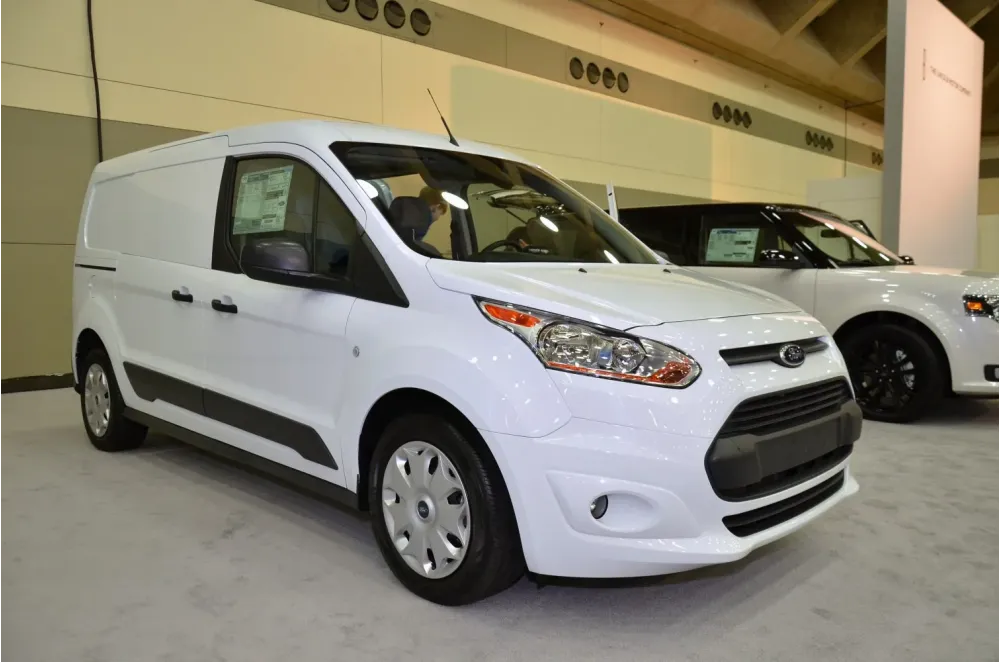
Click on image to view the full photo gallery
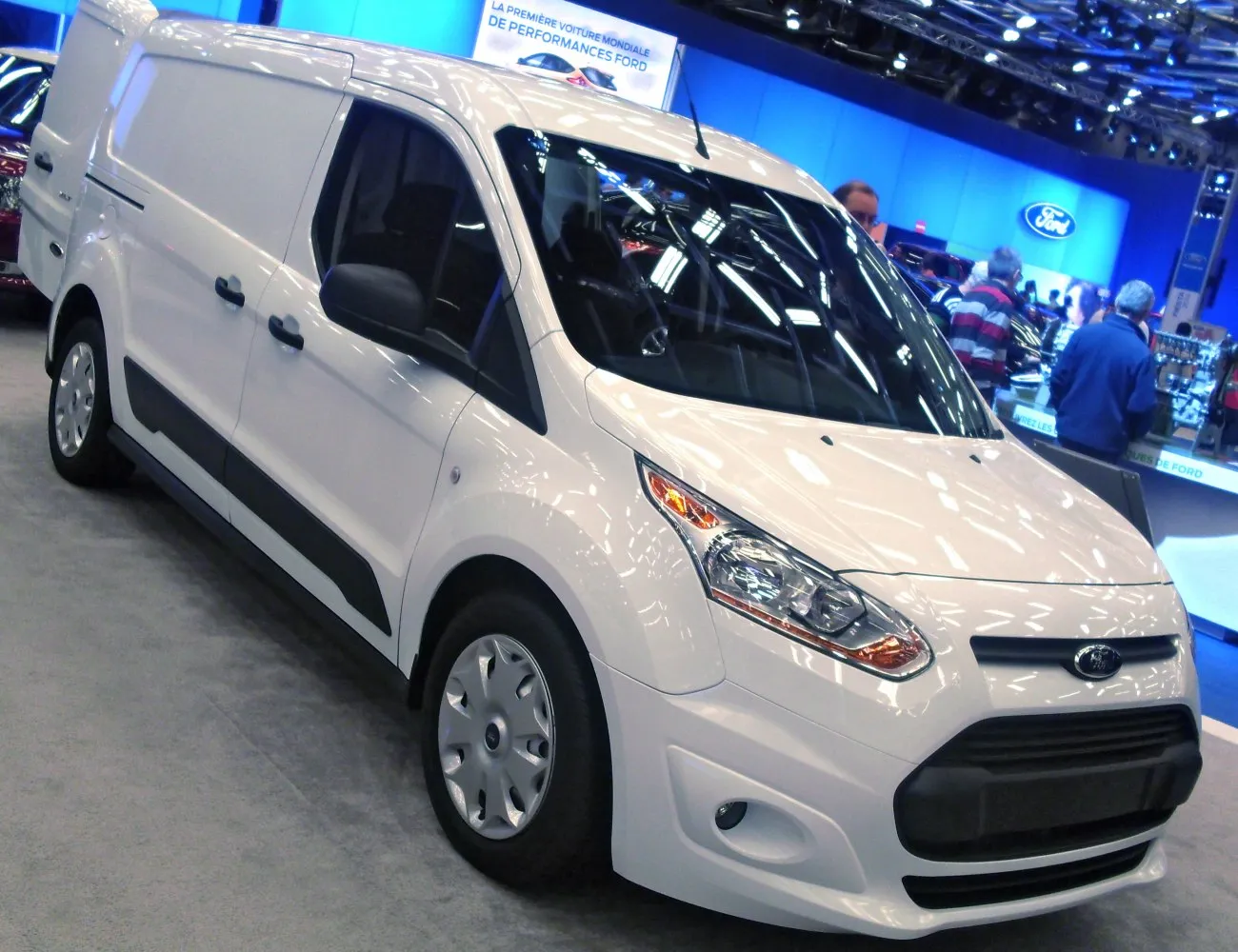
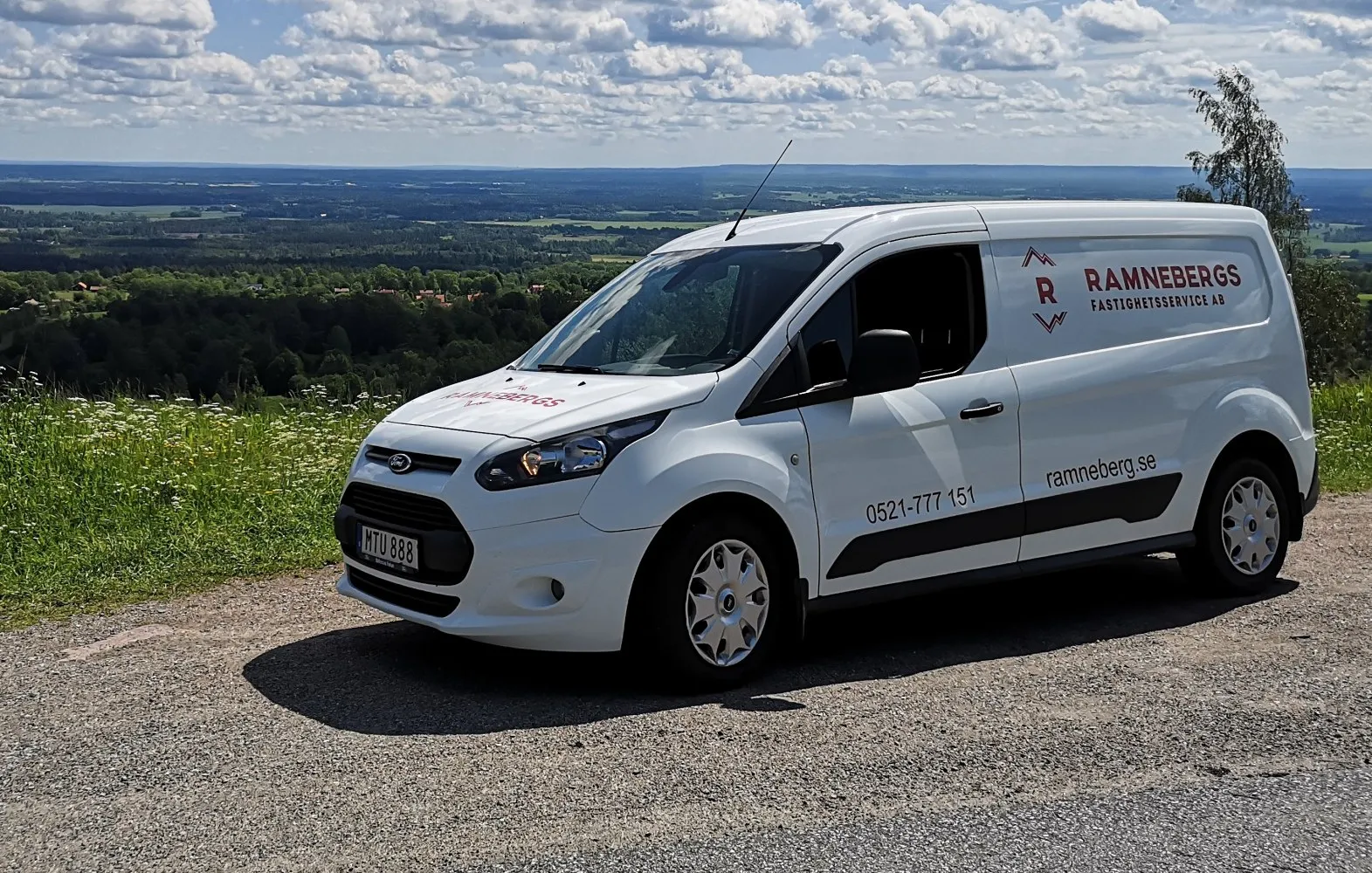
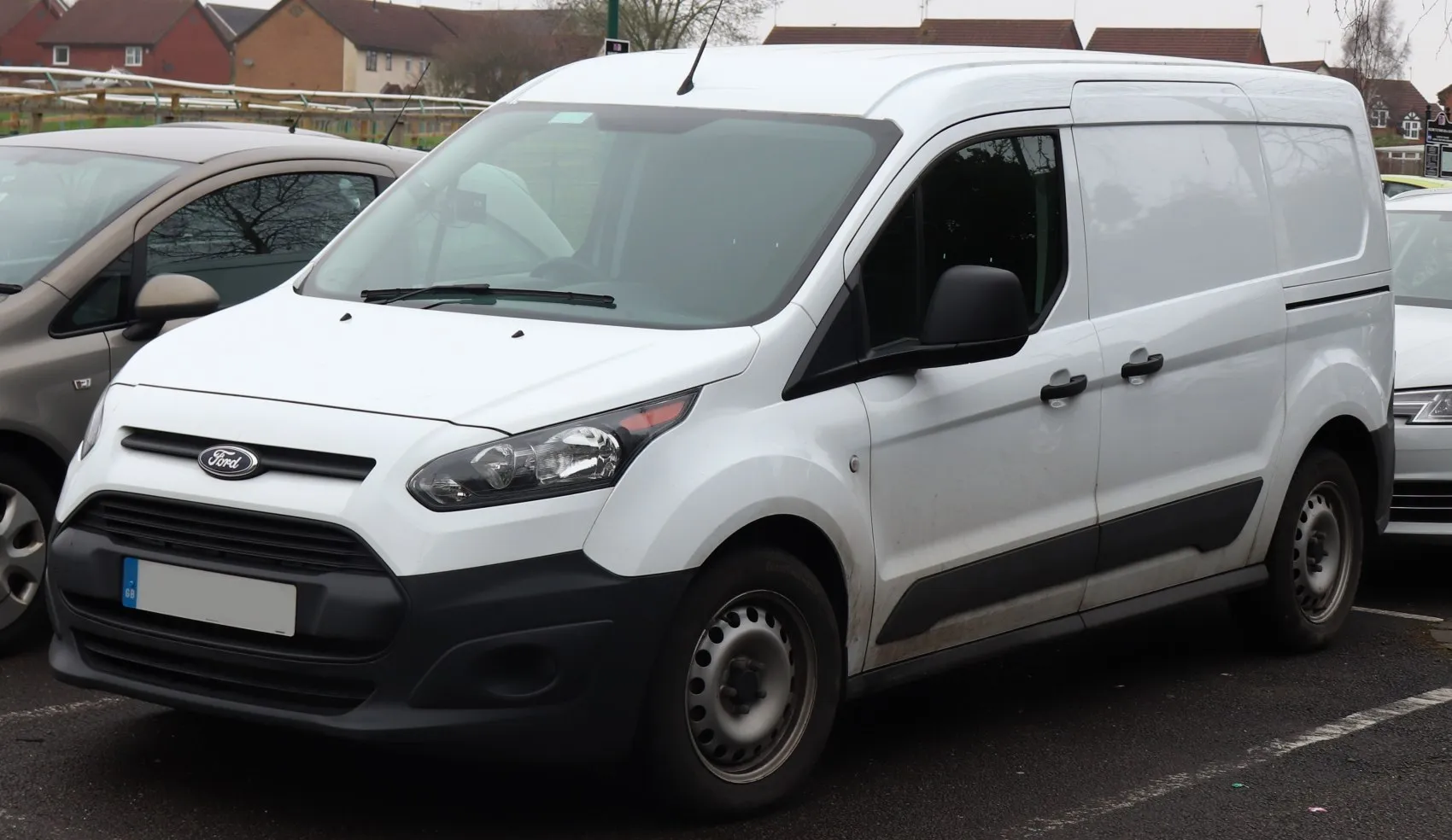
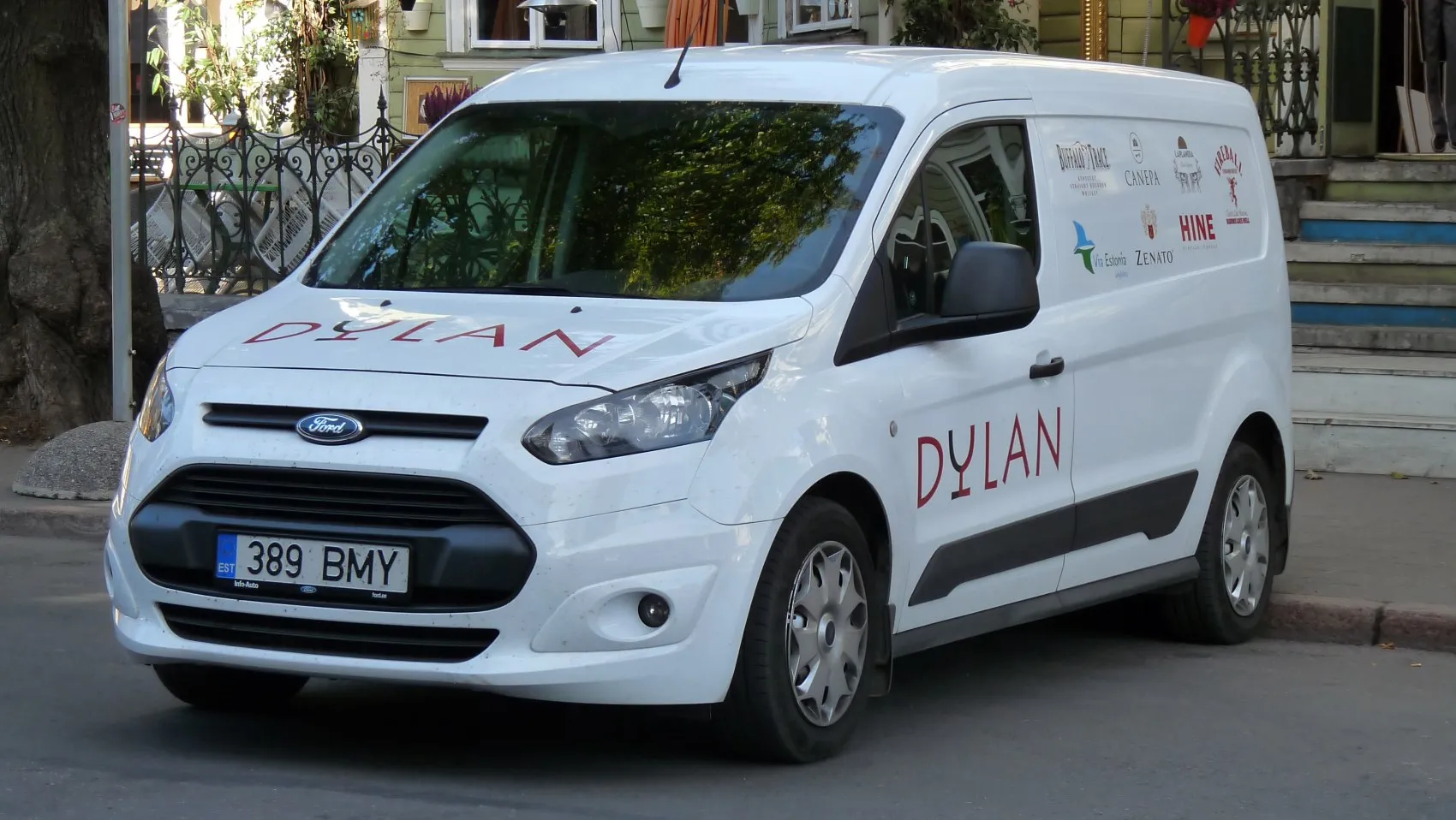
Ford Transit Connect II Panel Van L2 1.5 TDCi (100 Hp)
Overall Rating
Ford Transit Connect:
The Ford Transit Connect is a compact panel van manufactured and marketed by Ford since 2002. Developed by Ford of Europe, the model line replaced sedan-based vans with a dedicated commercial vehicle platform. The model line is the second-smallest vehicle of the Ford Transit range, positioned between the Ford Transit Courier LAV and the Ford Transit Custom LCV/MPV. In line with other Ford Transit variants, passenger-oriented models are marketed as the Ford Tourneo Connect with side windows and rear seats....(Read more on Wikipedia)
II Panel Van L2 Overview:
Ford Transit Connect (II Panel Van L2). With 250 Nm of torque, it offers ample pulling power. It boasts low fuel consumption (~5.4 l/100km). With a weight of 1405 kg, it falls in the mid‑range. Front‑wheel drive delivers efficiency and easy handling. A spacious vehicle designed to transport passengers comfortably, often with sliding doors. Seating for 2 makes it ideal for daily use.
1.5 TDCi (100 Hp) Verdict:

Performance Verdict
A solid all-rounder, providing good power for daily tasks without sacrificing too much economy.
Fuel Economy
Very good fuel economy, a strong choice for general use.
Pros and Cons:
Pros:
- • Excellent cargo capacity and versatile load space
- • Wide range of efficient diesel engines
- • Car-like driving dynamics for a van
- • Good safety features for its class
- • Available in various configurations (L1/L2, Panel Van/Kombi)
Cons:
- • Basic interior on lower trims
- • Petrol engines can be thirsty for commercial use
- • Rear visibility can be limited in panel van
- • Ride can be firm when unladen
- • Some engine options are underpowered for very heavy loads
Specifications:
Specifications are compared to those of the previous generation(II Panel Van L2: 2013 - 2016).
| General: | |
|---|---|
| Brand: | Ford |
| Model: | Transit Connect |
| Generation: | II Panel Van L2 |
| Modification (Engine): | 1.5 TDCi (100 Hp) |
| Start of production: | 2015 |
| End of production: | 2018 |
| Powertrain Architecture: | Internal Combustion engine |
| Body type: | Minivan |
| Seats: | 2-3 |
| Doors: | 4-5 |
| Engine: | |
|---|---|
| Engine systems: | Particulate filter |
| Power: | 100 Hp Same horsepower |
| Power per litre: | 66.7 Hp/l [Same length.] |
| Torque: | 250 Nm @ 2000-2500 rpm. |
| Engine Model/Code: | Duratorq / XVGA, XVGB More details about the engine Duratorq / XVGA, XVGB |
| Engine displacement: | 1499 |
| Number of cylinders: | 4 |
| Engine configuration: | Inline |
| Number of valves per cylinder: | 2 |
| Fuel injection system: | Diesel Commonrail |
| Engine aspiration: | Turbocharger, Intercooler |
| Valvetrain: | SOHC |
| Engine oil capacity: | 6.2 l |
| Coolant: | 6 l |
| Engine layout: | Front, Transverse |
| Cylinder Bore: | 73.5 mm mm |
| Piston Stroke: | 88.3 mm mm |
| Performance: | |
|---|---|
| Fuel Type: | Diesel |
| Fuel consumption (economy) - urban: | 5.4 l/100 km |
| Fuel consumption (economy) - extra urban: | 4.4 l/100 km |
| Fuel consumption (economy) - combined (NEDC): | 4.8 l/100 km |
| Fuel consumption (economy) - urban (NEDC): | 5.4 l/100 km |
| Fuel consumption (economy) - extra urban (NEDC): | 4.4 l/100 km |
| Fuel consumption (economy) - combined: | 4.8 l/100 km |
| Emission standard: | Euro 6 |
| Weight-to-power ratio: | 13.9 kg/Hp, 72.2 Hp/tonne |
| Weight-to-torque ratio: | 5.5 kg/Nm, 180.4 Nm/tonne |
| Space: | |
|---|---|
| Kerb Weight: | 1386-1425 |
| Max. weight: | 2125-2395 |
| Max load: | 739-970 |
| Trunk (boot) space - maximum: | 4400 l |
| Trunk (boot) space - minimum: | 3220 l |
| Permitted trailer load with brakes (12%): | 1300 kg |
| Fuel tank capacity: | 60 l |
| Permitted trailer load without brakes: | 740 kg |
| Size: | |
|---|---|
| Length: | 4818 mm mm [Same length.] |
| Width: | 1835 mm mm [Same width.] |
| Height: | 1862 mm mm [Same height.] |
| Wheelbase: | 3062 mm mm [Same wheelbase.] |
| Width including mirrors: | 2137 mm |
| Front track: | 1568 mm |
| Rear (Back) track: | 1584-1585 mm |
| Front overhang: | 878 mm |
| Rear overhang: | 878 mm |
| Ride height (ground clearance): | 159 mm |
| Minimum turning circle (turning diameter): | 12.5 m [above average] |
| Powertrain: | |
|---|---|
| Drivetrain Architecture | The Internal combustion engine (ICE) drives the front wheels of the vehicle. |
| Drive wheel | Front wheel drive |
| Number of gears | 5 |
| Transmission type | Manual |
| Front brakes | Ventilated discs, 300 mm [Best for performance and cooling.] |
| Rear brakes | Disc, 280 mm [above average] |
| Assisting systems | ABS (Anti-lock braking system) |
| Steering type | Steering rack and pinion |
| Power steering | Electric Steering |
| Tires size | 205/60 R16 |
| Wheel rims size | 6.5J x 16 |
| Front suspension | Independent, type McPherson with coil spring and anti-roll bar |
| Rear suspension | Coil spring, Torsion |


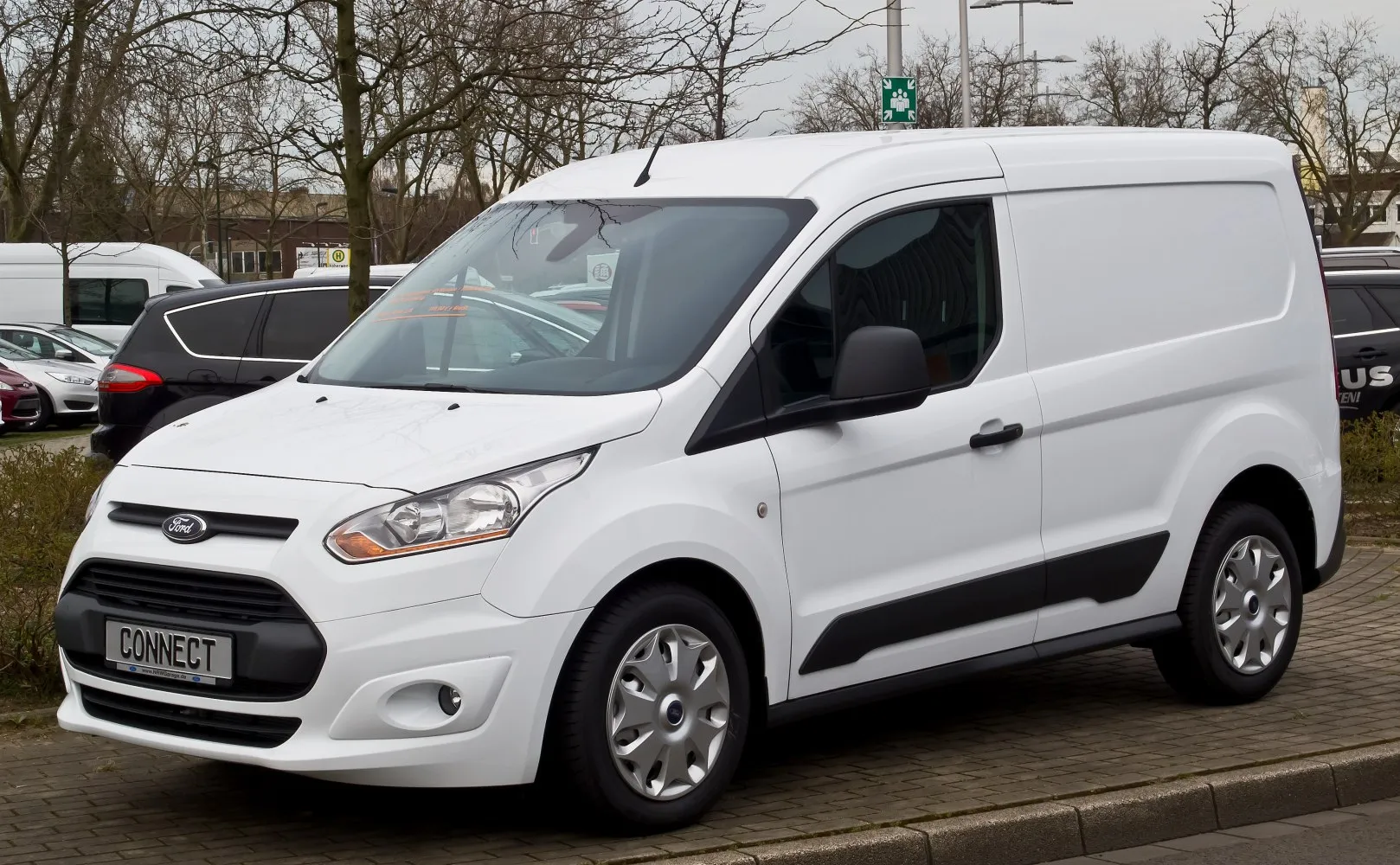


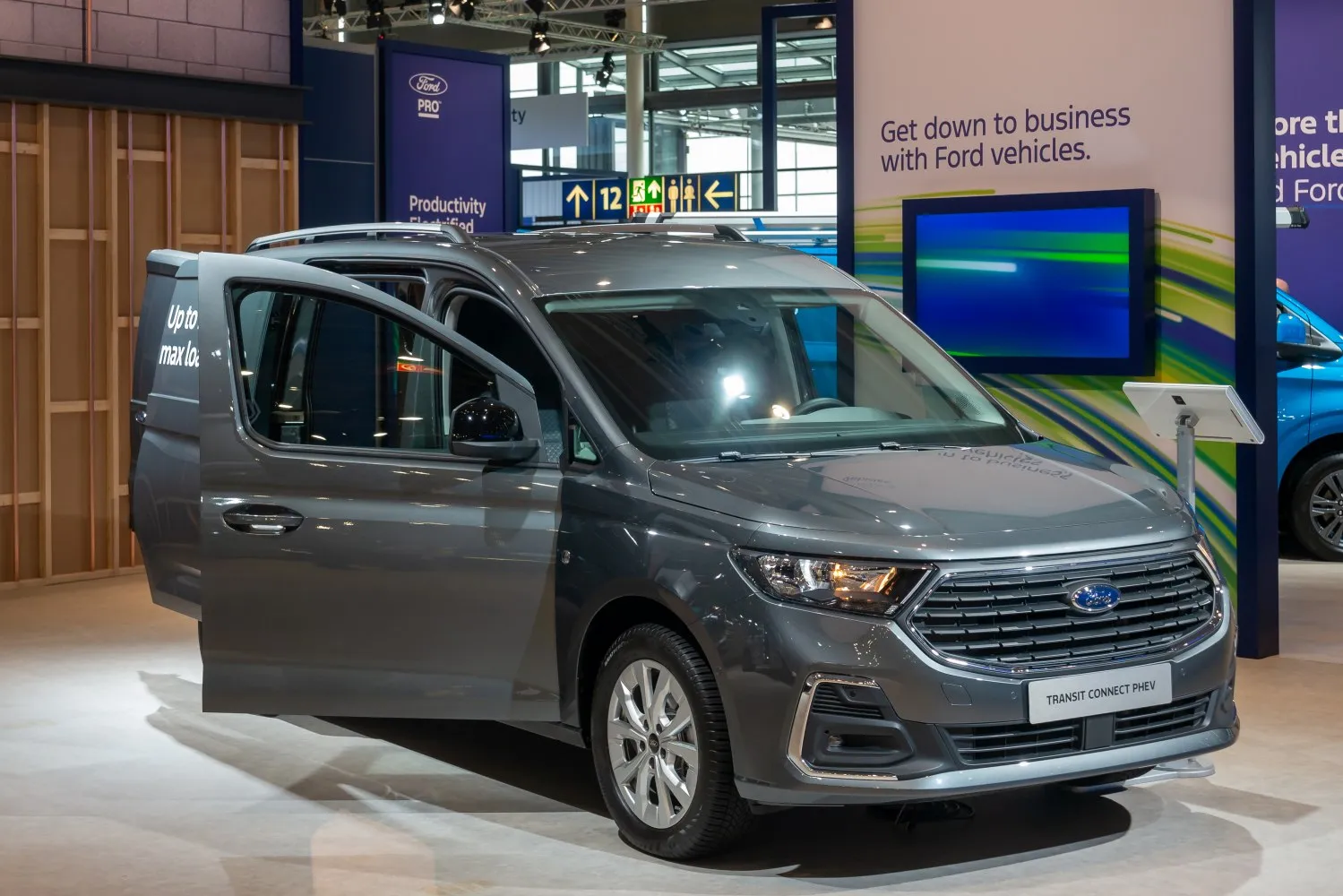





Behind the wheel of the Ford Transit Connect. How does it handle on the road?