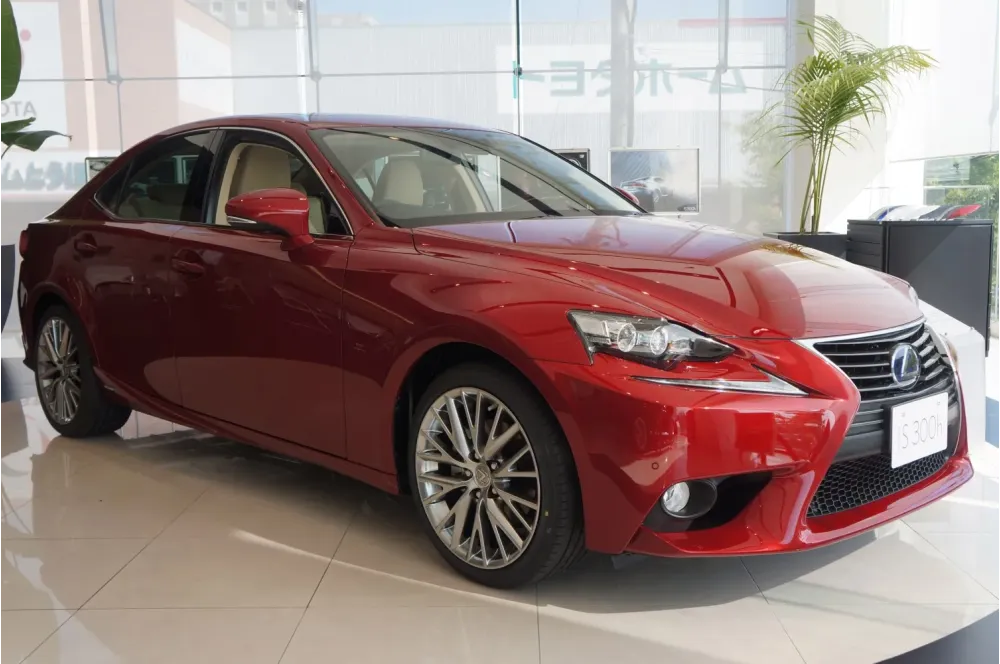
Click on image to view the full photo gallery
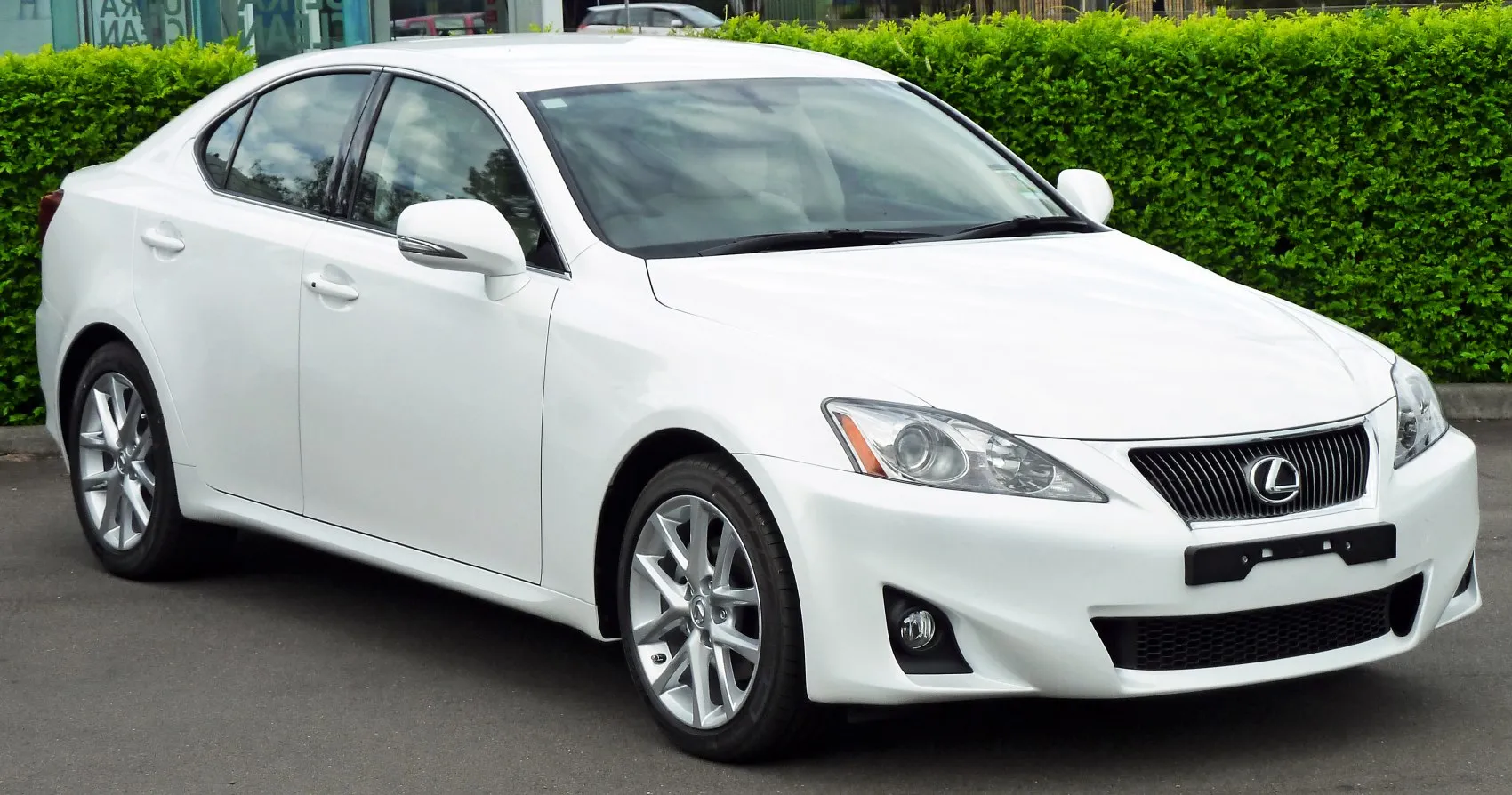
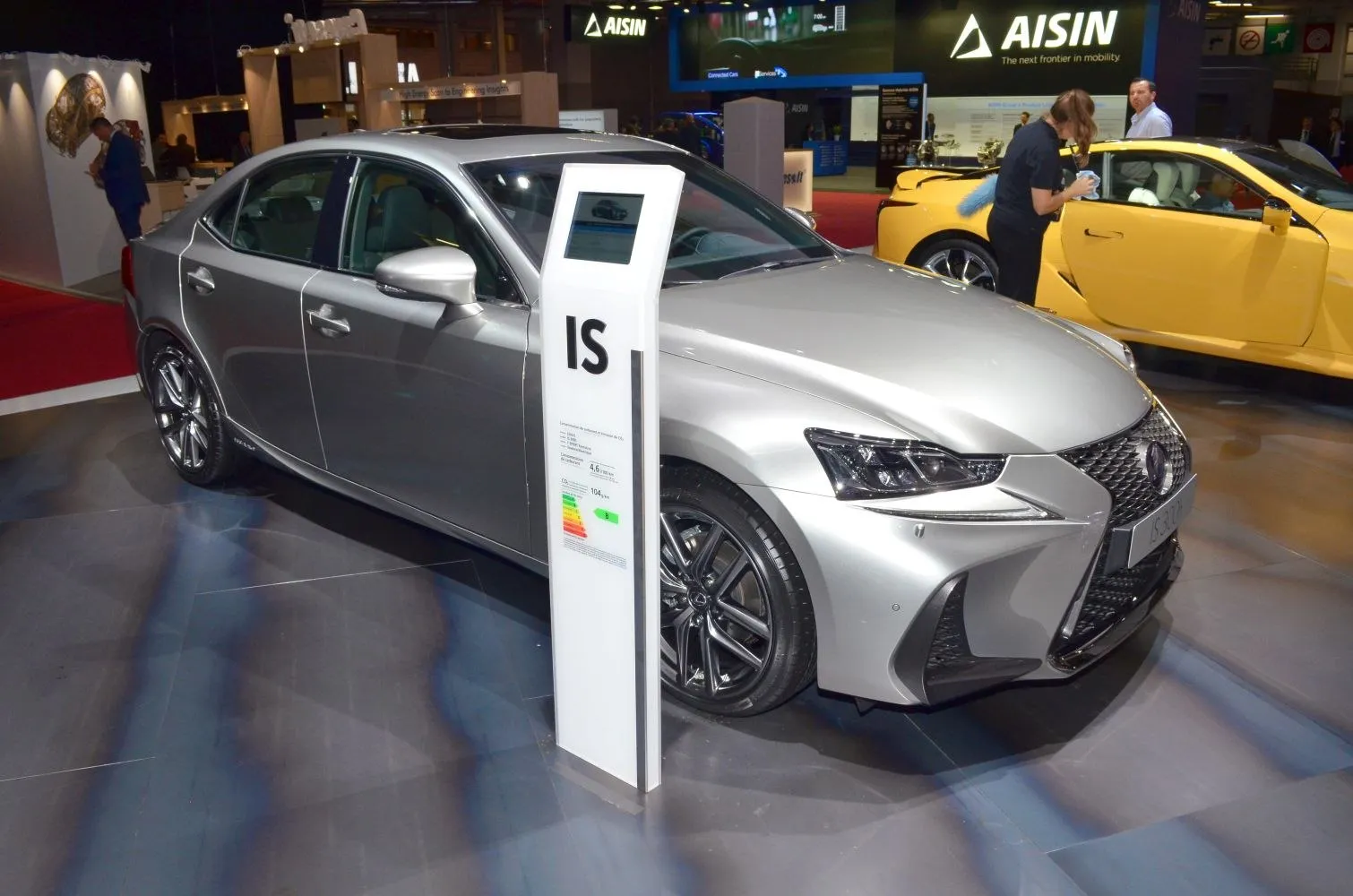
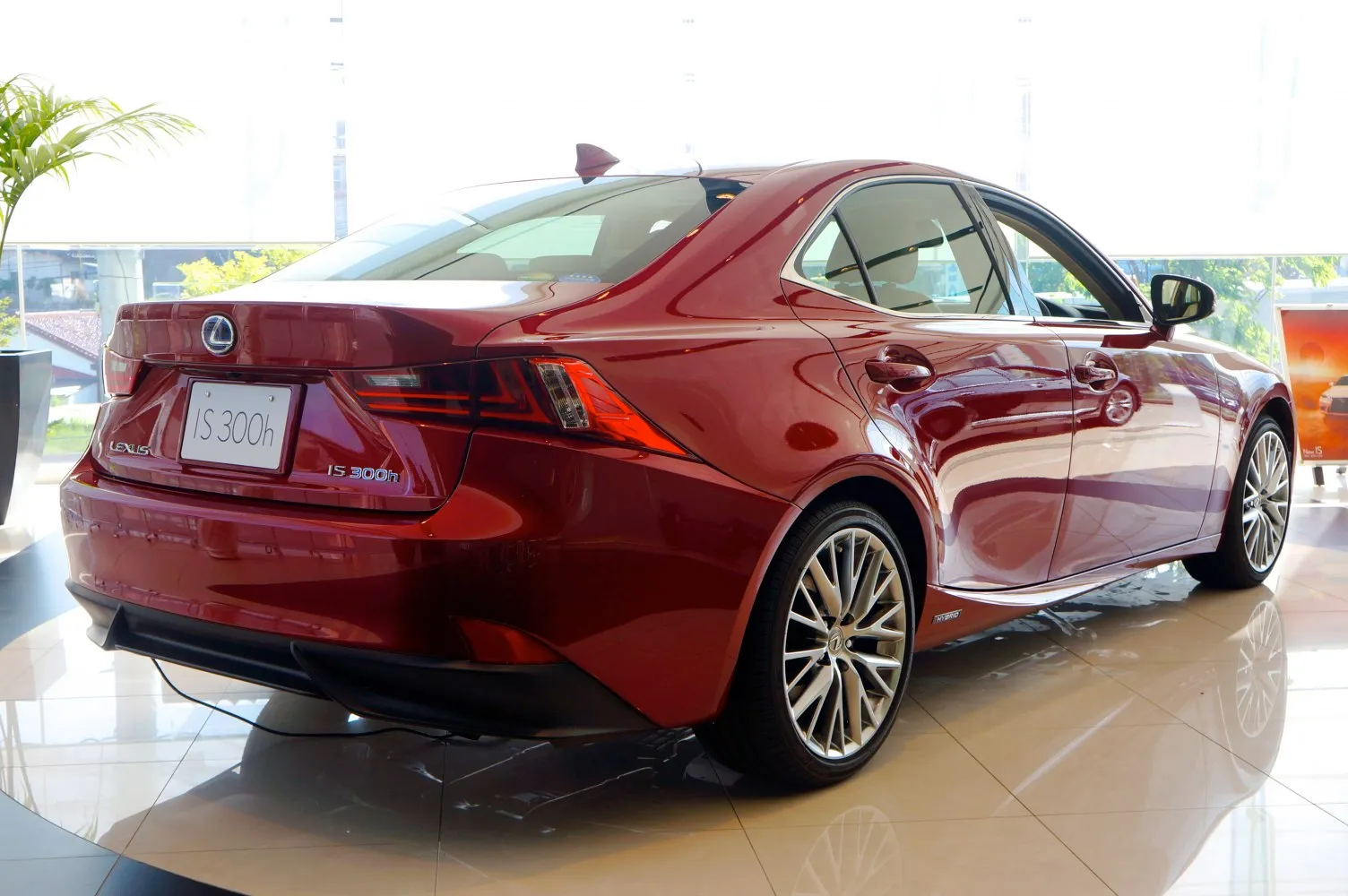
Lexus IS III (XE30) 200t (245 Hp) Direct Shift
Overall Rating
Lexus IS:
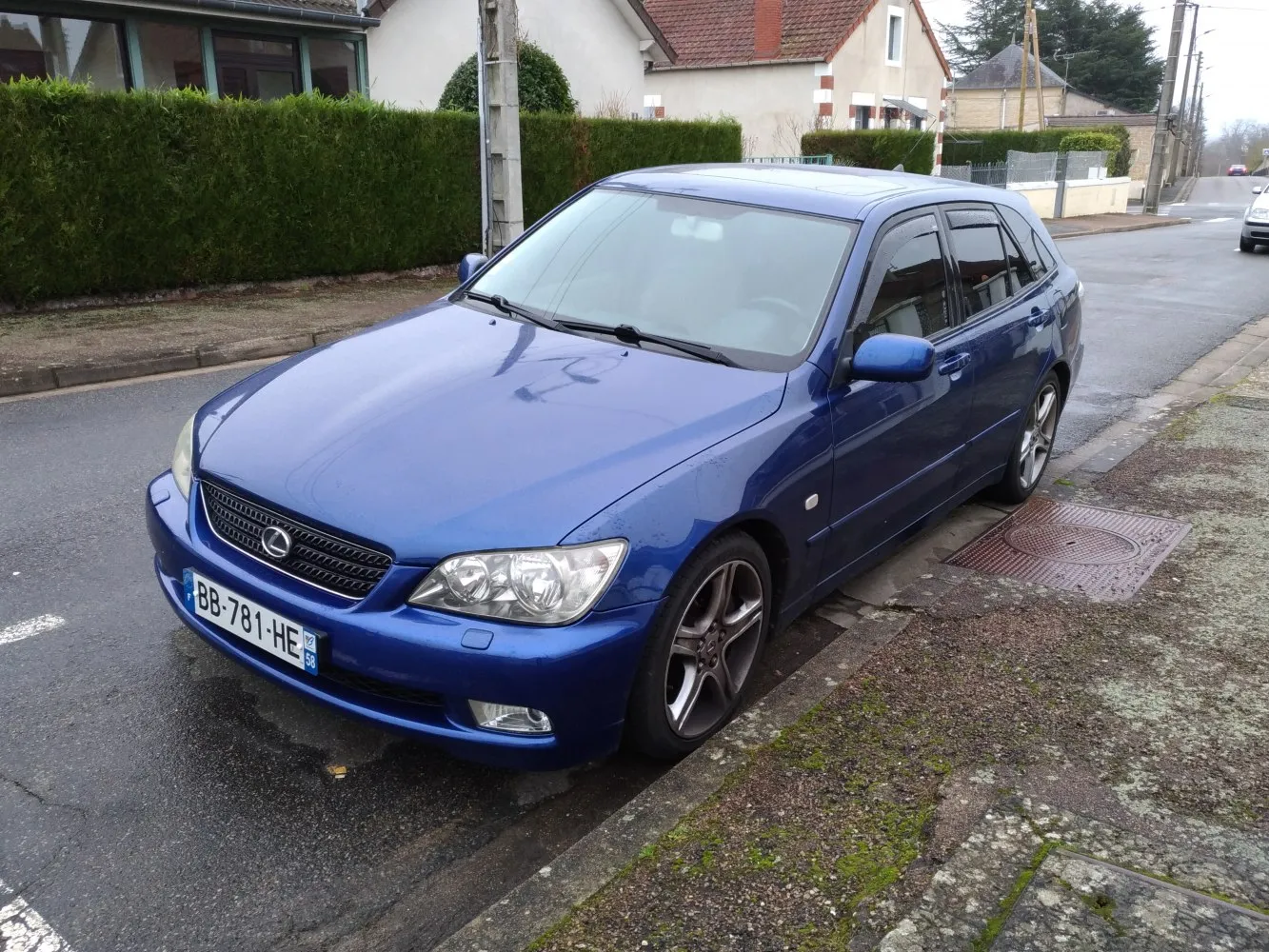
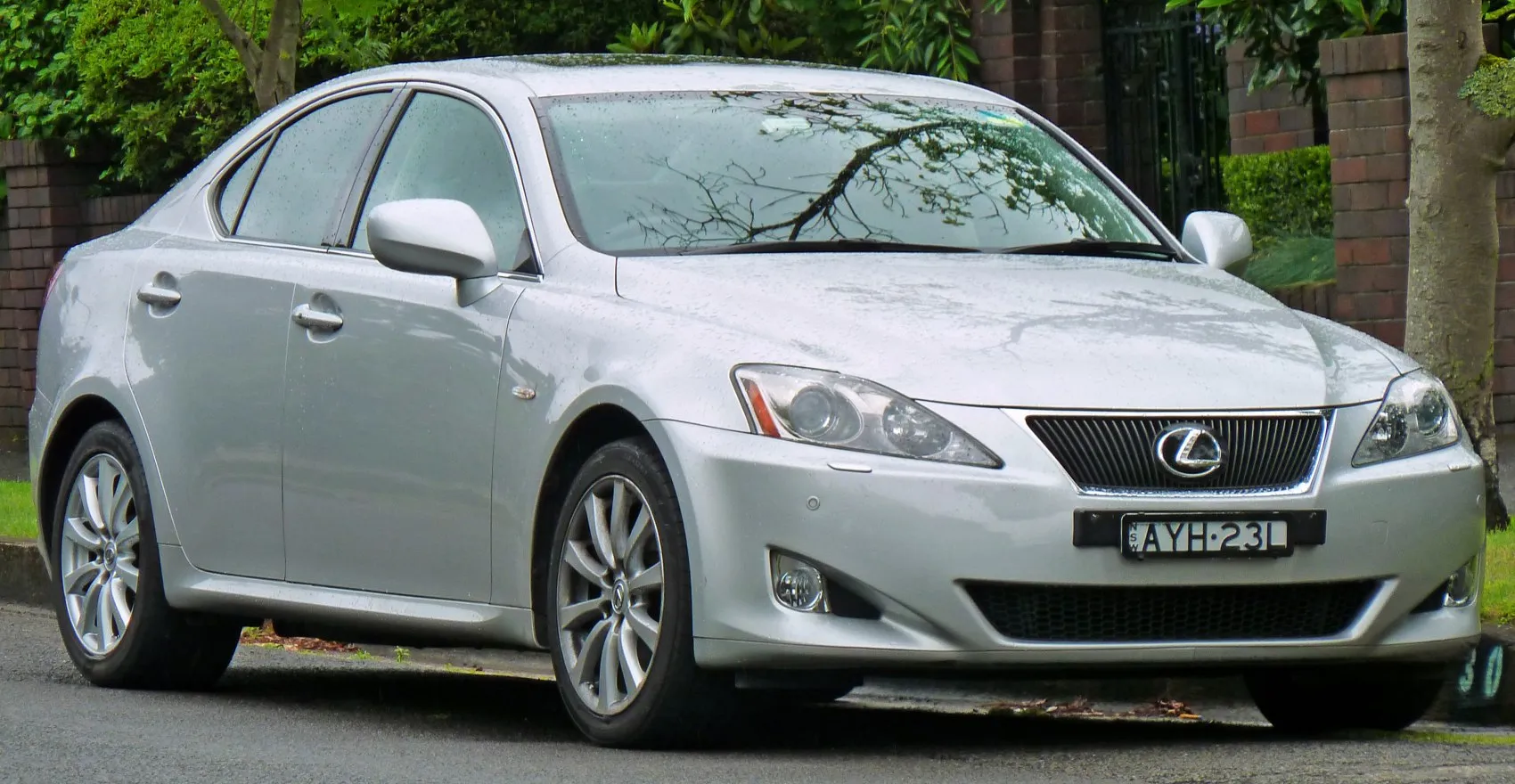
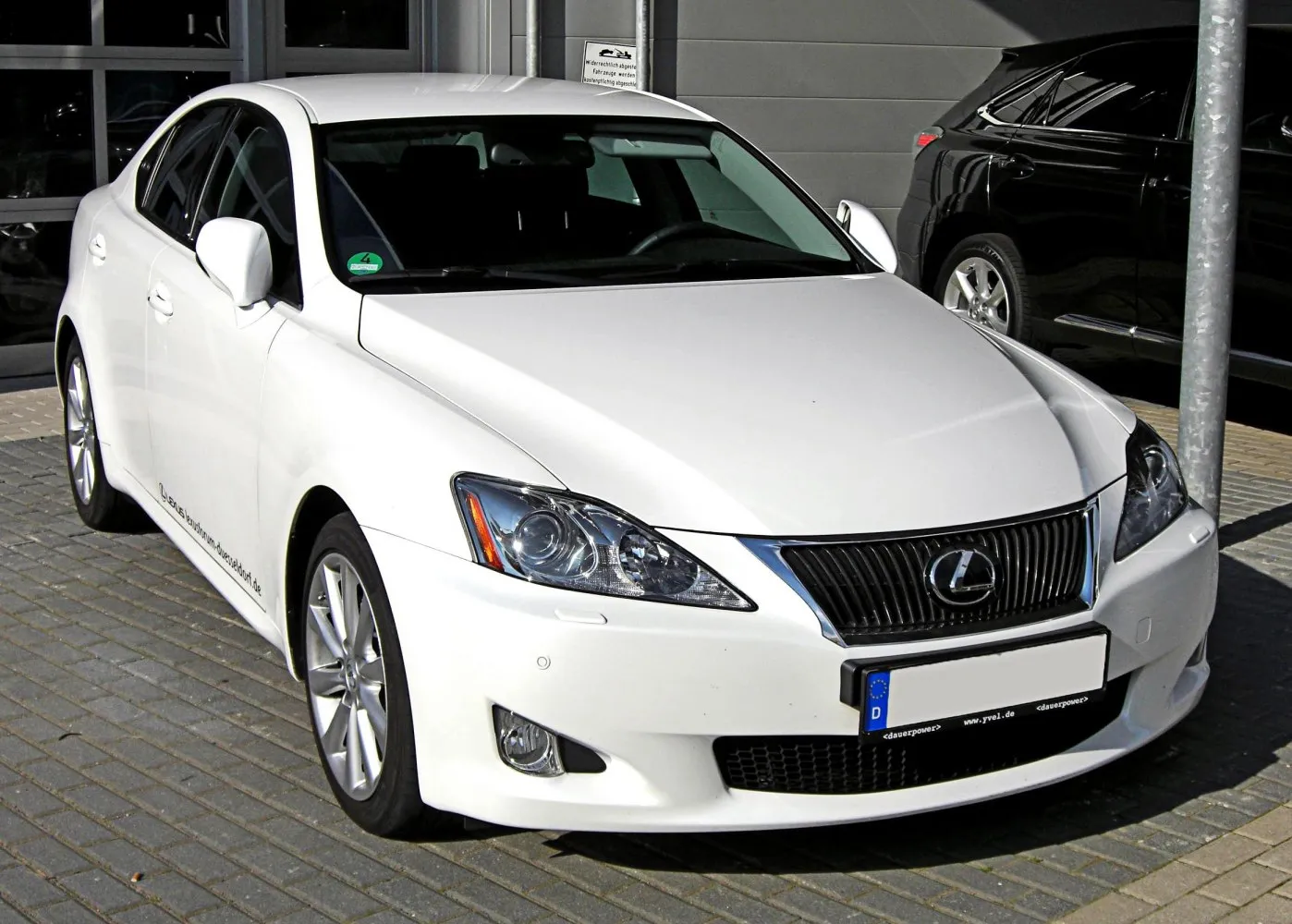
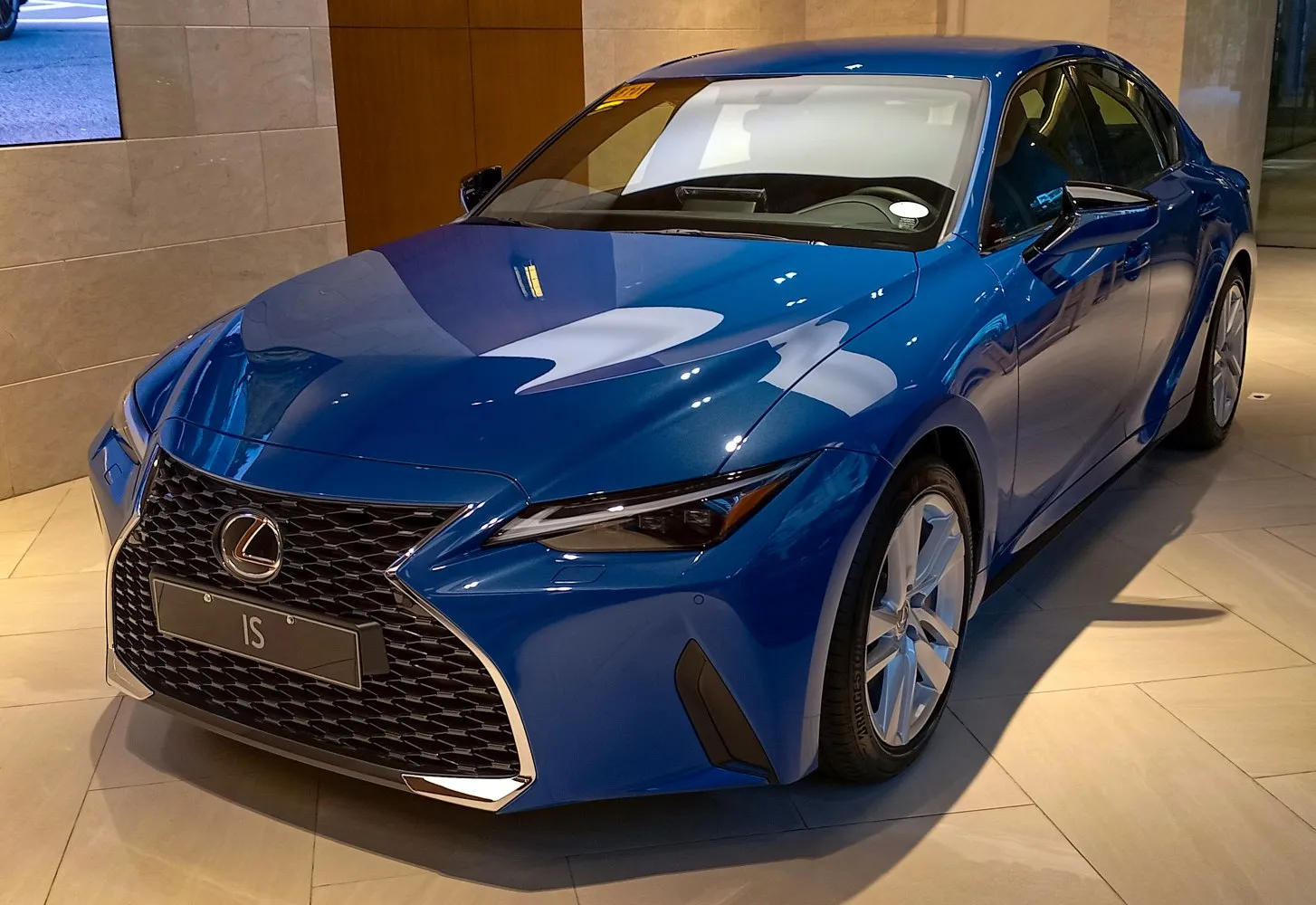
The Lexus IS is a compact executive car sold by Lexus, a luxury division of Toyota, since 1998. The IS was originally sold under the Toyota Altezza nameplate in Japan from 1998 until 2005. The IS was introduced as an entry-level sport model positioned below the ES in the Lexus lineup. It was the smallest car in the Lexus lineup until the introduction of the CT in 2011....(Read more on Wikipedia)
III (XE30) Overview:
Lexus IS (III (XE30)). With 350 Nm of torque, it offers ample pulling power. It has moderate fuel consumption (~9.3 l/100km). With a weight of 1635 kg, it falls in the mid‑range. Rear‑wheel drive offers dynamic handling and sporty feedback. Acceleration is good (0–100 km/h in 7 s). The top speed reaches 230 km/h. A four-door car with a separate trunk, ideal for families and daily commuting. Seating for 5 makes it ideal for daily use.
200t (245 Hp) Direct Shift Verdict:

Performance Verdict
The turbocharged four-cylinder offers a good blend of power and torque, feeling responsive and modern, especially with the 8-speed Direct Shift transmission.
Fuel Economy
Significantly improved fuel efficiency compared to the V6s, making it a more economical choice for daily driving without sacrificing too much power.
Pros and Cons:
Pros:
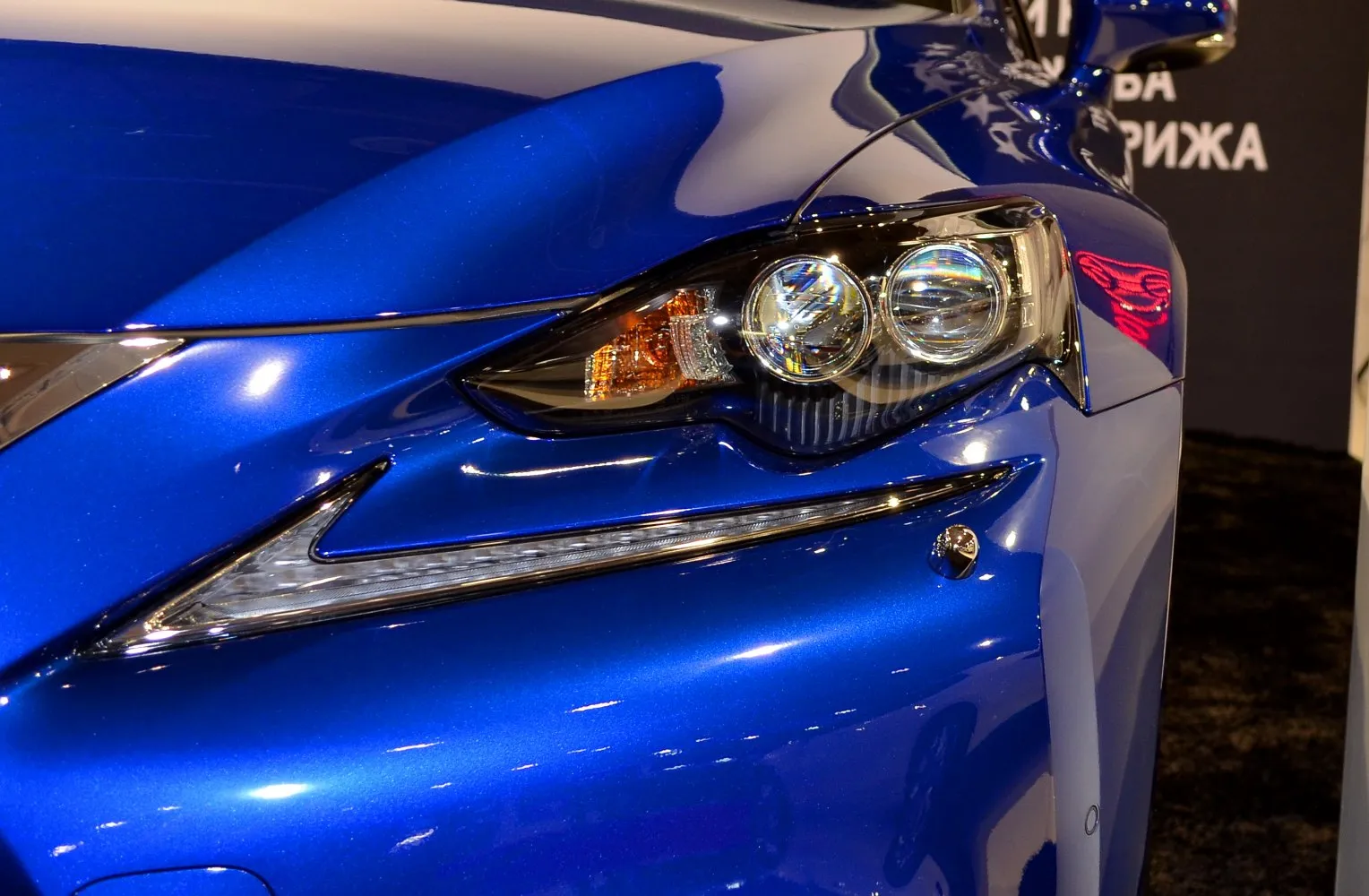
- • Distinctive and aggressive styling that stands out
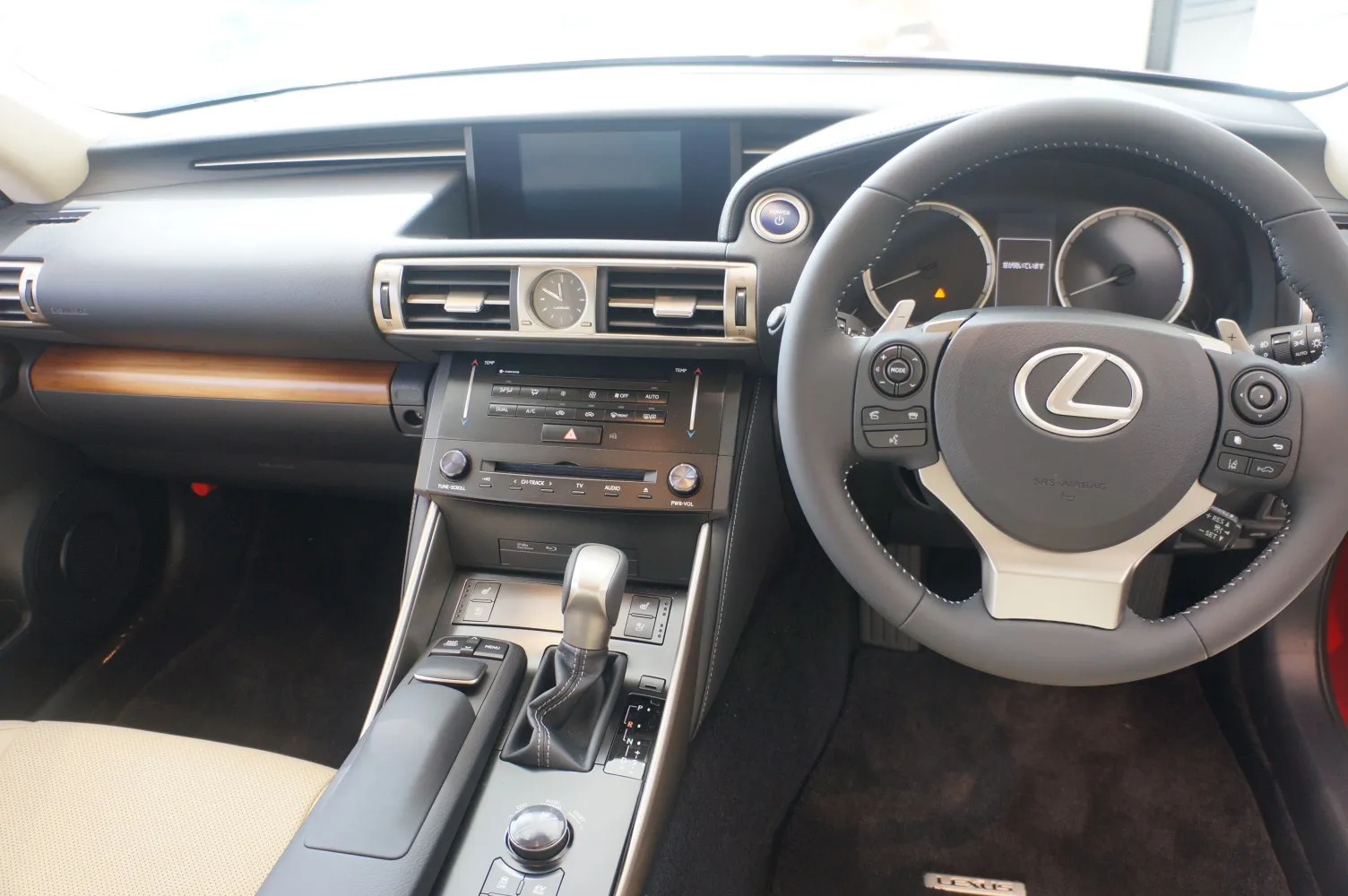
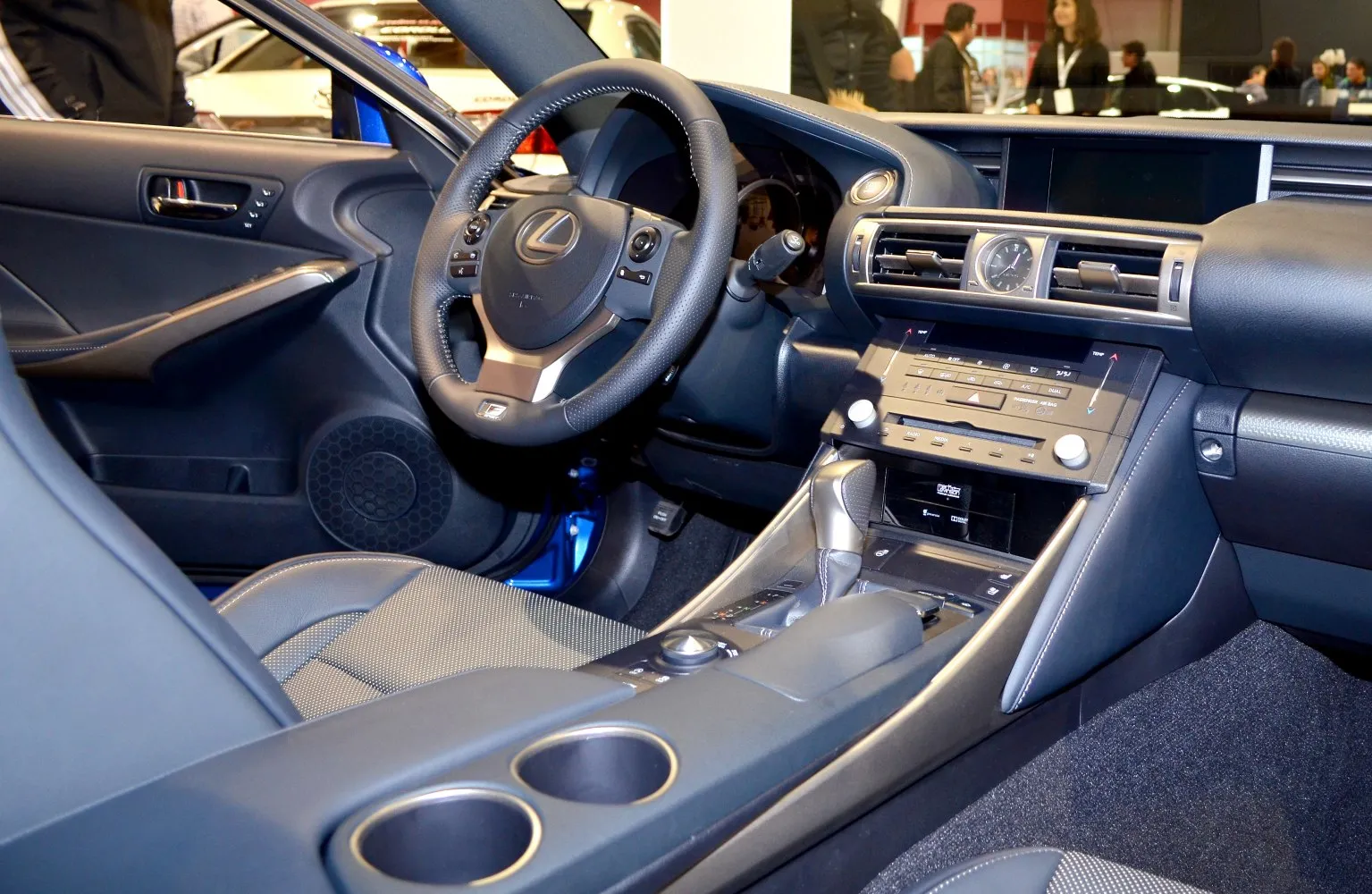
- • High-quality, refined interior with excellent materials
- • Exceptional reliability and build quality, typical of Lexus
- • Comfortable and composed ride quality, even on longer journeys
- • Available highly efficient hybrid powertrains
- • Strong safety ratings from Euro NCAP
Cons:
- • Rear seat and trunk space can be tight compared to rivals
- • Infotainment system (Remote Touch) can be clunky and distracting to use
- • Some V6 engines are less fuel-efficient than modern turbocharged German rivals
- • AWD options limit some powertrain choices and add weight
- • Not as dynamically sharp or engaging as some German competitors for pure driving thrills
Specifications:
Specifications are compared to those of the previous generation(III (XE30): 2013 - 2016).
| General: | |
|---|---|
| Brand: | Lexus |
| Model: | IS |
| Generation: | III (XE30) |
| Modification (Engine): | 200t (245 Hp) Direct Shift |
| Start of production: | 2015 |
| End of production: | 2016 |
| Powertrain Architecture: | Internal Combustion engine |
| Body type: | Sedan |
| Seats: | 5 |
| Doors: | 4 |
| Engine: | |
|---|---|
| Engine systems: | Start & Stop System |
| Power: | 245 Hp @ 5800 rpm. Same horsepower |
| Power per litre: | 122.6 Hp/l [Same length.] |
| Torque: | 350 Nm @ 1650-4400 rpm. |
| Engine Model/Code: | 8AR-FTS More details about the engine 8AR-FTS |
| Engine displacement: | 1998 |
| Number of cylinders: | 4 |
| Engine configuration: | Inline |
| Number of valves per cylinder: | 4 |
| Fuel injection system: | Direct injection and Multi-port manifold injection |
| Engine aspiration: | Twin-scroll turbo, Intercooler |
| Valvetrain: | DOHC, Dual VVT-iW |
| Engine oil capacity: | 4.6 l |
| Coolant: | 7.8 l |
| Engine layout: | Front, Longitudinal |
| Cylinder Bore: | 86 mm |
| Piston Stroke: | 86 mm |
| Compression ratio: | 10:1 |
| Performance: | |
|---|---|
| Fuel Type: | Petrol (Gasoline) |
| Fuel consumption (economy) - urban: | 9.2-9.4 l/100 km |
| Fuel consumption (economy) - extra urban: | 5.8-5.9 l/100 km |
| Fuel consumption (economy) - combined (NEDC): | 7-7.2 l/100 km |
| Fuel consumption (economy) - urban (NEDC): | 9.2-9.4 l/100 km |
| Fuel consumption (economy) - extra urban (NEDC): | 5.8-5.9 l/100 km |
| Fuel consumption (economy) - combined: | 7-7.2 l/100 km |
| Emission standard: | Euro 6 |
| Acceleration 0 - 100 km/h: | 7 sec |
| Acceleration 0 - 62 mph: | 7 sec |
| Maximum speed: | 230 km/h |
| Weight-to-power ratio: | 6.5 kg/Hp, 154.1 Hp/tonne |
| Weight-to-torque ratio: | 4.5 kg/Nm, 220.1 Nm/tonne |
| Acceleration 0 - 60 mph: | 6.9 sec |
| Space: | |
|---|---|
| Kerb Weight: | 1590-1680 |
| Max. weight: | 2100-2125 |
| Max load: | 445-510 |
| Trunk (boot) space - minimum: | 480 l |
| Permitted trailer load with brakes (12%): | 1500 kg |
| Fuel tank capacity: | 66 l |
| Permitted trailer load without brakes: | 750 kg |
| Size: | |
|---|---|
| Length: | 4665 mm [Same length.] |
| Width: | 1810 mm [Same width.] |
| Height: | 1430 mm [Same height.] |
| Wheelbase: | 2800 mm [Same wheelbase.] |
| Width including mirrors: | 2027 mm |
| Front track: | 1535 mm |
| Rear (Back) track: | 1550-1560 mm |
| Front overhang: | 830 mm |
| Rear overhang: | 1035 mm |
| Ride height (ground clearance): | 135 mm |
| Minimum turning circle (turning diameter): | 10.4 m [above average] |
| Powertrain: | |
|---|---|
| Drivetrain Architecture | The Internal combustion engine (ICE) drives the rear wheels of the vehicle. |
| Drive wheel | Rear wheel drive |
| Number of gears | 8 |
| Transmission type | Automatic |
| Gearbox type | Direct Shift |
| Front brakes | Ventilated discs, 334 mm [Best for performance and cooling.] |
| Rear brakes | Ventilated discs, 310 mm [Best for performance and cooling.] |
| Assisting systems | ABS (Anti-lock braking system) |
| Steering type | Steering rack and pinion |
| Power steering | Electric Steering |
| Tires size | Front wheel tires: 225/45 R17; 225/40 R18 |
| Wheel rims size | Front wheel rims: 7.5J x 17; 8J x 18 |
| Front suspension | Coil spring, Double wishbone, Transverse stabilizer |
| Rear suspension | Independent multi-link spring suspension with stabilizer |
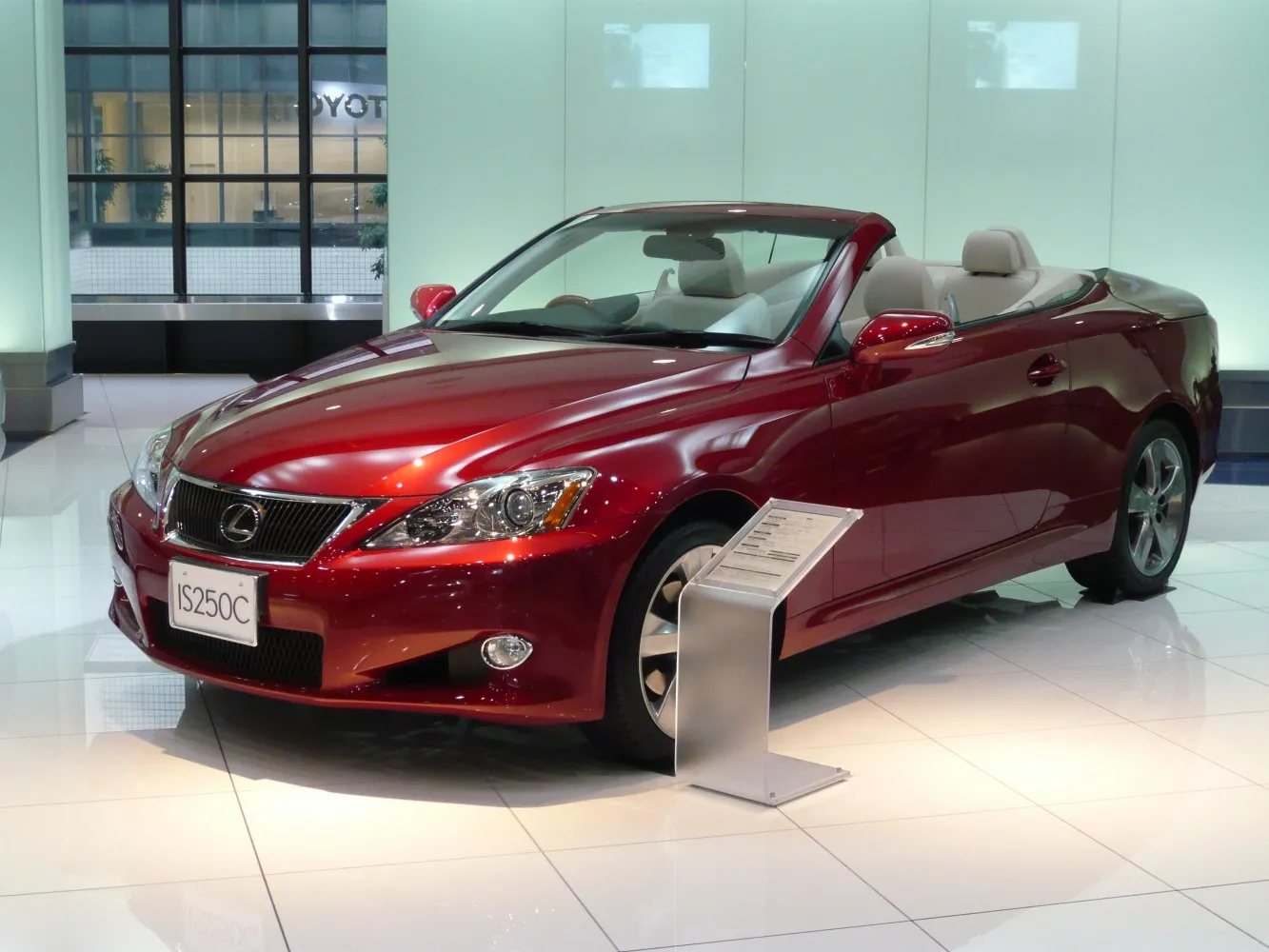
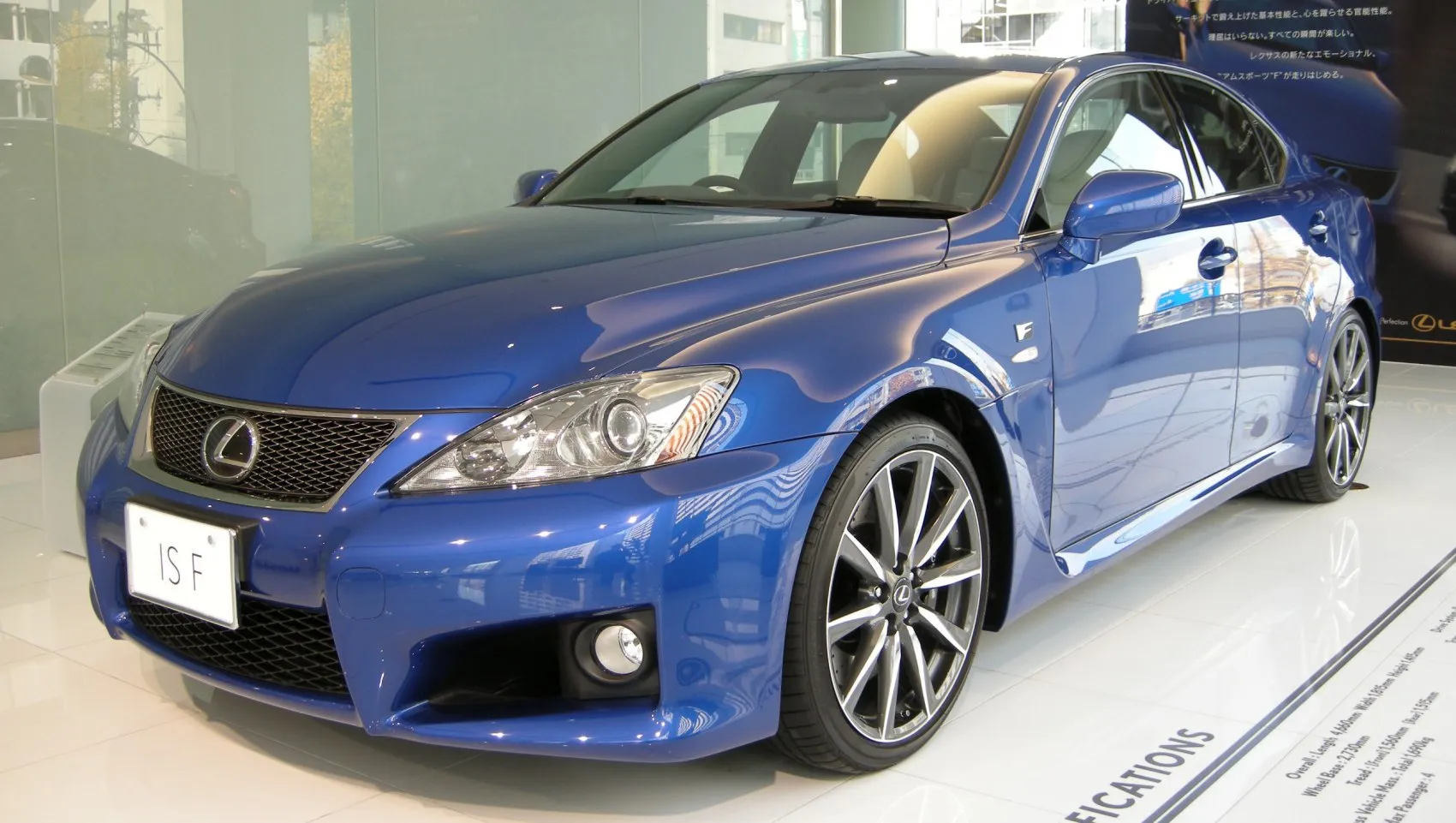
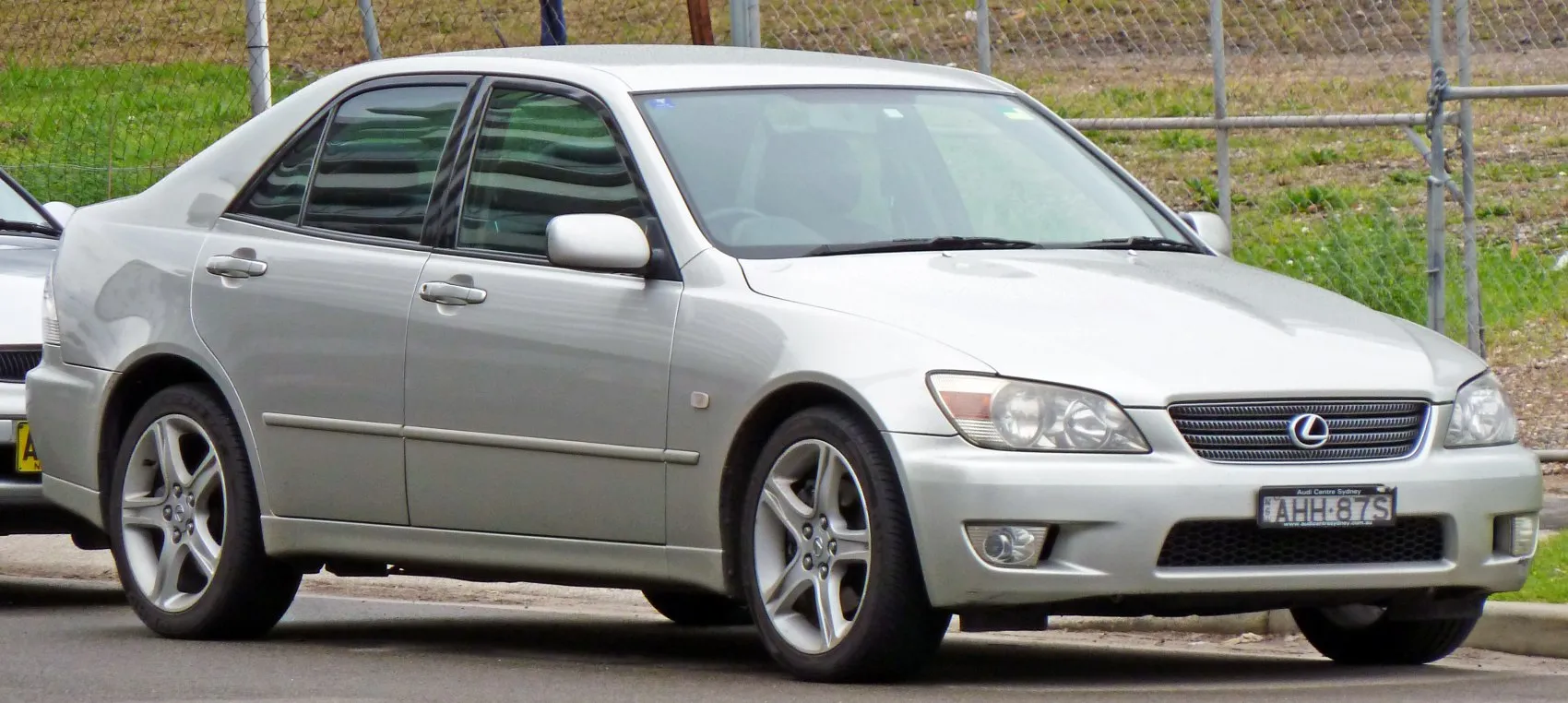






Behind the wheel of the Lexus IS. How does it handle on the road?