
Click on image to view the full photo gallery
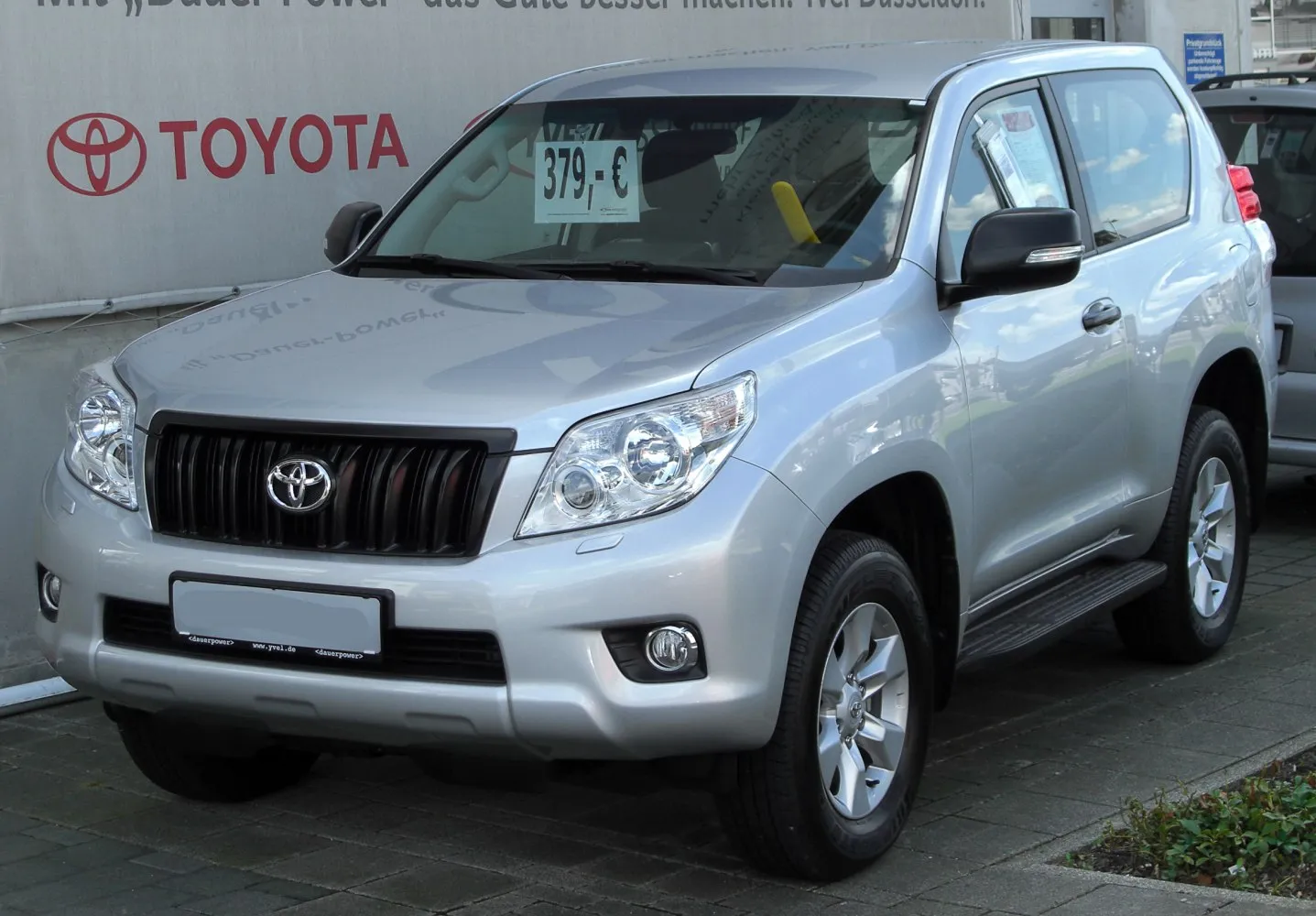
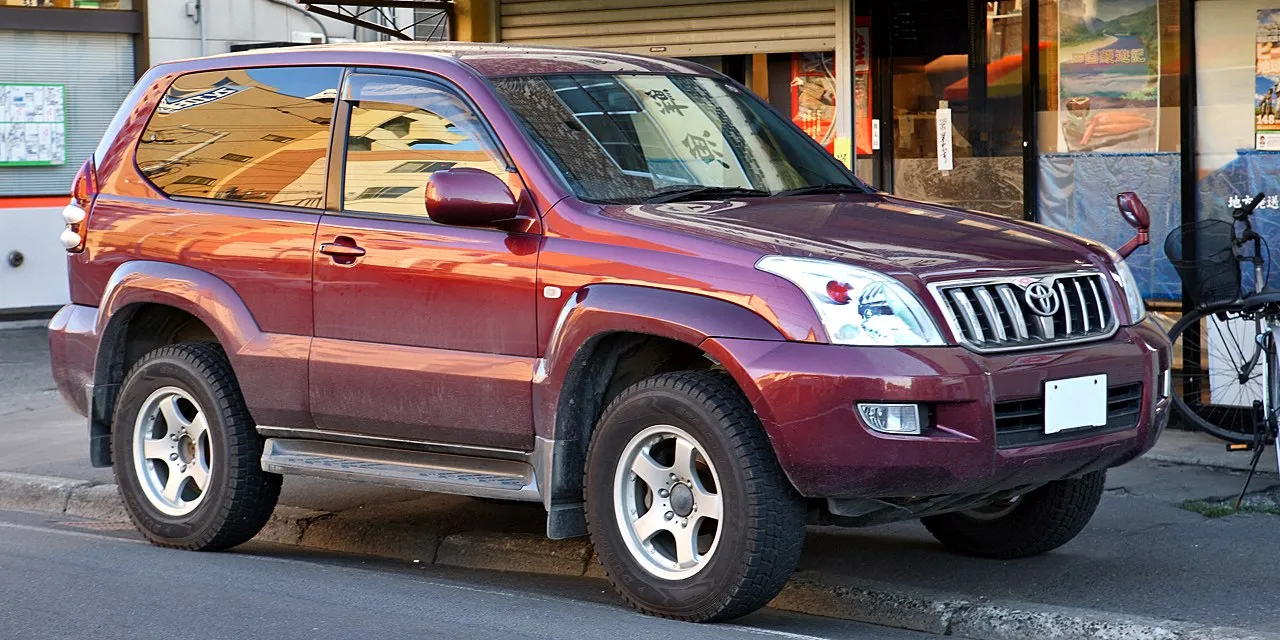
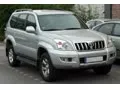
Toyota Land Cruiser Prado (J150, facelift 2017) 3-door 2.8 D-4D (204 Hp) 4WD Automatic
Overall Rating
Toyota Land Cruiser Prado:
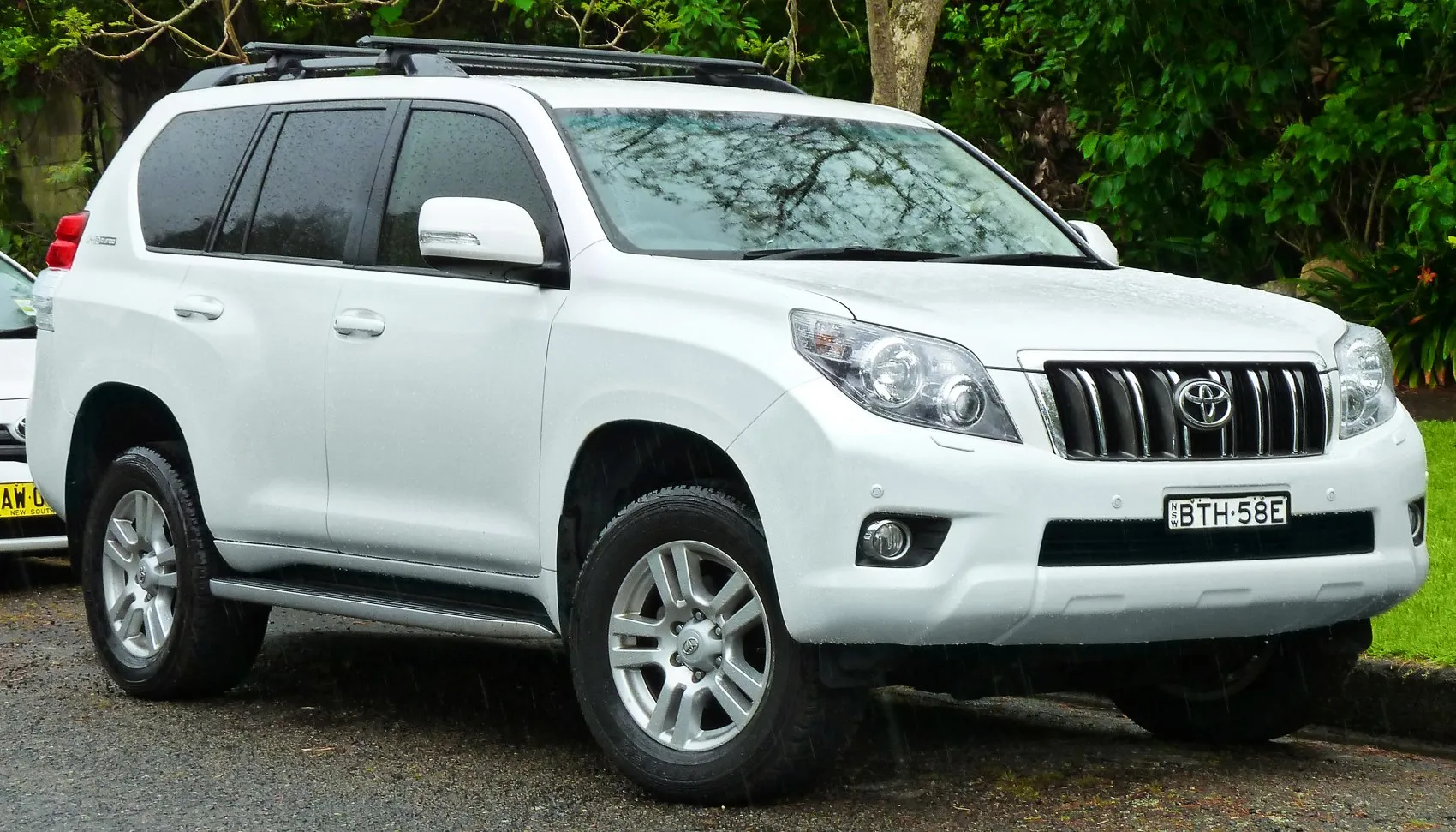
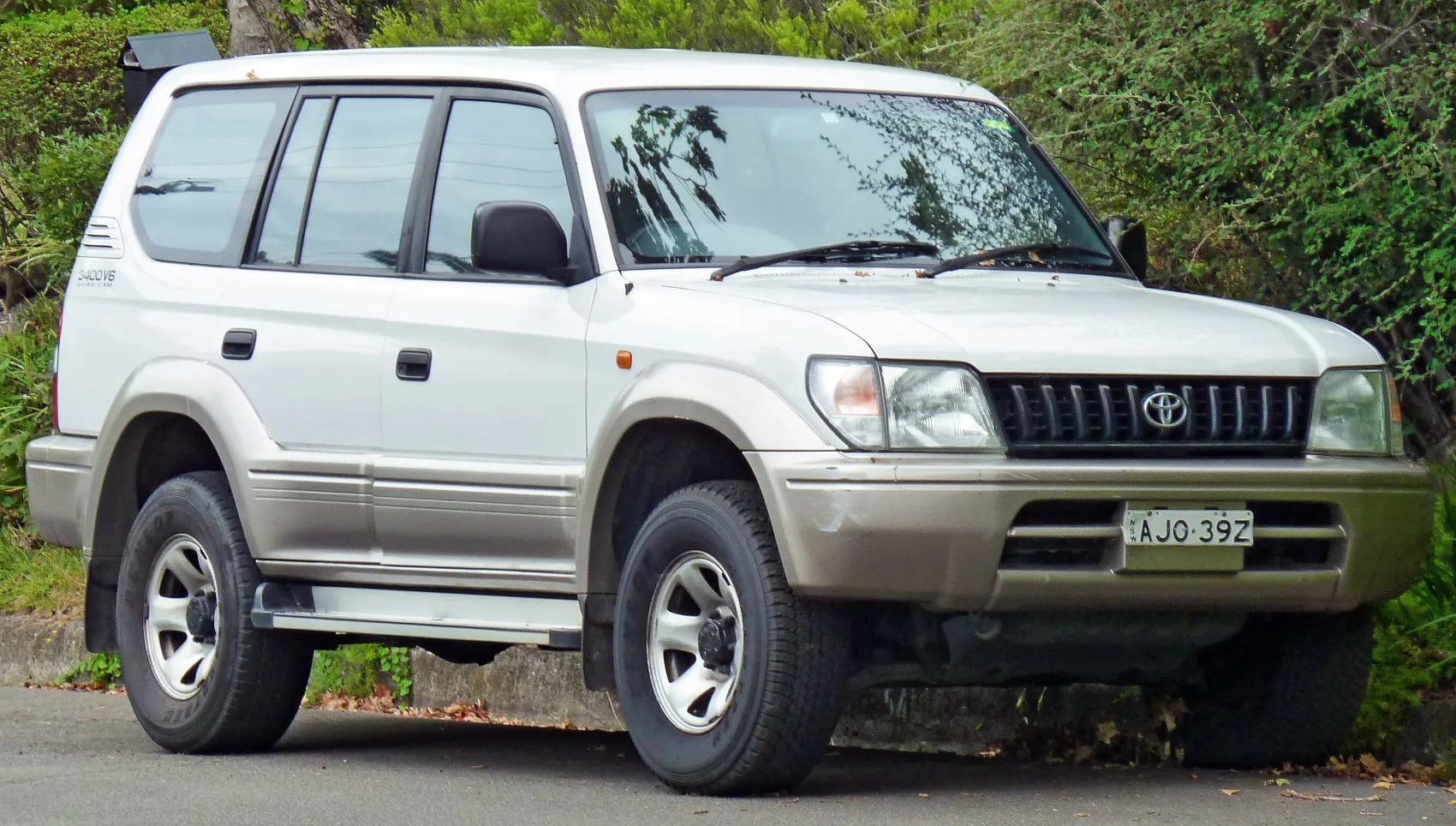
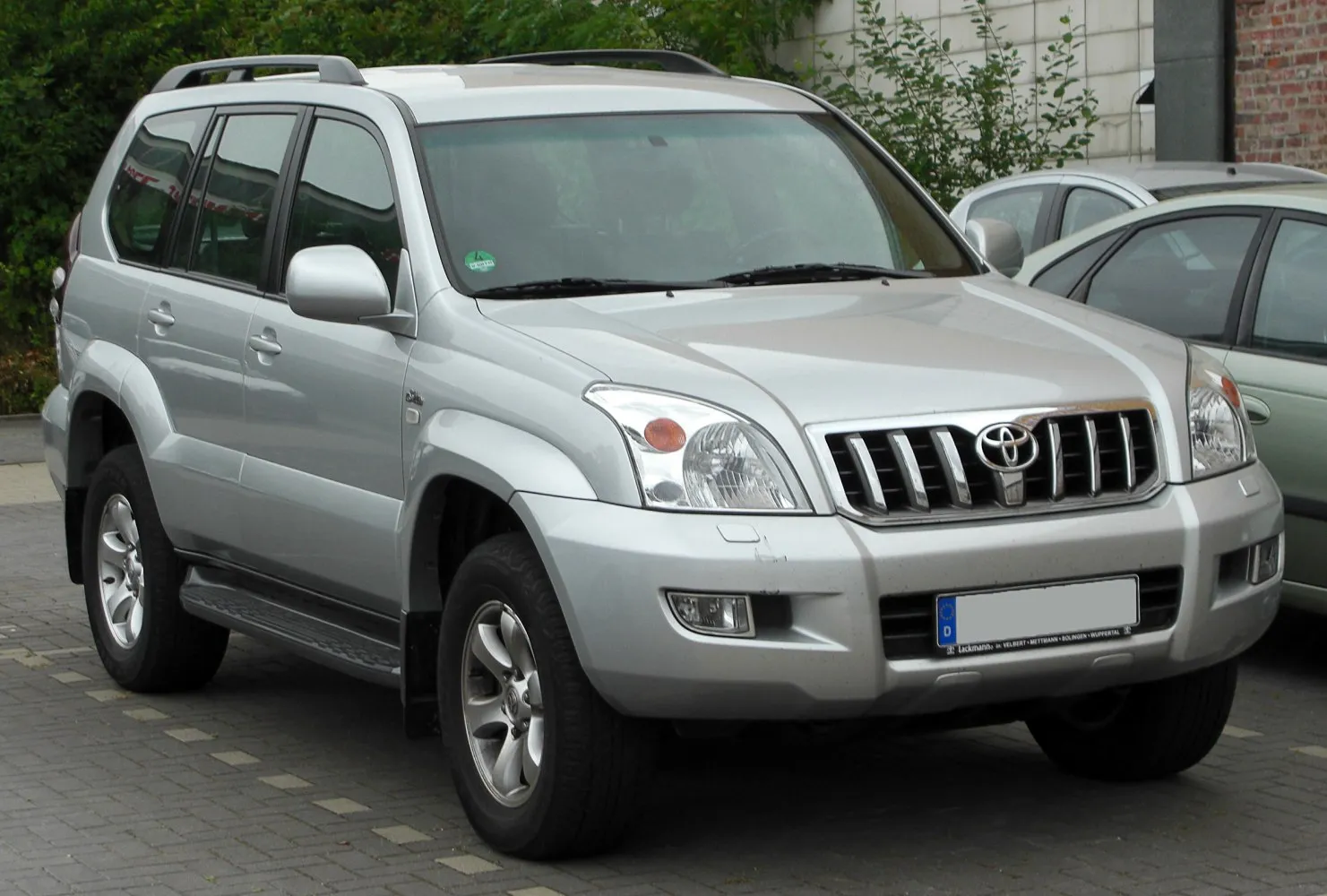
The Toyota Land Cruiser Prado is a full-size four-wheel drive vehicle in the Land Cruiser range produced by the Japanese automaker Toyota as a "light-duty" variation in the range. "Prado" means meadow or field in Spanish and Portuguese.
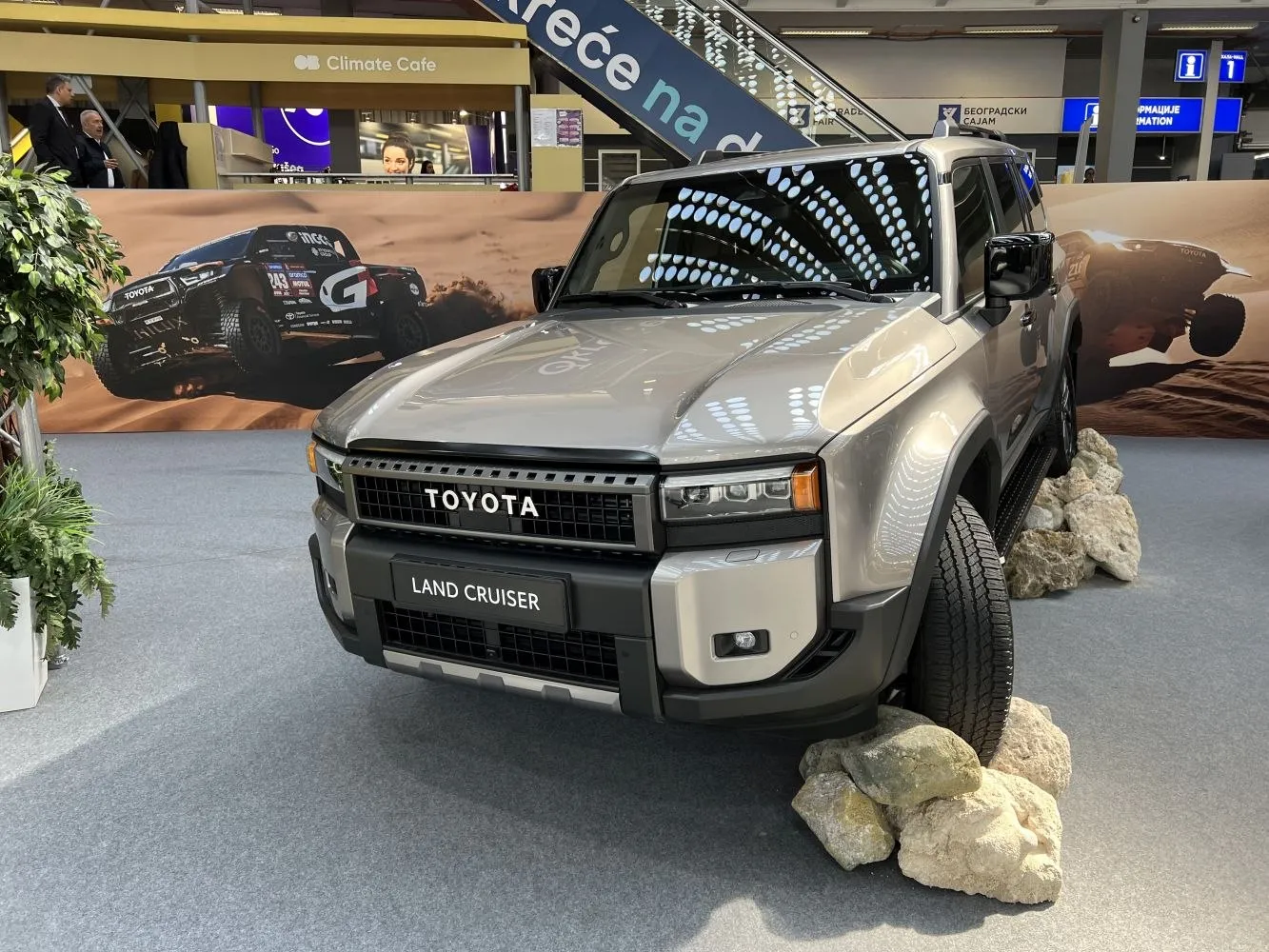
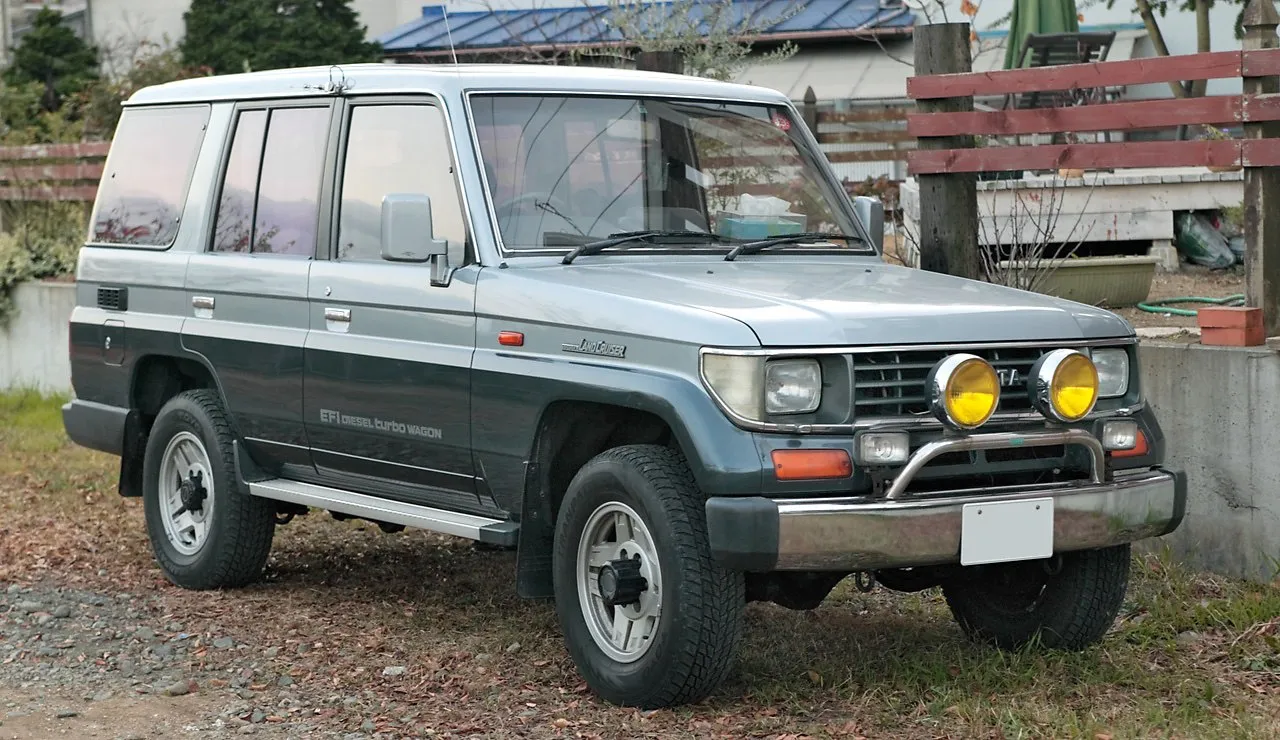
The Prado may also be referred to as Land Cruiser LC70, LC90, LC120, LC150 and LC250 depending on the platform. In some markets, it is known simply as the Toyota Prado or the Toyota Land Cruiser....(Read more on Wikipedia)
(J150, facelift 2017) 3-door Overview:
Toyota Land Cruiser Prado ((J150, facelift 2017) 3-door). With 500 Nm of torque, it offers ample pulling power. It has moderate fuel consumption (~9.25 l/100km). With a weight of 2000 kg, it falls in the mid‑range. All‑wheel drive provides excellent grip, ideal for off‑road use. Acceleration is relatively slow (0–100 km/h in 9.9 s). The top speed reaches 175 km/h. A sport utility vehicle offering higher ground clearance and versatile cargo space. Seating for 5 makes it ideal for daily use.
2.8 D-4D (204 Hp) 4WD Automatic Verdict:

Performance Verdict
The strongest performer in the lineup, offering significantly quicker acceleration and more effortless power delivery, especially with the smooth automatic transmission. Excellent for both highway and challenging off-road conditions.
Fuel Economy
While slightly less fuel-efficient than lower-powered variants, the improved performance justifies the marginal increase, remaining respectable for a full-frame SUV.
Pros and Cons:
Pros:
- • Exceptional off-road capability and durability
- • Legendary Toyota reliability and strong resale value
- • Robust diesel engines with ample torque for towing and challenging terrain
- • Compact 3-door body offers improved maneuverability off-road and in tight spaces
Cons:
- • On-road refinement and acceleration can be modest, especially with lower-powered engines
- • Fuel economy, while reasonable for its class, can be higher than car-based SUVs
- • Limited rear passenger space and cargo capacity compared to 5-door variants
- • Steering can feel less precise than modern unibody SUVs
Specifications:
Specifications are compared to those of the previous generation(J250: June, 2024 - ).
| General: | |
|---|---|
| Brand: | Toyota |
| Model: | Land Cruiser Prado |
| Generation: | (J150, facelift 2017) 3-door |
| Modification (Engine): | 2.8 D-4D (204 Hp) 4WD Automatic |
| Start of production: | September, 2020 |
| End of production: | October, 2023 |
| Powertrain Architecture: | Internal Combustion engine |
| Body type: | SUV |
| Seats: | 5 |
| Doors: | 3 |
| Engine: | |
|---|---|
| Engine systems: | Start & Stop System |
| Power: | 204 Hp @ 3000 rpm. |
| Power per litre: | 74 Hp/l |
| Torque: | 500 Nm @ 1600-2800 rpm. |
| Engine Model/Code: | 1GD-FTV [Same engine] More details about the engine 1GD-FTV |
| Engine displacement: | 2755 |
| Number of cylinders: | 4 |
| Engine configuration: | Inline |
| Number of valves per cylinder: | 4 |
| Fuel injection system: | Diesel Commonrail |
| Engine aspiration: | Turbocharger, Intercooler |
| Valvetrain: | DOHC |
| Engine oil capacity: | 7.7 l |
| Coolant: | 10.2 l |
| Engine layout: | Front, Longitudinal |
| Cylinder Bore: | 92 mm mm |
| Piston Stroke: | 103.6 mm mm |
| Compression ratio: | 15.6:1 |
| Performance: | |
|---|---|
| Fuel Type: | Diesel |
| Fuel consumption (economy) - urban: | 9-9.5 l/100 km |
| Fuel consumption (economy) - extra urban: | 6.8-7.2 l/100 km |
| Fuel consumption (economy) - urban (NEDC, WLTP equivalent): | 9-9.5 l/100 km |
| Fuel consumption (economy) - extra urban (NEDC, WLTP equivalent): | 6.8-7.2 l/100 km |
| Fuel consumption (economy) - combined (NEDC, WLTP equivalent): | 7.6-8 l/100 km |
| Fuel consumption (economy) - combined: | 7.6-8 l/100 km |
| Emission standard: | Euro 6d-ISC-FCM |
| Acceleration 0 - 100 km/h: | 9.9 sec |
| Acceleration 0 - 62 mph: | 9.9 sec |
| Maximum speed: | 175 km/h |
| Weight-to-power ratio: | 9.8 kg/Hp, 102 Hp/tonne |
| Weight-to-torque ratio: | 4 kg/Nm, 250 Nm/tonne |
| Acceleration 0 - 60 mph: | 9.4 sec |
| Space: | |
|---|---|
| Kerb Weight: | 2000 |
| Max. weight: | 2600 |
| Max. roof load: | 80 kg |
| Max load: | 600 |
| Trunk (boot) space - maximum: | 1434 l |
| Trunk (boot) space - minimum: | 381 l |
| Permitted trailer load with brakes (12%): | 3000 kg |
| Fuel tank capacity: | 87 l |
| Permitted trailer load without brakes: | 750 kg |
| Permitted towbar download: | 120 kg |
| Permitted trailer load with brakes (8%): | 3500 kg |
| Size: | |
|---|---|
| Ramp-over (brakeover) angle: | 25° |
| Wading depth: | 700 mm |
| Length: | 4395 mm mm [530mm less] |
| Width: | 1885 mm mm [95mm less] |
| Height: | 1830 mm mm [105mm less] |
| Wheelbase: | 2450 mm mm [400mm less] |
| Front track: | 1585 mm |
| Rear (Back) track: | 1585 mm |
| Front overhang: | 975 mm |
| Rear overhang: | 970 mm |
| Ride height (ground clearance): | 205 mm |
| Minimum turning circle (turning diameter): | 10.4 m [above average] |
| Approach angle: | 32° |
| Departure angle: | 26° |
| Climb angle: | 42° |
| Powertrain: | |
|---|---|
| Drivetrain Architecture | The Internal combustion engine (ICE) drives permanently the four wheels of the vehicle. |
| Drive wheel | All wheel drive (4x4) |
| Number of gears | 6 |
| Transmission type | Automatic |
| Front brakes | Ventilated discs [Best for performance and cooling.] |
| Rear brakes | Ventilated discs [Best for performance and cooling.] |
| Assisting systems | ABS (Anti-lock braking system) |
| Steering type | Steering rack and pinion |
| Power steering | Electric Steering |
| Tires size | 245/70 R17; 265/65 R17; 265/55 R19 |
| Wheel rims size | 17; 19 |
| Front suspension | Double wishbone, Transverse stabilizer |
| Rear suspension | Rigid axle suspension, Coil spring, Air Suspension - Optional |














Is the Toyota Land Cruiser Prado the king of its class? Share your thoughts.