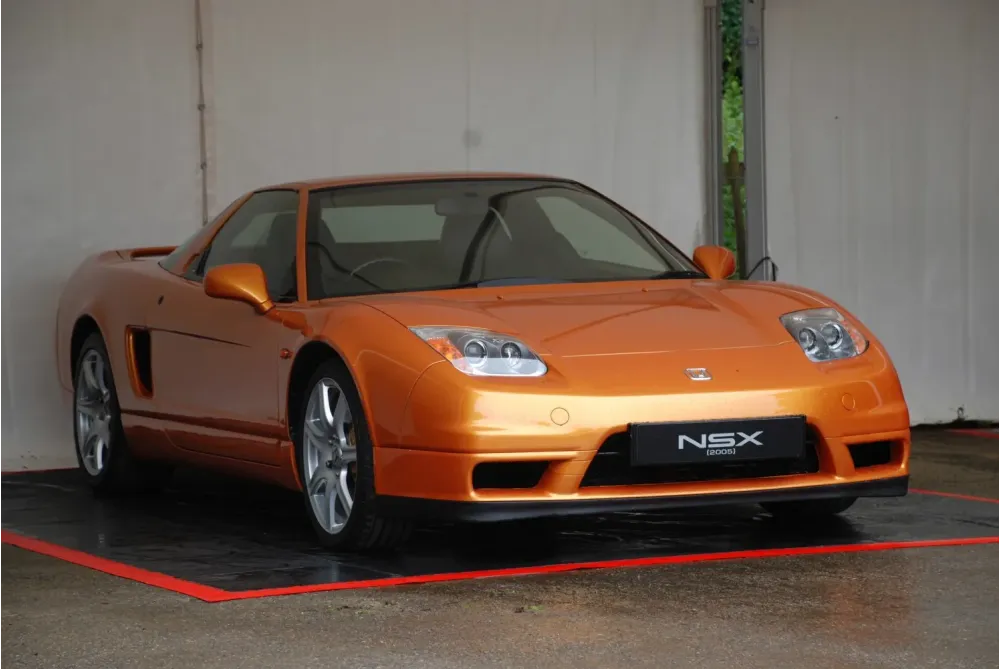
Click on image to view the full photo gallery
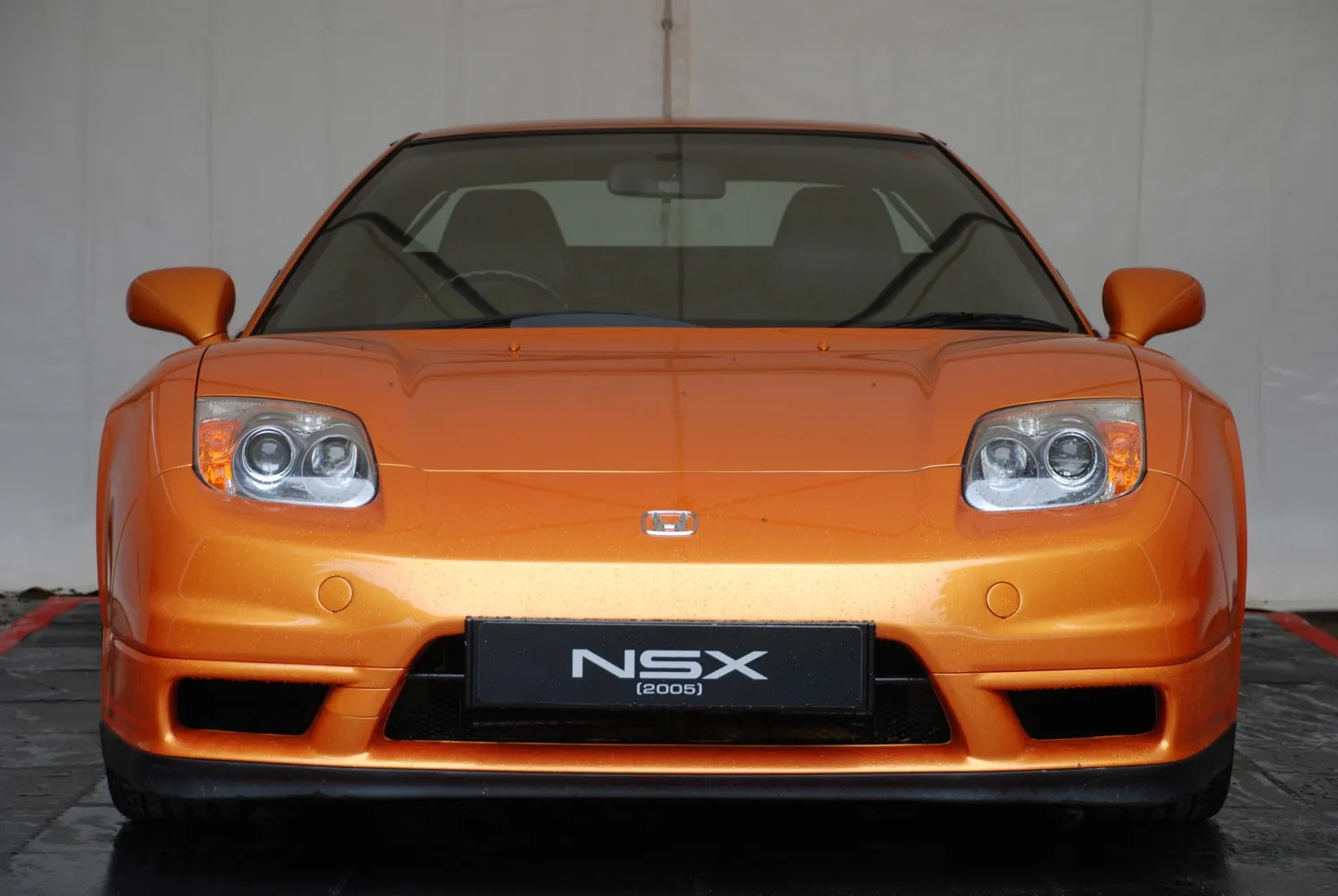
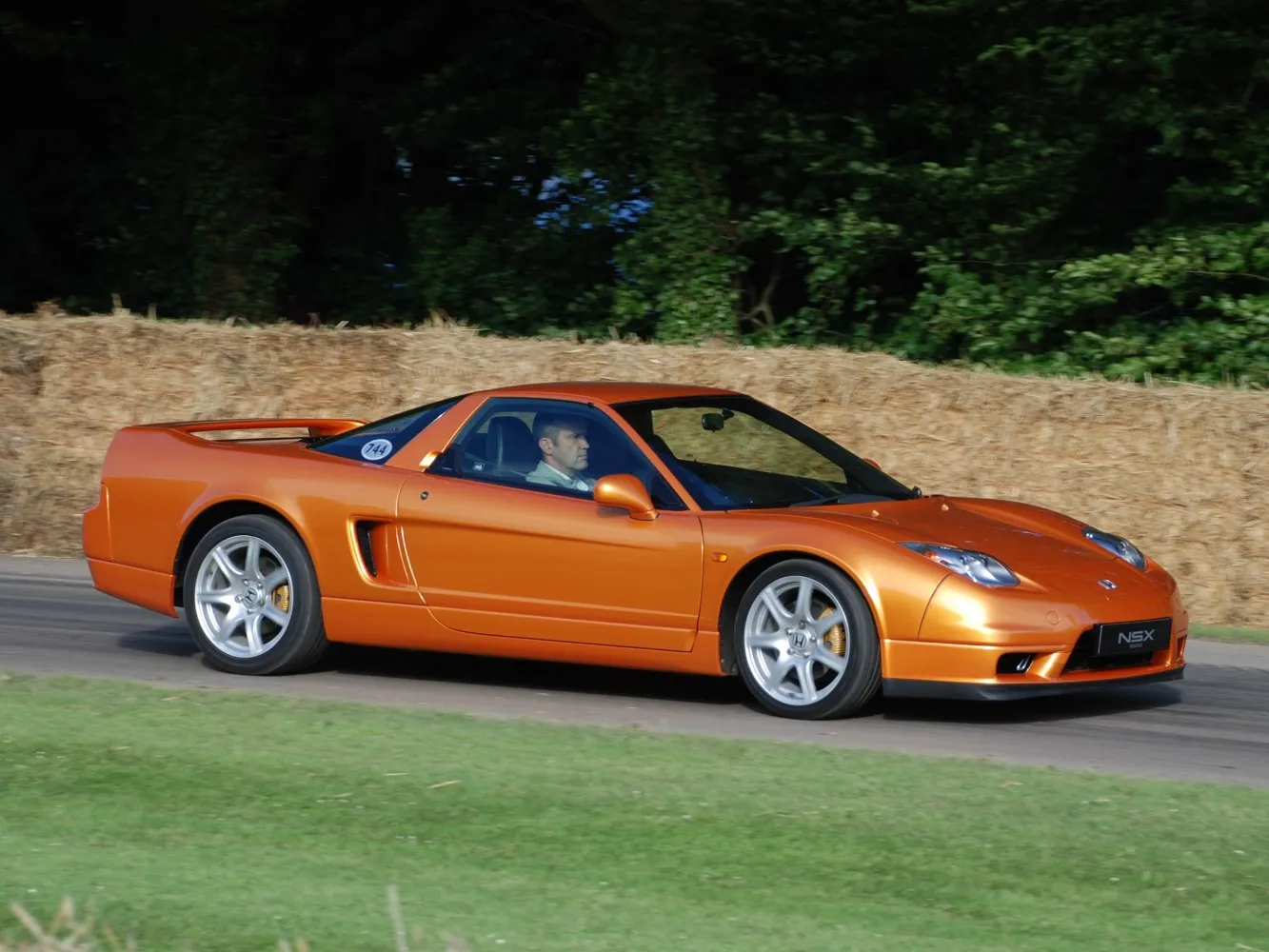
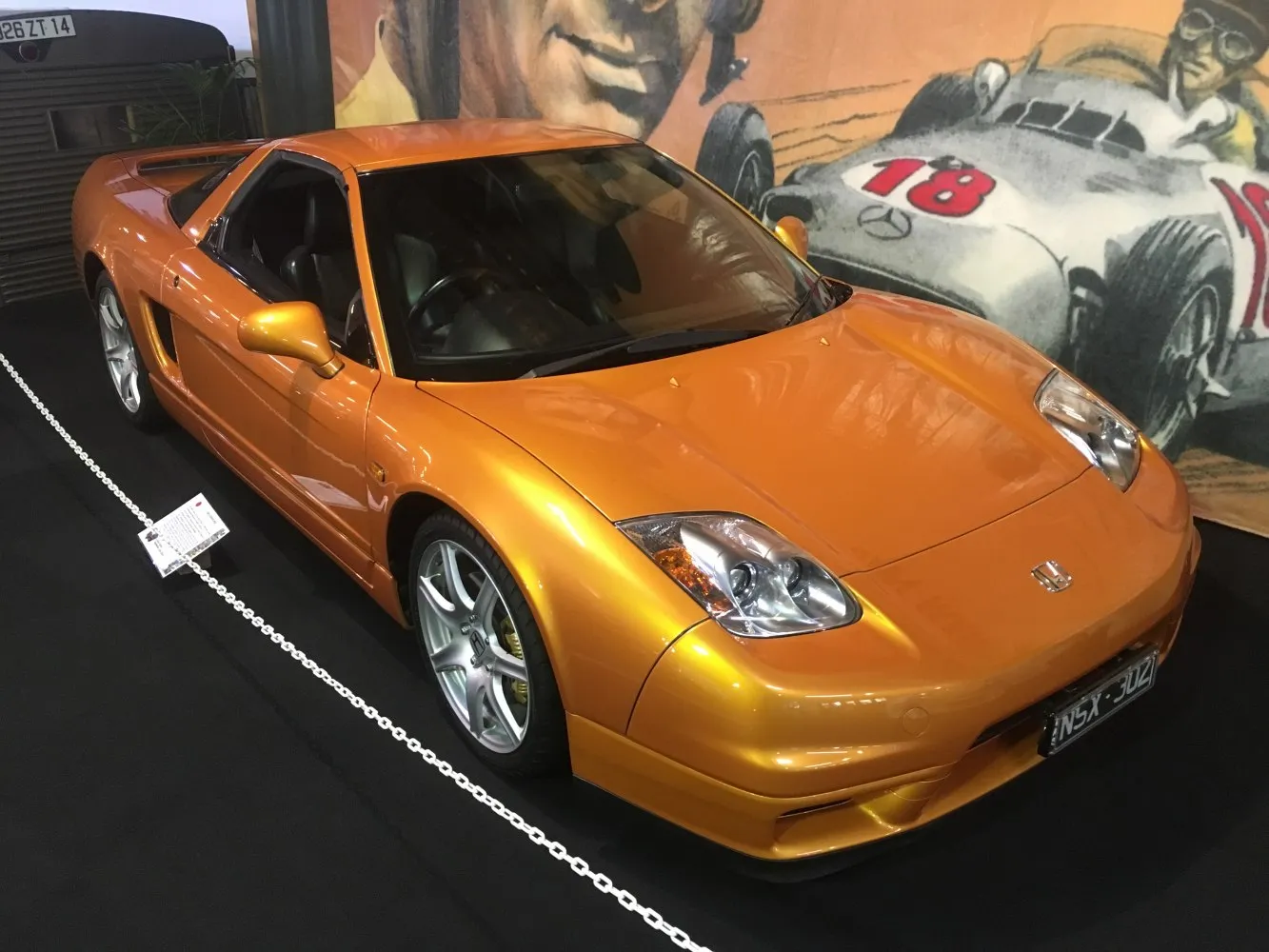
Honda NSX I Coupe (facelift 2002) 3.0 V6 (256 Hp) F-matic
Overall Rating
Honda NSX:
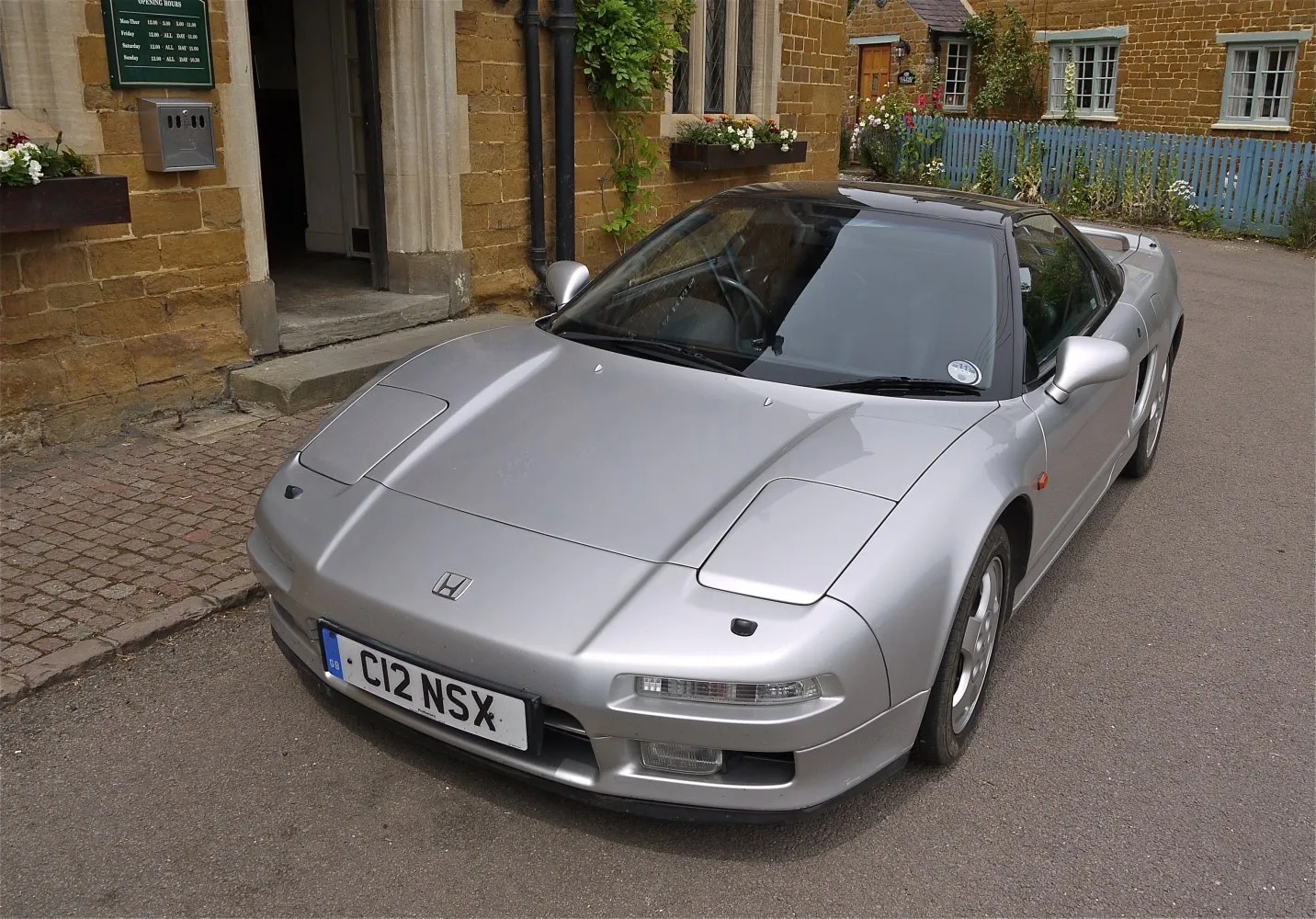
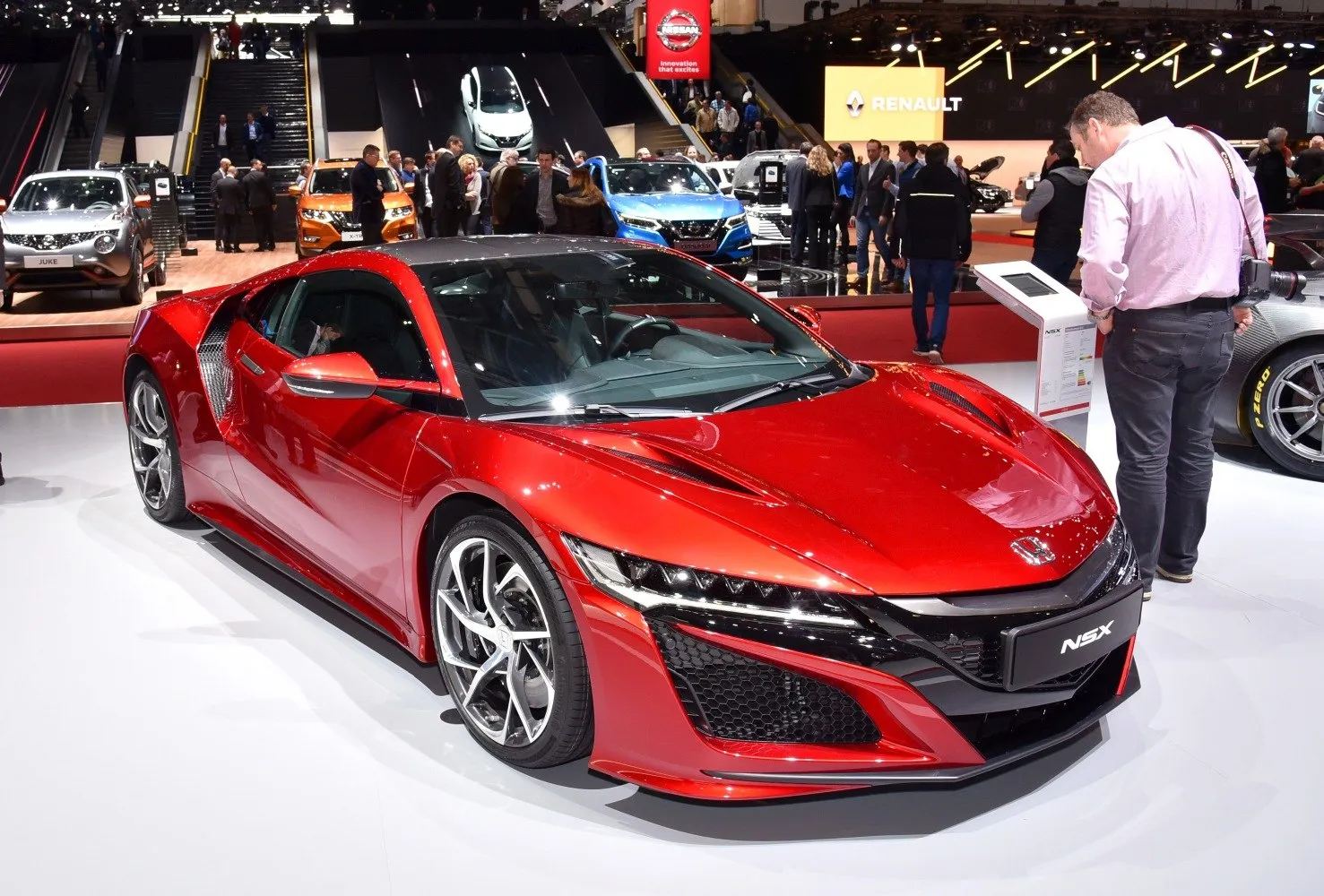
The Honda NSX is a two-seater sports car manufactured by Honda over two generations. The first generation was produced from 1990 until 2006, whilst the second generation was made from 2016 to 2022. The first generation was introduced as a two-door coupé, with a two-door targa top variant later added, and has a rear mid-engine, rear-wheel-drive layout. The second generation is only a coupé, and has a rear mid-engine, all-wheel-drive layout. The first generation has a transversely-mounted naturally-aspirated engine with a V6 configuration, whilst the second generation has a twin-turbocharged V6 engine supplemented by multiple electric motors in a petrol-electric hybrid drivetrain....(Read more on Wikipedia)
I Coupe (facelift 2002) Overview:
Honda NSX (I Coupe (facelift 2002)). With 284 Nm of torque, it offers ample pulling power. With a weight of 1485 kg, it falls in the mid‑range. Rear‑wheel drive offers dynamic handling and sporty feedback. Acceleration is good (0–100 km/h in 7.5 s). The top speed reaches 261 km/h. A two-door car with a fixed roof, known for its sporty design and dynamic performance. Seating for 2 makes it ideal for daily use.
3.0 V6 (256 Hp) F-matic Verdict:

Performance Verdict
The 3.0 V6 with 256 Hp offers respectable performance for a sports car, but the 4-speed F-matic automatic transmission somewhat dulls the experience, resulting in a 0-100 km/h time of 7.5 seconds, which is modest for an NSX.
Fuel Economy
With a combined fuel consumption of 12.3 l/100 km, this engine is thirsty, particularly in urban settings (18.3 l/100 km). This is typical for a naturally aspirated V6 sports car of its vintage.
Pros and Cons:
Pros:
- • Legendary Honda reliability and build quality
- • Timeless design and mid-engine exotic appeal
- • Exceptional handling and driver engagement
- • High-revving VTEC engines offer a thrilling soundtrack
- • Relatively practical for a supercar (for its era)
Cons:
- • Fuel consumption is high, especially in urban driving
- • 4-speed automatic (F-matic) can feel dated and slow
- • Limited cargo space (154 liters)
- • Parts can be expensive and harder to find for specific components
- • Lack of modern safety features and driver aids
Specifications:
Specifications are compared to those of the previous generation(I Coupe: 1997 - 2002).
| General: | |
|---|---|
| Brand: | Honda |
| Model: | NSX |
| Generation: | I Coupe (facelift 2002) |
| Modification (Engine): | 3.0 V6 (256 Hp) F-matic |
| Start of production: | 2002 |
| End of production: | 2005 |
| Powertrain Architecture: | Internal Combustion engine |
| Body type: | Coupe |
| Seats: | 2 |
| Doors: | 2 |
| Engine: | |
|---|---|
| Power: | 256 Hp @ 6800 rpm. Same horsepower |
| Power per litre: | 86 Hp/l [Same length.] |
| Torque: | 284 Nm @ 5400 rpm. |
| Engine Model/Code: | C30A More details about the engine C30A |
| Engine displacement: | 2977 |
| Number of cylinders: | 6 |
| Engine configuration: | V-engine |
| Number of valves per cylinder: | 4 |
| Fuel injection system: | Multi-port manifold injection |
| Engine aspiration: | Naturally aspirated engine |
| Valvetrain: | DOHC, VTEC |
| Engine oil capacity: | 5 l |
| Coolant: | 16 l |
| Engine layout: | Middle, Transverse |
| Cylinder Bore: | 90 mm mm |
| Piston Stroke: | 78 mm mm |
| Compression ratio: | 9.6:1 |
| Maximum engine speed: | 8000 rpm. |
| Performance: | |
|---|---|
| Fuel Type: | Petrol (Gasoline) |
| Fuel consumption (economy) - urban: | 18.3 l/100 km |
| Fuel consumption (economy) - extra urban: | 8.8 l/100 km |
| Fuel consumption (economy) - combined (NEDC): | 12.3 l/100 km |
| Fuel consumption (economy) - urban (NEDC): | 18.3 l/100 km |
| Fuel consumption (economy) - extra urban (NEDC): | 8.8 l/100 km |
| Fuel consumption (economy) - combined: | 12.3 l/100 km |
| Emission standard: | Euro 3 |
| Acceleration 0 - 100 km/h: | 7.5 sec |
| Acceleration 0 - 62 mph: | 7.5 sec |
| Maximum speed: | 261 km/h |
| Weight-to-power ratio: | 5.8 kg/Hp, 172.4 Hp/tonne |
| Weight-to-torque ratio: | 5.2 kg/Nm, 191.2 Nm/tonne |
| Acceleration 0 - 60 mph: | 7.1 sec |
| Space: | |
|---|---|
| Kerb Weight: | 1485 |
| Max. weight: | 1610 |
| Max load: | 125 |
| Trunk (boot) space - minimum: | 154 l |
| Fuel tank capacity: | 70 l |
| Size: | |
|---|---|
| Length: | 4425 mm mm [Same length.] |
| Width: | 1810 mm mm [Same width.] |
| Height: | 1170 mm mm [Same height.] |
| Wheelbase: | 2530 mm mm [Same wheelbase.] |
| Front track: | 1510 mm |
| Rear (Back) track: | 1530 mm |
| Ride height (ground clearance): | 130 mm |
| Minimum turning circle (turning diameter): | 11.6 m [above average] |
| Powertrain: | |
|---|---|
| Drivetrain Architecture | The Internal combustion engine (ICE) drives the rear wheels of the vehicle. |
| Drive wheel | Rear wheel drive |
| Number of gears | 4 |
| Transmission type | Automatic |
| Front brakes | Ventilated discs, 298 mm [Best for performance and cooling.] |
| Rear brakes | Ventilated discs, 303 mm [Best for performance and cooling.] |
| Assisting systems | ABS (Anti-lock braking system) |
| Steering type | Steering rack and pinion |
| Power steering | Electric Steering |
| Tires size | Front wheel tires: 215/40 R17 |
| Wheel rims size | Front wheel rims: 7J x 17 |
| Front suspension | Coil spring, Double wishbone, Transverse stabilizer |
| Rear suspension | Double wishbone, Transverse stabilizer, Coil spring |





Help others decide – share your experience!