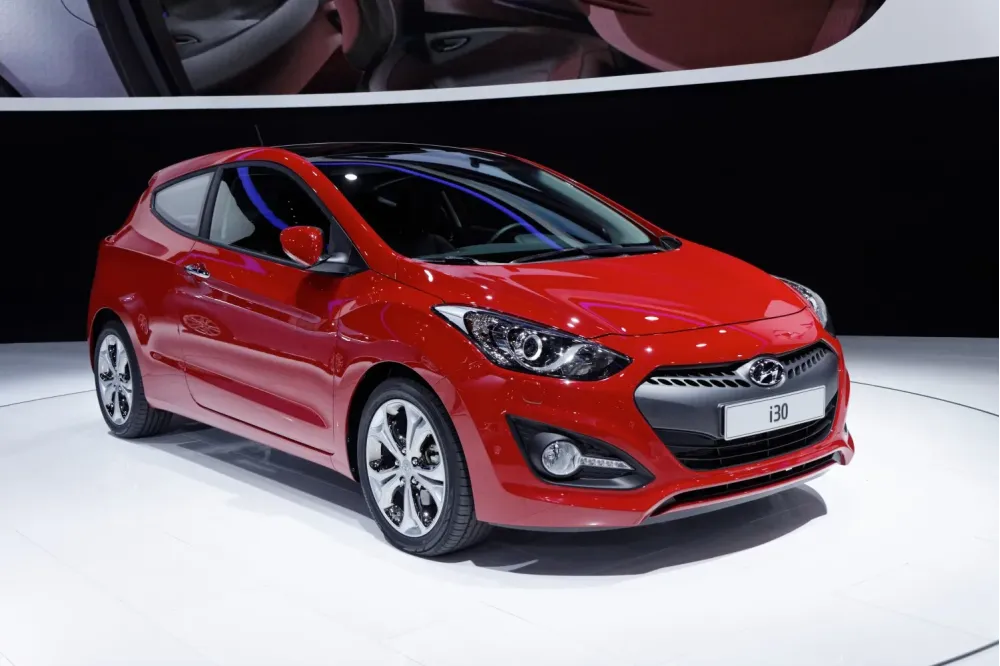
Click on image to view the full photo gallery
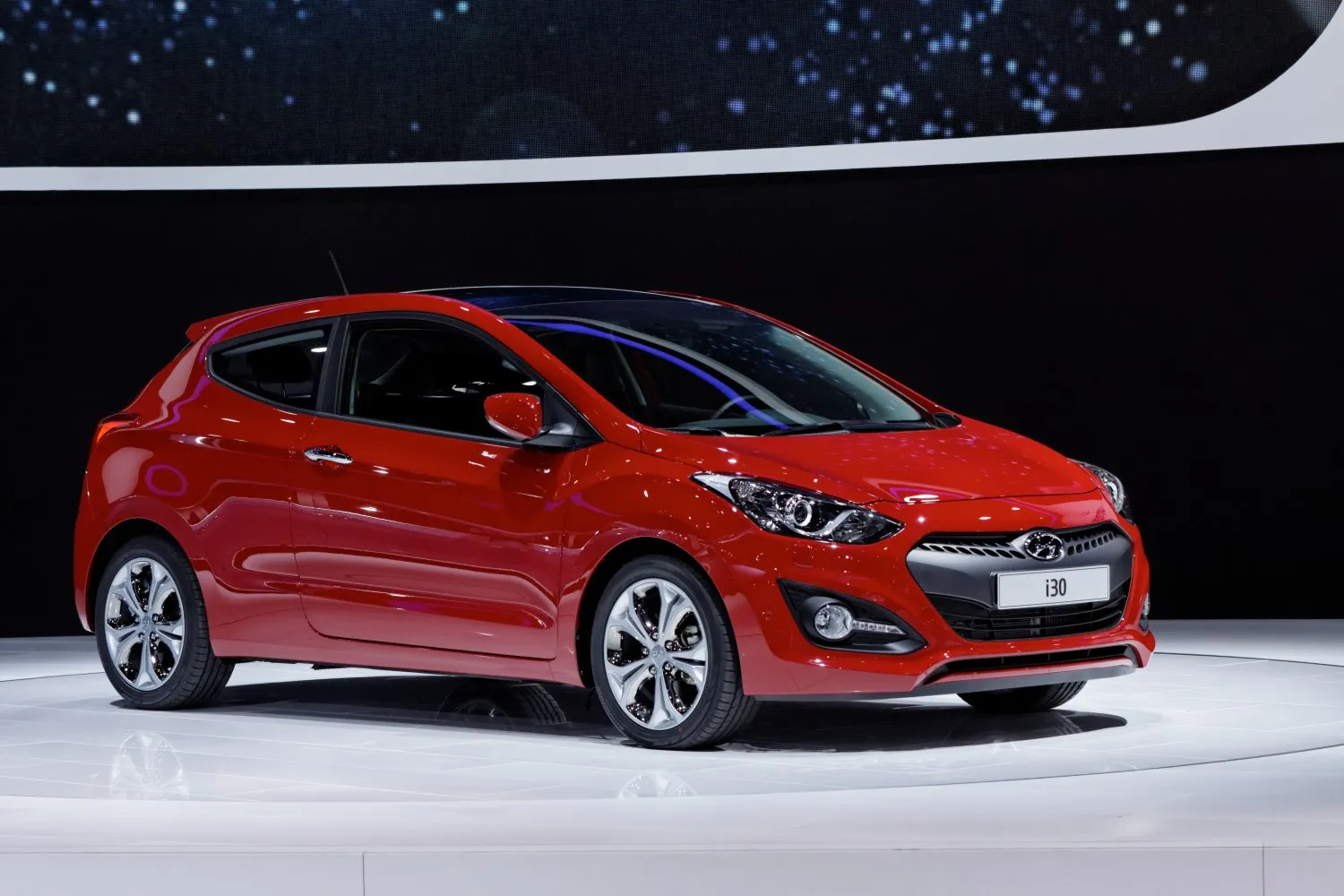
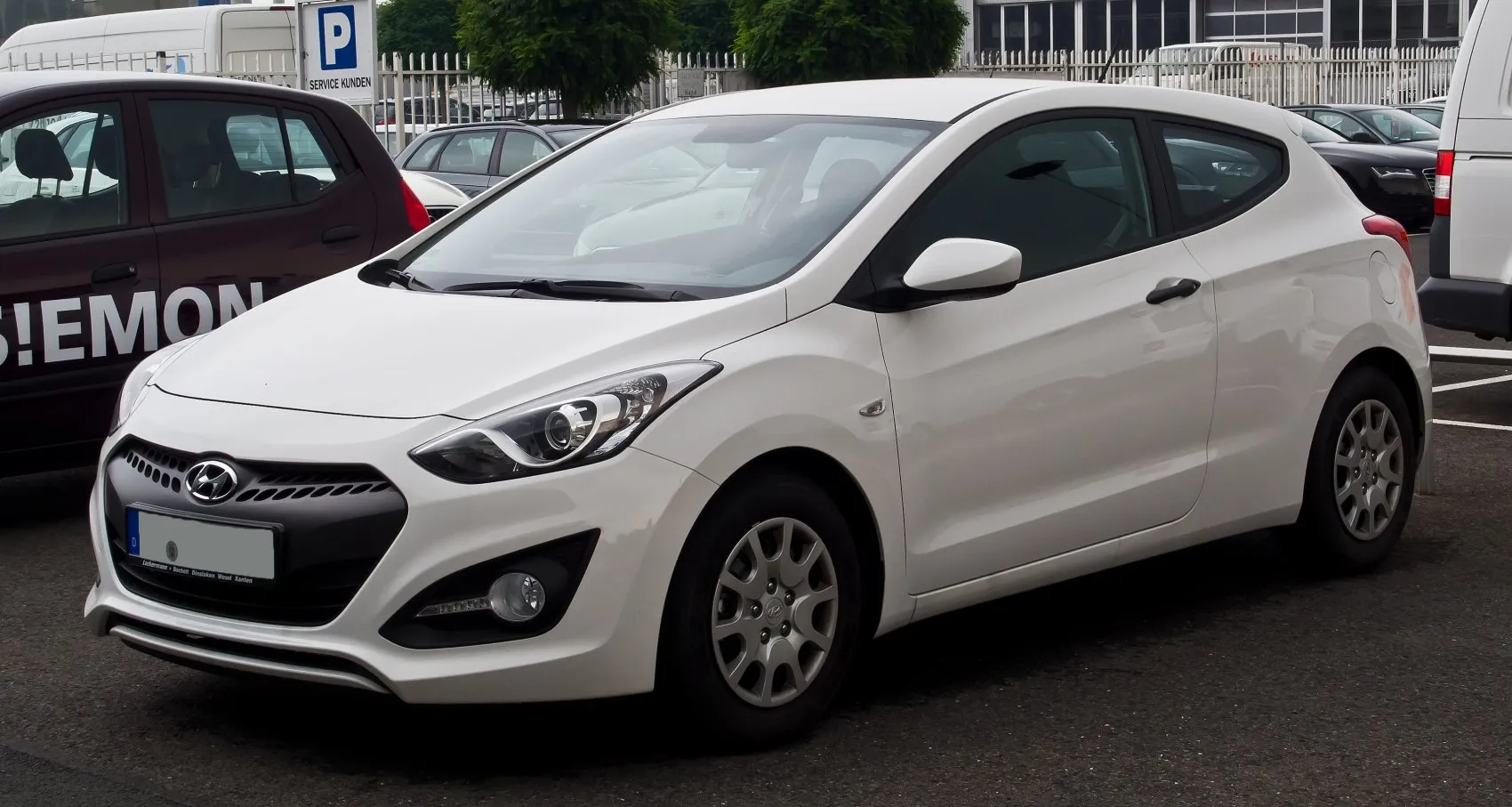
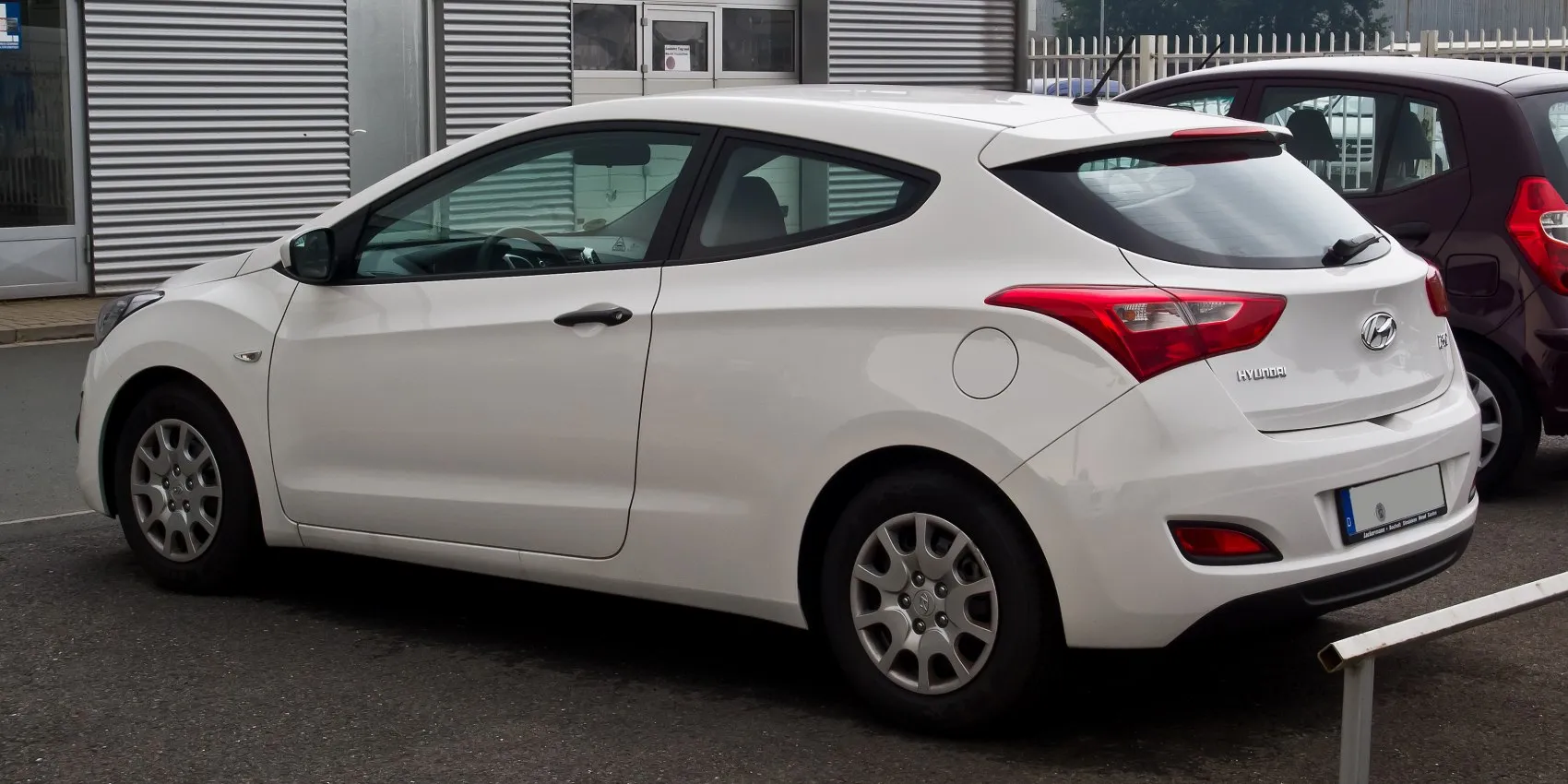
Hyundai i30 II Coupe 1.6 CRDi (128 Hp)
Overall Rating
Hyundai i30:
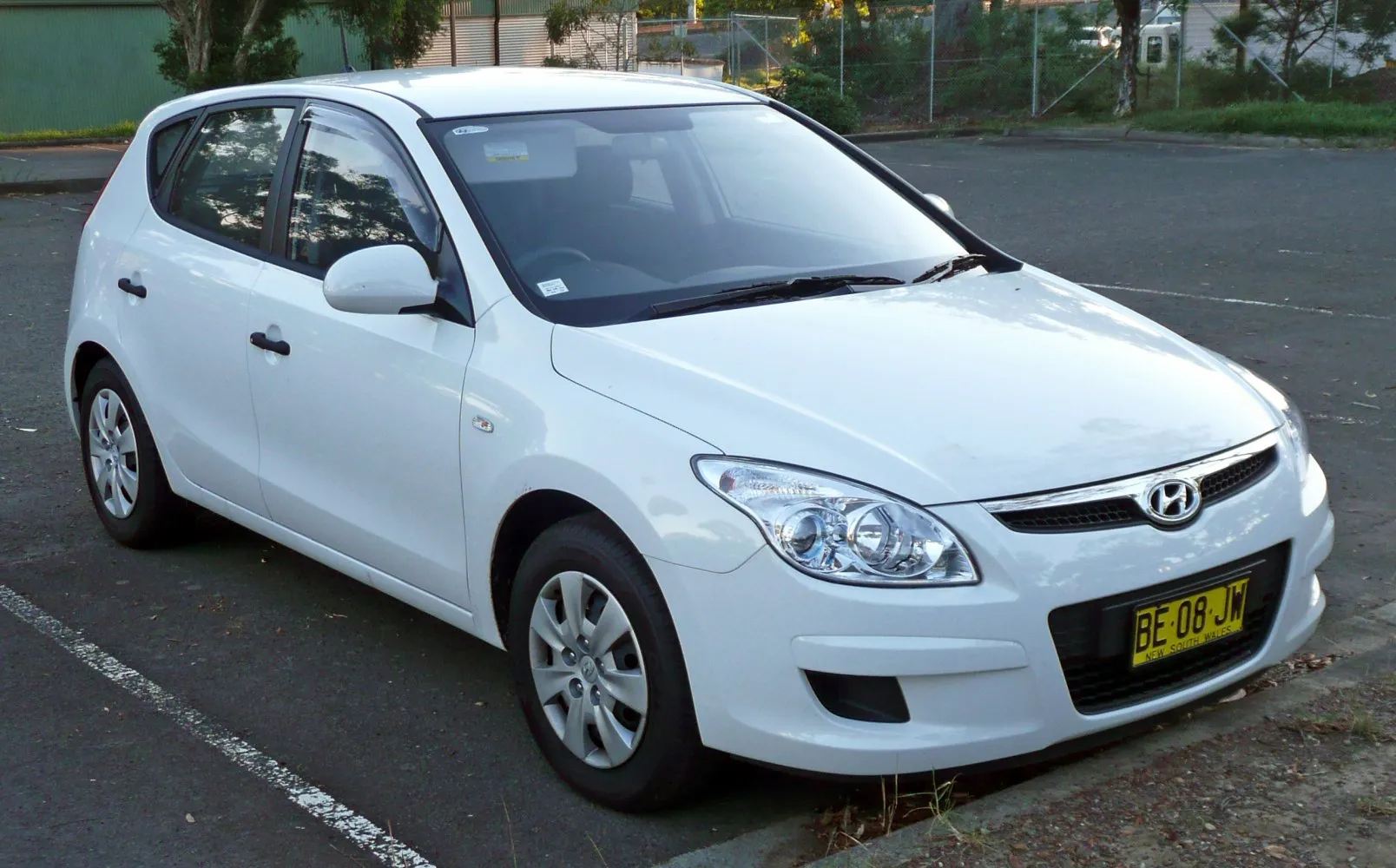
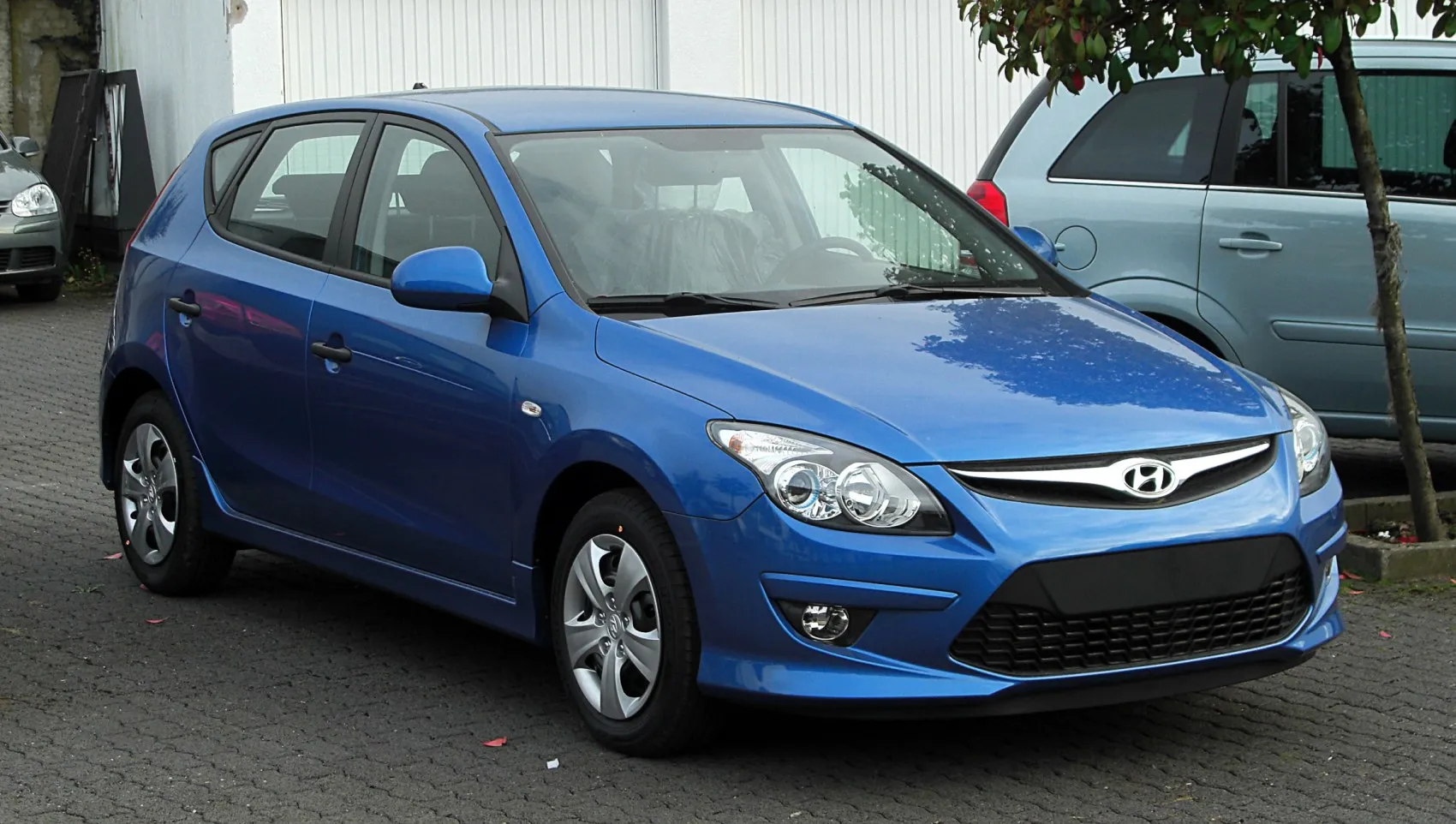
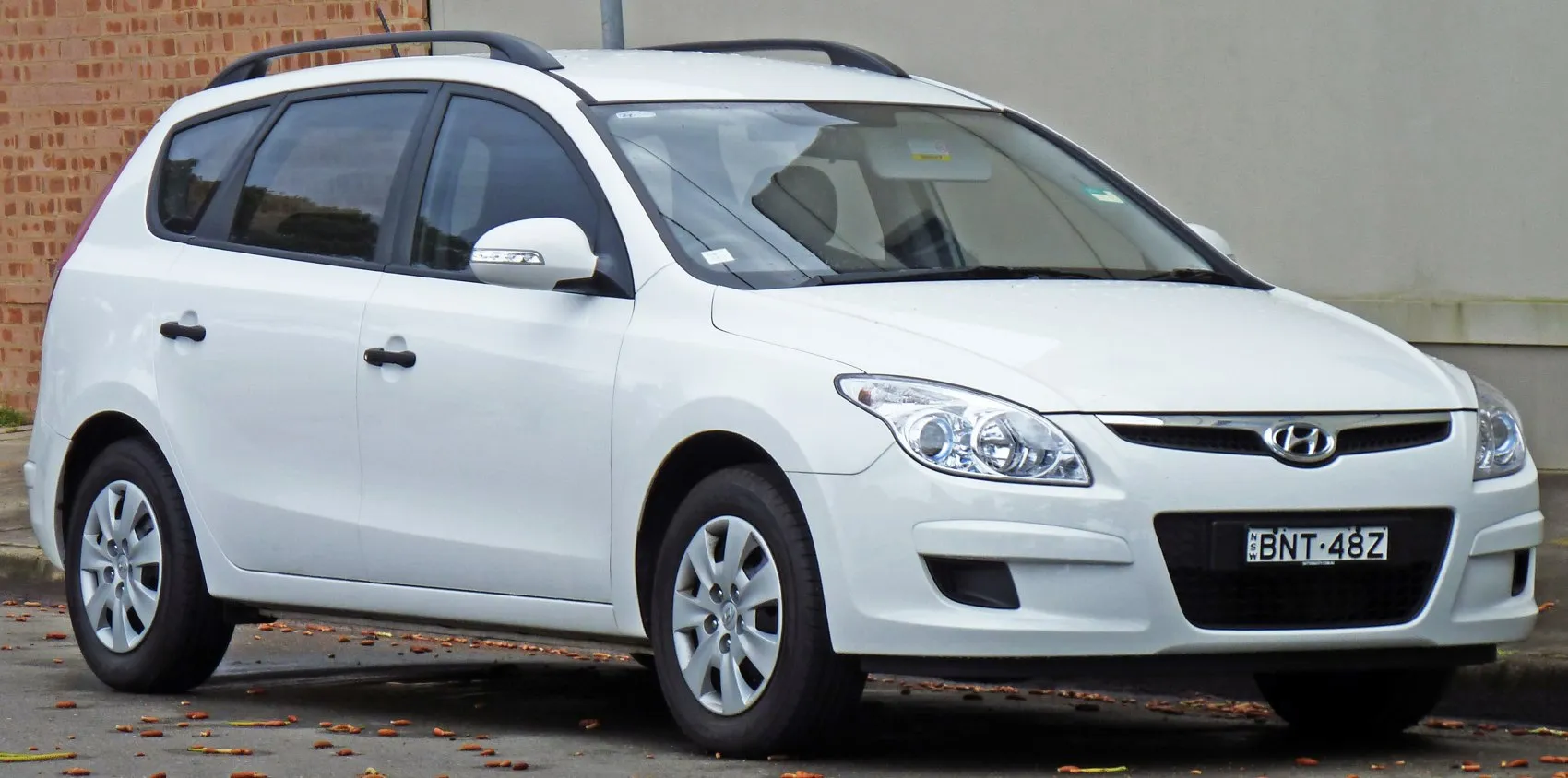
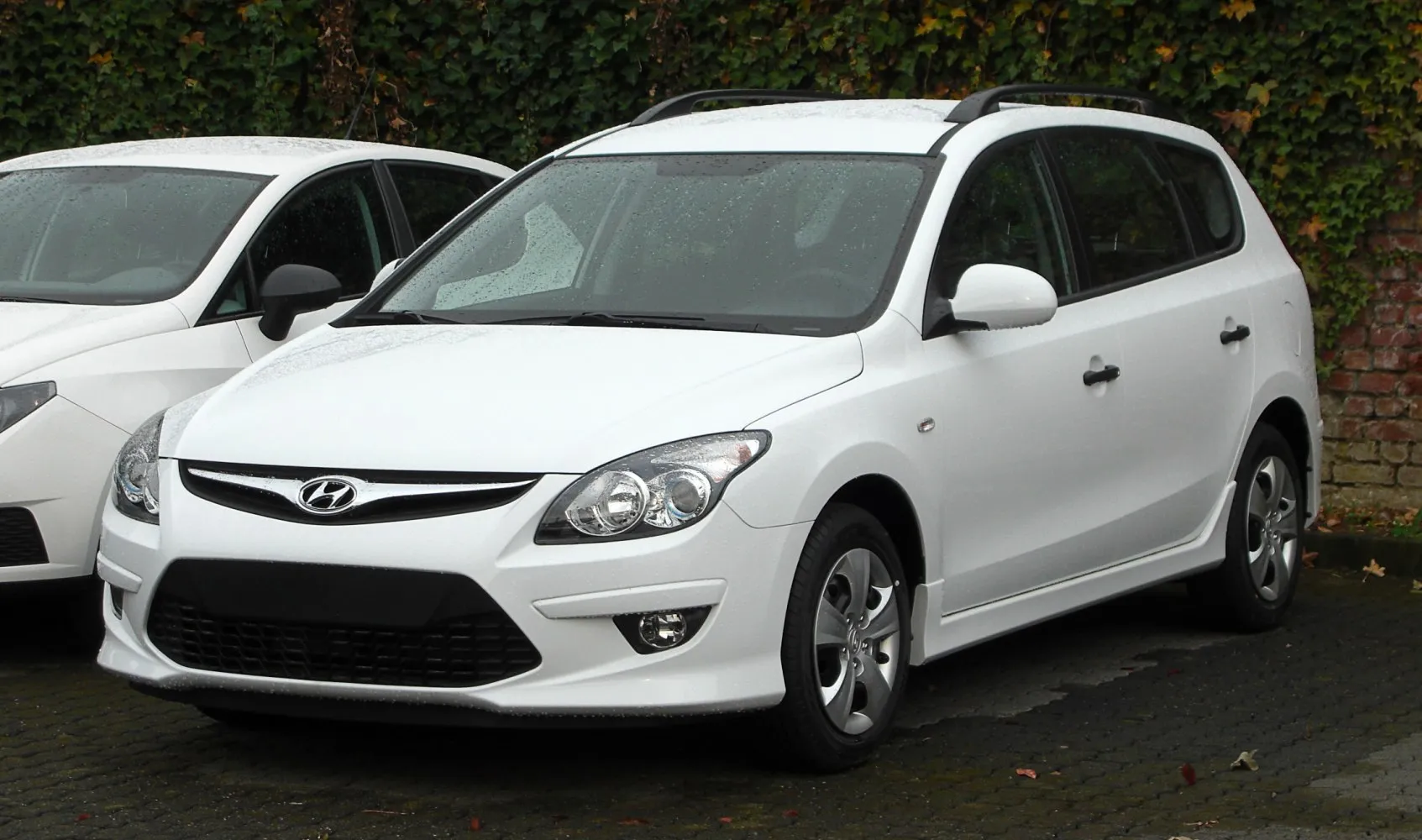
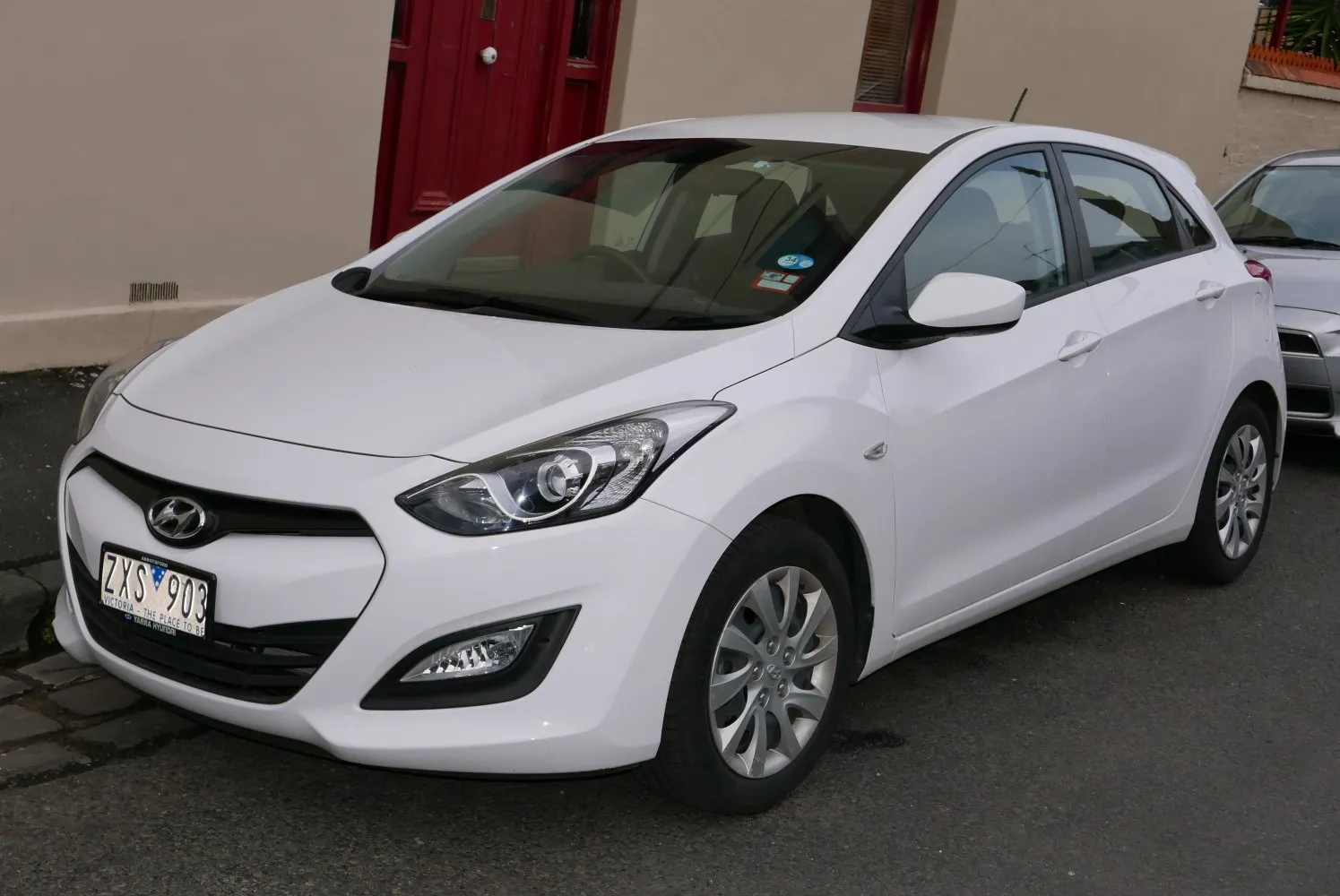
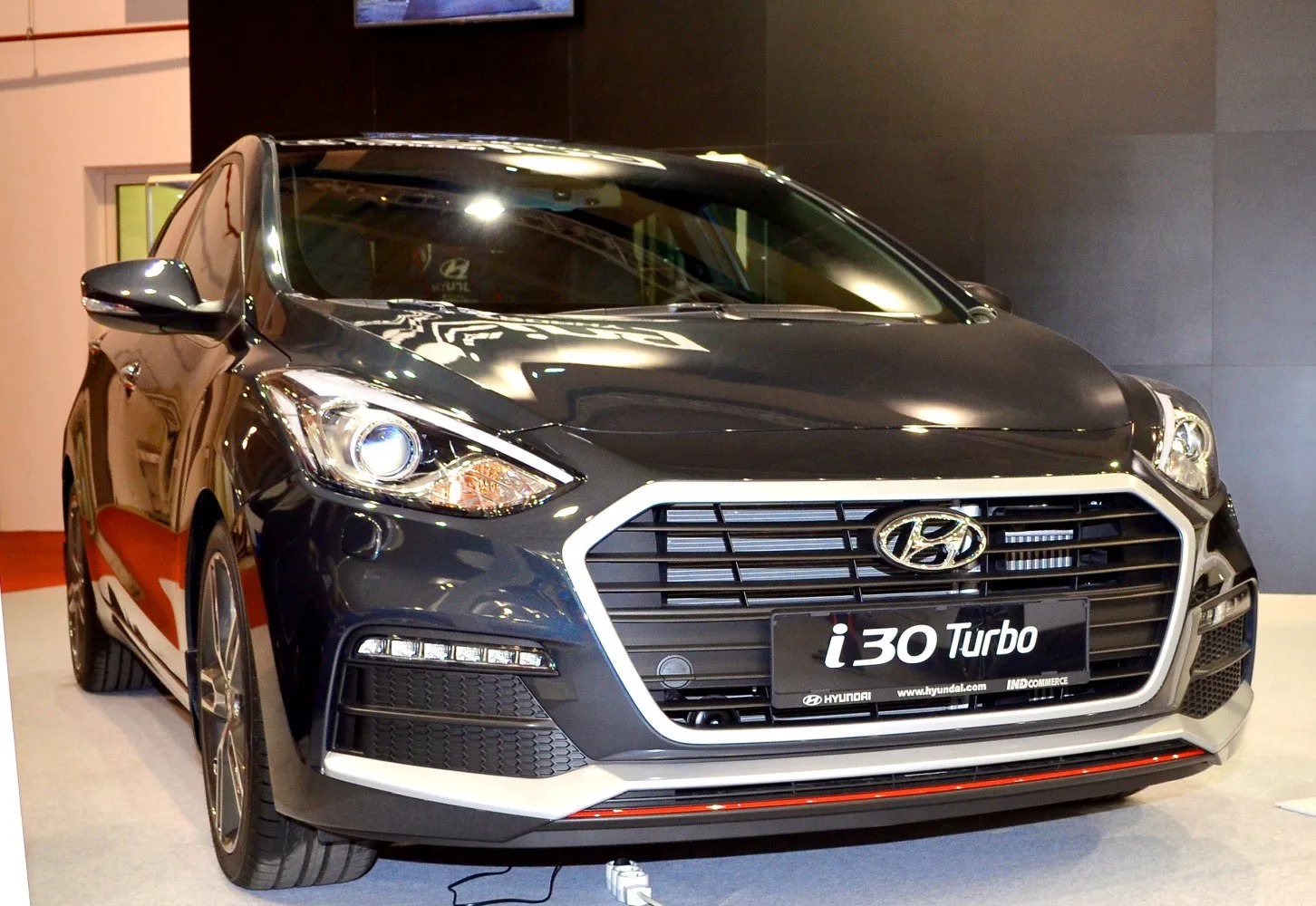
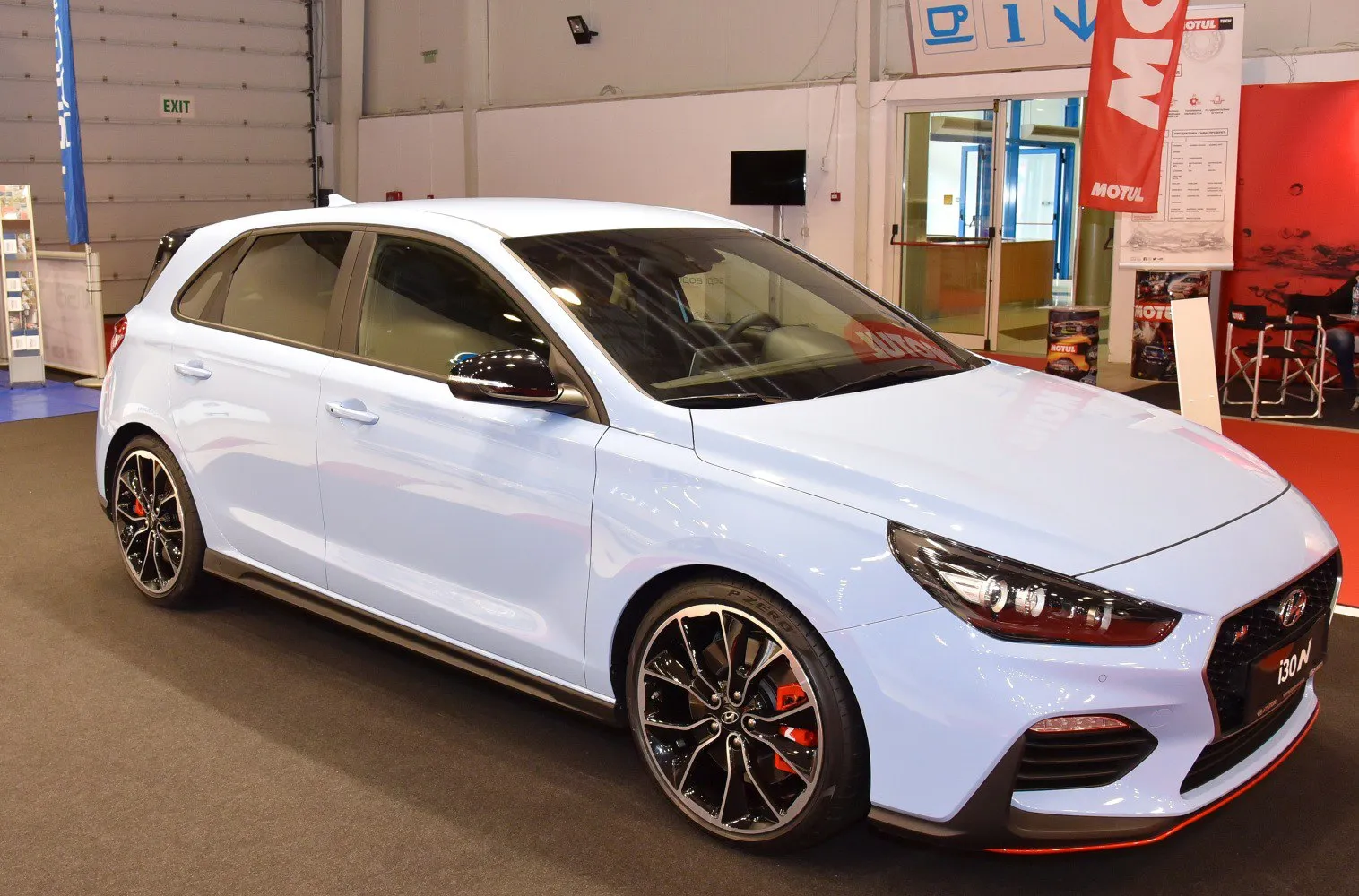
The Hyundai i30 is a small family car manufactured by the South Korean manufacturer Hyundai Motor Company since 2006. The i30 shares its platform with the Kia Ceed, available as a three-door hatchback , five-door hatchback, five-door estate and five-door liftback , with a choice of three petrol engines and two diesel engines, either with manual or automatic transmission.
The i30 was marketed alongside the fifth-generation Hyundai Elantra in the United States and Canada until the end of 2020. While initially the i30 wagon was sold as the Elantra Touring, in 2012 it was replaced by the i30 hatchback, carrying Elantra GT badging. The second-generation i30 was introduced in September 2011 at the Frankfurt Motor Show....(Read more on Wikipedia)
II Coupe Overview:
Hyundai i30 (II Coupe). With 260 Nm of torque, it offers ample pulling power. It boasts low fuel consumption (~4.8 l/100km). With a weight of 1421 kg, it falls in the mid‑range. Front‑wheel drive delivers efficiency and easy handling. Acceleration is relatively slow (0–100 km/h in 10.9 s). The top speed reaches 196 km/h. A two-door car with a fixed roof, known for its sporty design and dynamic performance. Seating for 5 makes it ideal for daily use.
1.6 CRDi (128 Hp) Verdict:

Performance Verdict
The most powerful diesel option, providing strong torque and confident acceleration. It feels capable on highways and offers good overtaking ability.
Fuel Economy
Excellent fuel economy, comparable to the 110 Hp version, making it a highly efficient choice for those desiring more power without sacrificing economy.
Pros and Cons:
Pros:
- • Stylish and distinctive coupe design
- • Excellent fuel economy from CRDi diesel engines
- • Comfortable ride quality for daily use
- • Good standard equipment levels
- • Strong Euro NCAP safety rating
Cons:
- • Rear visibility can be limited due to coupe styling
- • Rear passenger space is tighter than the hatchback
- • Base petrol engines can feel underpowered on highways
- • Steering feel can be a bit numb at times
- • Not as sporty to drive as some direct competitors
Specifications:
Specifications are compared to those of the previous generation(II: 2012 - 2015).
| General: | |
|---|---|
| Brand: | Hyundai |
| Model: | i30 |
| Generation: | II Coupe |
| Modification (Engine): | 1.6 CRDi (128 Hp) |
| Start of production: | 2013 |
| End of production: | 2015 |
| Powertrain Architecture: | Internal Combustion engine |
| Body type: | Coupe |
| Seats: | 5 |
| Doors: | 3 |
| Engine: | |
|---|---|
| Engine systems: | Particulate filter |
| Power: | 128 Hp @ 4000 rpm. |
| Power per litre: | 80.9 Hp/l |
| Torque: | 260 Nm @ 1900-2750 rpm. |
| Engine Model/Code: | D4FB [Same engine] More details about the engine D4FB |
| Engine displacement: | 1582 |
| Number of cylinders: | 4 |
| Engine configuration: | Inline |
| Number of valves per cylinder: | 4 |
| Fuel injection system: | Diesel Commonrail |
| Engine aspiration: | Turbocharger, Intercooler |
| Valvetrain: | DOHC |
| Engine oil capacity: | 5.3 l |
| Coolant: | 6.9 l |
| Engine layout: | Front, Transverse |
| Cylinder Bore: | 77.2 mm mm |
| Piston Stroke: | 84.5 mm mm |
| Compression ratio: | 17.3:1 |
| Performance: | |
|---|---|
| Fuel Type: | Diesel |
| Fuel consumption (economy) - urban: | 4.8 l/100 km |
| Fuel consumption (economy) - extra urban: | 3.7 l/100 km |
| Fuel consumption (economy) - combined: | 4.1 l/100 km |
| Emission standard: | Euro 5 |
| Acceleration 0 - 100 km/h: | 10.9 sec |
| Acceleration 0 - 62 mph: | 10.9 sec |
| Maximum speed: | 196 km/h |
| Weight-to-power ratio: | 11.1 kg/Hp, 90.1 Hp/tonne |
| Weight-to-torque ratio: | 5.5 kg/Nm, 183 Nm/tonne |
| Acceleration 0 - 60 mph: | 10.4 sec |
| Space: | |
|---|---|
| Kerb Weight: | 1421 |
| Max. weight: | 1920 |
| Max load: | 499 |
| Trunk (boot) space - maximum: | 1316 l |
| Trunk (boot) space - minimum: | 378 l |
| Fuel tank capacity: | 53 l |
| Size: | |
|---|---|
| Length: | 4300 mm mm [Same length.] |
| Width: | 1780 mm mm [Same width.] |
| Height: | 1470 mm mm [Same height.] |
| Wheelbase: | 2650 mm mm [Same wheelbase.] |
| Front track: | 1549 mm |
| Rear (Back) track: | 1557 mm |
| Minimum turning circle (turning diameter): | 10.6 m [above average] |
| Powertrain: | |
|---|---|
| Drivetrain Architecture | The Internal combustion engine (ICE) drives the front wheels of the vehicle. |
| Drive wheel | Front wheel drive |
| Number of gears | 6 |
| Transmission type | Manual |
| Front brakes | Disc [above average] |
| Rear brakes | Disc [above average] |
| Assisting systems | ABS (Anti-lock braking system) |
| Steering type | Steering rack and pinion |
| Tires size | 225/45 R17 |
| Wheel rims size | 7.0J x 17 |
| Front suspension | Independent type McPherson |
| Rear suspension | Independent multi-link spring suspension with stabilizer |

















Have you ever driven an Hyundai i30?
How was your experience with it? Share with us: