
Click on image to view the full photo gallery
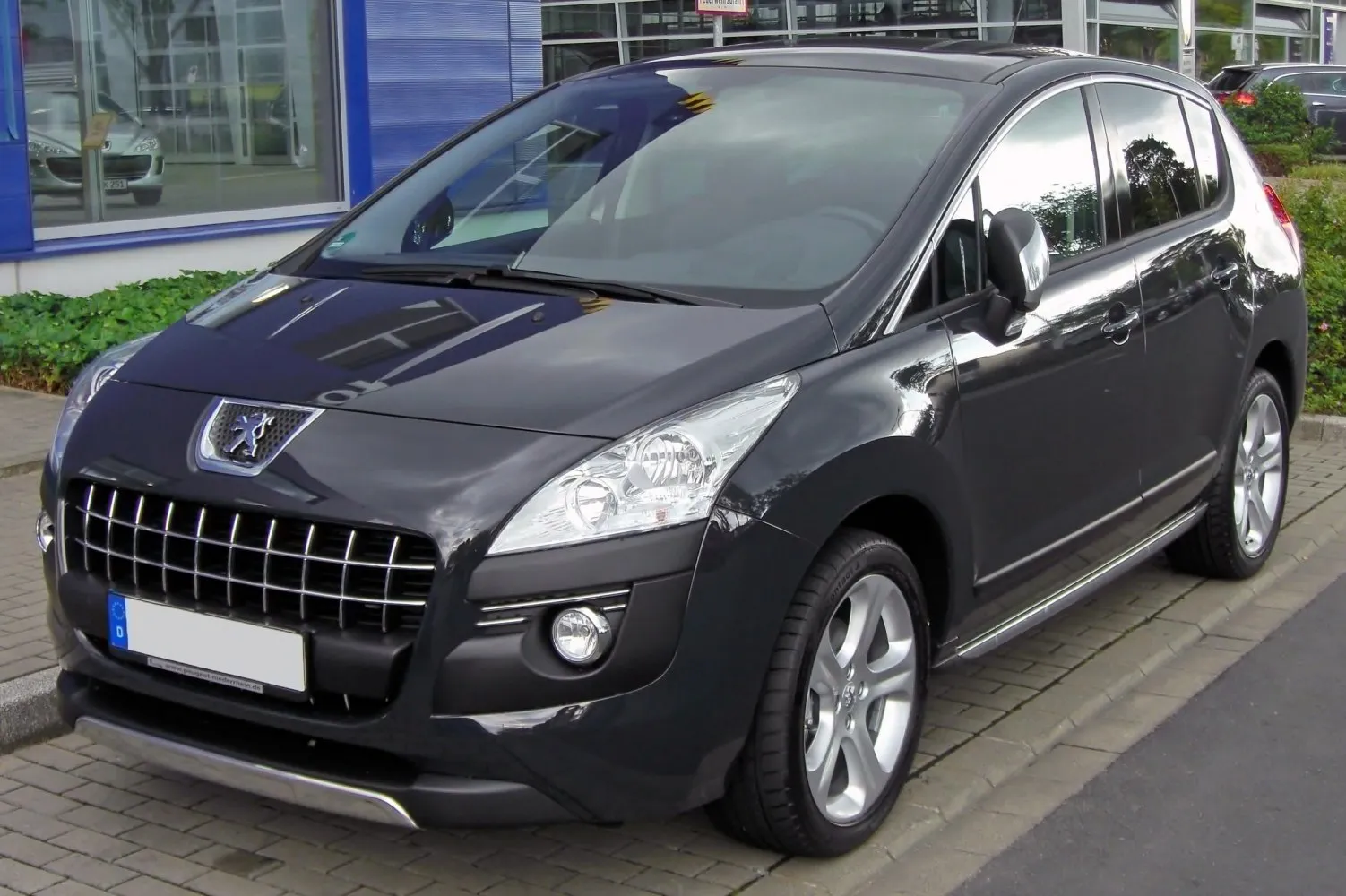
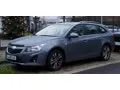
Peugeot 3008 I (Phase II, 2013) 2.0 HDi (150 Hp) FAP
Overall Rating
Peugeot 3008:
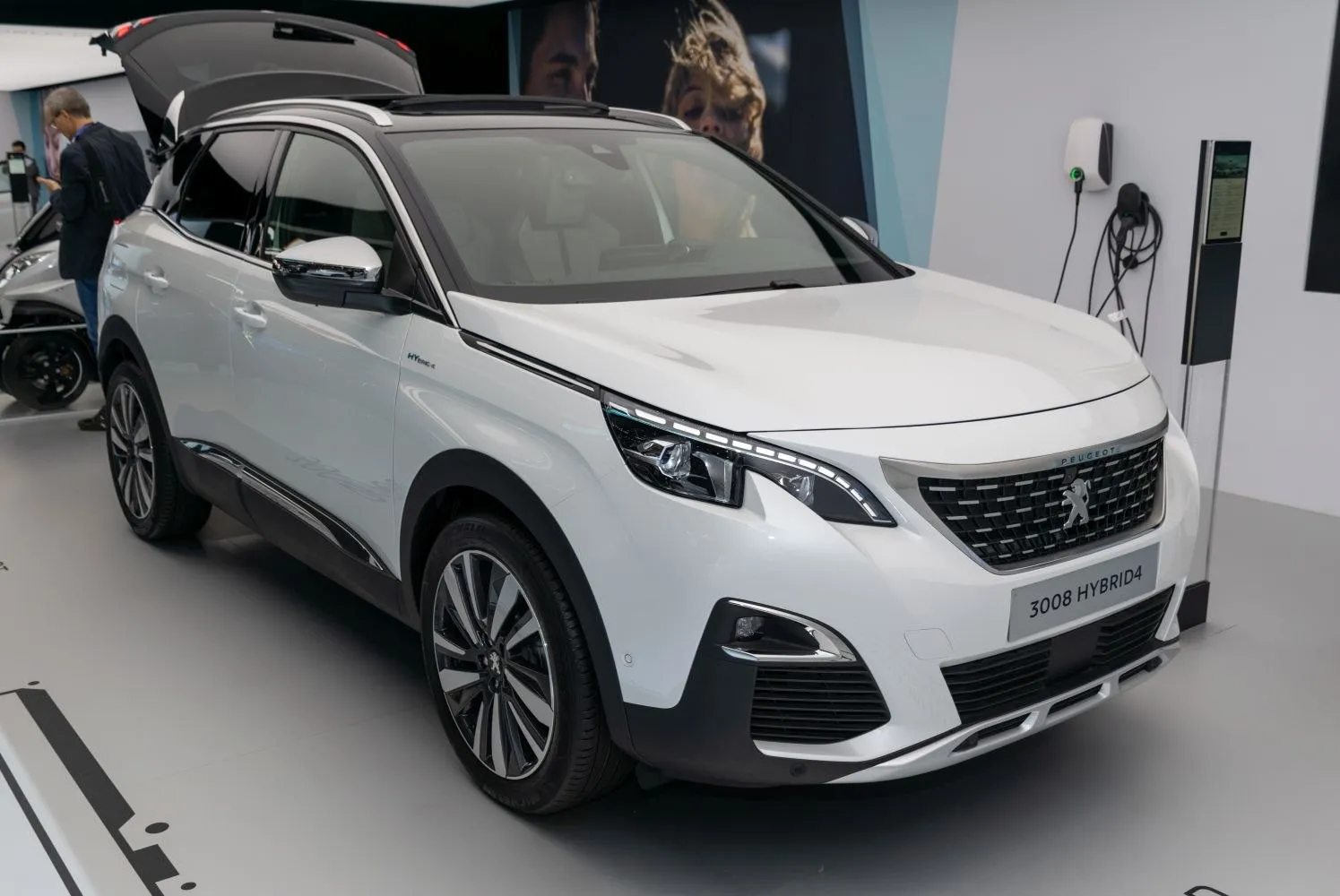
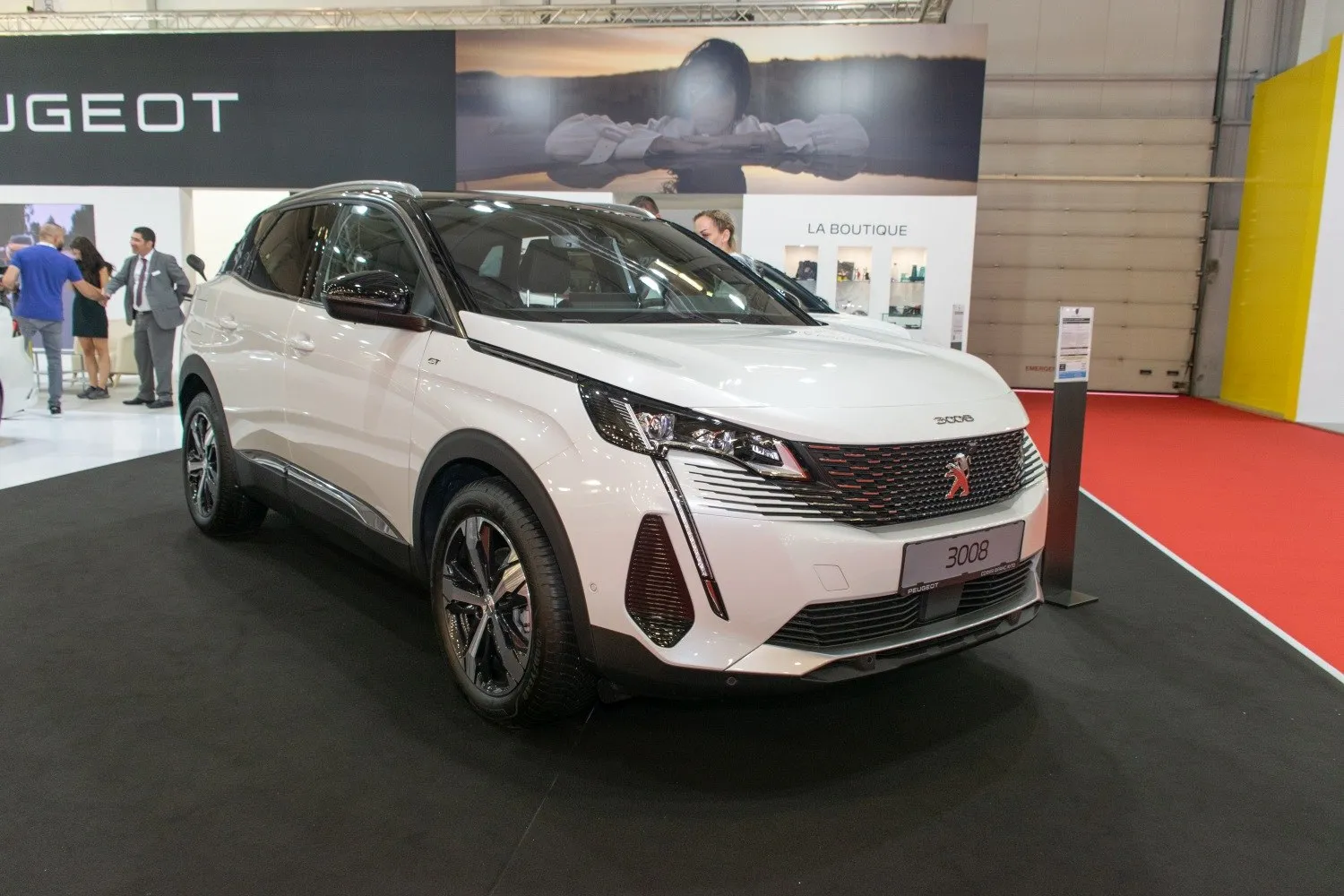
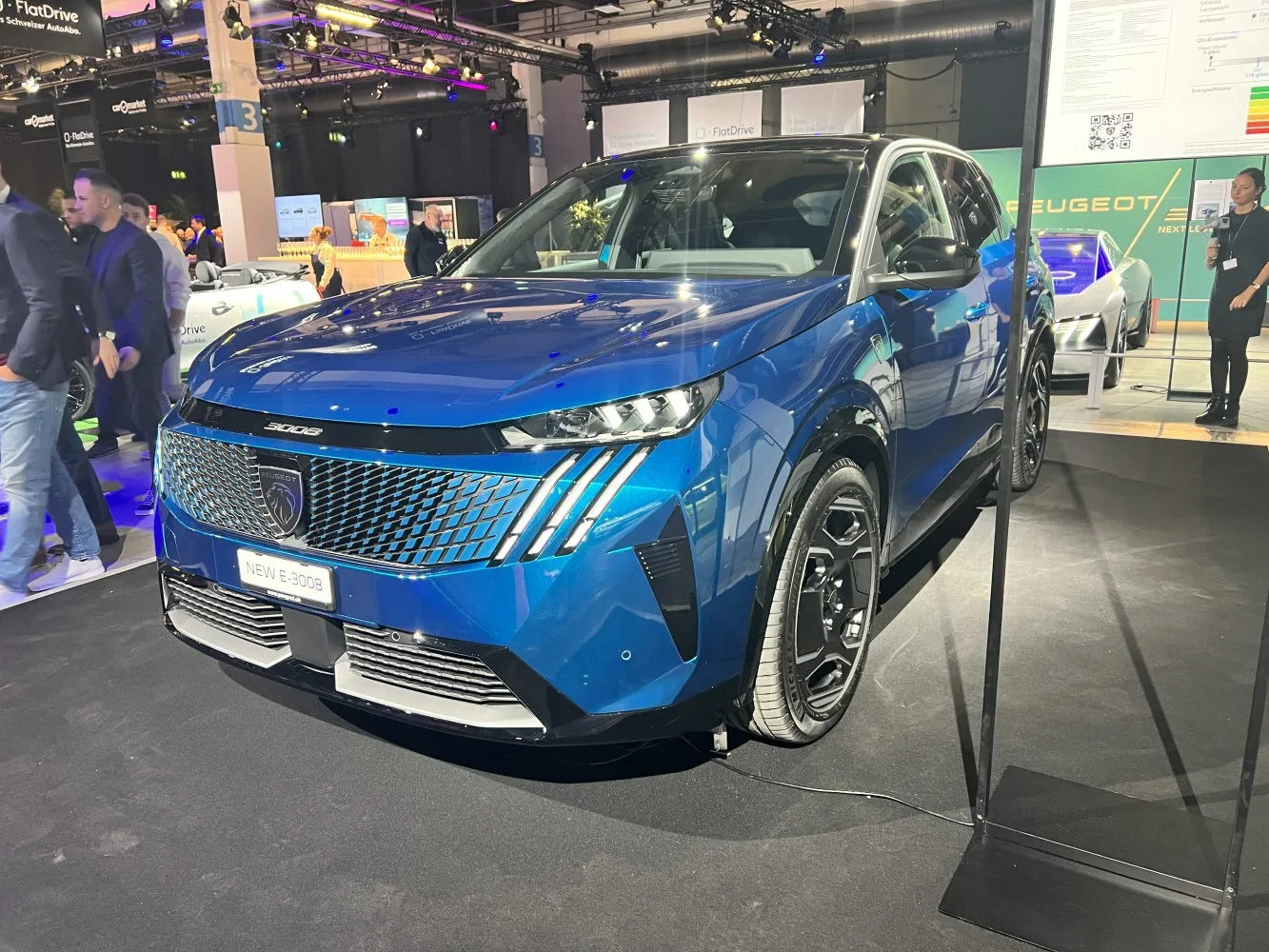
The Peugeot 3008 is a compact crossover SUV manufactured and marketed by Peugeot. It was first presented to the public in Dubrovnik, Croatia in 2008, and then again in 2010 at the Mondial de l'Automobile in Paris, by the French manufacturer Peugeot. It was launched in April 2009 as the successor to the Peugeot 4007 and Peugeot 4008, and it fills a gap in Peugeot's model lineup between the Peugeot 308, with which it shares its platform, and the Peugeot 5008, its larger counterpart. The second-generation model, which is based on an EMP2 platform first seen on the second-generation Peugeot 308, was released in May 2016, with the vehicle being available as of January 2017. The third-generation model waa released in September 2023, based on the Stellantis' SLTA Medium platform, which it is shares with a wide range of Stellantis vehicles....(Read more on Wikipedia)
I (Phase II, 2013) Overview:
Peugeot 3008 (I (Phase II, 2013)). With 340 Nm of torque, it offers ample pulling power. It has moderate fuel consumption (~6.8 l/100km). With a weight of 1529 kg, it falls in the mid‑range. Front‑wheel drive delivers efficiency and easy handling. Acceleration is relatively slow (0–100 km/h in 9.7 s). The top speed reaches 195 km/h. A sport utility vehicle offering higher ground clearance and versatile cargo space. Seating for 5 makes it ideal for daily use.
2.0 HDi (150 Hp) FAP Verdict:

Performance Verdict
A well-proven and robust diesel, delivering strong and consistent performance suitable for all driving scenarios.
Fuel Economy
Very good fuel economy, making it a cost-effective choice for drivers covering significant mileage.
Pros and Cons:
Pros:
- • Comfortable and compliant ride quality
- • Spacious and versatile interior with a large boot
- • Excellent fuel economy from diesel engines, especially BlueHDi and HYbrid4
- • Distinctive and appealing exterior design
- • Good visibility from the driver's seat
Cons:
- • Some petrol engines (THP) have known reliability concerns
- • Automated Manual (BMP/EGS) gearbox can be clunky
- • Interior plastics can feel dated compared to some rivals
- • Handling is competent but not as engaging as some competitors
- • Limited off-road capability despite SUV styling (except HYbrid4)
Specifications:
Specifications are compared to those of the previous generation(I (Phase I, 2009): 2011 - 2013).
| General: | |
|---|---|
| Brand: | Peugeot |
| Model: | 3008 |
| Generation: | I (Phase II, 2013) |
| Modification (Engine): | 2.0 HDi (150 Hp) FAP |
| Start of production: | 2013 |
| End of production: | 2016 |
| Powertrain Architecture: | Internal Combustion engine |
| Body type: | SUV |
| Seats: | 5 |
| Doors: | 5 |
| Engine: | |
|---|---|
| Engine systems: | Particulate filter |
| Power: | 150 Hp @ 3750 rpm. Same horsepower |
| Power per litre: | 75.1 Hp/l [Same length.] |
| Torque: | 340 Nm @ 2000 rpm. |
| Engine Model/Code: | RHE DW10CTED4 More details about the engine RHE DW10CTED4 |
| Engine displacement: | 1997 |
| Number of cylinders: | 4 |
| Engine configuration: | Inline |
| Number of valves per cylinder: | 4 |
| Fuel injection system: | Diesel Commonrail |
| Engine aspiration: | Turbocharger, Intercooler |
| Engine oil capacity: | 5 l |
| Engine layout: | Front, Transverse |
| Performance: | |
|---|---|
| Fuel Type: | Diesel |
| Fuel consumption (economy) - urban: | 6.8 l/100 km |
| Fuel consumption (economy) - extra urban: | 4.5 l/100 km |
| Fuel consumption (economy) - combined: | 5.3 l/100 km |
| Emission standard: | Euro 5 |
| Acceleration 0 - 100 km/h: | 9.7 sec |
| Acceleration 0 - 62 mph: | 9.7 sec |
| Maximum speed: | 195 km/h |
| Weight-to-power ratio: | 10.2 kg/Hp, 98.1 Hp/tonne |
| Weight-to-torque ratio: | 4.5 kg/Nm, 222.4 Nm/tonne |
| Acceleration 0 - 60 mph: | 9.2 sec |
| Space: | |
|---|---|
| Kerb Weight: | 1529 |
| Max. weight: | 2080 |
| Max load: | 551 |
| Trunk (boot) space - maximum: | 1604 l |
| Trunk (boot) space - minimum: | 512 l |
| Fuel tank capacity: | 60 l |
| Size: | |
|---|---|
| Length: | 4365 mm mm [Same length.] |
| Width: | 1837 mm mm [Same width.] |
| Height: | 1635 mm mm [4mm less] |
| Wheelbase: | 2613 mm mm [Same wheelbase.] |
| Width with mirrors folded: | 1910 mm |
| Width including mirrors: | 2113 mm |
| Front overhang: | 916 mm |
| Rear overhang: | 836 mm |
| Minimum turning circle (turning diameter): | 11.7 m [above average] |
| Powertrain: | |
|---|---|
| Drivetrain Architecture | The Internal combustion engine (ICE) drives the front wheels of the vehicle. |
| Drive wheel | Front wheel drive |
| Number of gears | 6 |
| Transmission type | Manual |
| Front brakes | Ventilated discs [Best for performance and cooling.] |
| Rear brakes | Disc [above average] |
| Assisting systems | ABS (Anti-lock braking system) |
| Steering type | Steering rack and pinion |
| Tires size | 225/50 R17; 235/45 R18 |
| Wheel rims size | 17; 18 |
| Front suspension | Independent, type McPherson with coil spring and anti-roll bar |
| Rear suspension | Independent coil spring |








Behind the wheel of the Peugeot 3008. How does it handle on the road?