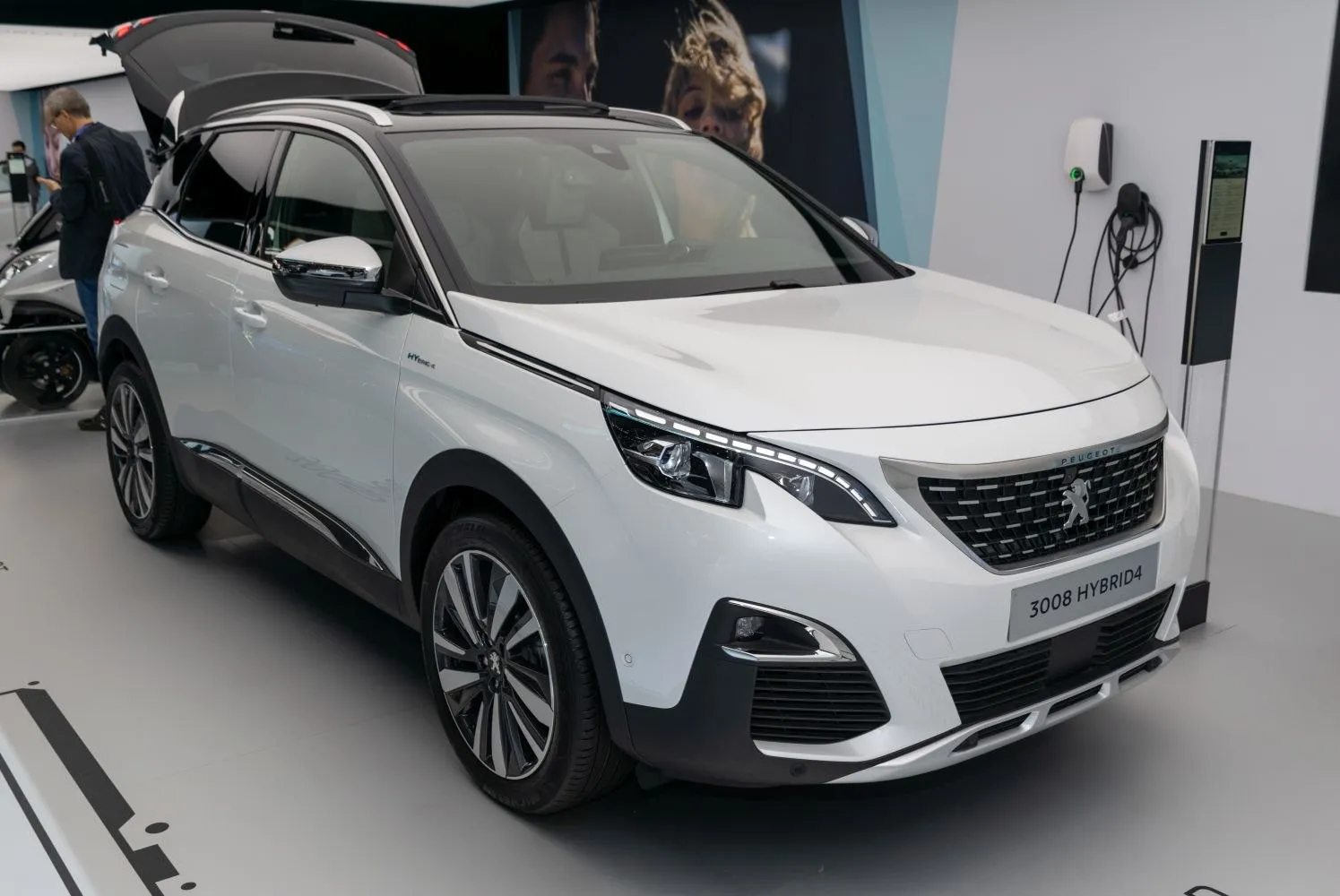
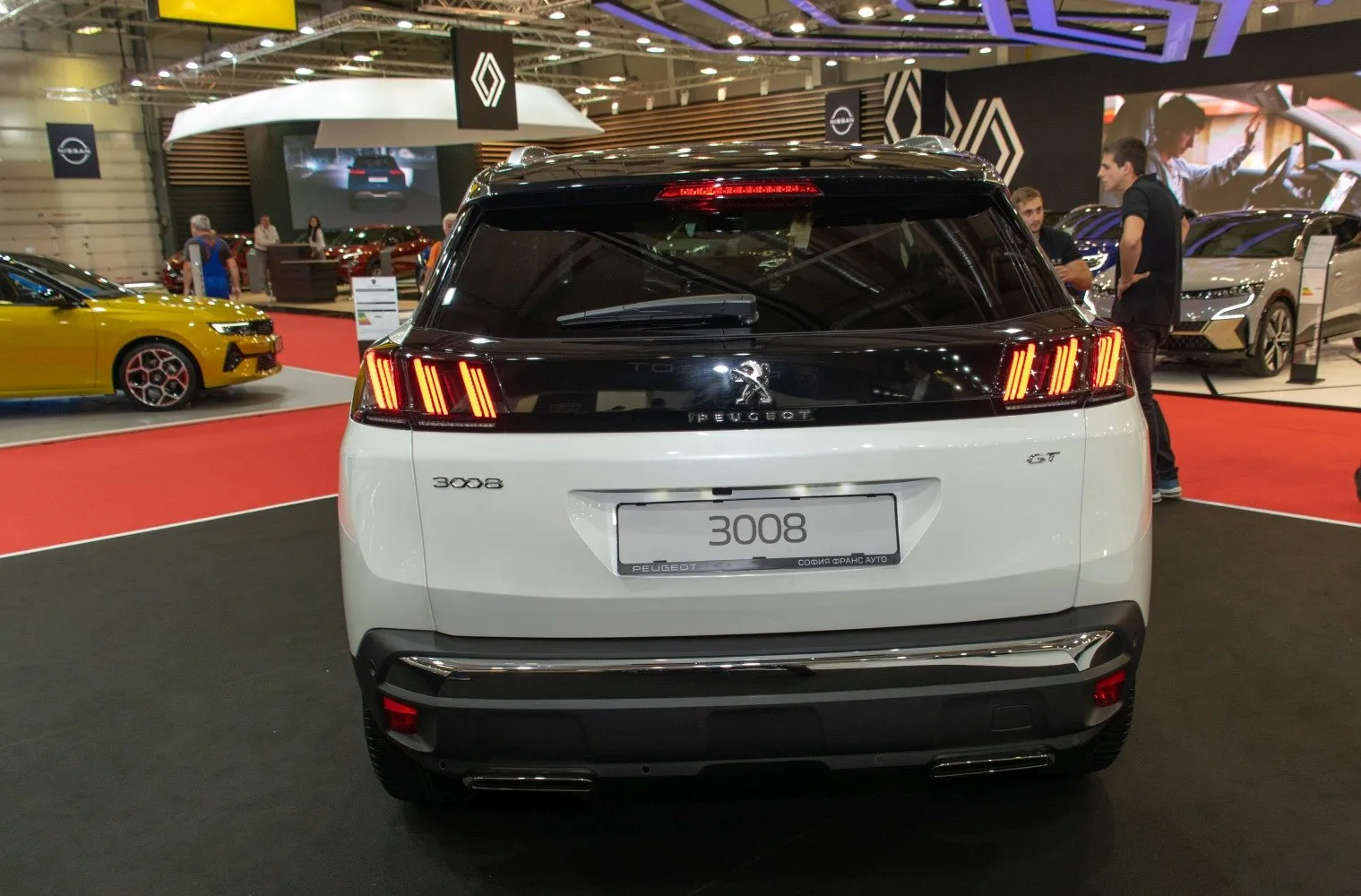
Peugeot 3008 II (Phase II, 2020) 1.6 (300 Hp) Plug-in Hybrid4 e-EAT8
People\'s Opinion
N/A / 5
Peugeot 3008:
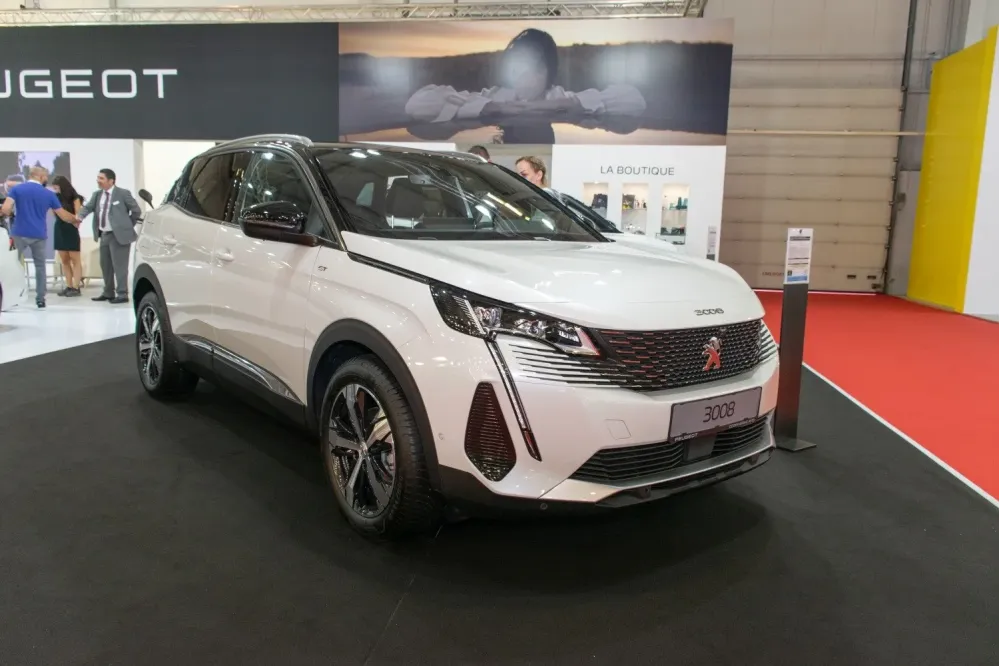
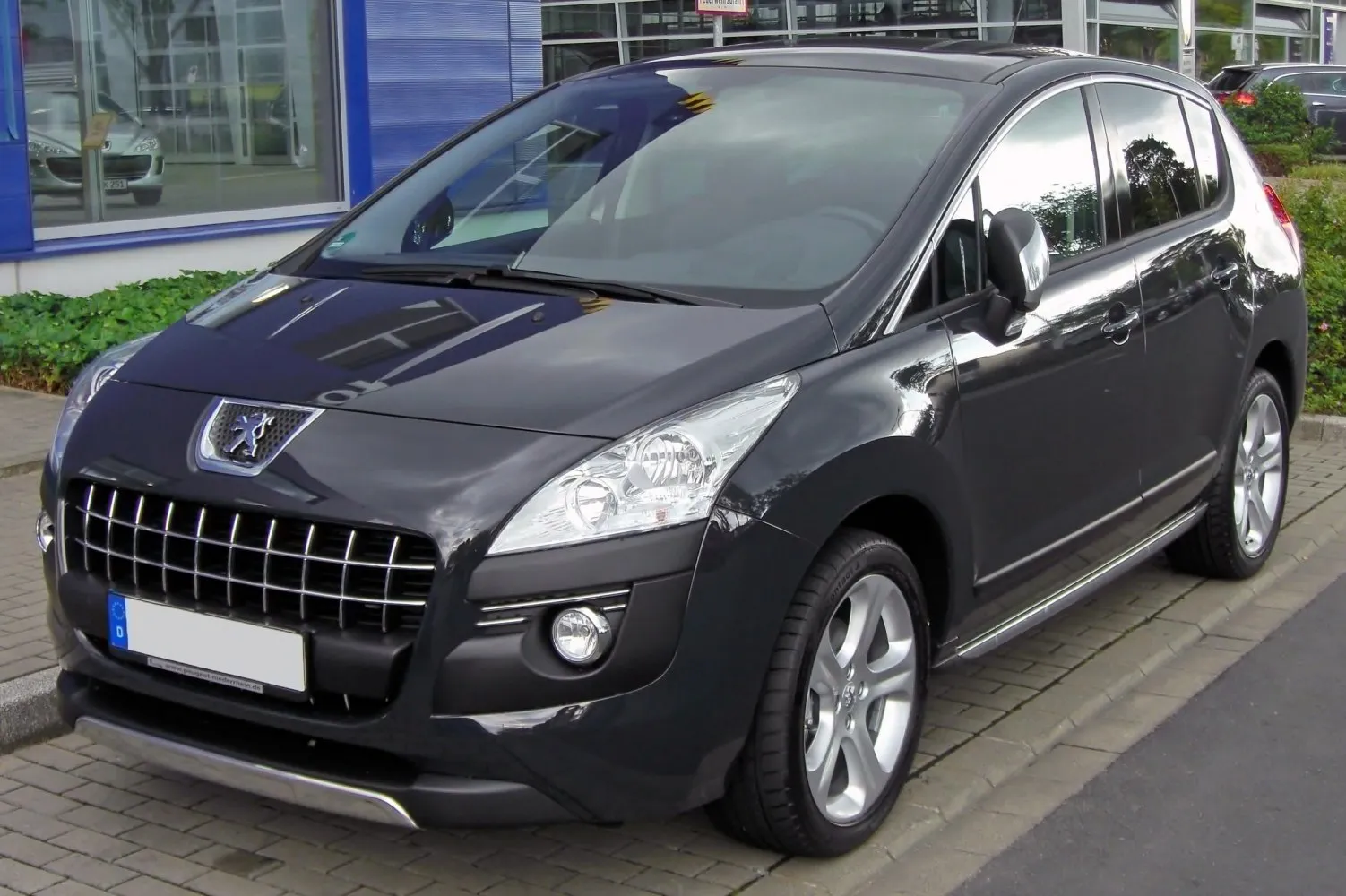
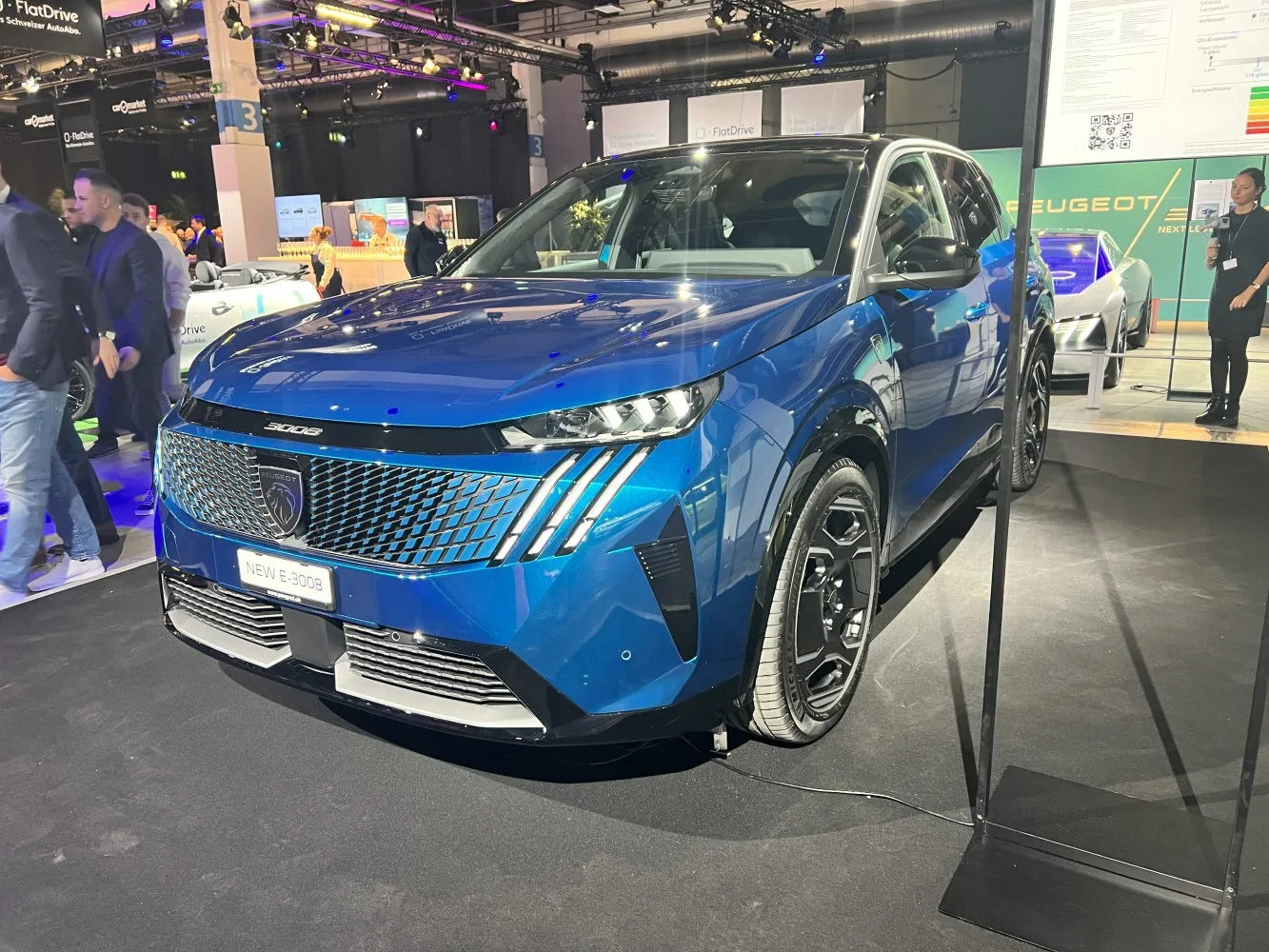
The Peugeot 3008 is a compact crossover SUV manufactured and marketed by Peugeot. It was first presented to the public in Dubrovnik, Croatia in 2008, and then again in 2010 at the Mondial de l'Automobile in Paris, by the French manufacturer Peugeot. It was launched in April 2009 as the successor to the Peugeot 4007 and Peugeot 4008, and it fills a gap in Peugeot's model lineup between the Peugeot 308, with which it shares its platform, and the Peugeot 5008, its larger counterpart. The second-generation model, which is based on an EMP2 platform first seen on the second-generation Peugeot 308, was released in May 2016, with the vehicle being available as of January 2017. The third-generation model waa released in September 2023, based on the Stellantis' SLTA Medium platform, which it is shares with a wide range of Stellantis vehicles....(Read more on Wikipedia)
II (Phase II, 2020) Overview:
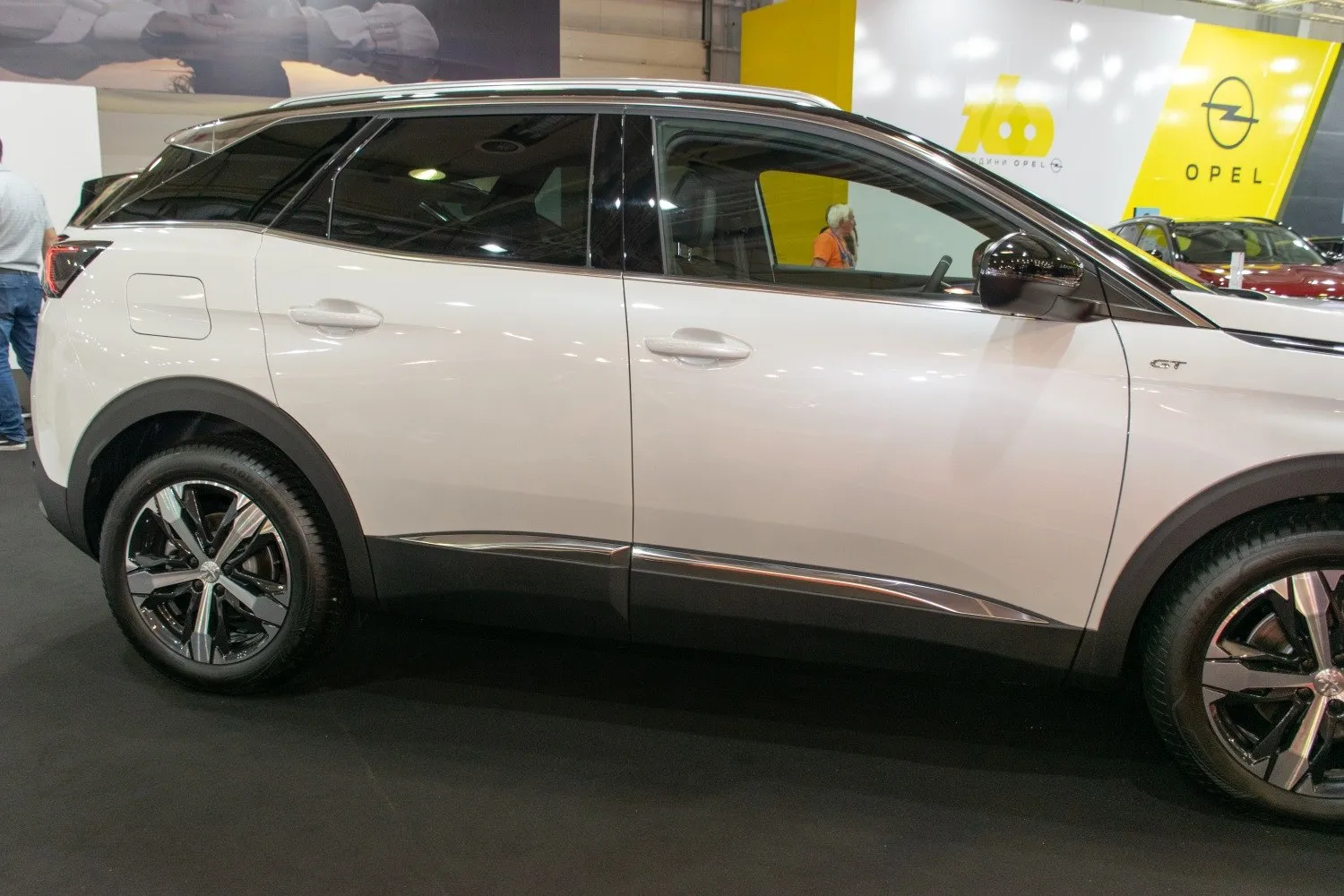
Peugeot 3008 (II (Phase II, 2020)). With 300 Nm of torque, it offers ample pulling power. With a weight of 1833 kg, it falls in the mid‑range. All‑wheel drive provides excellent grip, ideal for off‑road use. Acceleration is excellent (0–100 km/h in 5.9 s). The top speed reaches 240 km/h. A sport utility vehicle offering higher ground clearance and versatile cargo space. Seating for 5 makes it ideal for daily use.
Performance Verdict
Exceptional performance with impressive acceleration and all-wheel-drive capability, making it the most dynamic option.
Fuel Economy
Outstanding fuel efficiency, especially with regular charging, offering significant electric-only range for daily commutes.
Best Use Case:
Mixed driving, city (electric), performance-oriented
Pros and Cons:
Pros:
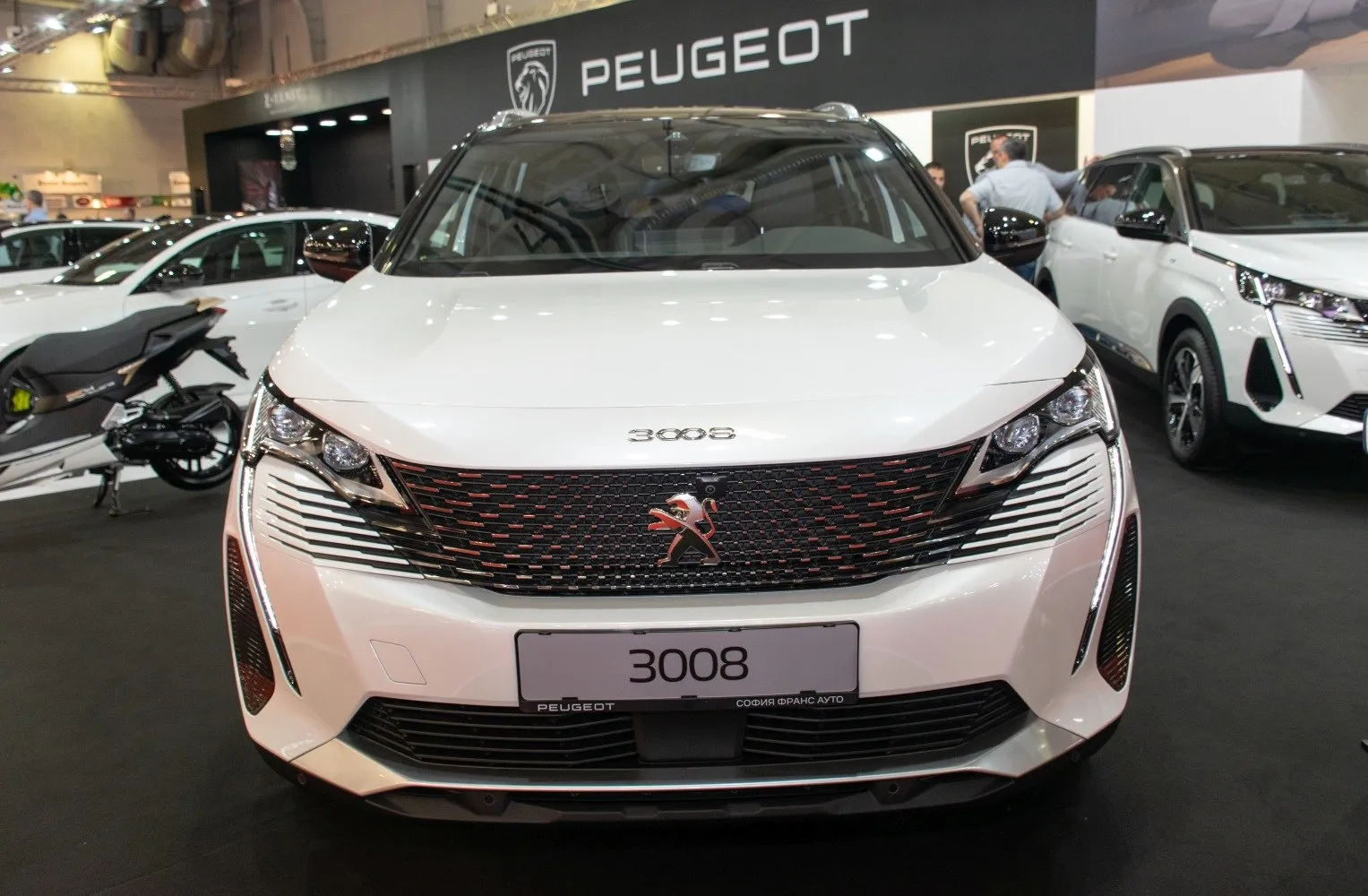
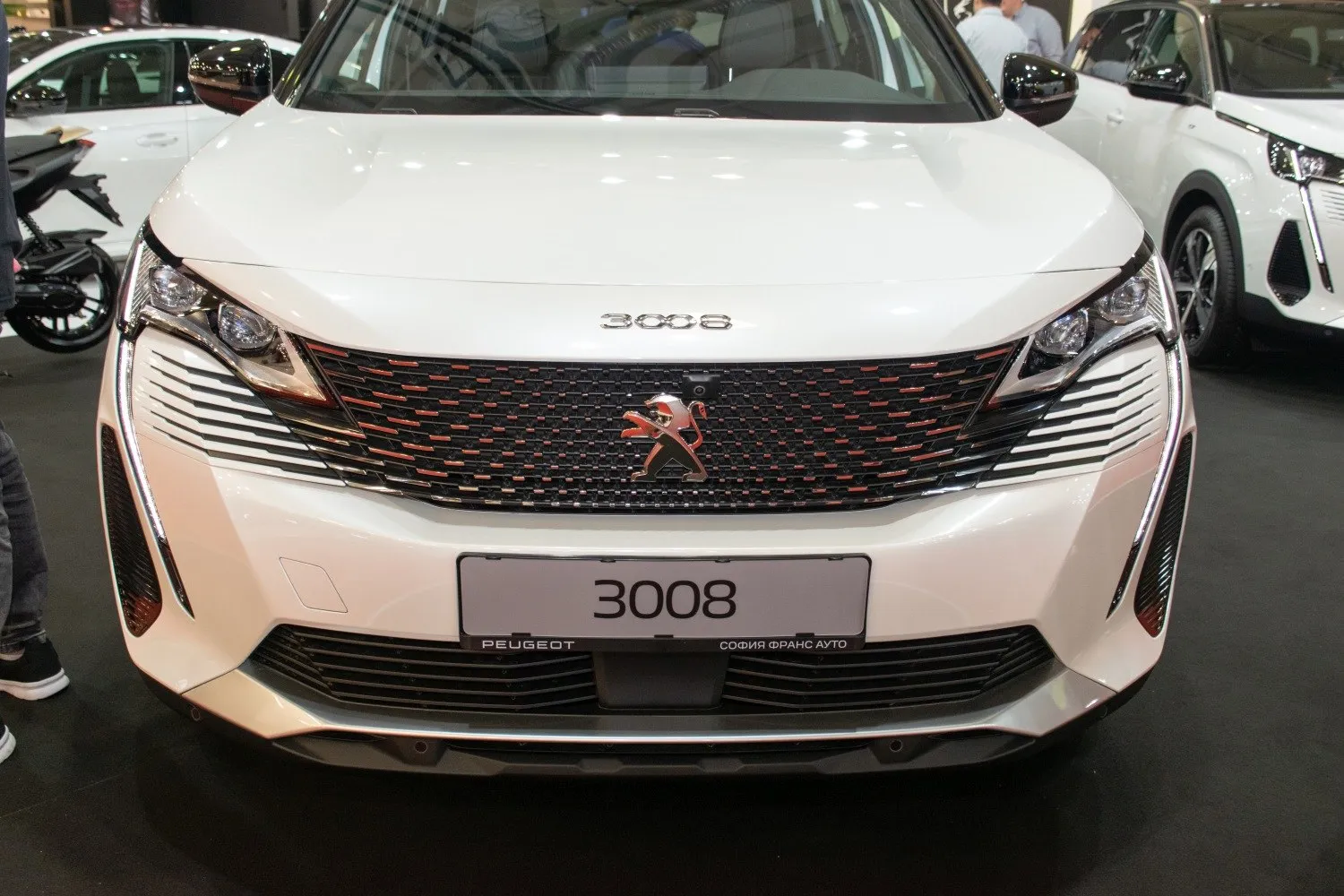
- • Distinctive and stylish exterior design
- • Comfortable and high-quality interior with i-Cockpit
- • Wide range of efficient and powerful engine options, including PHEVs
- • Practical boot space and versatile interior
- • Good ride comfort and handling balance
Cons:
- • i-Cockpit layout may not suit all drivers (small steering wheel, high instruments)
- • Rear visibility can be somewhat limited
- • Infotainment system can be less intuitive than some rivals
- • Some lower trims might feel less premium than higher-spec versions
- • Potential long-term reliability concerns for early PureTech engines (though improved)
Specifications:
Specifications are compared to those of the previous generation(III (Phase I, 2023): March, 2025 - ).
| General: |
| Brand: | Peugeot |
|---|
| Model: | 3008 |
|---|
| Generation: | II (Phase II, 2020) |
|---|
| Modification (Engine): | 1.6 (300 Hp) Plug-in Hybrid4 e-EAT8 |
|---|
| Start of production: | September, 2020 |
|---|
| End of production: | September, 2023 |
|---|
| Powertrain Architecture: | PHEV (Plug-in Hybrid Electric Vehicle) |
|---|
| Body type: | SUV |
|---|
| Seats: | 5 |
|---|
| Doors: | 5 |
|---|
| Engine: |
| Engine systems: | Start & Stop System |
|---|
| Power: | 200 Hp @ 6000 rpm. Same horsepower |
|---|
| Power per litre: | 125.2 Hp/l [95mm less] |
|---|
| Torque: | 300 Nm @ 3000 rpm. |
|---|
| Engine Model/Code: | 5GB EP6FADTXHPA More details about the engine 5GB EP6FADTXHPA |
|---|
| Engine displacement: | 1598 |
|---|
| Number of cylinders: | 4 |
|---|
| Engine configuration: | Inline |
|---|
| Number of valves per cylinder: | 4 |
|---|
| Fuel injection system: | Direct injection |
|---|
| Engine aspiration: | Turbocharger, Intercooler |
|---|
| Valvetrain: | DOHC |
|---|
| Engine oil capacity: | 4.25 l |
|---|
| Engine layout: | Front, Transverse |
|---|
| Cylinder Bore: | 77 mm mm |
|---|
| Piston Stroke: | 85.8 mm mm |
|---|
| Compression ratio: | 10.2:1 |
|---|
| Performance: |
| Fuel Type: | Petrol / electricity |
|---|
| Combined fuel consumption (WLTP): | 1.3-1.4 l/100 km |
|---|
| Emission standard: | Euro 6d |
|---|
| Acceleration 0 - 100 km/h: | 5.9 sec |
|---|
| Acceleration 0 - 62 mph: | 5.9 sec |
|---|
| Maximum speed: | 240 km/h |
|---|
| Weight-to-power ratio: | 6.1 kg/Hp, 163.7 Hp/tonne |
|---|
| Weight-to-torque ratio: | 3.5 kg/Nm, 283.7 Nm/tonne |
|---|
| Max speed (electric): | 135 km/h |
|---|
| Acceleration 0 - 60 mph: | 5.6 sec |
|---|
| Space: |
| Kerb Weight: | 1833 |
|---|
| Max. weight: | 2350 |
|---|
| Max. roof load: | 80 kg |
|---|
| Max load: | 517 |
|---|
| Trunk (boot) space - maximum: | 1357 l |
|---|
| Trunk (boot) space - minimum: | 395 l |
|---|
| Permitted trailer load with brakes (12%): | 1250 kg |
|---|
| Fuel tank capacity: | 43 l |
|---|
| Permitted trailer load without brakes: | 750 kg |
|---|
| Permitted towbar download: | 70 kg |
|---|
| Size: |
| Wading depth: | 700 mm |
|---|
| Length: | 4447 mm mm [95mm less] |
|---|
| Width: | 1841 mm mm [54mm less] |
|---|
| Height: | 1624 mm mm [17mm less] |
|---|
| Wheelbase: | 2675 mm mm [64mm less] |
|---|
| Width with mirrors folded: | 1906 mm |
|---|
| Width including mirrors: | 2098 mm |
|---|
| Front track: | 1579-1601 mm |
|---|
| Rear (Back) track: | 1587-1610 mm |
|---|
| Front overhang: | 923 mm |
|---|
| Rear overhang: | 849 mm |
|---|
| Ride height (ground clearance): | 219 mm |
|---|
| Minimum turning circle (turning diameter): | 10.7 m [above average] |
|---|
| Approach angle: | 20° |
|---|
| Departure angle: | 29° |
|---|
| Powertrain: |
| Drivetrain Architecture | An Internal combustion engine (ICE) drives the front wheels, one electric motor drives the front wheels, one electric motor drives the rear wheels. There is an ability for running in full electric or mixed mode. |
|---|
| Drive wheel | All wheel drive (4x4) |
|---|
| Number of gears | 8 |
|---|
| Transmission type | Automatic |
|---|
| Gearbox type | e-EAT |
|---|
| Front brakes | Ventilated discs [Best for performance and cooling.] |
|---|
| Rear brakes | Disc [above average] |
|---|
| Assisting systems | ABS (Anti-lock braking system) |
|---|
| Steering type | Steering rack and pinion |
|---|
| Power steering | Electric Steering |
|---|
| Tires size | 225/55 R18; 205/55 R19 |
|---|
| Wheel rims size | 18; 19 |
|---|
| Front suspension | Independent type McPherson |
|---|
| Rear suspension | Semi-independent, coil spring |
|---|
| Electric: |
| Net (usable) battery capacity: | 10.4 kWh |
|---|
| Gross battery capacity: | 13.2 kWh |
|---|
| Battery technology: | Lithium-ion (Li-Ion) |
|---|
| Battery location: | Below the floor, under the rear seats |
|---|
| System power: | 300 Hp |
|---|
| System torque: | 520 Nm |
|---|
| All-electric range: | 61-63 km |
|---|
| Electric motor power: | 110 Hp @ 2500 rpm. |
|---|
| Electric motor Torque: | 320 Nm @ 500-2500 rpm. |
|---|
| Average Energy consumption: | 15.3-15.9 kWh/100 km |
|---|
| Electric motor location: | Between the combustion engine and the transmission |
|---|
| Average Energy consumption (WLTP): | 15.3-15.9 kWh/100 km |
|---|
| All-electric range (WLTP): | 61-63 km |
|---|






Driven it? Loved it? Hated it? Share your honest review!