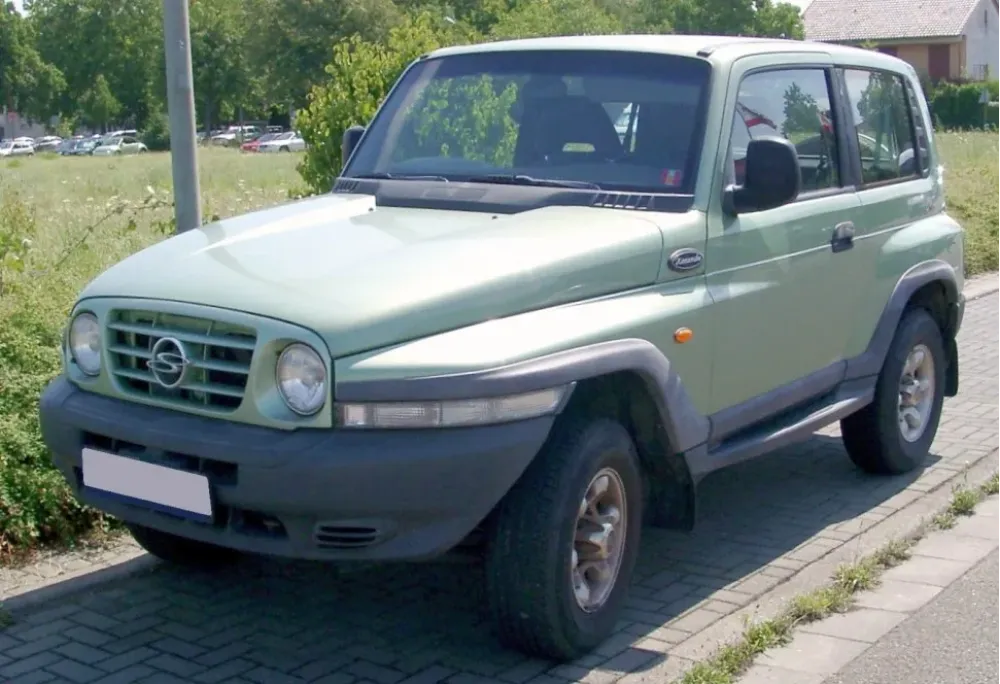
SsangYong Korando II (KJ) 2.3 D (80 Hp)
People\'s Opinion
N/A / 5
SsangYong Korando:
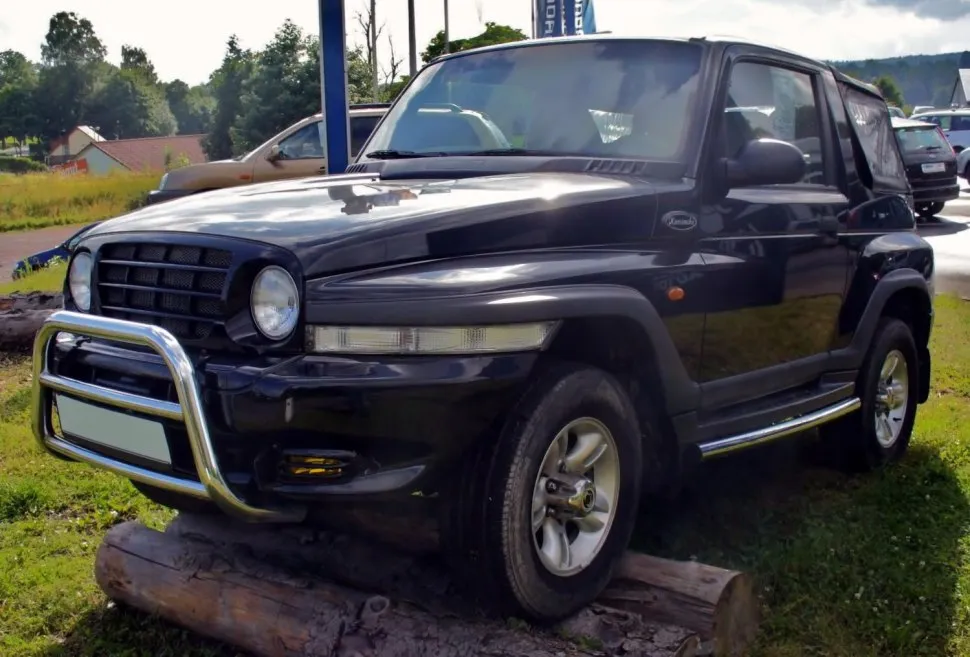
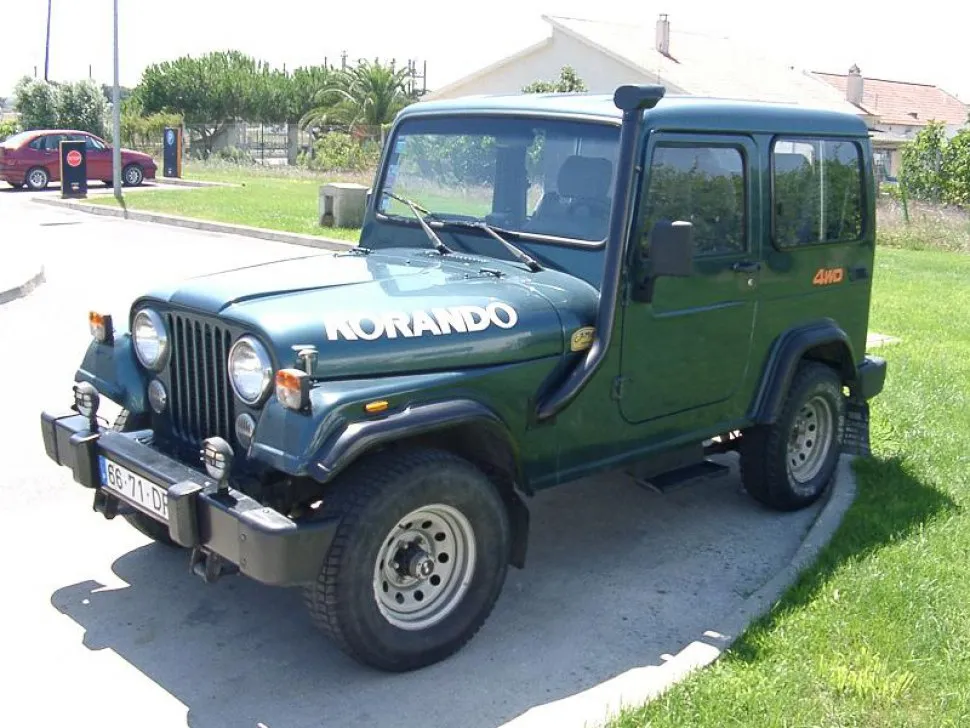
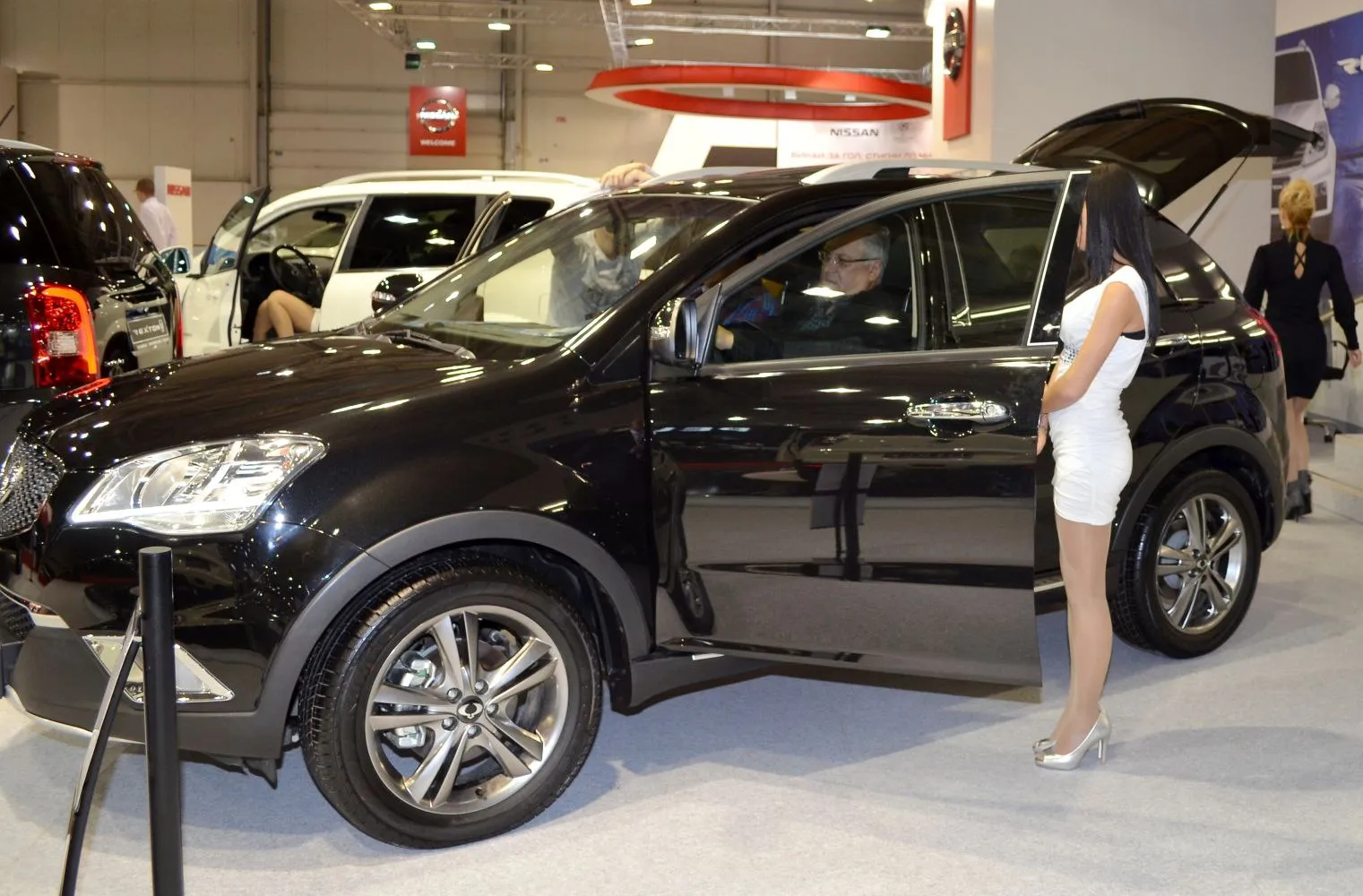
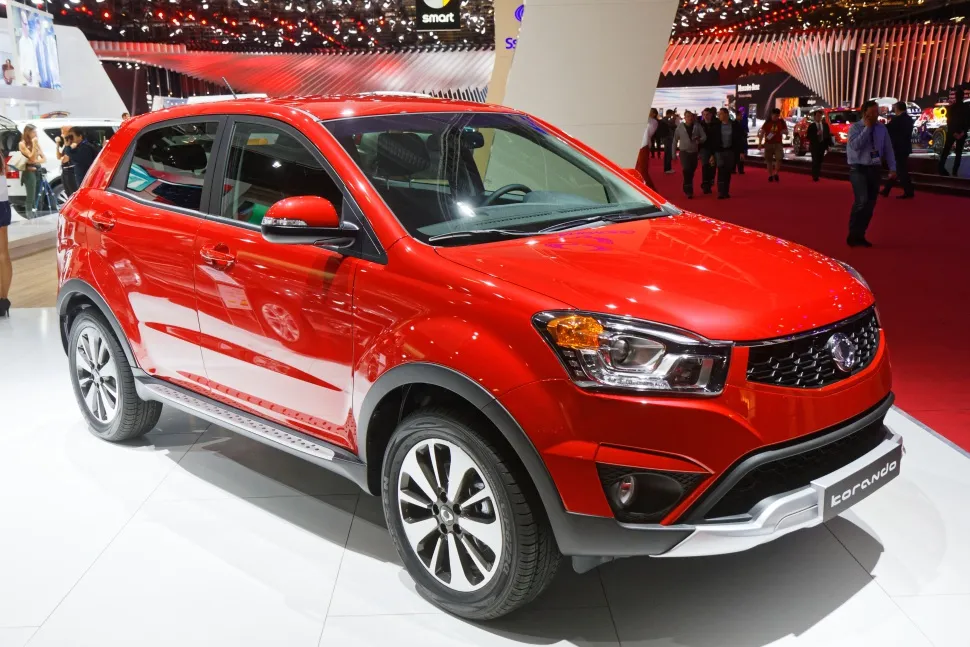
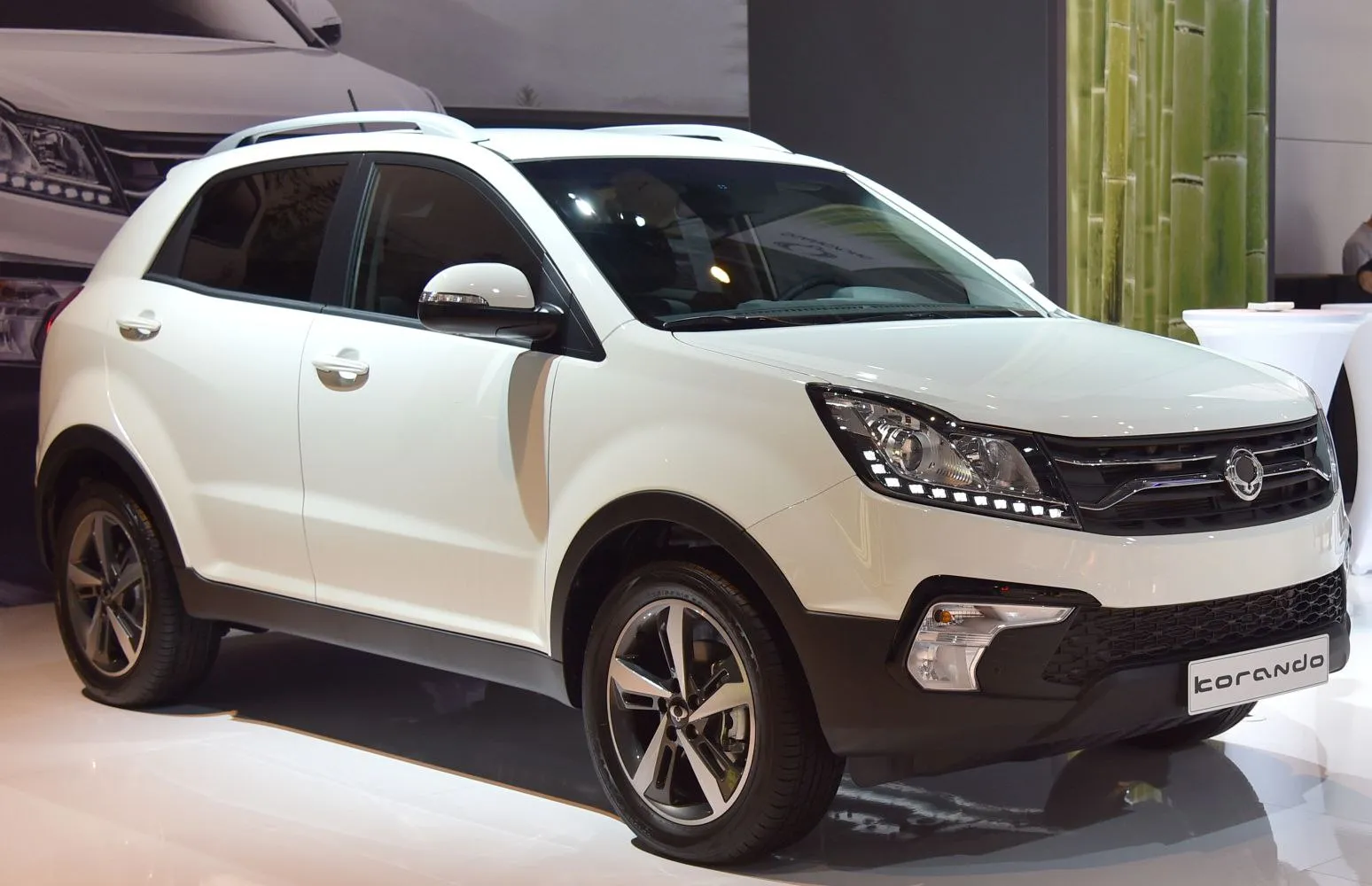
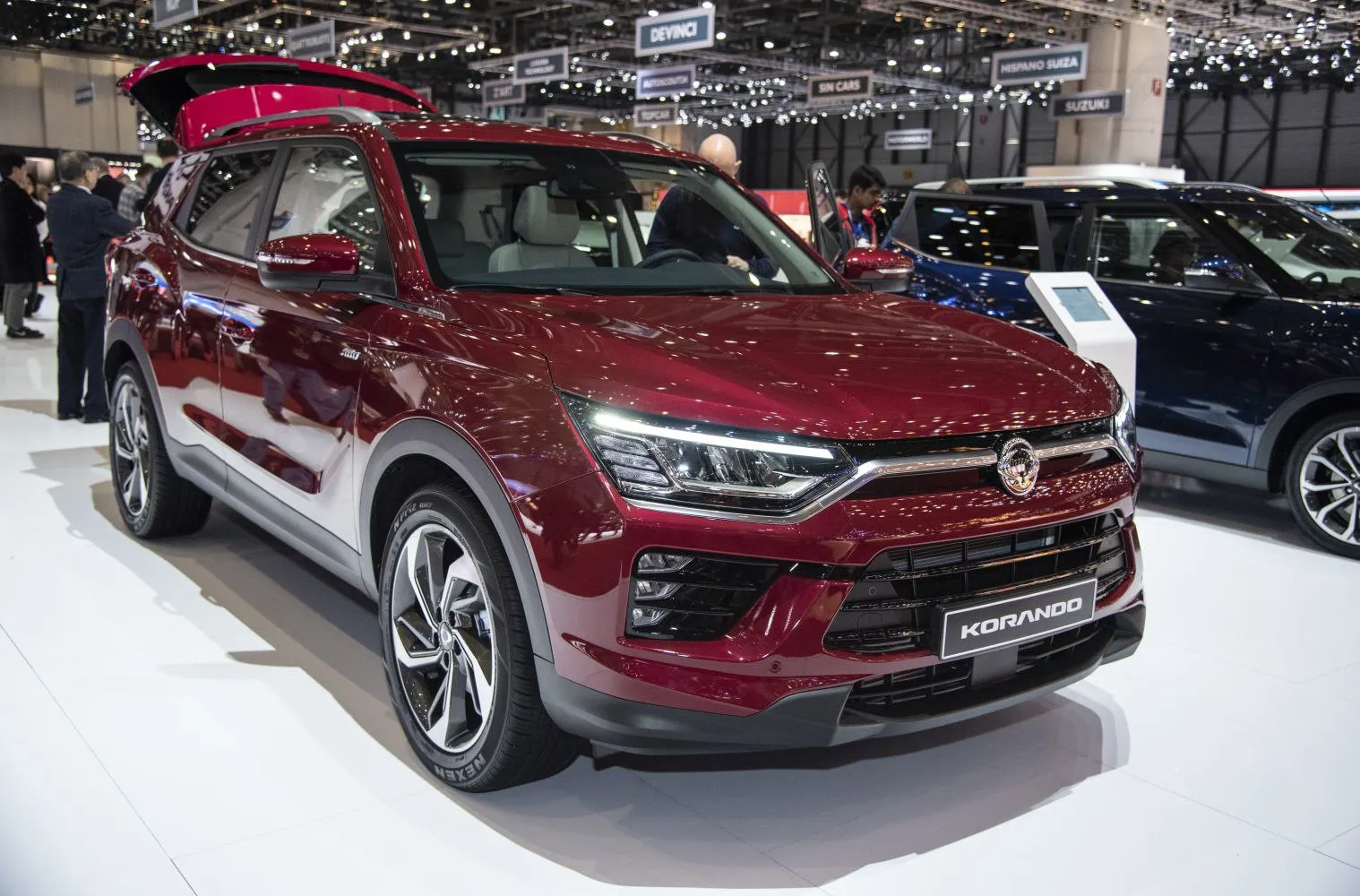
The KGM Korando, formerly SsangYong Korando is a mini SUV or compact crossover SUV built by the South Korean automobile manufacturer SsangYong from 1983 to 2006 and from 2010 onwards. The name Korando is a contraction of "Korea Can Do". The Korando brand is listed in the Guinness Book of Records as Korea’s longest surviving name plate.
In 1964, Ha Dong-hwan Motor Company began to assemble Jeeps, trucks, and buses for the US armed forces and for the United Nations Command.
In November 1969, the CJ-5 entered production with the 75 hp Willys Hurricane inline-four engine and in 1971, a ten-seater version and a pickup model were introduced. In April 1974, American Motors and Shinjin Motors formed a joint venture, Shinjin Jeep Motors, to build local Jeeps. These originally had a locally built AMC 258 ci straight-six engine with 110 hp SAE, but after the oil crises of the seventies Isuzu's 2. 8-liter 4BA1 diesel engine with 85 hp SAE was introduced in July 1979....(Read more on Wikipedia)
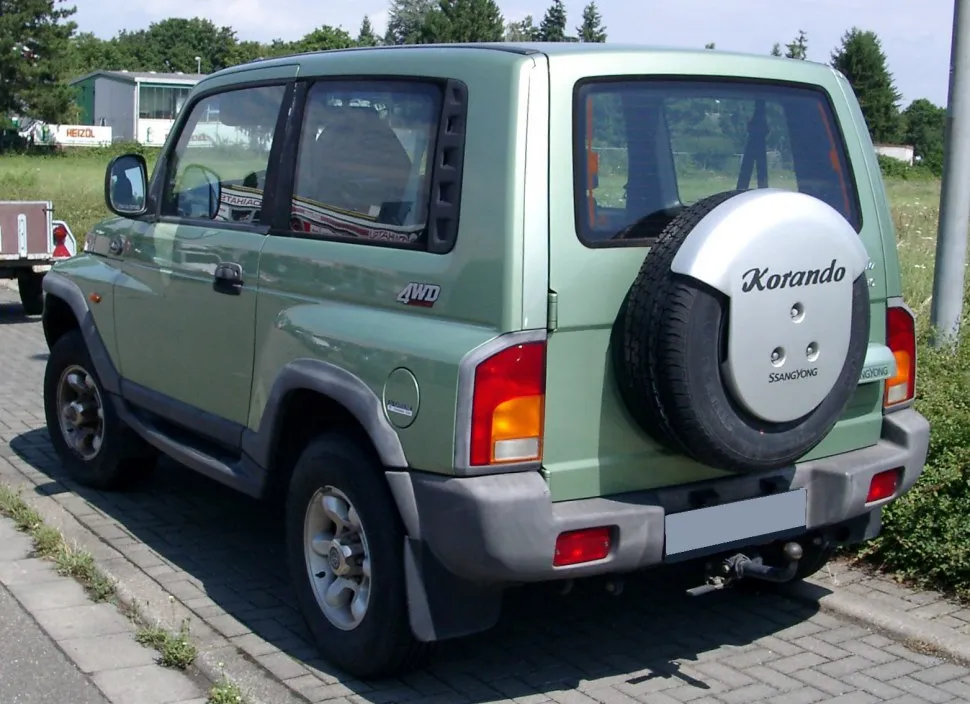
II (KJ) Overview:
SsangYong Korando (II (KJ)). With 150 Nm of torque, it offers ample pulling power. With a weight of 1740 kg, it falls in the mid‑range. All‑wheel drive provides excellent grip, ideal for off‑road use. Acceleration is relatively slow (0–100 km/h in 25 s). The top speed reaches 130 km/h. A sport utility vehicle offering higher ground clearance and versatile cargo space. Seating for 5 makes it ideal for daily use.
Performance Verdict
Extremely sluggish performance, making it suitable only for very light city driving or slow off-road maneuvers. Acceleration is a significant compromise.
Fuel Economy
While specific data is absent, this naturally aspirated diesel is expected to offer reasonable fuel economy, prioritizing efficiency over power.
Best Use Case:
Basic Utility / Slow City Driving
Pros and Cons:
Pros:
- • Robust, body-on-frame construction for durability
- • Excellent off-road capability with proper 4x4 system
- • Mercedes-Benz derived engines (for some variants) known for reliability
- • Distinctive and unique styling
- • Good value for money on the used market
Cons:
- • High fuel consumption, especially for petrol V6 models
- • Sluggish performance in lower-powered diesel variants
- • Dated interior design and materials
- • Rough ride quality compared to more modern SUVs
- • Limited safety features by modern standards
Specifications:
| General: |
| Brand: | SsangYong |
|---|
| Model: | Korando |
|---|
| Generation: | II (KJ) |
|---|
| Modification (Engine): | 2.3 D (80 Hp) |
|---|
| Start of production: | 1996 |
|---|
| End of production: | 2006 |
|---|
| Powertrain Architecture: | Internal Combustion engine |
|---|
| Body type: | SUV |
|---|
| Seats: | 5 |
|---|
| Doors: | 3 |
|---|
| Engine: |
| Power: | 80 Hp @ 4000 rpm. |
|---|
| Power per litre: | 34.8 Hp/l |
|---|
| Torque: | 150 Nm @ 2300 rpm. |
|---|
| Engine displacement: | 2299 |
|---|
| Number of cylinders: | 4 |
|---|
| Engine configuration: | Inline |
|---|
| Number of valves per cylinder: | 2 |
|---|
| Fuel injection system: | Precombustion chamber injection |
|---|
| Engine aspiration: | Naturally aspirated engine |
|---|
| Valvetrain: | OHC |
|---|
| Engine oil capacity: | 6.5 l |
|---|
| Engine layout: | Front, Longitudinal |
|---|
| Cylinder Bore: | 89 mm mm |
|---|
| Piston Stroke: | 92.4 mm mm |
|---|
| Compression ratio: | 22:1 |
|---|
| Performance: |
| Fuel Type: | Diesel |
|---|
| Fuel consumption (economy) - urban: | 12.1 l/100 km |
|---|
| Fuel consumption (economy) - extra urban: | 7.9 l/100 km |
|---|
| Acceleration 0 - 100 km/h: | 25 sec |
|---|
| Acceleration 0 - 62 mph: | 25 sec |
|---|
| Maximum speed: | 130 km/h |
|---|
| Weight-to-power ratio: | 21.8 kg/Hp, 46 Hp/tonne |
|---|
| Weight-to-torque ratio: | 11.6 kg/Nm, 86.2 Nm/tonne |
|---|
| Acceleration 0 - 60 mph: | 23.8 sec |
|---|
| Space: |
| Kerb Weight: | 1740 |
|---|
| Max. weight: | 2515 |
|---|
| Max load: | 775 |
|---|
| Trunk (boot) space - maximum: | 1200 l |
|---|
| Trunk (boot) space - minimum: | 130 l |
|---|
| Fuel tank capacity: | 70 l |
|---|
| Size: |
| Length: | 4330 mm mm |
|---|
| Width: | 1841 mm mm |
|---|
| Height: | 1940 mm mm |
|---|
| Wheelbase: | 2480 mm mm |
|---|
| Front track: | 1510 mm |
|---|
| Rear (Back) track: | 1520 mm |
|---|
| Powertrain: |
| Drive wheel | All wheel drive (4x4) |
|---|
| Number of gears | 5 |
|---|
| Transmission type | Manual |
|---|
| Front brakes | Ventilated discs |
|---|
| Rear brakes | Disc |
|---|
| Assisting systems | ABS (Anti-lock braking system) |
|---|
| Steering type | Steering rack and pinion |
|---|
| Power steering | Hydraulic Steering |
|---|
| Tires size | 235/75 R15 |
|---|
| Front suspension | Torsion |
|---|
| Rear suspension | Rigid axle suspension |
|---|




Fuel, speed, and comfort: How does the SsangYong Korando rank in your book?