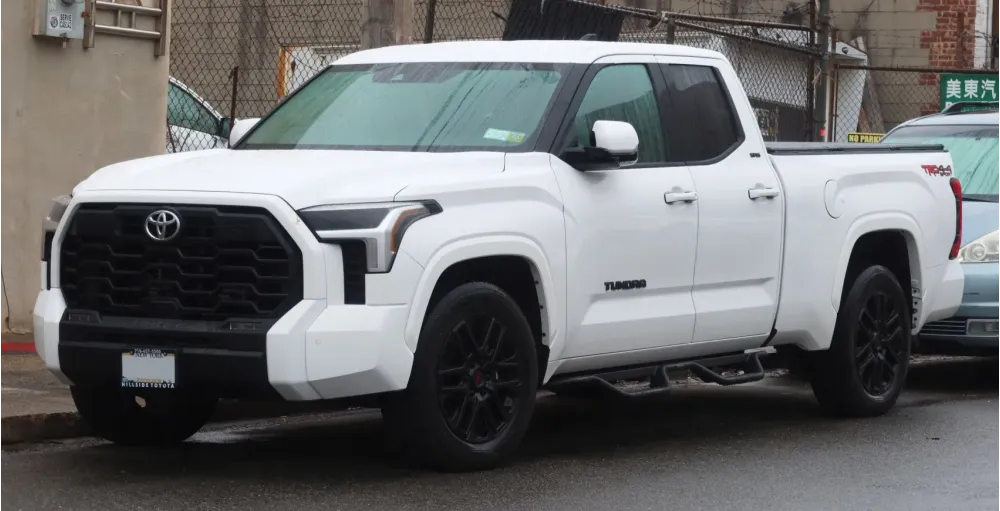
Click on image to view the full photo gallery
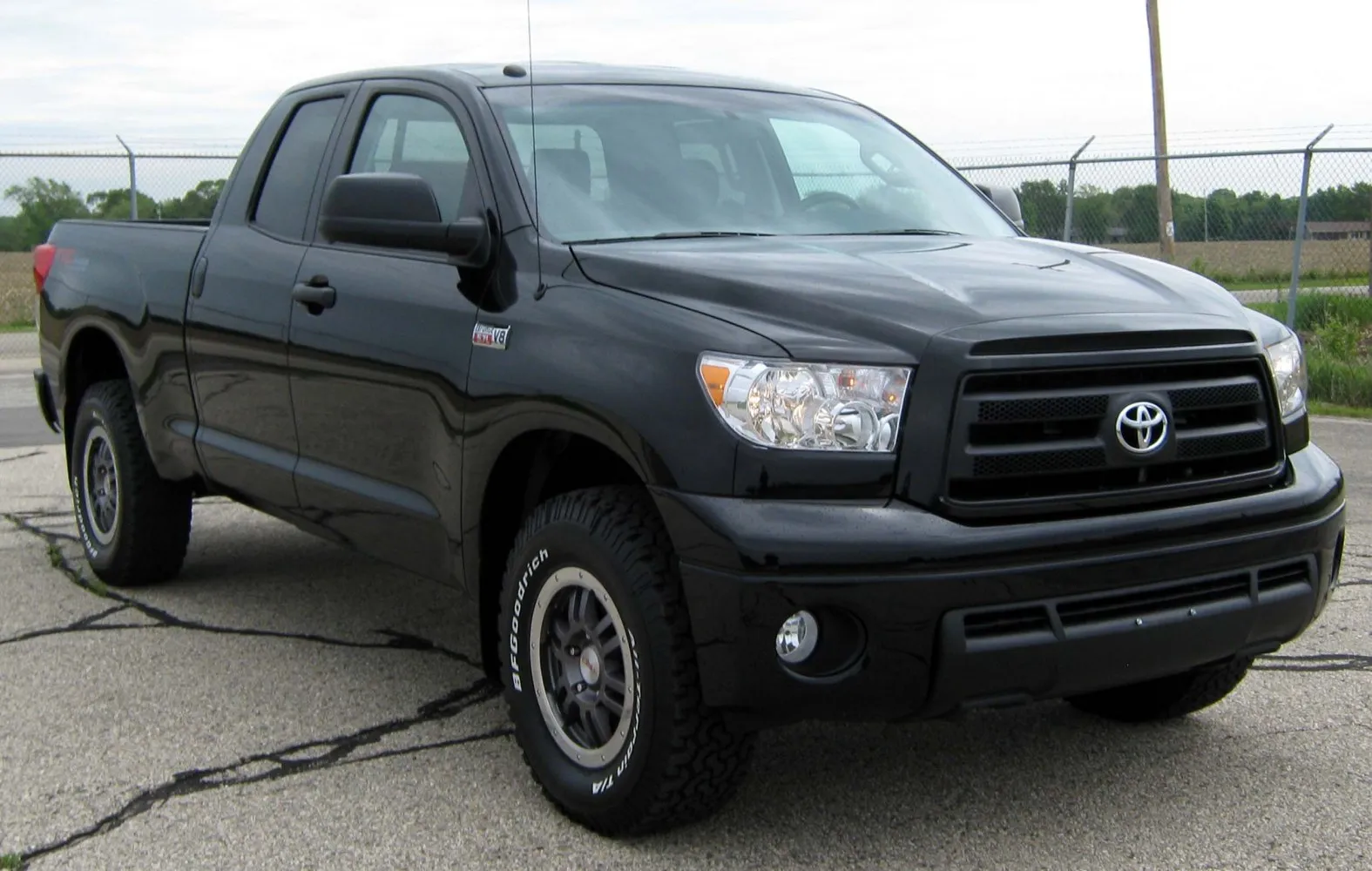
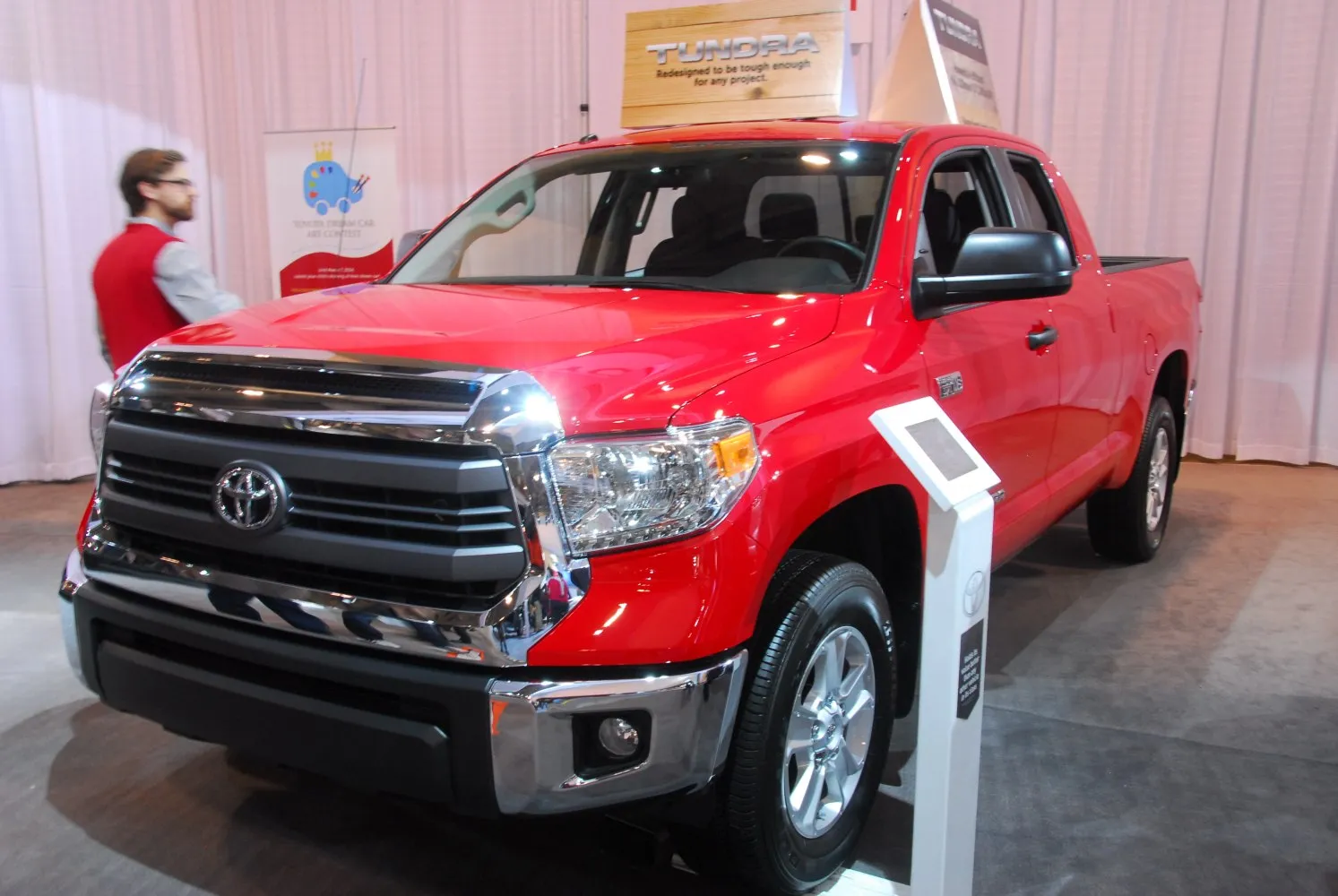
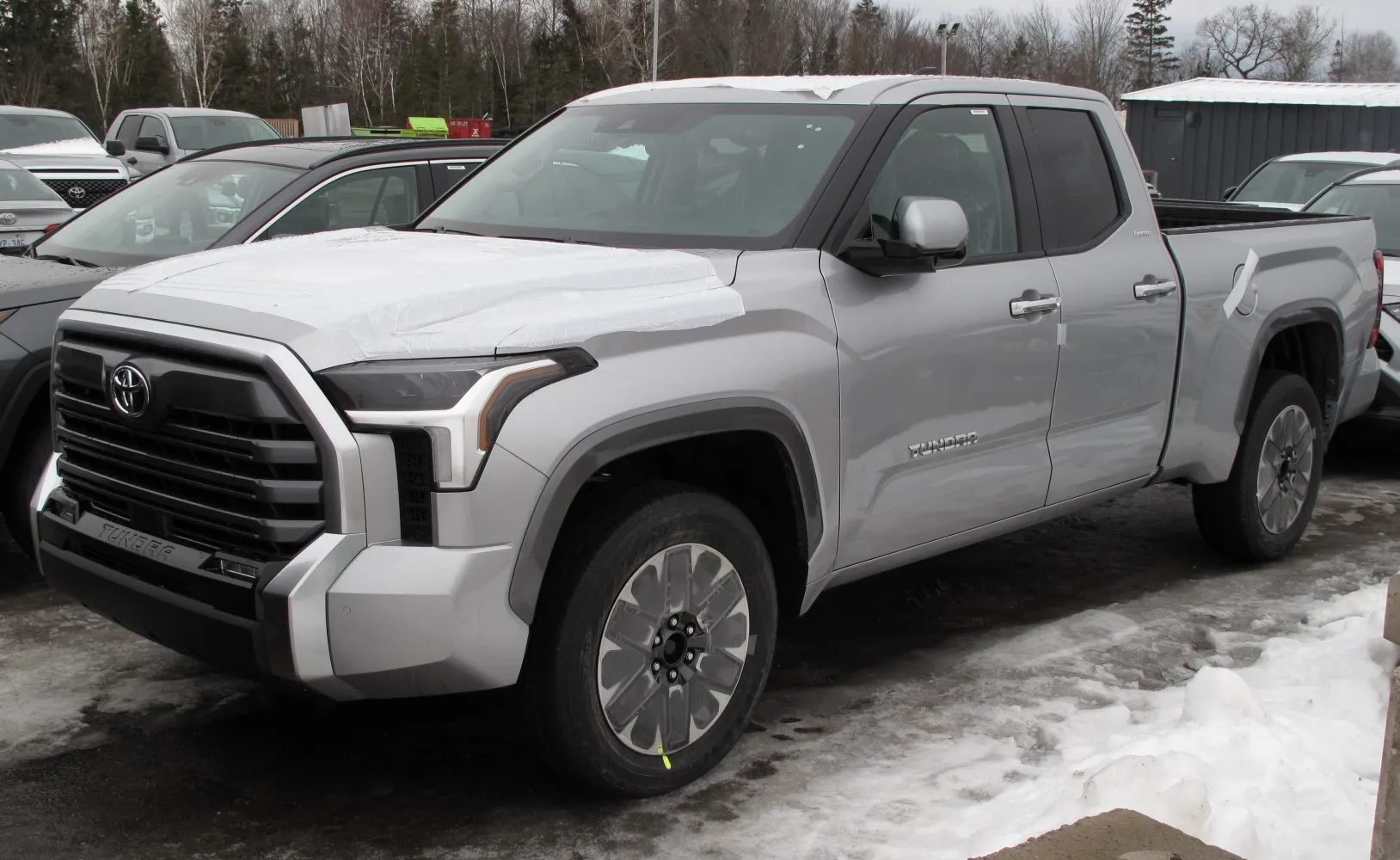
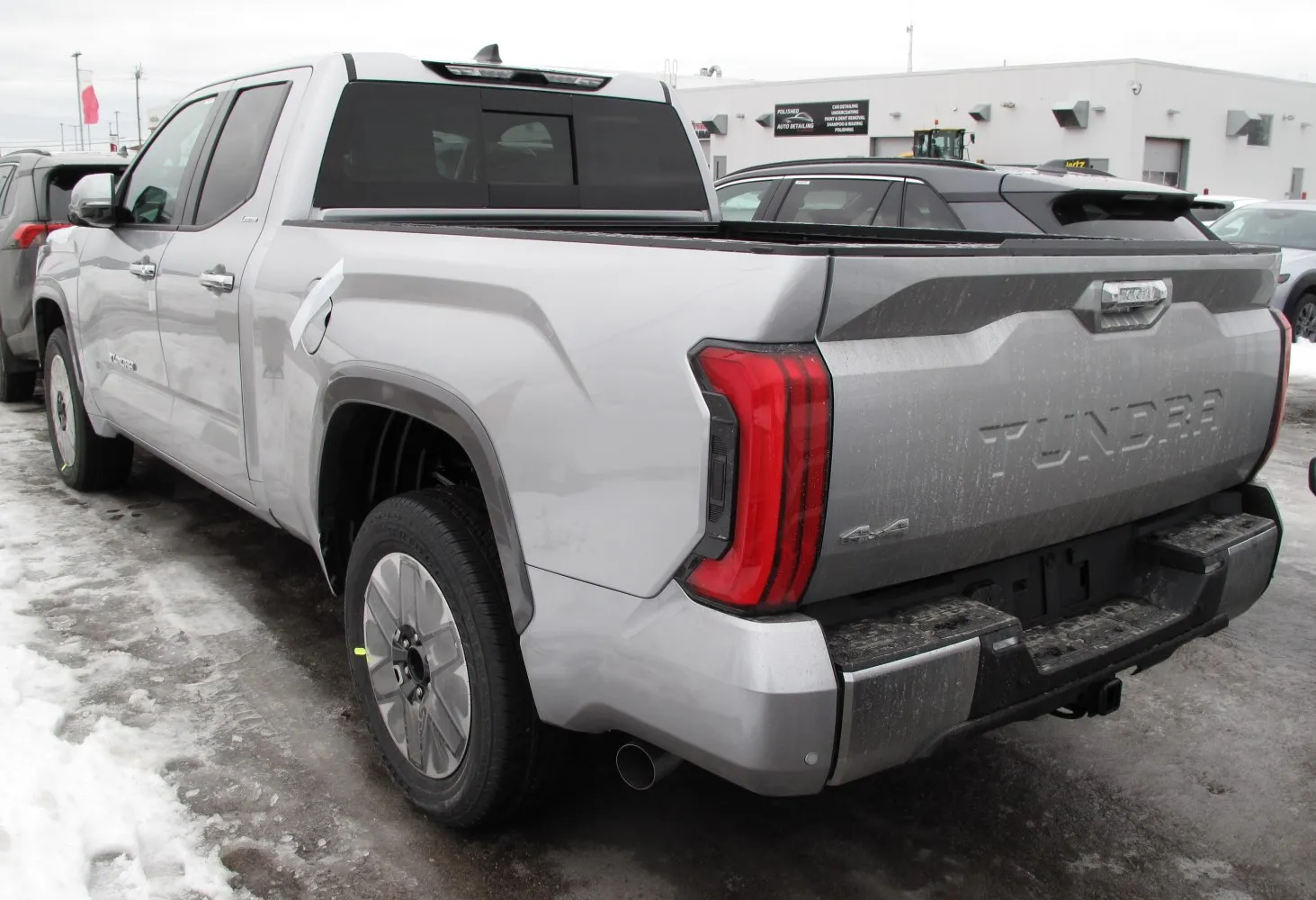
Toyota Tundra III Double Cab Standard Bed 3.5 V6 i-FORCE (389 Hp) 4x2 ECT-i
Overall Rating
Toyota Tundra:
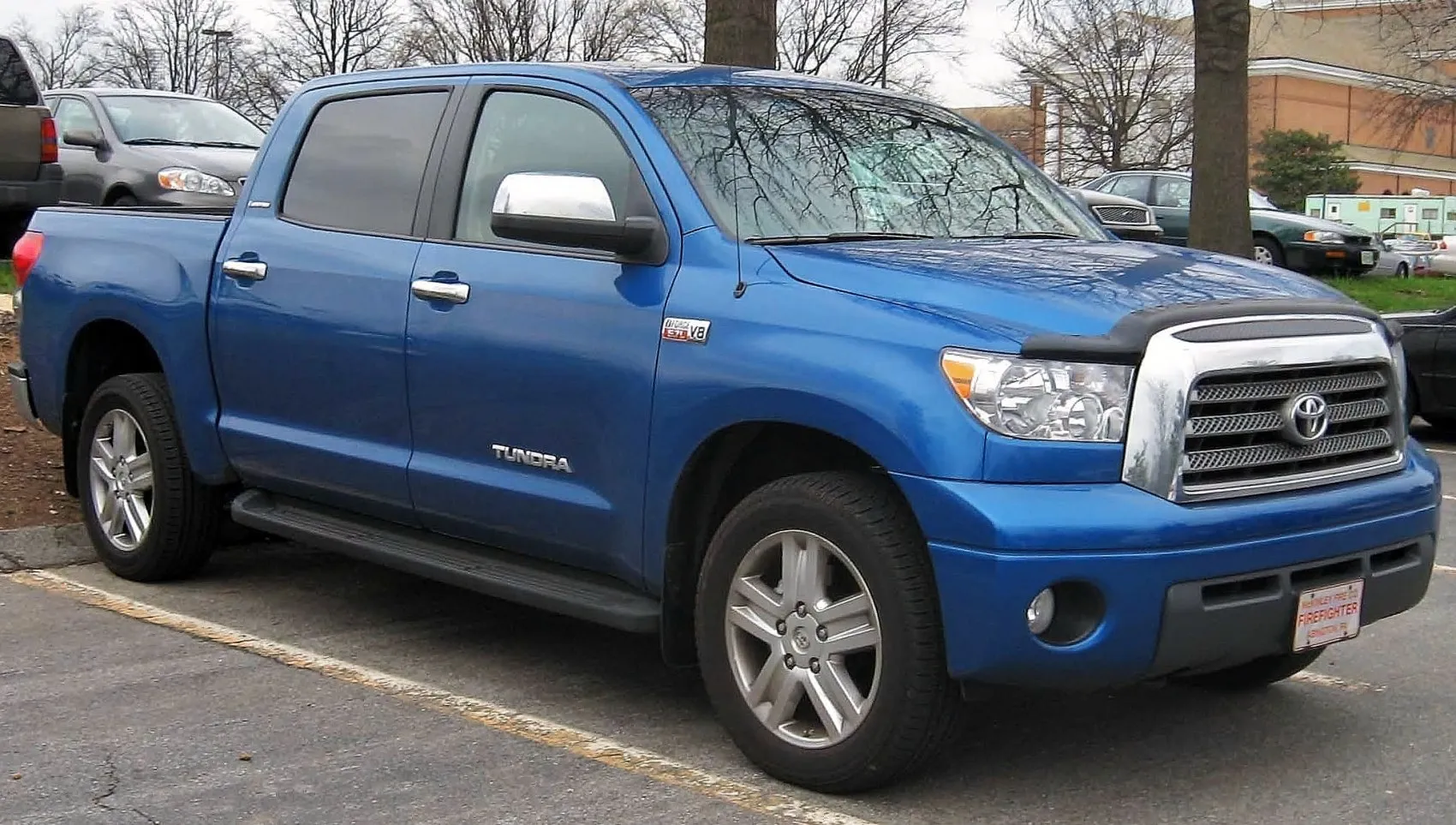
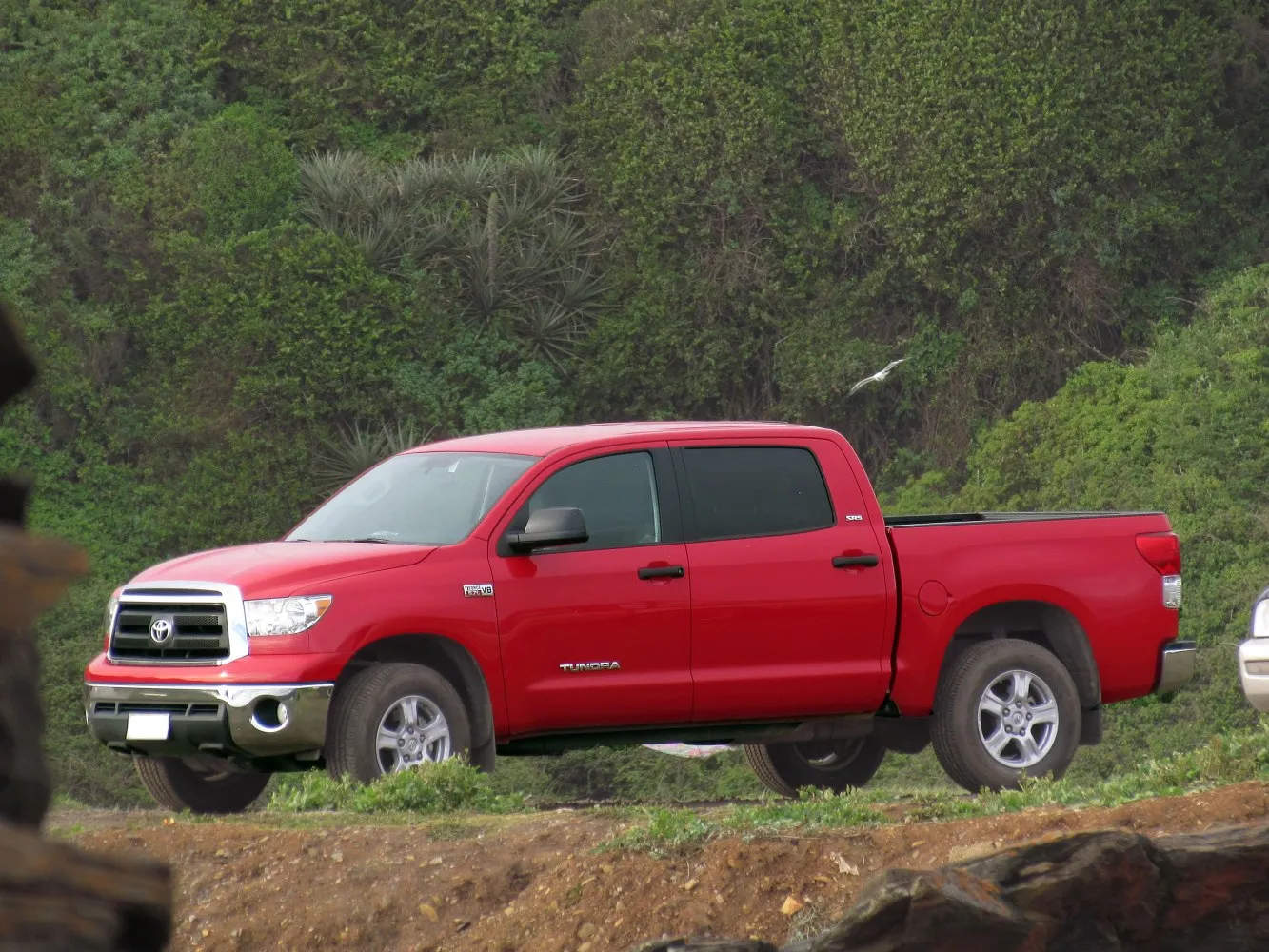
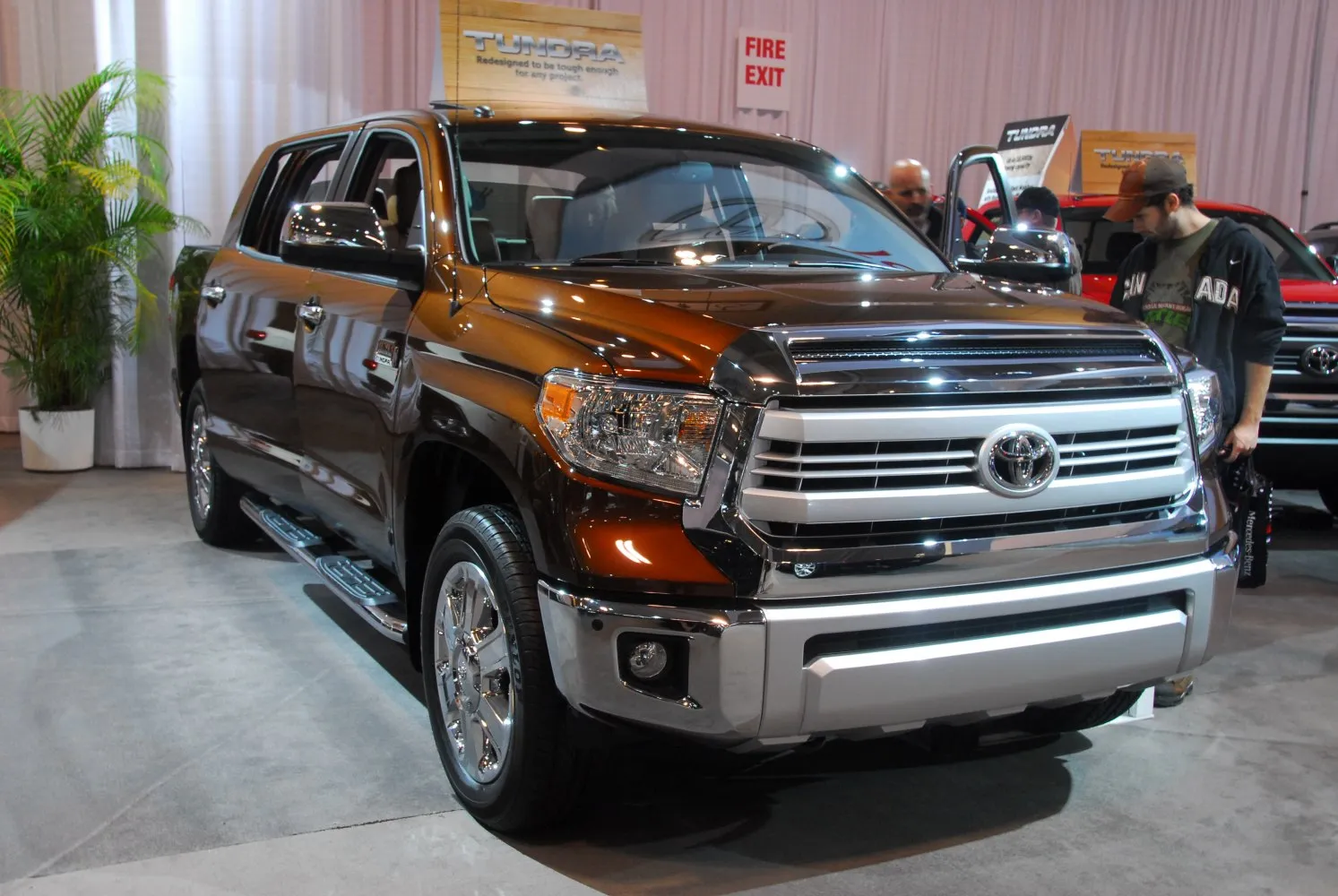
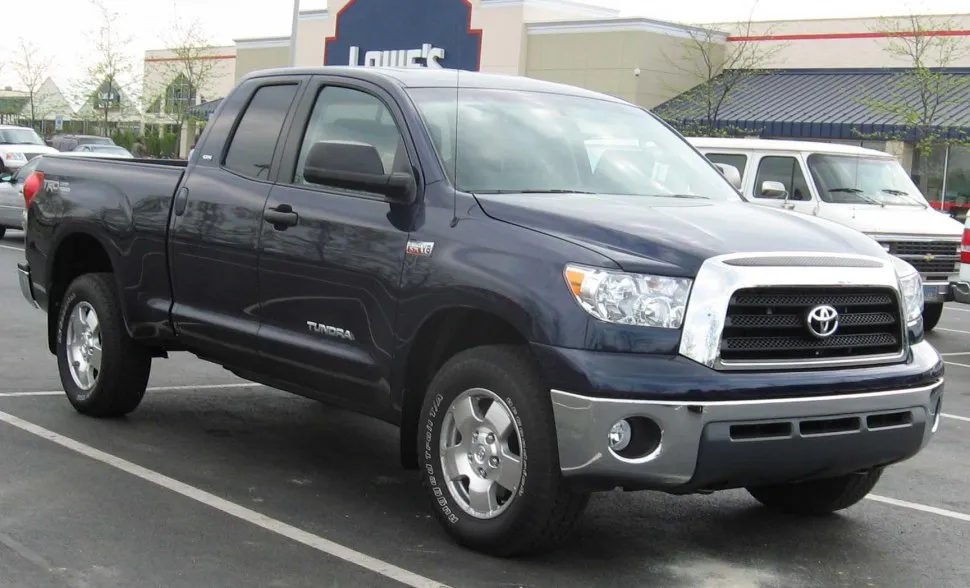
The Toyota Tundra is a full-size pickup truck manufactured in the United States by the Japanese manufacturer Toyota since May 1999. The Tundra was the second full-size pickup to be built by a Japanese manufacturer , but the Tundra was the first full-size pickup from a Japanese manufacturer to be built in North America. The Tundra was nominated for the North American Truck of the Year award and was Motor Trend magazine's Truck of the Year in 2000 and 2008. Initially built in a new Toyota plant in Princeton, Indiana, production was consolidated in 2008 to Toyota's San Antonio, Texas, factory....(Read more on Wikipedia)
III Double Cab Standard Bed Overview:
Toyota Tundra (III Double Cab Standard Bed). With 649 Nm of torque, it offers ample pulling power. At around 2338 kg, it’s on the heavier side. Rear‑wheel drive offers dynamic handling and sporty feedback. A vehicle with an open cargo bed at the back, suitable for transporting goods. Seating for 5 makes it ideal for daily use.
3.5 V6 i-FORCE (389 Hp) 4x2 ECT-i Verdict:

Performance Verdict
Combines the top-tier power of the 389 Hp engine with the efficiency benefits of a 4x2 drivetrain, excellent for maximum towing on paved roads.
Fuel Economy
Offers the best fuel economy for the higher power output, making it a compelling choice for those needing power without 4x4 capability, at 11.8 l/100 km.
Pros and Cons:
Pros:
- • Powerful and efficient twin-turbo V6 engine options.
- • Significantly improved interior quality and technology.
- • Robust towing and hauling capabilities.
- • Renowned Toyota reliability and strong resale value.
Cons:
- • Fuel economy, while improved, is still typical for a full-size truck.
- • Large dimensions can make city maneuvering challenging.
- • Rear coil spring suspension is an improvement but still a truck ride.
Specifications:
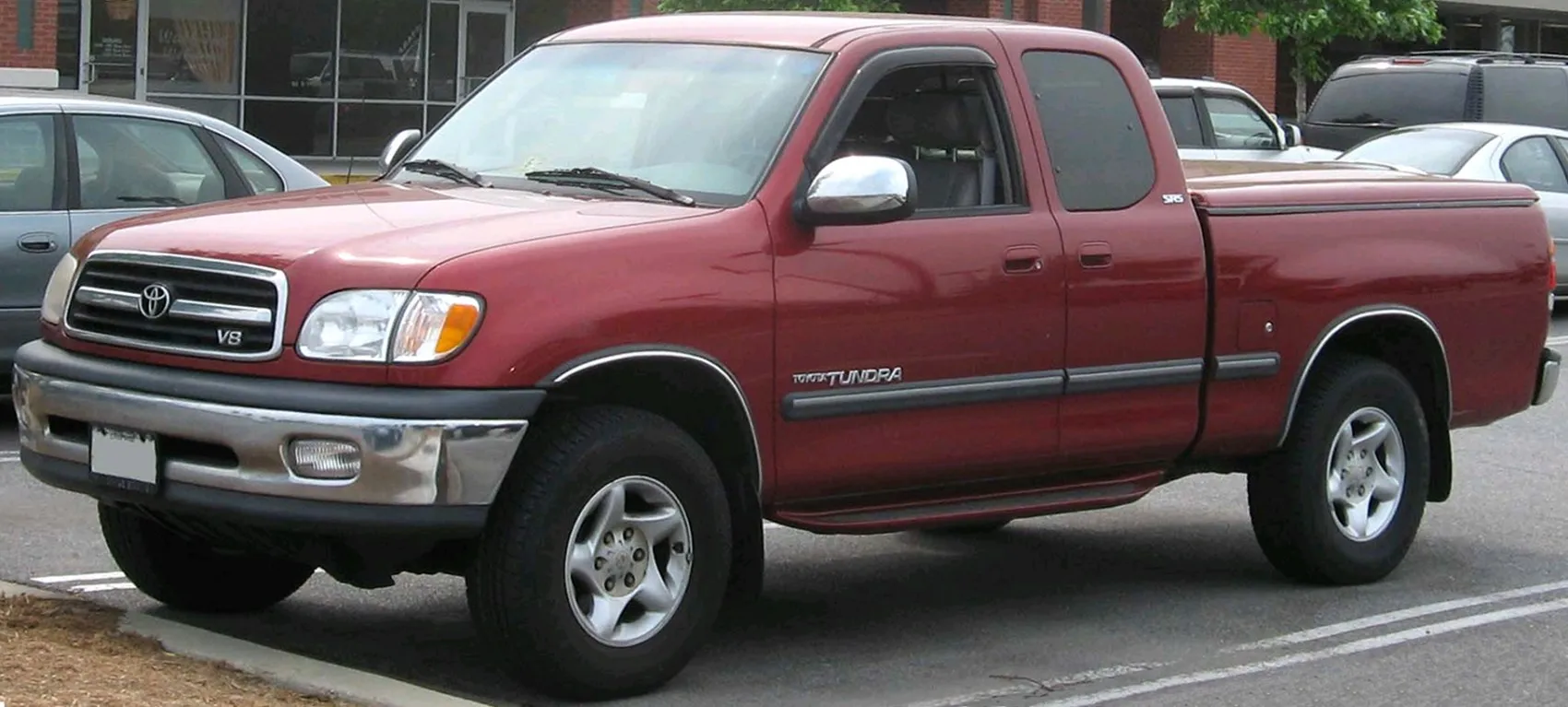
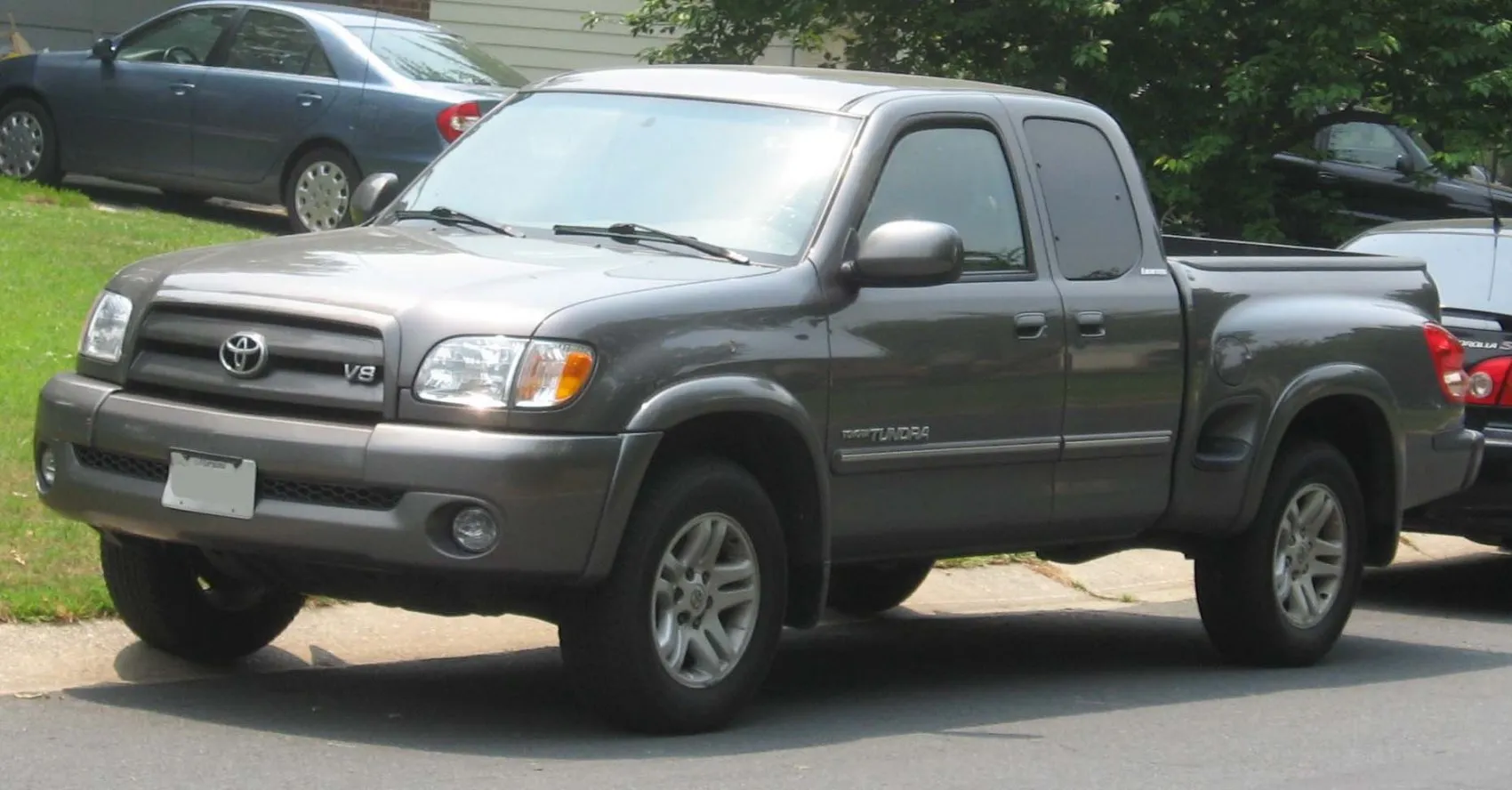
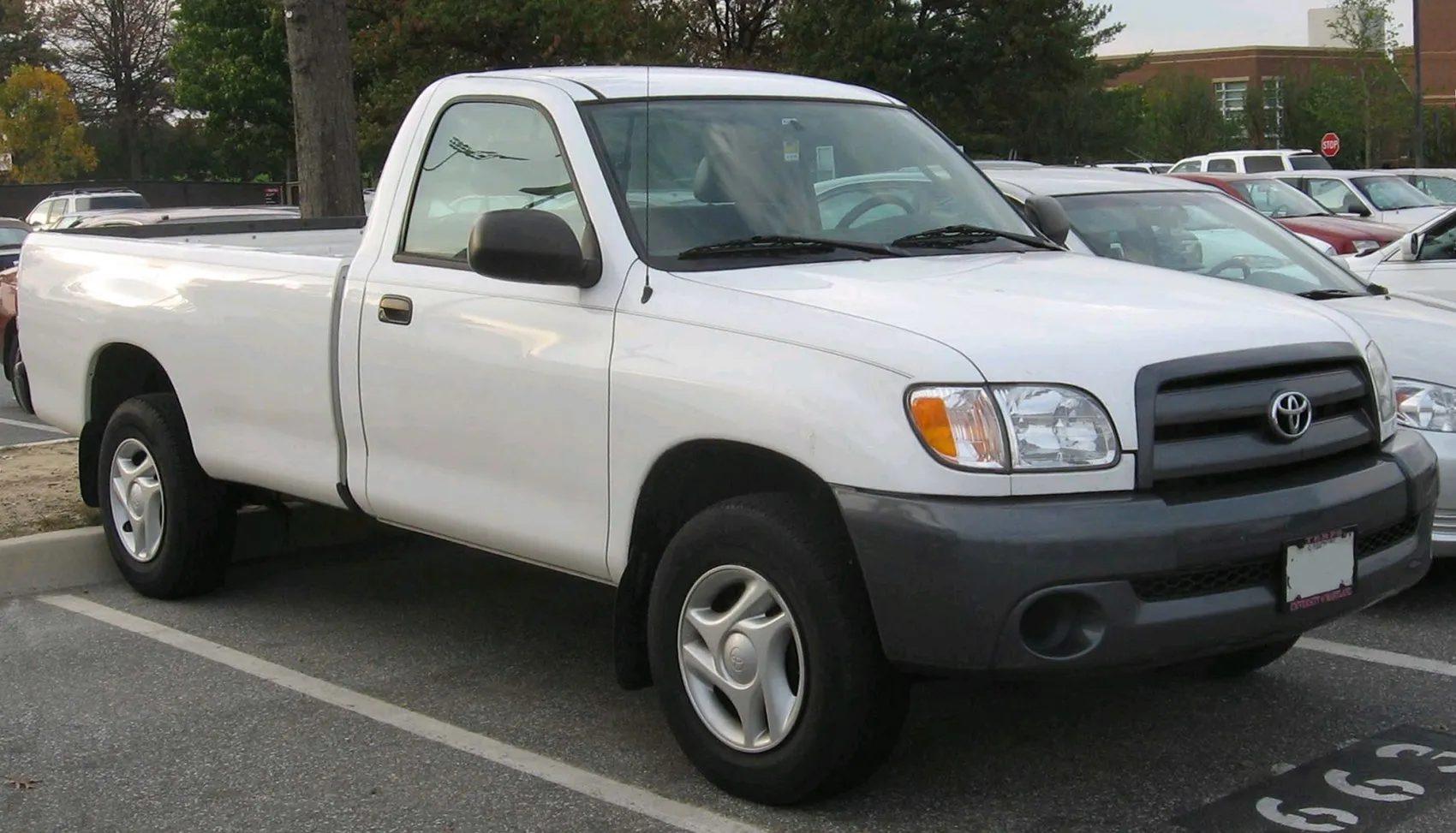
Specifications are compared to those of the previous generation(I: May, 1999 - 2002).
| General: | |
|---|---|
| Brand: | Toyota |
| Model: | Tundra |
| Generation: | III Double Cab Standard Bed |
| Modification (Engine): | 3.5 V6 i-FORCE (389 Hp) 4x2 ECT-i |
| Start of production: | September, 2021 |
| Powertrain Architecture: | Internal Combustion engine |
| Body type: | Pick-up |
| Seats: | 5 |
| Doors: | 4 |
| Engine: | |
|---|---|
| Engine systems: | Particulate filter |
| Power: | 389 Hp @ 5200 rpm. Same horsepower |
| Power per litre: | 112.9 Hp/l [408mm more] |
| Torque: | 649 Nm @ 2400 rpm. |
| Engine Model/Code: | V35A-FTS More details about the engine V35A-FTS |
| Engine displacement: | 3445 |
| Number of cylinders: | 6 |
| Engine configuration: | V-engine |
| Number of valves per cylinder: | 4 |
| Fuel injection system: | Direct injection and Multi-port manifold injection |
| Engine aspiration: | Twin-Turbo, Intercooler |
| Valvetrain: | DOHC, Dual VVT-i |
| Engine oil capacity: | 7.3 l |
| Coolant: | 12.4 l |
| Engine layout: | Front, Longitudinal |
| Cylinder Bore: | 85.5 mm mm |
| Piston Stroke: | 100 mm mm |
| Compression ratio: | 10.4:1 |
| Performance: | |
|---|---|
| Fuel Type: | Petrol (Gasoline) |
| Fuel consumption (economy) - urban: | 13.1 l/100 km |
| Fuel consumption (economy) - extra urban: | 10.2 l/100 km |
| Fuel consumption (economy) - combined: | 11.8 l/100 km |
| Emission standard: | LEV-III |
| Weight-to-power ratio: | 5.9 kg/Hp, 168.3 Hp/tonne |
| Weight-to-torque ratio: | 3.6 kg/Nm, 280.8 Nm/tonne |
| Space: | |
|---|---|
| Kerb Weight: | 2311-2365 |
| Max. weight: | 3191-3345 |
| Max load: | 880-980 |
| Permitted trailer load with brakes (12%): | 5443 kg |
| Fuel tank capacity: | 85 l |
| Permitted towbar download: | 544 kg |
| Size: | |
|---|---|
| Length: | 5933 mm mm [408mm more] |
| Width: | 2037 mm mm [127mm more] |
| Height: | 1981 mm mm [156mm more] |
| Wheelbase: | 3701 mm mm [441mm more] |
| Front track: | 1737 mm |
| Rear (Back) track: | 1737 mm |
| Ride height (ground clearance): | 236 mm |
| Minimum turning circle (turning diameter): | 14.8 m [above average] |
| Approach angle: | 21° |
| Departure angle: | 24° |
| Powertrain: | |
|---|---|
| Drivetrain Architecture | The Internal combustion engine (ICE) drives the rear wheels of the vehicle. |
| Drive wheel | Rear wheel drive |
| Number of gears | 10 |
| Transmission type | Automatic |
| Gearbox type | ECT-i |
| Front brakes | Ventilated discs, 353 mm [Best for performance and cooling.] |
| Rear brakes | Ventilated discs, 345 mm [Best for performance and cooling.] |
| Assisting systems | ABS (Anti-lock braking system) |
| Steering type | Steering rack and pinion |
| Power steering | Electric Steering |
| Tires size | 265/70 R18 |
| Wheel rims size | 8J x 18 |
| Front suspension | Double wishbone, Transverse stabilizer |
| Rear suspension | Rigid axle suspension, Coil spring |










Was the Toyota Tundra what you expected? Let us know!