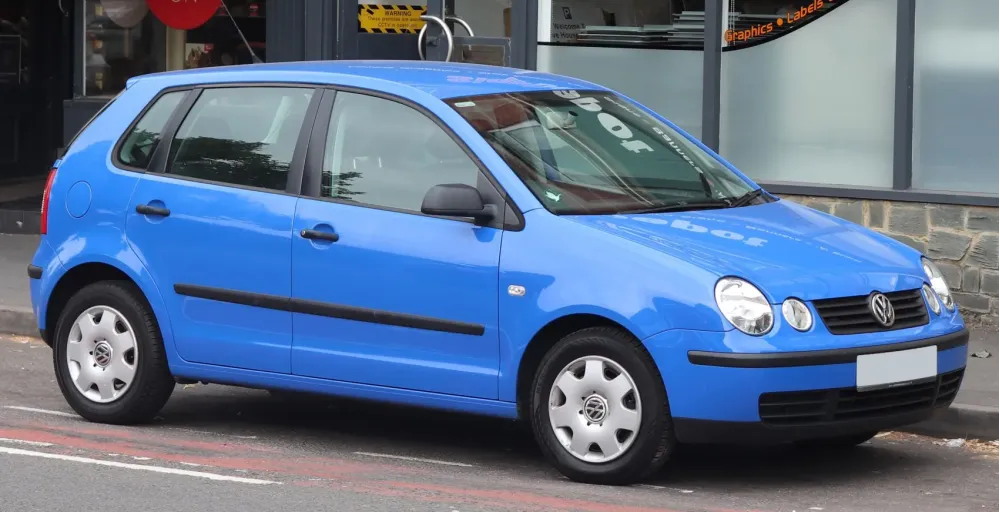
Click on image to view the full photo gallery
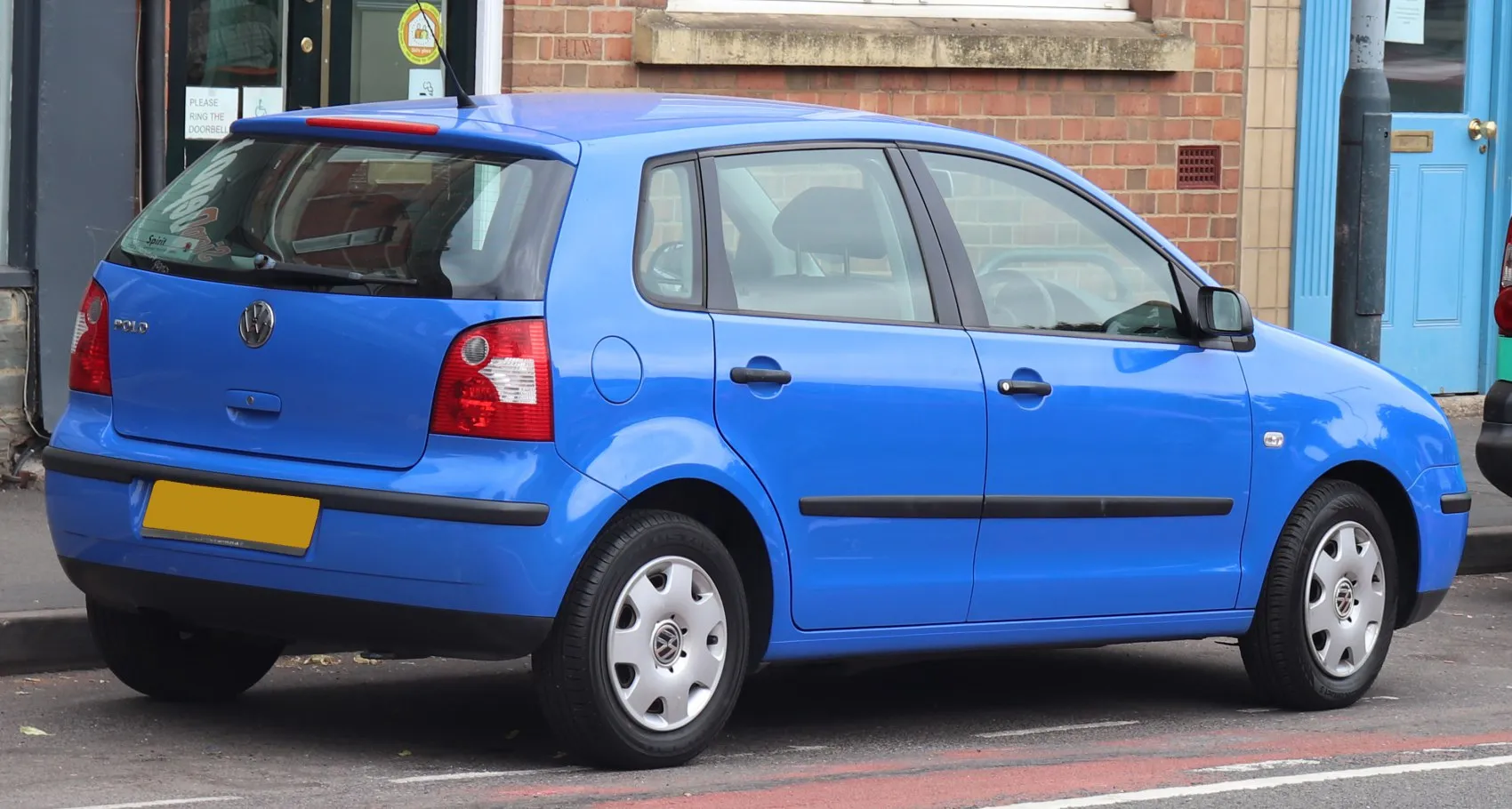
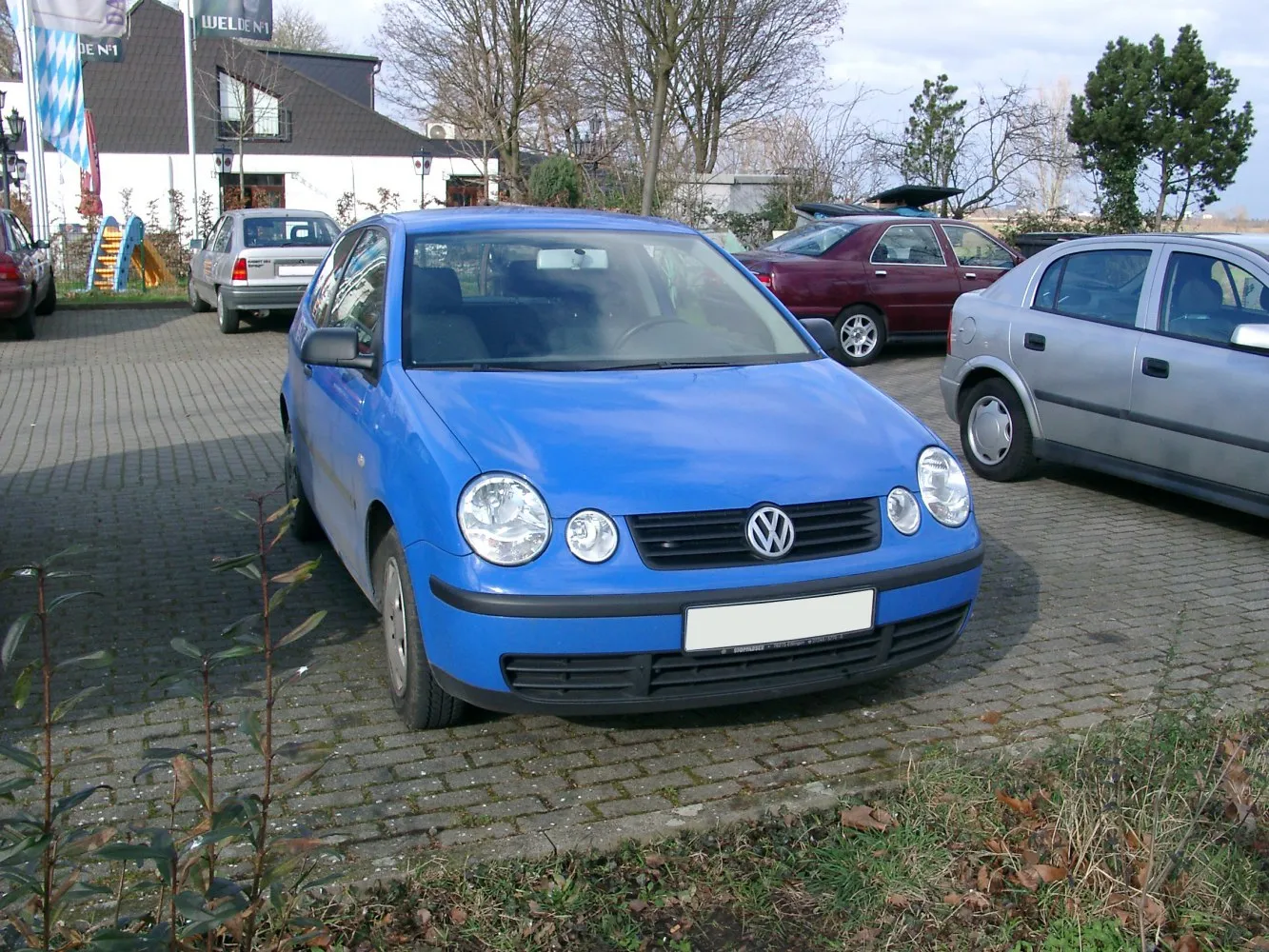
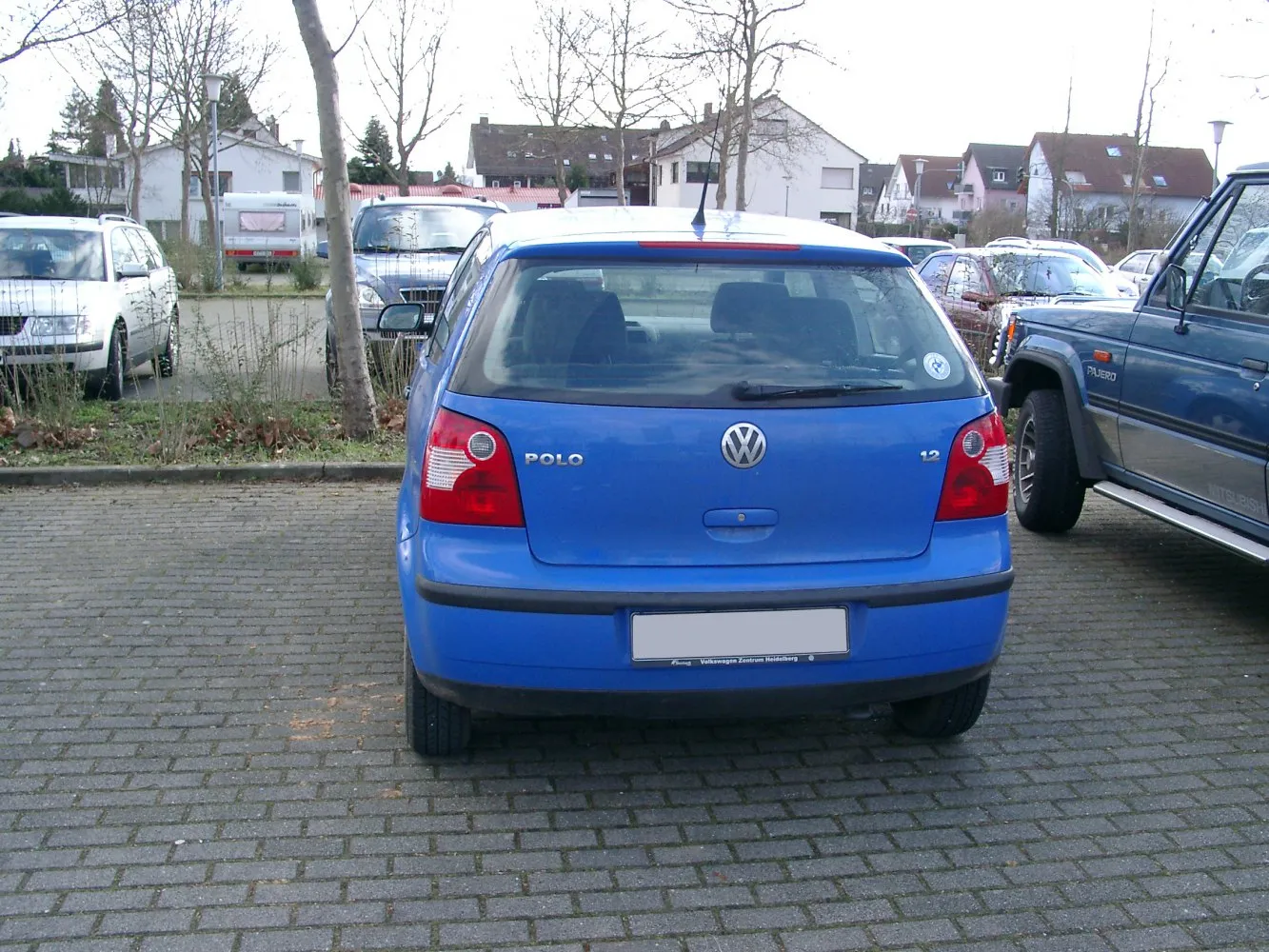
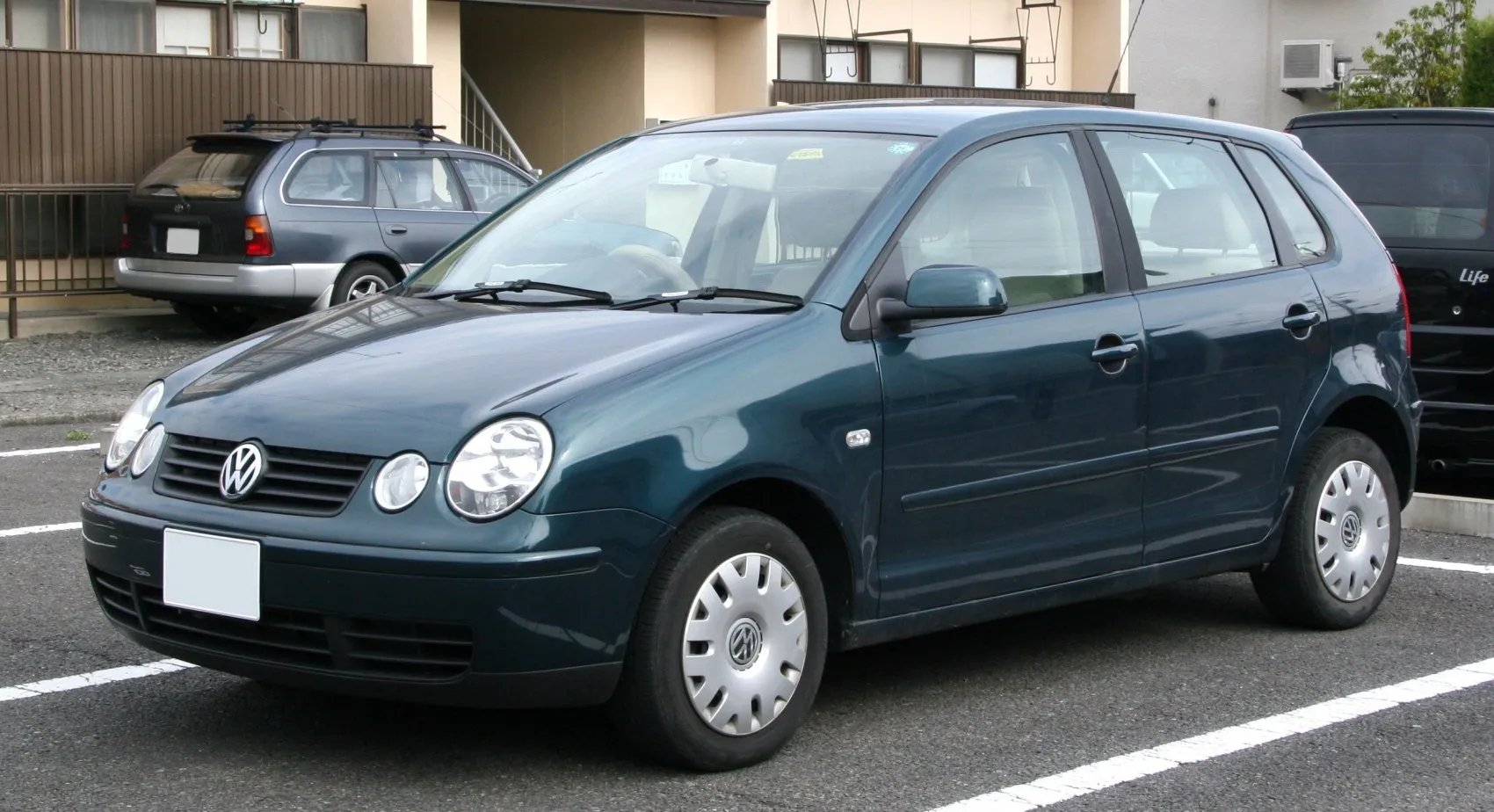
Volkswagen Polo IV (9N) 1.4 16V (101 Hp)
Overall Rating
Volkswagen Polo:
The Volkswagen Polo is a supermini car produced by the German car manufacturer Volkswagen since 1975. It is sold in Europe and other markets worldwide in hatchback, saloon, and estate variants throughout its production run. As of 2018, six separate generations of the Polo had been produced, usually identified by a "Series" or "Mark" number.
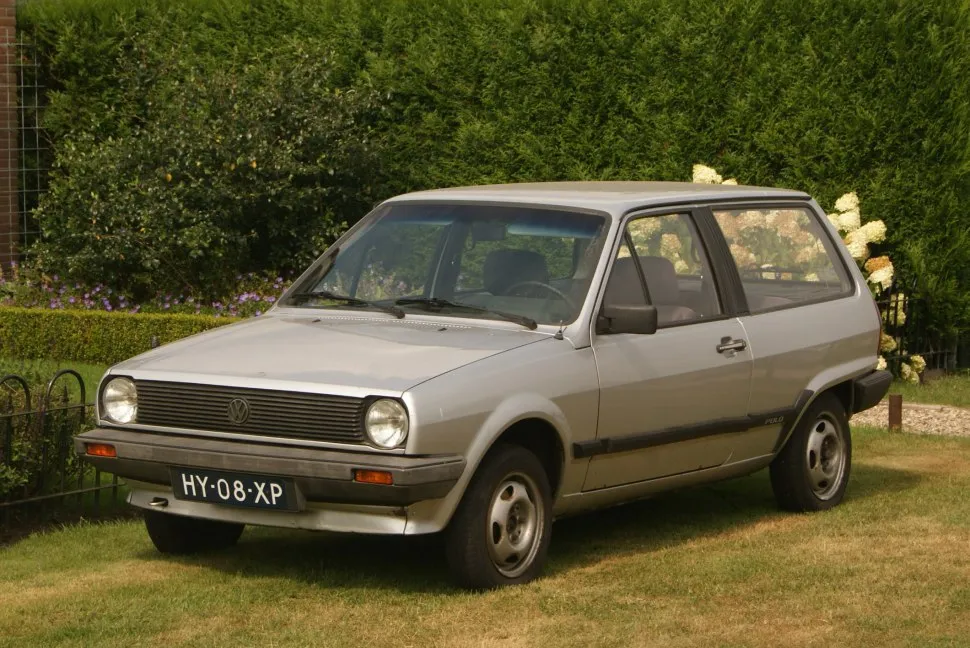
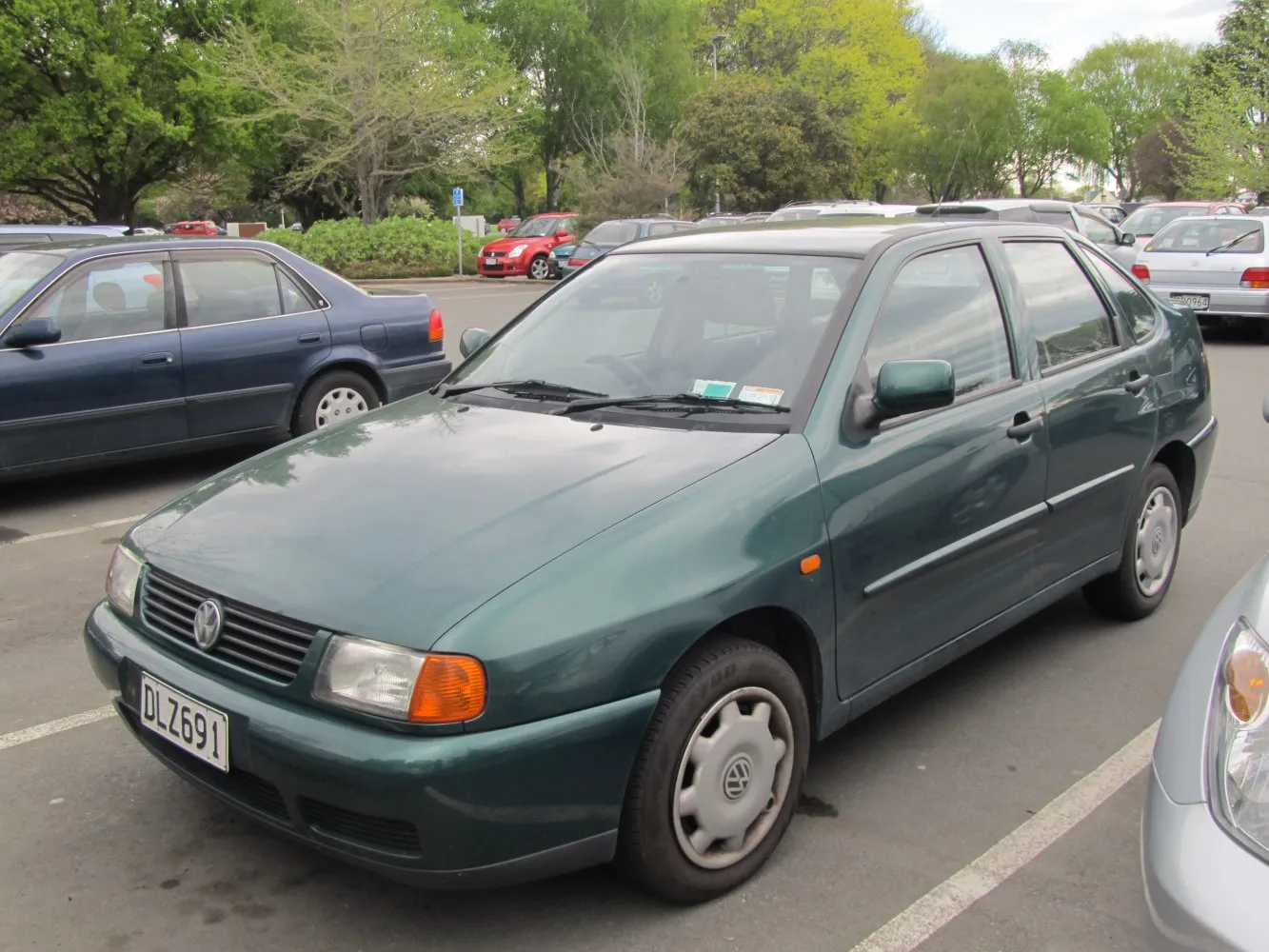
Some generations were facelifted midway through production, with the updated versions known unofficially by an addition of the letter F to the mark number, e. g. , Mk2F. Some members of the automotive press and some enthusiasts consider the facelifts to be separate models, so have used the unofficial designations Polo Mk1 to Mk7 for previous generations. Each Polo model is also identified by a two- or three-character Volkswagen Group Typ number. Official VW Polo history describes Mark I to Mark IV using either Roman numerals or Arabic numerals, with facelifted variants known as "Phase II" models. The body style has been varied through the life of the car, originally as a hatchback, which derived from the Audi 50. A saloon version was marketed as the Volkswagen Derby....(Read more on Wikipedia)
IV (9N) Overview:
Volkswagen Polo (IV (9N)). With 126 Nm of torque, it offers ample pulling power. It has moderate fuel consumption (~9.6 l/100km). Weighing only 925 kg, it’s quite light. Front‑wheel drive delivers efficiency and easy handling. Acceleration is relatively slow (0–100 km/h in 10 s). The top speed reaches 188 km/h. A compact car with a rear door that swings upward to provide access to the cargo area. Seating for 5 makes it ideal for daily use.
1.4 16V (101 Hp) Verdict:

Performance Verdict
The most potent petrol option, delivering spirited performance and making the Polo feel quite agile. Enjoyable for enthusiastic driving.
Fuel Economy
Decent fuel economy for its power, but can be thirsty if driven hard. A good balance for those prioritizing performance over ultimate frugality.
Pros and Cons:
Pros:
- • Solid build quality and durable interior materials.
- • Wide range of efficient and powerful engine options, especially TDI.
- • Comfortable and composed ride for its class.
- • Good safety rating for its era (4-star Euro NCAP).
- • Practical hatchback design with decent boot space.
Cons:
- • Base petrol engines (1.2, 1.4 75hp auto) can feel underpowered.
- • Some interior plastics can feel hard and uninspiring.
- • Rear legroom is limited for taller passengers.
- • Older automatic transmissions are sluggish and impact economy.
- • FSI engines can be prone to carbon buildup issues.
Specifications:
Specifications are compared to those of the previous generation(III Variant: 1999 - 2000).
| General: | |
|---|---|
| Brand: | Volkswagen |
| Model: | Polo |
| Generation: | IV (9N) |
| Modification (Engine): | 1.4 16V (101 Hp) |
| Start of production: | 2001 |
| End of production: | 2005 |
| Powertrain Architecture: | Internal Combustion engine |
| Body type: | Hatchback |
| Seats: | 5 |
| Doors: | 3-5 |
| Engine: | |
|---|---|
| Power: | 101 Hp @ 6000 rpm. Same horsepower |
| Power per litre: | 72.7 Hp/l [394mm less] |
| Torque: | 126 Nm @ 4400 rpm. |
| Engine Model/Code: | BBZ More details about the engine BBZ |
| Engine displacement: | 1390 |
| Number of cylinders: | 4 |
| Engine configuration: | Inline |
| Number of valves per cylinder: | 4 |
| Fuel injection system: | Multi-port manifold injection |
| Engine aspiration: | Naturally aspirated engine |
| Valvetrain: | DOHC |
| Engine oil capacity: | 3.2 l |
| Coolant: | 4.2 l |
| Engine layout: | Front, Transverse |
| Cylinder Bore: | 76.5 mm |
| Piston Stroke: | 75.6 mm |
| Compression ratio: | 10:1 |
| Performance: | |
|---|---|
| Fuel Type: | Petrol (Gasoline) |
| Fuel consumption (economy) - urban: | 9.6 l/100 km |
| Fuel consumption (economy) - extra urban: | 5.4 l/100 km |
| Acceleration 0 - 100 km/h: | 10 sec |
| Acceleration 0 - 62 mph: | 10 sec |
| Maximum speed: | 188 km/h |
| Weight-to-power ratio: | 9.2 kg/Hp, 109.2 Hp/tonne |
| Weight-to-torque ratio: | 7.3 kg/Nm, 136.2 Nm/tonne |
| Acceleration 0 - 60 mph: | 9.5 sec |
| Space: | |
|---|---|
| Kerb Weight: | 925 |
| Max. weight: | 1420 |
| Max load: | 495 |
| Trunk (boot) space - maximum: | 975 l |
| Trunk (boot) space - minimum: | 245 l |
| Fuel tank capacity: | 45 l |
| Size: | |
|---|---|
| Length: | 3743 mm [394mm less] |
| Width: | 1632 mm [8mm less] |
| Height: | 1418 mm [15mm less] |
| Wheelbase: | 2407 mm [37mm less] |
| Front track: | 1392 mm |
| Rear (Back) track: | 1400 mm |
| Powertrain: | |
|---|---|
| Drivetrain Architecture | The Internal combustion engine (ICE) drives the front wheels of the vehicle. |
| Drive wheel | Front wheel drive |
| Number of gears | 5 |
| Transmission type | Manual |
| Front brakes | Disc |
| Rear brakes | Disc |
| Assisting systems | ABS (Anti-lock braking system) |
| Steering type | Steering rack and pinion |
| Power steering | Hydraulic Steering |
| Tires size | 185/55 R14 |
| Wheel rims size | 6J x 14 |
| Front suspension | Coil spring |
| Rear suspension | Trailing arm |












Help others decide – share your experience!