
Click on image to view the full photo gallery
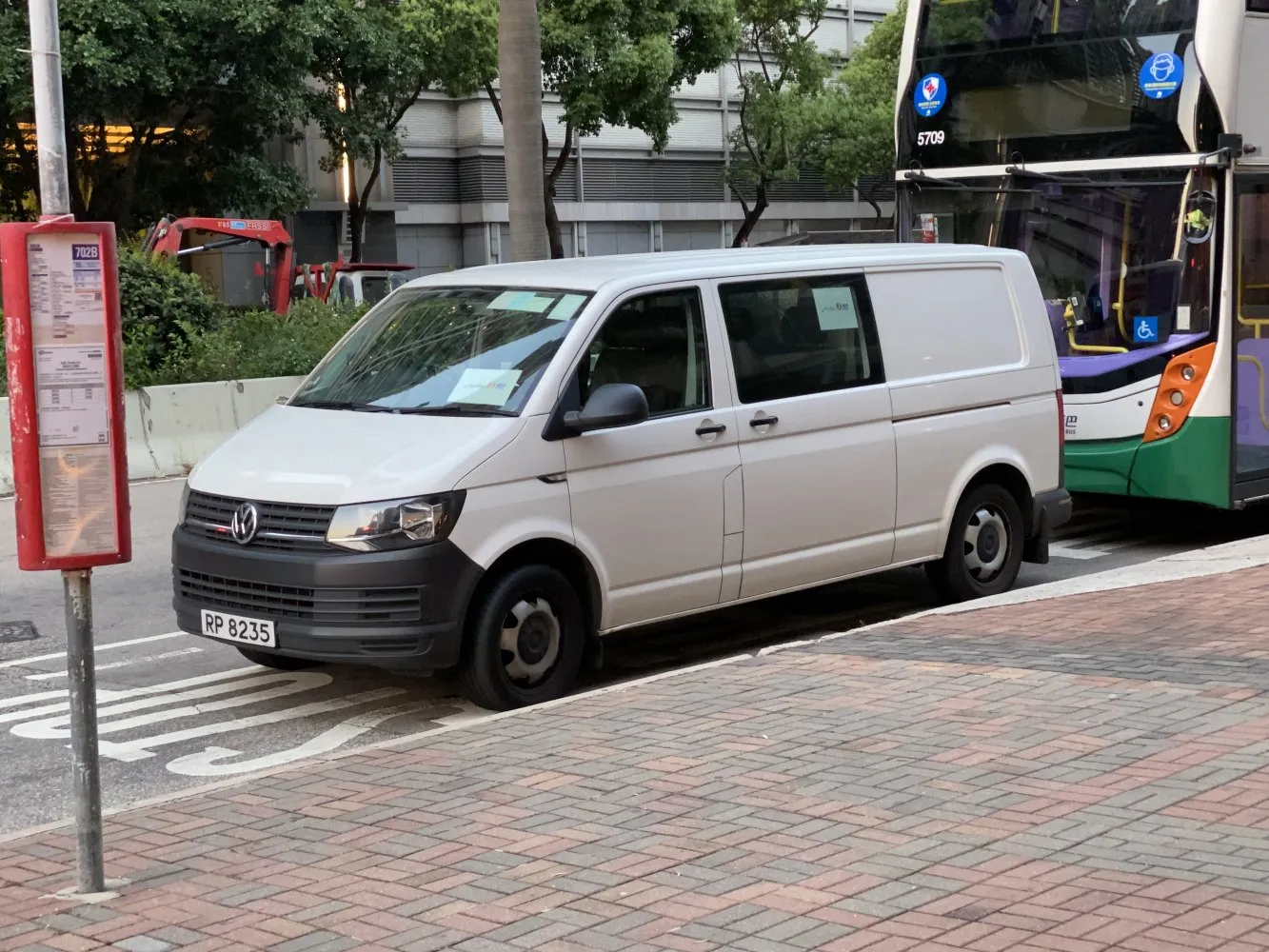
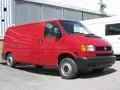
Volkswagen Transporter (T6.1, facelift 2019) Kombi Crew Van 2.0 TDI (150 Hp) L2H1
Overall Rating
Volkswagen Transporter:
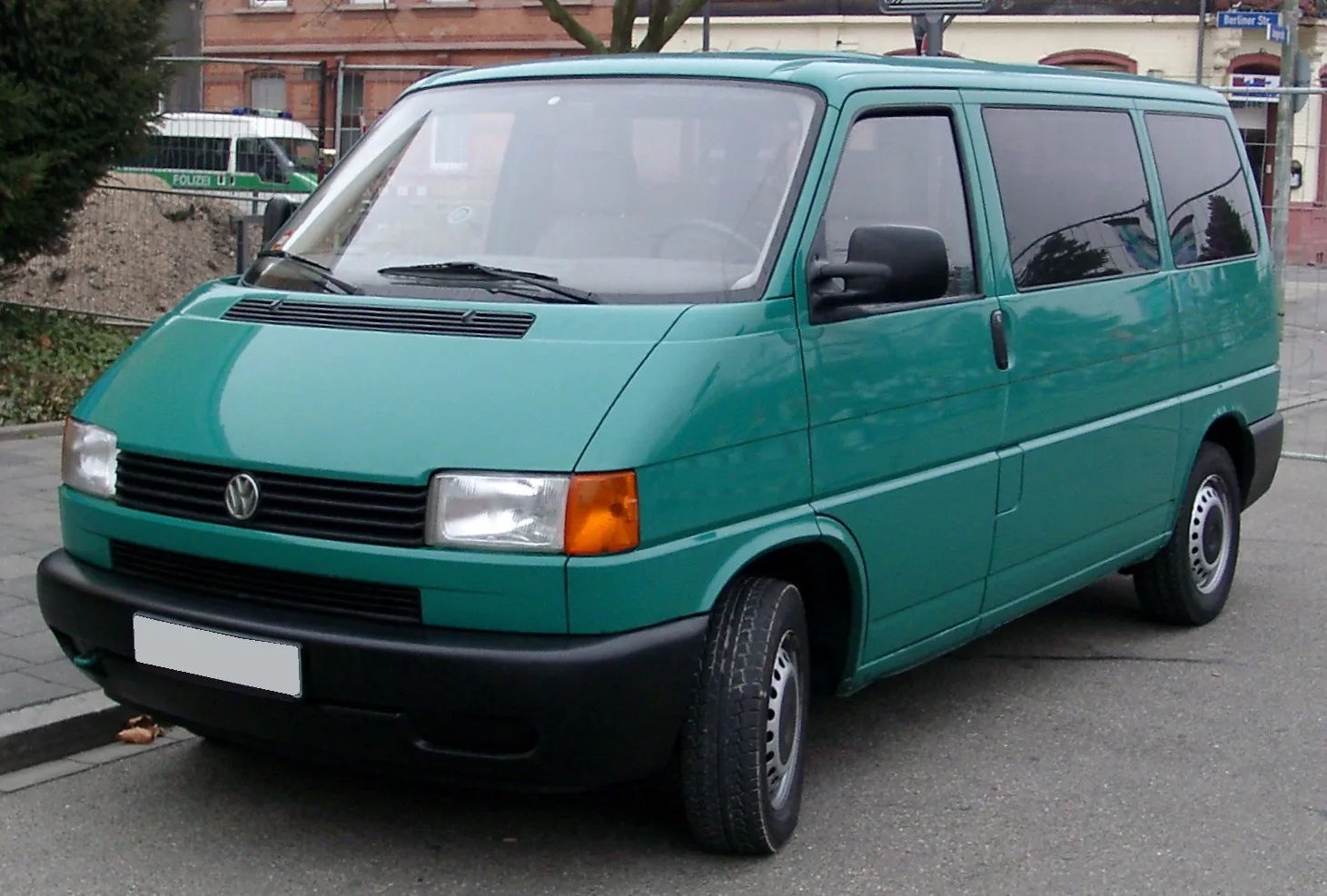
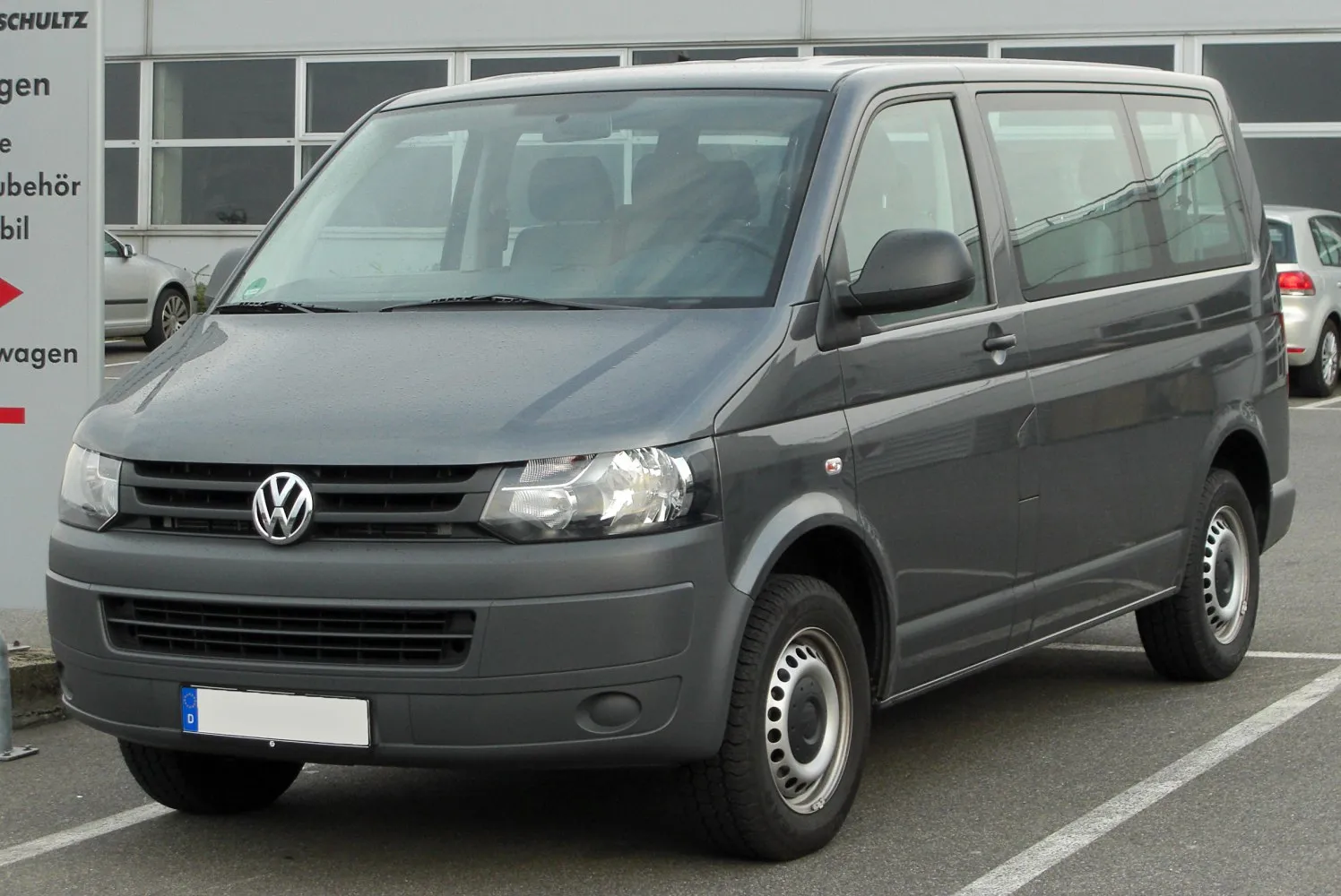
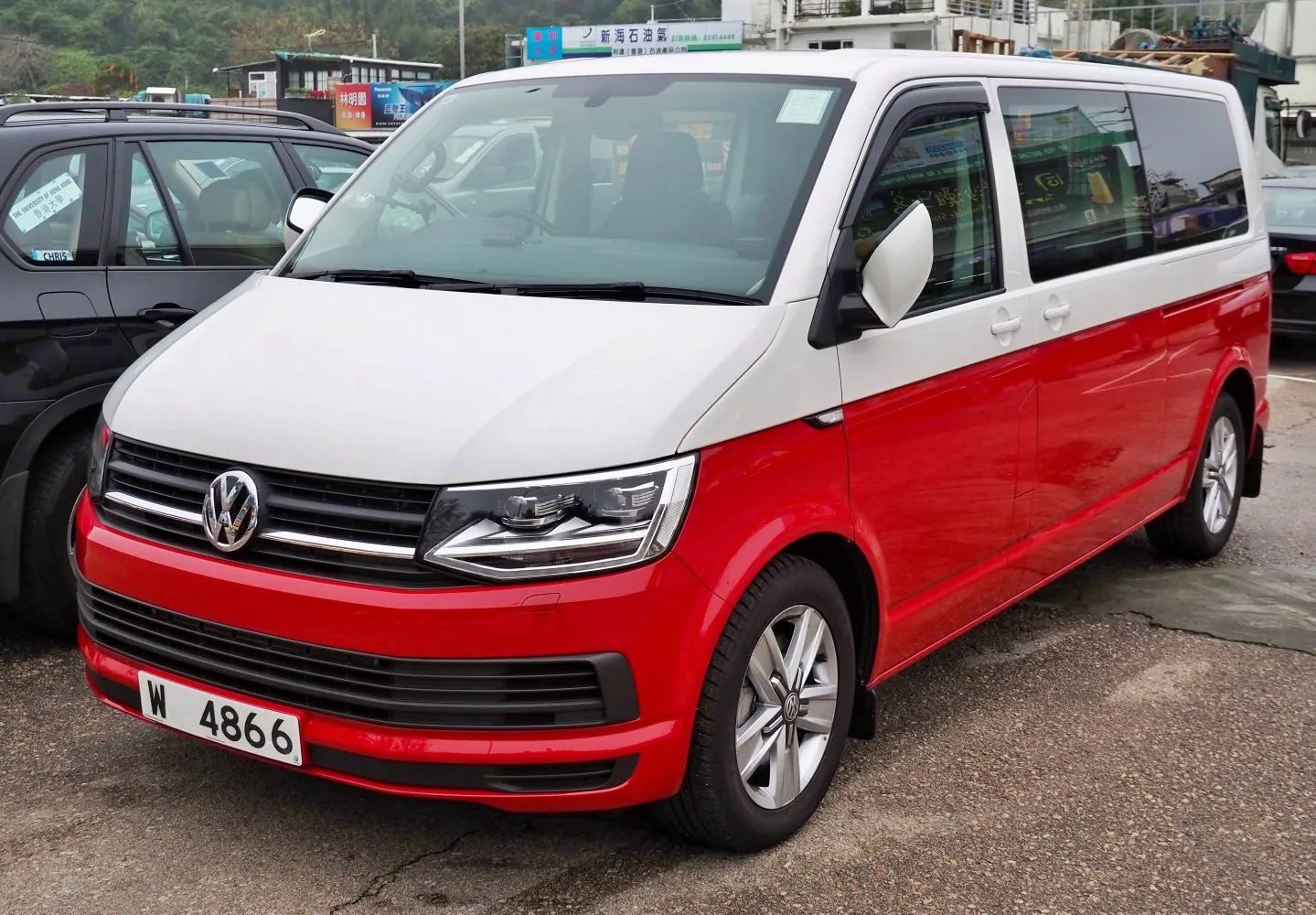
The Volkswagen Transporter, based on the Volkswagen Group's T platform, now in its seventh generation, refers to a series of vans produced for over 70 years and marketed worldwide.
The T series is now considered an official Volkswagen Group automotive platform. and generations are sequentially named T1, T2, T3, T4, T5, T6 and T7. Pre-dating the T platform designations, the first three generations were named Type 2, indicating their relative position to the Type 1, or Beetle. As part of the T platform, the first three generations are retroactively named T1, T2 and T3....(Read more on Wikipedia)
(T6.1, facelift 2019) Kombi Crew Van Overview:
Volkswagen Transporter ((T6.1, facelift 2019) Kombi Crew Van). With 340 Nm of torque, it offers ample pulling power. It has moderate fuel consumption (~7.85 l/100km). At around 2163 kg, it’s on the heavier side. Front‑wheel drive delivers efficiency and easy handling. Acceleration is relatively slow (0–100 km/h in 11.1 s). The top speed reaches 183 km/h. A large vehicle designed for transporting goods or groups of people. Seating for 5 makes it ideal for daily use.
2.0 TDI (150 Hp) L2H1 Verdict:

Performance Verdict
A well-balanced engine offering sufficient power for most tasks, including highway cruising and moderate loads.
Fuel Economy
Excellent fuel efficiency for its power, making it a popular and economical choice.
Pros and Cons:
Pros:
- • Highly versatile with multiple body and engine configurations
- • Excellent build quality and robust construction
- • Comfortable ride for a commercial vehicle
- • Available 4MOTION all-wheel drive for enhanced traction
- • Strong resale value
- • Refined driving experience, especially with DSG gearbox
Cons:
- • Can be expensive, especially higher trims and options
- • Lower power engines (90 Hp, 110 Hp) feel underpowered for heavy loads or highway use
- • Fuel economy can vary significantly with AWD and higher power engines
- • Basic interior on entry-level models
Specifications:
Specifications are compared to those of the previous generation((T6.1, facelift 2019) Kombi: 2020 - 2022).
| General: | |
|---|---|
| Brand: | Volkswagen |
| Model: | Transporter |
| Generation: | (T6.1, facelift 2019) Kombi Crew Van |
| Modification (Engine): | 2.0 TDI (150 Hp) L2H1 |
| Start of production: | 2021 |
| End of production: | 2022 |
| Powertrain Architecture: | Internal Combustion engine |
| Body type: | Van |
| Seats: | 5-6 |
| Doors: | 4-5 |
| Engine: | |
|---|---|
| Engine systems: | Start & Stop System |
| Power: | 150 Hp @ 3250-3750 rpm. |
| Power per litre: | 76.2 Hp/l |
| Torque: | 340 Nm @ 1500-3000 rpm. |
| Engine Model/Code: | EA288MAR / DNAA [Same engine] More details about the engine EA288MAR / DNAA |
| Engine displacement: | 1968 |
| Number of cylinders: | 4 |
| Engine configuration: | Inline |
| Number of valves per cylinder: | 4 |
| Fuel injection system: | Diesel Commonrail |
| Engine aspiration: | Turbocharger, Intercooler |
| Valvetrain: | DOHC |
| Engine oil capacity: | 7.4 l |
| Engine layout: | Front, Transverse |
| Cylinder Bore: | 81 mm |
| Piston Stroke: | 95.5 mm |
| Compression ratio: | 15.5:1 |
| Performance: | |
|---|---|
| Fuel Type: | Diesel |
| Fuel consumption (economy) - urban: | 7.5-8.2 l/100 km |
| Fuel consumption (economy) - extra urban: | 5.3-6.5 l/100 km |
| Fuel consumption (economy) - urban (NEDC, WLTP equivalent): | 7.5-8.2 l/100 km |
| Fuel consumption (economy) - extra urban (NEDC, WLTP equivalent): | 5.3-6.5 l/100 km |
| Fuel consumption (economy) - combined (NEDC, WLTP equivalent): | 6.1-7.2 l/100 km |
| Fuel consumption (economy) - combined: | 6.1-7.2 l/100 km |
| Emission standard: | Euro 6d-ISC-FCM |
| Acceleration 0 - 100 km/h: | 11.1 sec |
| Acceleration 0 - 62 mph: | 11.1 sec |
| Maximum speed: | 183 km/h |
| Weight-to-power ratio: | 13.9 kg/Hp, 72 Hp/tonne |
| Weight-to-torque ratio: | 6.1 kg/Nm, 163.2 Nm/tonne |
| Acceleration 0 - 60 mph: | 10.5 sec |
| Space: | |
|---|---|
| Kerb Weight: | 2083-2244 |
| Max. weight: | 3000-3200 |
| Max. roof load: | 100 kg |
| Max load: | 917-956 |
| Trunk (boot) space - maximum: | 4400 l |
| Permitted trailer load with brakes (12%): | 2500 kg |
| Fuel tank capacity: | 70 l |
| AdBlue tank: | 22 l |
| Permitted trailer load without brakes: | 750 kg |
| Permitted towbar download: | 100 kg |
| Size: | |
|---|---|
| Ramp-over (brakeover) angle: | 12.2° |
| Length: | 5304 mm [Same length.] |
| Width: | 1904 mm [Same width.] |
| Height: | 1990 mm [487mm less] |
| Wheelbase: | 3400 mm [Same wheelbase.] |
| Width including mirrors: | 2297 mm |
| Front overhang: | 906 mm |
| Rear overhang: | 998 mm |
| Ride height (ground clearance): | 202 mm |
| Minimum turning circle (turning diameter): | 13.2 m [above average] |
| Approach angle: | 21.2° |
| Departure angle: | 16.2° |
| Powertrain: | |
|---|---|
| Drivetrain Architecture | The Internal combustion engine (ICE) drives the front wheels of the vehicle. |
| Drive wheel | Front wheel drive |
| Number of gears | 6 |
| Transmission type | Manual |
| Front brakes | Ventilated discs, 308x29.5 mm [Best for performance and cooling.] |
| Rear brakes | Ventilated discs, 294x22 mm [Best for performance and cooling.] |
| Assisting systems | ABS (Anti-lock braking system) |
| Steering type | Steering rack and pinion |
| Power steering | Electric Steering |
| Tires size | 205/65 R16; 215/65 R16 |
| Wheel rims size | 6.5J x 16 |
| Front suspension | Independent, type McPherson with coil spring and anti-roll bar |
| Rear suspension | Independent coil spring, Wishbone, Transverse stabilizer |












Better than its competitors? Tell us why the Volkswagen Transporter stands out.