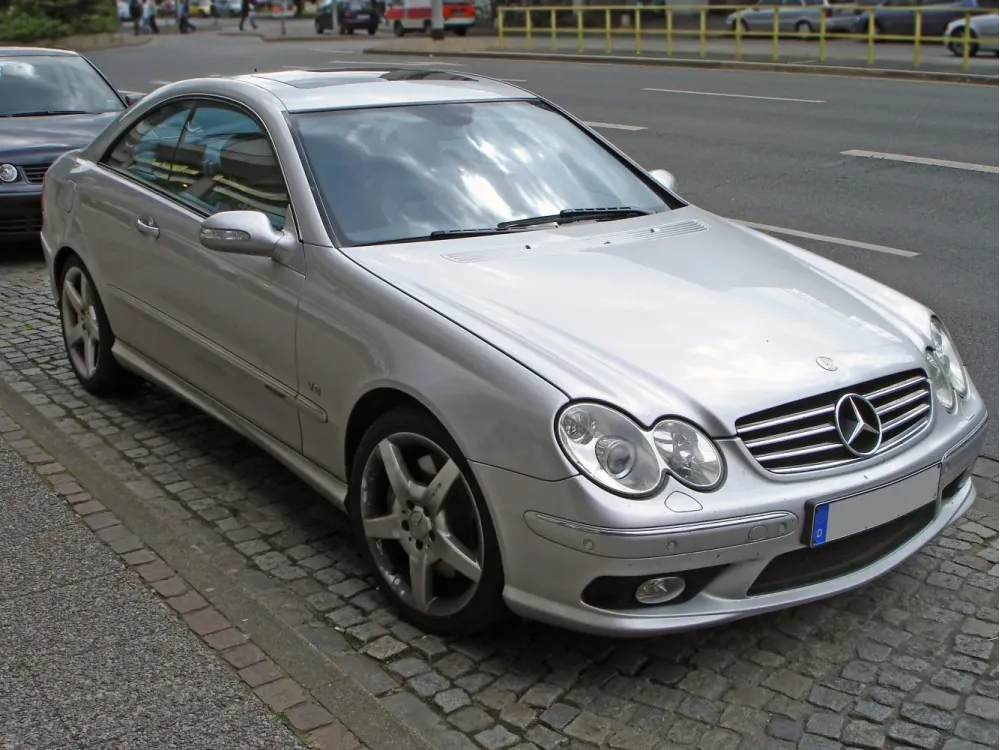
Click on image to view the full photo gallery
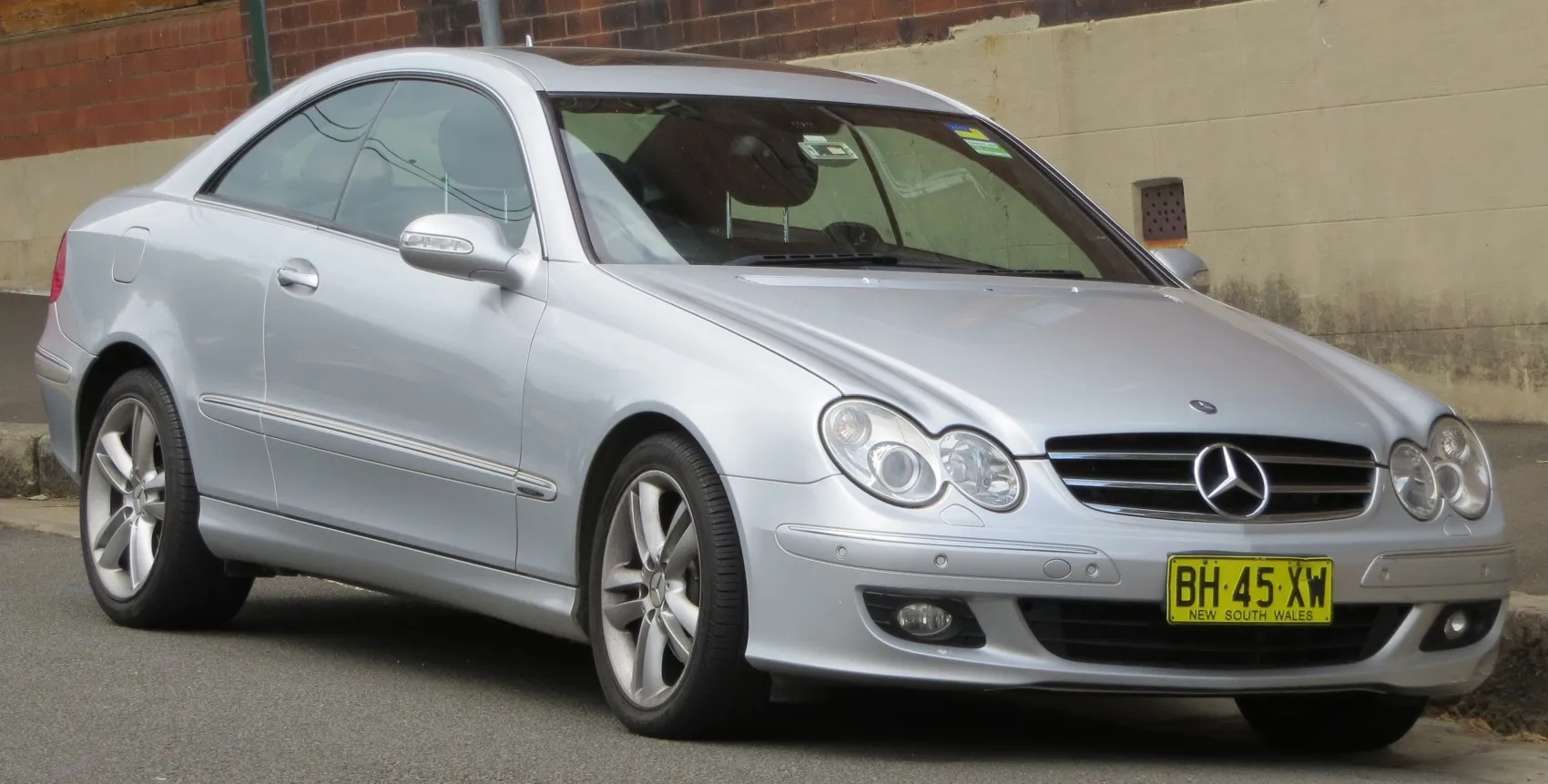
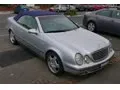
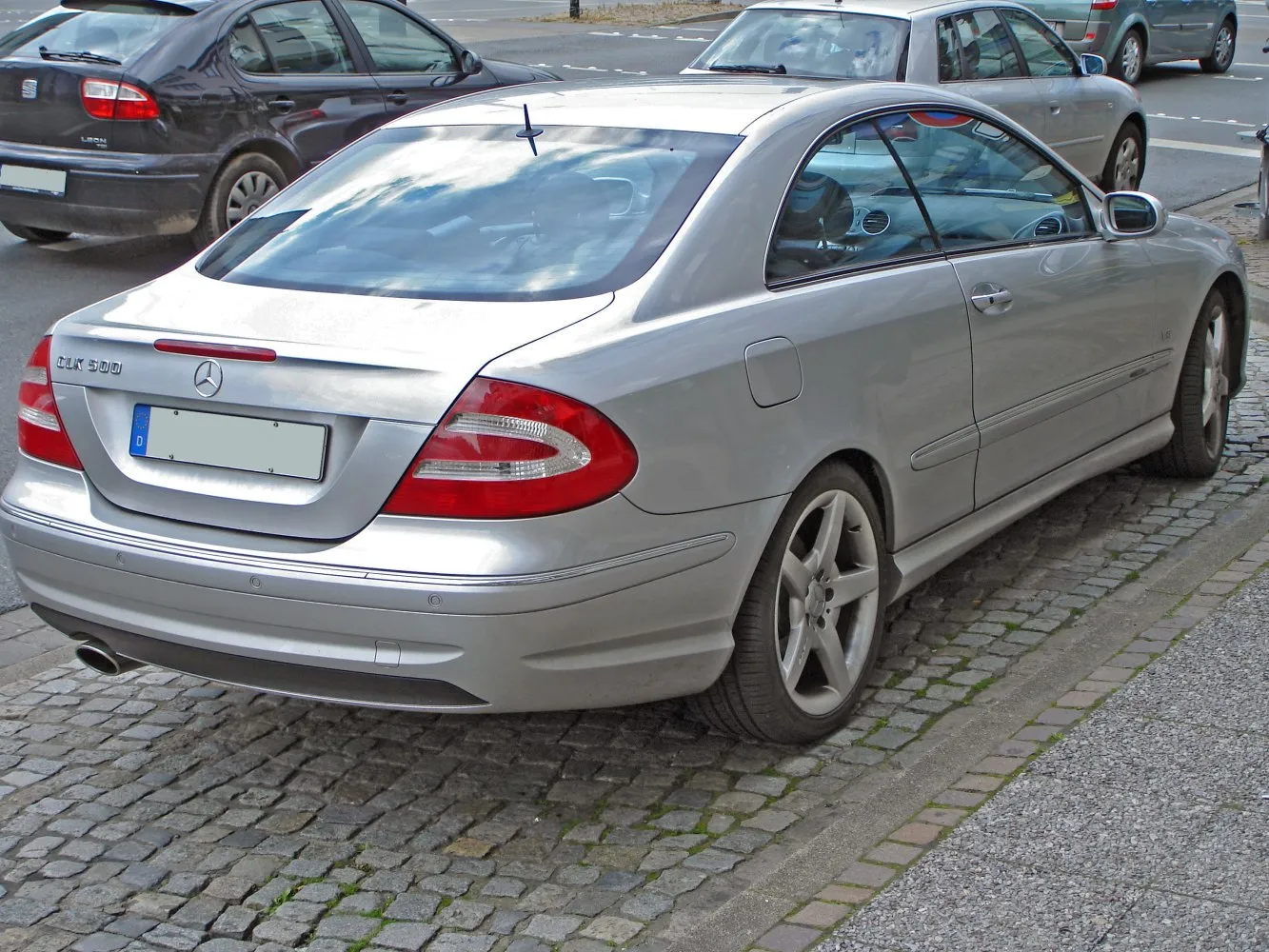
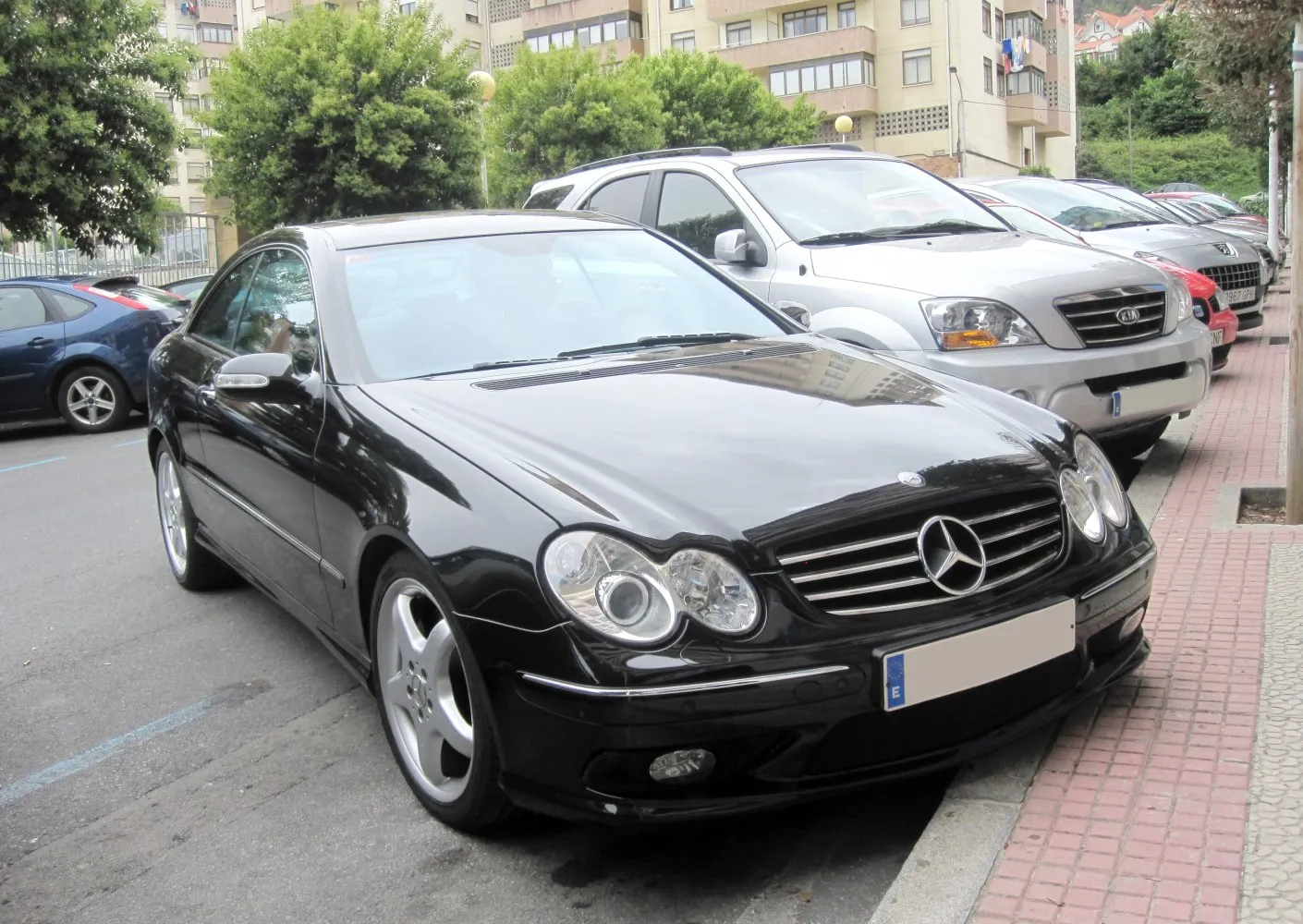
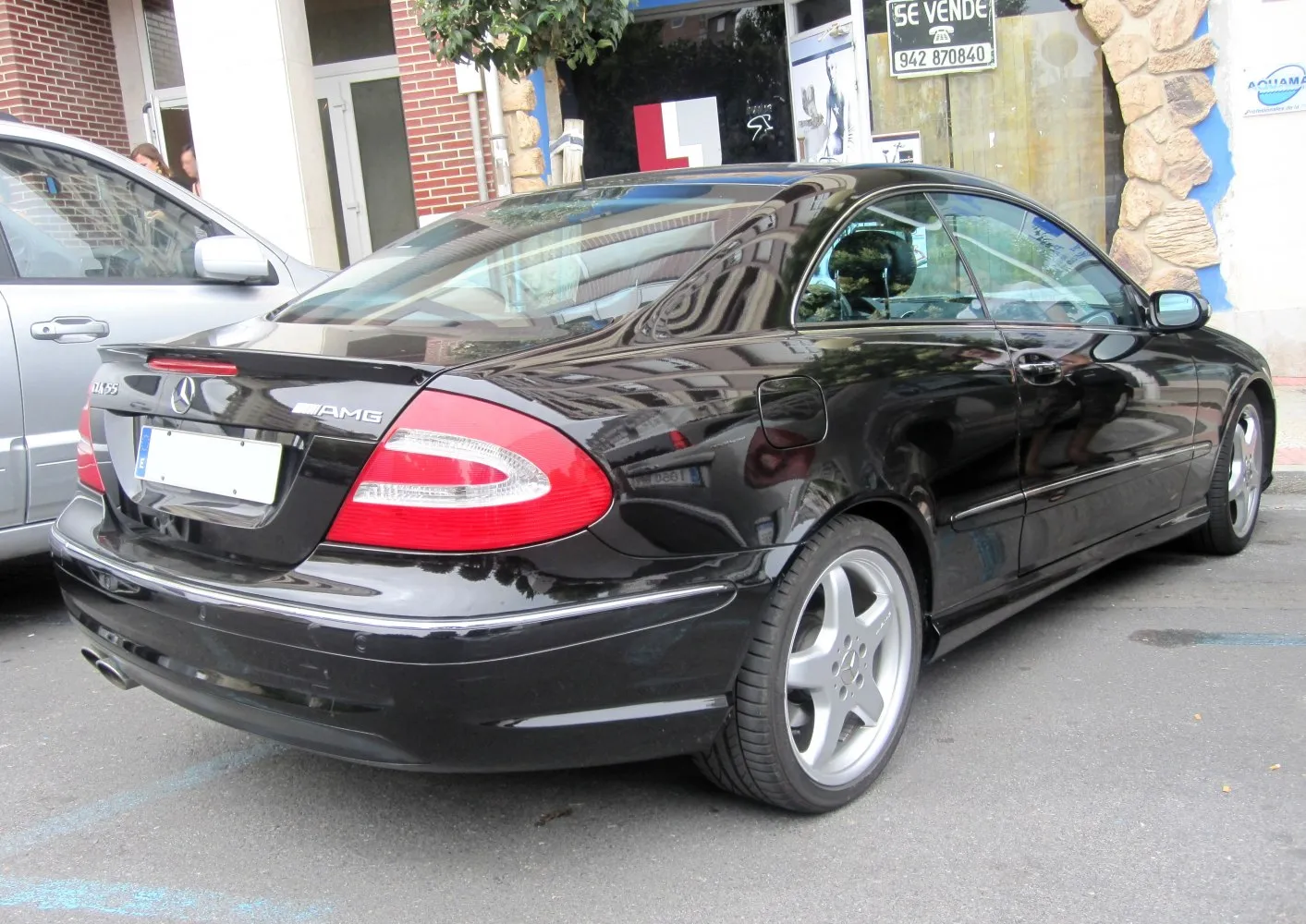
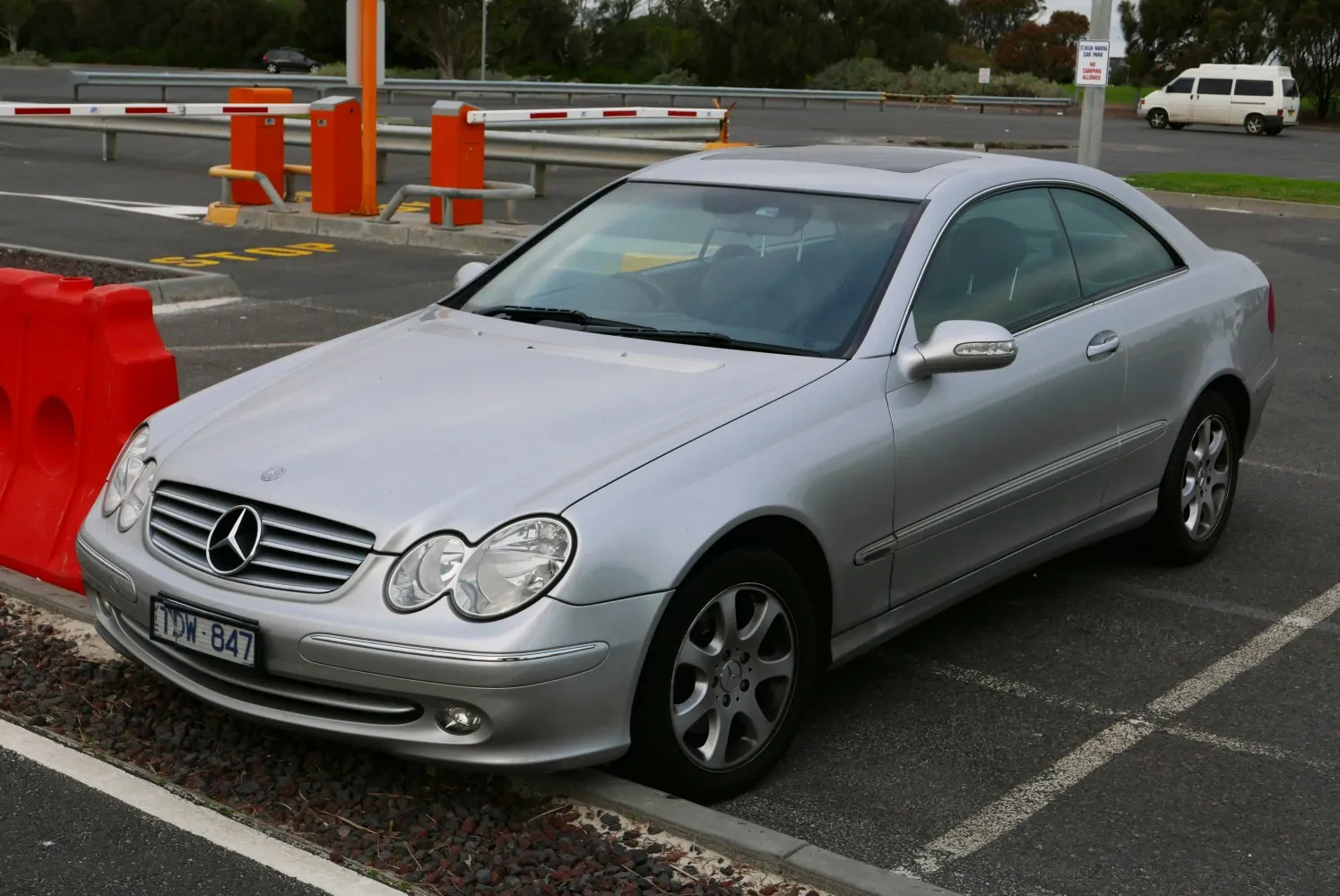
Mercedes-Benz CLK C209 CLK 320 (218 Hp) 5G-TRONIC
Overall Rating
Mercedes-Benz CLK:
The Mercedes-Benz CLK-Class is a former series of mid-size or entry-level luxury coupés and convertibles produced by Mercedes-Benz between 1996 and 2010. Although its design and styling was derived from the E-Class, the mechanical underpinnings were based on the smaller C-Class, and was positioned between the Mercedes-Benz SLK-Class and CL-Class. The name CLK is either derived from the German words "Coupé", "Luxus" and "Kurz" or "Coupé", "Leicht" and "Kurz" , as the clear definition was never published. It primarily competes with the two-door BMW 3 and 6 Series, as well as the Audi A4 Cabriolet and Audi A5 Coupe/Cabriolet, as well as the Maserati Coupe and its convertible variant....(Read more on Wikipedia)
C209 Overview:
Mercedes-Benz CLK (C209). With 310 Nm of torque, it offers ample pulling power. With a weight of 1530 kg, it falls in the mid‑range. Rear‑wheel drive offers dynamic handling and sporty feedback. Acceleration is good (0–100 km/h in 7.9 s). The top speed reaches 244 km/h. A two-door car with a fixed roof, known for its sporty design and dynamic performance. Seating for 4 makes it ideal for daily use.
The Mercedes-Benz CLK (C209) was not directly tested by Euro NCAP. However, it is based on the W203 C-Class platform, which achieved a 5-star rating for adult occupant protection in 2002, suggesting a strong safety foundation for its era.
CLK 320 (218 Hp) 5G-TRONIC Verdict:

Performance Verdict
A strong and refined V6, offering a significant performance upgrade over the 240, with smooth power delivery suitable for spirited driving.
Fuel Economy
Moderate fuel consumption, better than the V8s but less efficient than the diesels or smaller petrol engines.
Pros and Cons:
Pros:
- • Timeless and elegant design
- • High level of interior comfort and refinement
- • Wide range of powerful and efficient engines (especially diesels)
- • Solid build quality and luxurious feel
- • Smooth ride quality
Cons:
- • Rear seating is cramped for adults
- • Older models can suffer from rust issues
- • Maintenance and repair costs can be high
- • Some interior plastics feel less premium than expected
- • Automatic transmissions can be slow on older models
Specifications:
Specifications are compared to those of the previous generation(A209, facelift 2005: December, 2006 - August, 2009).
| General: | |
|---|---|
| Brand: | Mercedes-Benz |
| Model: | CLK |
| Generation: | C209 |
| Modification (Engine): | CLK 320 (218 Hp) 5G-TRONIC |
| Start of production: | February, 2002 |
| End of production: | May, 2005 |
| Powertrain Architecture: | Internal Combustion engine |
| Body type: | Coupe |
| Seats: | 4 |
| Doors: | 2 |
| Engine: | |
|---|---|
| Power: | 218 Hp @ 5700 rpm. Same horsepower |
| Power per litre: | 68.1 Hp/l [14mm less] |
| Torque: | 310 Nm @ 3000-4600 rpm. |
| Engine Model/Code: | M 112.955 More details about the engine M 112.955 |
| Engine displacement: | 3199 |
| Number of cylinders: | 6 |
| Engine configuration: | V-engine |
| Number of valves per cylinder: | 3 |
| Fuel injection system: | Multi-port manifold injection |
| Engine aspiration: | Naturally aspirated engine |
| Valvetrain: | SOHC |
| Engine oil capacity: | 8 l |
| Coolant: | 10.5 l |
| Engine layout: | Front, Longitudinal |
| Cylinder Bore: | 89.9 mm mm |
| Piston Stroke: | 84 mm mm |
| Compression ratio: | 10:1 |
| Maximum engine speed: | 6000 rpm. |
| Performance: | |
|---|---|
| Fuel Type: | Petrol (Gasoline) |
| Fuel consumption (economy) - urban: | 14.9 l/100 km |
| Fuel consumption (economy) - extra urban: | 7.5 l/100 km |
| Fuel consumption (economy) - combined (NEDC): | 10.2 l/100 km |
| Fuel consumption (economy) - urban (NEDC): | 14.9 l/100 km |
| Fuel consumption (economy) - extra urban (NEDC): | 7.5 l/100 km |
| Fuel consumption (economy) - combined: | 10.2 l/100 km |
| Emission standard: | Euro 4 |
| Acceleration 0 - 100 km/h: | 7.9 sec |
| Acceleration 0 - 62 mph: | 7.9 sec |
| Maximum speed: | 244 km/h |
| Weight-to-power ratio: | 7 kg/Hp, 142.5 Hp/tonne |
| Weight-to-torque ratio: | 4.9 kg/Nm, 202.6 Nm/tonne |
| Acceleration 0 - 60 mph: | 7.5 sec |
| Space: | |
|---|---|
| Kerb Weight: | 1530 |
| Max. weight: | 2060 |
| Max. roof load: | 100 kg |
| Max load: | 530 |
| Trunk (boot) space - minimum: | 435 l |
| Permitted trailer load with brakes (12%): | 1500 kg |
| Fuel tank capacity: | 62 l |
| Permitted trailer load without brakes: | 750 kg |
| Size: | |
|---|---|
| Length: | 4638 mm mm [14mm less] |
| Width: | 1740 mm mm [Same width.] |
| Height: | 1413 mm mm [Same height.] |
| Wheelbase: | 2715 mm mm [Same wheelbase.] |
| Width including mirrors: | 1991 mm |
| Front track: | 1493 mm |
| Rear (Back) track: | 1474 mm |
| Front overhang: | 840 mm |
| Rear overhang: | 1083 mm |
| Minimum turning circle (turning diameter): | 10.76 m [above average] |
| Powertrain: | |
|---|---|
| Drivetrain Architecture | The Internal combustion engine (ICE) drives the rear wheels of the vehicle. |
| Drive wheel | Rear wheel drive |
| Number of gears | 5 |
| Transmission type | Automatic |
| Front brakes | Ventilated discs, 300x28 mm [Best for performance and cooling.] |
| Rear brakes | Disc, 290x10 mm [above average] |
| Assisting systems | ABS (Anti-lock braking system) |
| Steering type | Steering rack and pinion |
| Power steering | Hydraulic Steering |
| Tires size | Front wheel tires: 205/55 R16 |
| Wheel rims size | Front wheel rims: 7J x 16 |
| Front suspension | Independent type McPherson, Transverse stabilizer |
| Rear suspension | Independent multi-link suspension, Transverse stabilizer |








Driven it? Loved it? Hated it? Share your honest review!