Toyota Venza II (XU80) 2.5 (219 Hp) Hybrid E-Four e-CVT
People\'s Opinion
N/A / 5
Toyota Venza:
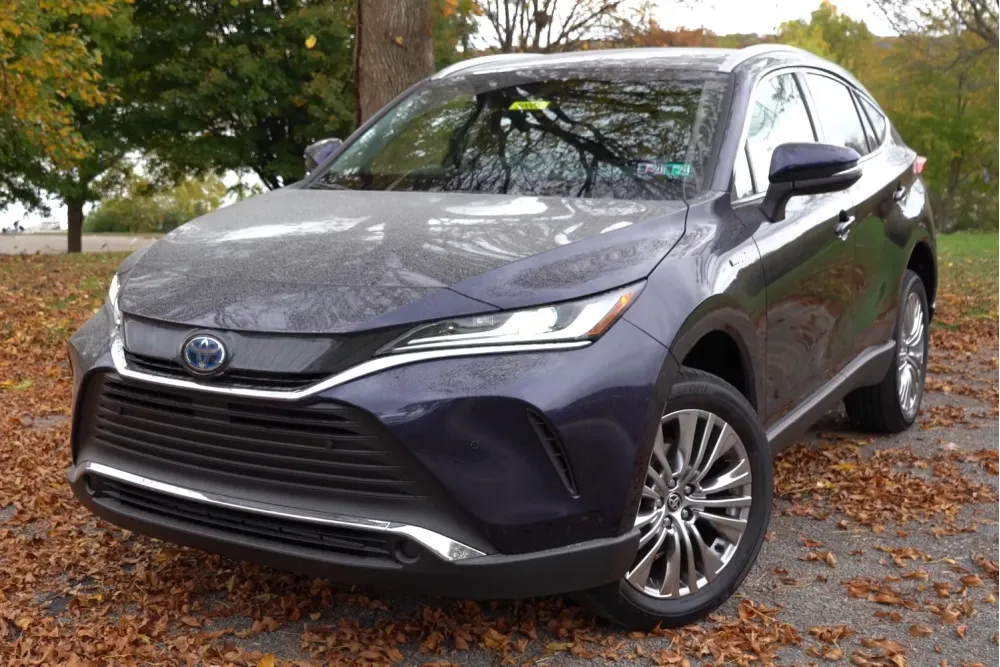
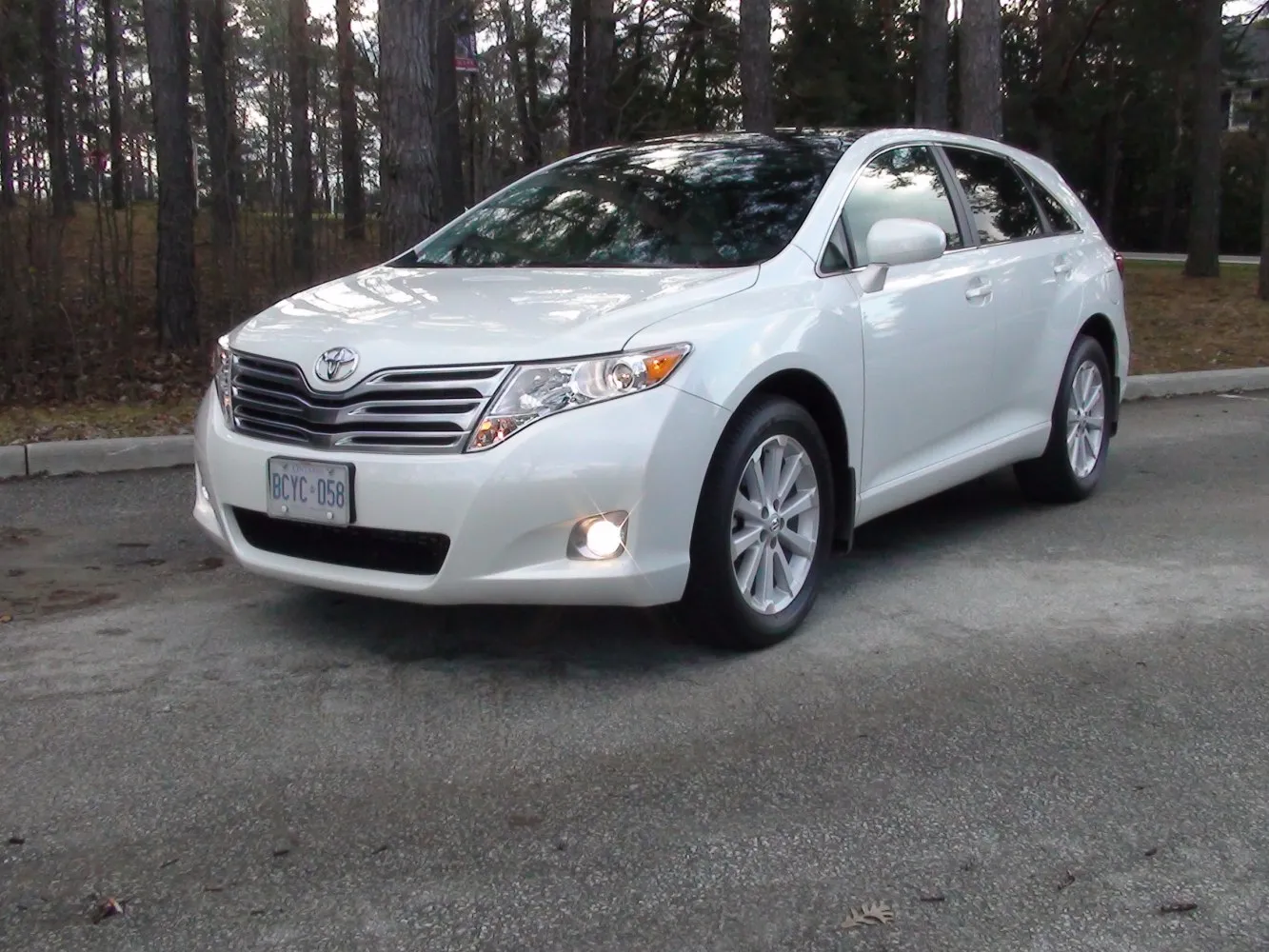
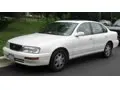
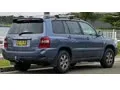
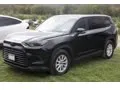
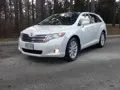
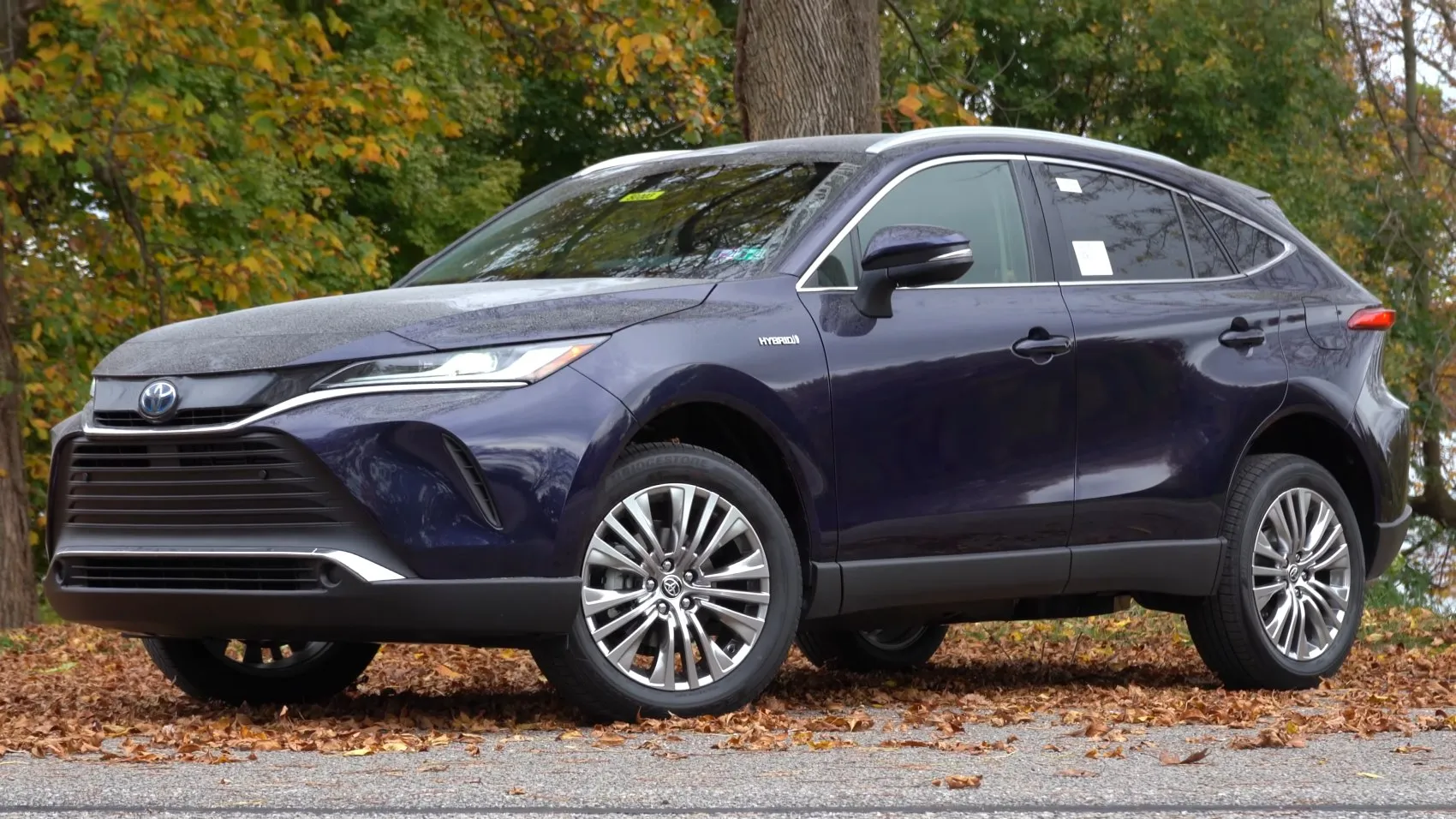
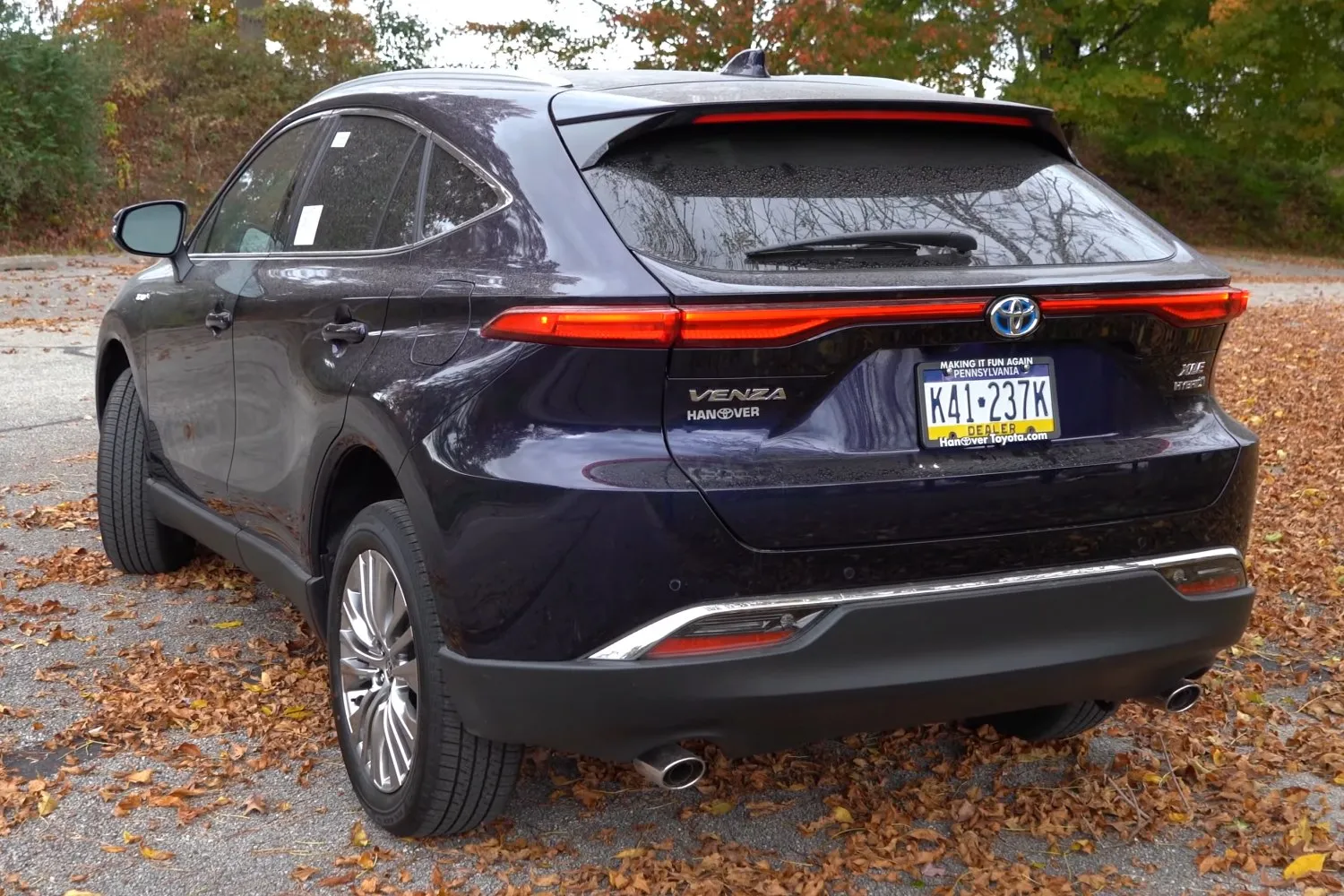
The Toyota Venza is a five-passenger mid-size crossover SUV manufactured and marketed by Toyota primarily for the North American market, beginning with its introduction in 2008 and now in its second generation — with a hiatus for model years 2018–2020.
The first-generation Venza was based on the XV40 series Camry platform and marketed between 2008 and 2017 — and shared the platform with the AL10 series Lexus RX. The second-generation model is a rebadged Japanese-market XU80 series Harrier and has been sold since September 2020....(Read more on Wikipedia)
II (XU80) Overview:
Toyota Venza (II (XU80)). With 221 Nm of torque, it offers ample pulling power. It boasts low fuel consumption (~5.9 l/100km). With a weight of 1760 kg, it falls in the mid‑range. All‑wheel drive provides excellent grip, ideal for off‑road use. A sport utility vehicle offering higher ground clearance and versatile cargo space. Seating for 5 makes it ideal for daily use.
Performance Verdict
The 219 Hp hybrid system provides smooth, adequate acceleration for daily driving, complemented by the seamless e-CVT and confident E-Four AWD. It prioritizes efficiency over raw power.
Fuel Economy
Exceptional fuel efficiency for an AWD SUV, with a combined consumption of 6 l/100 km, making it a highly economical choice in its class for both city and highway driving.
Best Use Case:
Ideal for urban commuting, suburban families, and long-distance highway cruising where fuel economy, comfort, and all-weather capability are priorities.
Pros and Cons:
Pros:
- • Excellent fuel economy for an AWD SUV
- • Standard all-wheel drive (E-Four system)
- • Refined and quiet hybrid powertrain operation
- • Comfortable ride quality and premium interior feel
- • Strong reputation for Toyota hybrid reliability
Cons:
- • Not particularly sporty or engaging to drive
- • e-CVT can cause engine droning under hard acceleration
- • Limited engine options (only one hybrid powertrain)
- • Cargo space is good but slightly less than some rivals
Specifications:
Specifications are compared to those of the previous generation(I (AV10, facelift 2012): May, 2012 - 2017).
| General: |
| Brand: | Toyota |
|---|
| Model: | Venza |
|---|
| Generation: | II (XU80) |
|---|
| Modification (Engine): | 2.5 (219 Hp) Hybrid E-Four e-CVT |
|---|
| Start of production: | May, 2020 |
|---|
| Powertrain Architecture: | FHEV (Full Hybrid Electric Vehicle) |
|---|
| Body type: | SUV |
|---|
| Seats: | 5 |
|---|
| Doors: | 5 |
|---|
| Engine: |
| Engine systems: | Start & Stop System |
|---|
| Power: | 176 Hp @ 5700 rpm. Same horsepower |
|---|
| Power per litre: | 70.8 Hp/l [61mm less] |
|---|
| Torque: | 221 Nm @ 5200 rpm. |
|---|
| Engine Model/Code: | A25A-FXS More details about the engine A25A-FXS |
|---|
| Engine displacement: | 2487 |
|---|
| Number of cylinders: | 4 |
|---|
| Engine configuration: | Inline |
|---|
| Number of valves per cylinder: | 4 |
|---|
| Fuel injection system: | Direct injection and Multi-port manifold injection |
|---|
| Engine aspiration: | Naturally aspirated engine |
|---|
| Valvetrain: | DOHC, VVT-i |
|---|
| Engine oil capacity: | 4.5 l |
|---|
| Coolant: | 6.6 l |
|---|
| Engine layout: | Front, Transverse |
|---|
| Cylinder Bore: | 87.38 mm mm |
|---|
| Piston Stroke: | 103.38 mm mm |
|---|
| Compression ratio: | 14:1 |
|---|
| Performance: |
| Fuel Type: | Petrol (Gasoline) |
|---|
| Fuel consumption (economy) - urban: | 5.9 l/100 km |
|---|
| Fuel consumption (economy) - extra urban: | 6.4 l/100 km |
|---|
| Fuel consumption (economy) - combined: | 6 l/100 km |
|---|
| Emission standard: | SULEV |
|---|
| Weight-to-power ratio: | 8 kg/Hp, 125.5 Hp/tonne |
|---|
| Weight-to-torque ratio: | 7.9 kg/Nm, 126.6 Nm/tonne |
|---|
| Space: |
| Kerb Weight: | 1745-1775 |
|---|
| Trunk (boot) space - maximum: | 1555 l |
|---|
| Trunk (boot) space - minimum: | 813 l |
|---|
| Fuel tank capacity: | 55 l |
|---|
| Size: |
| Length: | 4740 mm mm [61mm less] |
|---|
| Width: | 1854 mm mm [51mm less] |
|---|
| Height: | 1674 mm mm [64mm more] |
|---|
| Wheelbase: | 2690 mm mm [86mm less] |
|---|
| Ride height (ground clearance): | 198 mm |
|---|
| Minimum turning circle (turning diameter): | 11-11.4 m [above average] |
|---|
| Powertrain: |
| Drivetrain Architecture | An Internal combustion engine (ICE) drives the front wheels, one electric motor drives the front wheels, one electric motor drives the rear wheels. There is an ability for running in full electric or mixed mode. |
|---|
| Drive wheel | All wheel drive (4x4) |
|---|
| Transmission type | Automatic |
|---|
| Gearbox type | e-CVT |
|---|
| Front brakes | Ventilated discs, 305 mm [Best for performance and cooling.] |
|---|
| Rear brakes | Disc, 282 mm [above average] |
|---|
| Assisting systems | ABS (Anti-lock braking system) |
|---|
| Steering type | Steering rack and pinion |
|---|
| Power steering | Electric Steering |
|---|
| Tires size | 225/60 R18; 225/55 R19 |
|---|
| Wheel rims size | 7J x 18; 7J x 19 |
|---|
| Front suspension | Independent, type McPherson with coil spring and anti-roll bar |
|---|
| Rear suspension | Independent multi-link spring suspension with stabilizer |
|---|
| Electric: |
| Battery technology: | Lithium-ion (Li-Ion) |
|---|
| Battery location: | Under the rear seats |
|---|
| System power: | 219 Hp |
|---|
| Electric motor power: | 120 Hp |
|---|
| Electric motor Torque: | 202 Nm |
|---|
| Electric motor location: | Integrated into the transmission |
|---|
| Electric motor type: | Synchronous |
|---|
| Battery voltage: | 252 V |
|---|










Is the Toyota Venza your dream ride or just a daily drive? Let's talk!